Consistent Quality Control Ensures Regulatory Compliance and Customer Satisfaction
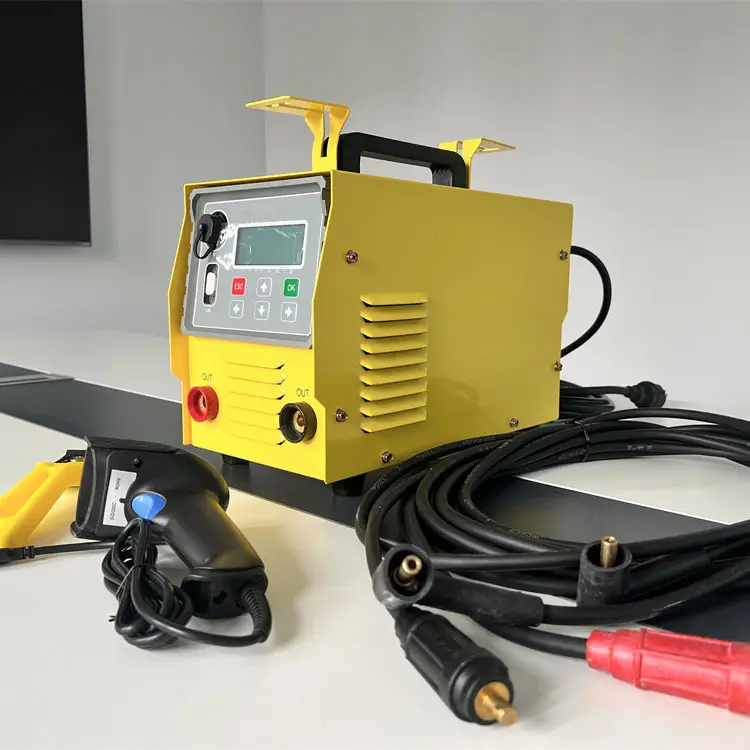
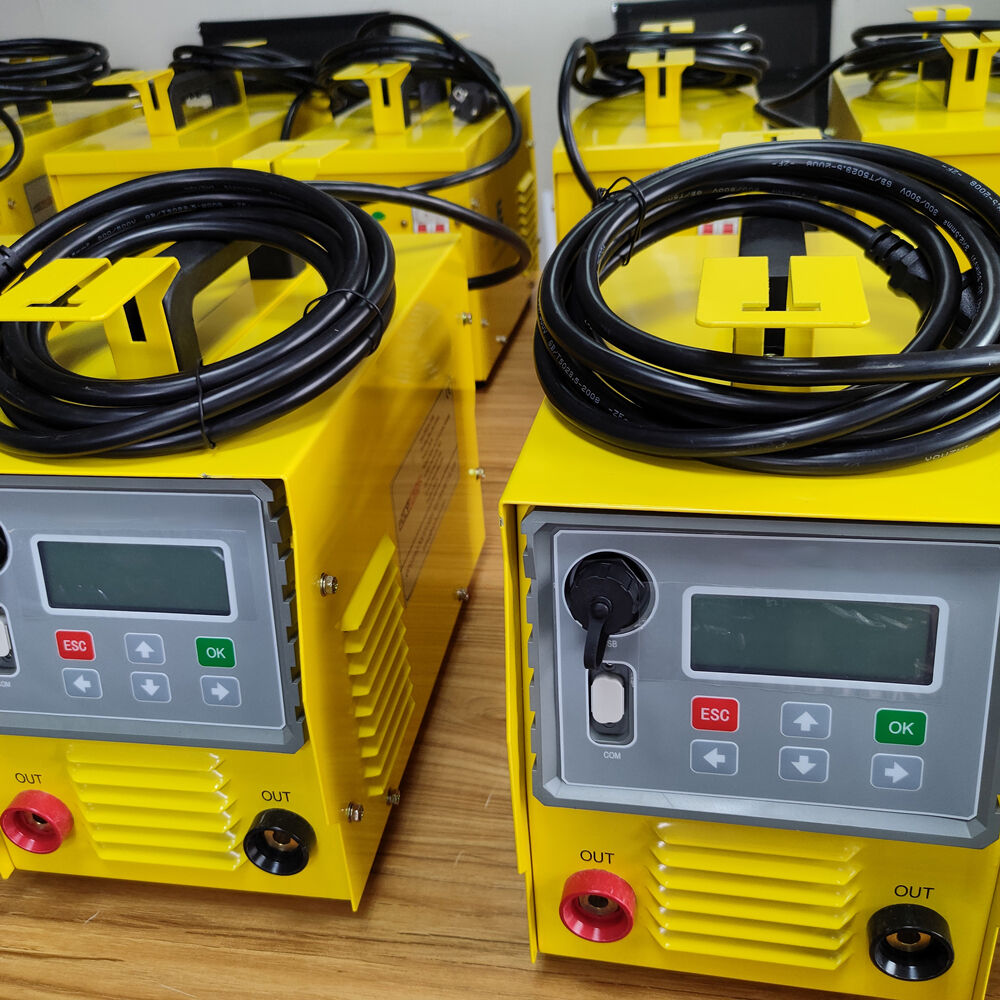
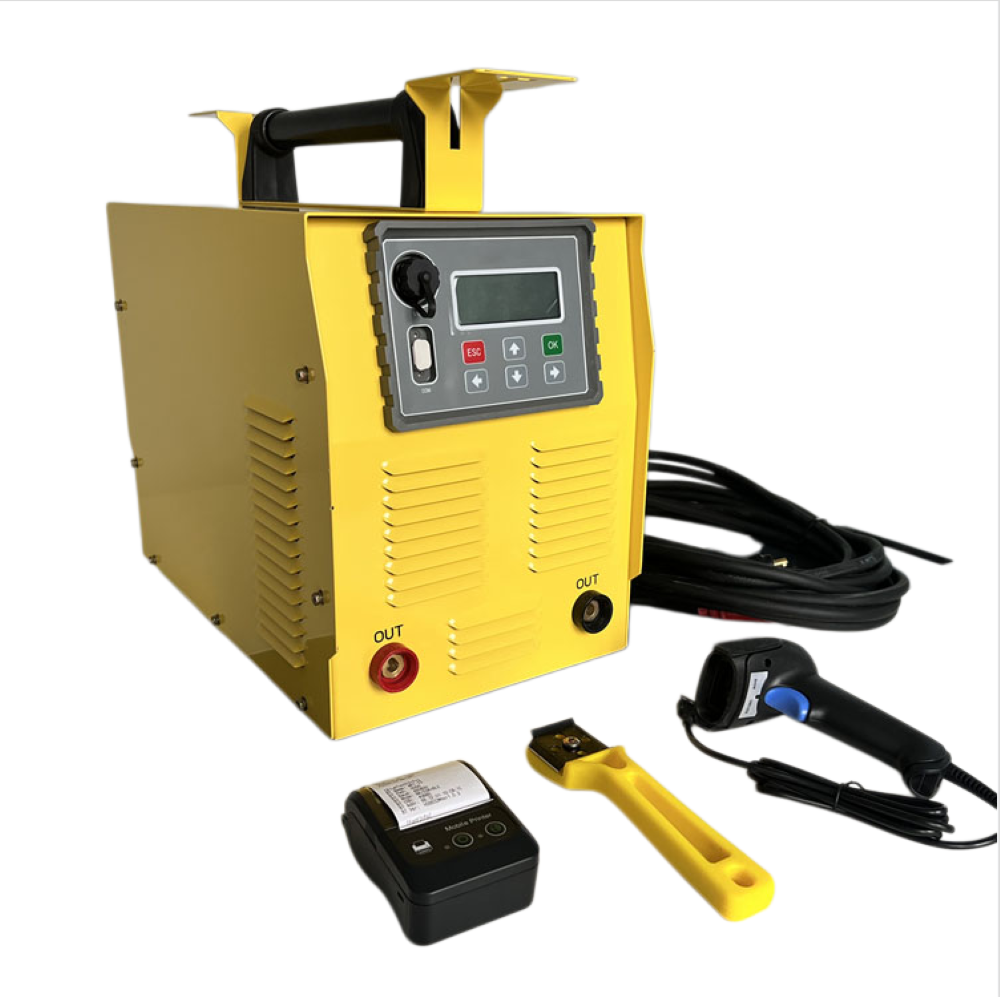
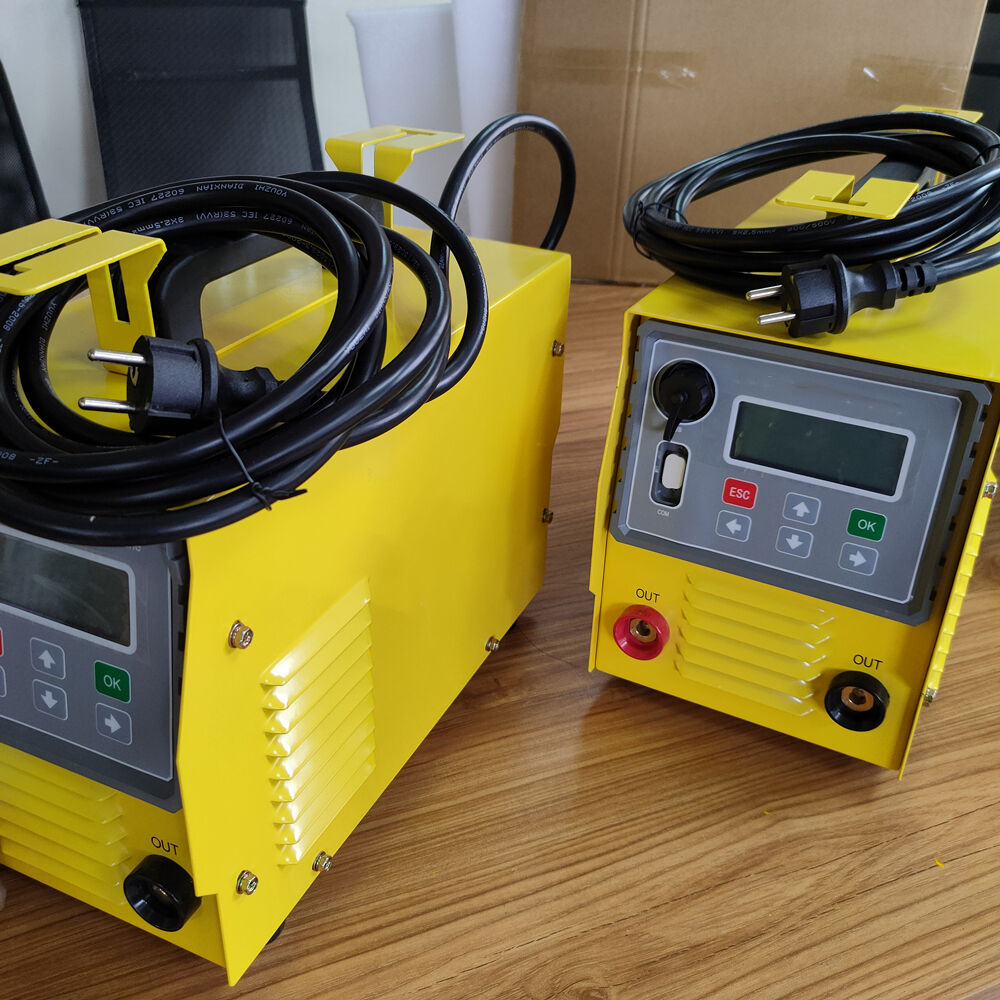
Quality assurance represents a critical concern for any pipe fabrication operation, as defective welds can lead to catastrophic failures, costly liability claims, and damaged business reputations. An electric pipe welding machine addresses these concerns by delivering unprecedented consistency and control over the welding process, producing joints that reliably meet or exceed industry standards and customer specifications. The foundation of this quality advantage lies in the precise parameter control that electric pipe welding machines provide through digital systems that monitor and adjust welding variables in real-time. Unlike manual welding where arc length, travel speed, and heat input vary based on operator technique and fatigue levels, an electric pipe welding machine maintains exact settings throughout every welding cycle. This consistency means that weld penetration depth, fusion zone width, and heat-affected zone characteristics remain uniform from joint to joint, eliminating weak spots that might occur with manual methods. For industries operating under strict regulatory oversight such as pharmaceutical manufacturing, nuclear power generation, or high-pressure gas transmission, the documented reliability of electric pipe welding machines provides essential quality evidence. Many modern machines include data logging capabilities that record welding parameters for each joint, creating an audit trail that demonstrates compliance with welding procedure specifications and quality control requirements. This documentation proves invaluable during inspections and certifications, reducing the time and expense associated with proving weld integrity. The repeatability achieved by an electric pipe welding machine also simplifies the qualification process for welding procedures, as test welds accurately represent production welds due to the elimination of operator variables. Once a procedure is qualified using an electric pipe welding machine, fabricators can confidently apply the same parameters to production work, knowing that results will match the tested samples. This reliability contrasts sharply with manual welding where qualified procedures still depend heavily on individual welder skill and consistency. Visual weld appearance, while not the sole indicator of quality, significantly influences customer perceptions and satisfaction. Electric pipe welding machines produce uniform, professional-looking welds with consistent bead profiles and minimal spatter, creating finished products that reflect positively on the fabricator's capabilities. This cosmetic advantage can differentiate a business in competitive bidding situations where multiple vendors offer technically compliant products. Non-destructive testing becomes more straightforward when welds are produced by an electric pipe welding machine, as the consistency of joint geometry facilitates ultrasonic and radiographic inspection techniques. Inspectors can establish baseline parameters for acceptable indications, and any deviations from expected patterns become immediately apparent, streamlining quality control processes. The reduction in weld defects directly translates to lower rejection rates and decreased rework expenses, protecting profit margins on fixed-price contracts. Statistical process control methods work effectively with electric pipe welding machines because the controlled nature of the process produces data with minimal scatter, allowing meaningful trend analysis and early detection of potential issues before defective products are produced. Quality improvements achieved through electric pipe welding machines also enhance customer retention and referral generation, as satisfied clients who experience reliable products and on-time delivery become advocates who recommend your services to others. In markets where reputation determines success, the quality assurance provided by an electric pipe welding machine becomes an invaluable business asset that supports growth and profitability over the long term.

 EN
EN