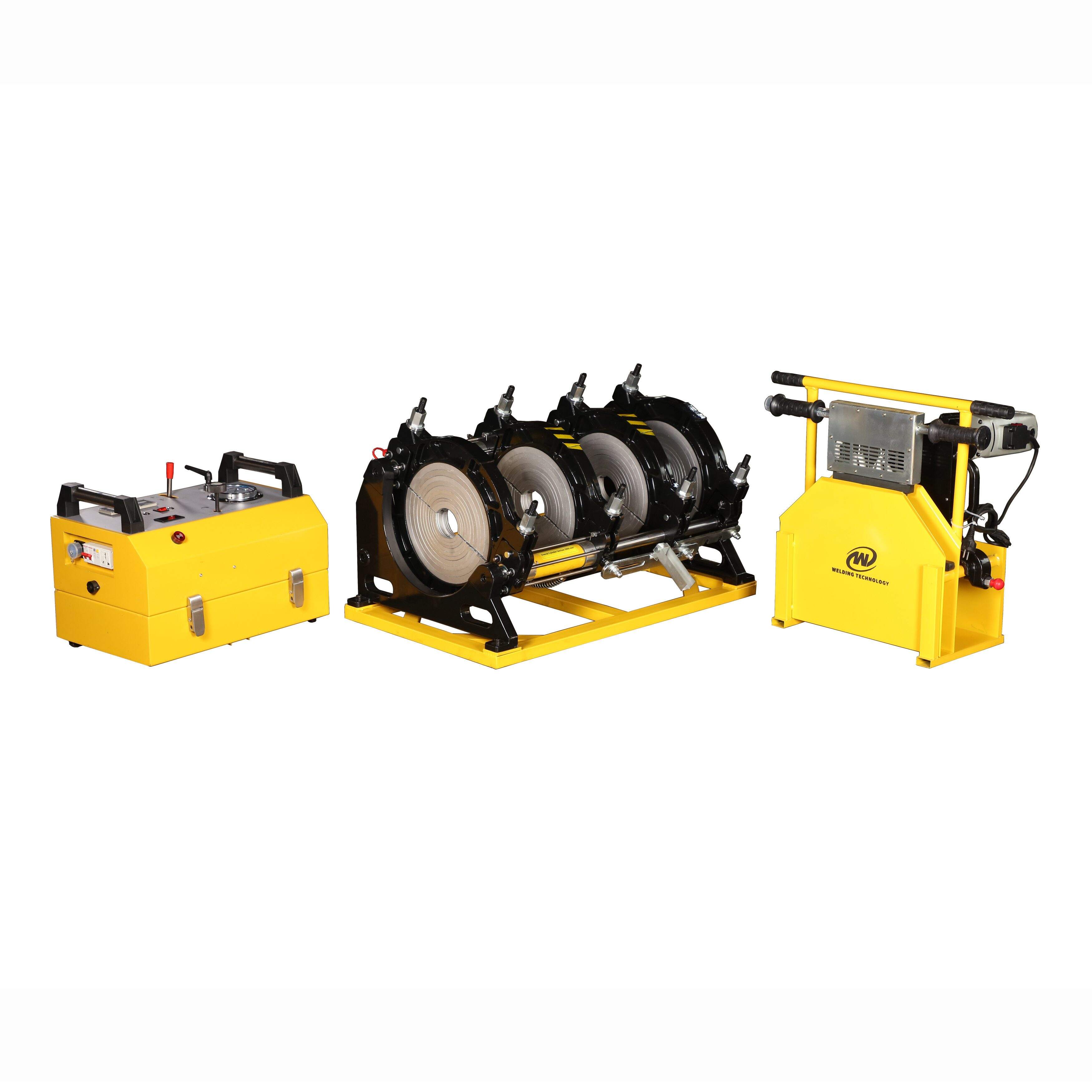
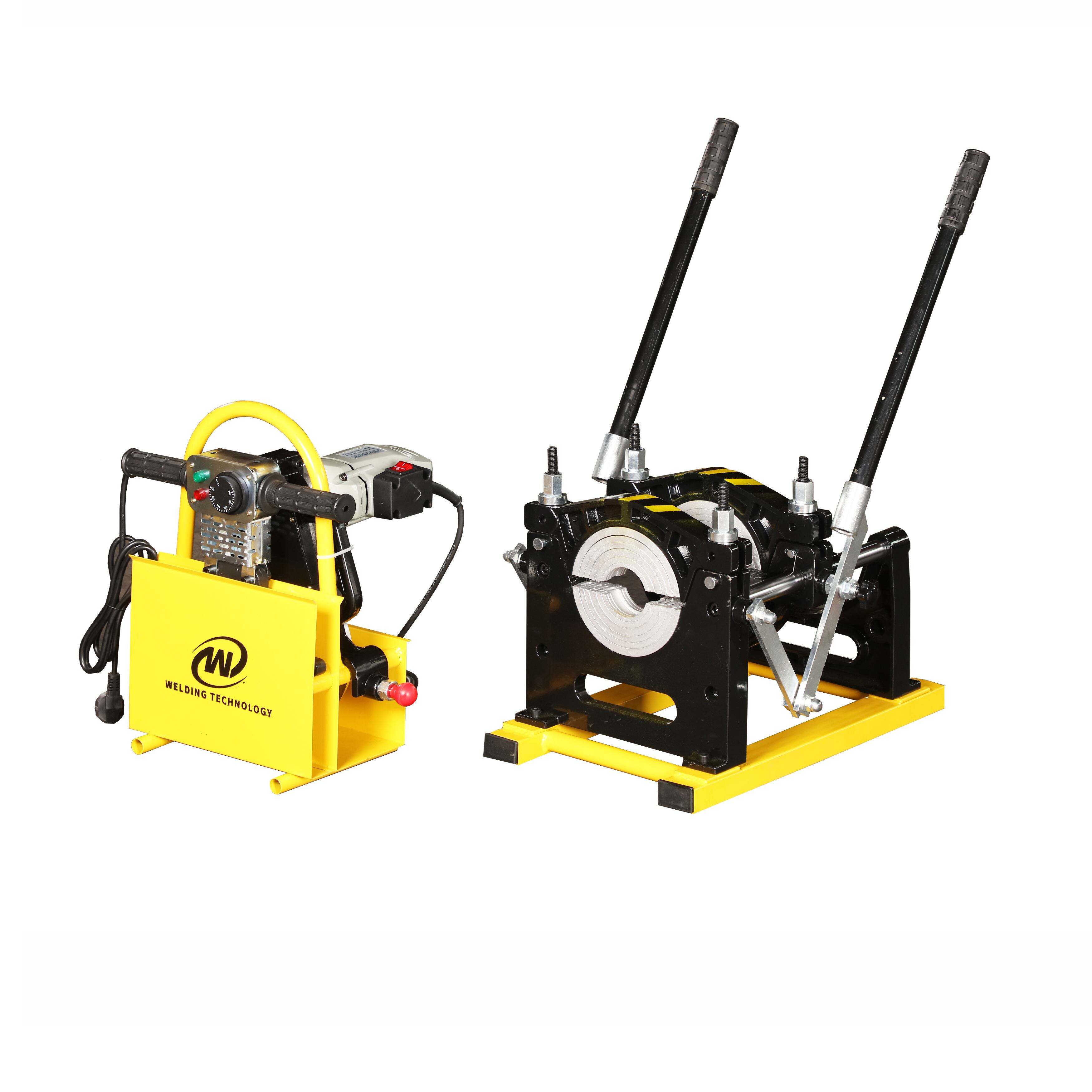
Professional Plastic Tube Welding Machine - Advanced Fusion Technology for Industrial Applications

Get a Free Quote

Our representative will contact you soon.
E-mail
Name
Mobile/WhatsApp
Company Name
Message
0/1000

plastic tube welding machine

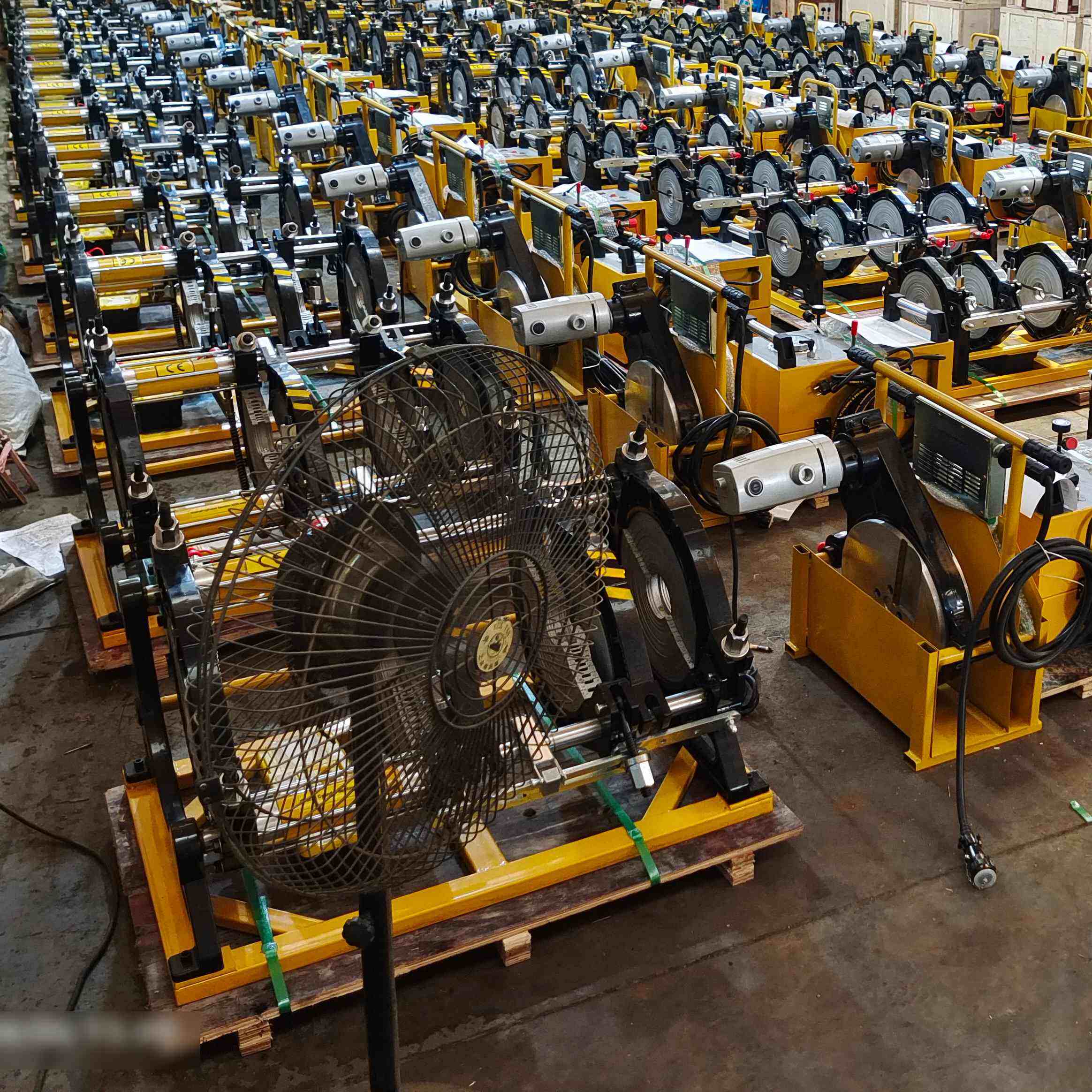
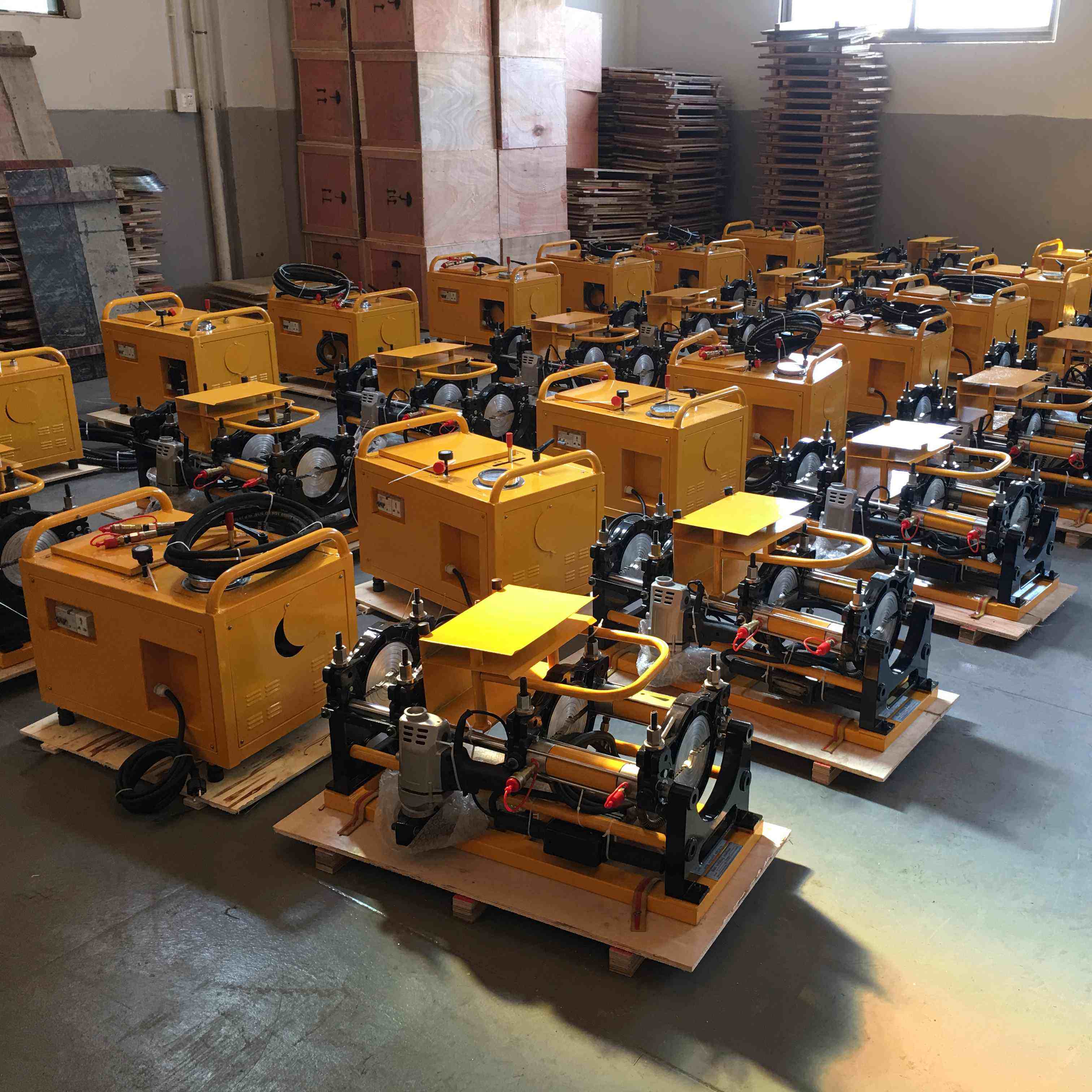
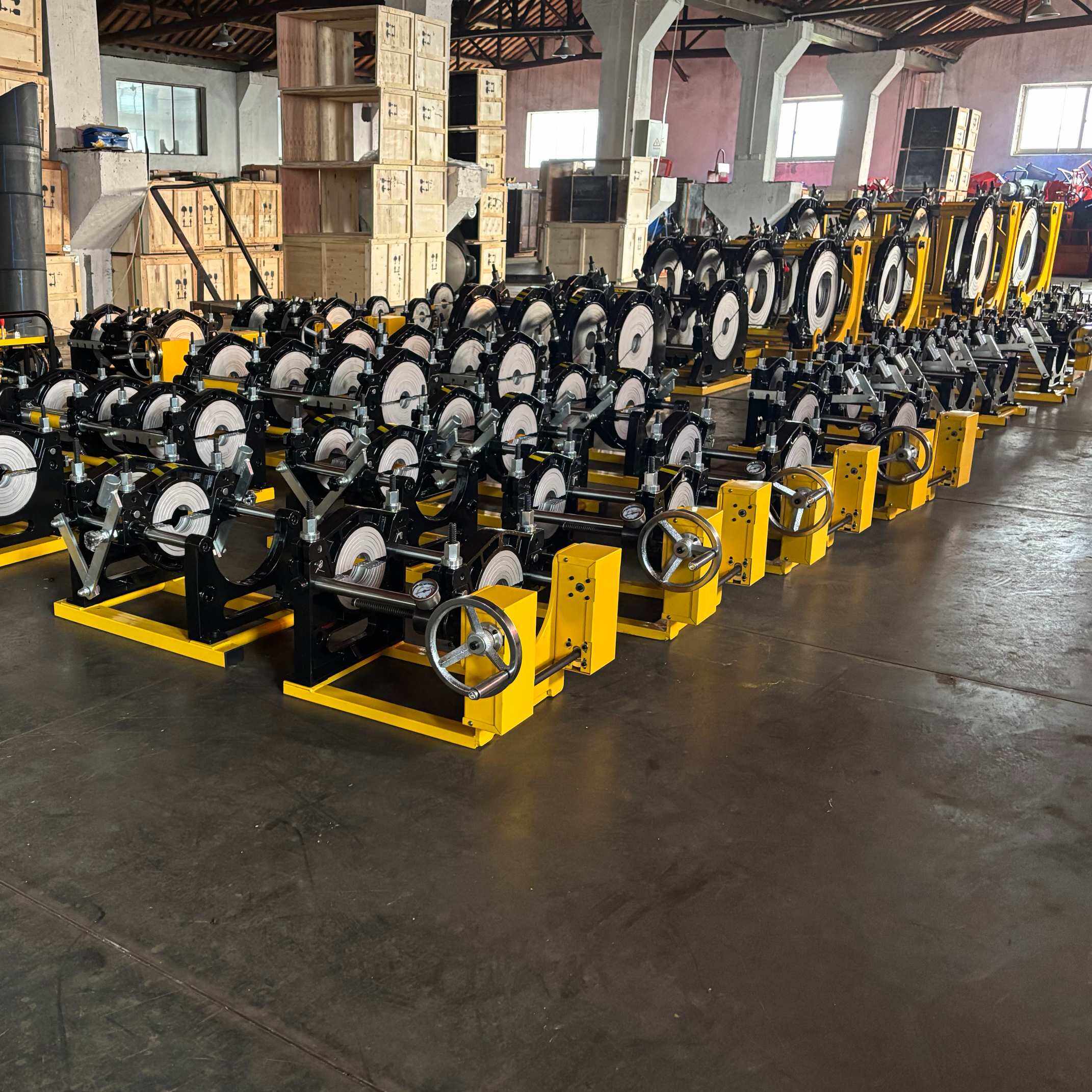
A plastic tube welding machine represents a sophisticated industrial solution designed to join plastic tubes through advanced heat fusion technology. This specialized equipment creates permanent, leak-proof connections between plastic pipes and tubes used across numerous industries. The machine operates by precisely controlling temperature, pressure, and timing to melt the plastic surfaces at the joint area, forming a molecular bond that often exceeds the strength of the original material. Modern plastic tube welding machines incorporate microprocessor controls that ensure consistent weld quality while minimizing material waste and production downtime. These systems accommodate various thermoplastic materials including polyethylene, polypropylene, polyvinyl chloride, and other engineered plastics commonly used in piping applications. The technological framework of these machines includes automated positioning systems, real-time temperature monitoring, and pressure regulation mechanisms that guarantee optimal fusion conditions. Safety features integrated into the design protect operators while maintaining productivity standards required in high-volume manufacturing environments. The welding process eliminates the need for adhesives, mechanical fittings, or chemical bonding agents, resulting in environmentally friendly joining solutions. Advanced models feature programmable welding cycles that can store multiple parameter sets for different tube materials and dimensions. Quality control systems built into the plastic tube welding machine continuously monitor the welding process, detecting irregularities that could compromise joint integrity. These machines support both manual and automated operation modes, allowing manufacturers to scale production according to demand while maintaining consistent quality standards throughout the manufacturing process.

Popular Products

The primary advantage of implementing a plastic tube welding machine centers on achieving superior joint strength compared to traditional mechanical connection methods. These machines create fusion bonds that distribute stress evenly across the entire joint surface, eliminating weak points commonly found in threaded or compression fittings. This strength enhancement translates directly to reduced failure rates and lower maintenance costs over the system's operational lifetime. Cost efficiency represents another significant benefit, as the welding process eliminates expensive consumables like adhesives, solvents, or mechanical connectors required by alternative joining methods. The machine pays for itself through material savings and reduced labor costs associated with complex assembly procedures. Production speed increases dramatically when using automated welding systems, enabling manufacturers to meet tight delivery schedules while maintaining quality standards. The precision control offered by modern plastic tube welding machines ensures consistent results regardless of operator skill level, reducing training requirements and minimizing human error in critical applications. Environmental benefits emerge from the clean welding process that produces no harmful emissions or chemical byproducts, supporting sustainable manufacturing practices increasingly demanded by regulatory agencies and environmentally conscious customers. Quality assurance improves significantly through automated monitoring systems that track welding parameters in real-time, providing documented proof of process compliance for quality certifications. The versatility of these machines accommodates various tube diameters and wall thicknesses within a single unit, reducing equipment investment while expanding production capabilities. Maintenance requirements remain minimal due to robust construction and simplified mechanical designs that reduce downtime and service costs. The welding process creates hermetically sealed joints essential for applications involving pressurized systems or hazardous materials where leak prevention is critical. Long-term reliability of welded joints exceeds that of mechanical connections, particularly in environments subject to thermal cycling, vibration, or chemical exposure that can degrade traditional fastening methods.

Tips And Tricks

Global Fusion Welding Machinery Market Booms, Hangzhou Welding Leads Chinese Manufacturing to Serve 100+ Countries

11

Feb

Global Fusion Welding Machinery Market Booms, Hangzhou Welding Leads Chinese Manufacturing to Serve 100+ Countries

View More
Technological Innovation Drives Industry Upgrade, Hangzhou Welding Leads the Development of Thermoplastic Welding Technology

11

Feb

Technological Innovation Drives Industry Upgrade, Hangzhou Welding Leads the Development of Thermoplastic Welding Technology

View More
Accelerating Global Layout, Hangzhou Welding Technology Drives International Market Development with the Dual Wheels of

11

Feb

Accelerating Global Layout, Hangzhou Welding Technology Drives International Market Development with the Dual Wheels of "Products + Services"

View More

Get a Free Quote

Our representative will contact you soon.
E-mail
Name
Mobile/WhatsApp
Company Name
Message
0/1000

plastic tube welding machine

Precision Temperature Control Technology

Precision Temperature Control Technology

The cornerstone of effective plastic tube welding lies in the precise control of temperature throughout the fusion process, and modern plastic tube welding machines excel in this critical area through advanced thermal management systems. These sophisticated machines employ multiple temperature sensors strategically positioned around the heating elements to monitor and adjust thermal conditions in real-time, ensuring optimal melting temperatures for different plastic materials without overheating or underheating the joint area. The microprocessor-controlled heating system responds instantaneously to temperature variations, maintaining consistency within tight tolerances that guarantee reliable fusion bonds. This precision becomes particularly important when working with temperature-sensitive materials that can degrade if exposed to excessive heat or fail to bond properly at insufficient temperatures. The heating elements themselves utilize ceramic or metallic construction designed for longevity and uniform heat distribution, eliminating hot spots that could create weak areas in the weld zone. Advanced models incorporate programmable temperature profiles that can be customized for specific material types and tube dimensions, storing these parameters for future use and ensuring repeatability across production runs. The temperature control system also features safety interlocks that prevent operation outside safe parameters, protecting both the equipment and the workpiece from damage. This level of control eliminates the guesswork associated with manual welding techniques, where operator experience and environmental conditions could significantly impact joint quality. The consistent temperature management provided by these machines results in uniform weld penetration and strength characteristics that meet or exceed industry standards for pressure-bearing applications. Additionally, the precise thermal control contributes to energy efficiency by applying heat only where needed and for the exact duration required, reducing operating costs while maintaining optimal welding conditions.
Automated Quality Assurance Systems

Automated Quality Assurance Systems

Modern plastic tube welding machines incorporate comprehensive quality assurance systems that continuously monitor the welding process to ensure consistent, high-quality results that meet stringent industry standards. These integrated systems track multiple parameters simultaneously, including temperature profiles, pressure application, heating duration, and cooling cycles, creating a complete record of each weld for traceability and quality documentation. The real-time monitoring capabilities detect deviations from established parameters immediately, triggering automatic corrections or alerting operators to potential issues before defective joints are produced. This proactive approach to quality control significantly reduces waste and rework costs while maintaining production efficiency. The data collection systems store welding parameters for each joint, enabling statistical process control analysis that identifies trends and opportunities for process improvement. Visual inspection systems integrated into advanced models use cameras and image processing software to examine weld bead formation and detect surface irregularities that might indicate incomplete fusion or contamination. Pressure monitoring sensors ensure that proper compressive forces are applied during the welding cycle, preventing insufficient penetration or excessive material displacement that could weaken the joint. The automated systems also verify that heating and cooling cycles are completed according to established protocols, preventing premature handling that could compromise joint integrity. Non-destructive testing capabilities built into some plastic tube welding machines use ultrasonic or other technologies to verify weld quality without damaging the finished product. These quality assurance features provide manufacturers with confidence that their products will meet performance requirements and regulatory compliance standards, reducing liability risks and customer complaints. The documentation generated by these systems supports quality certifications and provides valuable data for continuous improvement initiatives that enhance overall manufacturing efficiency.
Versatile Material Compatibility

Versatile Material Compatibility

One of the most significant advantages of contemporary plastic tube welding machines lies in their exceptional versatility in handling diverse thermoplastic materials commonly used in industrial applications. These machines accommodate a wide range of plastic types including high-density polyethylene, polypropylene, polyvinyl chloride, polyvinylidene fluoride, and various engineered plastics, each requiring specific welding parameters for optimal joint formation. The adaptability extends beyond material types to encompass different tube dimensions, wall thicknesses, and geometric configurations, making a single plastic tube welding machine capable of handling multiple product lines within a manufacturing facility. This versatility eliminates the need for specialized equipment for each material type, significantly reducing capital investment while maximizing production flexibility. The machine's parameter adjustment capabilities allow operators to quickly switch between different materials and tube sizes by selecting pre-programmed welding cycles optimized for specific combinations. Advanced models feature material identification systems that automatically adjust welding parameters based on material properties, reducing setup time and minimizing the potential for operator error. The compatibility extends to various tube end preparations including butt joints, socket joints, and saddle connections, providing comprehensive joining solutions for complex piping systems. This adaptability proves particularly valuable for manufacturers serving multiple industries with different material requirements, allowing them to maintain lean inventory levels while meeting diverse customer specifications. The ability to weld dissimilar materials opens opportunities for creating hybrid systems that combine the beneficial properties of different plastics within a single assembly. Quality standards remain consistent across all material types due to the machine's ability to optimize welding parameters for each specific application, ensuring that joint strength and integrity meet requirements regardless of the base material. This comprehensive material compatibility, combined with the reliability of the welding process, makes these machines essential tools for manufacturers seeking to maximize their production capabilities while maintaining the highest quality standards across diverse product portfolios.

Get a Free Quote

Our representative will contact you soon.
E-mail
Name
Mobile/WhatsApp
Company Name
Message
0/1000