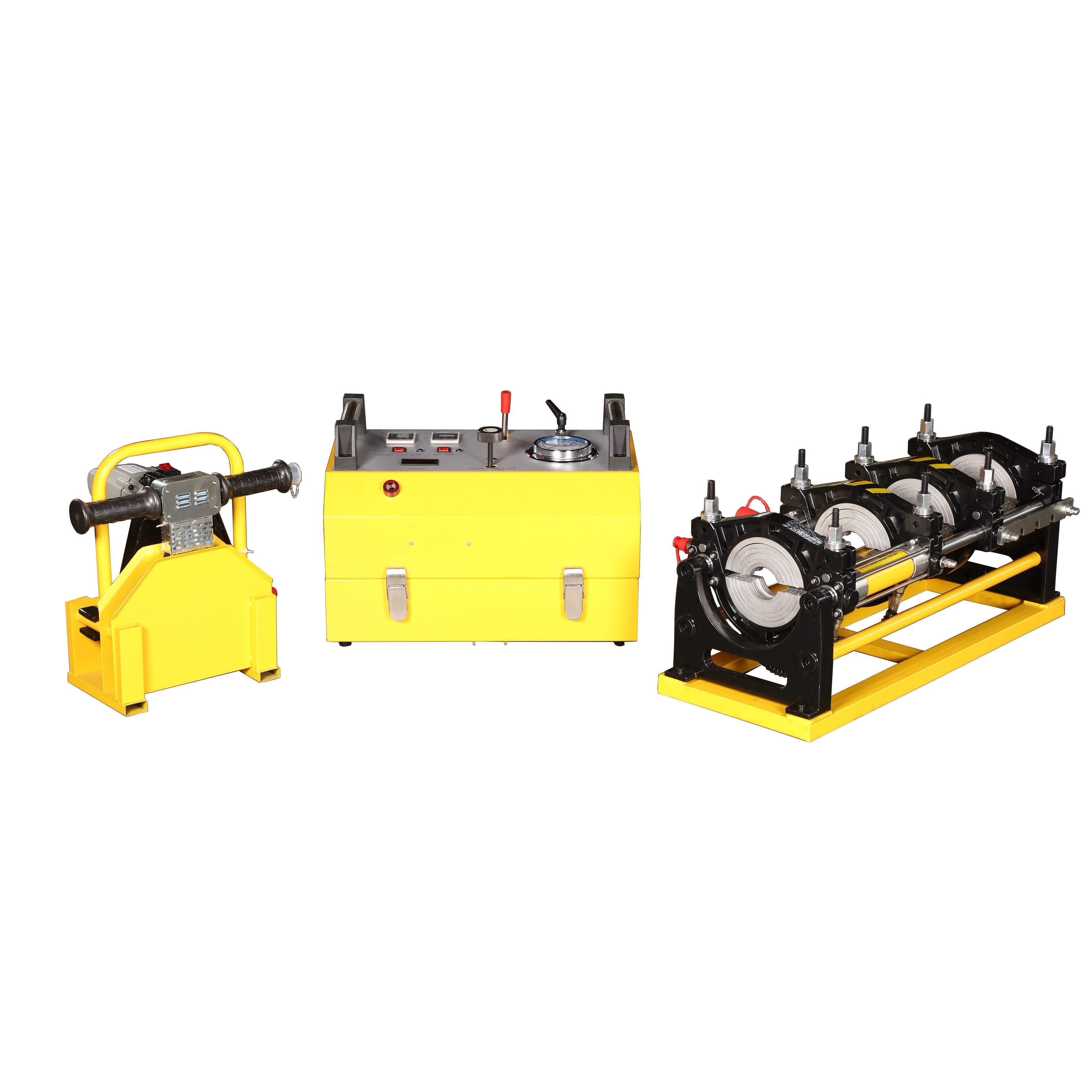
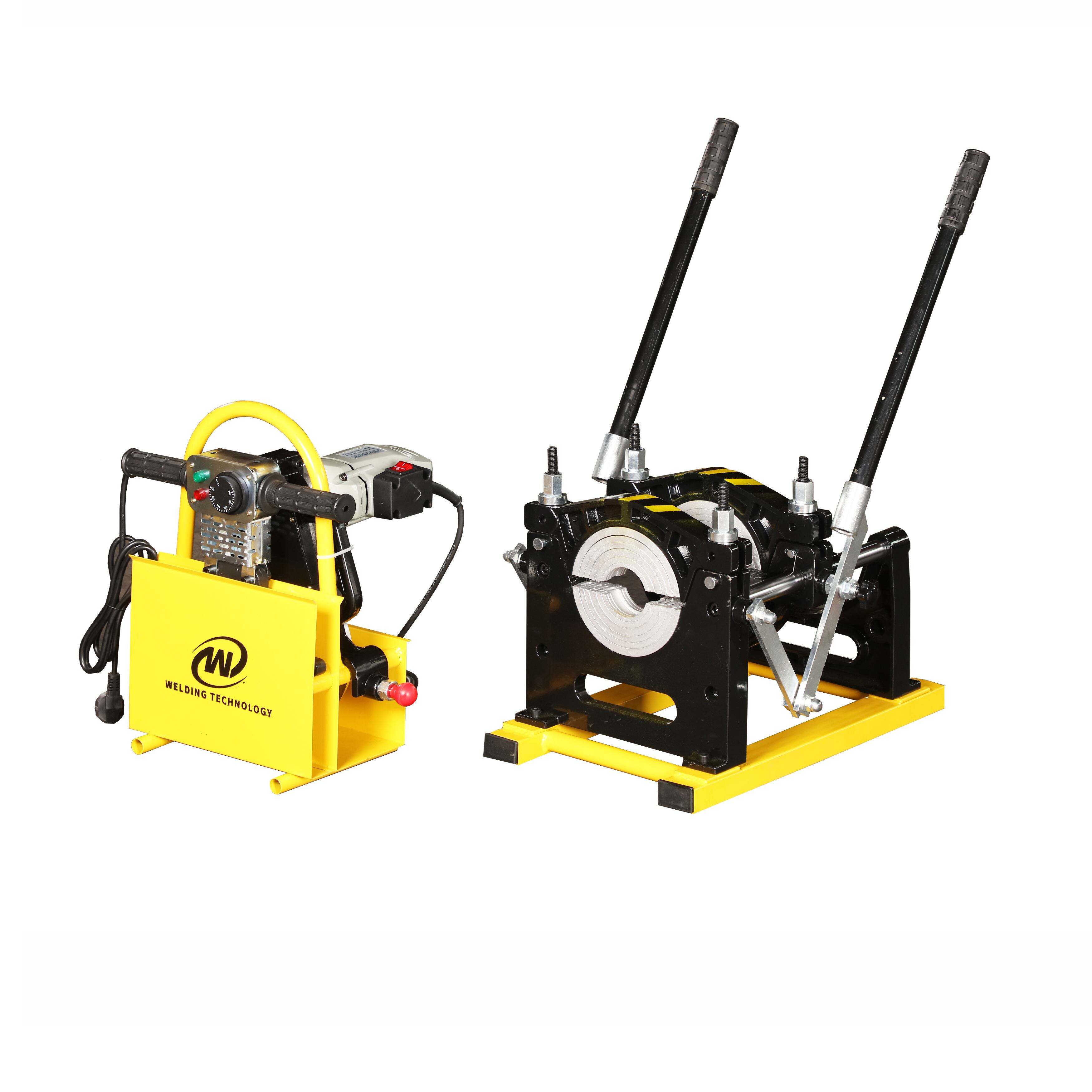
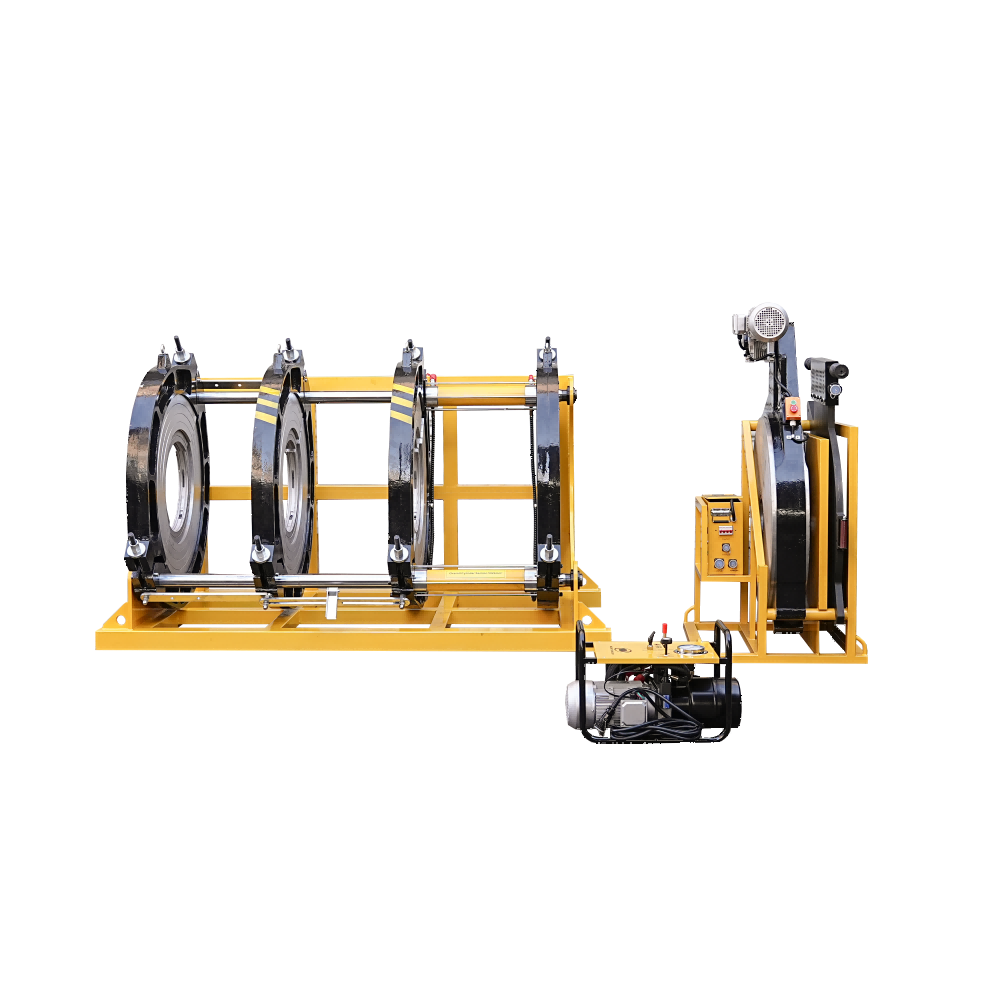
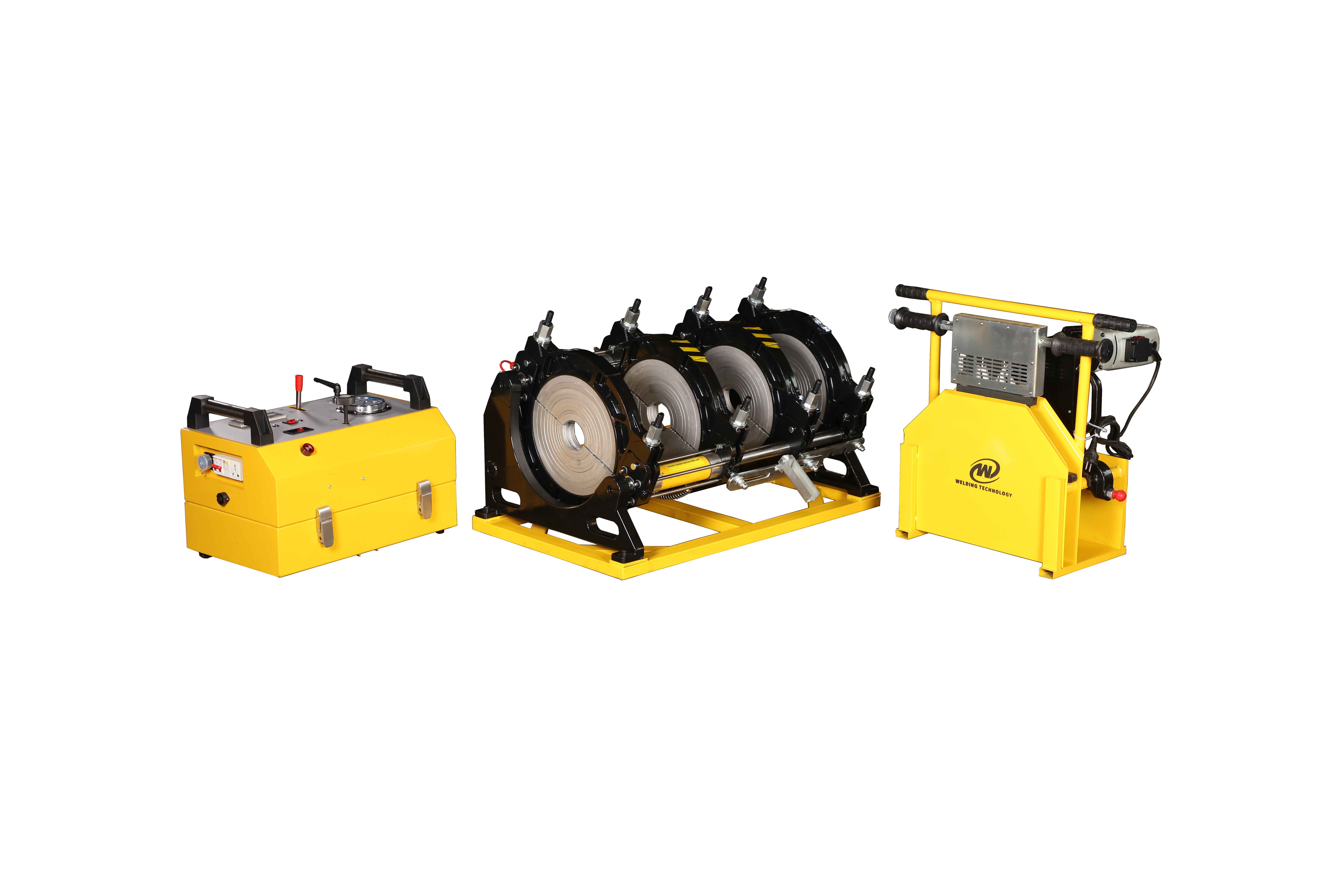
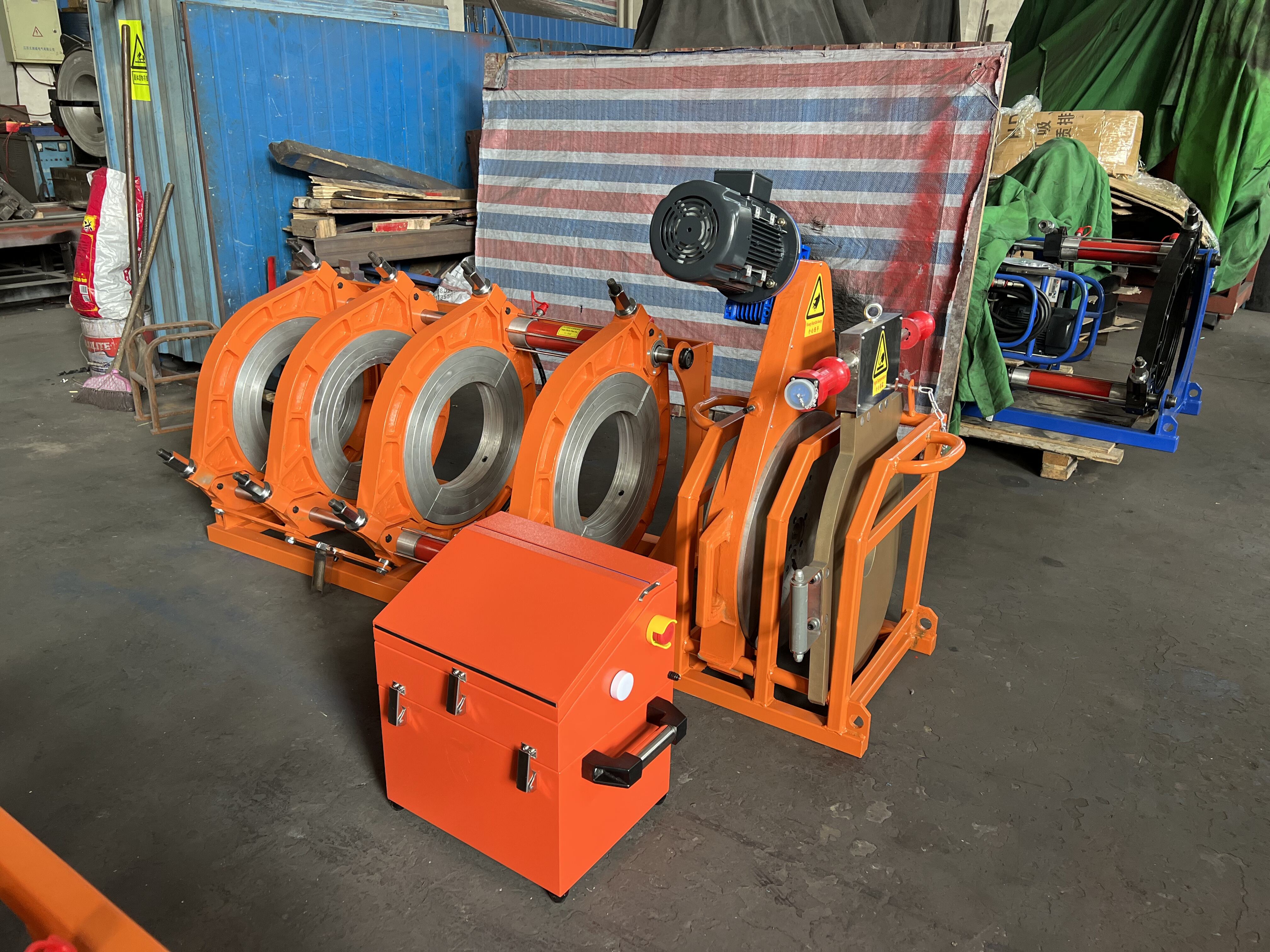
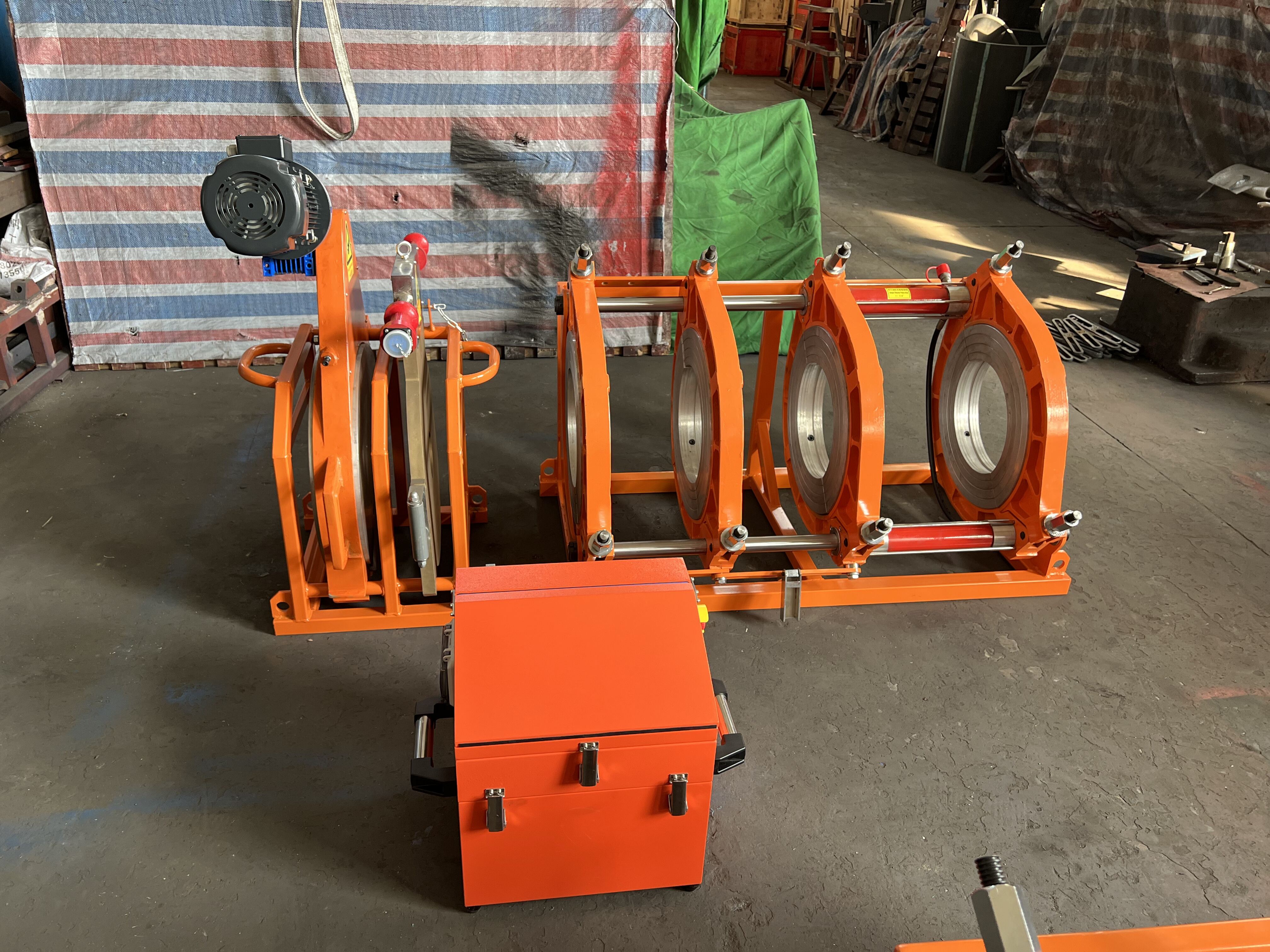
Automatic Pipe Fusion Machine: Advanced Welding Technology for Thermoplastic Pipe Systems

Get a Free Quote

Our representative will contact you soon.
E-mail
Name
Mobile/WhatsApp
Company Name
Message
0/1000

automatic pipe fusion machine

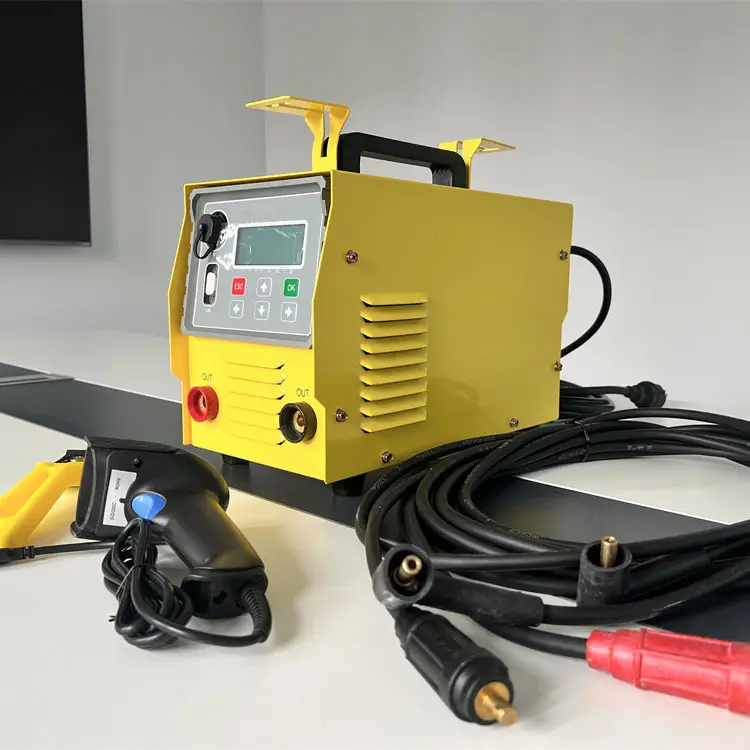
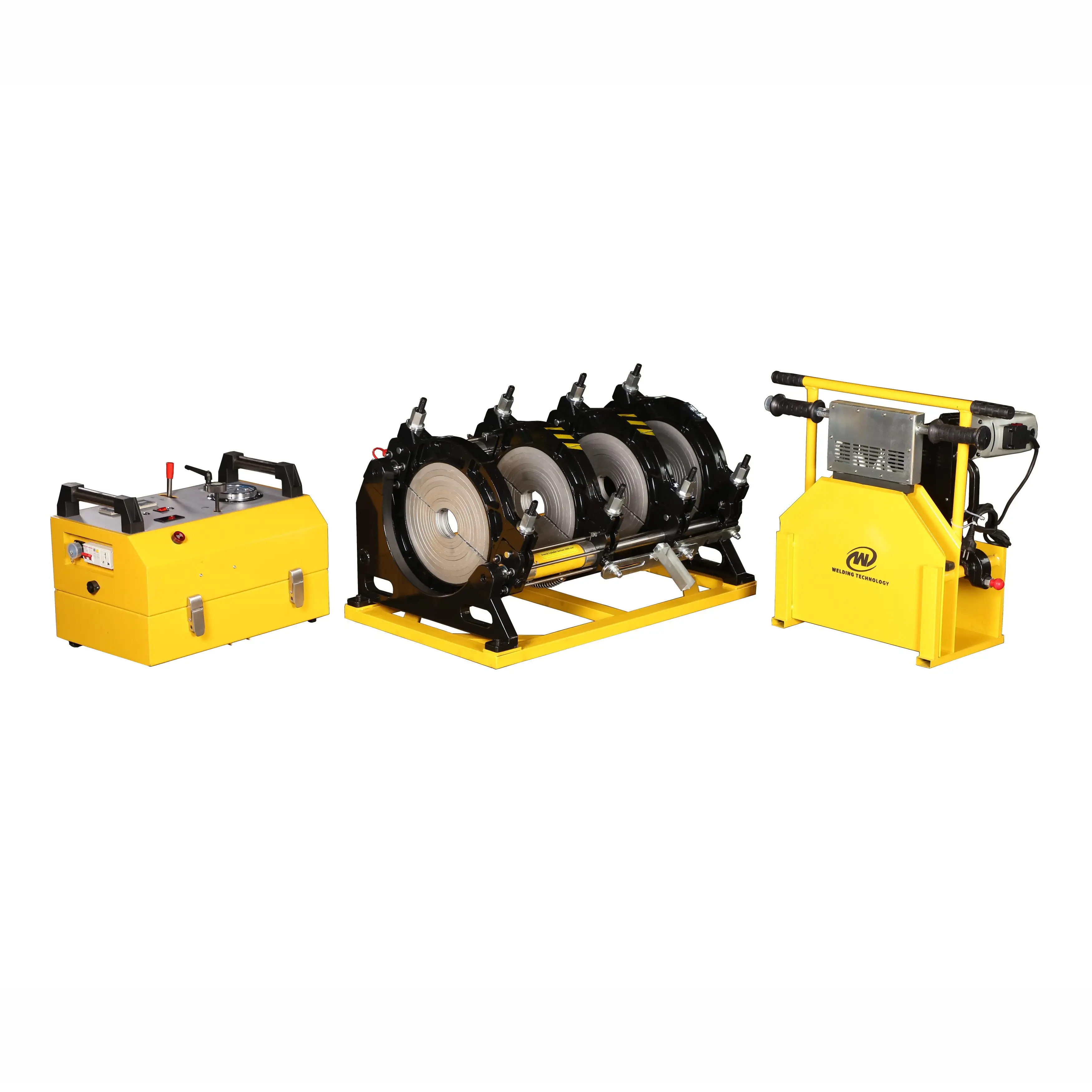
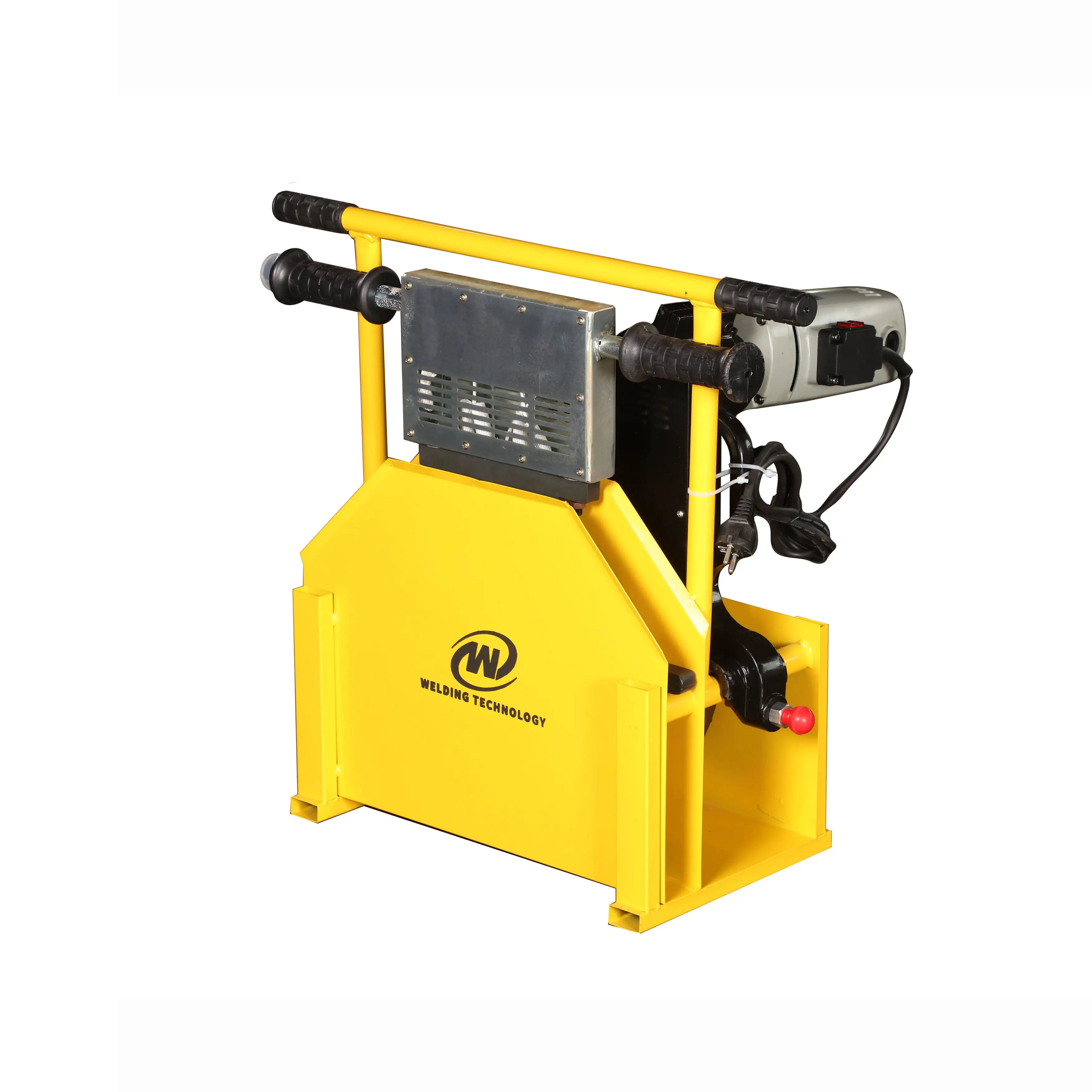
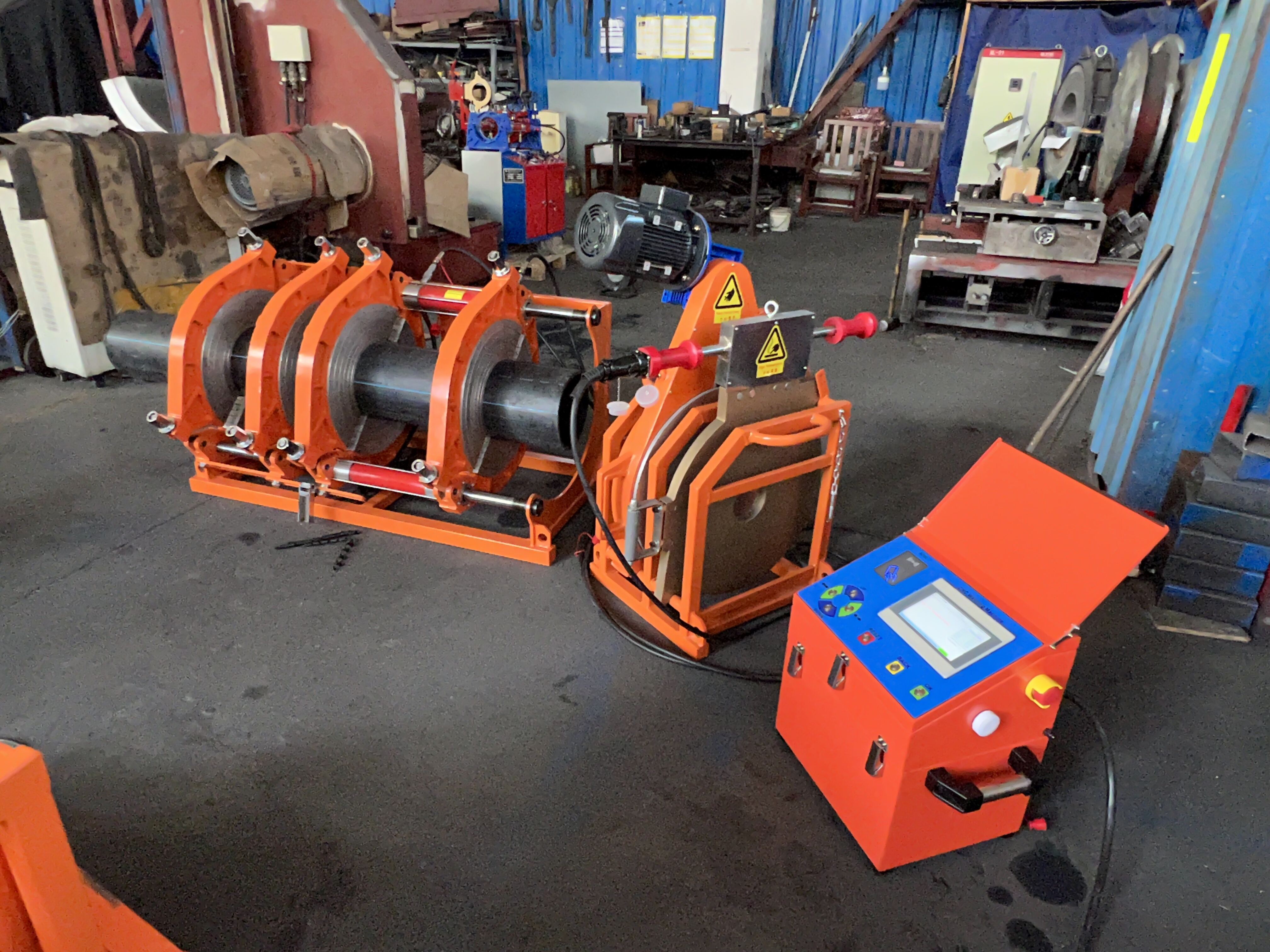
An automatic pipe fusion machine represents a sophisticated welding system designed to join thermoplastic pipes through heat fusion processes. This advanced equipment eliminates manual intervention during the welding cycle, ensuring consistent, high-quality joints in polyethylene, polypropylene, and other thermoplastic piping systems. The machine operates by precisely controlling heating temperatures, fusion pressure, and cooling times to create permanent, leak-proof connections that match or exceed the strength of the original pipe material. Modern automatic pipe fusion machines incorporate digital controls, programmable settings, and real-time monitoring capabilities that optimize the welding process for different pipe sizes, materials, and environmental conditions. These systems typically feature hydraulic or electromechanical actuation mechanisms that apply controlled pressure during the heating and fusion phases, ensuring uniform heat distribution across the pipe ends. The automation aspect reduces operator error, minimizes variability between welds, and significantly increases productivity compared to manual fusion methods. Industrial applications benefit from the machine's ability to maintain precise alignment during the fusion process, preventing angular misalignment or offset that could compromise joint integrity. The equipment includes integrated data logging functions that record welding parameters for quality assurance documentation and traceability requirements. Safety features such as automatic shut-off systems, protective guards, and emergency stop mechanisms protect operators while maintaining production efficiency. The automatic pipe fusion machine accommodates various pipe diameters ranging from small distribution lines to large-diameter transmission mains, making it versatile across different project scales and infrastructure requirements.


New Product Recommendations

Investing in an automatic pipe fusion machine delivers measurable returns through enhanced productivity and superior joint quality. The automation eliminates guesswork from the welding process, allowing operators to achieve consistent results regardless of experience level. Each weld follows programmed parameters that have been optimized for specific materials and conditions, reducing the learning curve and minimizing training costs. Projects proceed faster because the machine completes fusion cycles in predetermined timeframes without requiring constant operator attention. Workers can prepare the next joint while the current weld processes, creating efficient workflow patterns that maximize daily output. The precision heating controls prevent material degradation from excessive temperatures while ensuring complete fusion at molecular levels. This balance produces joints with exceptional strength characteristics that withstand decades of service under pressure without failure. Quality control becomes simpler because the machine generates detailed records of every weld, including temperature profiles, pressure curves, and timing sequences. These digital logs satisfy regulatory requirements and provide documentation for warranty claims or performance audits. The consistency also reduces rejection rates during inspection, eliminating costly rework and material waste. Labor costs decrease substantially because fewer workers accomplish more installations compared to manual methods. The machine handles the physically demanding aspects of alignment and pressure application, reducing operator fatigue and injury risks. This ergonomic advantage extends working hours and maintains quality standards throughout entire shifts. Maintenance requirements remain minimal due to robust construction and durable components designed for field conditions. The equipment withstands challenging environments including temperature extremes, dust, and moisture without performance degradation. Long-term reliability translates to predictable operating costs and minimal downtime disruptions. Environmental benefits emerge from the permanent, leak-free joints that prevent fluid loss and contamination. The fusion process generates no harmful emissions, toxic fumes, or hazardous waste requiring special disposal. Energy consumption stays reasonable compared to alternative joining methods, supporting sustainability goals without compromising performance. The versatility accommodates multiple pipe materials and sizes, eliminating the need for separate equipment investments for different applications. This flexibility proves valuable for contractors handling diverse projects or utilities maintaining mixed infrastructure systems.

Tips And Tricks

What Is a Plastic Pipe Electric Fusion Welder and How Does It Work?

15

Apr

What Is a Plastic Pipe Electric Fusion Welder and How Does It Work?

A plastic pipe electric fusion welder is a specialized welding device designed to join thermoplastic pipes and fittings through a controlled heating process known as electrofusion. This technology has revolutionized the way polyethylene, polypropylen...
View More
What Is an HDPE Thermofusion Machine and How Does It Work?

10

Apr

What Is an HDPE Thermofusion Machine and How Does It Work?

High-density polyethylene (HDPE) piping systems have become the backbone of modern infrastructure projects, from municipal water distribution networks to industrial chemical transport lines. At the heart of creating reliable, leak-free HDPE pipe conn...
View More
Why Do Engineers Choose an HDPE Thermofusion Machine for Projects?

06

Apr

Why Do Engineers Choose an HDPE Thermofusion Machine for Projects?

Engineers working on pipeline infrastructure projects face critical decisions that affect long-term performance, project budgets, and operational reliability. Among the most consequential choices is the selection of joining equipment for high-density...
View More
Why Is a Butt Welding Machine Used in Heavy Duty Fabrication Projects?

01

May

Why Is a Butt Welding Machine Used in Heavy Duty Fabrication Projects?

Heavy duty fabrication projects demand precision, structural integrity, and efficiency in joining thermoplastic components, particularly in industries handling large-diameter pipelines, industrial storage systems, and infrastructure installations. Th...
View More

Get a Free Quote

Our representative will contact you soon.
E-mail
Name
Mobile/WhatsApp
Company Name
Message
0/1000

automatic pipe fusion machine

Precision Control Systems for Flawless Fusion

Precision Control Systems for Flawless Fusion

The heart of any automatic pipe fusion machine lies in its sophisticated control systems that manage every aspect of the welding cycle with microscopic precision. These advanced controllers monitor and adjust heating temperatures in real-time, ensuring that pipe ends reach optimal fusion temperature without overheating or underheating. Temperature sensors embedded throughout the heating plate provide continuous feedback, allowing the system to compensate for ambient temperature variations, wind conditions, or material inconsistencies. The control algorithms calculate exact heating durations based on pipe wall thickness, material composition, and current environmental factors, eliminating the subjective judgment calls that introduce variability in manual operations. Pressure regulation represents another critical function where automatic systems excel beyond human capability. The machine applies precisely calibrated force during the heat soak phase, the joining phase, and the cooling phase, following pressure curves that have been engineered for optimal molecular bonding. Hydraulic or servo-electric actuators respond within milliseconds to maintain target pressures despite resistance variations as materials soften and flow. This dynamic pressure management creates uniform stress distribution across the entire joint circumference, preventing weak spots or stress concentrations that could initiate failures. The cooling cycle receives equal attention, with programmed hold times that allow molecular chains to interlock and crystallize properly before releasing the joint. Premature release causes internal stresses and reduced joint strength, while excessive cooling time wastes productivity. The automatic system calculates optimal cooling duration based on pipe specifications and measured fusion parameters, achieving the perfect balance. Operators interact with the machine through intuitive touchscreen interfaces that display current parameters, progress indicators, and diagnostic information. These human-machine interfaces simplify operation while providing transparency into the process, building operator confidence and facilitating troubleshooting. The control systems also incorporate safety interlocks that prevent operation if conditions fall outside acceptable ranges, protecting both equipment and operators from dangerous situations. Data logging capabilities create comprehensive records that document every weld's complete parameter history, supporting quality management systems and providing evidence for performance validation.
Automated Alignment and Positioning Accuracy

Automated Alignment and Positioning Accuracy

Achieving perfect alignment between pipe ends constitutes one of the most challenging aspects of fusion welding, and automatic pipe fusion machines excel in this critical function. The equipment incorporates precision guidance systems that hold pipes in exact coaxial alignment throughout the entire fusion cycle, preventing angular deviations or radial offsets that compromise joint integrity. Adjustable clamps secure pipes firmly without inducing deformation or stress concentrations that could affect material properties. These clamping mechanisms accommodate out-of-roundness within acceptable tolerances while bringing pipe ends into proper circular geometry for optimal fusion. The facing operation, which prepares pipe ends for welding, proceeds under automated control to ensure parallel, smooth surfaces that maximize contact area during fusion. Built-in facing tools remove material uniformly around the entire circumference, creating surfaces that meet flatness specifications critical for leak-free joints. The machine maintains consistent facing speed and pressure, producing finishes that manual methods struggle to replicate. After facing, the system measures the gap between pipe ends and calculates the precise movement required to achieve target bead dimensions after fusion. This calculation accounts for material flow characteristics, temperature conditions, and pressure settings to predict final geometry accurately. The automated positioning eliminates trial-and-error adjustments and reduces setup time significantly. During the heating phase, the alignment system maintains exact spacing between pipe ends and heating plate, ensuring uniform heat transfer without contact that could cause sticking or contamination. The parallel alignment prevents uneven heating that creates thermal gradients and incomplete fusion zones. When transitioning from heating to fusion, the machine executes rapid, controlled movements that bring heated surfaces together within the critical temperature window. The speed and precision of this transfer exceed human reaction capabilities, maximizing fusion quality. Throughout cooling, the alignment system continues holding pipes in perfect position, preventing movement that could disrupt the forming molecular bonds. This steadfast positioning during solidification proves essential for achieving design strength in finished joints. The cumulative effect of precision alignment through every phase produces joints with consistent geometry, predictable performance, and exceptional reliability across thousands of installations.
Enhanced Productivity Through Process Optimization

Enhanced Productivity Through Process Optimization

Modern automatic pipe fusion machines transform welding productivity through intelligent process optimization that minimizes cycle times without compromising quality. The equipment analyzes job requirements and automatically selects optimal parameters from extensive databases containing proven recipes for various pipe materials, sizes, and conditions. This instant parameter selection eliminates manual calculations and reference lookups that consume valuable time on job sites. The machine sequences operations efficiently, coordinating heating, pressure application, and cooling phases to minimize dead time between productive activities. While one joint cools, operators can prepare subsequent pipes, creating parallel workflows that maximize resource utilization. The automation handles time-critical transitions with precision timing that human operators cannot match consistently, especially during repetitive operations over extended periods. Energy management features optimize heating plate utilization, maintaining ready temperatures between welds to eliminate warmup delays while avoiding energy waste during idle periods. Smart power management reduces operating costs and supports sustainable practices without impacting readiness or performance. The equipment's reliability contributes substantially to productivity gains by eliminating breakdowns and unplanned downtime that plague less sophisticated systems. Robust construction, quality components, and intelligent diagnostics keep machines operating through demanding conditions and heavy workloads. Preventive maintenance alerts notify operators before minor issues escalate into major failures, supporting proactive servicing that maintains peak performance. When maintenance becomes necessary, modular designs and accessible components minimize repair times and reduce spare parts inventory requirements. The automatic pipe fusion machine's consistent quality output eliminates the productivity drain of rework and rejected joints that result from manual welding variations. Every completed weld meets specifications on the first attempt, maintaining project schedules and avoiding material waste. The documentation generated automatically satisfies quality assurance requirements without additional administrative effort, streamlining approval processes and reducing inspection delays. Training new operators proceeds quickly because the machine handles complex aspects of the fusion process, allowing personnel to focus on preparation and handling rather than mastering intricate welding techniques. This accelerated competency development addresses skilled labor shortages and supports workforce flexibility. The cumulative productivity advantages translate directly to competitive advantages for contractors and cost savings for project owners, making the automatic pipe fusion machine an investment that delivers quantifiable returns through enhanced efficiency and operational excellence.

Get a Free Quote

Our representative will contact you soon.
E-mail
Name
Mobile/WhatsApp
Company Name
Message
0/1000