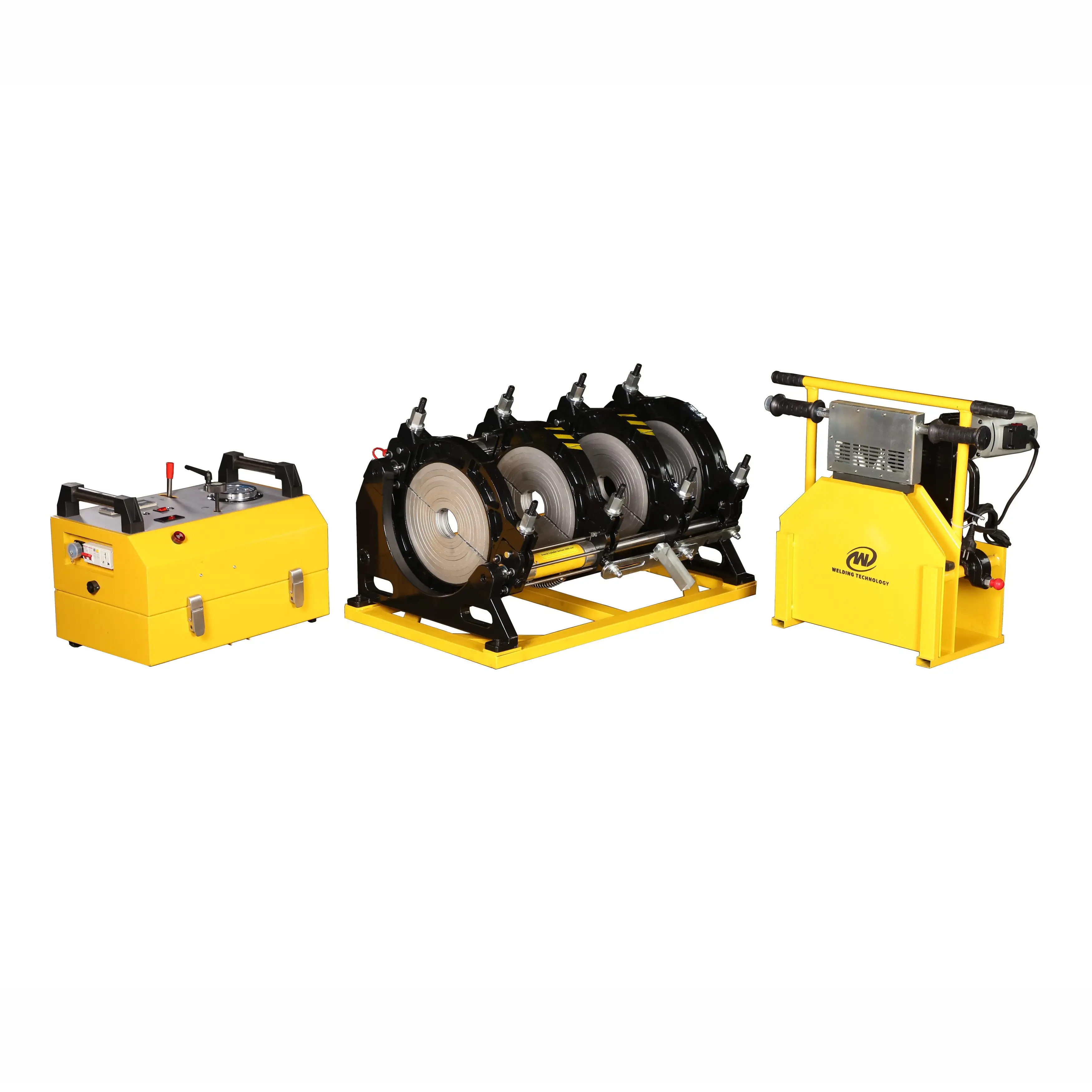
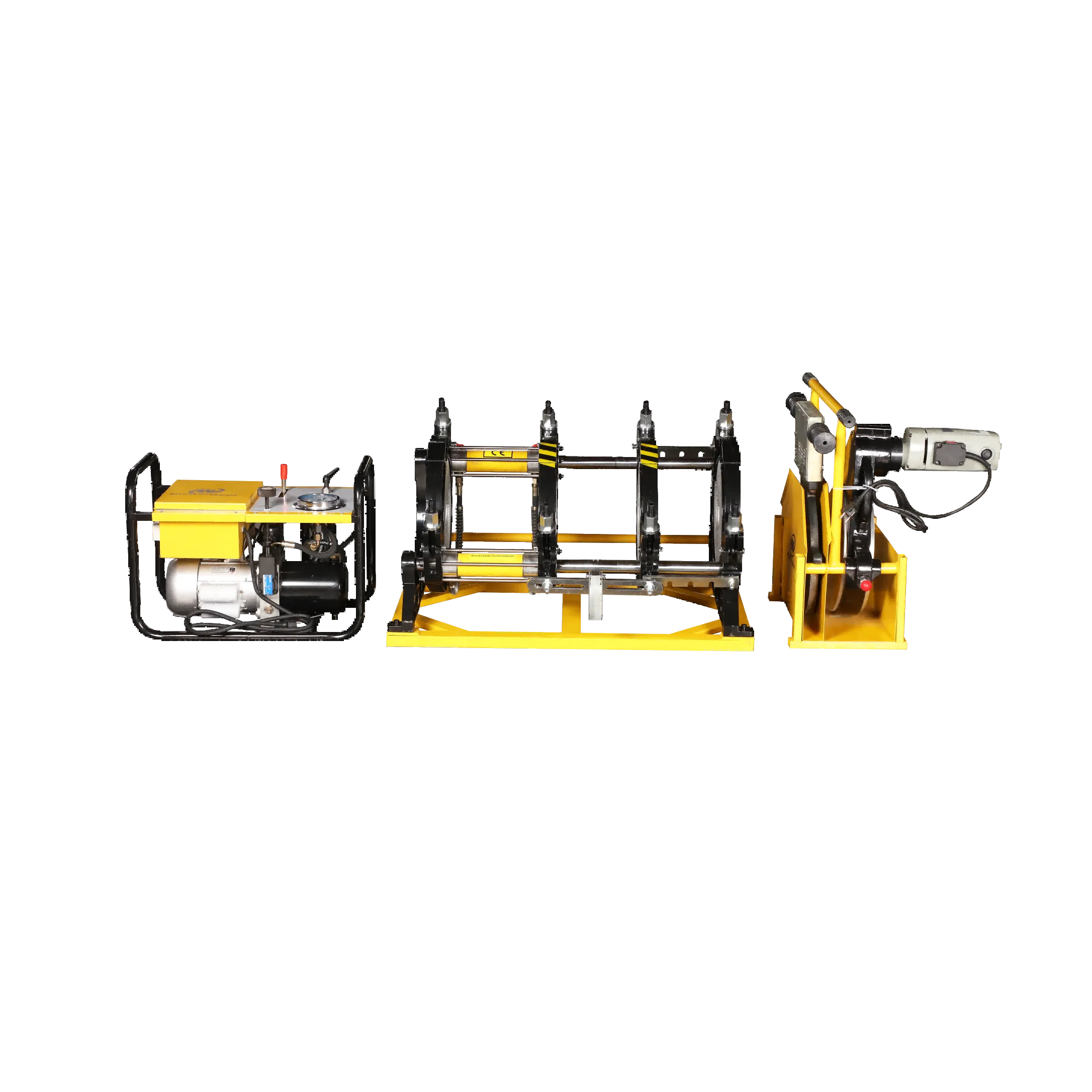
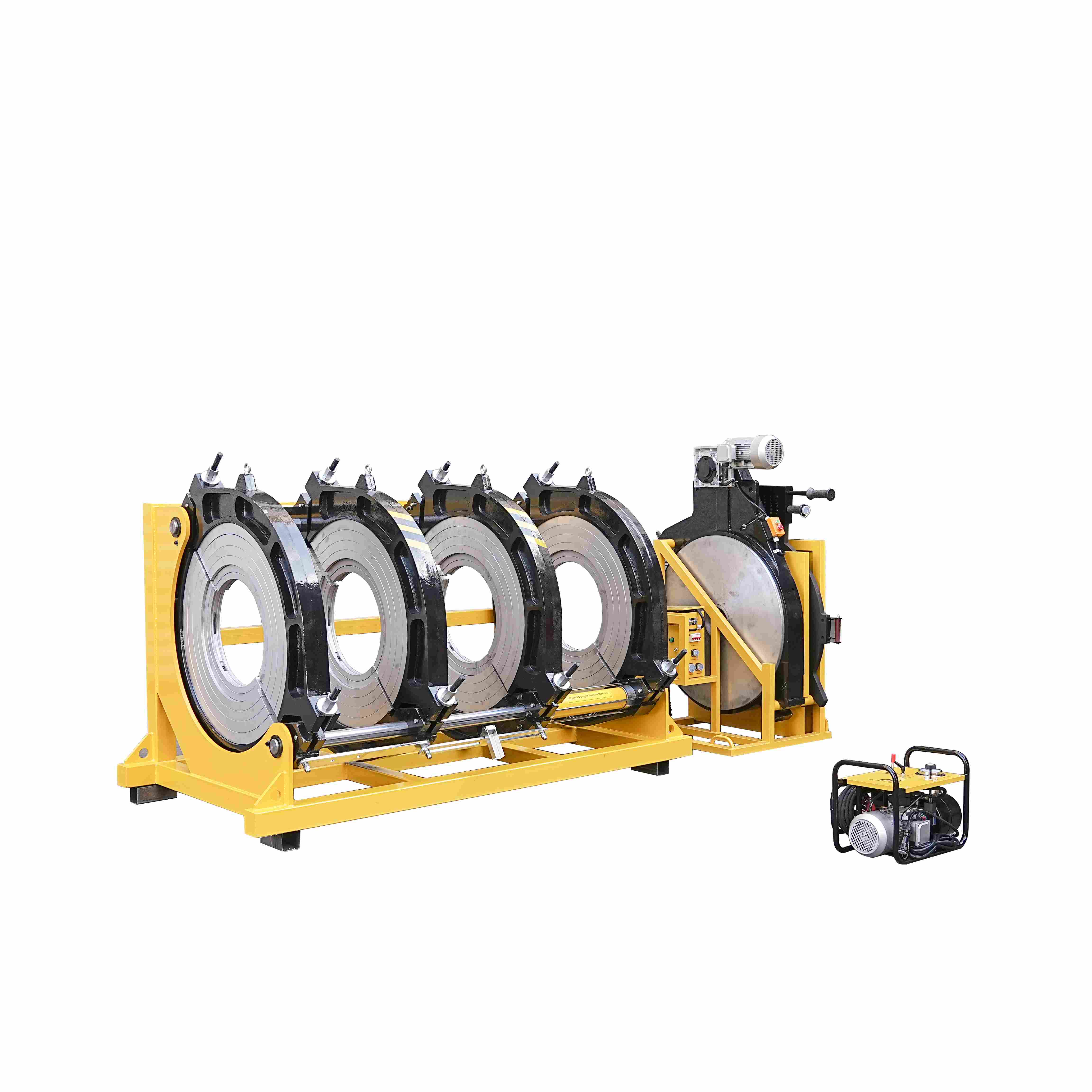
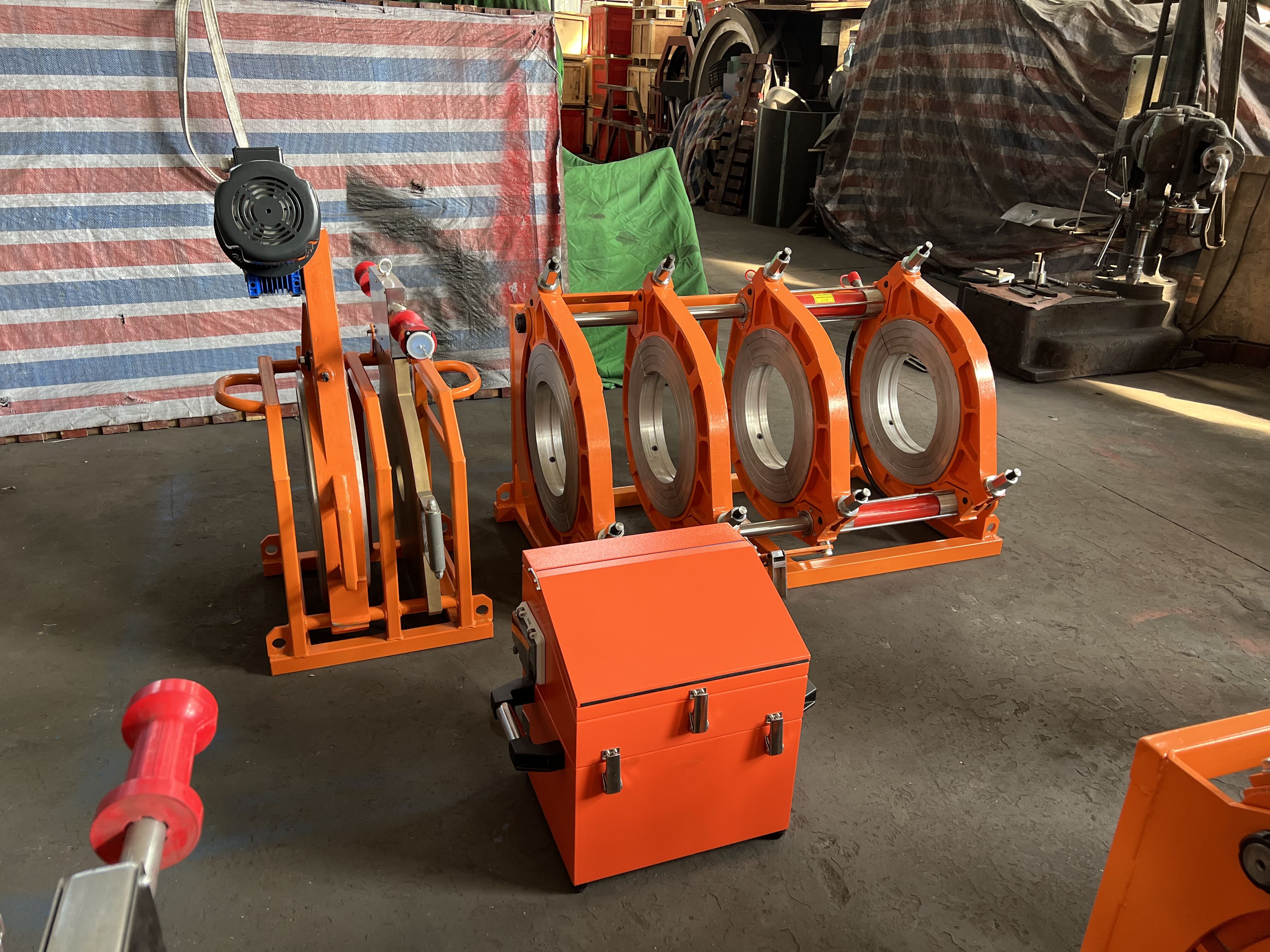
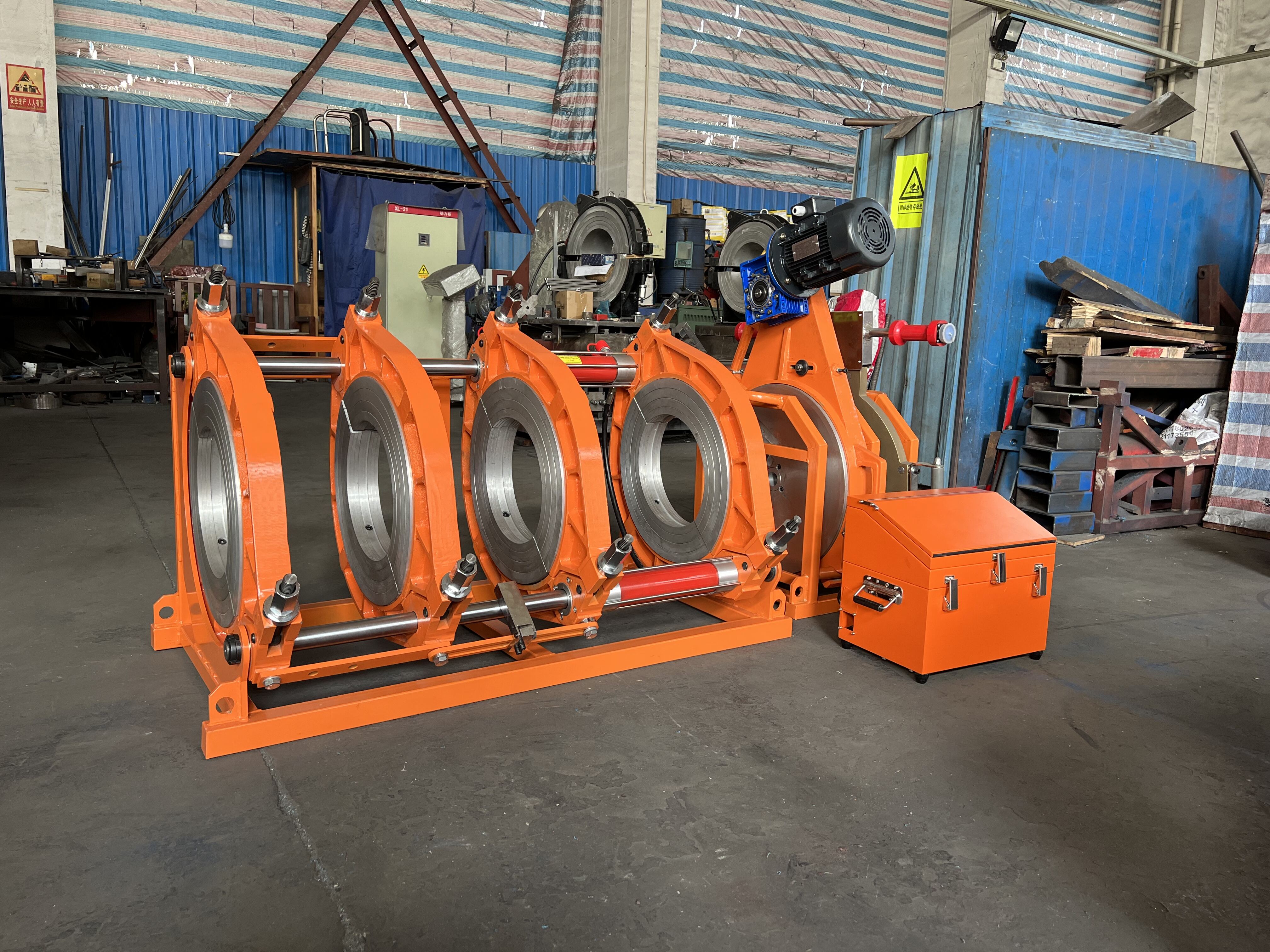
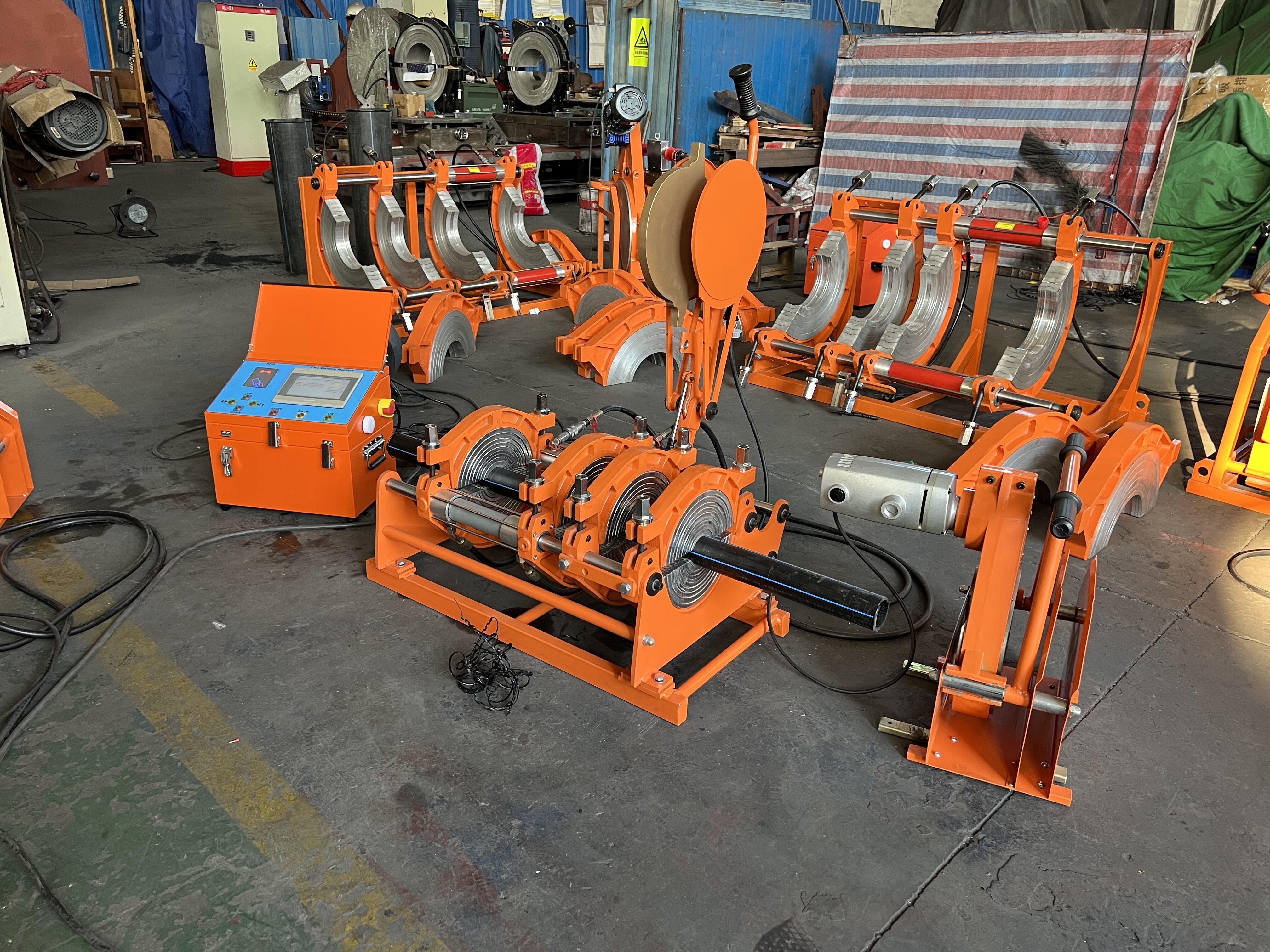
Automatic Butt Welding Machine - Precision Welding Solutions for Industrial Manufacturing

Get a Free Quote

Our representative will contact you soon.
E-mail
Name
Mobile/WhatsApp
Company Name
Message
0/1000

automatic butt welding machine

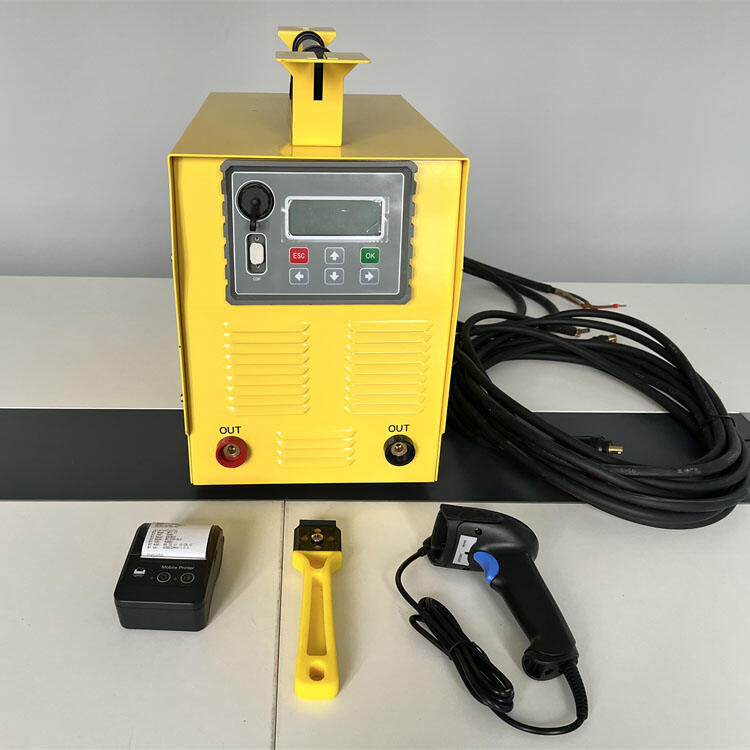
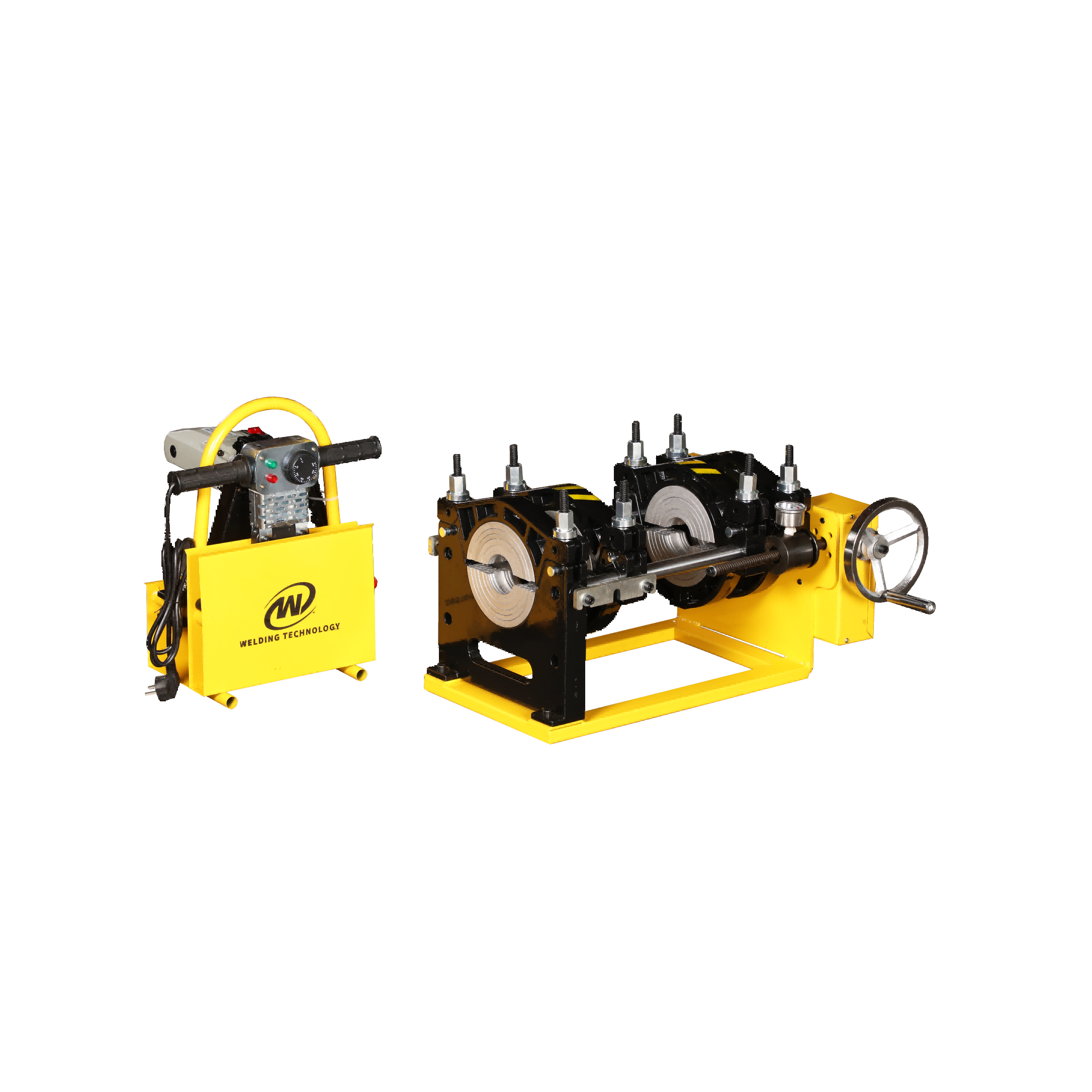
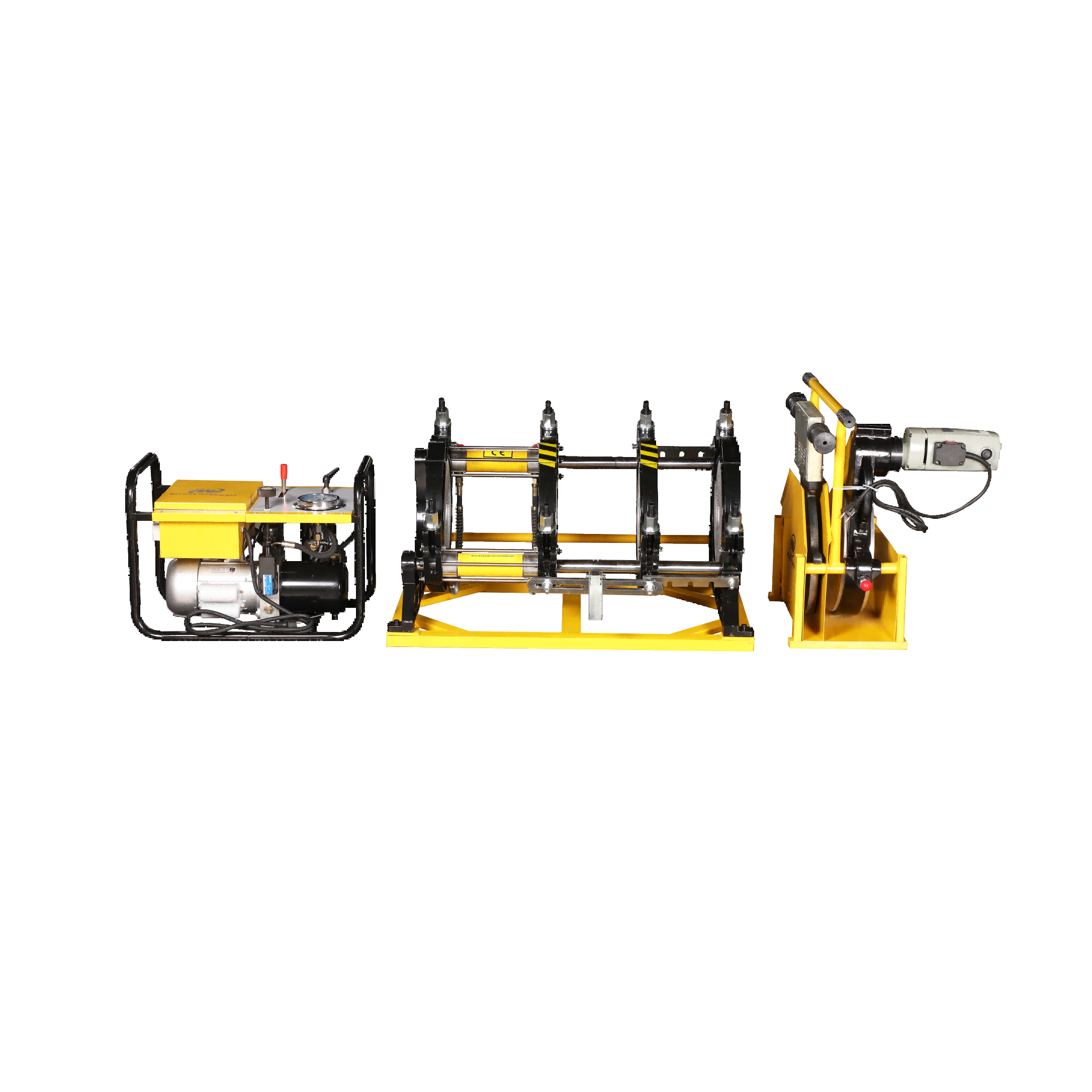
The automatic butt welding machine represents a sophisticated solution for joining metal components end-to-end with precision and consistency. This advanced equipment automates the process of butt welding, where two pieces of material are aligned and fused together at their edges to create a strong, seamless joint. The automatic butt welding machine incorporates state-of-the-art technology to control every aspect of the welding operation, from initial alignment through final cooling. These machines utilize servo-driven systems that ensure accurate positioning of workpieces, while integrated sensors monitor critical parameters throughout the welding cycle. The main functions include automatic feeding mechanisms that position materials correctly, precise clamping systems that hold components firmly during welding, and programmable controls that adjust welding parameters based on material specifications. The technological features of an automatic butt welding machine encompass digital interfaces for easy operation, real-time monitoring capabilities, and adaptive welding programs that compensate for variations in material thickness or composition. Many models incorporate advanced safety features including protective enclosures, emergency stop mechanisms, and automated cooling systems that prevent overheating. The applications for these machines span multiple industries, including automotive manufacturing where they join exhaust pipes and structural components, construction sectors for connecting steel reinforcement bars, pipeline fabrication for oil and gas infrastructure, and metal furniture production. In aerospace applications, automatic butt welding machines create critical joints in aluminum and titanium components. The machine's versatility extends to various materials such as carbon steel, stainless steel, aluminum alloys, copper, and specialized metals. With welding capabilities ranging from thin sheets to thick plates, these machines accommodate diverse project requirements while maintaining consistent quality standards that meet international welding specifications and certifications.


New Product Releases

Investing in an automatic butt welding machine delivers tangible benefits that directly impact your production efficiency and bottom line. The primary advantage lies in dramatically increased productivity, as these machines complete welds in a fraction of the time required for manual operations, allowing your facility to process more components per shift without additional labor costs. The consistency provided by automation means every weld meets the same high-quality standards, eliminating the variations that occur with human welders who may experience fatigue or inconsistency throughout their workday. This reliability reduces rejection rates significantly, saving money on wasted materials and rework expenses. Your operators will appreciate the improved safety conditions, as the automatic butt welding machine removes them from direct exposure to welding arcs, sparks, and fumes, creating a healthier workplace while reducing insurance costs and liability concerns. The precision of automated systems translates into stronger joints with better penetration and fusion, ensuring your products perform reliably in demanding applications and reducing warranty claims. Energy efficiency represents another practical benefit, as modern automatic butt welding machines optimize power consumption based on actual welding requirements, lowering utility bills compared to older equipment or manual processes. The user-friendly interfaces mean your team can learn to operate these machines quickly, minimizing training time and allowing skilled welders to focus on more complex tasks that truly require their expertise. Maintenance requirements are straightforward, with most machines featuring accessible components and diagnostic systems that identify potential issues before they cause downtime. The flexibility to store multiple welding programs allows rapid changeovers between different products, supporting diverse manufacturing schedules without lengthy setup procedures. Your quality control processes become simpler because the automatic butt welding machine maintains detailed records of welding parameters for each joint, providing documentation for audits and traceability requirements. The compact footprint of many models maximizes valuable floor space in your facility, while the reduced heat input compared to some manual techniques minimizes distortion in finished components. Long-term cost savings accumulate through reduced consumable usage, as automated systems apply precisely the amount of filler material needed without excess waste. The consistent arc characteristics extend the life of welding tips and contact components, further reducing operating expenses and improving your return on investment over the machine's operational lifetime.

Practical Tips

Why Do Engineers Choose an HDPE Thermofusion Machine for Projects?

06

Apr

Why Do Engineers Choose an HDPE Thermofusion Machine for Projects?

Engineers working on pipeline infrastructure projects face critical decisions that affect long-term performance, project budgets, and operational reliability. Among the most consequential choices is the selection of joining equipment for high-density...
View More
Why Is a Butt Welding Machine Used in Heavy Duty Fabrication Projects?

01

May

Why Is a Butt Welding Machine Used in Heavy Duty Fabrication Projects?

Heavy duty fabrication projects demand precision, structural integrity, and efficiency in joining thermoplastic components, particularly in industries handling large-diameter pipelines, industrial storage systems, and infrastructure installations. Th...
View More
Why Do Contractors Choose HDPE Fusion Equipment for Water Systems?

01

Apr

Why Do Contractors Choose HDPE Fusion Equipment for Water Systems?

Water infrastructure projects demand reliability, longevity, and cost-effectiveness, making equipment selection a critical decision for contractors. The choice of joining technology directly impacts project timelines, long-term system integrity, and ...
View More
How Can an HDPE Thermofusion Welding Machine Ensure Leak Free Systems?

23

Jun

How Can an HDPE Thermofusion Welding Machine Ensure Leak Free Systems?

In pipeline infrastructure across water treatment, gas distribution, and industrial fluid handling, achieving a truly leak-free system is one of the most demanding engineering challenges operators face. The HDPE thermofusion welding machine has emerg...
View More

Get a Free Quote

Our representative will contact you soon.
E-mail
Name
Mobile/WhatsApp
Company Name
Message
0/1000

automatic butt welding machine

Precision Control Systems for Superior Weld Quality

Precision Control Systems for Superior Weld Quality

The automatic butt welding machine incorporates sophisticated precision control systems that fundamentally transform the quality and consistency of welded joints in manufacturing operations. At the heart of these systems lies advanced sensor technology that continuously monitors critical welding parameters including current, voltage, wire feed speed, and travel speed in real-time. These sensors communicate with programmable logic controllers that make instantaneous adjustments to maintain optimal welding conditions throughout the entire process. Unlike manual welding where human variability affects results, the automatic butt welding machine executes each weld according to predetermined specifications with microscopic accuracy. The alignment systems utilize laser guidance or vision systems to position components with tolerances measured in hundredths of millimeters, ensuring perfect edge preparation before welding begins. This precision eliminates common defects such as misalignment, incomplete penetration, or excessive reinforcement that compromise joint strength. The control systems also manage heat input with exceptional accuracy, preventing the thermal distortion that often plagues manually welded assemblies, particularly when working with thin materials or heat-sensitive alloys. Temperature monitoring ensures that interpass temperatures remain within specified ranges for multi-pass welds, maintaining the metallurgical properties required for structural integrity. The adaptive capabilities of modern automatic butt welding machines allow them to compensate for variations in material thickness, gap dimensions, or surface conditions that would challenge even experienced welders. These machines store libraries of welding procedures for different material combinations and thicknesses, enabling operators to recall proven parameters instantly rather than relying on trial and error. The data logging capabilities create comprehensive records of every weld, documenting parameters that quality inspectors and engineers can analyze to optimize processes or investigate any anomalies. This traceability proves invaluable for industries with stringent certification requirements, providing auditable evidence that components were manufactured according to approved procedures. The precision control systems also integrate seamlessly with upstream and downstream equipment in automated production lines, synchronizing welding operations with material handling, positioning, and post-weld treatments to create efficient manufacturing cells that maximize throughput while maintaining uncompromising quality standards.
Enhanced Operator Safety and Ergonomic Benefits

Enhanced Operator Safety and Ergonomic Benefits

The automatic butt welding machine prioritizes operator safety and ergonomic considerations, creating a workplace environment that protects personnel while improving productivity and job satisfaction. Traditional manual welding exposes workers to numerous hazards including intense ultraviolet and infrared radiation from welding arcs, toxic fumes generated during metal fusion, flying sparks and molten metal spatter, and extreme heat that can cause burns or heat stress. The automatic butt welding machine addresses these concerns through comprehensive safety features that create physical barriers between operators and welding hazards. Enclosed welding chambers with interlocked access doors prevent arc exposure, using specialized viewing windows or camera systems to allow process monitoring without direct line of sight to the arc. Integrated fume extraction systems capture welding emissions at the source, removing harmful particulates and gases before they enter the breathing zone, ensuring compliance with occupational health regulations and protecting long-term respiratory health. The automation eliminates the need for operators to maintain awkward postures while manipulating welding equipment, reducing musculoskeletal disorders associated with repetitive motions, overhead work, or confined space welding. Instead of spending hours holding welding torches in physically demanding positions, operators interact with intuitive control panels from comfortable standing positions, monitoring processes and managing production flow. The automatic butt welding machine also eliminates the eye strain that affects manual welders who must concentrate through dark welding helmets for extended periods, reducing fatigue and associated quality issues that occur when tired workers make errors in judgment. Emergency stop systems positioned at strategic locations allow immediate process interruption if any safety concern arises, while safety interlocks prevent machine operation unless all guards are properly positioned. The reduced physical demands mean a broader range of individuals can operate these machines effectively, supporting workforce diversity and providing employment opportunities for personnel who might struggle with the physical requirements of traditional welding. Training for machine operation focuses on process management and quality verification rather than developing the hand-eye coordination and physical stamina required for manual welding, shortening the learning curve and reducing the skill gap that many manufacturers face. The improved working conditions contribute to higher employee retention, as workers prefer assignments operating advanced equipment in controlled environments over physically demanding manual processes, reducing recruitment and training costs while building institutional knowledge within your workforce.
Versatile Applications Across Multiple Industries and Materials

Versatile Applications Across Multiple Industries and Materials

The automatic butt welding machine demonstrates remarkable versatility in accommodating diverse applications across multiple industries and material types, making it a strategic investment for manufacturers seeking flexible production capabilities. In the automotive sector, these machines create critical joints in exhaust systems, connecting pipes and muffler components with leak-proof welds that withstand corrosive environments and thermal cycling throughout vehicle lifetimes. Chassis manufacturers utilize automatic butt welding machines to join tubular frame members, ensuring consistent strength characteristics that meet crash safety requirements while maintaining the tight tolerances necessary for precise vehicle geometry. The construction industry relies on these machines to connect steel reinforcement bars in concrete structures, producing joints that transfer tensile loads effectively in bridges, buildings, and infrastructure projects. Pipeline fabrication represents another significant application, where automatic butt welding machines join sections of pipe for water distribution, natural gas transmission, and petroleum transportation, creating welds that meet rigorous pressure vessel codes and non-destructive testing standards. Metal furniture manufacturers appreciate the clean, smooth joints produced by automatic butt welding machines when connecting tubular components in chairs, tables, and shelving systems, eliminating the grinding and finishing required with other joining methods. The aerospace industry employs specialized automatic butt welding machines for joining aluminum and titanium components in aircraft structures, where weight reduction demands thin materials while safety requirements mandate exceptional weld quality and complete documentation of welding parameters. Shipbuilding applications include joining steel plates in hull construction and connecting pipes in complex marine systems, where the productivity of automatic butt welding machines accelerates construction schedules for large vessels. The machines accommodate various material types including carbon steels commonly used in general fabrication, stainless steels required for corrosion resistance in food processing and chemical equipment, aluminum alloys valued for their strength-to-weight ratio in transportation applications, and copper materials used in electrical and thermal management systems. Material thickness capabilities range from thin-wall tubing measured in fractions of millimeters to heavy plates several centimeters thick, with adjustable welding parameters that optimize penetration and fusion for each application. The ability to switch between different materials and thicknesses with simple program changes makes the automatic butt welding machine ideal for job shops and contract manufacturers serving diverse customer bases, eliminating the need for multiple specialized machines and maximizing equipment utilization across varied production schedules.

Get a Free Quote

Our representative will contact you soon.
E-mail
Name
Mobile/WhatsApp
Company Name
Message
0/1000