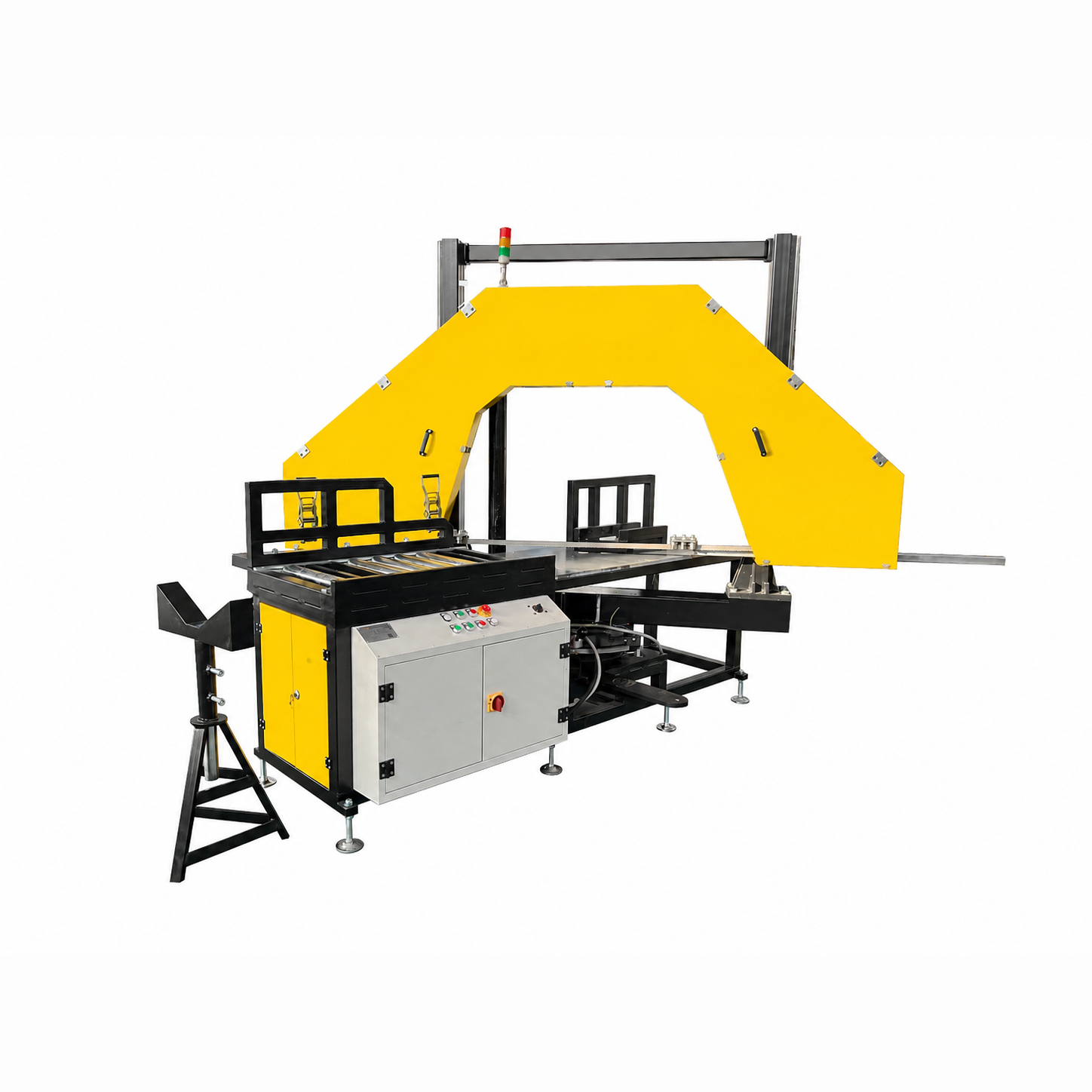
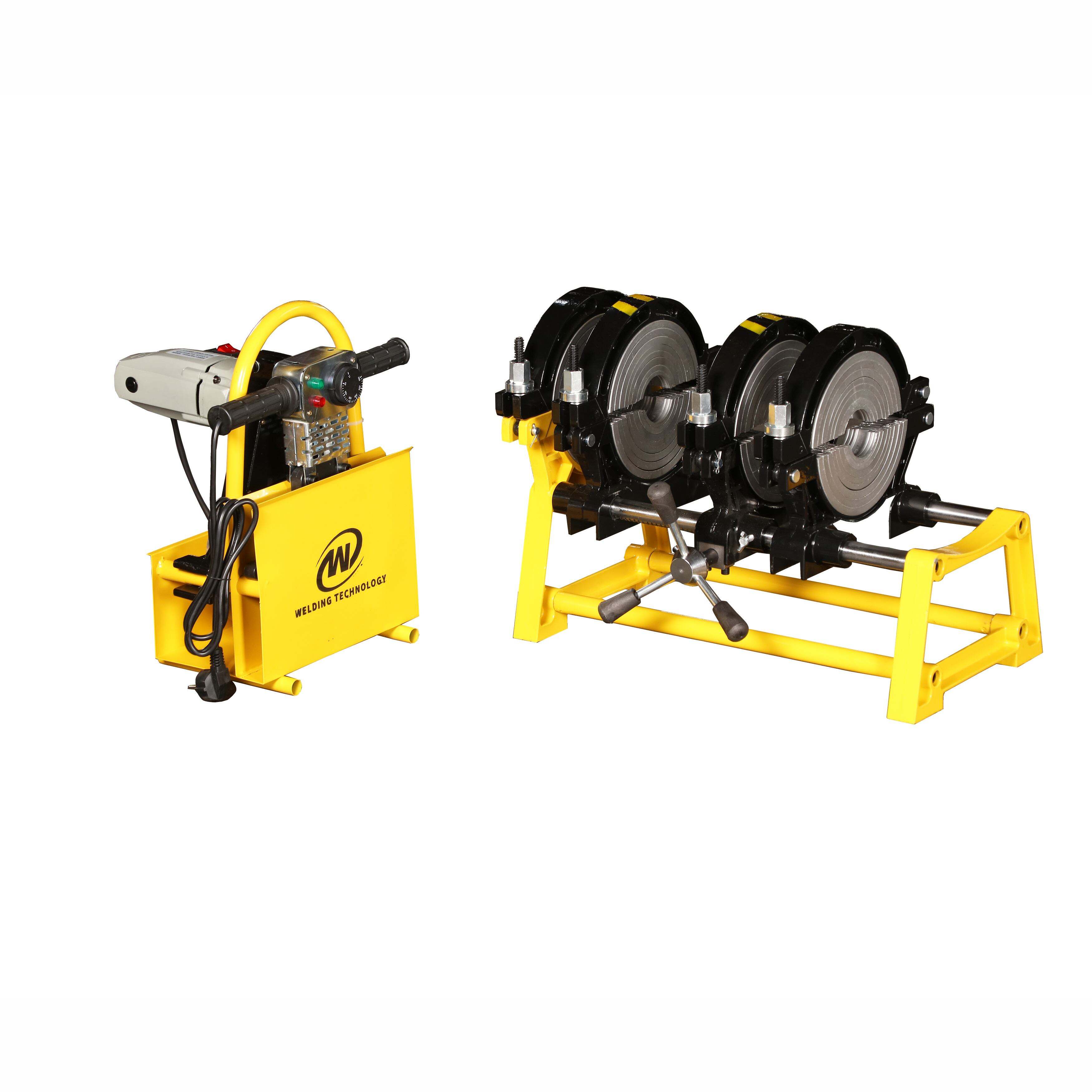
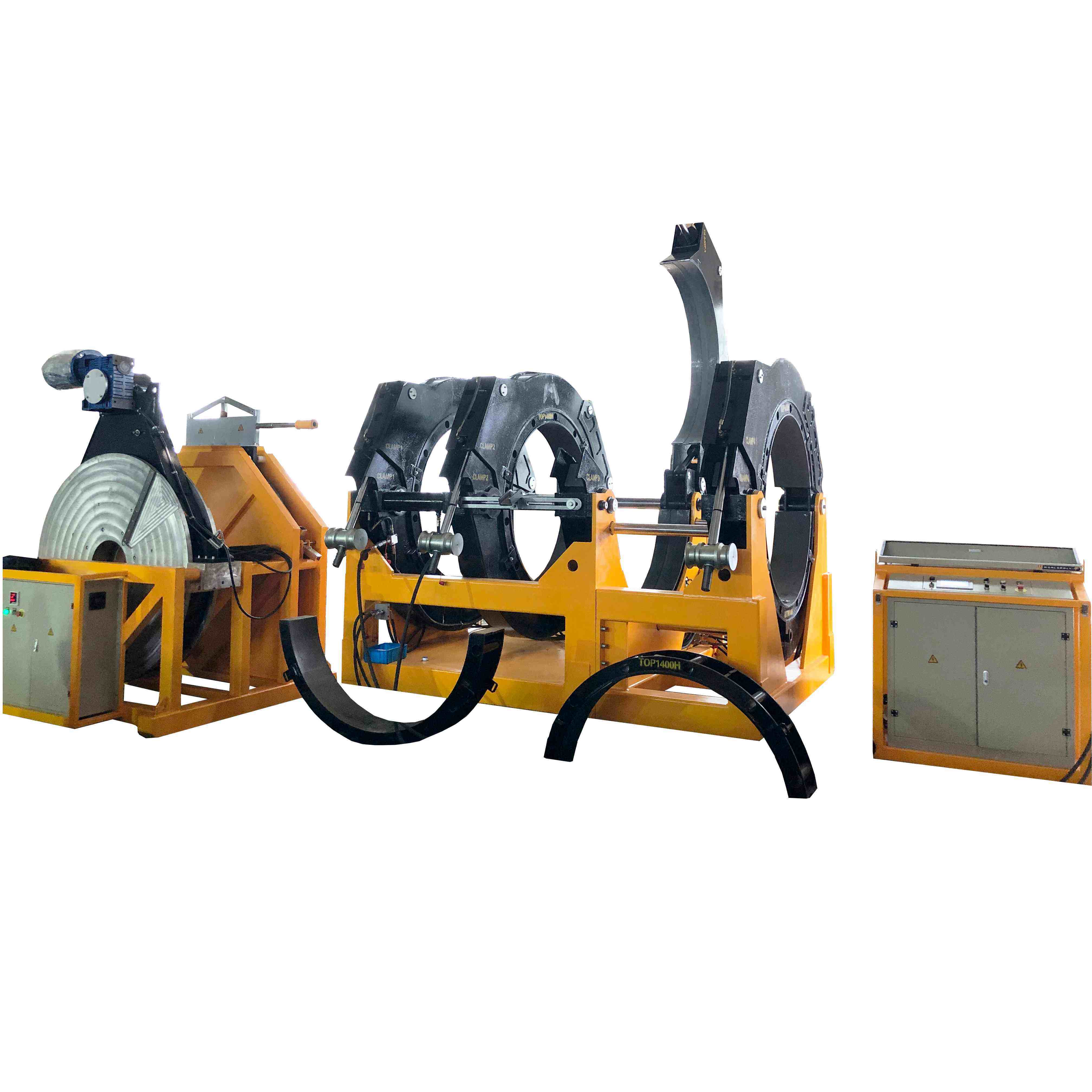
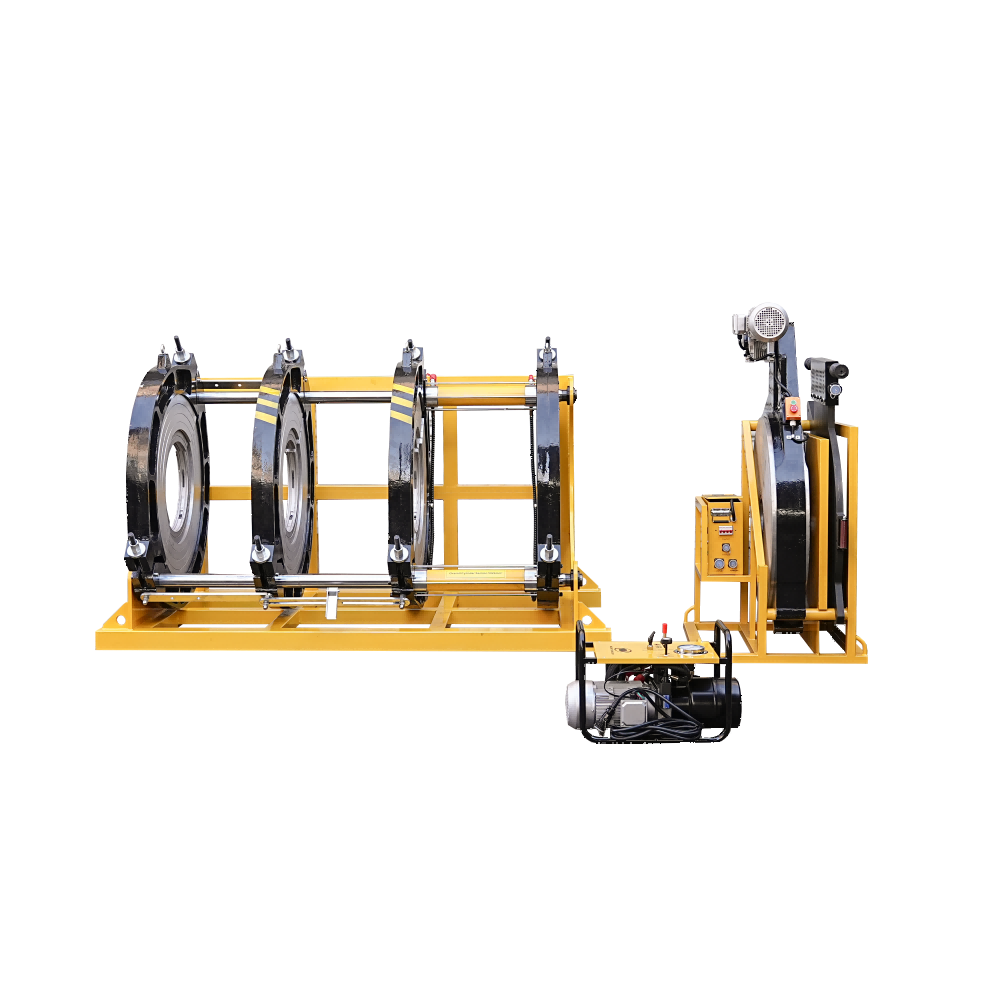
Automatic Pipe Fitting Welder: Advanced Orbital Welding Solutions for Precision Pipe Joints

Get a Free Quote

Our representative will contact you soon.
E-mail
Name
Mobile/WhatsApp
Company Name
Message
0/1000

automatic pipe fitting welder

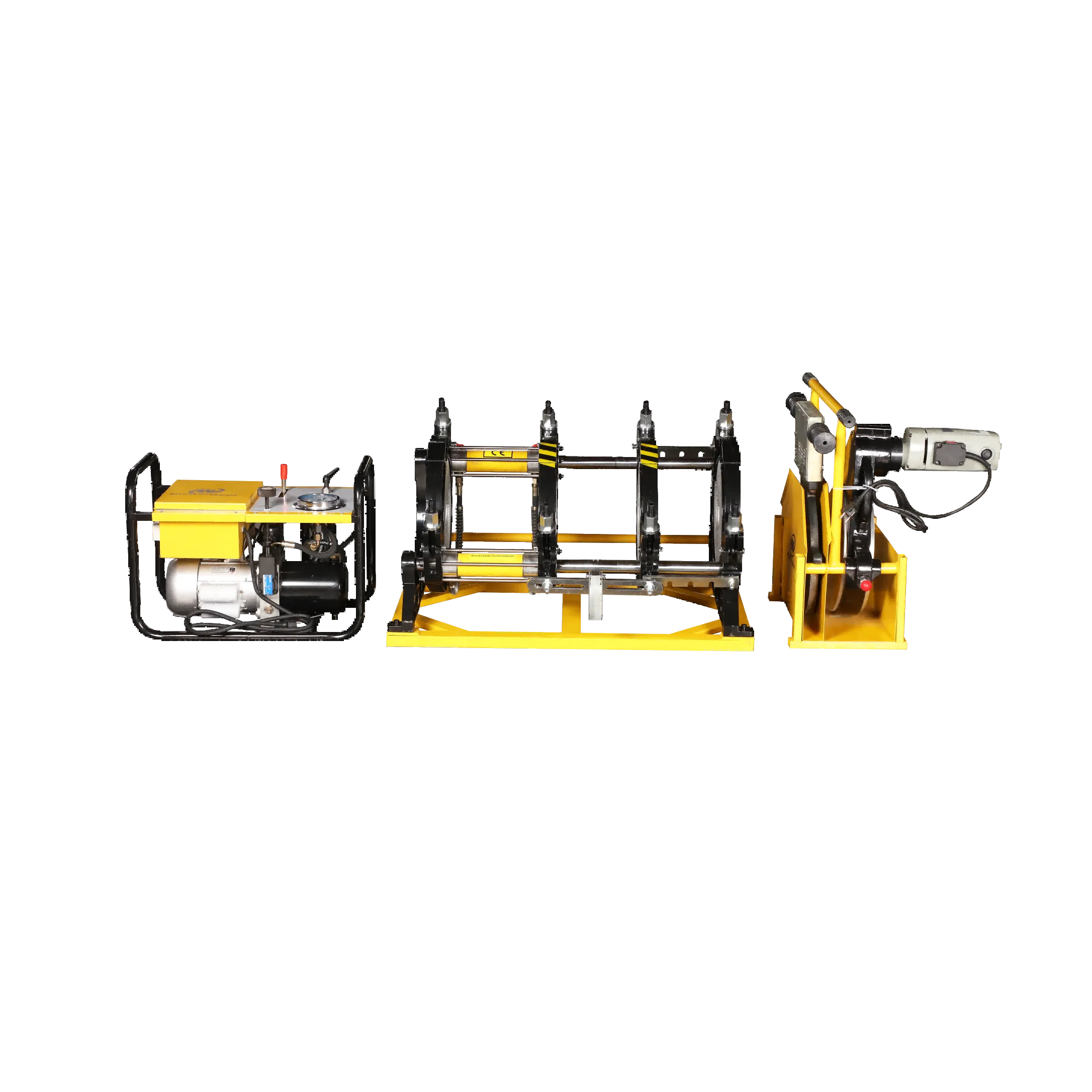
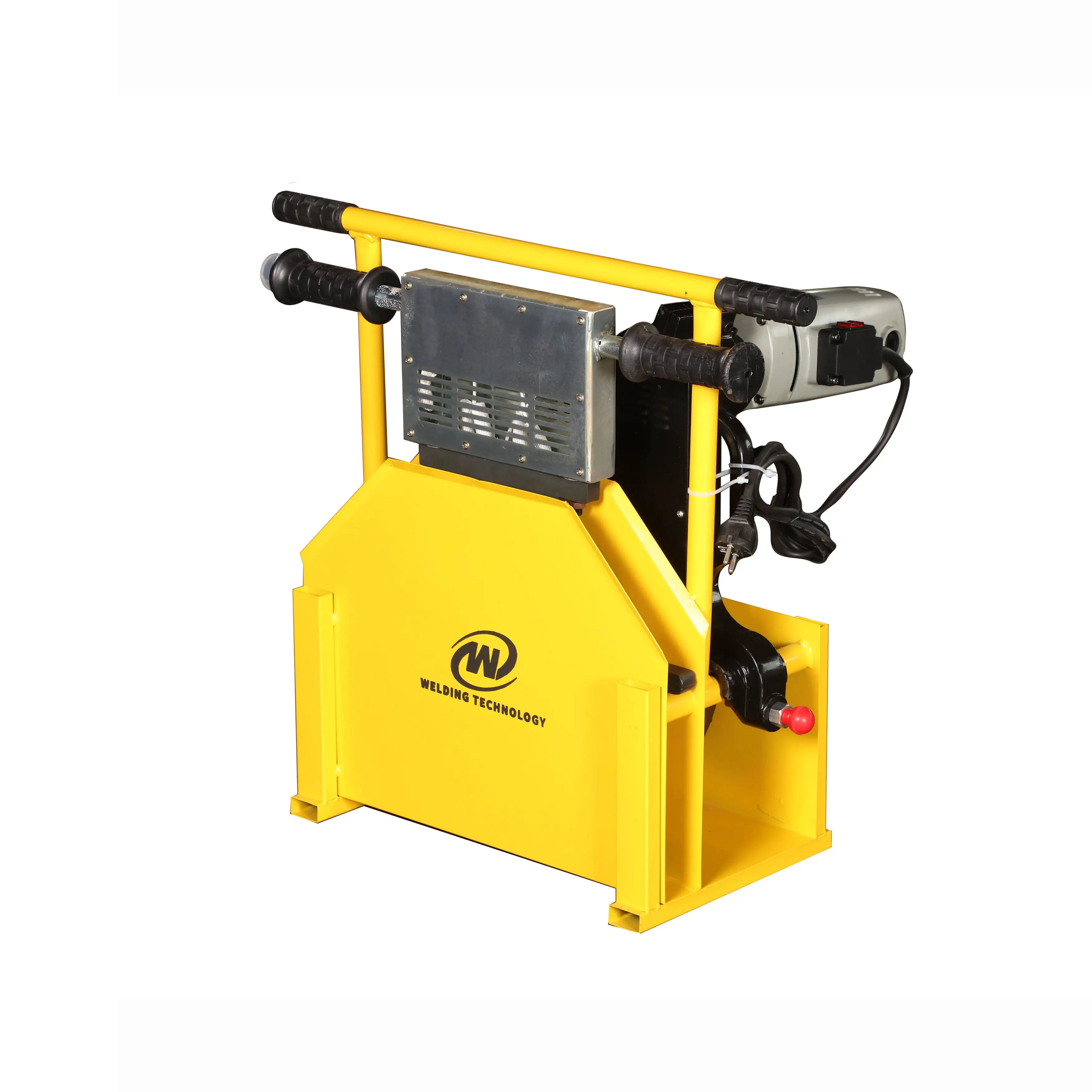
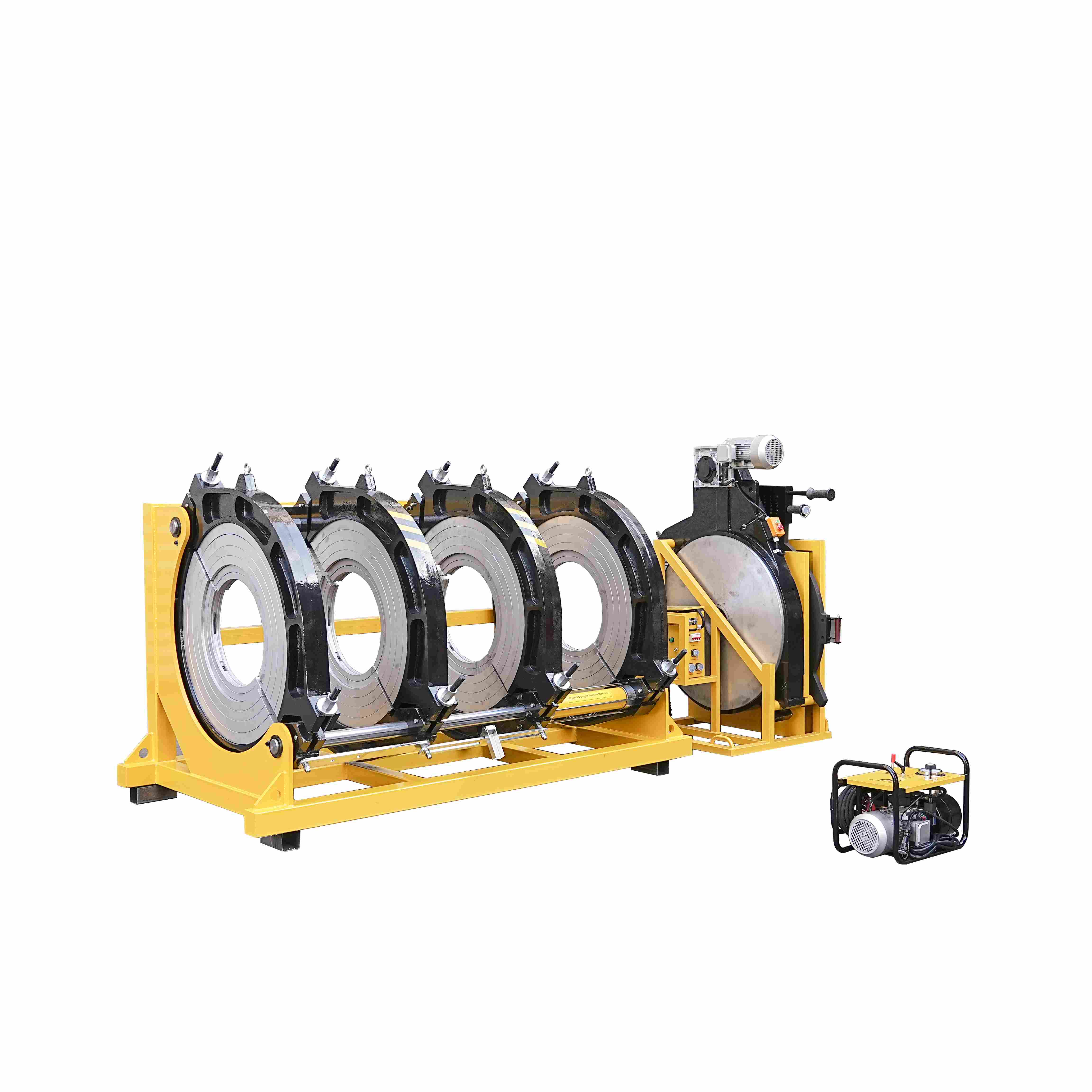
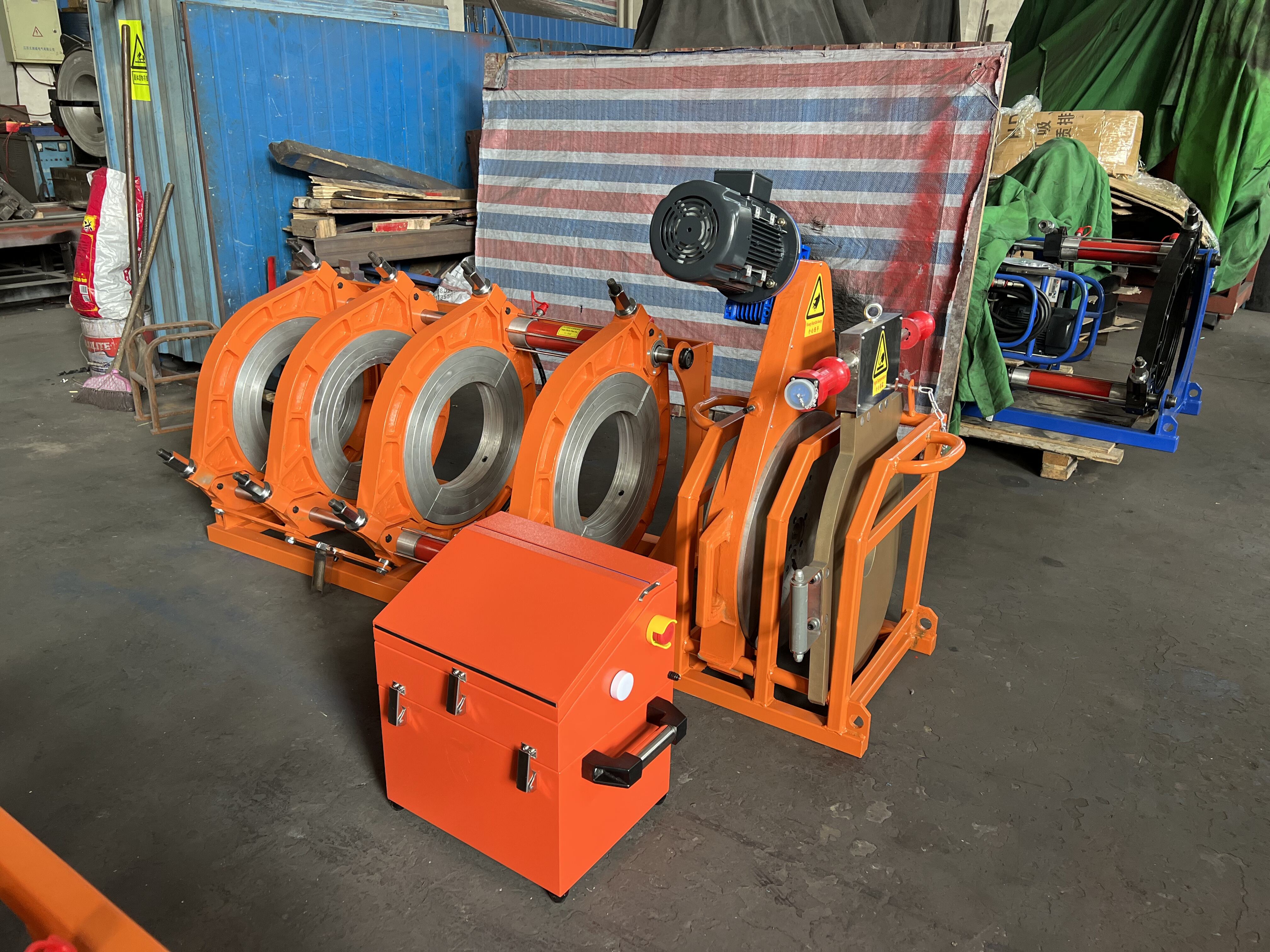
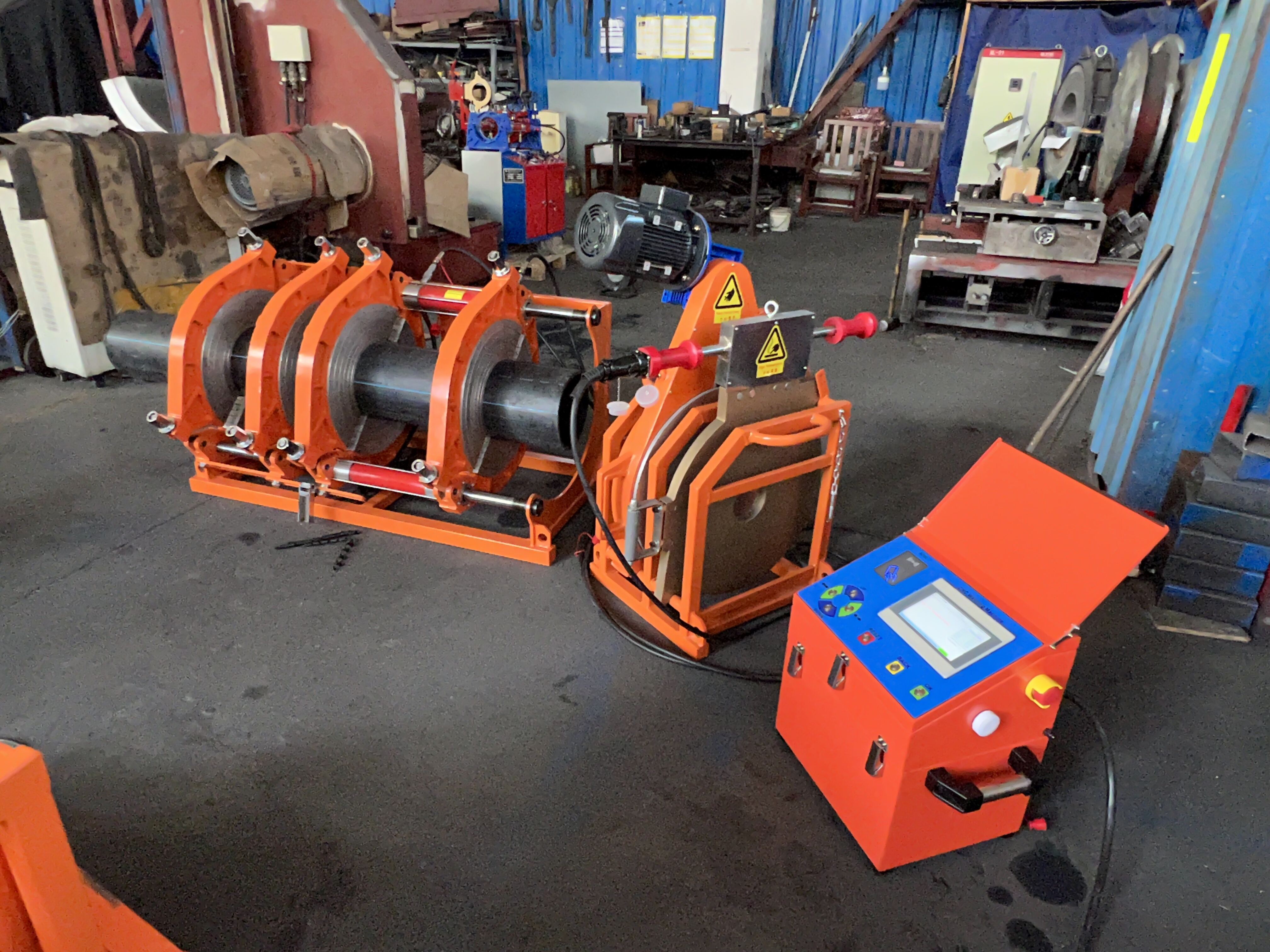
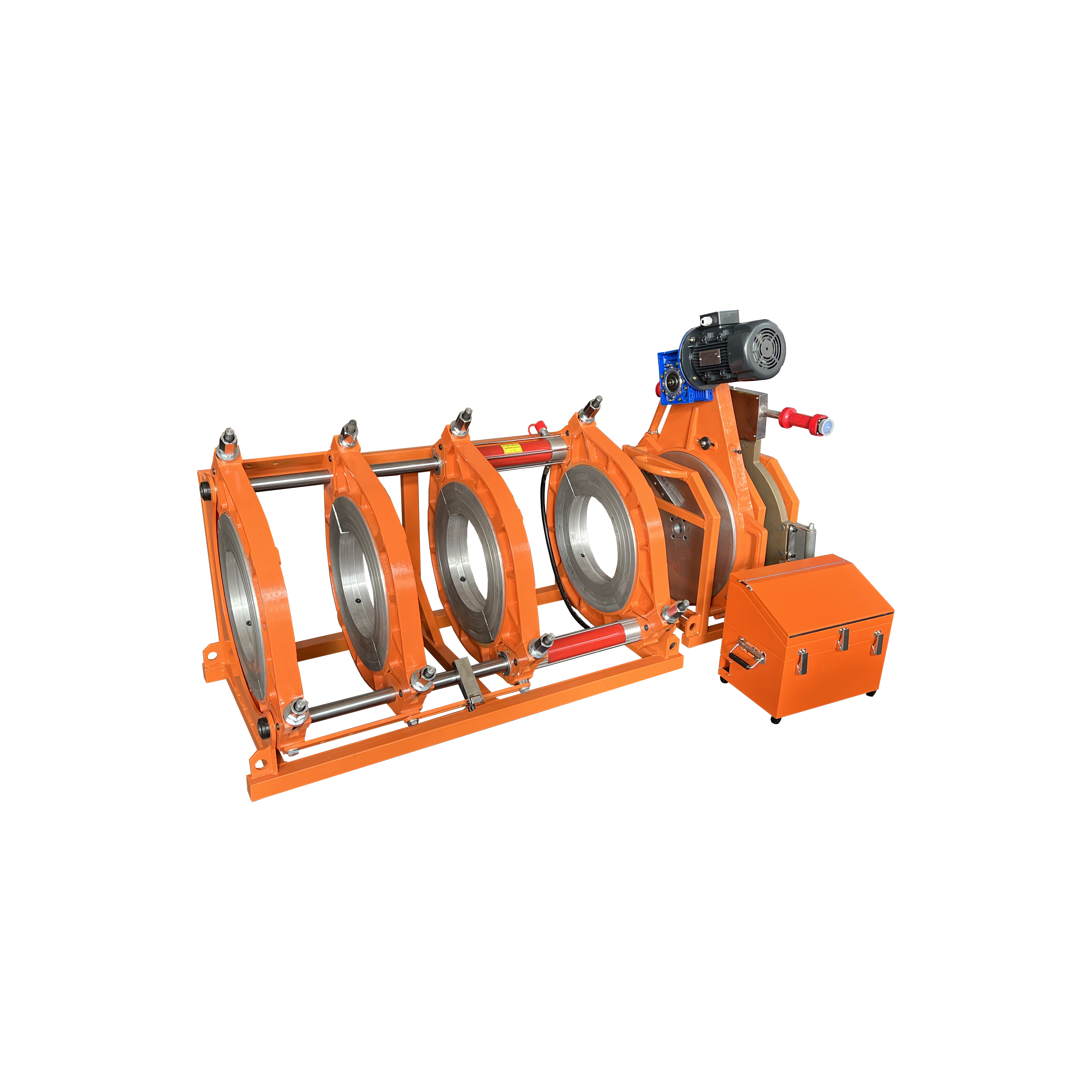
An automatic pipe fitting welder represents a sophisticated welding solution designed specifically for joining pipe fittings, tubes, and cylindrical components with precision and consistency. This advanced equipment automates the welding process for pipe connections, eliminating manual inconsistencies and significantly reducing production time. The automatic pipe fitting welder integrates computer-controlled systems that manage welding parameters such as current, voltage, travel speed, and wire feed rate, ensuring uniform weld quality across every joint. These machines are engineered to handle various pipe diameters, wall thicknesses, and material types including carbon steel, stainless steel, and specialized alloys. The core functionality revolves around orbital welding technology, where the welding head rotates around the stationary pipe, creating a complete circumferential weld in a single operation. Modern automatic pipe fitting welder units feature programmable logic controllers that store multiple welding procedures, allowing operators to quickly switch between different pipe specifications without extensive setup time. The equipment includes sophisticated sensing mechanisms that detect joint gaps, adjust arc length automatically, and compensate for material variations during the welding cycle. Technological features include touch-screen interfaces for intuitive operation, real-time monitoring systems that track welding parameters, and data logging capabilities that document every weld for quality assurance purposes. The automatic pipe fitting welder finds extensive applications across multiple industries including oil and gas pipeline construction, pharmaceutical manufacturing facilities, food processing plants, semiconductor fabrication, power generation stations, and chemical processing installations. These machines prove invaluable in environments requiring sanitary welding conditions, high-purity applications, or situations where weld integrity is critical for safety and operational reliability. The versatility of automatic pipe fitting welder systems allows them to perform socket welds, butt welds, and branch connections with equal proficiency, making them indispensable tools for modern fabrication and construction projects.


New Products

The automatic pipe fitting welder delivers substantial time savings compared to traditional manual welding methods, completing joints in a fraction of the time while maintaining superior quality standards. Operators can set up the machine, initiate the welding cycle, and focus attention on preparing subsequent joints rather than continuously monitoring the welding process. This efficiency translates directly into increased productivity, allowing fabrication shops and construction sites to complete projects faster and take on more work without expanding their workforce. Consistency stands as another major advantage, as the automatic pipe fitting welder produces identical welds regardless of operator skill level or fatigue factors. Every joint receives the same precise heat input, travel speed, and filler metal deposition, eliminating the variations inherent in manual welding. This uniformity reduces rejection rates, minimizes rework expenses, and ensures that every connection meets specified strength requirements. The equipment significantly improves worker safety by reducing exposure to welding fumes, arc flash, and repetitive strain injuries associated with manual torch manipulation. Operators work at a safe distance from the welding arc, and the enclosed welding environment contains harmful emissions more effectively than open welding processes. Cost savings accumulate through reduced material waste, as the automatic pipe fitting welder uses filler metal more efficiently and minimizes the excessive buildup or inadequate penetration that often occurs with manual techniques. The precise control over welding parameters also reduces distortion and heat-affected zone size, preserving base material properties and reducing the need for post-weld heat treatment. Quality documentation becomes straightforward, as the machine records all welding parameters automatically, creating a complete record for each joint that satisfies regulatory requirements and customer quality assurance demands. Training requirements decrease substantially because operators need only learn machine setup and programming rather than developing the hand-eye coordination and technique refinement necessary for manual welding. This shorter learning curve helps companies address skilled labor shortages and brings new employees up to productive capacity quickly. The automatic pipe fitting welder also enables companies to bid on projects requiring certified welding procedures and rigorous quality standards, opening new market opportunities that might otherwise remain inaccessible. Long-term reliability improves as well, since automated welds demonstrate more predictable performance characteristics and fewer defects that could lead to service failures, reducing maintenance costs and downtime for end users.

Tips And Tricks

How Does an HDPE Thermofusion Machine Improve Pipeline Performance?

24

Apr

How Does an HDPE Thermofusion Machine Improve Pipeline Performance?

Pipeline integrity stands as a critical concern across industries ranging from municipal water distribution to industrial gas transport, and the welding technology employed directly determines long-term performance outcomes. An HDPE thermofusion mach...
View More
Why Do Engineers Choose an HDPE Thermofusion Machine for Projects?

06

Apr

Why Do Engineers Choose an HDPE Thermofusion Machine for Projects?

Engineers working on pipeline infrastructure projects face critical decisions that affect long-term performance, project budgets, and operational reliability. Among the most consequential choices is the selection of joining equipment for high-density...
View More
How Does an HDPE Thermofusion Welding Machine Improve Joint Quality?

16

Jun

How Does an HDPE Thermofusion Welding Machine Improve Joint Quality?

In pipeline construction and fluid transport infrastructure, the quality of every joint determines the long-term integrity of the entire system. A poorly fused joint is not simply a weak point — it is a liability that can lead to leaks, system failur...
View More
How Can an HDPE Thermofusion Welding Machine Ensure Leak Free Systems?

23

Jun

How Can an HDPE Thermofusion Welding Machine Ensure Leak Free Systems?

In pipeline infrastructure across water treatment, gas distribution, and industrial fluid handling, achieving a truly leak-free system is one of the most demanding engineering challenges operators face. The HDPE thermofusion welding machine has emerg...
View More

Get a Free Quote

Our representative will contact you soon.
E-mail
Name
Mobile/WhatsApp
Company Name
Message
0/1000

automatic pipe fitting welder

Precision Control and Repeatability for Perfect Joints Every Time

Precision Control and Repeatability for Perfect Joints Every Time

The automatic pipe fitting welder excels at delivering unmatched precision through its advanced control systems that manage every aspect of the welding process with micro-level accuracy. Unlike manual welding where human factors introduce variability, this automated solution maintains exact control over amperage, voltage, wire feed speed, and travel velocity throughout the entire welding cycle. The machine's closed-loop feedback systems continuously monitor actual welding conditions and make instantaneous adjustments to compensate for any deviations from programmed parameters. This real-time correction capability ensures that each weld receives optimal heat input regardless of minor variations in joint preparation, fit-up tolerances, or material composition. The repeatability factor becomes particularly valuable in production environments where hundreds or thousands of identical joints require welding to the same specifications. Once operators establish and verify a welding procedure for a specific pipe size and material combination, the automatic pipe fitting welder can reproduce that exact weld profile indefinitely without drift or degradation. This consistency eliminates the trial-and-error approach often necessary with manual welding and removes the quality variations that occur when different welders work on the same project or when a single welder's performance changes due to fatigue or environmental conditions. The precision extends to weld bead placement, ensuring proper overlap, correct reinforcement height, and smooth transitions between the weld metal and base material. These controlled characteristics contribute to superior mechanical properties, enhanced corrosion resistance, and improved aesthetic appearance. For industries where weld quality directly impacts safety, such as pressure vessel fabrication, nuclear power installations, or aerospace applications, the precision of an automatic pipe fitting welder provides essential assurance that every joint will perform as intended under operating conditions. The machine's ability to execute complex welding sequences, including pulsed current patterns, multi-pass procedures, and specialized techniques for difficult materials, further demonstrates its precision capabilities while maintaining the repeatability that makes automated welding economically viable for both high-volume production and critical one-off applications.
Enhanced Productivity Through Reduced Cycle Times and Labor Optimization

Enhanced Productivity Through Reduced Cycle Times and Labor Optimization

Implementing an automatic pipe fitting welder transforms operational efficiency by dramatically reducing the time required to complete each welded joint while simultaneously optimizing how skilled labor resources are deployed. Traditional manual welding requires continuous operator attention throughout the entire welding process, with the welder physically manipulating the torch, maintaining proper arc length, controlling travel speed, and adjusting technique in response to changing conditions. This intensive involvement limits how many joints a single welder can complete during a shift and creates bottlenecks in production schedules. The automatic pipe fitting welder changes this equation by executing the actual welding operation autonomously once the operator completes setup and initiates the cycle. This automation allows one technician to manage multiple welding stations, preparing joints, loading fixtures, and performing quality inspections while machines handle the welding itself. The productivity multiplication effect becomes particularly pronounced in applications involving numerous identical or similar joints, where setup time gets amortized across many pieces. Cycle time reduction stems from the machine's ability to maintain optimal welding speeds without the hesitation, starting and stopping, or conservative approaches that characterize manual welding. The equipment travels at the maximum speed consistent with proper fusion and penetration, never slowing due to operator caution or discomfort. Additionally, the automatic pipe fitting welder eliminates the frequent pauses necessary in manual welding for electrode changes, position adjustments, or welder rest breaks. Many automated systems feature bulk wire feeders that provide hours of continuous operation without interruption. The productivity advantages extend beyond pure welding time to encompass reduced inspection requirements, fewer repairs, and faster project completion. Since automated welds exhibit greater consistency and lower defect rates, quality control personnel spend less time examining joints and more time on value-added activities. The cumulative effect of these productivity enhancements enables companies to increase output without proportional increases in labor costs, floor space, or capital equipment, improving competitive positioning and profit margins while maintaining or enhancing quality levels that satisfy customer expectations and regulatory requirements.
Versatility Across Materials, Positions, and Applications

Versatility Across Materials, Positions, and Applications

The automatic pipe fitting welder demonstrates remarkable versatility in handling diverse materials, welding positions, and application requirements that would challenge or prove impossible for manual welding approaches. Modern systems accommodate pipe diameters ranging from small-bore tubing measuring fractions of an inch to large-diameter pipes exceeding several feet, with quick-change fixtures and adjustable clamping mechanisms that facilitate rapid transitions between sizes. This size flexibility allows fabrication shops to serve varied customer needs without maintaining separate specialized equipment for each pipe dimension. Material compatibility extends across the full spectrum of weldable metals including carbon steels, stainless steel alloys, duplex and super-duplex stainless materials, nickel alloys, titanium, aluminum, and exotic metals used in specialized applications. The automatic pipe fitting welder can store distinct welding procedures for each material type, incorporating the specific parameters, shielding gases, and filler metals appropriate for optimal results. This multi-material capability proves especially valuable for facilities working on diverse projects or companies serving multiple industries with different material preferences. Positional versatility represents another significant advantage, as these machines can perform welds in any orientation including horizontal, vertical, overhead, and compound angles that create difficulty for manual welders. The consistent weld quality remains unaffected by position because the automated controls maintain proper puddle control and penetration regardless of gravitational effects. Application versatility allows the automatic pipe fitting welder to address various joint configurations including socket welds for small-bore piping systems, butt welds for main line connections, branch connections where smaller pipes intersect larger mains, and specialized geometries unique to particular industries or standards. Many systems offer interchangeable welding heads optimized for different joint types, expanding capability without requiring completely separate machines. The equipment adapts to sanitary applications demanding high-purity welds with minimal surface roughness for pharmaceutical and food processing uses, high-pressure applications requiring full-penetration welds with specific mechanical properties, and corrosive service applications where weld metal composition and heat-affected zone characteristics critically influence long-term performance. This comprehensive versatility makes the automatic pipe fitting welder a valuable investment that supports current production requirements while providing flexibility to pursue new opportunities and applications as business needs evolve.

Get a Free Quote

Our representative will contact you soon.
E-mail
Name
Mobile/WhatsApp
Company Name
Message
0/1000