hdpe welding machine
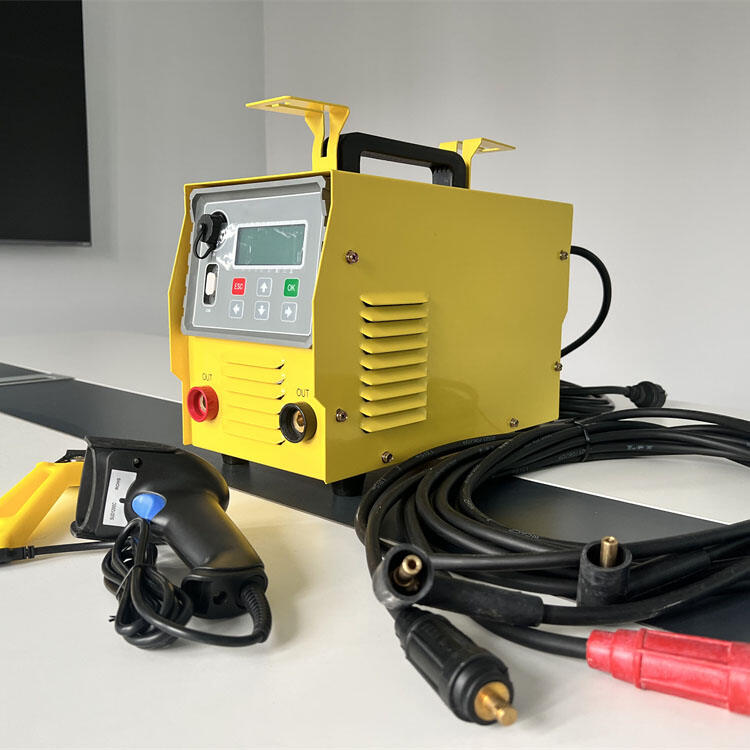
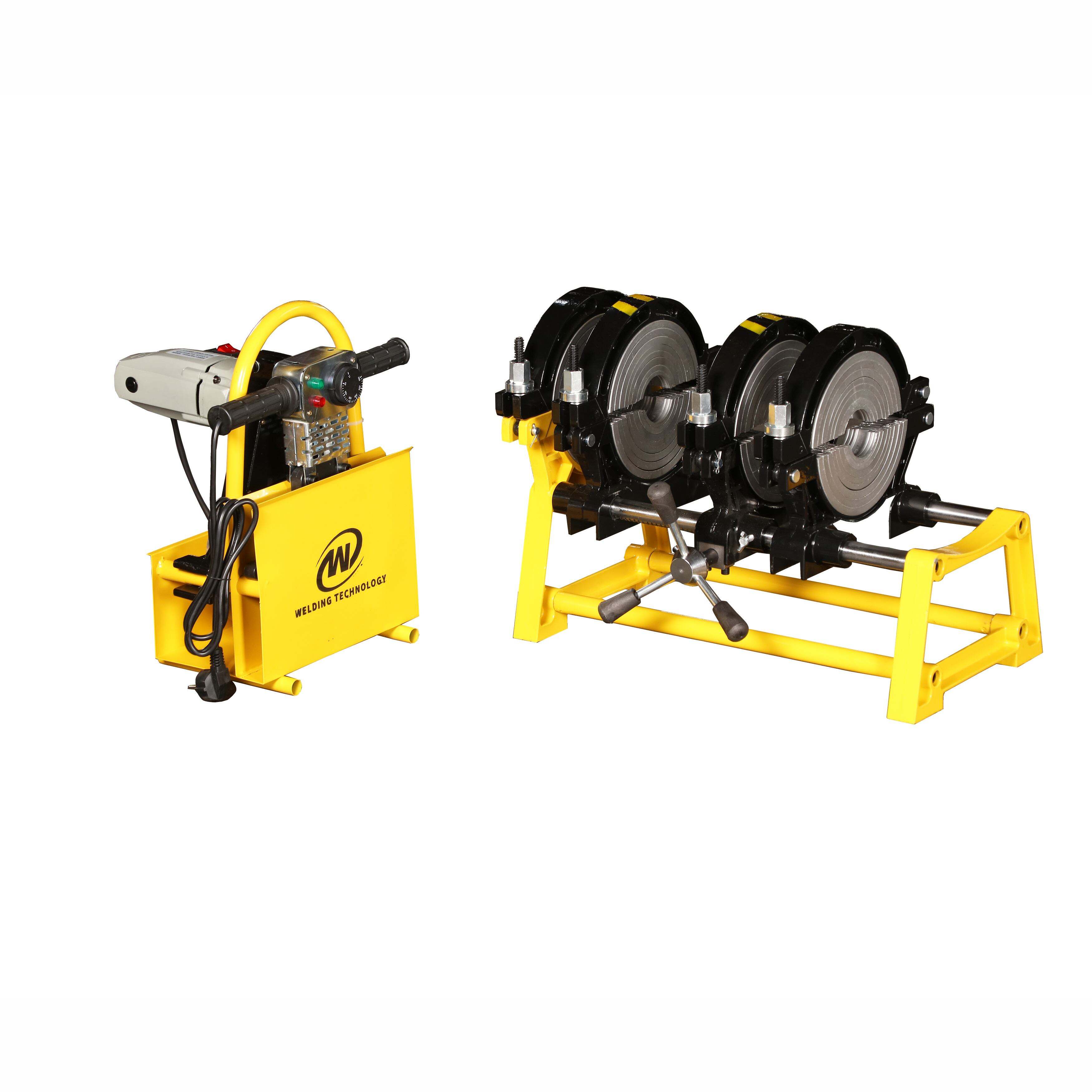
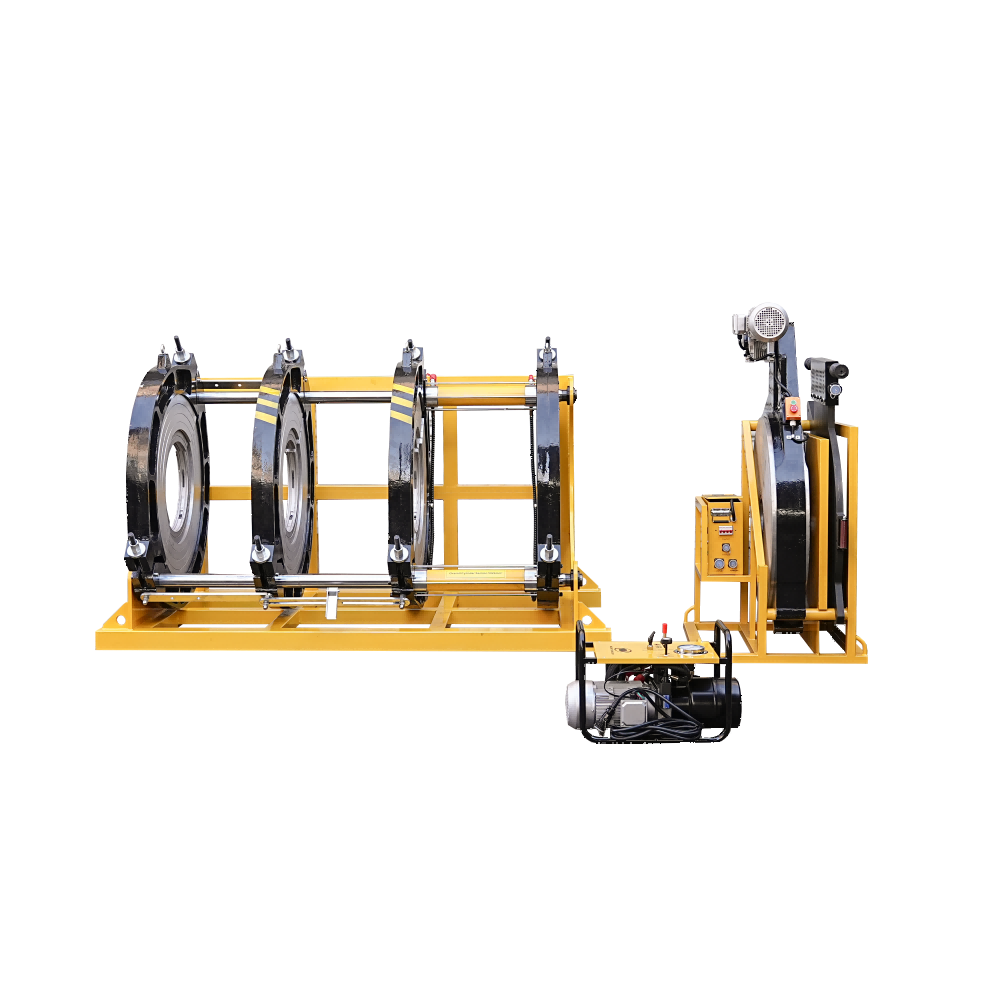
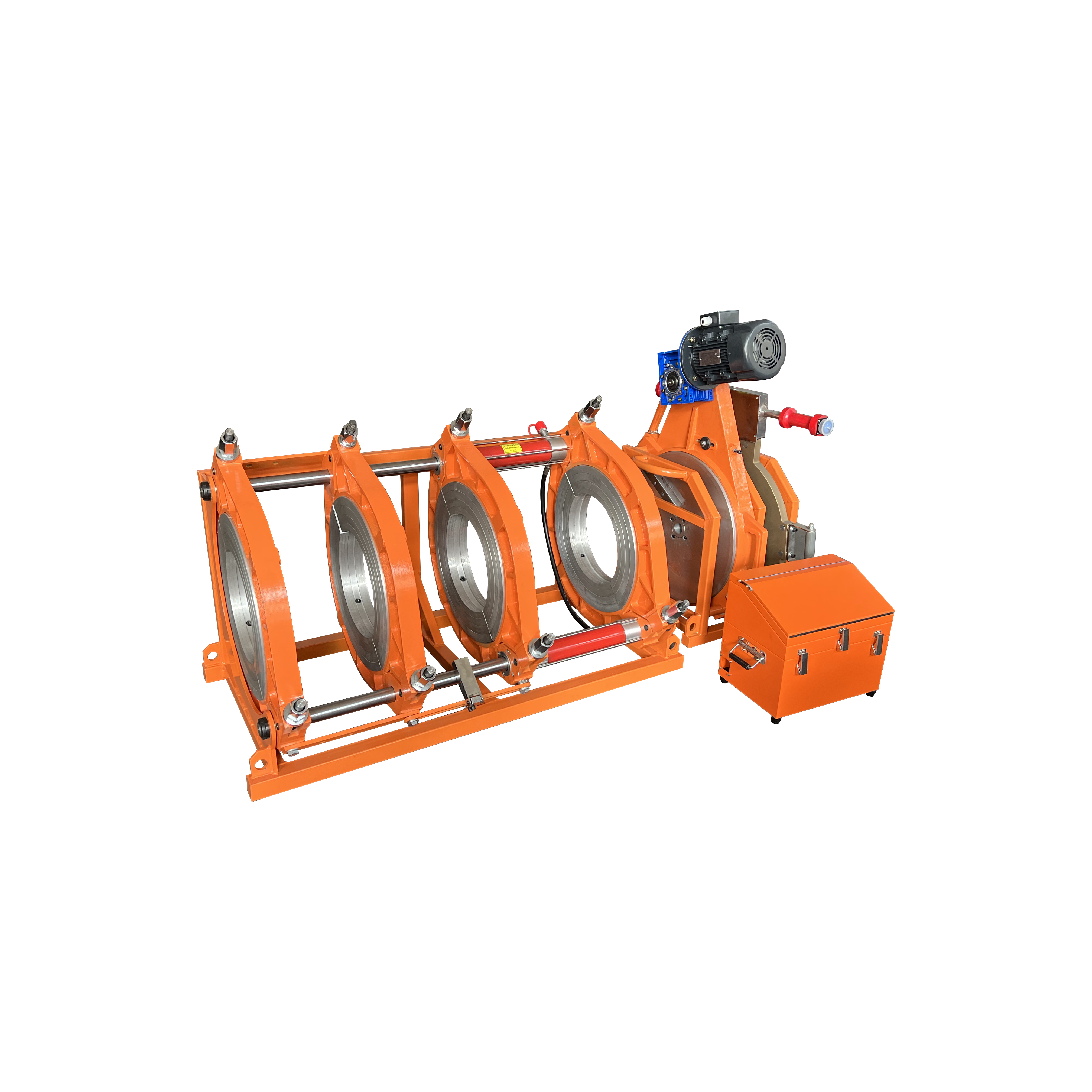
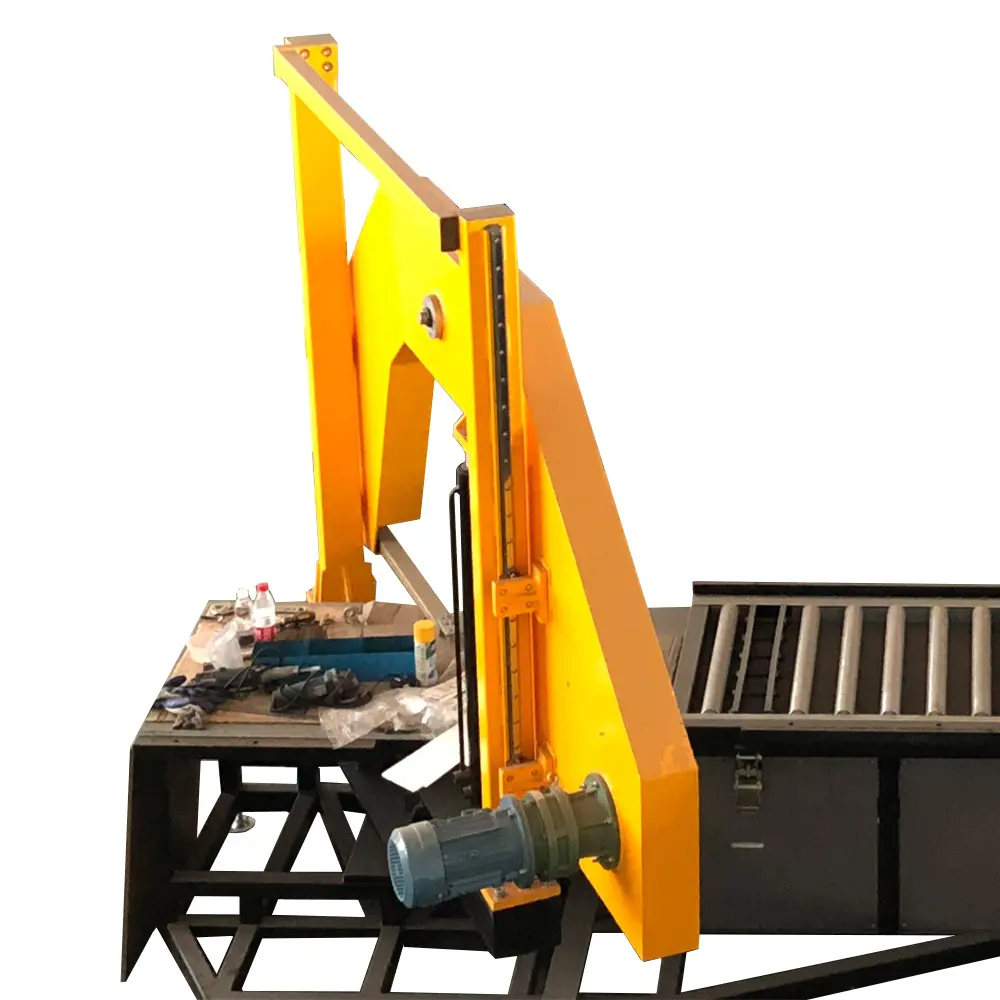
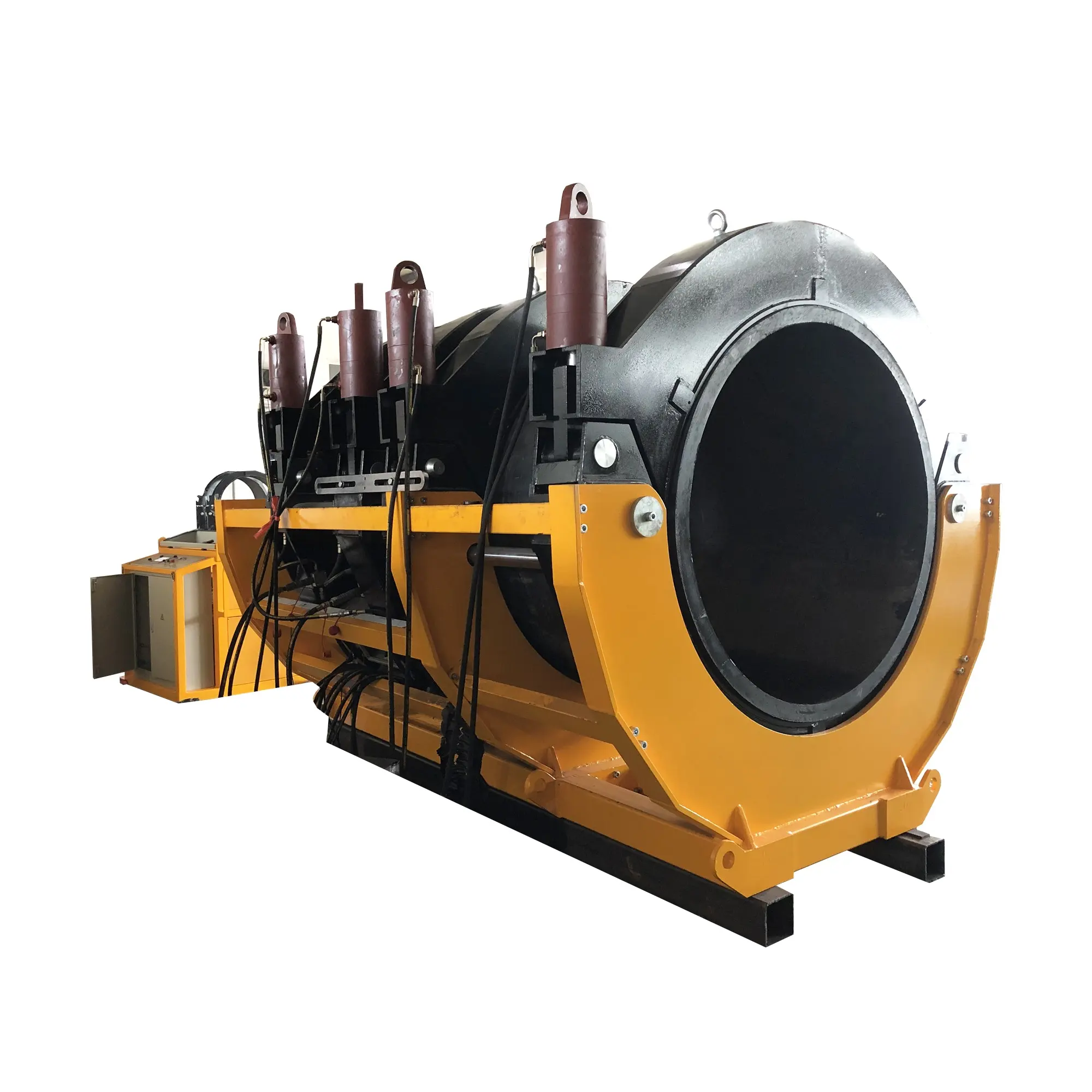
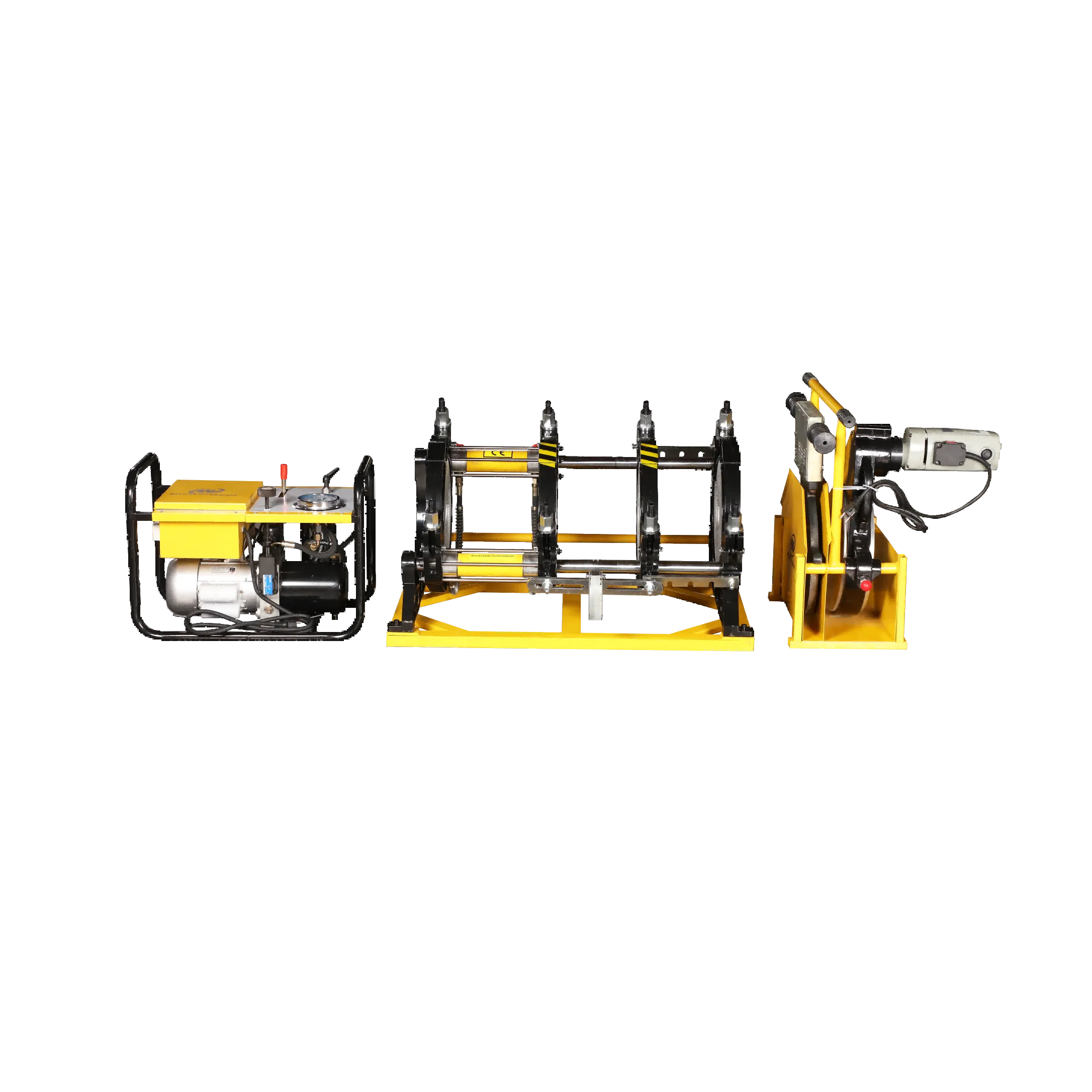
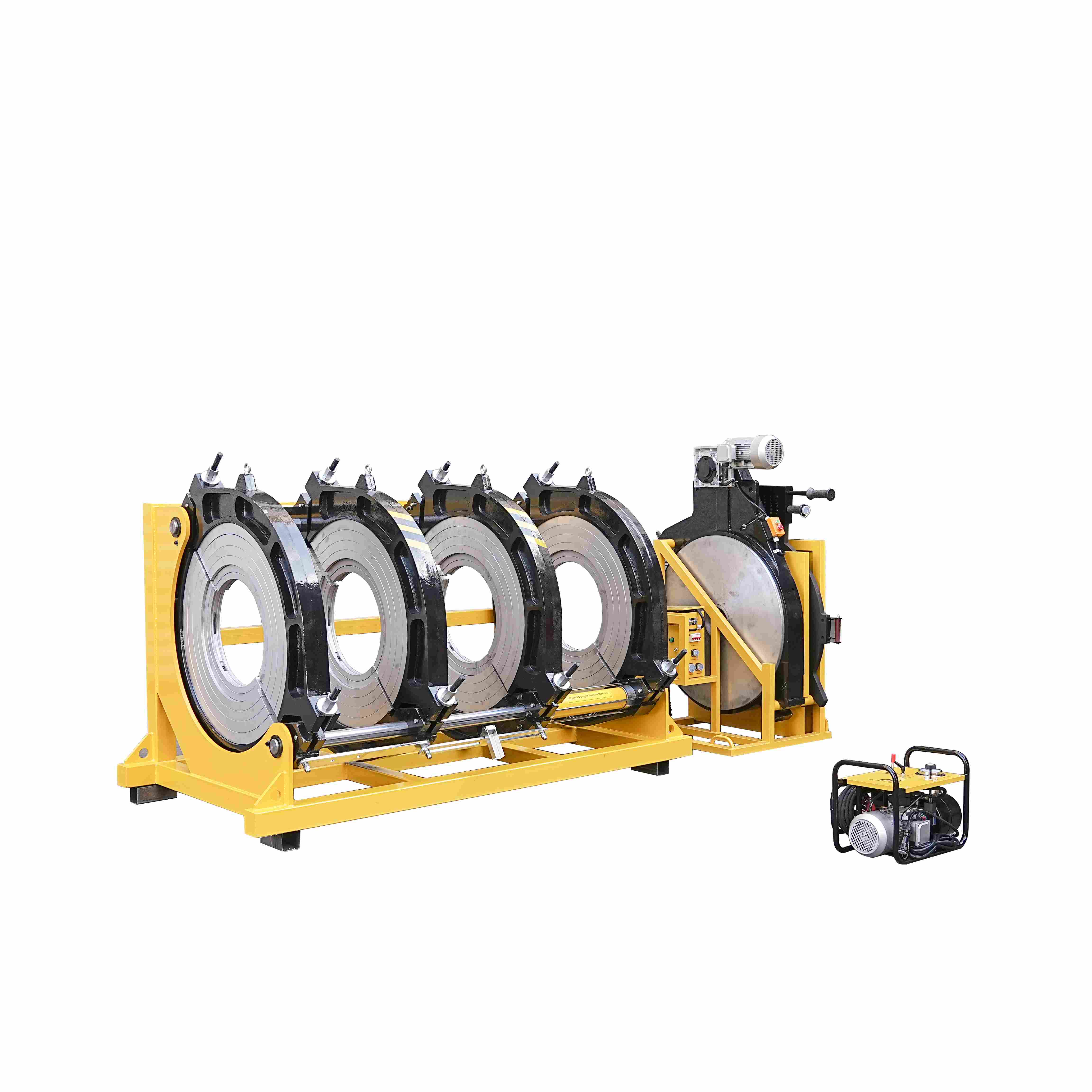
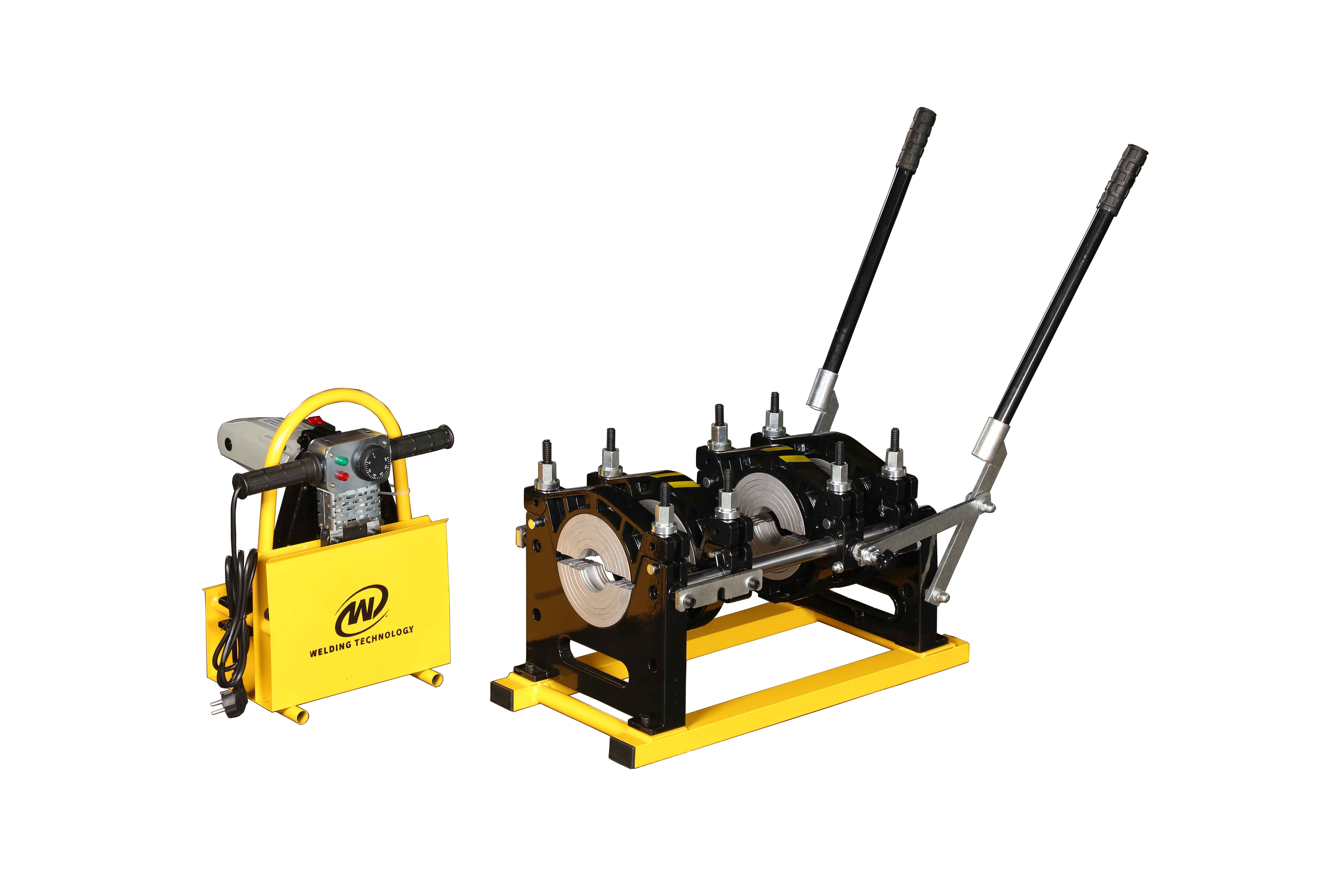
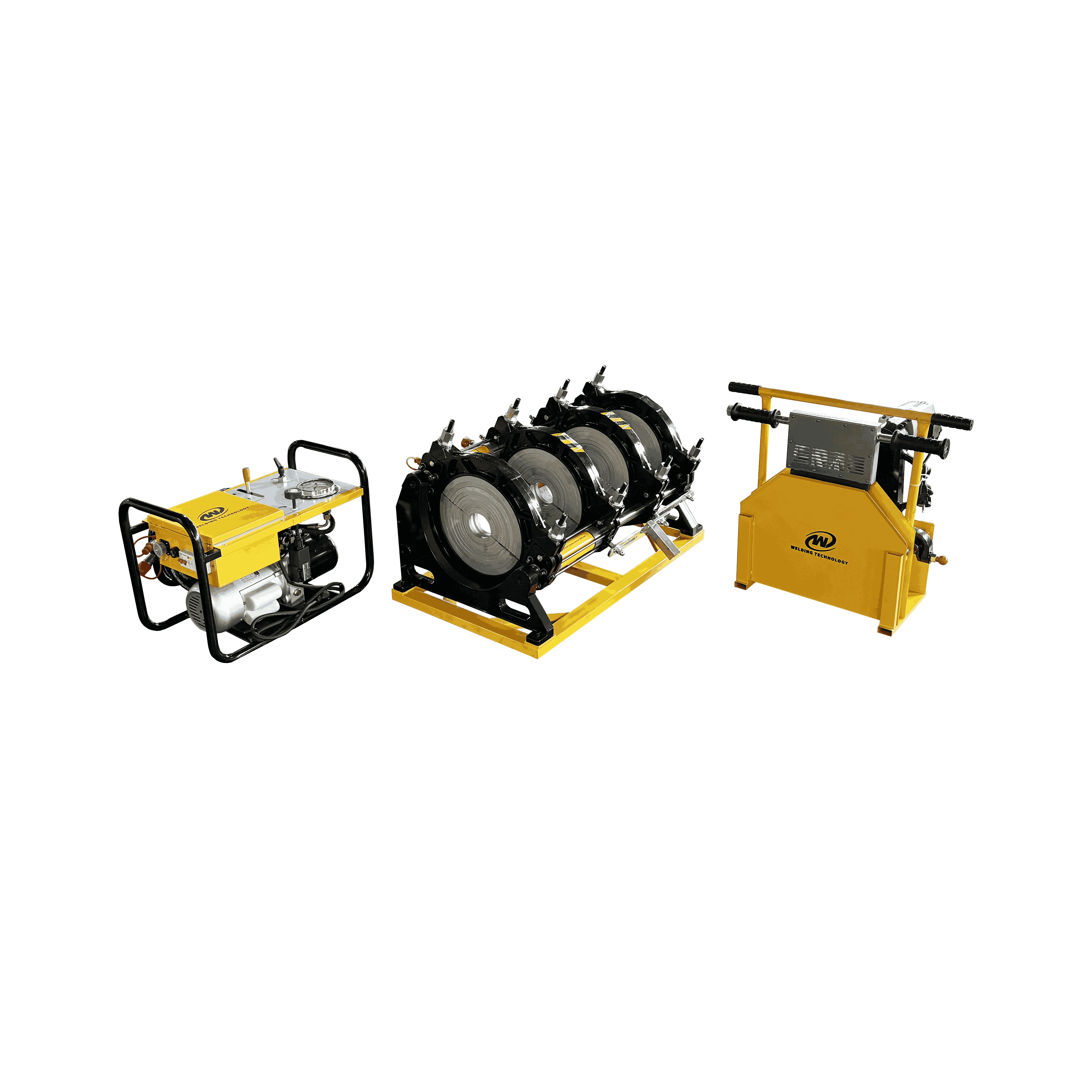
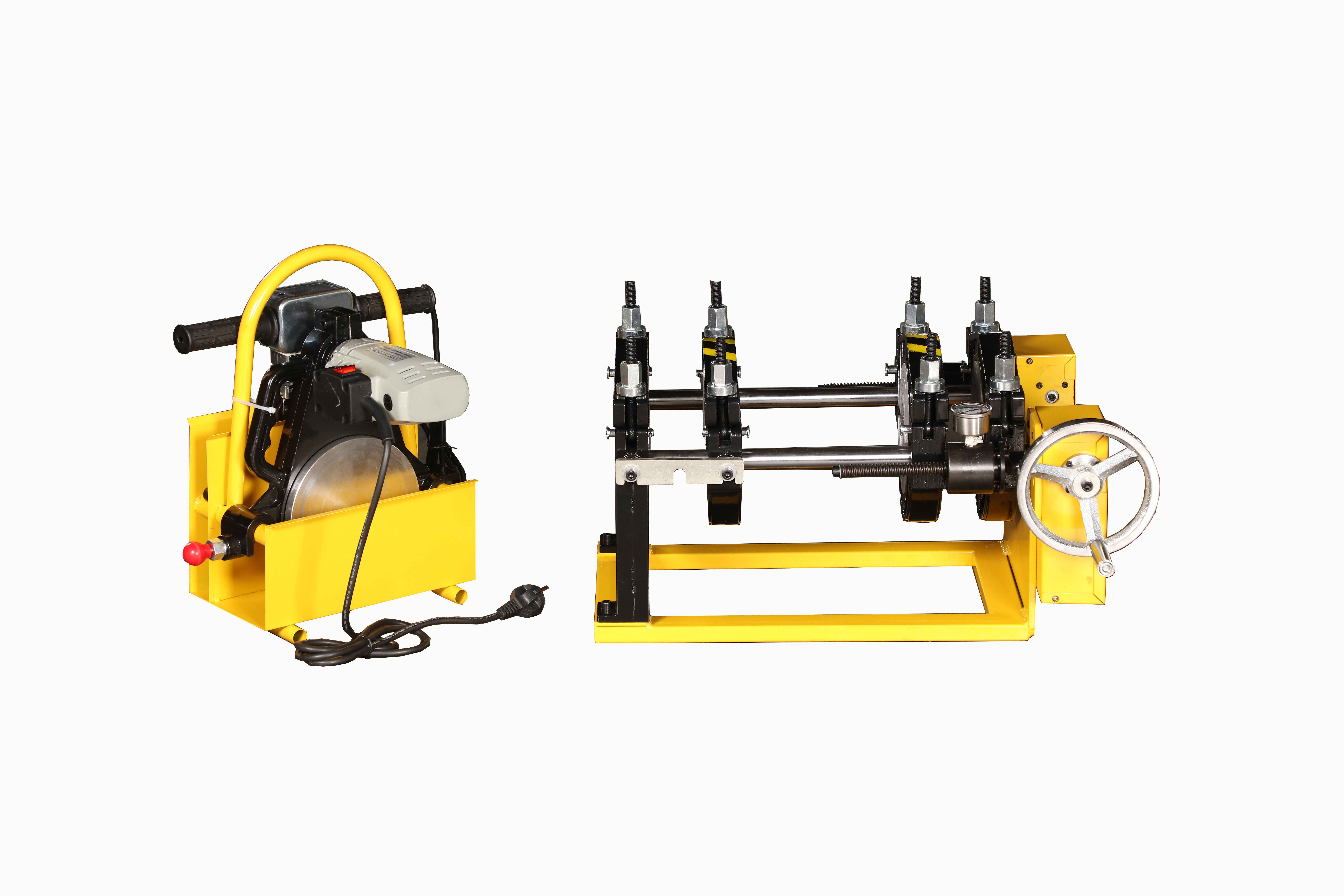
An HDPE welding machine represents a specialized piece of equipment designed to join high-density polyethylene materials through controlled heat application and pressure. This technology has become essential in modern construction, infrastructure development, and manufacturing processes where durable, leak-proof connections are required. The machine operates by heating the HDPE surfaces to their melting point, then pressing them together to create a molecular bond that often exceeds the strength of the original material. These welding systems come in various configurations, including butt fusion machines, electrofusion units, socket fusion devices, and extrusion welders, each tailored to specific joining requirements and pipe dimensions. The primary function of an HDPE welding machine involves creating permanent, homogeneous joints in polyethylene pipes, sheets, and fittings used across water distribution networks, gas transmission systems, mining operations, and industrial fluid handling applications. Advanced models incorporate digital temperature controls, automated pressure regulation, and data logging capabilities that ensure consistent weld quality while meeting stringent industry standards. The technological features of modern HDPE welding machines include hydraulic clamping systems that maintain precise alignment during the fusion process, heating elements with uniform temperature distribution across the welding surface, and programmable control units that adjust parameters based on material thickness and ambient conditions. Many professional-grade machines offer dual-voltage compatibility, making them suitable for field applications where power sources may vary. The welding process itself requires minimal operator intervention once parameters are set, with built-in timers and sensors guiding each phase from heating through cooling. Applications for HDPE welding machines span municipal water infrastructure projects, natural gas distribution networks, geothermal piping systems, chemical processing facilities, landfill leachate collection systems, and marine applications where corrosion resistance is paramount. The versatility of these machines allows contractors to work with pipe diameters ranging from small residential connections to large-diameter transmission mains, adapting to project-specific requirements through interchangeable heating plates and clamping fixtures.

 EN
EN