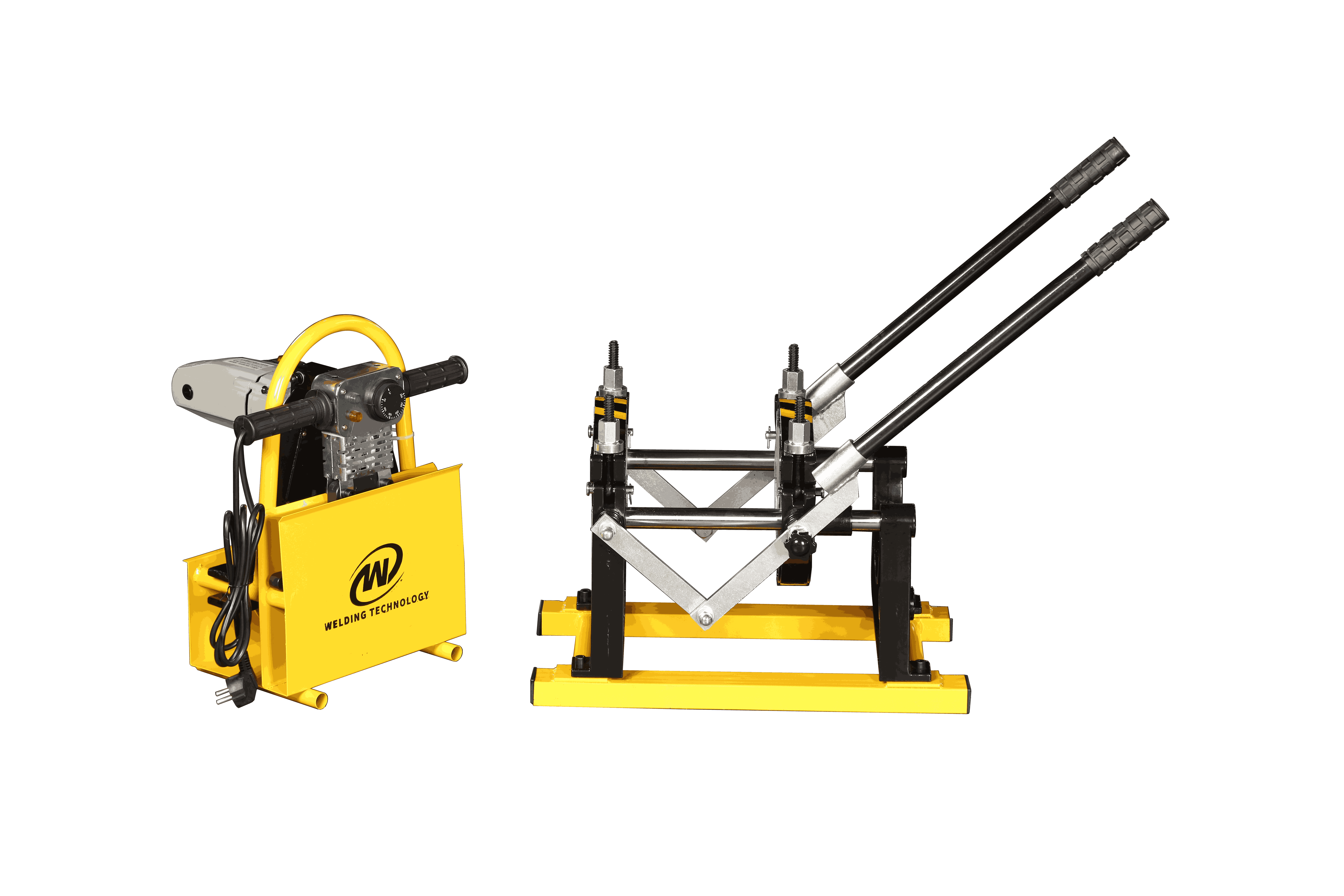
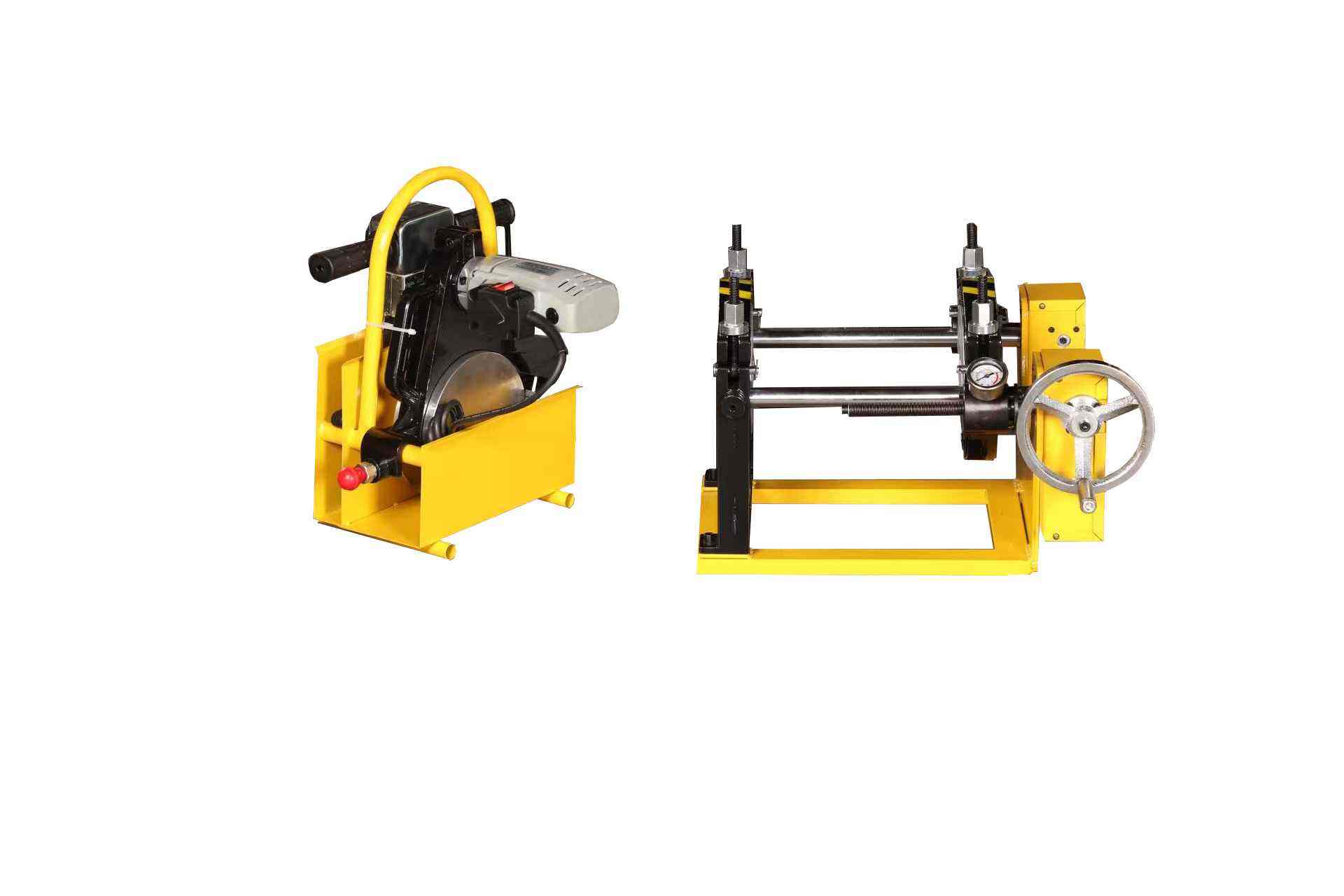
Professional Plastic Fusion Welder - Advanced Thermoplastic Joining Solutions

Get a Free Quote

Our representative will contact you soon.
E-mail
Name
Mobile/WhatsApp
Company Name
Message
0/1000

plastic fusion welder

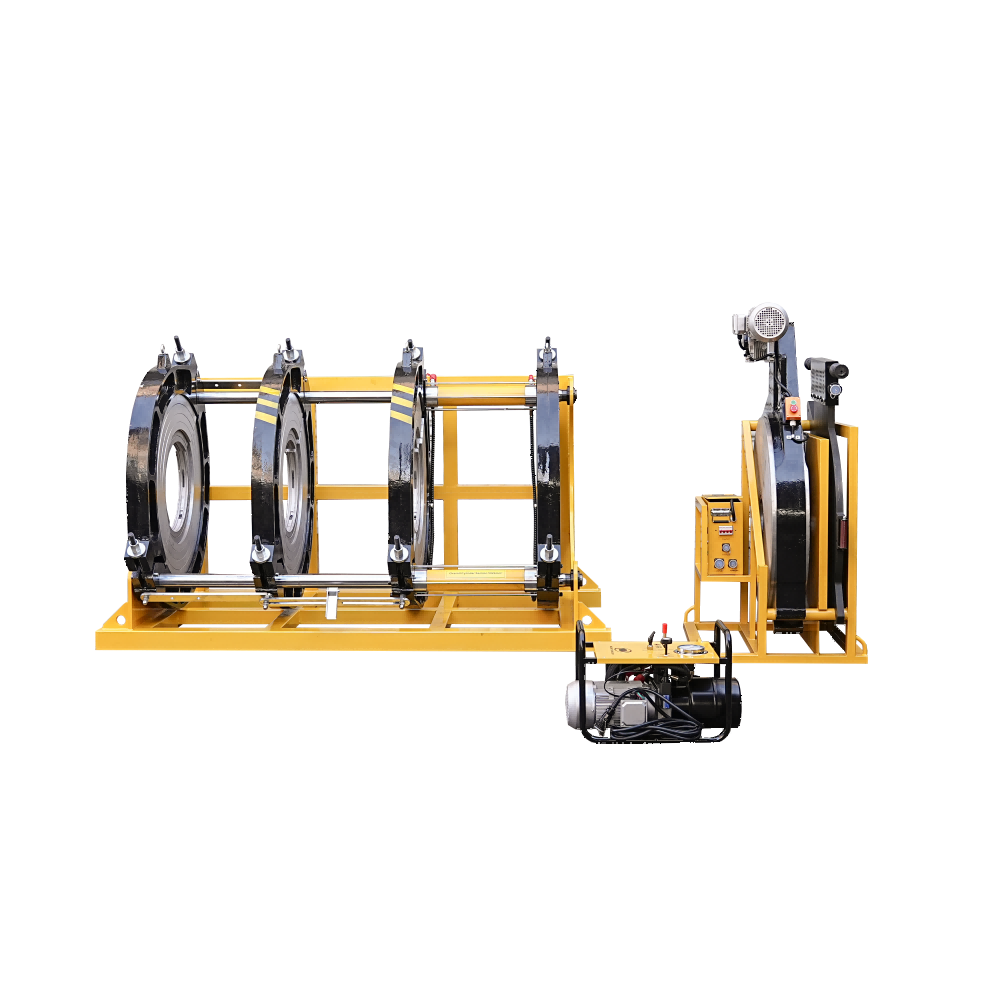
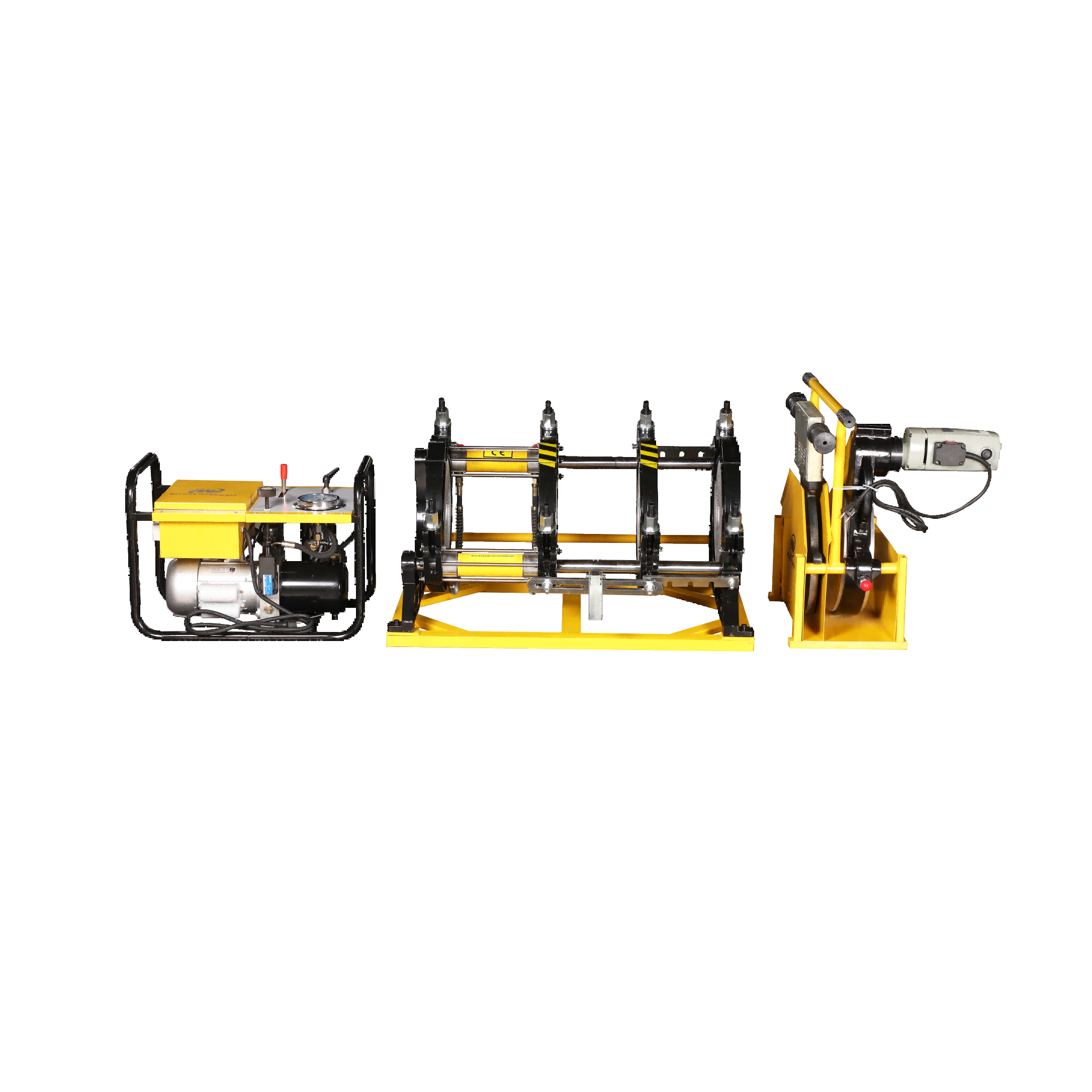
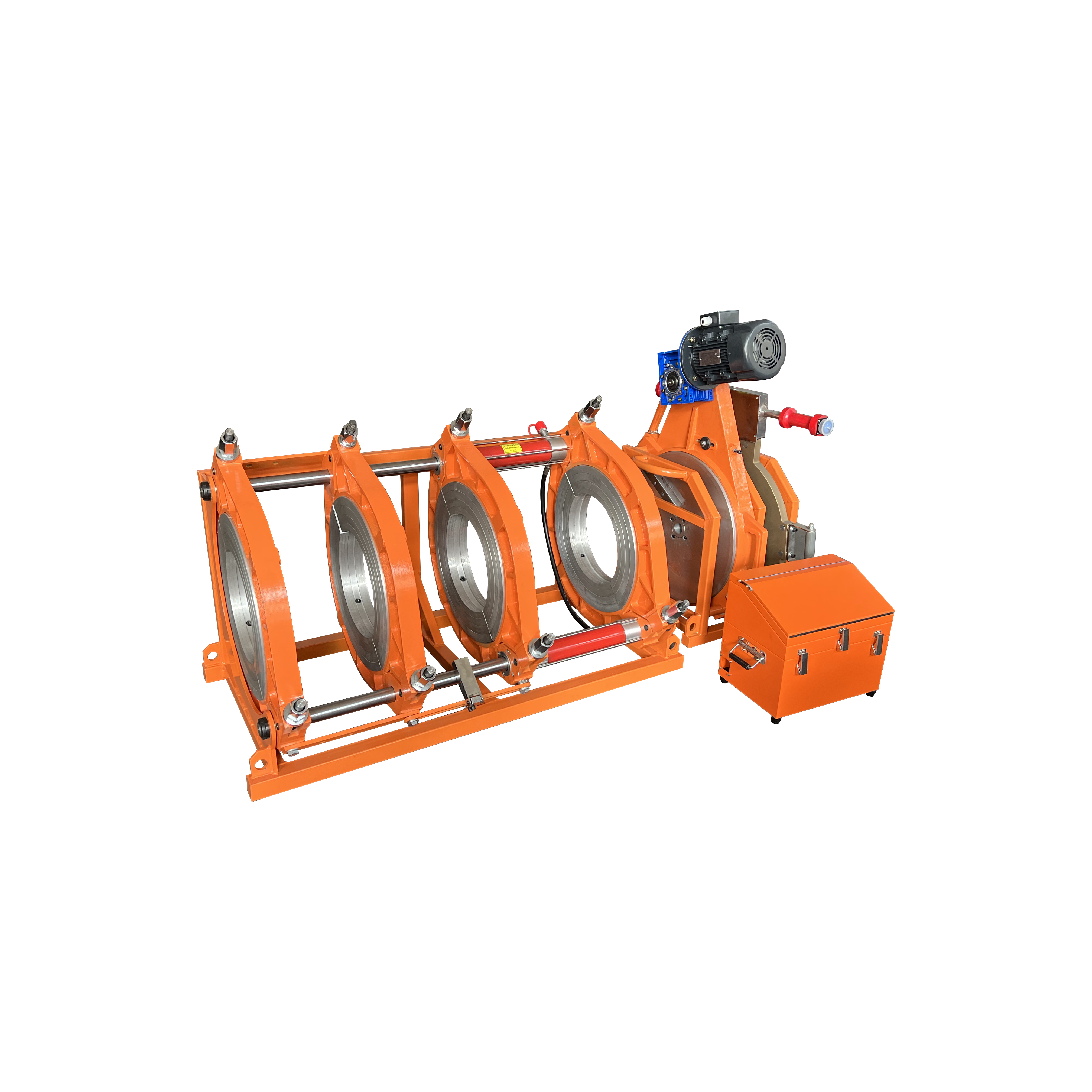
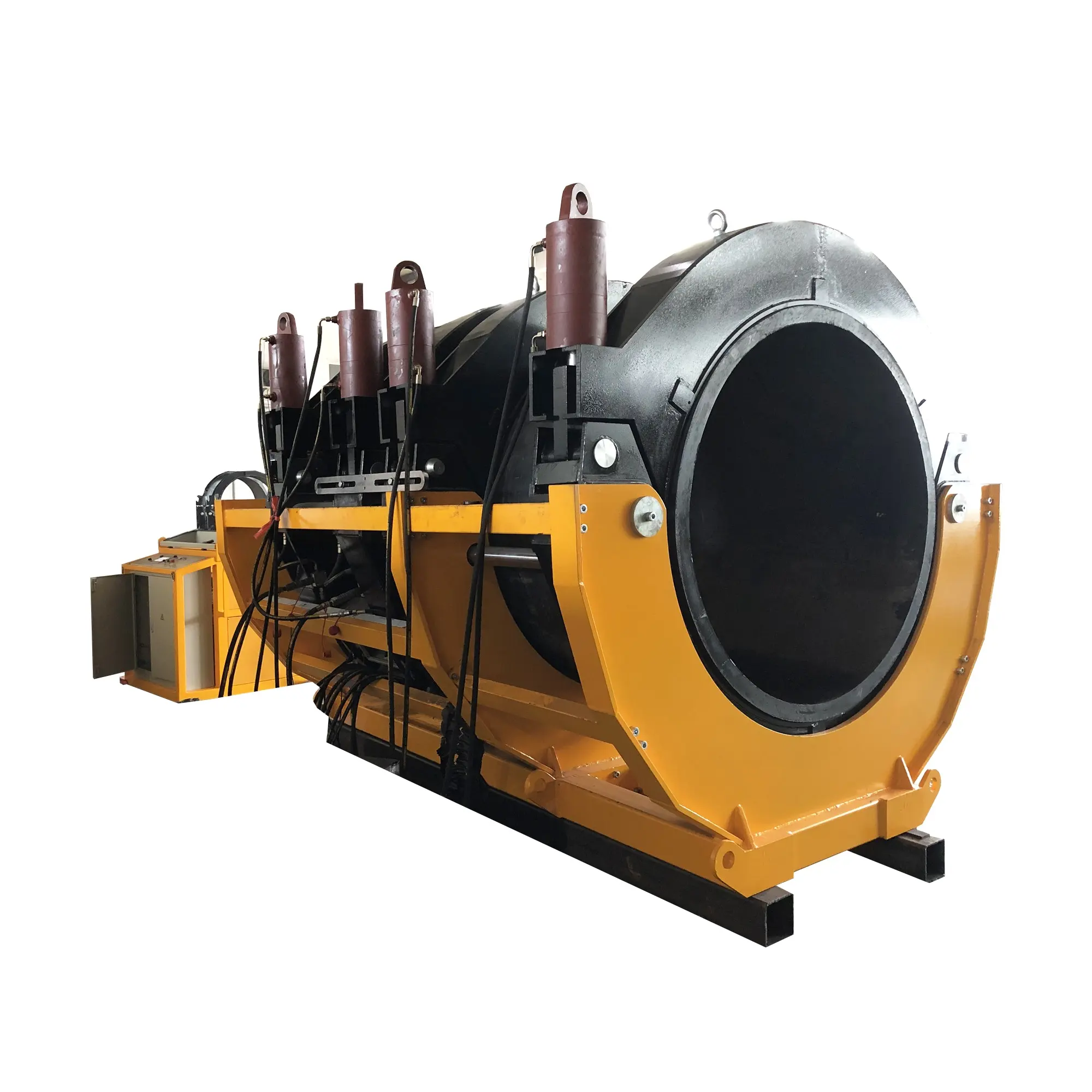
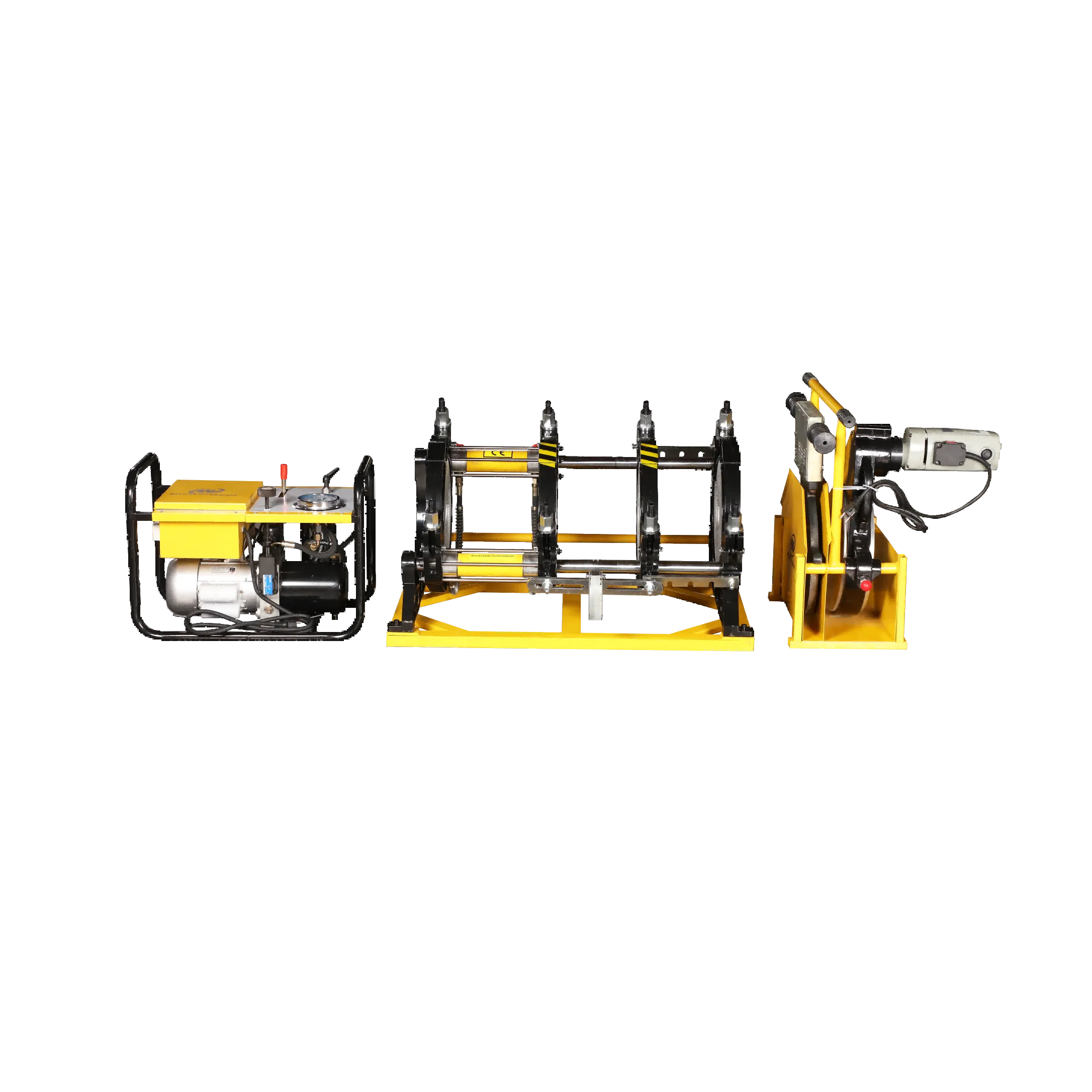
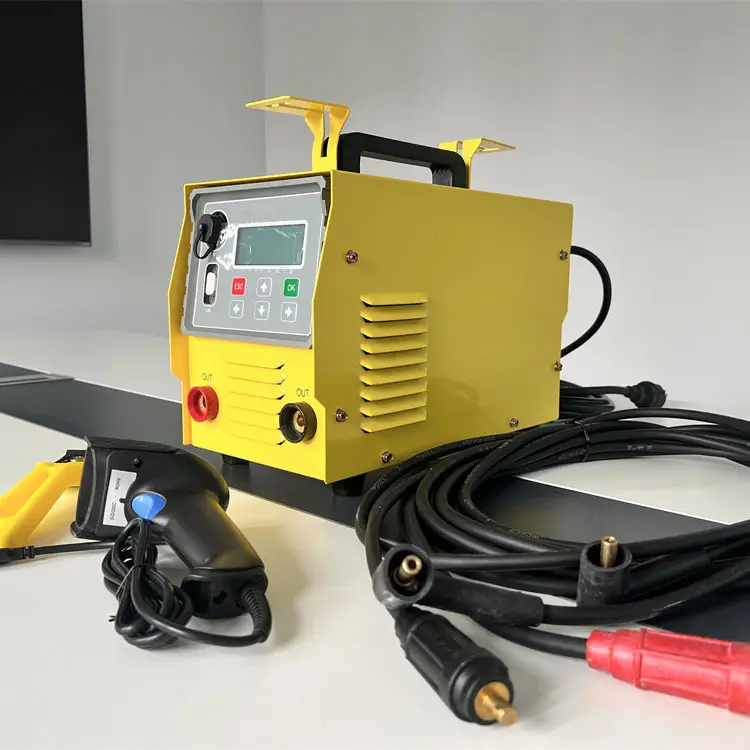
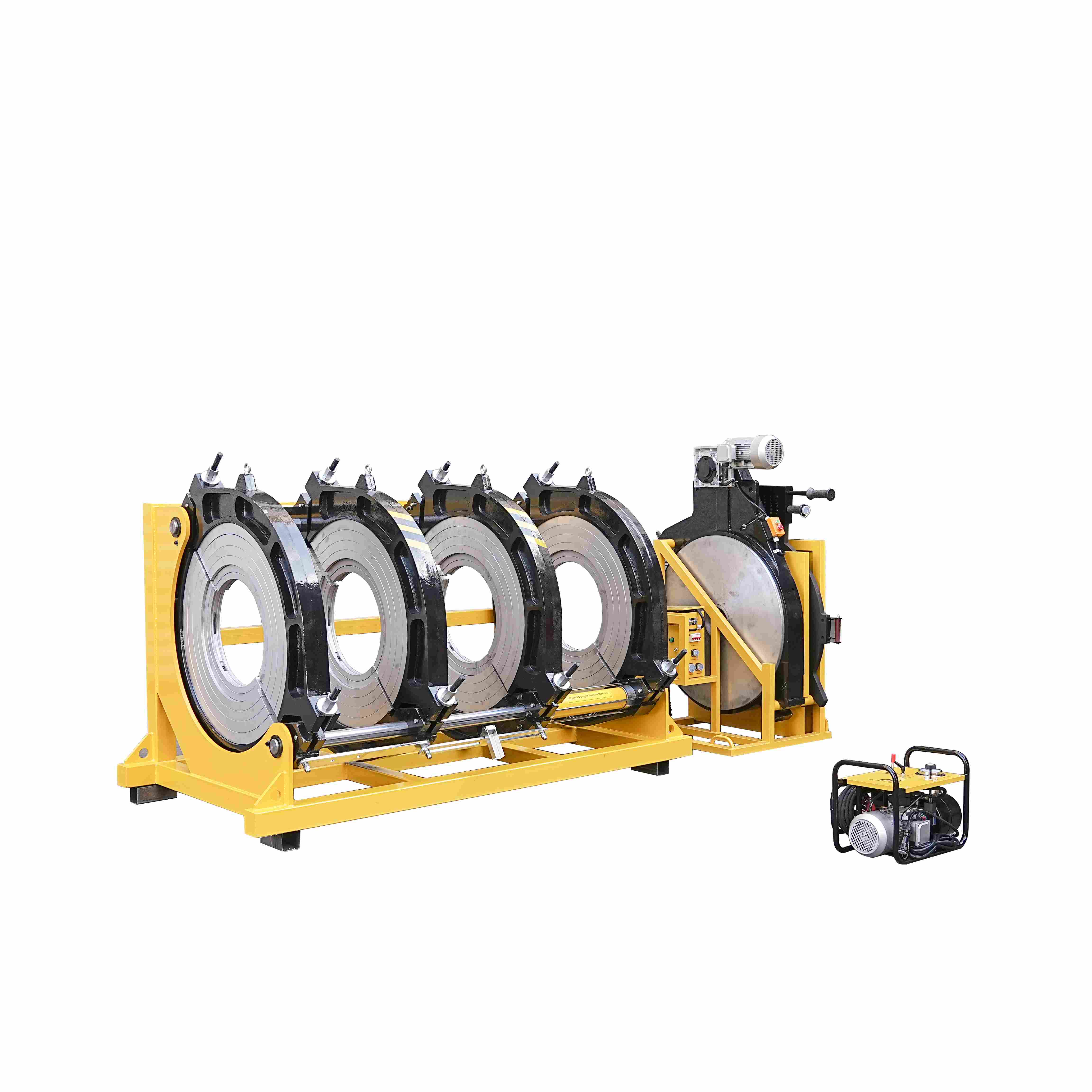
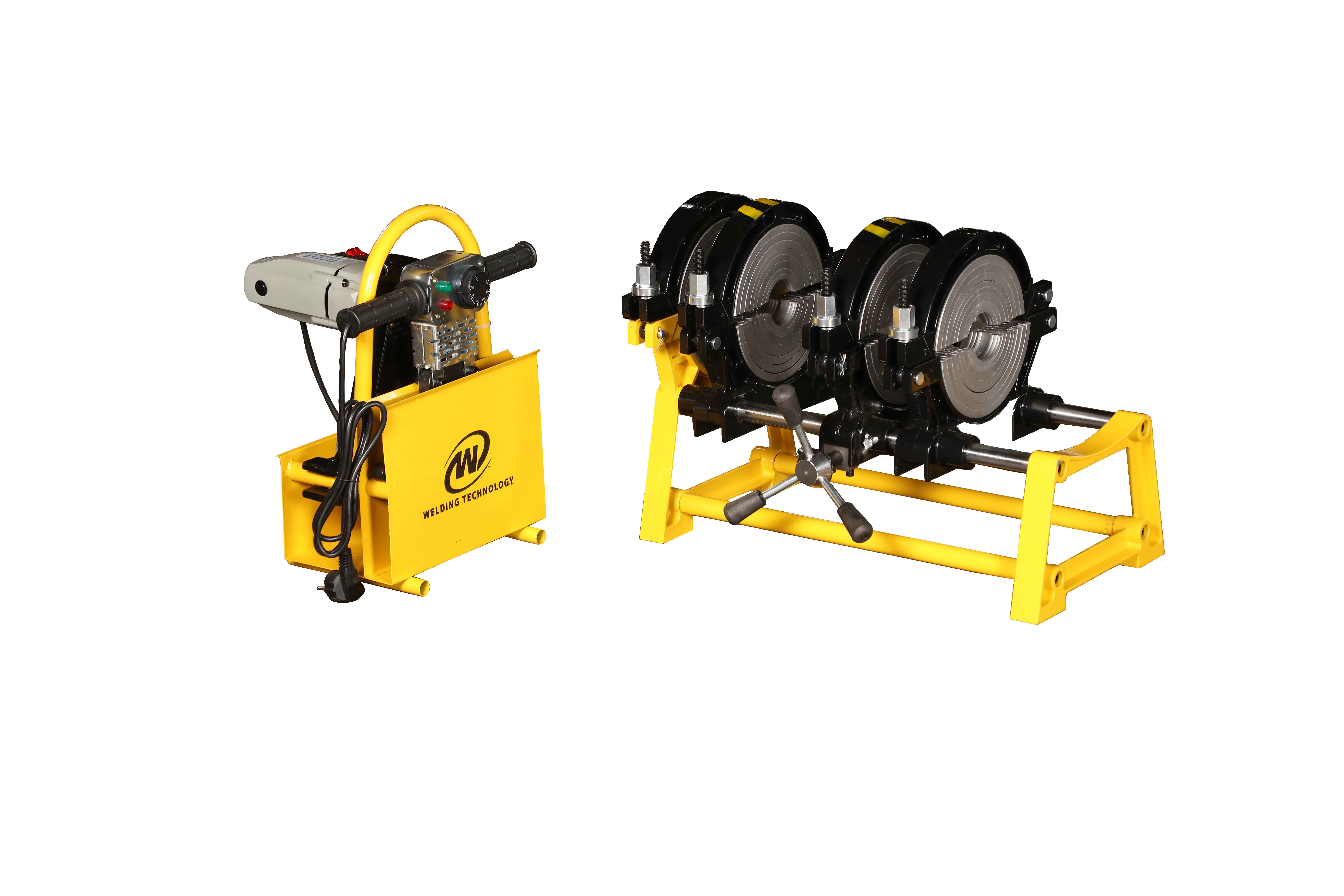
A plastic fusion welder represents a sophisticated joining technology that creates permanent bonds between thermoplastic materials through controlled heat application and pressure. This advanced equipment utilizes precise temperature control systems to heat plastic surfaces to their melting point, allowing molecular chains to intermingle and form incredibly strong, leak-proof connections. The plastic fusion welder operates on the fundamental principle of thermoplastic behavior, where materials soften when heated and solidify upon cooling, creating seamless joints that often exceed the strength of the original material. Modern plastic fusion welders incorporate digital temperature controllers, automated heating cycles, and pressure regulation systems to ensure consistent results across various applications. These machines feature adjustable heating plates or elements that can accommodate different plastic types, thicknesses, and joint configurations. The welding process involves careful preparation of surfaces, precise alignment of components, controlled heating phases, and regulated cooling periods to achieve optimal bond strength. Professional-grade plastic fusion welders include safety features such as temperature monitoring, automatic shut-off systems, and ergonomic designs to protect operators while maintaining productivity. The equipment can handle various thermoplastic materials including polyethylene, polypropylene, PVC, and specialized engineering plastics used in industrial applications. Advanced models incorporate programmable controls that allow operators to store welding parameters for different materials and applications, ensuring repeatability and quality consistency. The plastic fusion welder technology has evolved to include portable units for field applications and large-scale industrial systems for high-volume production environments, making it versatile for both maintenance operations and manufacturing processes across multiple industries.

New Products

The plastic fusion welder delivers exceptional value through its ability to create joints that are stronger than traditional mechanical fastening methods. Unlike adhesives or mechanical connectors, fusion welding creates molecular bonds that eliminate potential failure points, resulting in connections that can withstand extreme pressures, temperature variations, and chemical exposure without degradation. This superior joint strength translates directly into longer service life and reduced maintenance costs for customers across all applications. The welding process produces completely sealed joints that prevent leakage, contamination, and environmental infiltration, making it ideal for critical applications where integrity is paramount. Operators benefit from the straightforward welding process that requires minimal training compared to other joining methods. The equipment provides consistent results regardless of operator skill level, thanks to automated controls and preset parameters that eliminate guesswork. This reliability reduces waste, rework, and quality issues that plague other joining methods. Cost efficiency represents another significant advantage, as the plastic fusion welder eliminates ongoing expenses associated with consumables like adhesives, solvents, or replacement fasteners. Once the initial equipment investment is made, operational costs remain minimal, requiring only standard electrical power and occasional maintenance. The welding process operates at relatively low temperatures compared to metal welding, reducing energy consumption and creating safer working conditions. Environmental benefits include the elimination of volatile organic compounds and toxic fumes associated with chemical bonding agents, supporting workplace safety and environmental compliance initiatives. The plastic fusion welder accommodates a wide range of material thicknesses and joint configurations, providing flexibility for diverse applications within a single facility. This versatility reduces the need for multiple specialized tools and simplifies inventory management. Speed of operation allows for rapid completion of projects, improving productivity and reducing labor costs. The permanent nature of fusion welded joints eliminates future maintenance requirements, providing long-term value that compounds over time. Quality control becomes more manageable with fusion welding, as proper joints are easily identifiable through visual inspection, and testing methods are straightforward and reliable.

Tips And Tricks

Global Fusion Welding Machinery Market Booms, Hangzhou Welding Leads Chinese Manufacturing to Serve 100+ Countries

11

Feb

Global Fusion Welding Machinery Market Booms, Hangzhou Welding Leads Chinese Manufacturing to Serve 100+ Countries

View More
Technological Innovation Drives Industry Upgrade, Hangzhou Welding Leads the Development of Thermoplastic Welding Technology

11

Feb

Technological Innovation Drives Industry Upgrade, Hangzhou Welding Leads the Development of Thermoplastic Welding Technology

View More
Accelerating Global Layout, Hangzhou Welding Technology Drives International Market Development with the Dual Wheels of

11

Feb

Accelerating Global Layout, Hangzhou Welding Technology Drives International Market Development with the Dual Wheels of "Products + Services"

View More

Get a Free Quote

Our representative will contact you soon.
E-mail
Name
Mobile/WhatsApp
Company Name
Message
0/1000

plastic fusion welder

Advanced Temperature Control Technology

Advanced Temperature Control Technology

The sophisticated temperature control system represents the cornerstone of modern plastic fusion welder performance, delivering precision that ensures optimal results across diverse applications and materials. This advanced technology incorporates digital controllers with programmable settings that maintain exact temperatures throughout the entire welding cycle, eliminating the inconsistencies that plague manual heating methods. The system features multiple temperature zones that can be independently controlled, allowing operators to customize heating profiles for different plastic types and thicknesses within a single welding operation. Professional-grade plastic fusion welders utilize platinum resistance temperature detectors and advanced algorithms to provide temperature accuracy within plus or minus two degrees Fahrenheit, ensuring that materials reach their optimal fusion point without overheating or degradation. The intelligent control system continuously monitors heating elements and automatically compensates for environmental factors such as ambient temperature, humidity, and airflow that could affect welding quality. This real-time adjustment capability maintains consistent performance regardless of working conditions, providing reliable results in both controlled workshop environments and challenging field applications. The temperature control technology includes safety interlocks that prevent operation outside safe parameters, protecting both equipment and operators from potential hazards associated with overheating or thermal runaway conditions. Memory functions allow operators to store proven welding parameters for different materials and applications, creating a library of successful recipes that can be recalled instantly for future projects. This feature eliminates trial-and-error approaches and reduces setup time significantly, improving overall productivity while maintaining quality standards. The advanced heating elements respond rapidly to control inputs, minimizing heat-up times and allowing for precise thermal cycling when required by specific welding procedures. Temperature ramping capabilities enable gradual heating and cooling cycles that prevent thermal shock in sensitive materials or complex joint geometries. Visual displays provide clear feedback on actual versus target temperatures, heating element status, and cycle progress, enabling operators to monitor the welding process effectively and make informed decisions about timing and technique.
Versatile Material Compatibility and Applications

Versatile Material Compatibility and Applications

The exceptional versatility of the plastic fusion welder makes it an invaluable asset across numerous industries and applications, capable of joining virtually any thermoplastic material with professional-quality results. This comprehensive compatibility extends to polyethylene systems used in municipal water and gas distribution, polypropylene components in chemical processing facilities, PVC installations in building construction, and specialized engineering plastics found in aerospace and automotive applications. The equipment handles material thickness ranges from thin sheets measuring just a few millimeters to heavy-wall pipes exceeding several inches in diameter, accommodating the full spectrum of plastic fabrication requirements. Industrial applications benefit from the plastic fusion welder's ability to create leak-proof joints in pressure vessels, chemical storage tanks, and process piping where traditional joining methods would fail under demanding service conditions. The welding process adapts seamlessly to different joint configurations including butt joints, tee connections, branch outlets, and complex geometric assemblies that would be impossible or impractical with other joining methods. Field applications particularly benefit from portable plastic fusion welder models that bring professional welding capabilities to remote locations, enabling on-site repairs and installations without the logistical challenges of transporting pre-welded assemblies. The technology proves essential for infrastructure projects involving buried utilities, where joint integrity directly impacts long-term system reliability and public safety. Environmental applications leverage the chemical resistance of fusion welded joints for containment systems, treatment facilities, and pollution control equipment where exposure to aggressive chemicals would quickly degrade mechanical connections or adhesive bonds. The plastic fusion welder excels in food-grade applications where sanitary conditions require smooth, crevice-free joints that prevent bacterial growth and facilitate cleaning procedures. Medical device manufacturing utilizes precision welding capabilities for disposable components and reusable equipment where biocompatibility and sterility requirements demand the highest quality standards. Research and development facilities appreciate the flexibility to experiment with new materials and joint designs, enabling innovation in plastic component development and testing. The equipment supports both prototype development and production scaling, providing consistency from initial concept through full manufacturing implementation.
Economic Efficiency and Long-term Value

Economic Efficiency and Long-term Value

The economic advantages of investing in a plastic fusion welder extend far beyond initial cost considerations, delivering substantial long-term value through reduced operational expenses, eliminated consumable costs, and superior joint longevity that minimizes maintenance requirements. Unlike joining methods that rely on expensive adhesives, solvents, or mechanical fasteners, fusion welding requires only electrical power to operate, creating predictable operating costs that remain stable regardless of material prices or supply chain disruptions. The elimination of consumable materials represents significant savings over time, particularly in high-volume applications where adhesive or fastener costs can quickly accumulate to substantial amounts. Labor efficiency improvements provide immediate economic benefits, as the plastic fusion welder enables faster completion of projects compared to traditional methods that require surface preparation, curing times, or multiple assembly steps. The automated nature of modern fusion welding reduces the skill requirements for achieving professional results, allowing facilities to utilize existing personnel effectively without extensive specialized training or certification programs. Quality improvements directly impact economic performance by reducing rework, warranty claims, and field failures that can result in costly emergency repairs and customer dissatisfaction. The permanent nature of fusion welded joints eliminates recurring maintenance costs associated with mechanical connections that require periodic tightening, gasket replacement, or seal renewal. Energy efficiency characteristics of the plastic fusion welder contribute to operational savings through lower power consumption compared to alternative heating methods, while the relatively low operating temperatures reduce workplace cooling requirements and improve operator comfort. Inventory simplification provides additional economic benefits by reducing the variety of consumable supplies that must be purchased, stored, and managed, while eliminating concerns about shelf life limitations or storage condition requirements that affect adhesives and sealants. The durability of fusion welded joints extends equipment service life and reduces replacement costs, providing compounding economic benefits that increase over time. Insurance and liability advantages may result from the superior reliability of fusion welded connections, particularly in critical applications where joint failure could result in environmental damage or safety incidents. The plastic fusion welder investment typically achieves payback within months through combination of direct cost savings and productivity improvements, while continuing to deliver economic benefits throughout its extended service life.

Get a Free Quote

Our representative will contact you soon.
E-mail
Name
Mobile/WhatsApp
Company Name
Message
0/1000