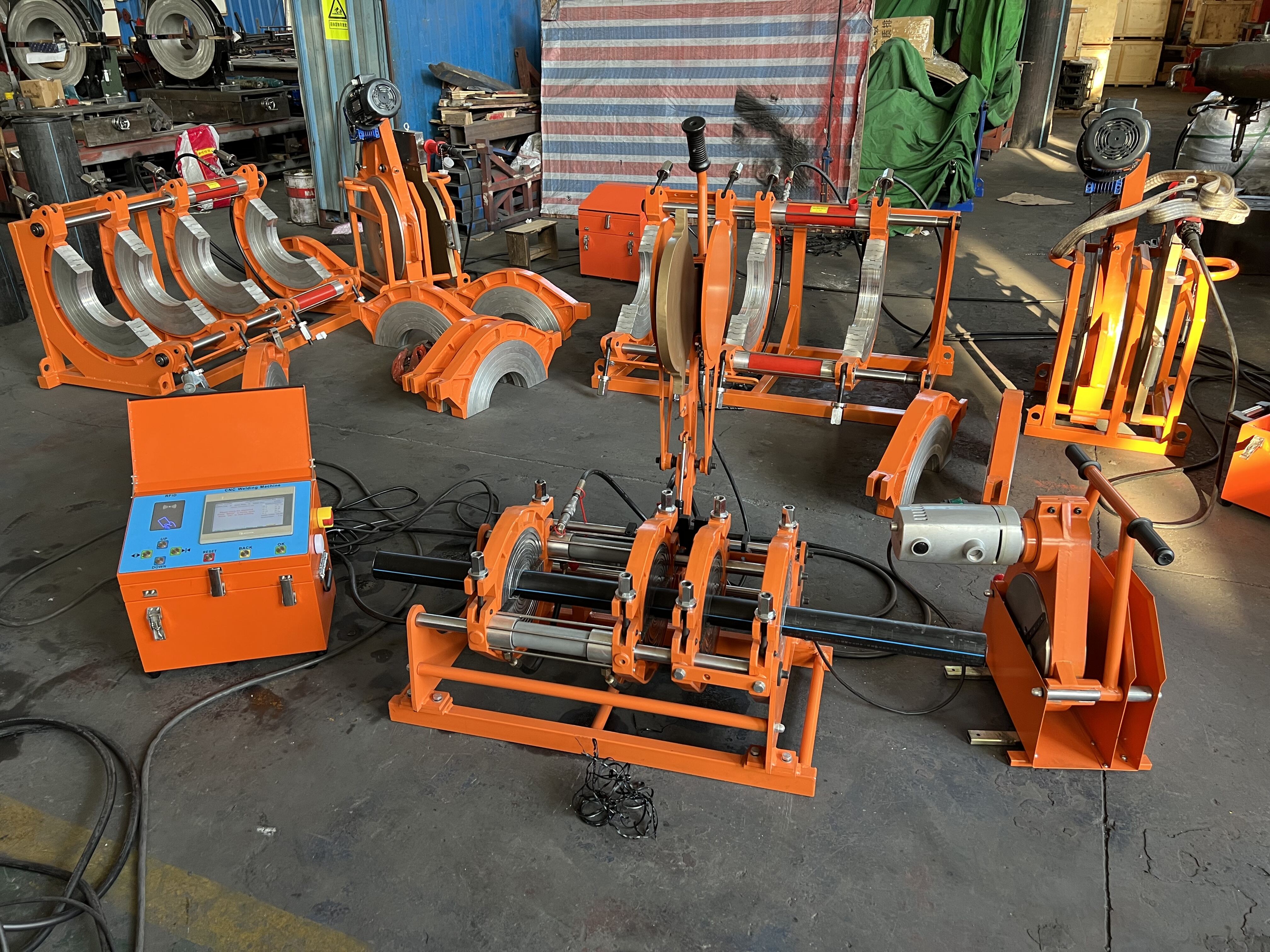
Automatic HDPE Pipe Jointing Machine - Advanced Fusion Welding Equipment for Superior Pipeline Installation

Get a Free Quote

Our representative will contact you soon.
E-mail
Name
Mobile/WhatsApp
Company Name
Message
0/1000

automatic hdpe pipe jointing machine

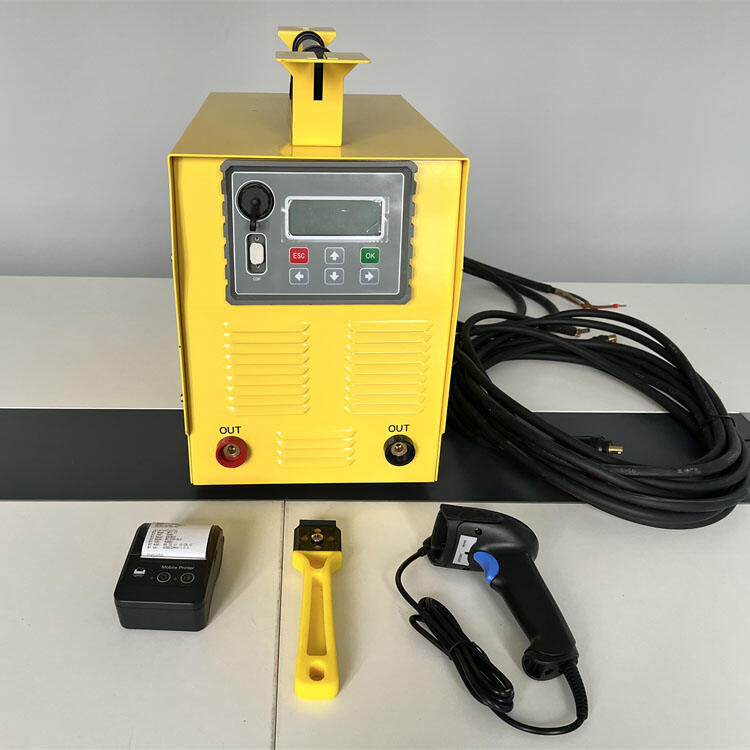
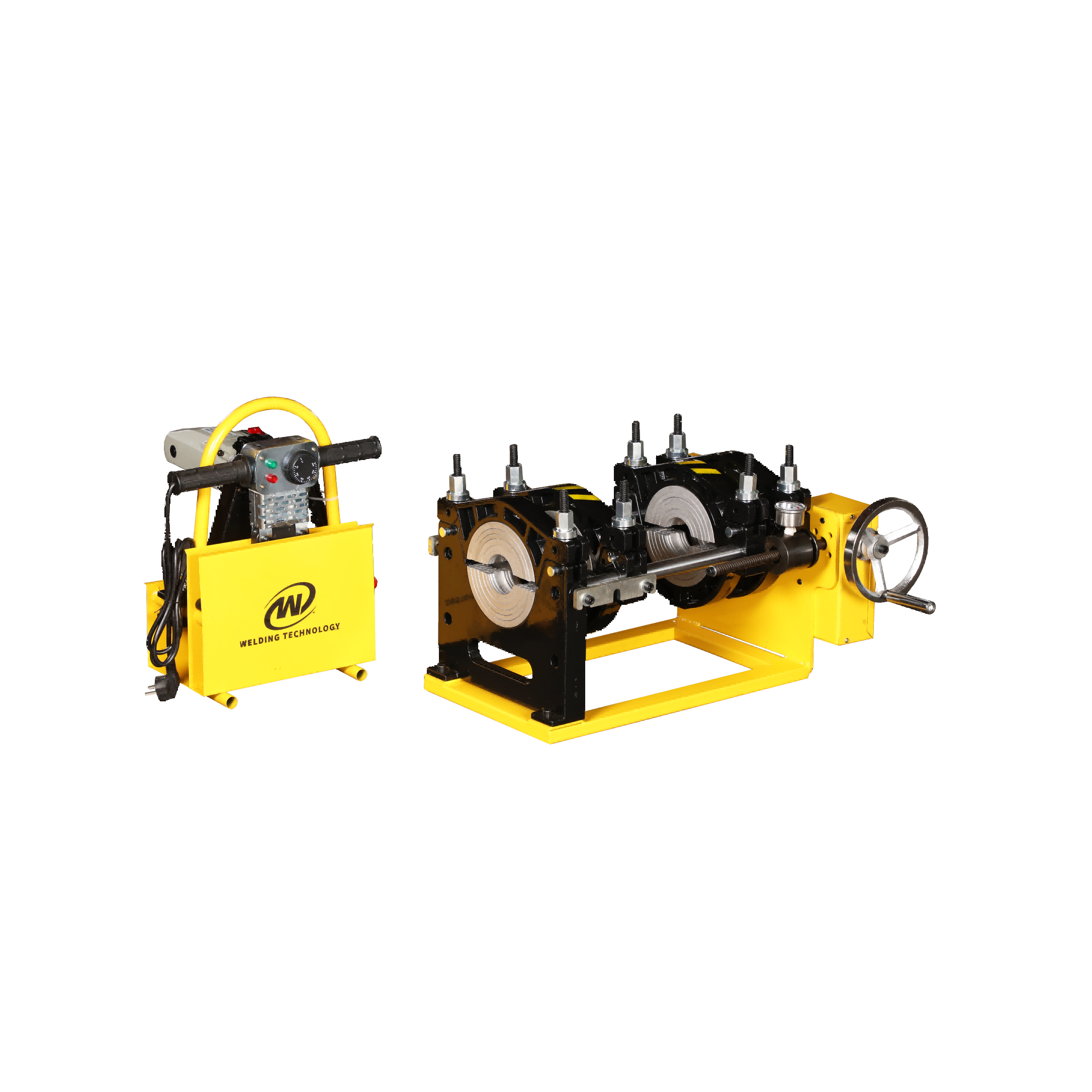
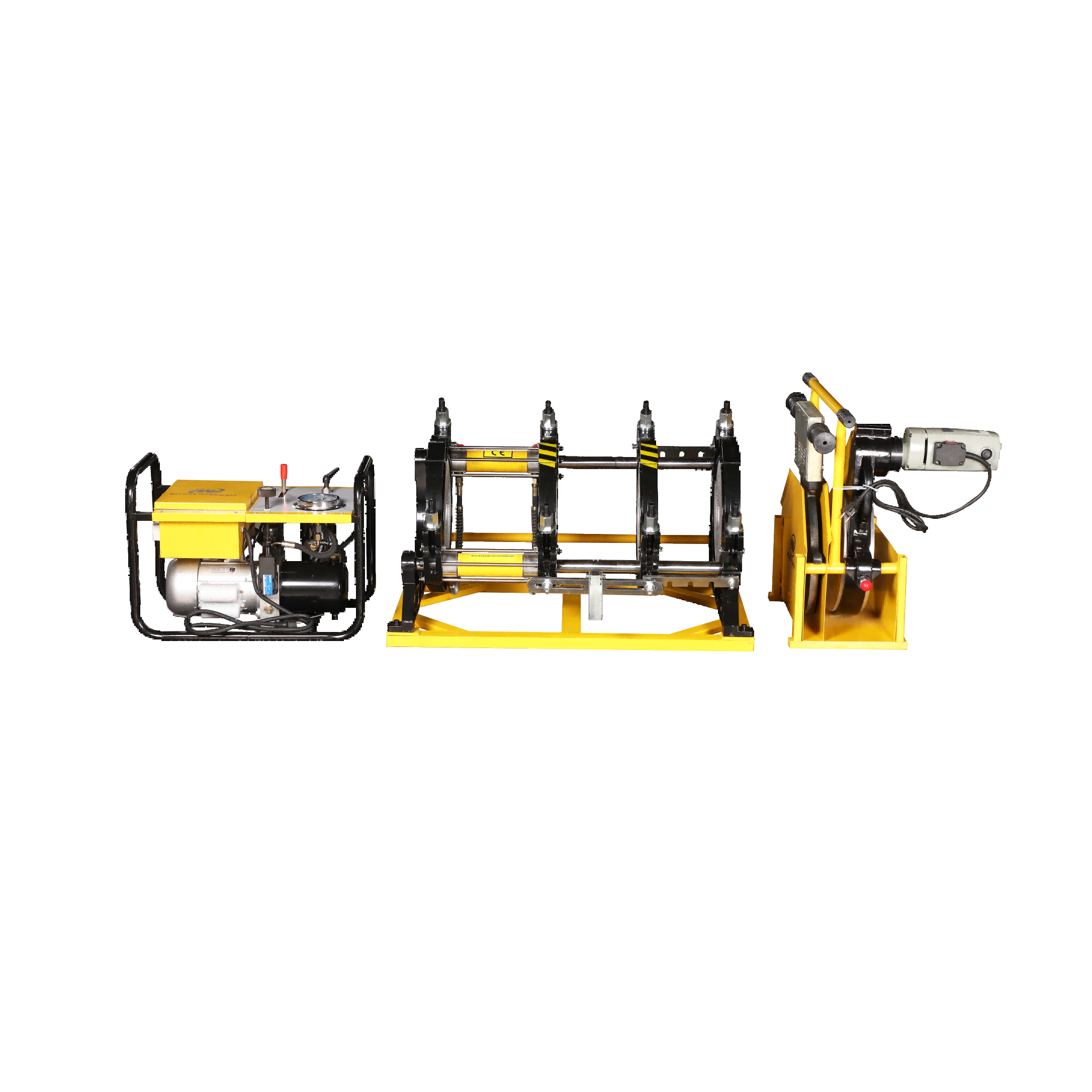
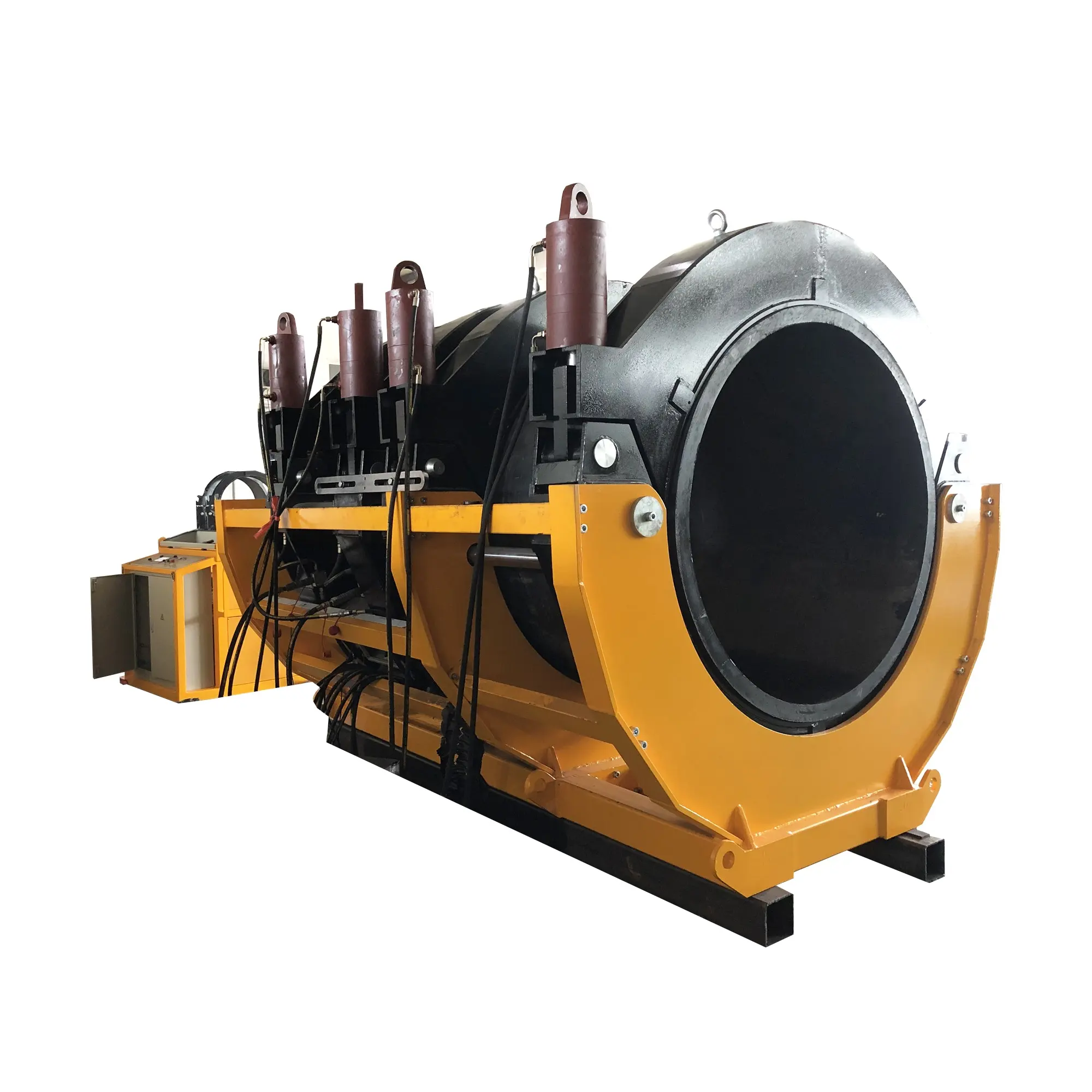
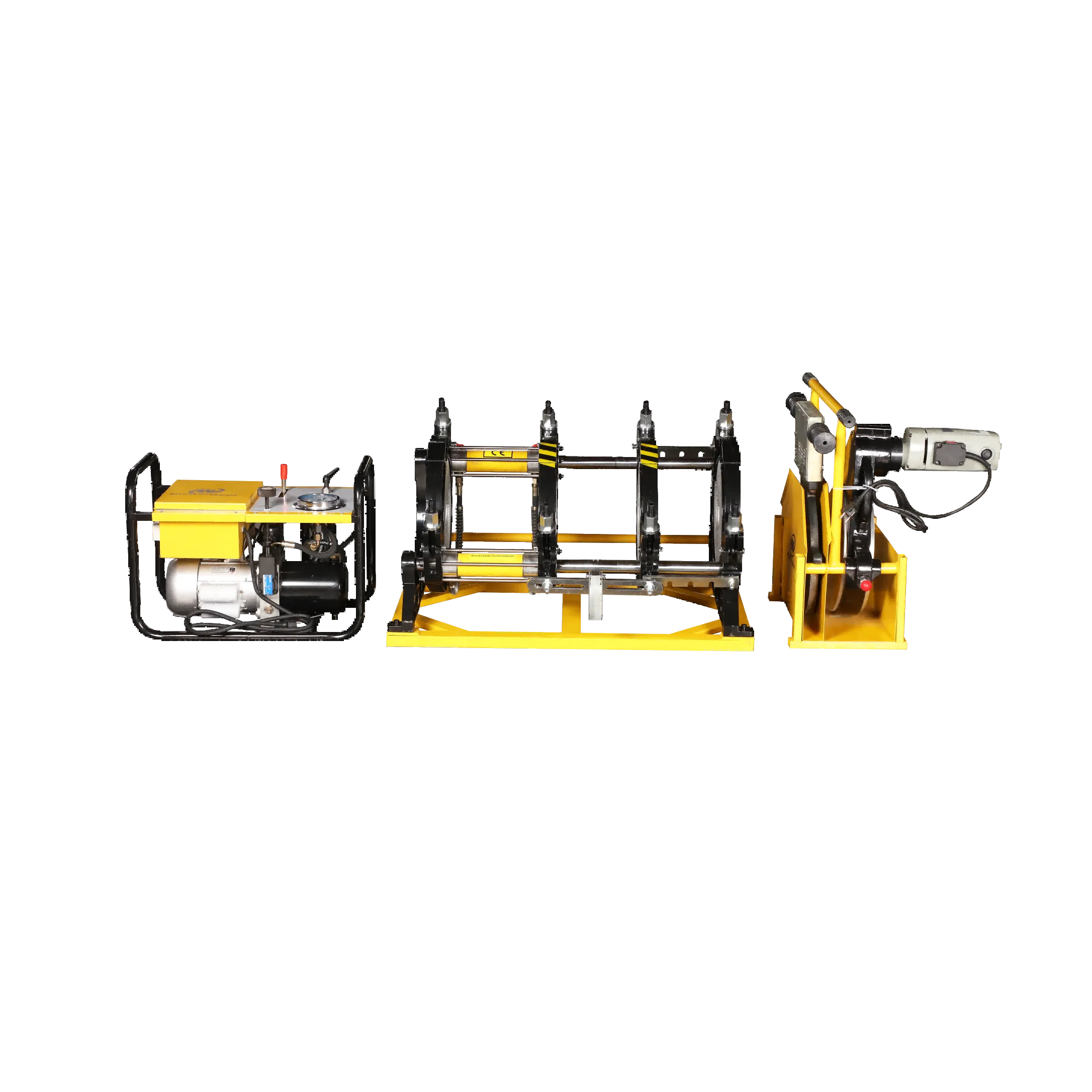
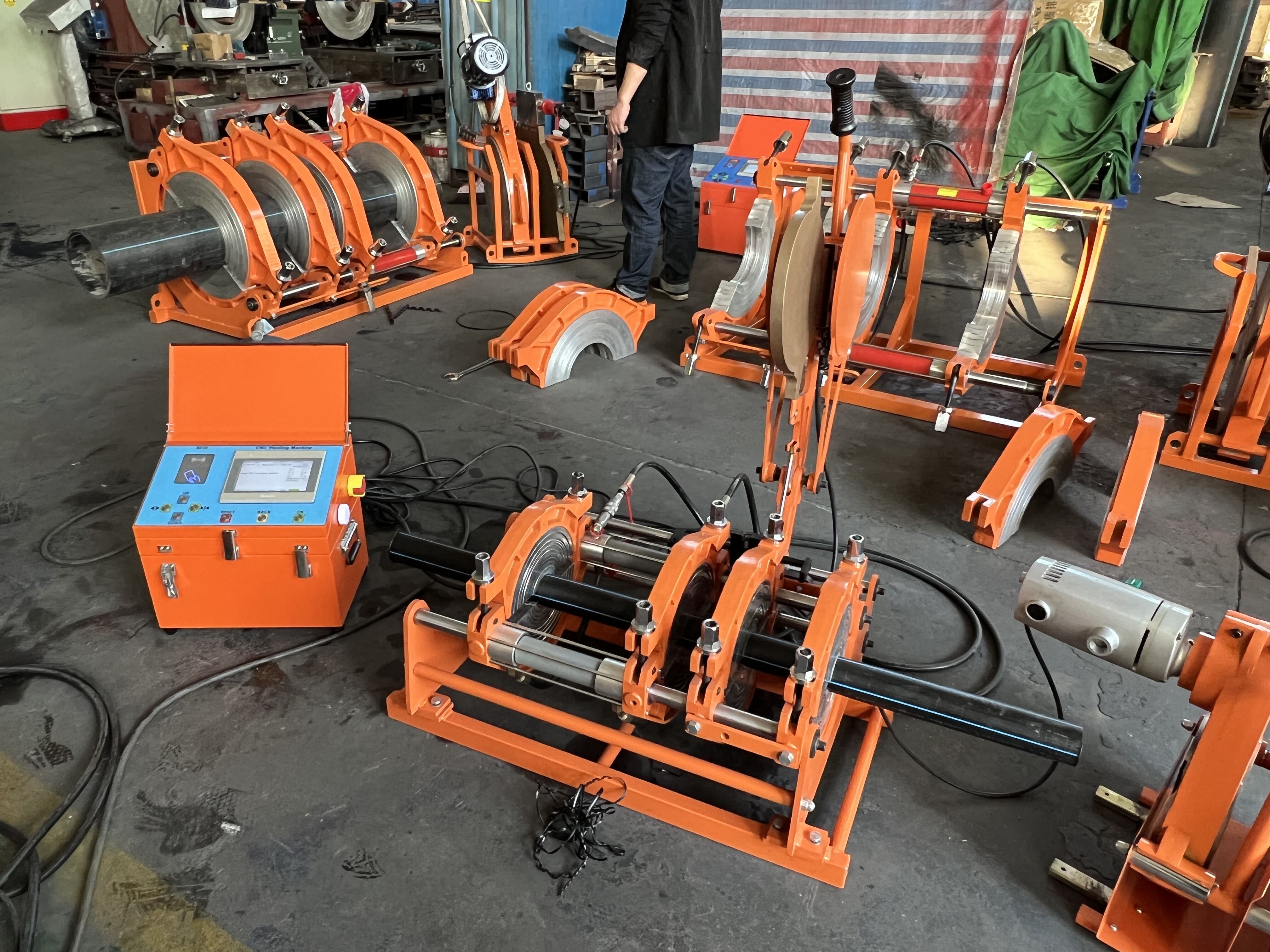
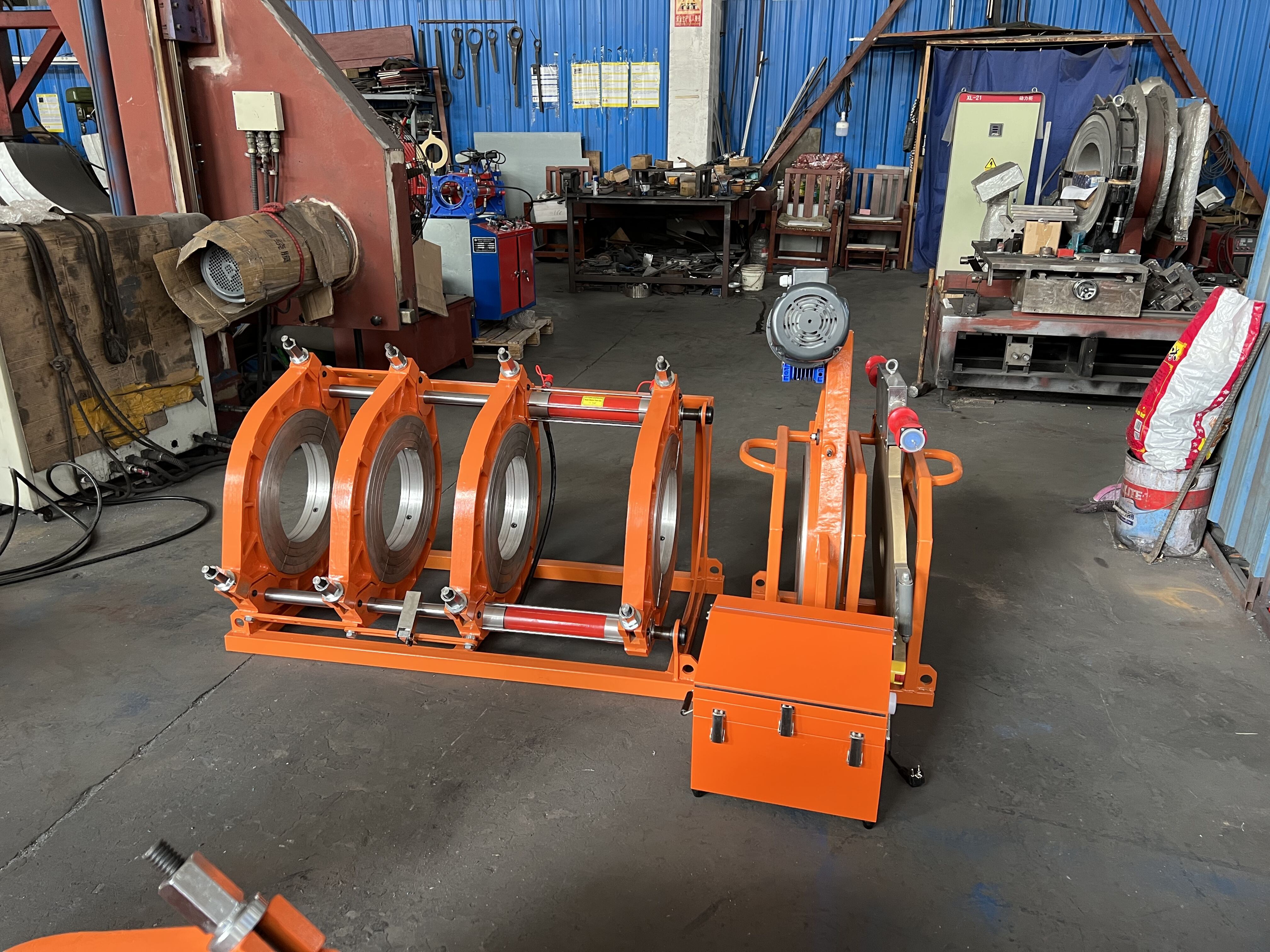
The automatic hdpe pipe jointing machine represents a revolutionary advancement in polyethylene pipeline installation technology, designed to streamline the fusion welding process for high-density polyethylene pipes. This sophisticated equipment automates the critical task of joining HDPE pipe segments together through precision heat fusion, creating seamless, leak-proof connections that meet the highest industry standards. The machine operates by controlling temperature, pressure, and timing parameters with remarkable accuracy, eliminating much of the manual intervention traditionally required in pipe joining operations. At its core, the automatic hdpe pipe jointing machine consists of several integrated components including a hydraulic clamping system, digital heating element controls, automated pressure regulation mechanisms, and computerized monitoring systems that track every phase of the welding cycle. The main functions encompass pipe alignment, surface preparation through facing, controlled heating of pipe ends to optimal fusion temperature, precise joining under calibrated pressure, and cooling under maintained force to ensure molecular bonding. Technological features include programmable logic controllers that store welding parameters for different pipe dimensions, real-time data logging for quality assurance documentation, automatic fault detection systems that prevent defective joints, and user-friendly touchscreen interfaces that simplify operation even for less experienced personnel. The machine accommodates a wide range of pipe diameters, typically from small distribution lines to large transmission mains, making it versatile across various project scales. Applications span multiple industries including municipal water supply networks, wastewater collection systems, natural gas distribution infrastructure, industrial process piping, mining slurry transport, agricultural irrigation projects, and geothermal heating installations. The automatic hdpe pipe jointing machine has become indispensable for contractors and utilities seeking to improve installation efficiency while maintaining superior joint quality. Its ability to perform consistent, repeatable welds regardless of environmental conditions or operator skill variations has made it the preferred choice for critical infrastructure projects where reliability cannot be compromised. The integration of automation technology into HDPE pipe joining has transformed what was once a labor-intensive, skill-dependent process into a standardized, quality-controlled operation that delivers predictable results project after project.


Popular Products

Investing in an automatic hdpe pipe jointing machine delivers substantial practical benefits that directly impact your project timelines, labor costs, and overall installation quality. First and foremost, the machine dramatically reduces the time required to complete each joint, with automated cycles completing fusions in a fraction of the time manual methods demand. This speed advantage translates directly into faster project completion, allowing you to take on more work and improve your competitive position in the marketplace. The labor savings are equally impressive, as the automatic hdpe pipe jointing machine requires fewer personnel on site compared to traditional joining methods. Instead of needing multiple skilled welders working simultaneously, a single operator can manage the automated equipment, freeing up your workforce for other critical tasks and reducing overall payroll expenses. The consistency of joints produced by the automatic hdpe pipe jointing machine eliminates the variability inherent in manual welding, where factors like operator fatigue, varying skill levels, and subjective judgment can affect quality. Every fusion follows precisely the same parameters, producing uniform results that meet or exceed specification requirements without the quality fluctuations that plague hand-welded projects. This reliability means fewer failed pressure tests, reduced rework costs, and greater confidence in long-term system performance. Safety improvements represent another significant advantage, as the automated process keeps operators at a safer distance from hot surfaces and heavy equipment, reducing workplace injury risks and associated insurance costs. The machine handles the physical demands of aligning and joining heavy pipe sections, eliminating the manual lifting and positioning that often leads to back injuries and strain. Environmental adaptability is a major selling point, as the automatic hdpe pipe jointing machine performs consistently across temperature ranges and weather conditions that would challenge manual operators. Whether working in extreme heat, cold, or changing conditions throughout the day, the equipment maintains precise control over fusion parameters, ensuring quality joints regardless of ambient circumstances. Documentation capabilities built into modern automatic hdpe pipe jointing machine systems provide comprehensive records of every weld, including temperature profiles, pressure curves, and timing data. This electronic record-keeping satisfies increasingly stringent quality assurance requirements while eliminating paperwork burdens and providing verifiable proof of proper installation procedures. The learning curve for operating an automatic hdpe pipe jointing machine is surprisingly short, with most personnel becoming proficient after minimal training. The intuitive controls and guided procedures reduce the extensive apprenticeship periods traditionally required to develop competent welding skills, allowing you to deploy capable operators quickly and maintain productivity even with workforce changes. Return on investment comes quickly through the combined effects of faster installation, reduced labor requirements, eliminated rework, and the ability to bid more competitively on projects while maintaining healthy profit margins.

Latest News

Why Is a Plastic Band Cutting Saw Important in Manufacturing?

20

Apr

Why Is a Plastic Band Cutting Saw Important in Manufacturing?

Modern manufacturing environments demand precision, efficiency, and reliability in every step of the production process, particularly when working with thermoplastic materials used in infrastructure, industrial piping, and specialized fabrication app...
View More
How Can a Pipe Welding Machine Ensure Reliable Pipe Connections?

28

Apr

How Can a Pipe Welding Machine Ensure Reliable Pipe Connections?

Reliable pipe connections form the backbone of critical infrastructure systems across water distribution networks, natural gas pipelines, industrial processing facilities, and municipal wastewater management operations. The integrity of these connect...
View More
Why Do Contractors Choose HDPE Fusion Equipment for Water Systems?

01

Apr

Why Do Contractors Choose HDPE Fusion Equipment for Water Systems?

Water infrastructure projects demand reliability, longevity, and cost-effectiveness, making equipment selection a critical decision for contractors. The choice of joining technology directly impacts project timelines, long-term system integrity, and ...
View More
How Does an HDPE Thermofusion Welding Machine Improve Joint Quality?

16

Jun

How Does an HDPE Thermofusion Welding Machine Improve Joint Quality?

In pipeline construction and fluid transport infrastructure, the quality of every joint determines the long-term integrity of the entire system. A poorly fused joint is not simply a weak point — it is a liability that can lead to leaks, system failur...
View More

Get a Free Quote

Our representative will contact you soon.
E-mail
Name
Mobile/WhatsApp
Company Name
Message
0/1000

automatic hdpe pipe jointing machine

Precision Temperature Control System Ensures Perfect Fusion Every Time

Precision Temperature Control System Ensures Perfect Fusion Every Time

The precision temperature control system integrated into the automatic hdpe pipe jointing machine stands as perhaps its most critical feature, directly determining the quality and longevity of every joint produced. This sophisticated thermal management system employs advanced heating elements with embedded sensors that monitor surface temperatures across the entire heating plate with extraordinary accuracy, typically maintaining control within plus or minus two degrees of the target fusion temperature. This level of precision matters tremendously because HDPE fusion requires heating pipe ends to a specific temperature window where the polyethylene molecules become sufficiently mobile to intermingle and bond, yet not so hot that material degradation occurs. Too cool, and the molecular chains remain insufficiently active to create strong bonds, resulting in weak joints prone to failure under pressure or stress. Too hot, and the material begins to degrade, forming carbonized layers or bubbles that compromise structural integrity. The automatic hdpe pipe jointing machine eliminates these risks through continuous temperature monitoring and adjustment, compensating automatically for variables like ambient temperature changes, voltage fluctuations, or variations in pipe material composition. The heating plate design itself incorporates specialized coatings that ensure even heat distribution while preventing material adhesion, so pipe ends receive uniform thermal input across their entire surface area. This uniformity is essential because any cool spots or hot zones would create inconsistent fusion, producing joints with weak points that might fail catastrophically years after installation. Many systems include dual-zone heating capability, allowing independent temperature control for the inner and outer regions of larger diameter pipes, addressing the different thermal mass and heat dissipation characteristics across the pipe wall thickness. The temperature control system works in concert with sophisticated timing algorithms that adjust heating duration based on pipe diameter, wall thickness, material grade, and environmental conditions, following established fusion procedures while adapting to real-world variables. Digital displays provide operators with real-time temperature readouts, showing not just target values but actual measured temperatures, heating rate curves, and alerts if parameters drift outside acceptable ranges. This transparency enables immediate corrective action if issues arise while building operator confidence through visible confirmation that fusion proceeds correctly. The data logging capabilities of the temperature control system create permanent records of thermal profiles for each joint, documentation that proves invaluable for quality assurance audits, warranty claims, or forensic investigation if problems emerge later. This automatic temperature management represents a quantum leap beyond manual methods where operators relied on visual cues, stopwatches, and experience-based judgment to determine when pipes reached proper fusion temperature, an approach fraught with subjectivity and prone to error even among skilled practitioners.
Automated Pressure Application and Control Maximizes Joint Strength

Automated Pressure Application and Control Maximizes Joint Strength

The automated pressure application and control system built into the automatic hdpe pipe jointing machine provides precisely calibrated force throughout the fusion cycle, a critical factor that separates superior joints from marginal ones. This hydraulic system manages multiple distinct pressure phases, each serving specific purposes in the fusion sequence and each requiring different force levels applied with exacting timing. During the initial heating phase, the system applies light interfacial pressure to ensure full contact between pipe ends and the heating plate, promoting even heat transfer without causing excessive material displacement. As fusion temperature is reached, the pressure control system executes the critical joining phase, bringing the heated pipe ends together with carefully calculated force that creates the proper bead formation while ensuring deep intermolecular bonding throughout the joint cross-section. This joining pressure must be sufficient to cause intimate contact and molecular intermixing, yet not so forceful that it squeezes molten material excessively from the joint area, which would create thin, weak bonds or misalignment. The automatic hdpe pipe jointing machine calculates optimal pressure based on pipe diameter, wall thickness, and material grade, referencing established fusion procedures while making real-time adjustments based on actual conditions. Pressure sensors integrated throughout the hydraulic system provide continuous feedback, allowing the control system to compensate instantly for any deviations from target values, maintaining consistent force regardless of hydraulic fluid temperature changes, cylinder seal wear, or other factors that might affect manual systems. During the cooling phase, the automated pressure system maintains holding force as the joint solidifies, preventing separation or movement that would disrupt the developing molecular bonds. This cooling pressure must remain constant and stable, as any fluctuation during solidification can create internal stresses or incomplete fusion zones that compromise long-term joint performance. The system monitors cooling progress through temperature sensors, adjusting the cooling duration based on ambient conditions and pipe thermal mass to ensure adequate solidification before releasing pressure. Sophisticated joints in larger diameter pipes may involve hundreds or even thousands of pounds of force, loads that would be difficult or impossible to apply and maintain consistently through manual means. The hydraulic system handles these substantial forces effortlessly while protecting operators from physical strain and injury risk. Alignment maintenance represents another crucial function of the pressure control system, as it holds pipe sections in perfect coaxial arrangement throughout the fusion cycle, preventing angular misalignment or offset that would create stress concentrations or flow restrictions. The clamping mechanisms that apply this aligning force operate under automated control, adjusting grip pressure based on pipe size and ensuring secure holding without crushing or deforming the pipe walls. Documentation features record complete pressure profiles throughout each fusion cycle, creating verifiable evidence that proper procedures were followed and providing diagnostic data if joint quality questions arise during testing or service.
Comprehensive Automation Reduces Operator Skill Requirements and Human Error

Comprehensive Automation Reduces Operator Skill Requirements and Human Error

The comprehensive automation integrated throughout the automatic hdpe pipe jointing machine fundamentally transforms HDPE pipe joining from a skill-intensive craft into a standardized, repeatable process that delivers consistent results regardless of operator experience level. This automation encompasses every phase of the fusion cycle, from initial setup through final cooling, with programmable logic controllers orchestrating the complex sequence of operations that previously demanded constant operator attention and judgment. At the start of each cycle, the operator simply inputs pipe specifications including diameter, wall thickness, and material grade into the touchscreen interface, and the automatic hdpe pipe jointing machine retrieves pre-programmed fusion parameters that have been validated through extensive testing and correlation with industry standards. This eliminates the need for operators to memorize complex tables of heating times, cooling durations, and pressure values, or to perform calculations based on ambient temperature and other variables. The machine handles all these determinations automatically, applying decades of fusion science and engineering knowledge encoded into its control algorithms. As the fusion cycle progresses, the automation system manages timing with precision impossible for human operators to match, transitioning between phases at exactly the right moments based on actual measured conditions rather than estimated durations. Sensors throughout the equipment monitor critical parameters continuously, with the control system comparing actual values against targets and making micro-adjustments hundreds of times per second to maintain optimal conditions. This closed-loop control compensates automatically for disturbances like voltage fluctuations, ambient temperature changes, or variations in material properties, maintaining fusion quality that remains unaffected by factors that would challenge manual operations. Safety interlocks built into the automation system prevent operator errors that could damage equipment or produce defective joints, with the machine refusing to proceed if pipes are improperly aligned, clamps inadequately secured, or other prerequisites unsatisfied. These protective features transform the automatic hdpe pipe jointing machine into a forgiving system that guides operators toward correct procedures rather than allowing mistakes that might not become apparent until pressure testing or actual service. Fault diagnostics represent another valuable automation feature, with the system continuously monitoring equipment health and alerting operators to maintenance needs, component wear, or malfunctions before they affect joint quality. These predictive capabilities prevent the gradual degradation in fusion quality that can occur with manual equipment as components wear and operators fail to recognize subtle performance changes. The user interface design reflects human factors engineering, presenting information clearly and organizing controls logically so operators can focus on positioning pipes and monitoring progress rather than managing complex equipment operations. Visual and audible signals guide operators through each step, confirming successful completion before allowing advancement to the next phase, creating a foolproof workflow that prevents skipped steps or premature transitions. Training requirements drop dramatically compared to manual fusion methods, with most operators achieving proficiency within days rather than the months or years traditionally required to develop competent welding skills. This rapid competency development means you can deploy capable personnel quickly, maintain productivity despite workforce turnover, and avoid the bottlenecks created when projects depend on scarce, highly-skilled specialists.

Get a Free Quote

Our representative will contact you soon.
E-mail
Name
Mobile/WhatsApp
Company Name
Message
0/1000