Professional Pipe Heater Fusion Machine for Reliable Thermoplastic Pipe Welding Solutions

Get a Free Quote

Our representative will contact you soon.
E-mail
Name
Mobile/WhatsApp
Company Name
Message
0/1000

pipe heater fusion machine

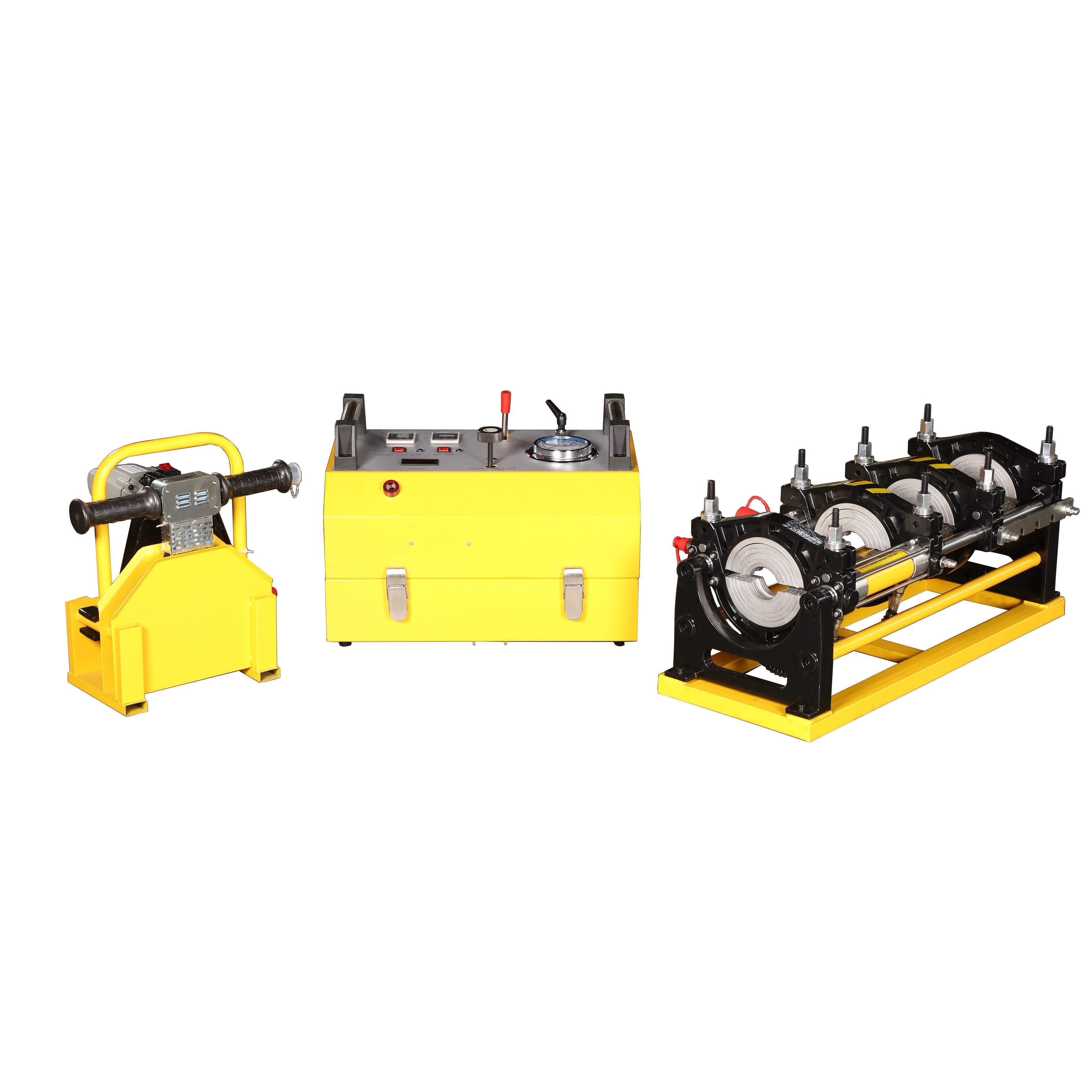
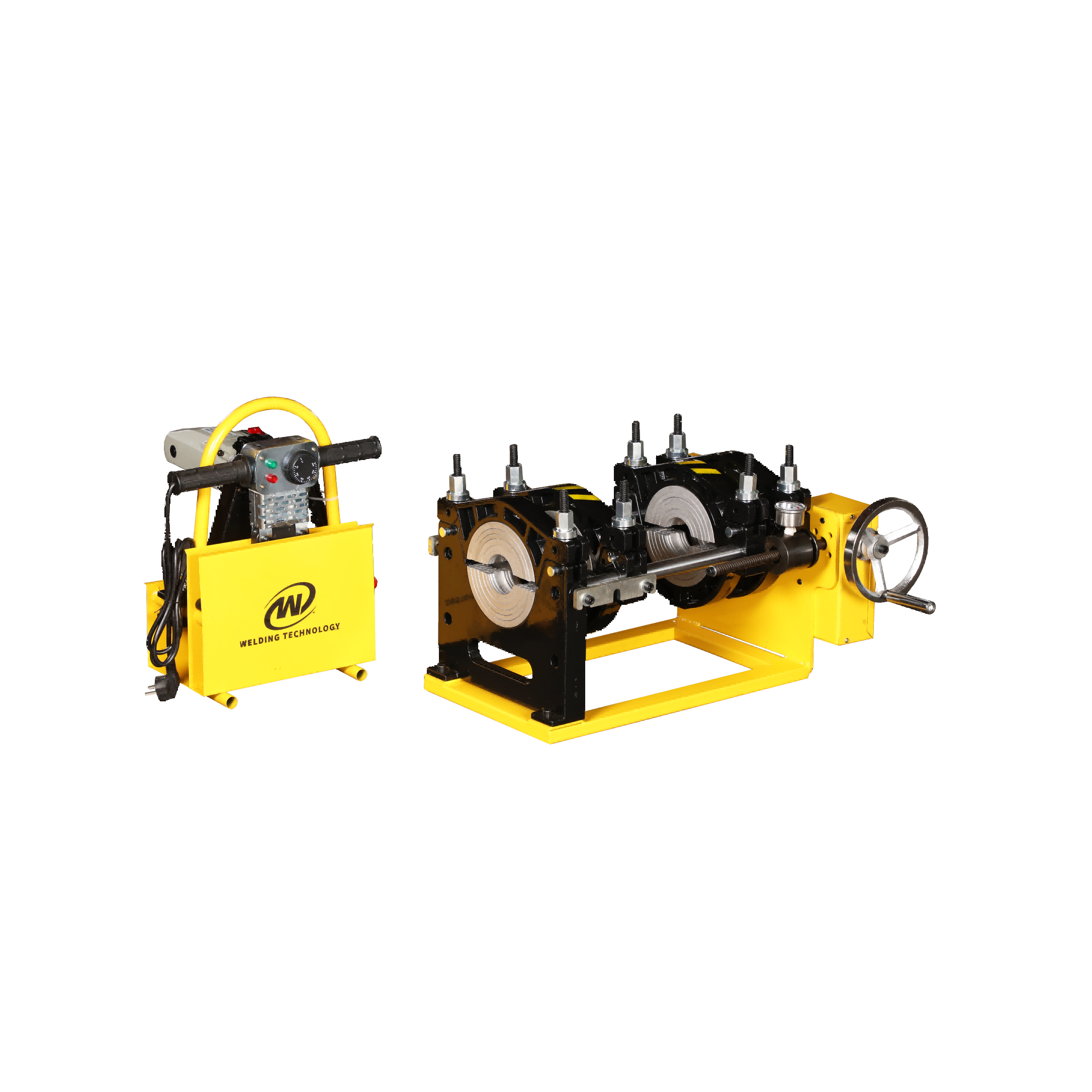
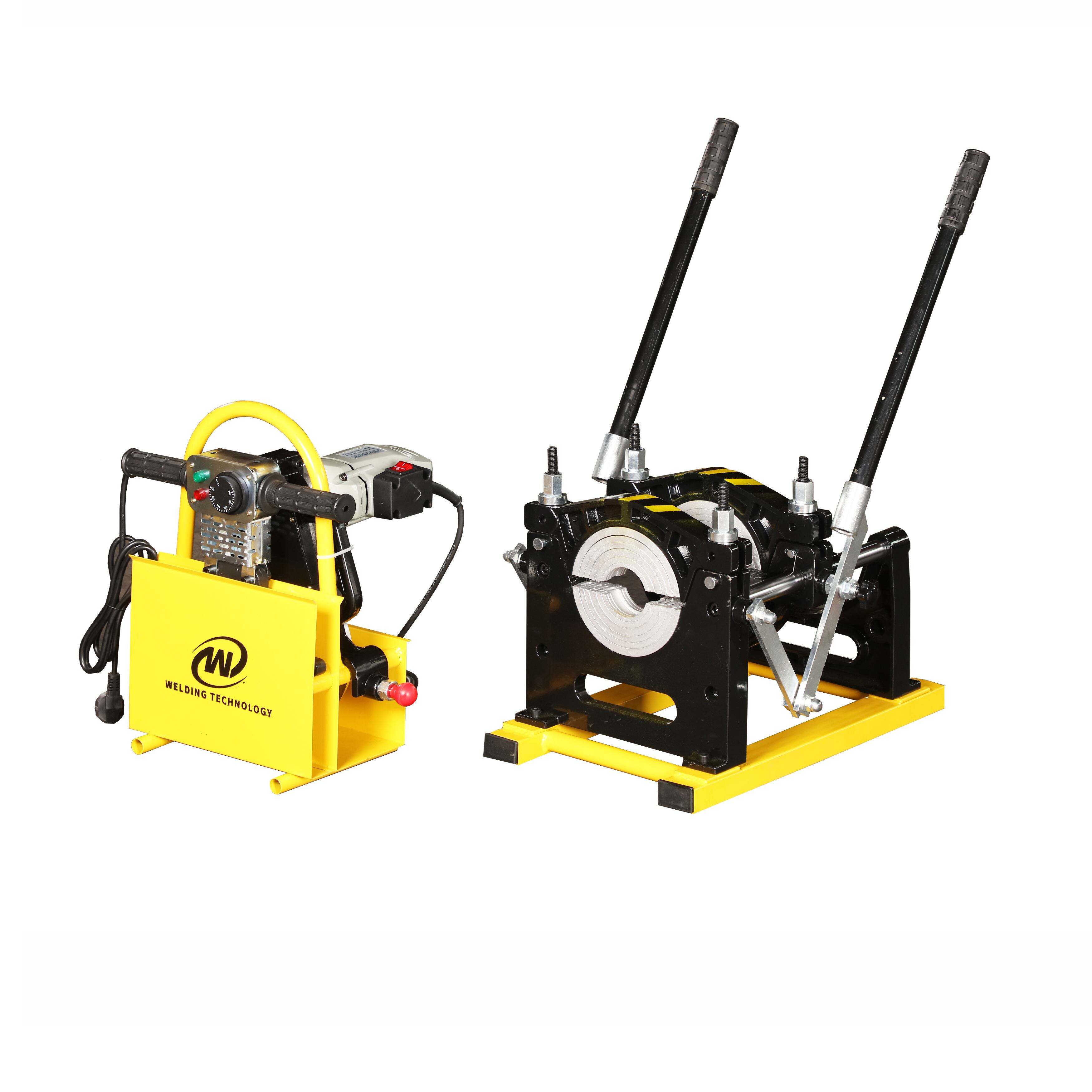
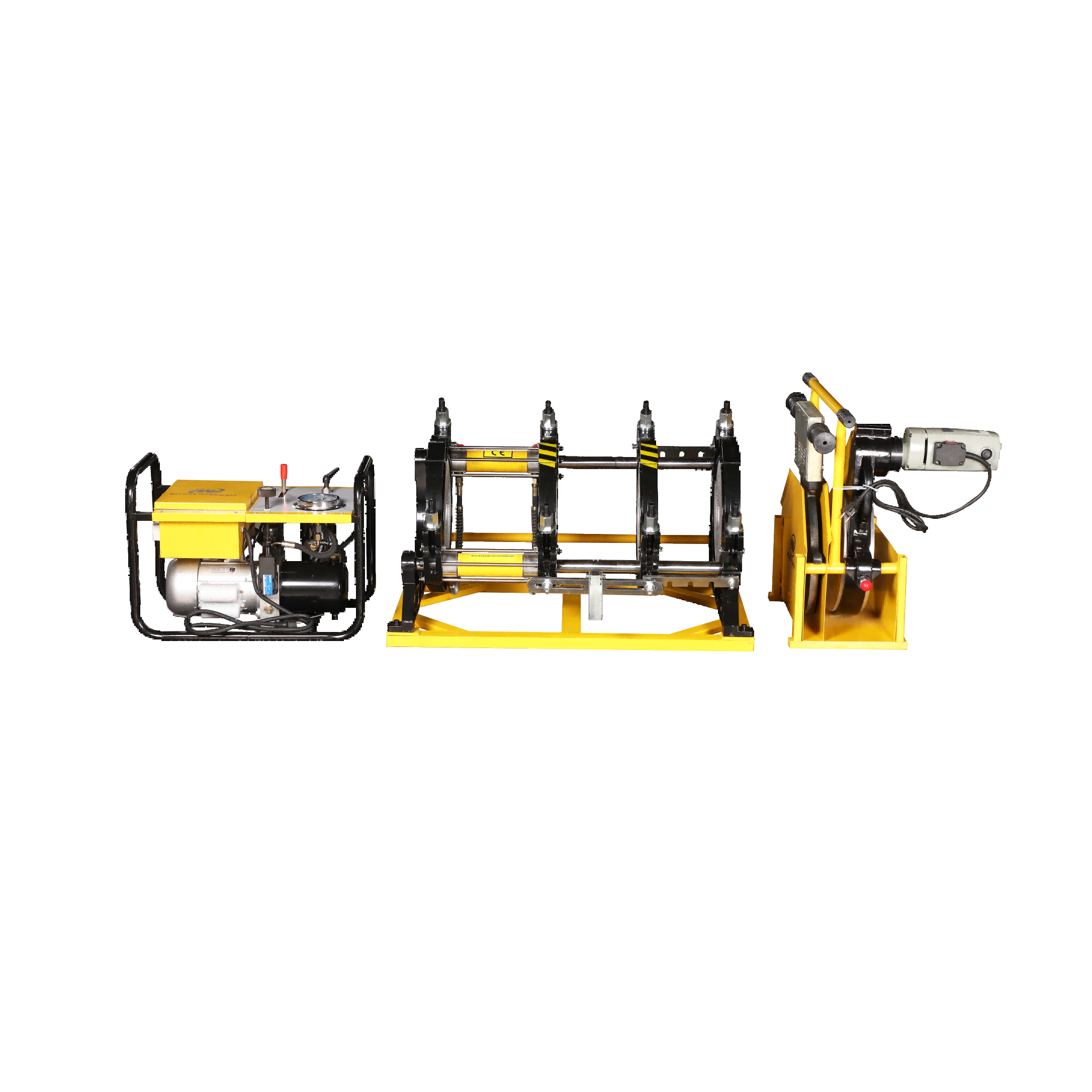
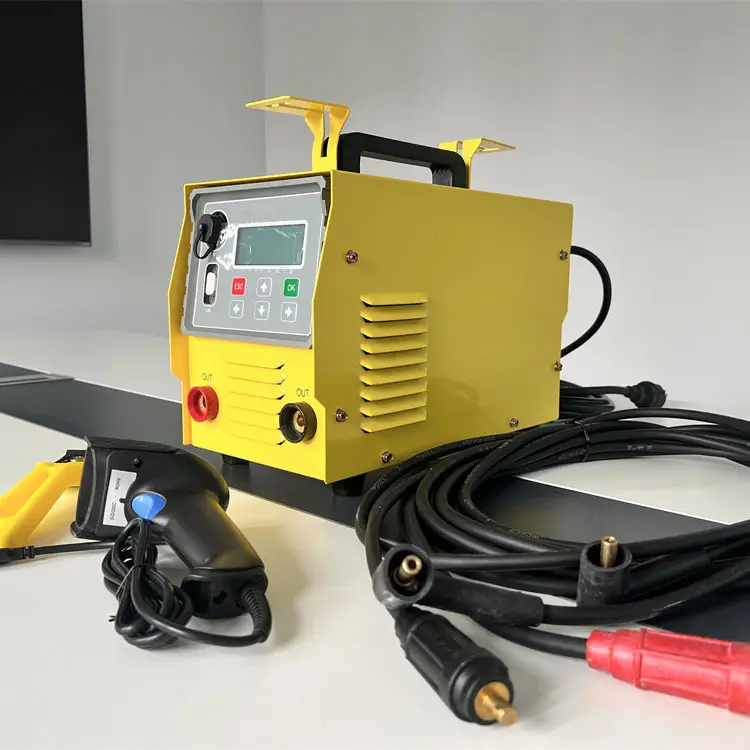
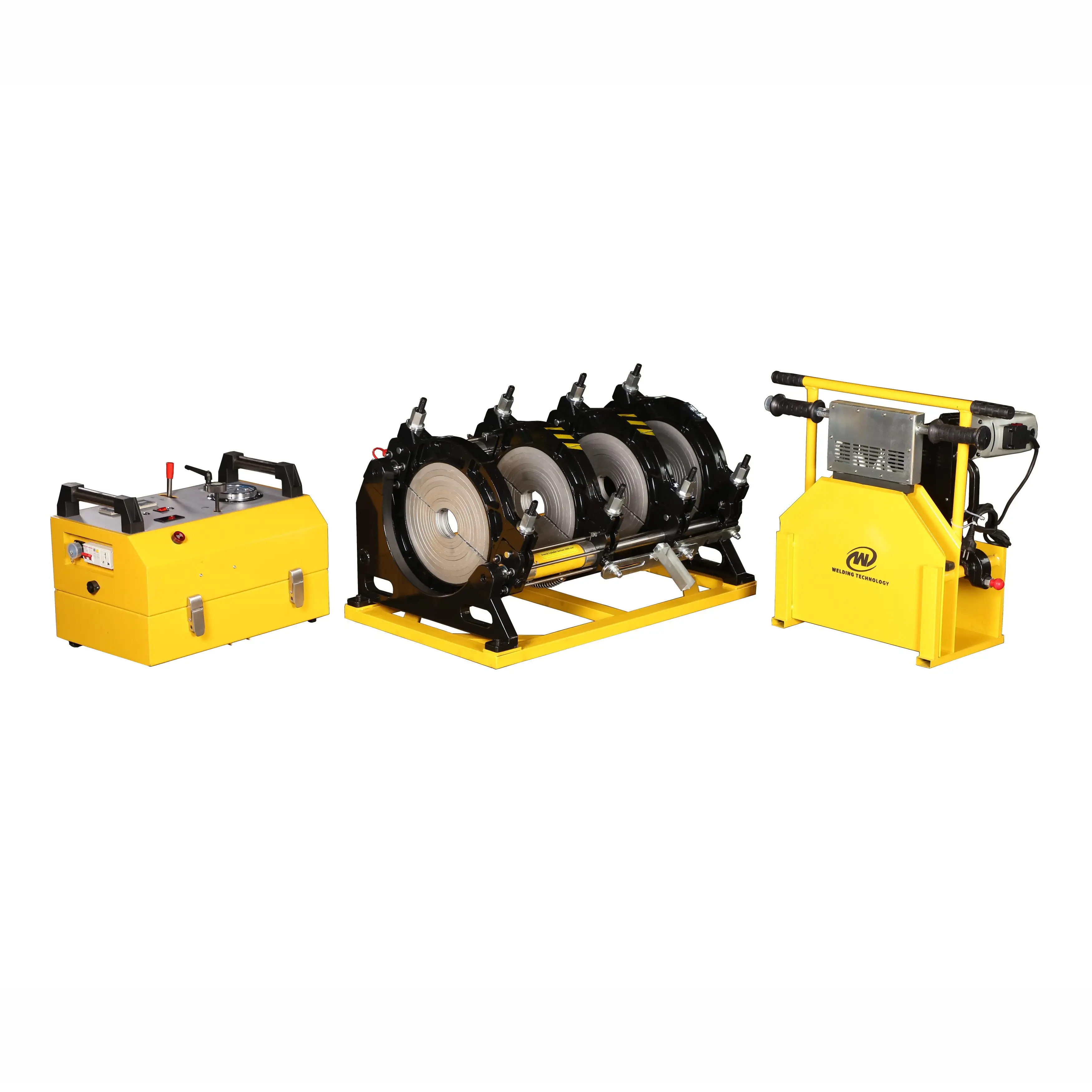
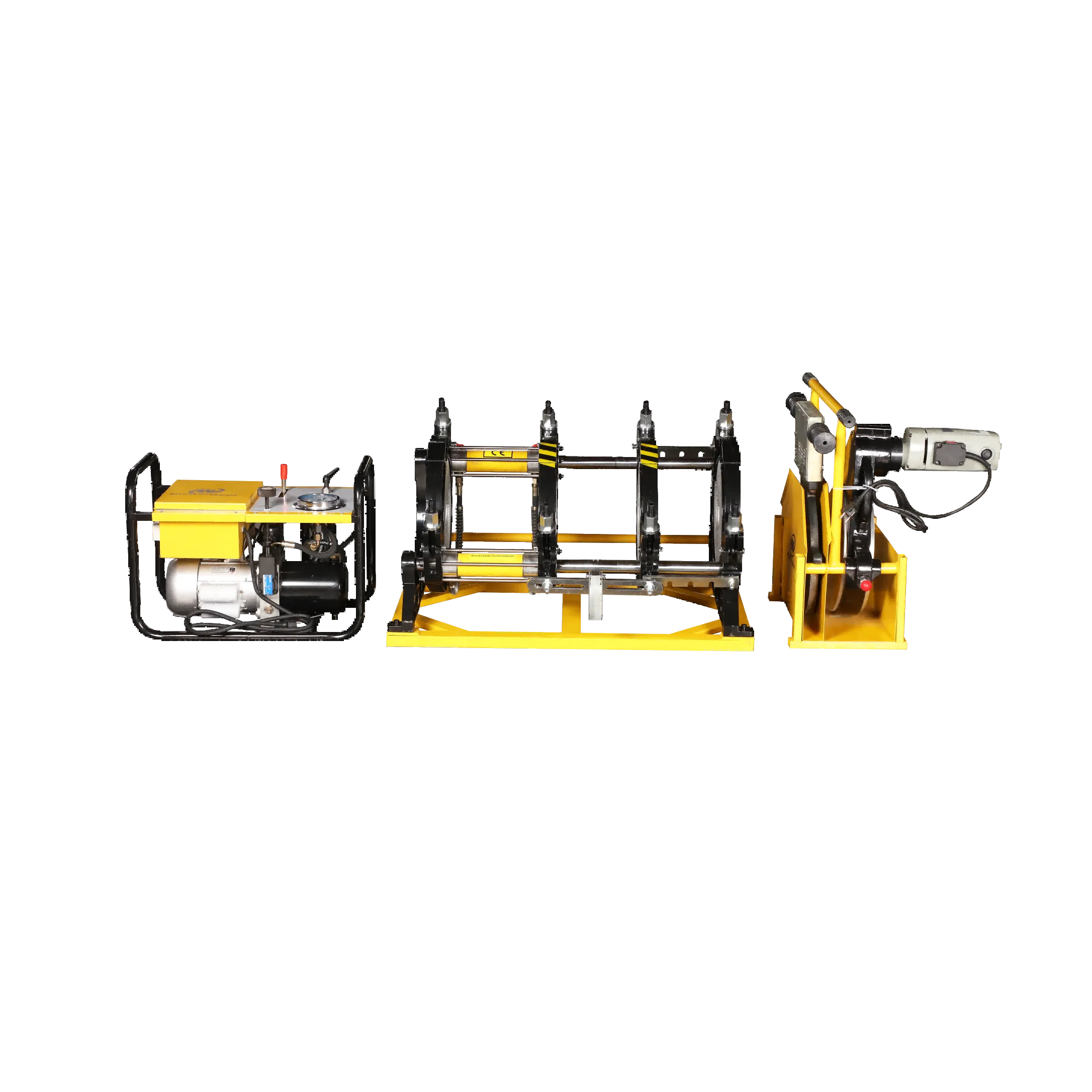
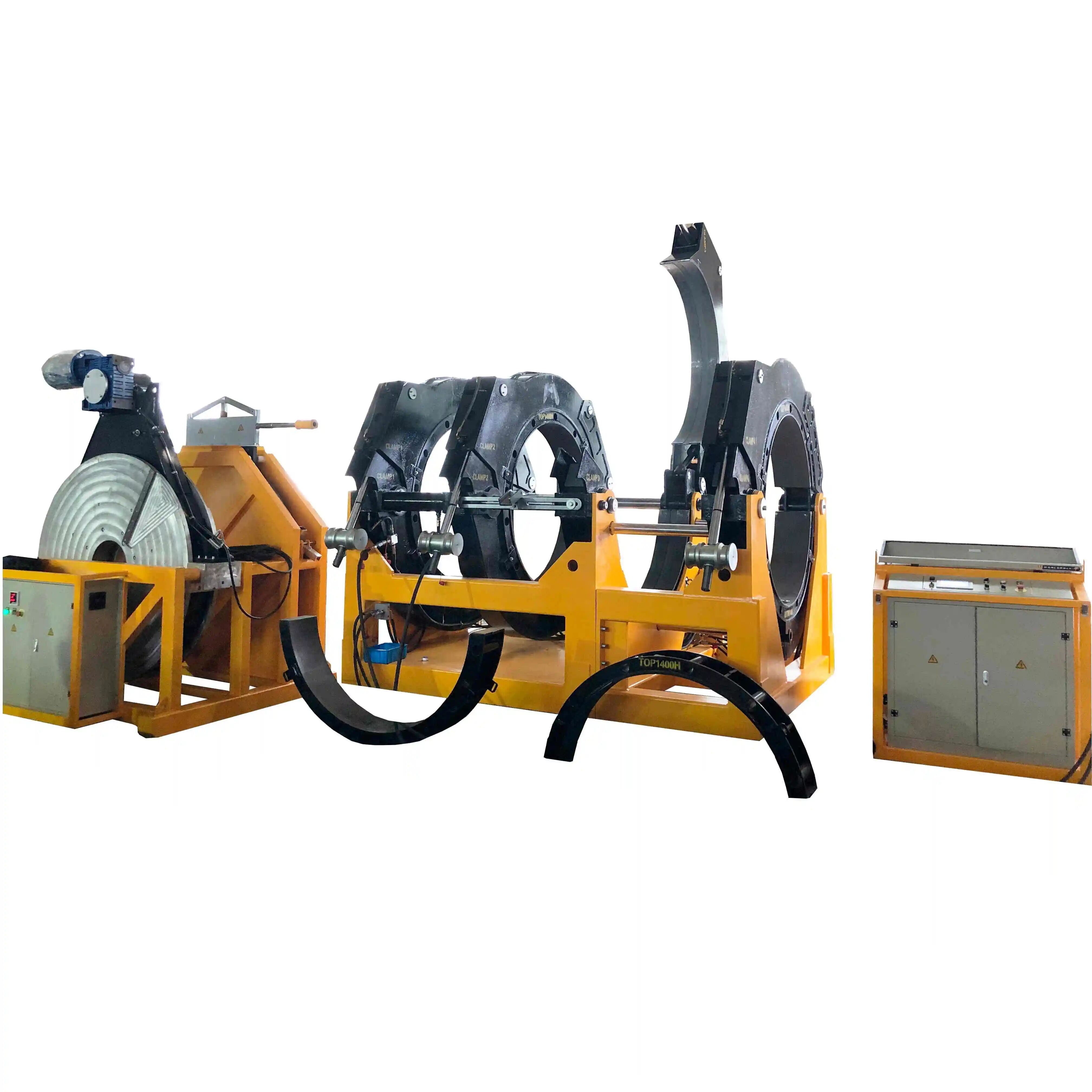
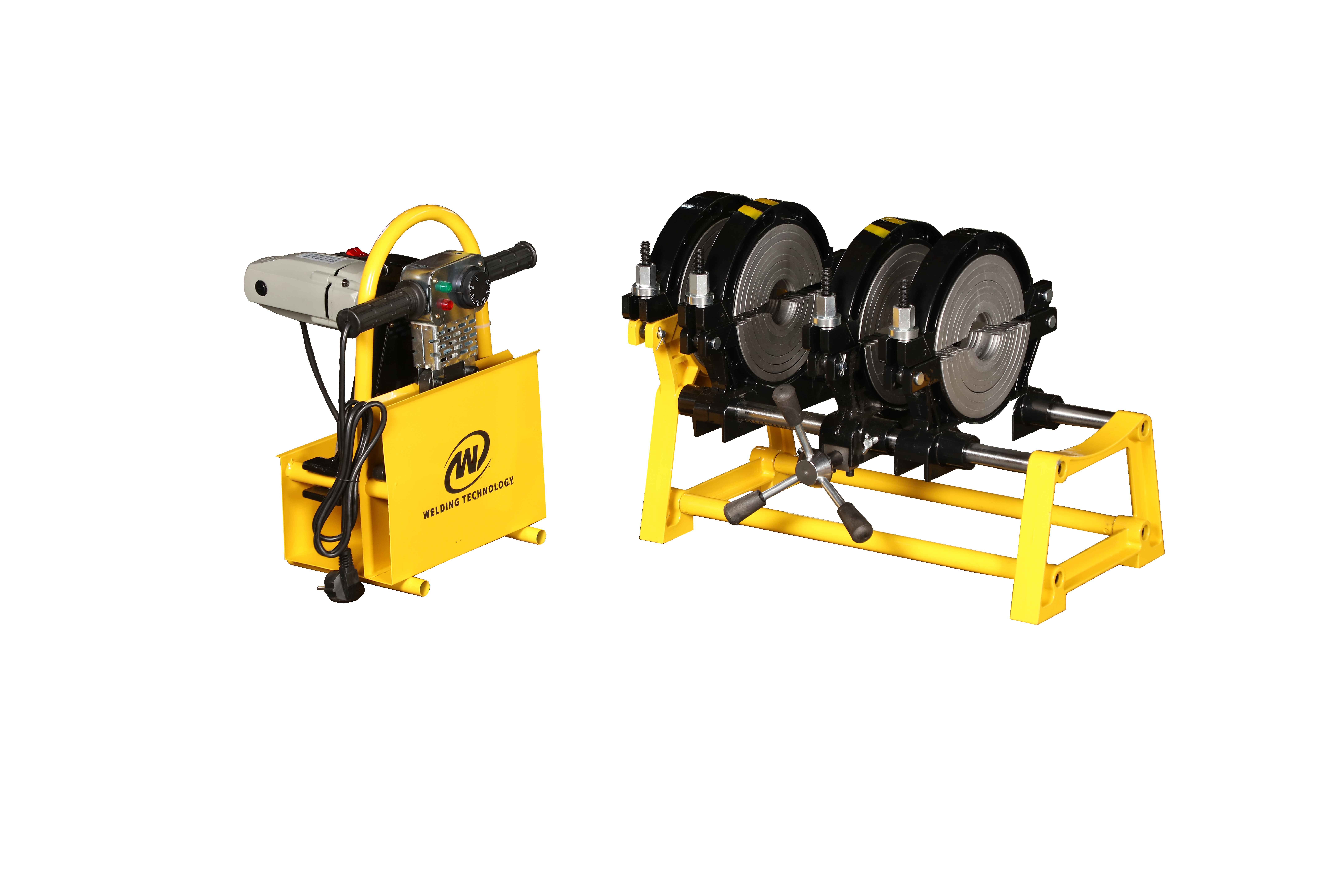
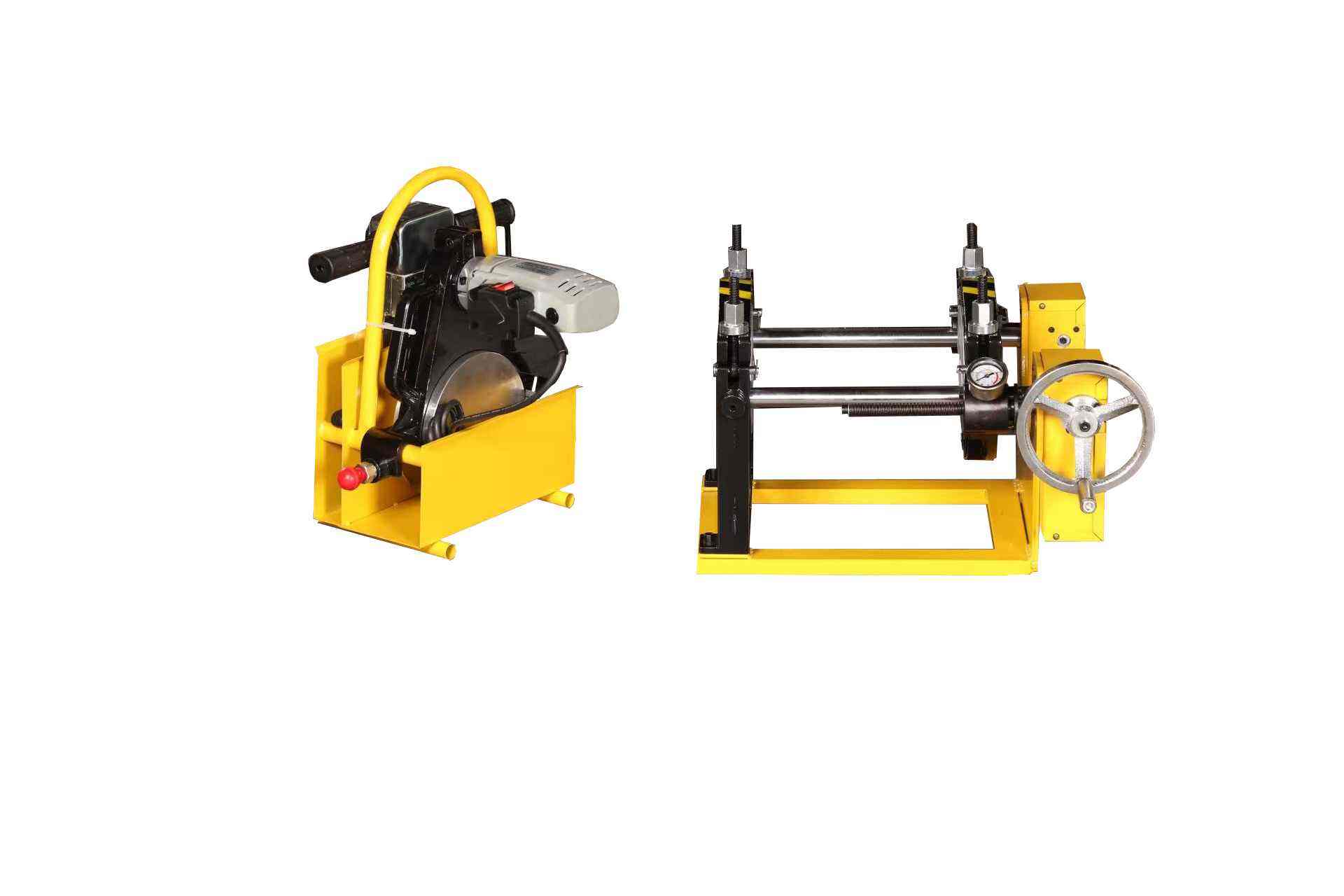
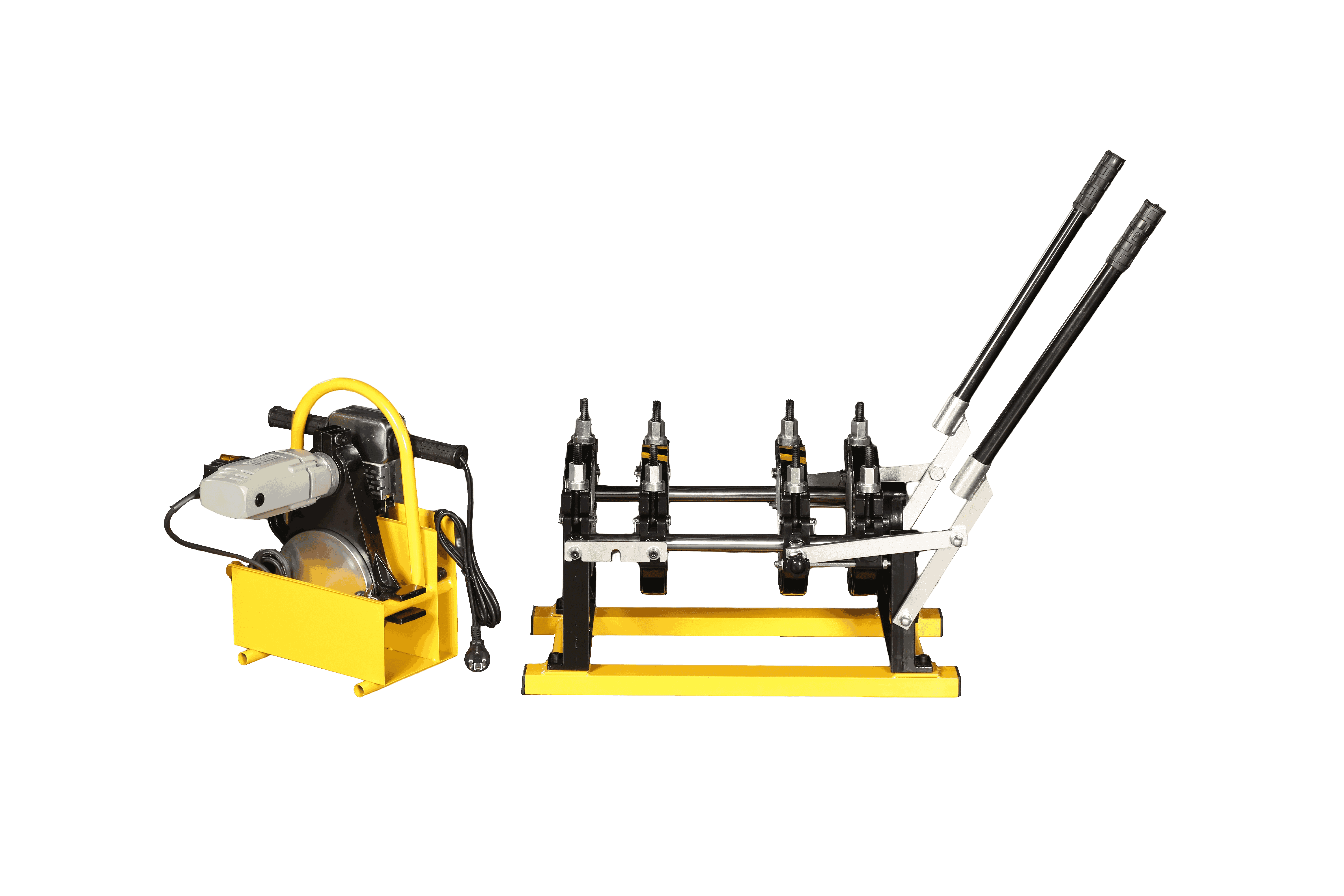
A pipe heater fusion machine represents a specialized piece of equipment designed to join thermoplastic pipes through the application of controlled heat. This advanced welding system creates permanent, leak-proof connections by heating pipe ends to their melting point and then fusing them together under precise pressure. The pipe heater fusion machine operates on the principle of heat fusion welding, which has become the industry standard for connecting polyethylene, polypropylene, and other thermoplastic piping systems. The machine consists of several key components including heating plates, hydraulic or manual pressure systems, alignment fixtures, and temperature control units that work together to ensure consistent weld quality. Modern pipe heater fusion machines incorporate digital temperature displays and automated timing functions that guide operators through each stage of the fusion process. These systems can accommodate various pipe diameters ranging from small residential lines to large industrial pipelines exceeding several feet in diameter. The technology behind these machines ensures that joints achieve strength equal to or greater than the pipe material itself when proper fusion procedures are followed. Applications span across municipal water distribution networks, natural gas transmission lines, industrial process piping, mining operations, agricultural irrigation systems, and geothermal installations. The pipe heater fusion machine eliminates the need for mechanical fittings, adhesives, or solvents, reducing potential failure points in piping systems. Professional contractors and utility companies rely on this equipment for new construction projects and infrastructure repairs. The fusion process creates molecular bonds between pipe sections, resulting in homogeneous joints that resist corrosion, chemical attack, and environmental stress. Temperature precision remains critical, as the pipe heater fusion machine must maintain heating plate surfaces within narrow tolerances to prevent overheating or insufficient melting. Safety features built into modern units include insulated handles, protective guards around heating elements, and emergency shutdown capabilities to protect operators during field installations.

New Product Recommendations

The pipe heater fusion machine delivers substantial cost savings by eliminating expensive mechanical fittings, couplers, and connection hardware that traditional joining methods require. When you invest in fusion welding technology, your project budgets benefit from reduced material costs and faster installation times that translate directly to lower labor expenses. The machines produce joints that last for decades without maintenance, saving you money on repairs and replacements over the system's lifetime. You gain installation flexibility since the pipe heater fusion machine operates effectively in various weather conditions and challenging field environments where other joining methods fail. The equipment requires minimal site preparation and can function in trenches, confined spaces, and remote locations without access to electricity when using generator-powered models. Your crews complete more connections per day because the fusion process takes only minutes per joint once operators master the technique. The resulting welds exhibit superior strength characteristics, often testing stronger than the parent pipe material itself, which means your installations withstand higher pressures and stresses without failure. You eliminate leak risks associated with threaded connections, glued joints, or mechanical couplings that can loosen over time or fail due to vibration and thermal cycling. The fusion process creates seamless, permanent bonds that prevent groundwater infiltration and exfiltration, protecting both your piping system and the surrounding environment. Your maintenance costs drop dramatically since fused joints require no periodic tightening, seal replacement, or corrosion treatment that mechanical connections demand. The pipe heater fusion machine produces consistent results when operators follow established procedures, reducing quality variations andCallback inspections that delay project completion. You avoid inventory management headaches because the equipment works with standard pipe stock without requiring extensive fitting inventories for different configurations. The technology supports sustainable construction practices by reducing material waste and eliminating volatile organic compounds released by solvent-based joining methods. Your installations meet stringent regulatory requirements for drinking water systems, gas distribution networks, and environmental protection applications. The machines accommodate field modifications and repairs efficiently, allowing your teams to add branches, replace damaged sections, or extend existing systems without system shutdowns. You protect your reputation by delivering reliable installations that perform as specified throughout their design life. The equipment maintains its value over years of service, providing excellent return on investment for contractors who perform regular fusion work. Your operational efficiency improves as crews develop proficiency with the straightforward fusion process that follows logical, repeatable steps.

Practical Tips

How Does a Plastic Pipe Electric Fusion Welder Improve Connection Strength?

03

Apr

How Does a Plastic Pipe Electric Fusion Welder Improve Connection Strength?

In industrial piping systems, the integrity of connections directly determines operational safety, longevity, and performance. Traditional mechanical joining methods such as threading, clamping, or adhesive bonding often introduce vulnerabilities inc...
View More
Why Is a Butt Welding Machine Used in Heavy Duty Fabrication Projects?

01

May

Why Is a Butt Welding Machine Used in Heavy Duty Fabrication Projects?

Heavy duty fabrication projects demand precision, structural integrity, and efficiency in joining thermoplastic components, particularly in industries handling large-diameter pipelines, industrial storage systems, and infrastructure installations. Th...
View More
Why Do Contractors Choose HDPE Fusion Equipment for Water Systems?

01

Apr

Why Do Contractors Choose HDPE Fusion Equipment for Water Systems?

Water infrastructure projects demand reliability, longevity, and cost-effectiveness, making equipment selection a critical decision for contractors. The choice of joining technology directly impacts project timelines, long-term system integrity, and ...
View More
How Can a Plastic Sheet Butt Welding Machine Ensure Strong Seams?

05

May

How Can a Plastic Sheet Butt Welding Machine Ensure Strong Seams?

The strength and integrity of welded plastic seams directly impact the performance, durability, and safety of countless industrial applications, from geomembranes in environmental containment to large-scale tank fabrication. Achieving consistently st...
View More

Get a Free Quote

Our representative will contact you soon.
E-mail
Name
Mobile/WhatsApp
Company Name
Message
0/1000

pipe heater fusion machine

Unmatched Joint Integrity and Long-Term Performance

Unmatched Joint Integrity and Long-Term Performance

The pipe heater fusion machine creates joints with exceptional structural integrity that outperform virtually every alternative connection method available in the thermoplastic piping industry. This superior performance stems from the fundamental physics of the fusion process, which literally merges pipe sections at the molecular level rather than simply holding them together with mechanical force or chemical adhesives. When the heating plate brings pipe ends to the precise melting temperature, the polymer chains at each surface become mobile and begin to intermingle as the softened materials press together. This intermolecular diffusion creates a homogeneous joint zone where the boundary between the two original pipe sections essentially disappears, resulting in a monolithic structure that behaves as a single piece of material. The strength of properly executed fusion joints typically exceeds the tensile strength of the pipe walls themselves, meaning that if excessive force is applied to the system, the pipe will fail before the joint does. This characteristic provides tremendous confidence for engineers designing critical infrastructure and for contractors responsible for installation quality. The pipe heater fusion machine enables this remarkable joint integrity through precise temperature control systems that maintain heating plates within the optimal fusion temperature range for the specific thermoplastic material being joined. Digital temperature displays and calibrated heating elements ensure consistency across multiple joints and different environmental conditions. The pressure application phase of the fusion process plays an equally important role, as controlled force brings the molten pipe faces into intimate contact and maintains that contact during the critical cooling period when molecular chains solidify in their intermingled state. Modern pipe heater fusion machines incorporate alignment systems that prevent angular misalignment and offset conditions that could compromise joint quality. These alignment fixtures hold pipe sections in perfect coaxial orientation throughout heating, joining, and cooling phases, eliminating stress concentrations that would reduce service life. The long-term performance advantages of fusion-welded joints become apparent over decades of service, as these connections resist the degradation mechanisms that plague alternative joining methods. Mechanical fittings suffer from loosening due to thermal cycling and vibration, elastomeric seals deteriorate from chemical exposure and aging, and adhesive bonds weaken under sustained loads and environmental stress. Fusion joints remain stable and leak-free throughout the design life of the piping system, which can span fifty years or more for municipal infrastructure applications.
Operational Efficiency and Installation Speed Advantages

Operational Efficiency and Installation Speed Advantages

The pipe heater fusion machine dramatically improves installation productivity compared to traditional pipe joining methods, delivering measurable time savings that reduce project costs and accelerate construction schedules. This efficiency advantage becomes immediately apparent when comparing the fusion process to threaded connections, which require careful thread preparation, application of sealants, precise torque control, and often multiple attempts to achieve leak-free results. Fusion welding eliminates these time-consuming steps by following a straightforward sequence of cutting, facing, heating, joining, and cooling that trained operators execute consistently in a fraction of the time required for mechanical connections. A typical fusion cycle for medium-diameter pipe takes only ten to fifteen minutes from start to finish, including all preparation and quality control steps. During this brief period, the pipe heater fusion machine heating plates reach operating temperature automatically, pipe ends face cleanly with minimal effort using the built-in facing tools, and the heated surfaces join together with simple hydraulic pressure or manual force application depending on the machine model. The cooling period proceeds without operator intervention, allowing crews to prepare the next joint while the previous connection solidifies. This parallel workflow optimization means that skilled teams complete dozens of connections during a standard workday, maintaining steady progress that keeps projects on schedule. The pipe heater fusion machine requires minimal ancillary equipment compared to other joining methods, reducing the logistics burden and setup time at each work location. Contractors transport the fusion unit, a power source, and basic hand tools to the job site without the extensive inventory of fittings, solvents, primers, and specialized tools that other methods demand. Site preparation involves simply positioning the machine at the joint location and ensuring adequate clearance for pipe manipulation during the heating and joining phases. The equipment functions effectively across a wide range of ambient temperatures and weather conditions, allowing year-round installation schedules in diverse climates. Rain, snow, and moderate wind do not interfere with the fusion process when operators follow basic protection procedures, whereas adhesive bonding and solvent welding often require controlled environmental conditions for successful results. The pipe heater fusion machine adapts easily to different pipe sizes through interchangeable heating plates and pressure fixtures, providing versatility that maximizes equipment utilization across various project requirements.
Environmental Safety and Regulatory Compliance Benefits

Environmental Safety and Regulatory Compliance Benefits

The pipe heater fusion machine offers significant environmental and safety advantages that align with modern regulatory requirements and corporate sustainability initiatives. Unlike solvent-based joining methods that release volatile organic compounds into the atmosphere and expose workers to potentially hazardous fumes, the fusion welding process produces no chemical emissions or toxic byproducts. This clean joining technology protects installation crews from respiratory hazards and eliminates the need for ventilation systems, respirators, and other safety equipment required when working with adhesives and primers. The absence of chemical exposure risks also simplifies training requirements and reduces liability concerns for contractors and facility operators. Regulatory agencies increasingly favor fusion-welded piping systems for drinking water applications because the joining process introduces no foreign materials that could leach into the water supply or support bacterial growth. The pipe heater fusion machine creates pure thermoplastic joints free from the organic compounds, heavy metals, and other contaminants present in some mechanical fitting materials and chemical adhesives. This material purity ensures compliance with stringent drinking water safety standards including NSF/ANSI 61 certification requirements for potable water system components. Environmental protection extends beyond the installation phase, as fusion-welded joints provide superior leak resistance that prevents groundwater contamination and conserves precious water resources. Municipal water systems lose billions of gallons annually through leaking joints and connections, representing both economic waste and environmental damage. The permanent, leak-proof seals created by the pipe heater fusion machine eliminate this ongoing loss, improving system efficiency and reducing the energy required for water treatment and pumping. Natural gas distribution networks benefit similarly from fusion welding technology, as leak-free joints prevent methane emissions that contribute to greenhouse gas accumulation and climate change. The fusion process generates minimal waste compared to alternative methods that produce scrap from cut fittings, unused adhesive containers, and defective connections requiring replacement. Contractors reduce their environmental footprint by avoiding the disposal challenges associated with solvent-contaminated materials and leftover chemical products. The pipe heater fusion machine supports circular economy principles by enabling easy system modifications and repairs that extend infrastructure service life rather than requiring premature replacement. When pipeline sections need replacement due to route changes or capacity upgrades, the thermoplastic material can be recycled and reprocessed into new products, closing the material loop and reducing landfill waste.

Get a Free Quote

Our representative will contact you soon.
E-mail
Name
Mobile/WhatsApp
Company Name
Message
0/1000