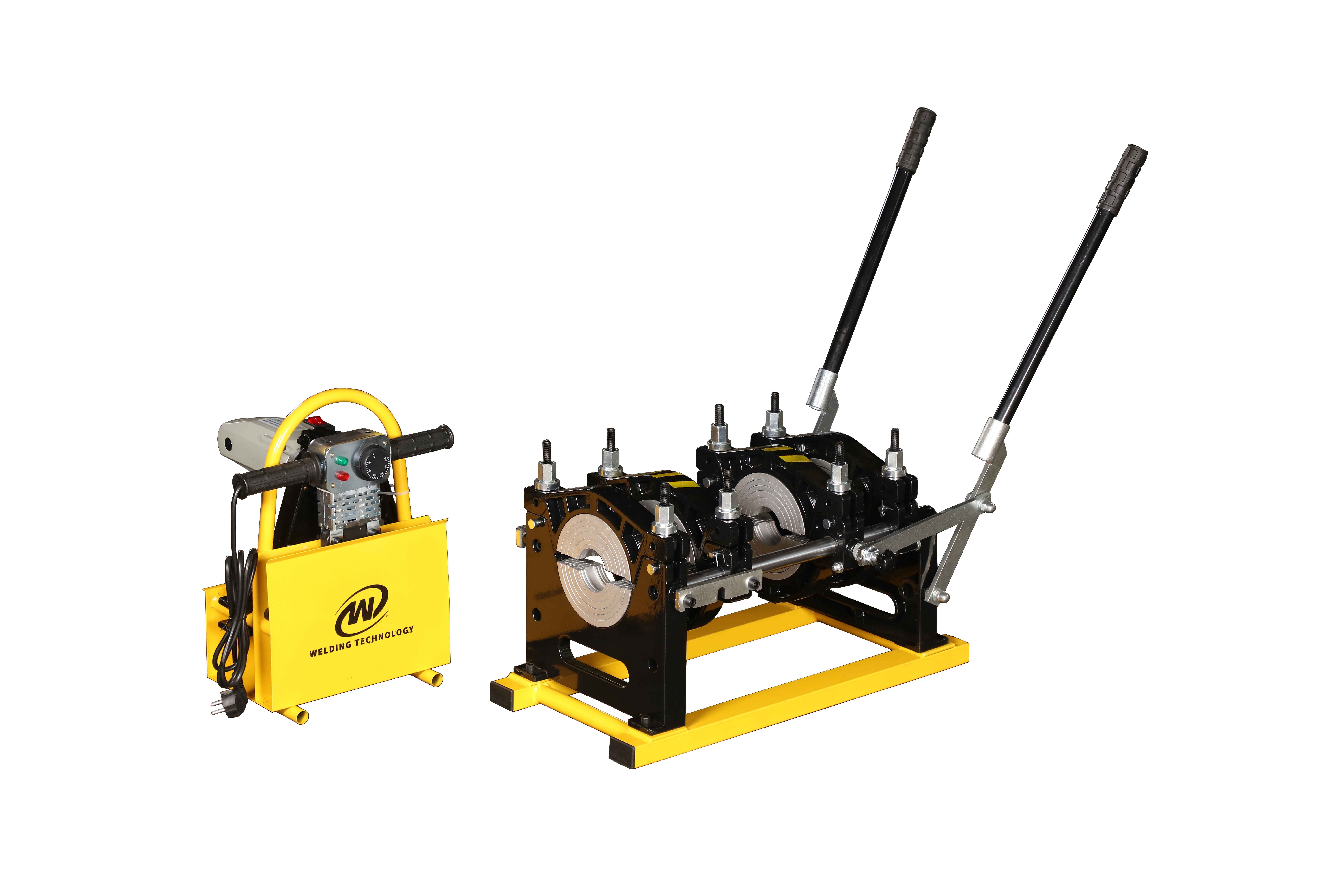
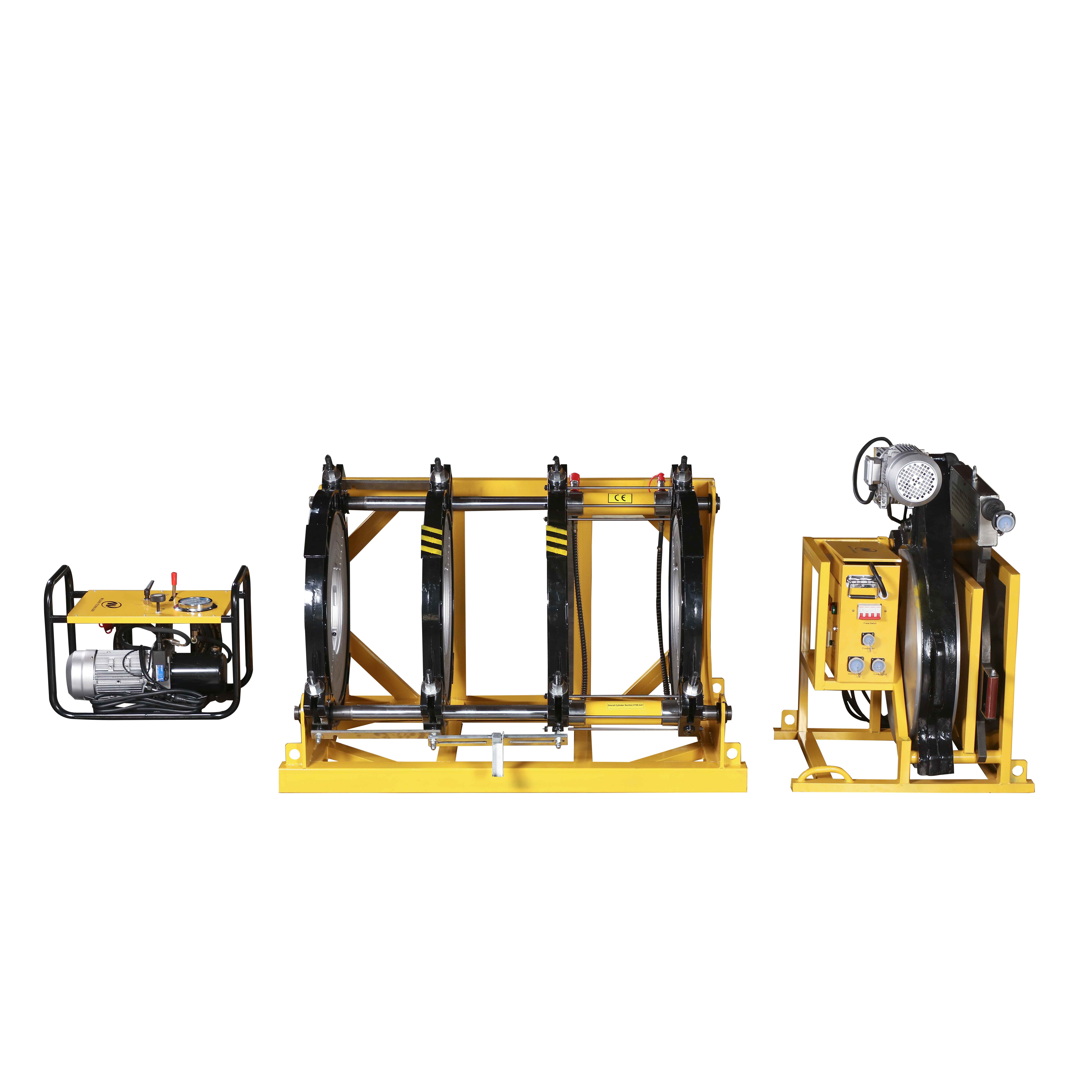
Pipe Fusion Welding Machine: Professional Equipment for Durable Thermoplastic Pipe Connections

Get a Free Quote

Our representative will contact you soon.
E-mail
Name
Mobile/WhatsApp
Company Name
Message
0/1000

pipe fusion welding machine

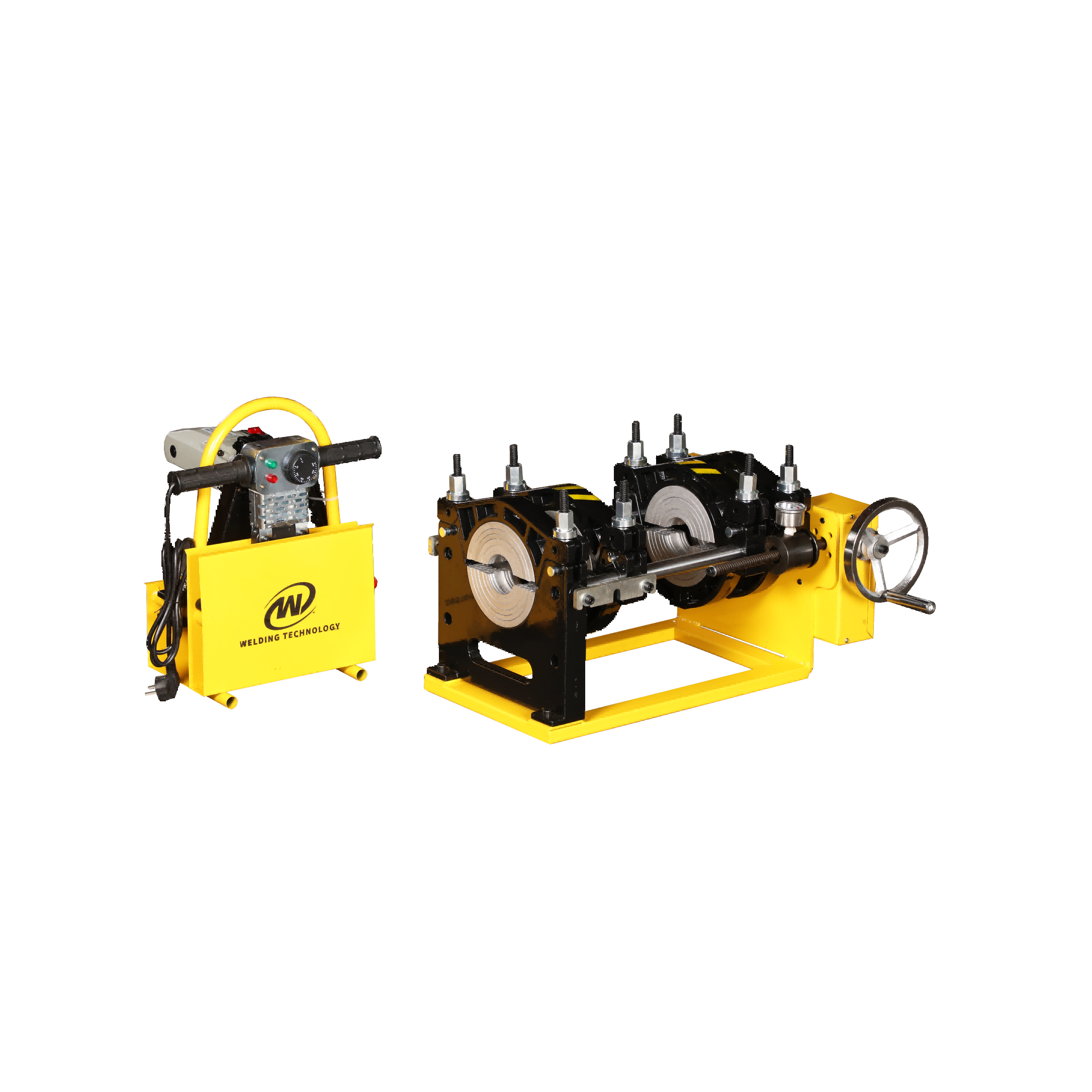
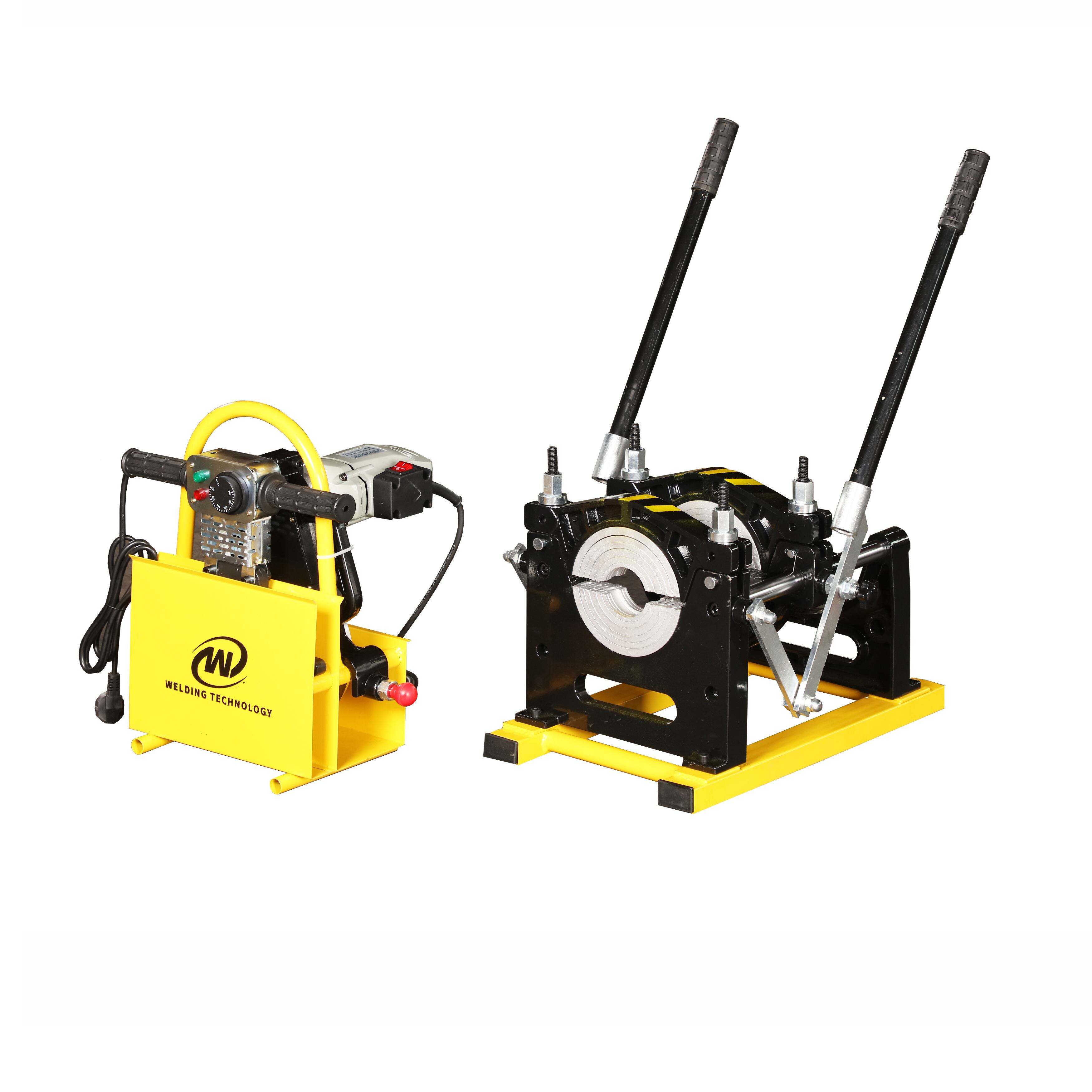
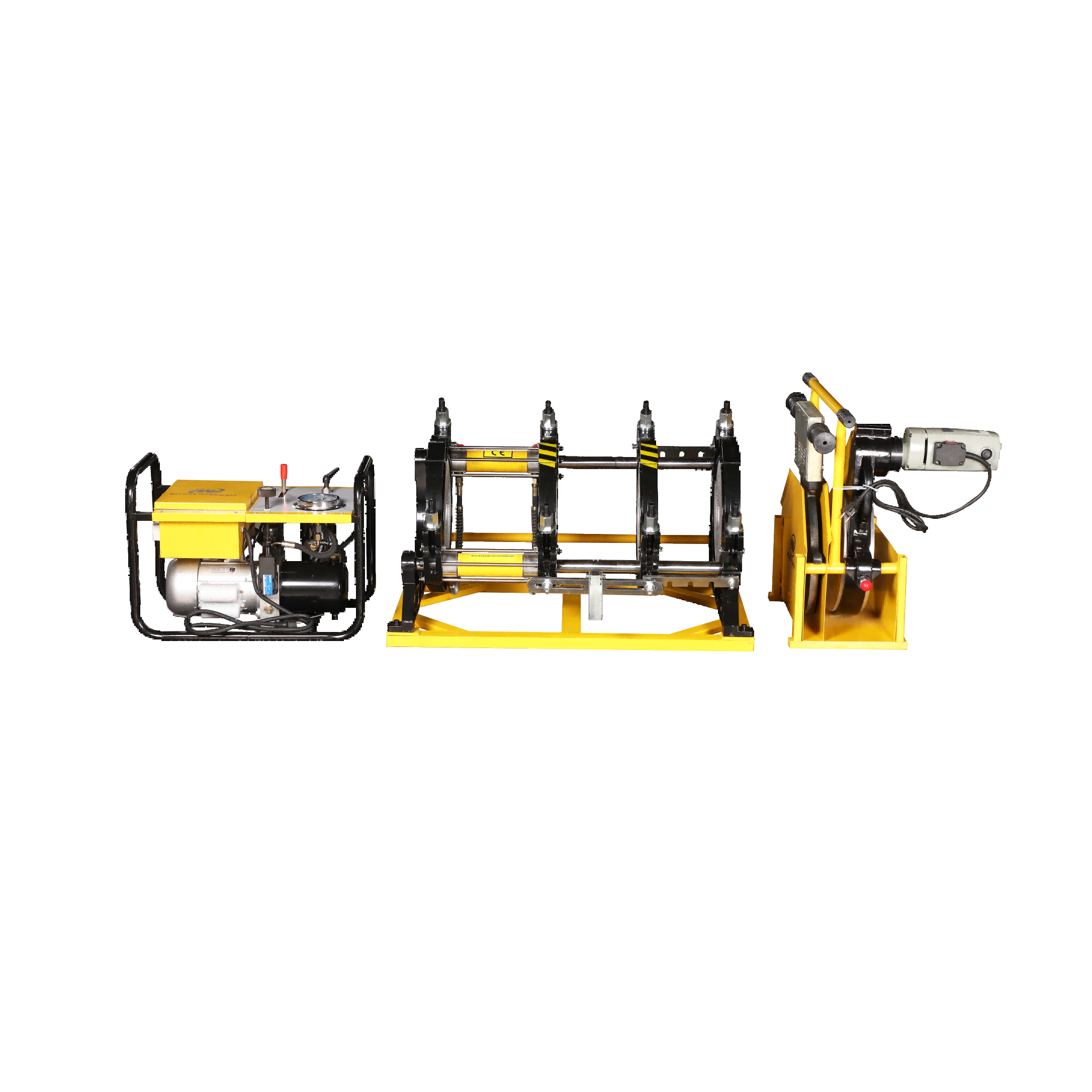
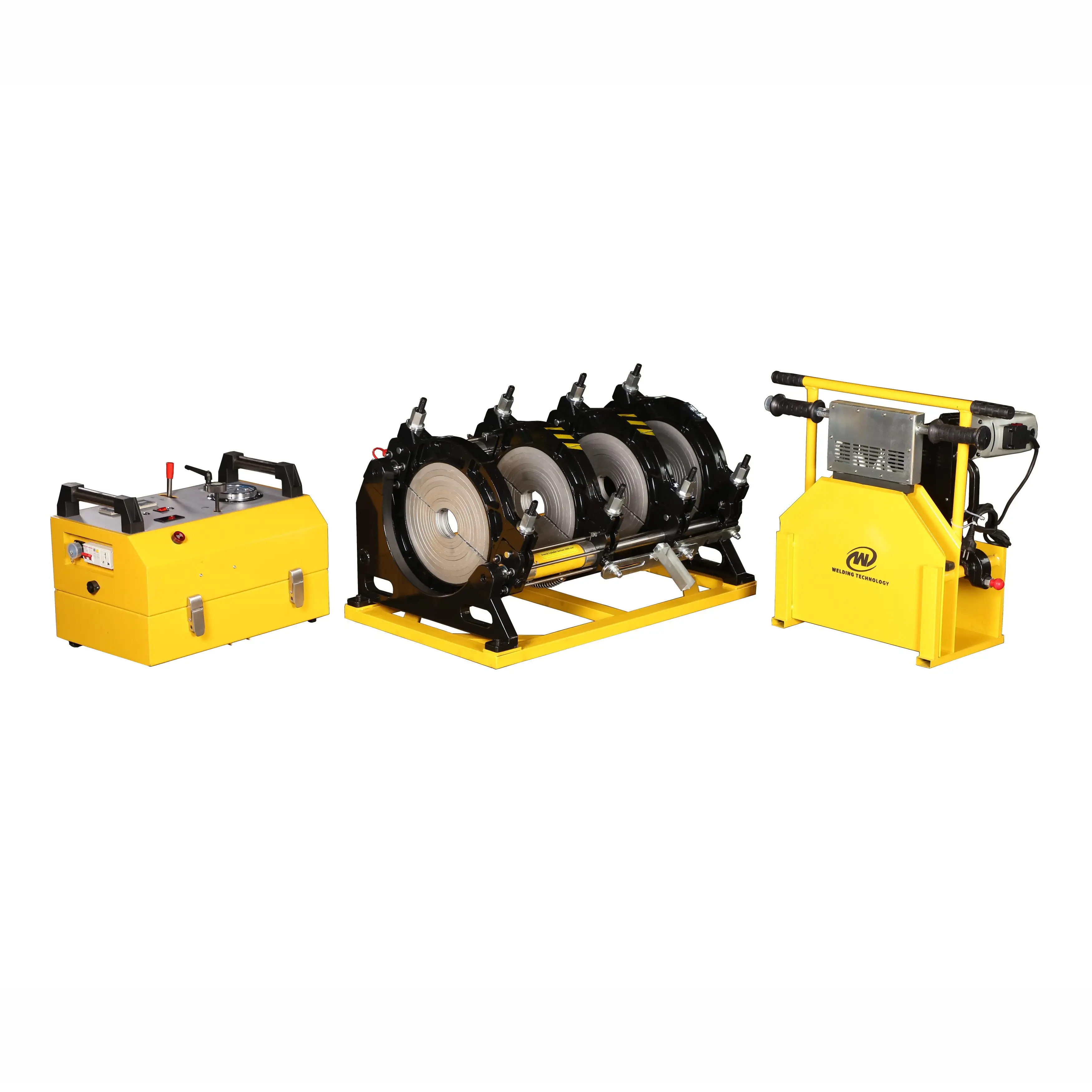
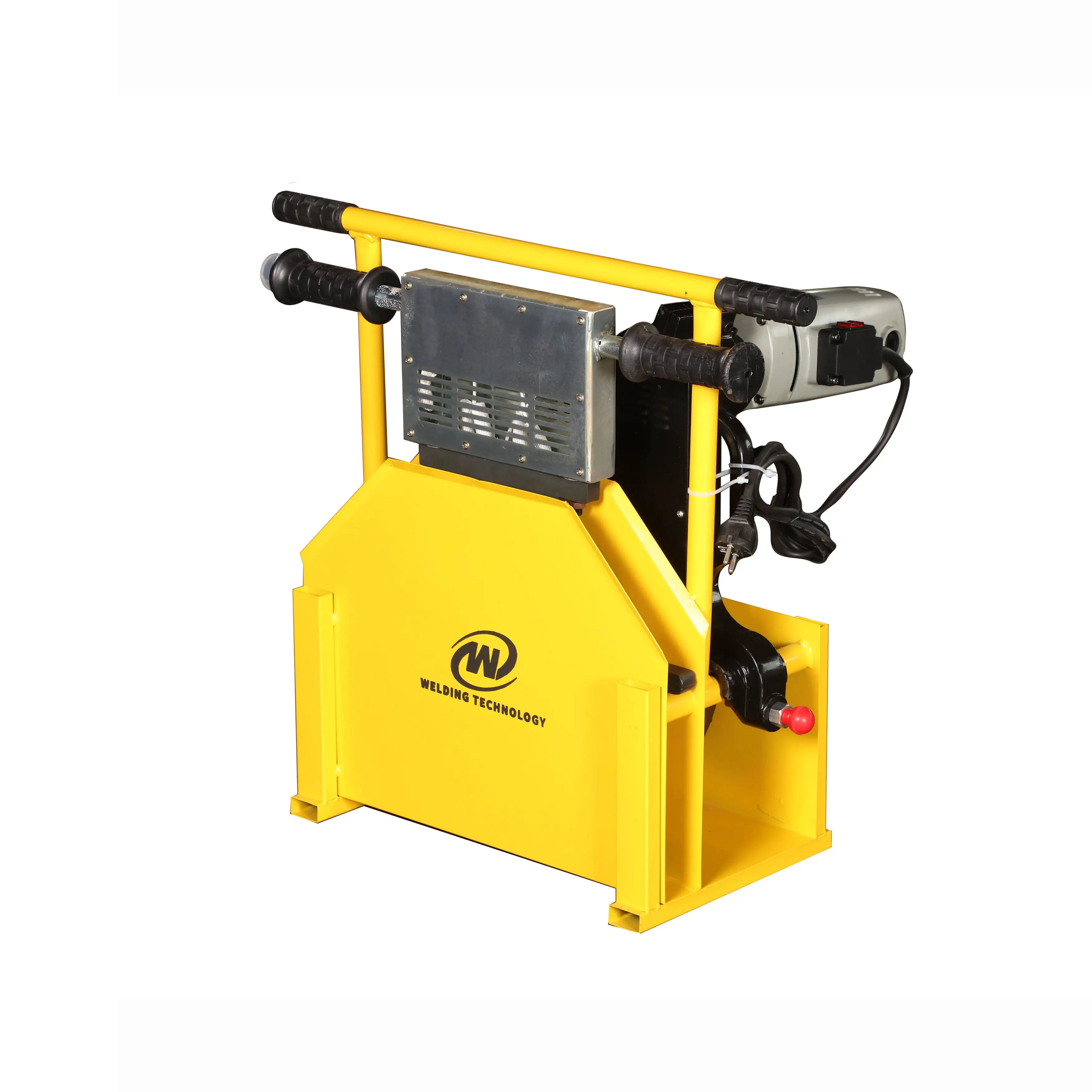
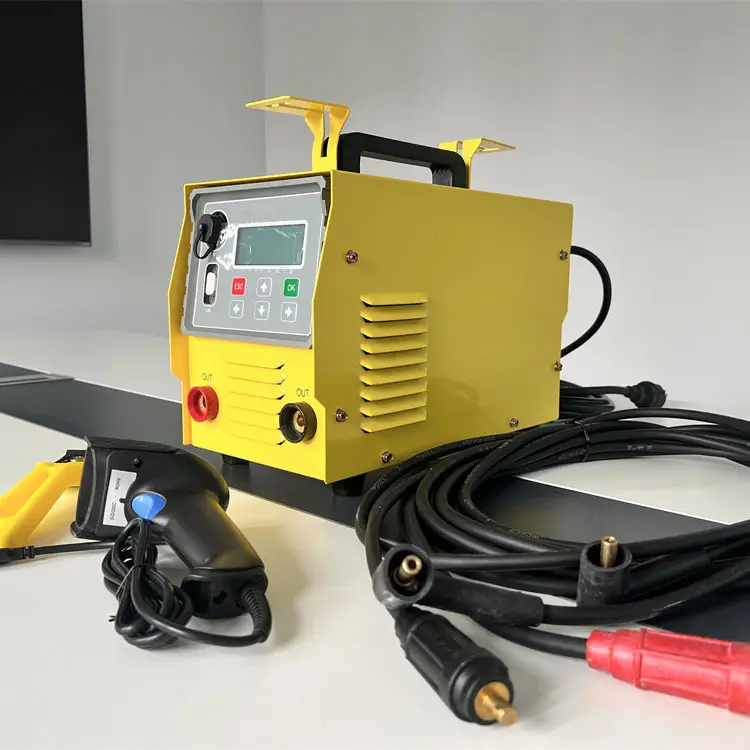
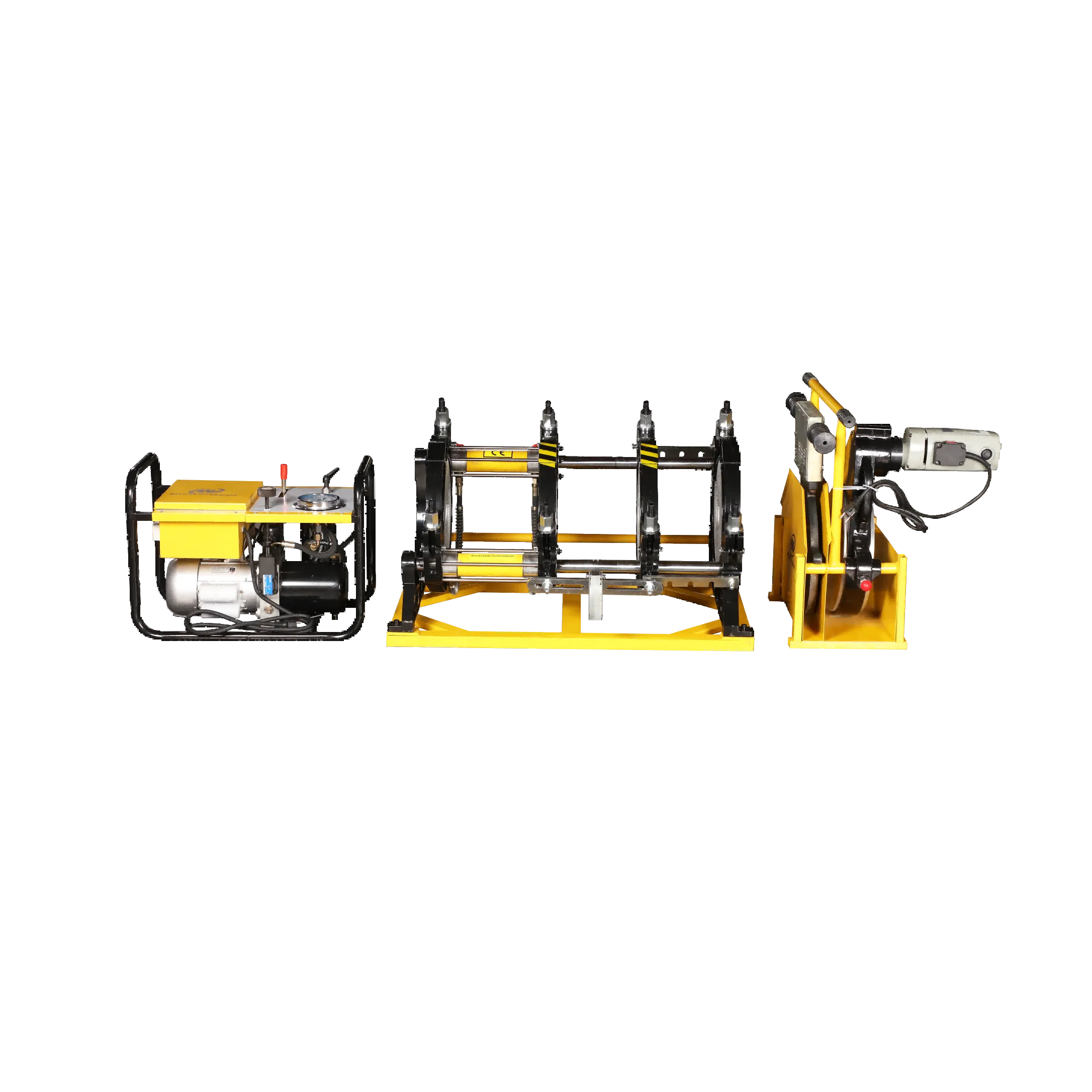
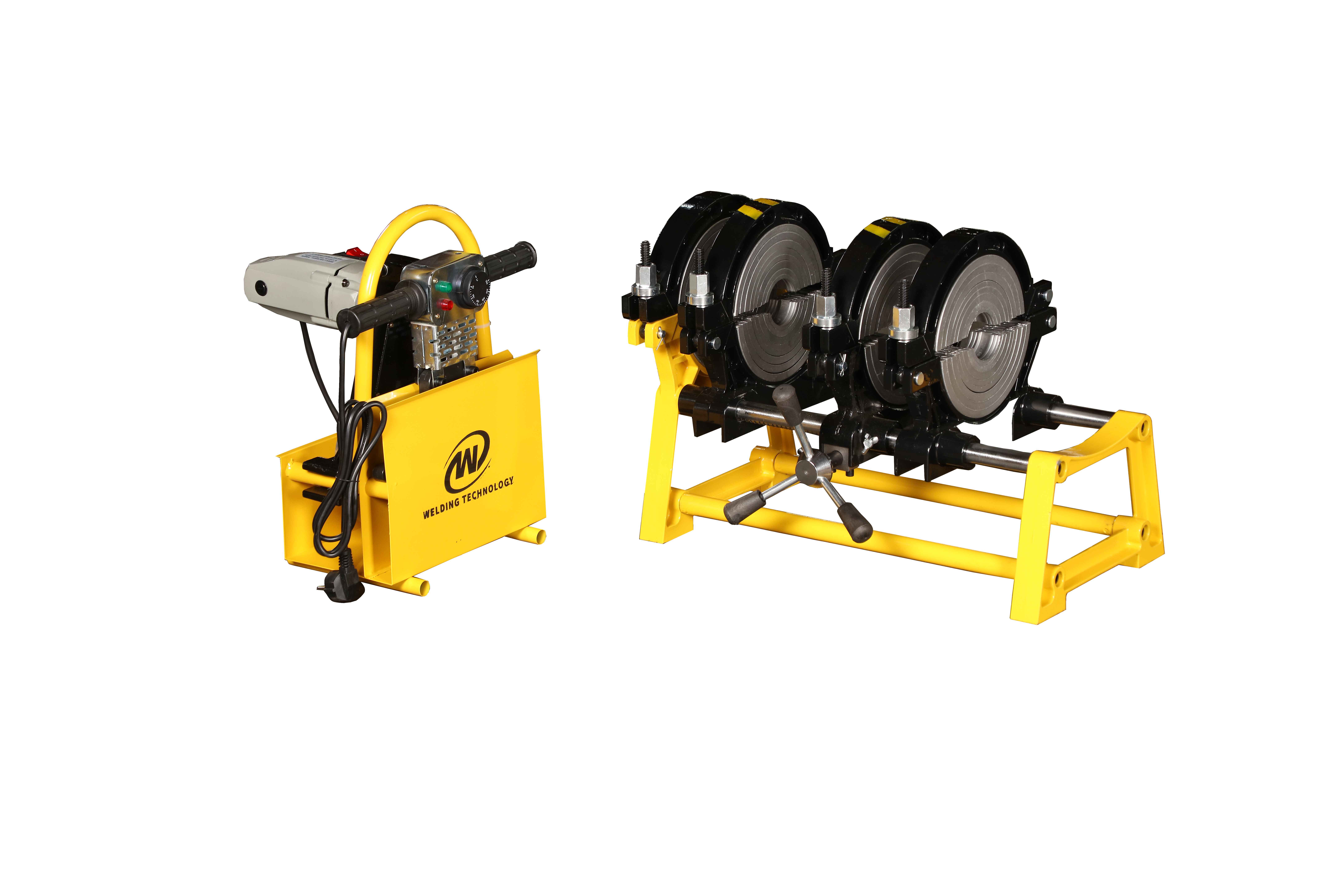
A pipe fusion welding machine represents essential equipment for joining thermoplastic pipes through heat-based bonding processes. This specialized device creates permanent, leak-proof connections by heating pipe ends to their melting point and pressing them together under controlled pressure. The resulting joints match or exceed the strength of the original pipe material, making this technology indispensable for water distribution systems, gas pipelines, industrial fluid transport, and municipal infrastructure projects. Modern pipe fusion welding machines incorporate digital temperature controls, automated timing sequences, and precision hydraulic systems that ensure consistent weld quality across various pipe diameters and materials. These machines work with polyethylene, polypropylene, and other thermoplastic materials commonly used in contemporary piping applications. The core functionality revolves around three critical phases: heating the pipe ends to exact temperatures, allowing proper melt formation, and applying measured force during the cooling cycle to create molecular bonding. Technological advancements have transformed these machines from manual devices requiring significant operator skill into sophisticated systems with programmable logic controllers, data logging capabilities, and real-time quality monitoring. Operators can select from preset welding parameters based on pipe size and material specifications, reducing human error and improving productivity. The machines feature adjustable clamping systems that accommodate different pipe dimensions, from small residential lines to large-diameter industrial conduits. Safety mechanisms prevent operation outside acceptable temperature ranges and pressure thresholds, protecting both workers and equipment. Applications span residential construction, agricultural irrigation, mining operations, chemical processing facilities, wastewater treatment plants, and oil and gas infrastructure. The versatility of pipe fusion welding machines makes them valuable across sectors requiring durable, corrosion-resistant piping solutions. Their ability to create joints without additional materials like adhesives or mechanical couplings reduces long-term maintenance costs and eliminates potential failure points in critical systems.


Popular Products

Investing in a pipe fusion welding machine delivers substantial operational benefits that translate directly into cost savings and project efficiency. First, these machines eliminate the need for expensive fittings, couplings, and consumable materials required by traditional joining methods. Every connection requires only heat and pressure, reducing material costs by up to sixty percent compared to mechanical joining systems. The welded joints form homogeneous bonds that match the pipe's structural integrity, creating connections stronger than the pipe itself. This strength prevents leaks, reduces maintenance calls, and extends system lifespan significantly. Second, the speed of fusion welding dramatically accelerates installation timelines. Experienced operators complete joints in minutes rather than hours, allowing crews to finish projects faster and move to new work. The automated heating and cooling cycles remove guesswork from the process, enabling consistent results regardless of environmental conditions or operator experience levels. Third, fusion welding produces clean, environmentally friendly connections without chemicals, solvents, or adhesives that pose health risks or require special handling procedures. Worksites remain safer, and contractors avoid regulatory compliance issues associated with hazardous materials. Fourth, the versatility of pipe fusion welding machines allows contractors to handle diverse projects with a single piece of equipment. Adjustable parameters accommodate various pipe sizes and materials, eliminating the need for multiple specialized tools. This flexibility reduces equipment investment and simplifies inventory management for construction companies and utilities. Fifth, the permanent nature of fusion-welded joints eliminates callbacks and warranty claims related to connection failures. Once properly executed, these joints never require retightening, seal replacement, or other maintenance interventions common with mechanical systems. Sixth, training requirements remain minimal compared to skilled trades like metal welding. Operators achieve competency quickly through structured programs, reducing labor costs and making qualified personnel easier to find and retain. Seventh, modern machines include digital documentation features that record welding parameters for each joint, providing quality assurance records that satisfy regulatory requirements and customer specifications. This traceability proves invaluable during inspections and helps identify any process deviations immediately. Eighth, the compact design of contemporary pipe fusion welding machines enhances portability, allowing deployment in remote locations, confined spaces, and challenging terrain where bulky equipment cannot operate. Finally, the low energy consumption of these machines reduces operational costs while supporting sustainability initiatives, as they require only standard electrical power and produce minimal waste during operation.

Practical Tips

What Is an HDPE Thermofusion Machine and How Does It Work?

10

Apr

What Is an HDPE Thermofusion Machine and How Does It Work?

High-density polyethylene (HDPE) piping systems have become the backbone of modern infrastructure projects, from municipal water distribution networks to industrial chemical transport lines. At the heart of creating reliable, leak-free HDPE pipe conn...
View More
Why Do Engineers Choose an HDPE Thermofusion Machine for Projects?

06

Apr

Why Do Engineers Choose an HDPE Thermofusion Machine for Projects?

Engineers working on pipeline infrastructure projects face critical decisions that affect long-term performance, project budgets, and operational reliability. Among the most consequential choices is the selection of joining equipment for high-density...
View More
How Does a Plastic Pipe Electric Fusion Welder Improve Connection Strength?

03

Apr

How Does a Plastic Pipe Electric Fusion Welder Improve Connection Strength?

In industrial piping systems, the integrity of connections directly determines operational safety, longevity, and performance. Traditional mechanical joining methods such as threading, clamping, or adhesive bonding often introduce vulnerabilities inc...
View More
Why Do Contractors Choose HDPE Fusion Equipment for Water Systems?

01

Apr

Why Do Contractors Choose HDPE Fusion Equipment for Water Systems?

Water infrastructure projects demand reliability, longevity, and cost-effectiveness, making equipment selection a critical decision for contractors. The choice of joining technology directly impacts project timelines, long-term system integrity, and ...
View More

Get a Free Quote

Our representative will contact you soon.
E-mail
Name
Mobile/WhatsApp
Company Name
Message
0/1000

pipe fusion welding machine

Precision Temperature Control for Perfect Joints Every Time

Precision Temperature Control for Perfect Joints Every Time

The advanced temperature management system built into modern pipe fusion welding machines stands as the cornerstone of reliable joint formation. Unlike older equipment that relied on operator judgment and manual adjustments, contemporary machines employ digital sensors and microprocessor controls that maintain heating plate temperatures within extremely narrow tolerances. This precision matters because thermoplastic materials have specific melting points where molecular chains become mobile enough to intermingle and bond. Too little heat results in cold joints that appear solid but lack structural integrity and will fail under pressure. Excessive heat degrades the polymer structure, creating brittle connections prone to cracking. The sophisticated control systems monitor temperature hundreds of times per second, making instantaneous adjustments to compensate for ambient conditions, pipe mass, and heating cycle progression. Users simply input the pipe material and diameter, and the machine automatically configures optimal temperature settings based on established welding procedures. Visual displays show real-time temperature readings, allowing operators to verify proper heating before proceeding to the joining phase. Many machines incorporate dual-zone heating elements that maintain uniform temperature across the entire heating plate surface, preventing hot spots that could cause uneven melting. This uniformity ensures that every square millimeter of the pipe end face reaches ideal fusion temperature simultaneously, creating consistent bead formation around the joint circumference. The system also manages cooling rates after joining, as rapid temperature reduction can induce internal stresses that weaken the connection. Programmable cooling timers prevent premature handling that might disturb the molecular bonding process. Some advanced models include ambient temperature compensation that adjusts heating parameters based on environmental conditions, maintaining consistent quality whether working in freezing conditions or extreme heat. The data logging capabilities record every temperature reading throughout the welding cycle, creating permanent quality documentation that proves compliance with industry standards. This feature becomes particularly valuable for critical applications like potable water systems and high-pressure gas lines where regulatory agencies require detailed joining records. The precision temperature control eliminates the variability that plagued earlier fusion welding techniques, transforming the process from an art requiring years of experience into a science that delivers repeatable results from the first joint to the thousandth.
Hydraulic Pressure Systems That Guarantee Structural Integrity

Hydraulic Pressure Systems That Guarantee Structural Integrity

The hydraulic pressure mechanism within a pipe fusion welding machine performs the crucial task of bringing heated pipe ends together with exact force and maintaining that pressure throughout the cooling cycle. This controlled compression allows the molten polymer surfaces to flow together, intermingle at the molecular level, and solidify into a unified structure. The sophistication of modern hydraulic systems directly determines joint quality and long-term reliability. Advanced machines utilize closed-loop hydraulic circuits with pressure transducers that continuously monitor applied force, comparing actual readings against programmed specifications. If pressure deviates from target values, servo-controlled valves make immediate corrections, ensuring consistent compression regardless of pipe alignment variations or operator input. This automated pressure management prevents common welding defects like insufficient fusion from inadequate force or pipe deformation from excessive compression. The system applies pressure in carefully orchestrated stages that optimize molecular bonding. Initial contact pressure during the heat soak phase allows pipe faces to conform to each other without displacing molten material. The machine then increases pressure during the joining phase, creating the characteristic bead that indicates proper fusion. Finally, holding pressure maintains joint alignment during cooling while polymer chains lock into their final configuration. The hydraulic cylinders provide smooth, vibration-free movement that prevents disturbances to the molten interface. Any jarring or shifting during the critical fusion window compromises molecular intermixing and creates weak planes within the joint. Premium machines incorporate dual hydraulic circuits that can apply independent pressure to each pipe end, accommodating slight differences in pipe wall thickness or material properties. This bilateral control ensures balanced fusion across the joint interface. The pressure systems also enable precise interface pressure calculations based on pipe diameter, providing optimal compression force automatically. Operators no longer need to memorize force tables or perform calculations, reducing setup time and eliminating mathematical errors. Safety interlocks prevent the machine from applying pressure until temperature sensors confirm adequate heating, protecting against operator mistakes that could produce defective joints. The robust construction of hydraulic components ensures consistent performance across thousands of welding cycles without degradation. Regular maintenance requirements remain minimal, typically involving only periodic hydraulic fluid checks and seal inspections. The reliability of these pressure systems gives contractors confidence that every joint meets specifications, reducing the anxiety associated with critical infrastructure installations where failure carries severe consequences.
Versatile Clamping Systems for Complete Project Flexibility

Versatile Clamping Systems for Complete Project Flexibility

The clamping mechanism of a pipe fusion welding machine serves as the foundation for accurate pipe alignment and secure positioning throughout the welding process. Modern designs incorporate adjustable clamp assemblies that accommodate extensive diameter ranges, allowing a single machine to handle projects from small residential installations to large industrial applications. This versatility eliminates the need for multiple specialized machines, dramatically reducing equipment investment for contractors and utilities who work across diverse project types. The clamps feature quick-release mechanisms that enable rapid pipe loading and removal, minimizing non-productive time between joints. Operators can change pipe sizes in seconds rather than minutes, maintaining productivity when working with multiple diameters on the same project. The clamping surfaces incorporate specialized jaw designs that grip pipes firmly without causing damage or deformation. Rounded contact profiles distribute clamping force evenly around the pipe circumference, preventing the flat spots or gouges that compromise structural integrity. Many machines offer interchangeable jaw inserts sized for specific diameter ranges, optimizing grip characteristics for each application. The alignment precision built into clamp assemblies ensures that pipe ends meet perfectly perpendicular during fusion, creating uniform bead formation and preventing the angular misalignment that produces weak zones in joints. Linear bearing systems allow the clamps to slide smoothly during the joining phase, maintaining perfect axial alignment as hydraulic pressure brings pipe ends together. This guided movement eliminates the lateral shifting that can occur with simpler designs, ensuring that fusion pressure distributes evenly across the entire joint interface. The clamp assemblies also incorporate adjustable stops that control pipe insertion depth, guaranteeing consistent positioning for every joint. This repeatability proves essential when working to exact specifications or when multiple operators share equipment. Some advanced machines include self-centering clamp mechanisms that automatically position pipes on the machine centerline, compensating for variations in pipe roundness or wall thickness. This feature reduces setup time and prevents the alignment errors that less experienced operators might make. The robust construction of clamp components withstands the rigors of field service, from construction site dirt and debris to extreme temperature fluctuations. Corrosion-resistant materials and protective coatings ensure long service life even in harsh environments like coastal regions or chemical processing facilities. The versatility extends beyond diameter accommodation to include compatibility with various pipe materials. Whether working with high-density polyethylene, polypropylene, or specialized engineering plastics, the clamping systems provide appropriate grip without material-specific modifications. This universal compatibility makes pipe fusion welding machines valuable across industries, from municipal water departments to mining operations to agricultural irrigation contractors. The economic impact of this versatility cannot be overstated, as equipment that serves multiple purposes generates higher utilization rates and faster return on investment compared to single-purpose tools.

Get a Free Quote

Our representative will contact you soon.
E-mail
Name
Mobile/WhatsApp
Company Name
Message
0/1000