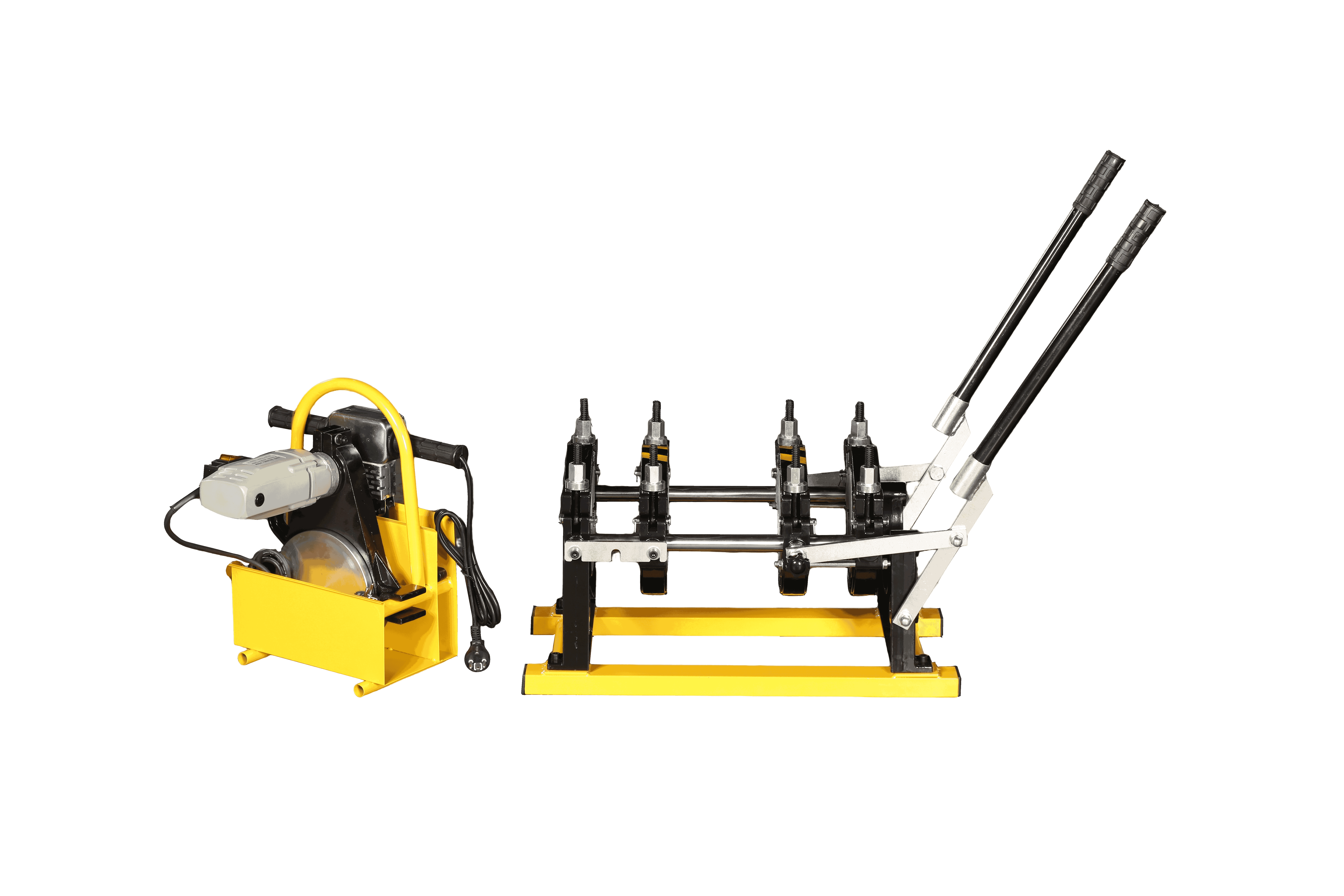
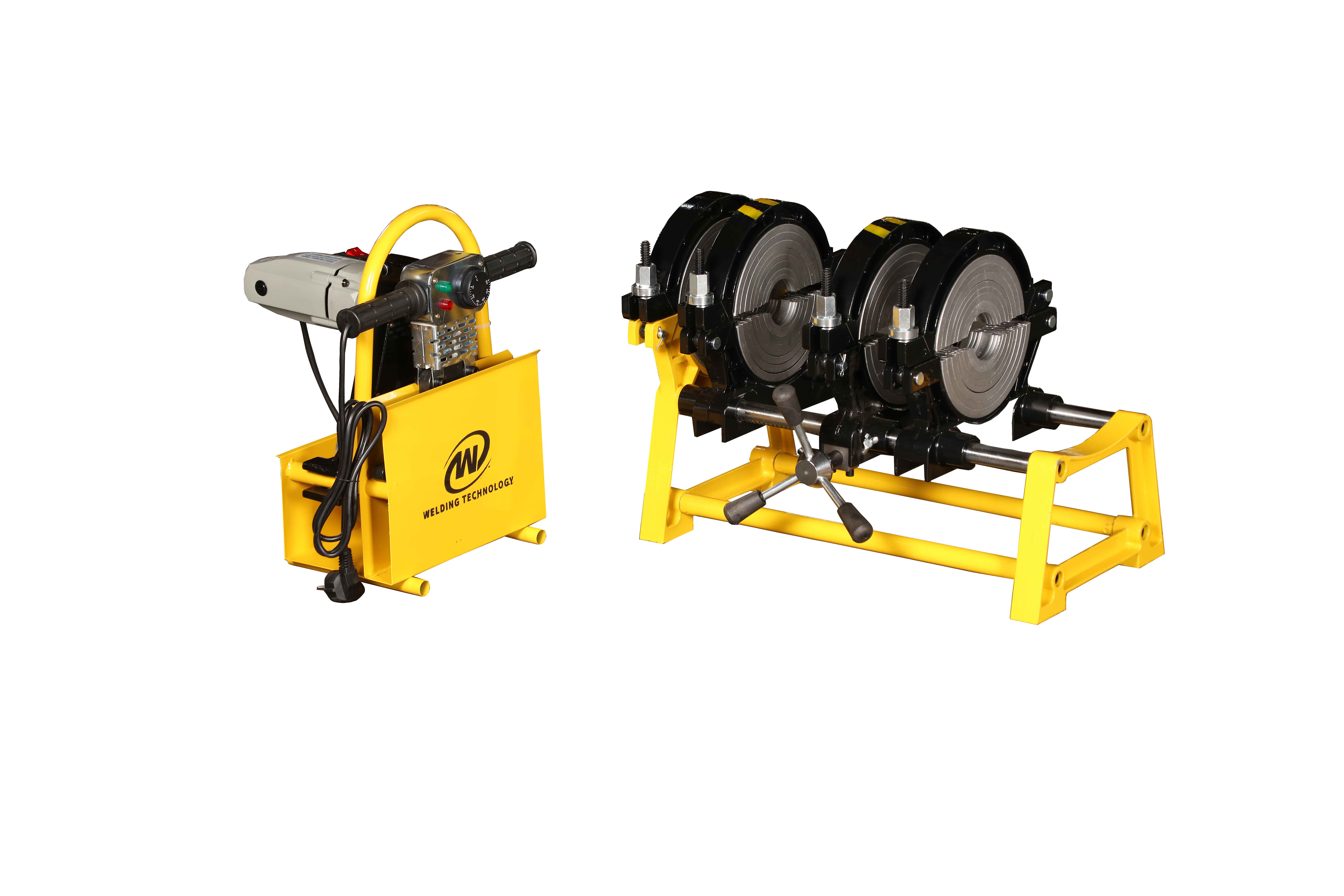
Professional Plastic Fusion Machine Solutions - Advanced Thermoplastic Welding Equipment

Get a Free Quote

Our representative will contact you soon.
E-mail
Name
Mobile/WhatsApp
Company Name
Message
0/1000

plastic fusion machine

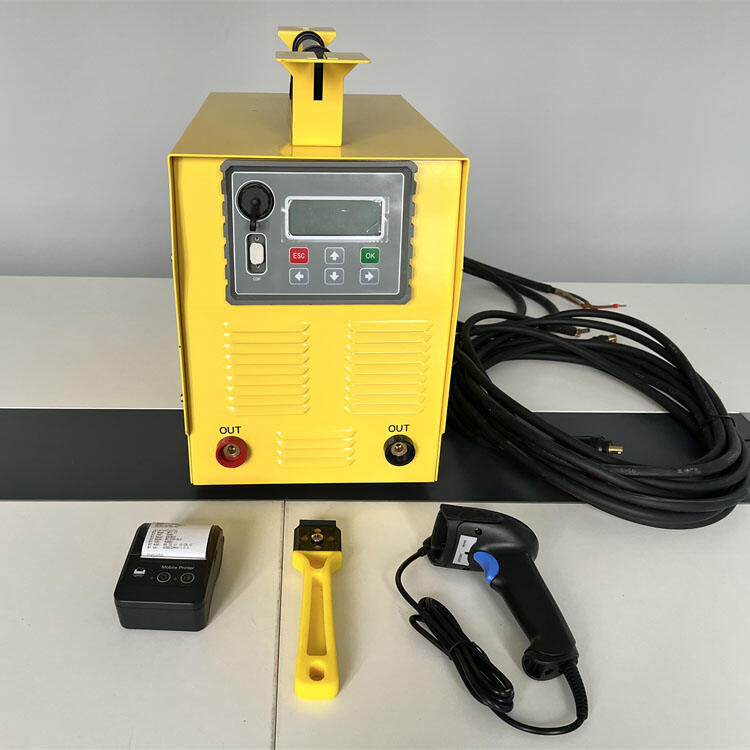
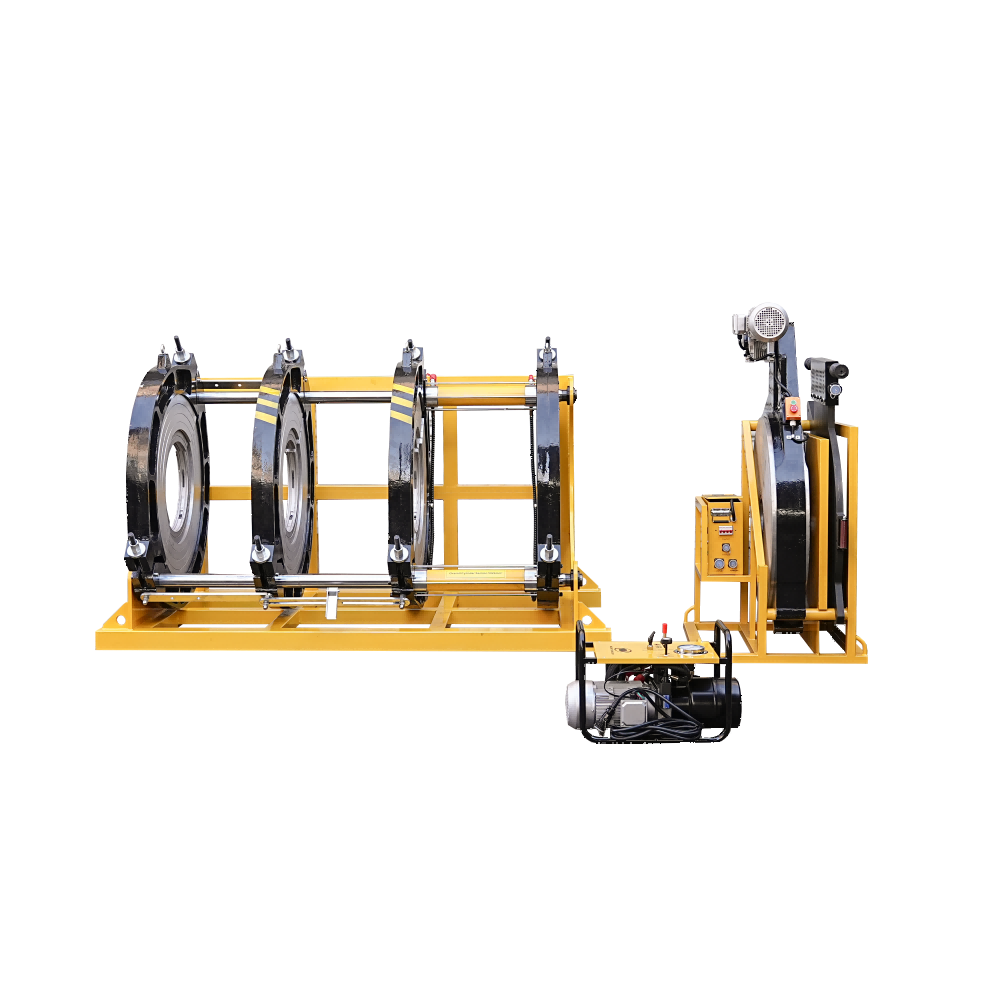
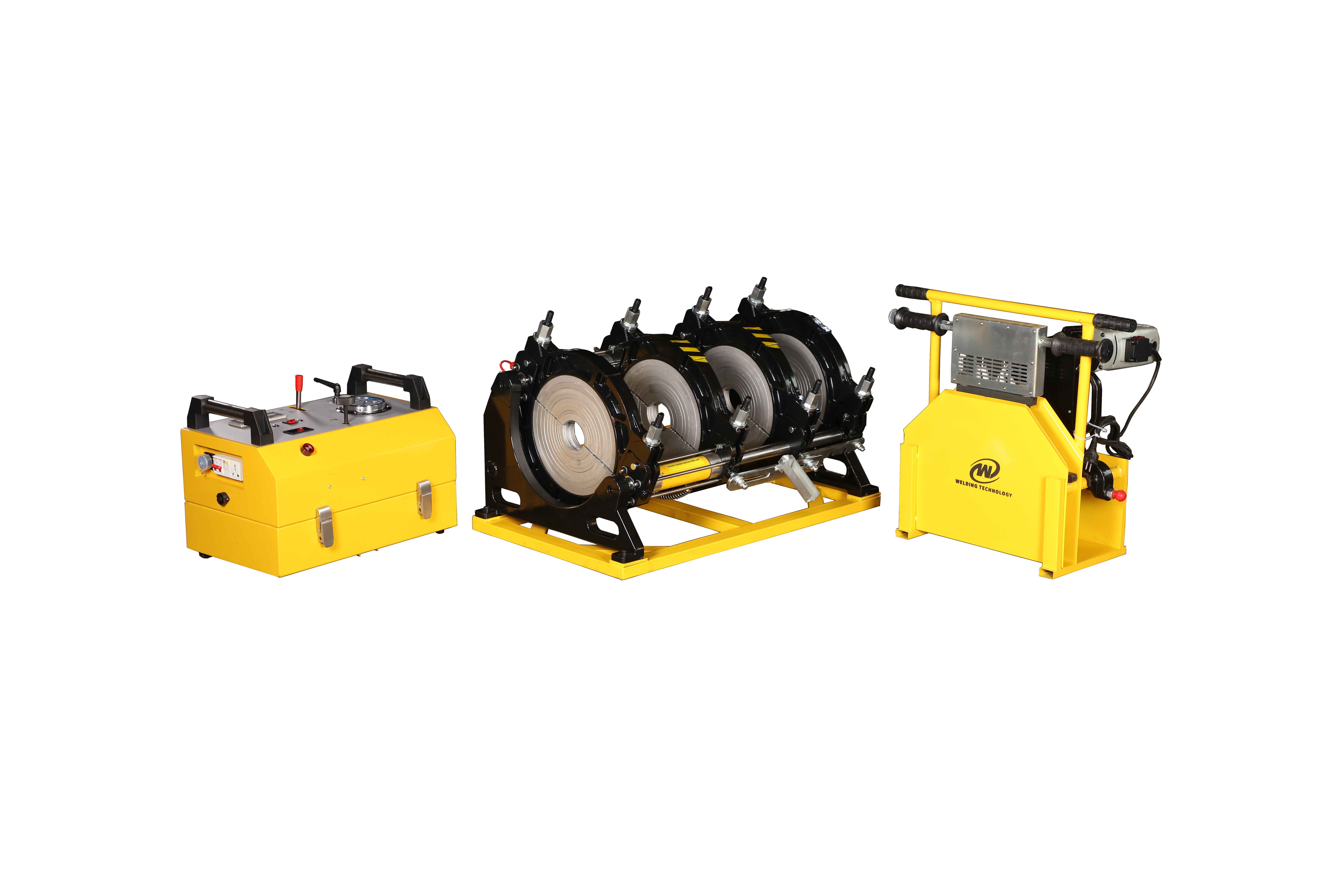
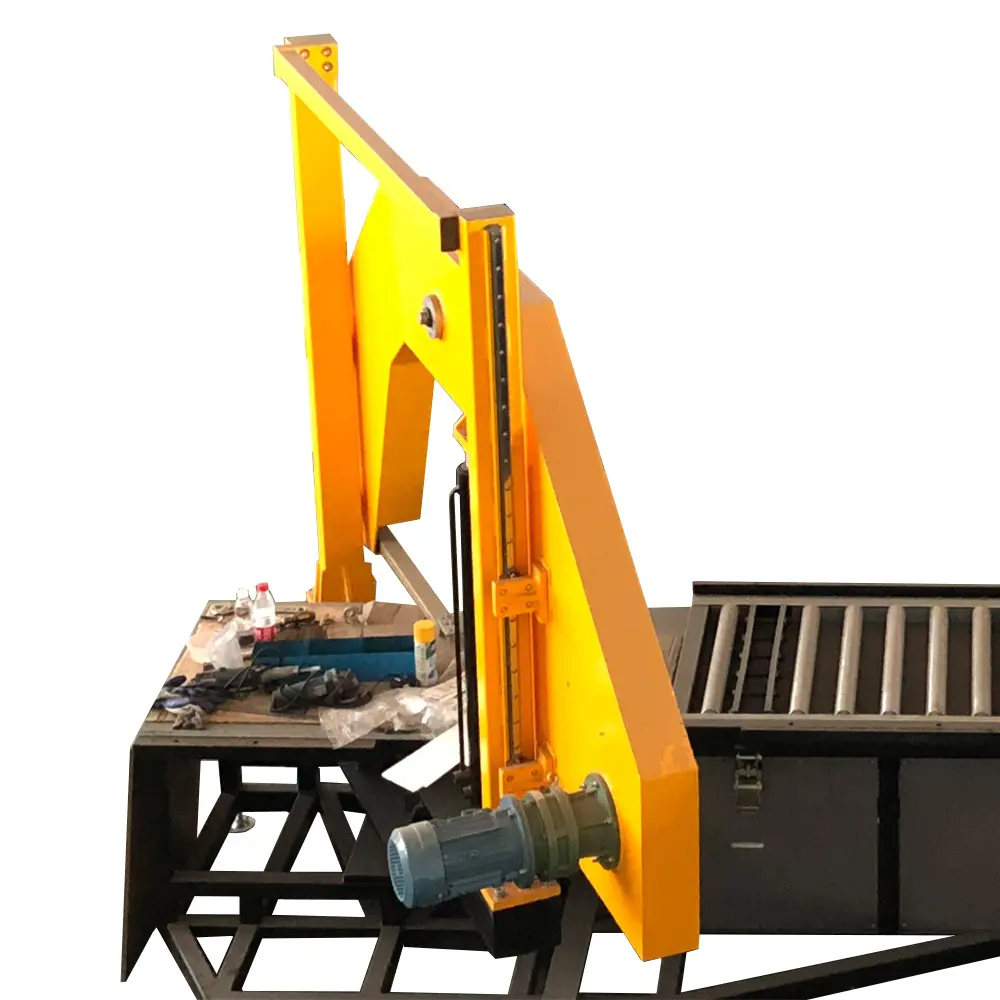
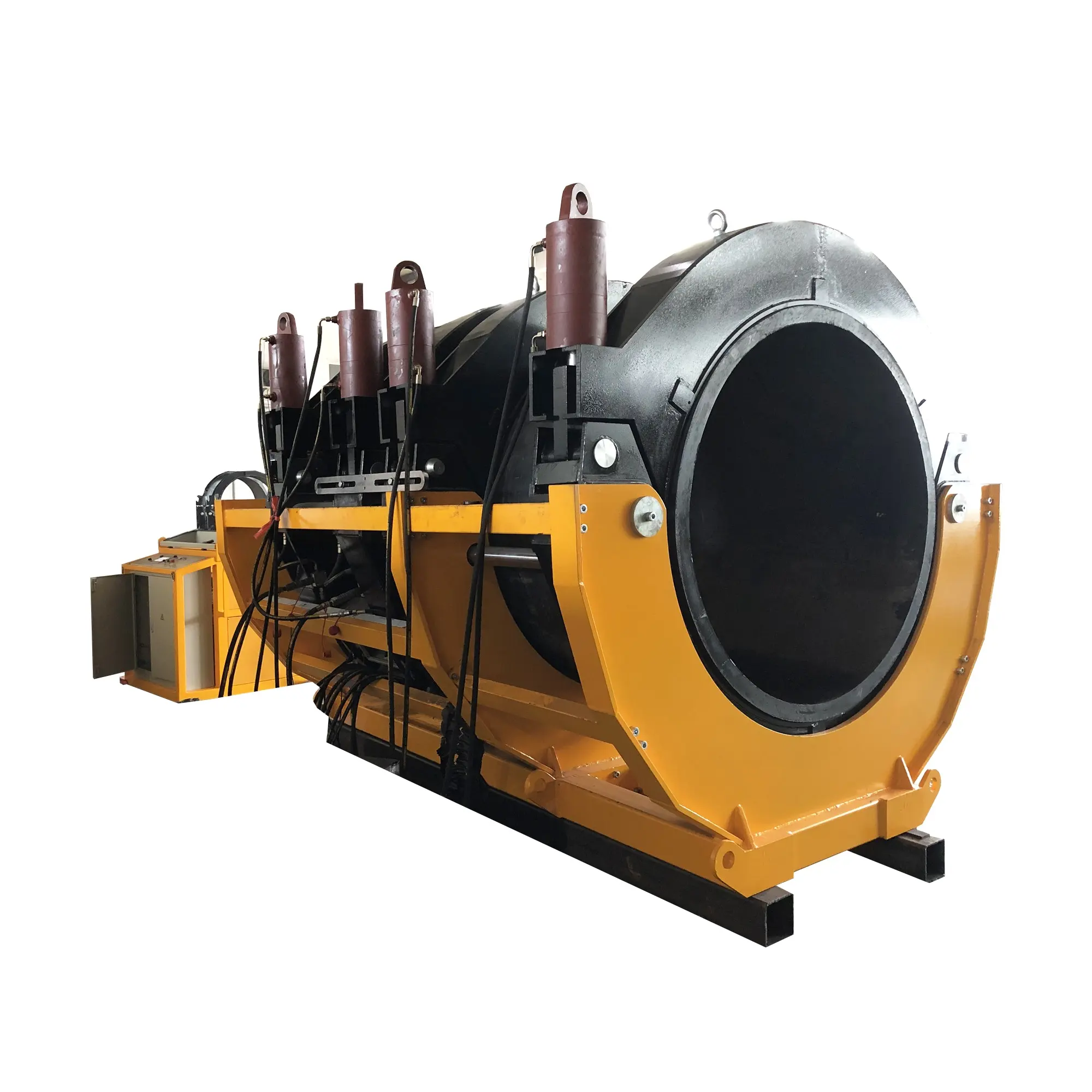
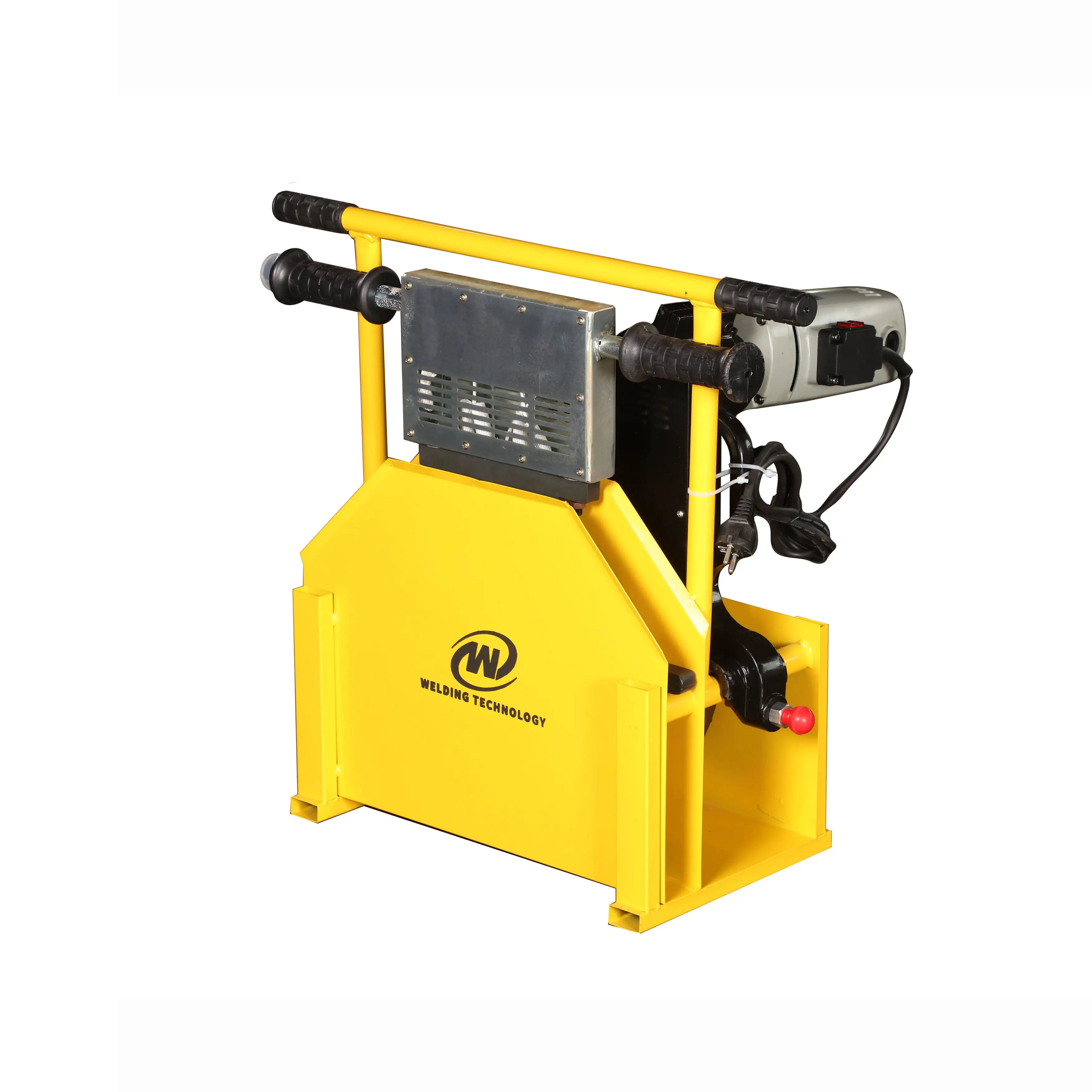
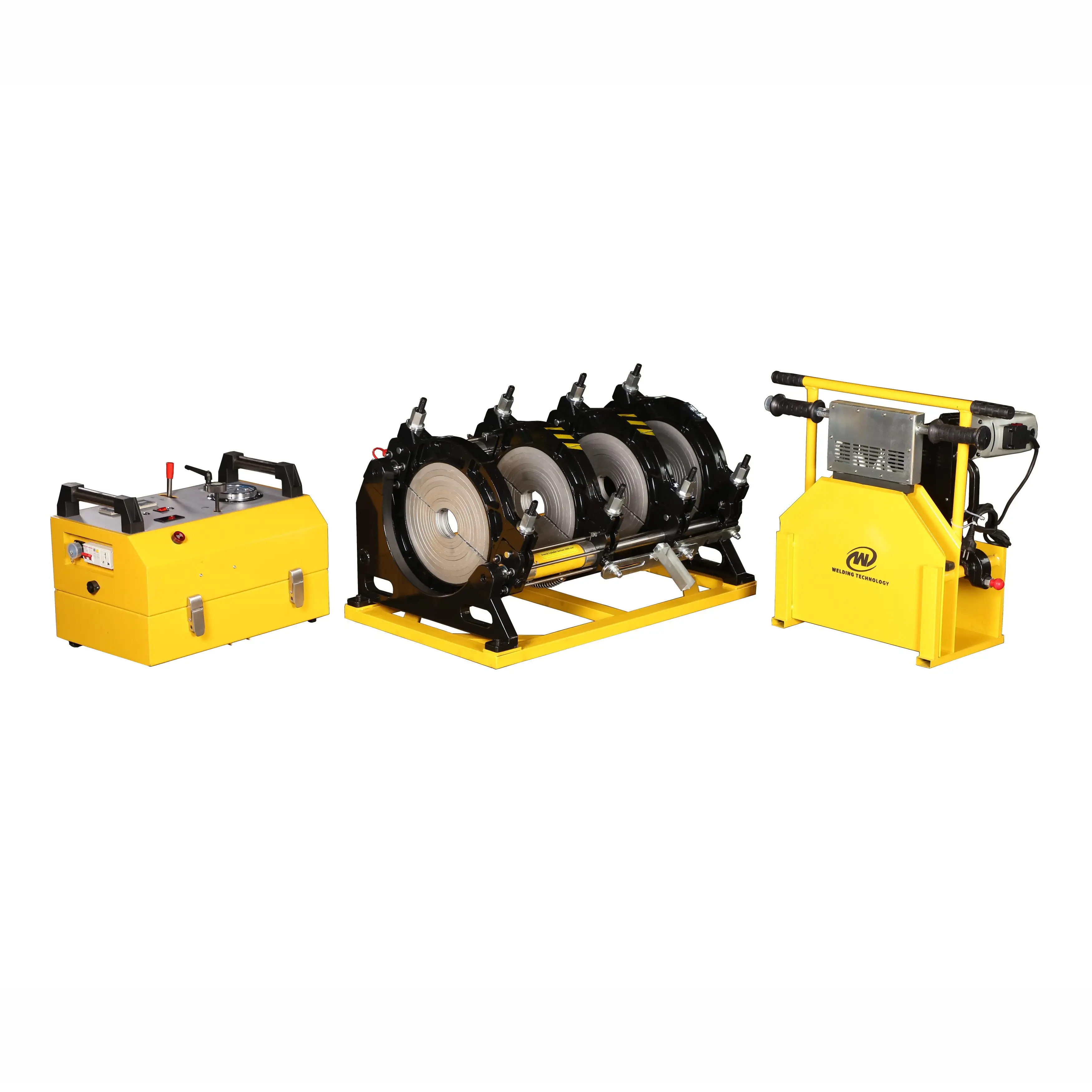
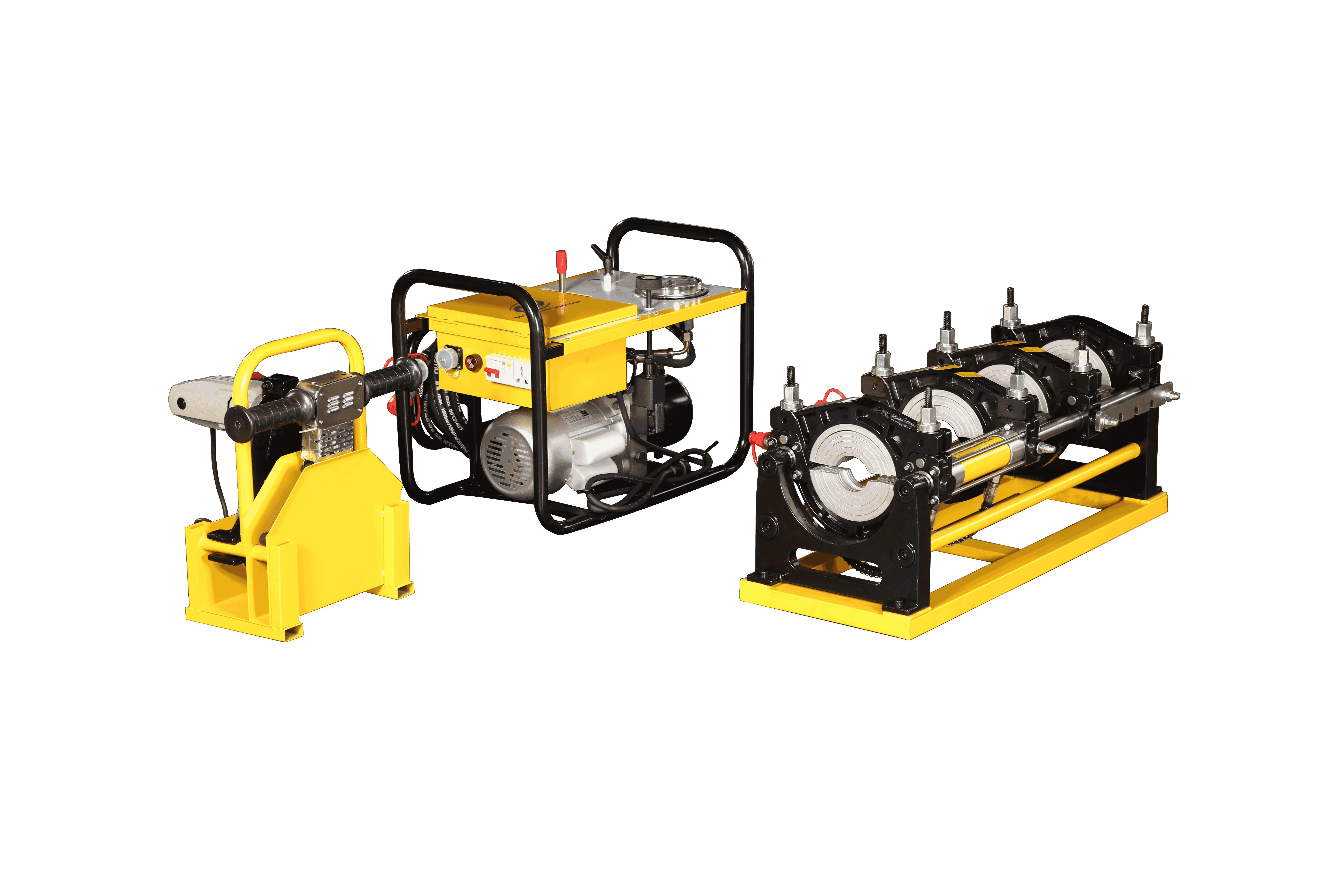
A plastic fusion machine represents cutting-edge technology designed to join thermoplastic materials through controlled heat application and pressure. This sophisticated equipment operates by heating plastic surfaces to their melting point, then pressing them together to create seamless, permanent bonds. The plastic fusion machine utilizes precise temperature control systems, hydraulic or pneumatic pressure mechanisms, and automated timing sequences to ensure consistent, high-quality welds across various plastic materials. Modern plastic fusion machines incorporate digital displays, programmable settings, and safety features that make them suitable for both industrial production environments and specialized manufacturing applications. The core functionality revolves around creating molecular bonds between compatible thermoplastic surfaces, resulting in joints that often exceed the strength of the original material. These machines accommodate diverse plastic types including polyethylene, polypropylene, PVC, and engineering plastics, making them versatile solutions for multiple industries. Advanced plastic fusion machines feature interchangeable heating plates, adjustable pressure settings, and customizable cycle times that adapt to different material thicknesses and joint configurations. The technology enables manufacturers to produce leak-proof connections for pipes, tanks, and structural components without requiring adhesives or mechanical fasteners. Quality control mechanisms within the plastic fusion machine monitor temperature uniformity, pressure consistency, and cooling rates to maintain weld integrity throughout production runs. Operators benefit from intuitive control interfaces that simplify parameter adjustment and process monitoring. The equipment typically includes safety interlocks, emergency stops, and protective barriers that ensure operator protection during high-temperature operations. Regular maintenance requirements remain minimal due to robust construction and reliable heating elements designed for continuous operation.

New Product Releases

The plastic fusion machine delivers exceptional cost savings by eliminating expensive consumables such as adhesives, solvents, or mechanical fasteners traditionally required for joining plastic components. Manufacturers experience significant material waste reduction since the fusion process creates precise joints without excess material requirements or secondary finishing operations. Production efficiency increases dramatically as the plastic fusion machine automates welding processes that previously demanded skilled manual labor and extended assembly times. Quality control improves substantially because fusion welding creates consistent, repeatable results that meet strict industrial standards and regulatory requirements across multiple applications. The technology produces joints with superior strength characteristics, often exceeding the mechanical properties of the base materials themselves, ensuring long-lasting performance in demanding environments. Environmental benefits emerge from the elimination of chemical adhesives and solvents that generate harmful emissions or require special disposal procedures, making the plastic fusion machine an eco-friendly manufacturing solution. Operational flexibility allows manufacturers to process various plastic types and thicknesses using the same equipment, reducing capital investment requirements and facility space utilization. Energy efficiency remains high due to targeted heating zones that minimize power consumption while maintaining optimal welding temperatures throughout production cycles. Worker safety improves through automated processes that reduce direct contact with hot surfaces and eliminate exposure to toxic adhesive fumes or chemical vapors. The plastic fusion machine enables rapid changeover between different product configurations, supporting lean manufacturing principles and just-in-time production strategies. Maintenance costs stay low because the equipment contains fewer moving parts compared to alternative joining methods, resulting in extended service intervals and reduced downtime. Quality documentation becomes straightforward through digital monitoring systems that record critical process parameters for traceability and compliance purposes. Training requirements decrease since modern plastic fusion machines feature user-friendly interfaces that simplify operator certification and reduce skill-dependent variations in weld quality. Long-term reliability ensures consistent production output with minimal performance degradation over extended operating periods.

Tips And Tricks

Global Fusion Welding Machinery Market Booms, Hangzhou Welding Leads Chinese Manufacturing to Serve 100+ Countries

11

Feb

Global Fusion Welding Machinery Market Booms, Hangzhou Welding Leads Chinese Manufacturing to Serve 100+ Countries

View More
Technological Innovation Drives Industry Upgrade, Hangzhou Welding Leads the Development of Thermoplastic Welding Technology

11

Feb

Technological Innovation Drives Industry Upgrade, Hangzhou Welding Leads the Development of Thermoplastic Welding Technology

View More
Accelerating Global Layout, Hangzhou Welding Technology Drives International Market Development with the Dual Wheels of

11

Feb

Accelerating Global Layout, Hangzhou Welding Technology Drives International Market Development with the Dual Wheels of "Products + Services"

View More

Get a Free Quote

Our representative will contact you soon.
E-mail
Name
Mobile/WhatsApp
Company Name
Message
0/1000

plastic fusion machine

Advanced Temperature Control Technology

Advanced Temperature Control Technology

The sophisticated temperature control system represents the cornerstone of modern plastic fusion machine performance, delivering unprecedented precision and consistency in thermal management. This advanced technology incorporates multiple heating zones with independent temperature sensors that monitor surface temperatures within fractions of a degree, ensuring optimal melting conditions across the entire weld interface. The plastic fusion machine utilizes PID control algorithms that automatically adjust heating elements in real-time, compensating for material variations, ambient conditions, and thermal mass differences between components. Digital temperature displays provide operators with instant feedback on heating status, while programmable temperature profiles accommodate diverse material requirements and thickness variations. The system features rapid heating capabilities that minimize cycle times without compromising weld quality, enabling higher production throughput and improved manufacturing efficiency. Temperature uniformity across heating plates ensures consistent melt depth and molecular bonding throughout the joint area, eliminating weak spots or incomplete fusion that could compromise structural integrity. Advanced thermal insulation and heat recovery systems maximize energy efficiency while maintaining stable operating temperatures during continuous production runs. The plastic fusion machine incorporates temperature ramping controls that gradually bring materials to fusion temperature, preventing thermal shock and material degradation that could affect mechanical properties. Safety features include over-temperature protection, thermal runaway detection, and automatic shutdown systems that protect both equipment and operators from potential hazards. Calibration procedures ensure temperature accuracy remains within specified tolerances throughout equipment service life, maintaining consistent weld quality and regulatory compliance. The technology accommodates rapid temperature changes for different material types, supporting flexible manufacturing operations and quick changeover between production runs. Heat distribution patterns can be customized for specific joint geometries, ensuring optimal energy transfer and uniform melting across complex component shapes.
Precision Pressure Control System

Precision Pressure Control System

The precision pressure control system within the plastic fusion machine ensures optimal force application throughout the welding process, creating strong, reliable joints that meet stringent quality standards. This sophisticated system utilizes hydraulic or pneumatic actuators with closed-loop feedback control that maintains consistent pressure regardless of material variations or component tolerances. The plastic fusion machine features programmable pressure profiles that accommodate different material combinations, thicknesses, and joint configurations, optimizing bond strength while preventing material displacement or deformation. Pressure sensors provide real-time monitoring of applied forces, enabling automatic adjustments that compensate for material compressibility and thermal expansion during the fusion process. The system incorporates multiple pressure zones that can be controlled independently, allowing for complex joint geometries and varying material thicknesses within single assemblies. Servo-controlled actuators deliver precise force application with exceptional repeatability, ensuring consistent weld quality across high-volume production runs. The plastic fusion machine includes pressure ramping capabilities that gradually increase applied force during heating and cooling cycles, preventing material stress and optimizing molecular bonding at the fusion interface. Safety features include pressure relief valves, force limiting controls, and emergency pressure release systems that protect components from excessive force application. Digital displays provide operators with comprehensive pressure monitoring information, including current force levels, target pressures, and historical data for quality documentation purposes. The system accommodates rapid pressure changes for different production requirements, supporting flexible manufacturing operations and efficient changeover procedures. Pressure uniformity across clamping surfaces ensures even force distribution throughout the joint area, eliminating stress concentrations that could lead to premature failure. Advanced filtration and conditioning systems maintain clean hydraulic or pneumatic media, ensuring consistent actuator performance and extended service life for pressure control components.
Automated Process Control and Monitoring

Automated Process Control and Monitoring

The comprehensive automated process control and monitoring system transforms the plastic fusion machine into a sophisticated manufacturing platform that delivers consistent results with minimal operator intervention. This intelligent system integrates multiple sensors, control algorithms, and data logging capabilities that continuously monitor and adjust critical process parameters throughout each welding cycle. The plastic fusion machine utilizes programmable logic controllers that execute predetermined welding sequences with precise timing control, ensuring optimal heating, fusion, and cooling phases for different material combinations. Touch-screen interfaces provide operators with intuitive access to process parameters, real-time monitoring data, and diagnostic information that simplifies equipment operation and troubleshooting procedures. The system features recipe management capabilities that store optimized parameter sets for different materials and joint configurations, enabling rapid setup changes and consistent process execution across multiple production runs. Quality assurance functions include automatic parameter verification, out-of-tolerance detection, and alarm systems that alert operators to potential quality issues before they affect production output. Data logging capabilities capture comprehensive process information including temperatures, pressures, cycle times, and environmental conditions for complete traceability and regulatory compliance documentation. The plastic fusion machine incorporates predictive maintenance algorithms that monitor equipment performance trends and recommend service intervals based on actual operating conditions rather than arbitrary time schedules. Remote monitoring capabilities enable supervisory personnel to track production status, quality metrics, and equipment performance from central control stations or mobile devices. Integration with manufacturing execution systems provides real-time production data for enterprise resource planning and inventory management applications. The system includes statistical process control functions that analyze process variations and recommend parameter adjustments to maintain optimal weld quality and minimize defect rates. Operator guidance features provide step-by-step instructions and visual aids that reduce training requirements and minimize operator-dependent quality variations throughout production operations.

Get a Free Quote

Our representative will contact you soon.
E-mail
Name
Mobile/WhatsApp
Company Name
Message
0/1000