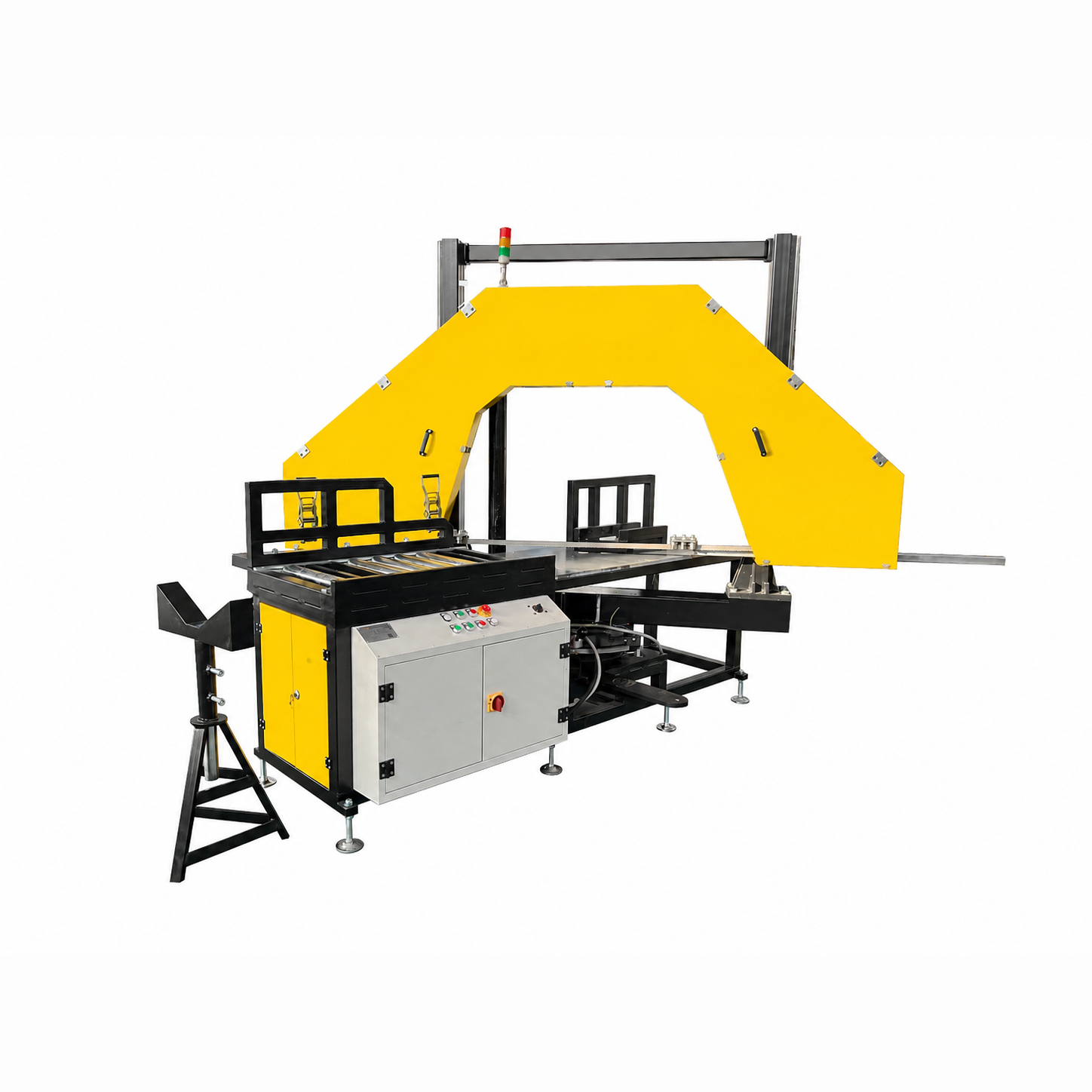
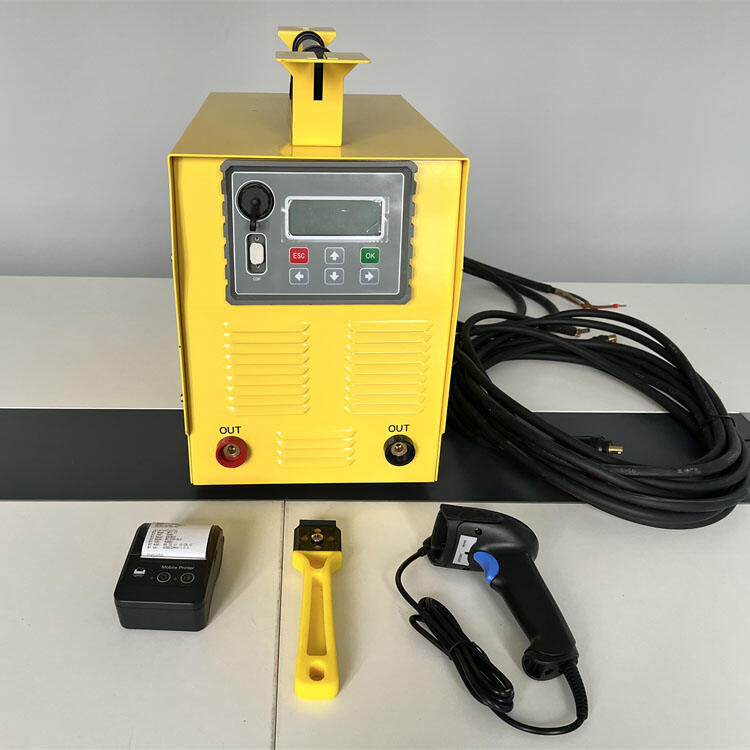
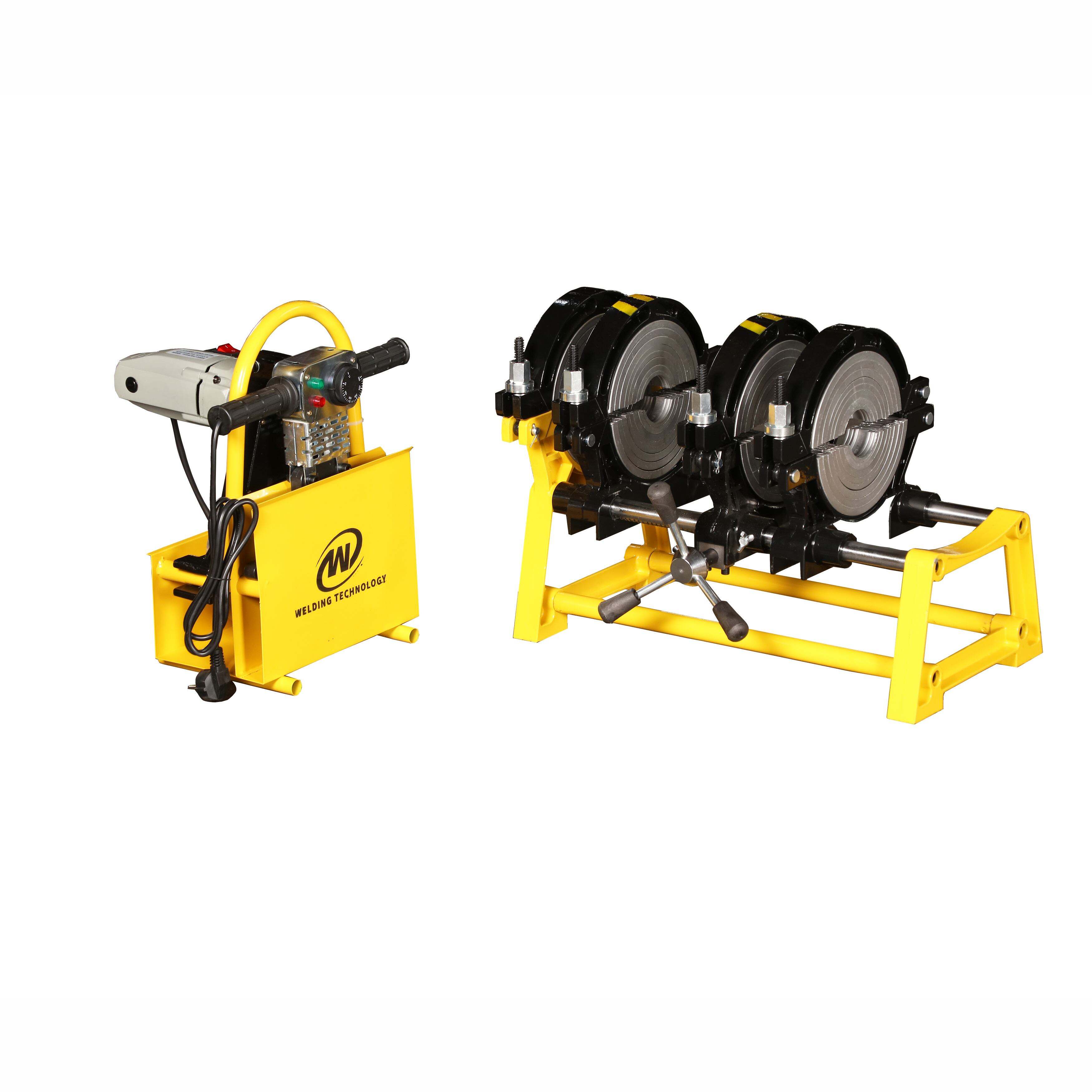
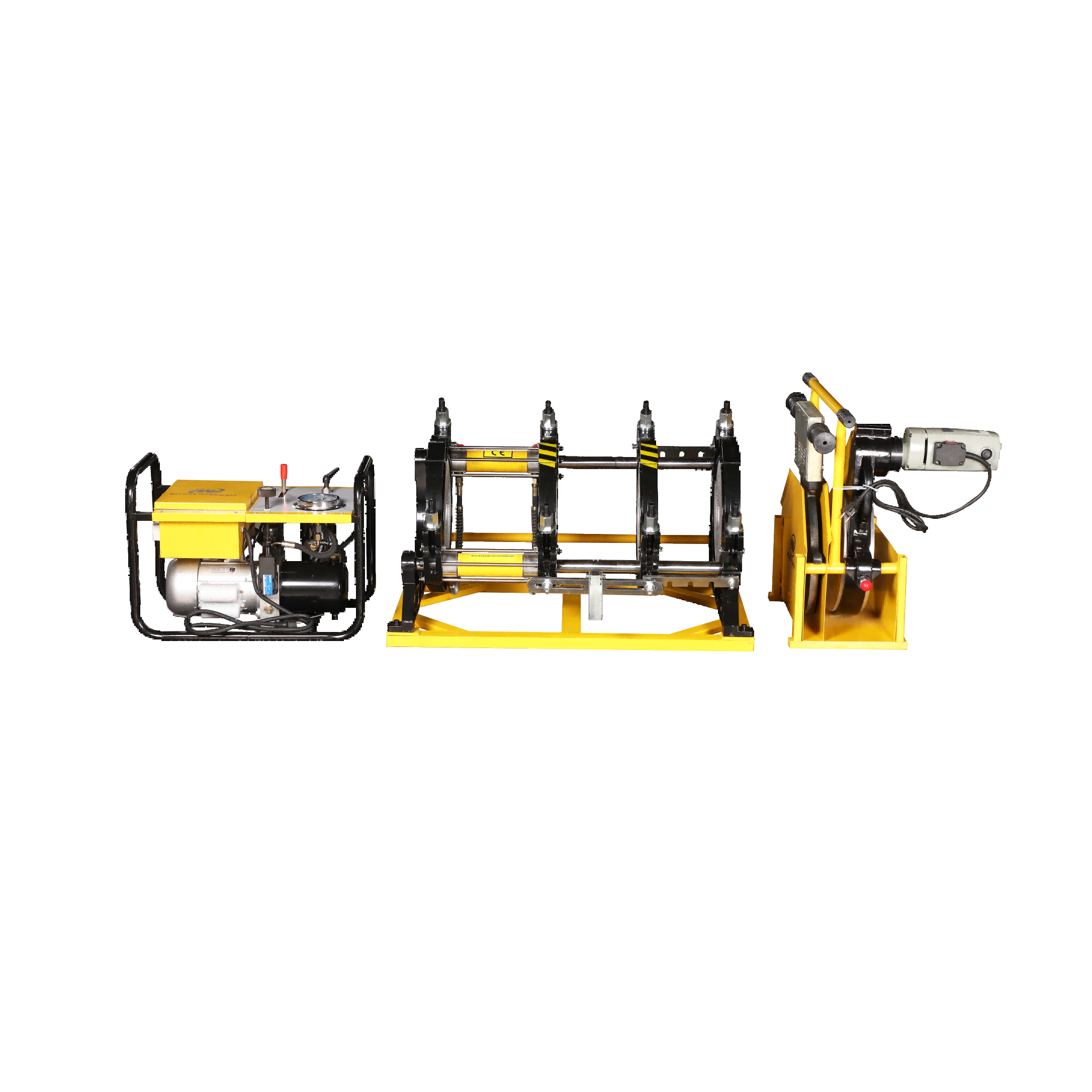
Plastic Pipe Fusion Machine - Professional Welding Equipment for Thermoplastic Pipeline Systems

Get a Free Quote

Our representative will contact you soon.
E-mail
Name
Mobile/WhatsApp
Company Name
Message
0/1000

plastic pipe fusion machine

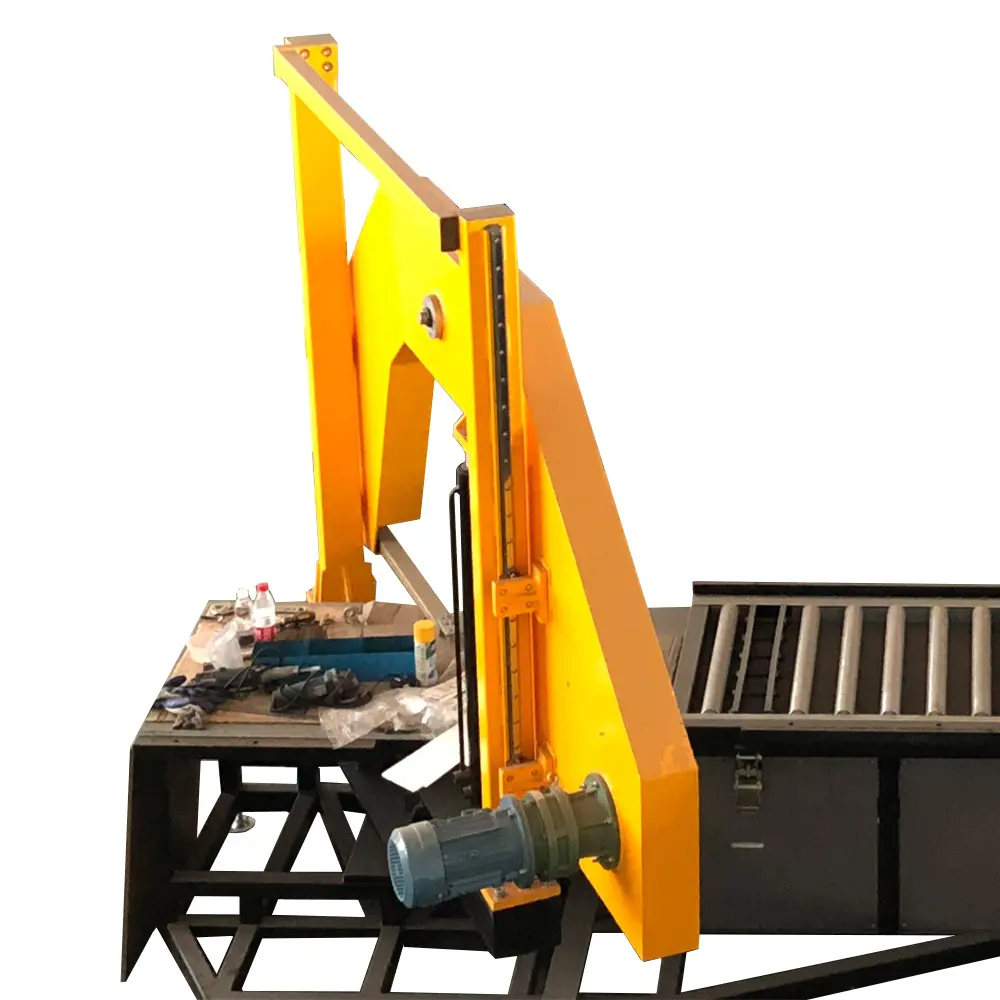
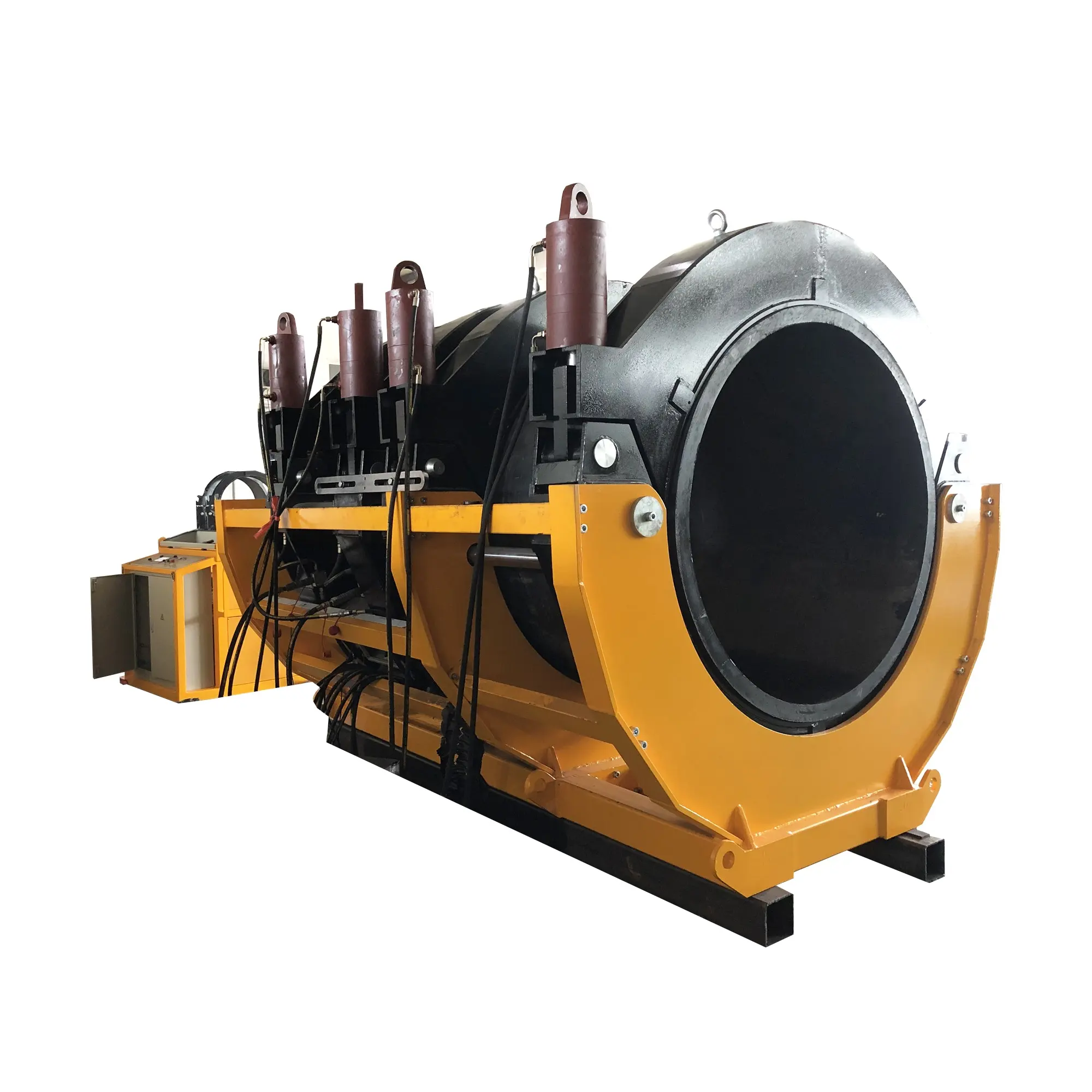
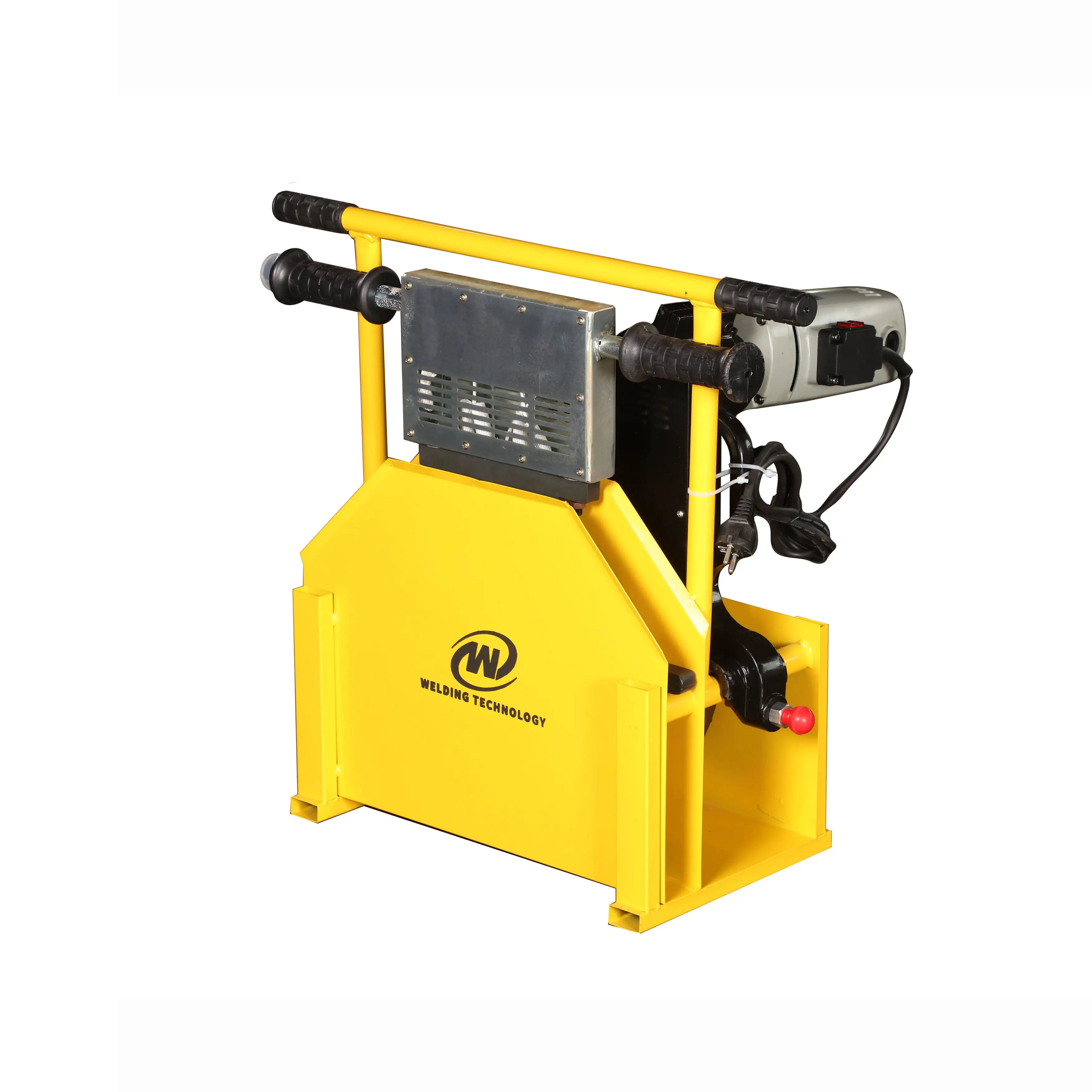
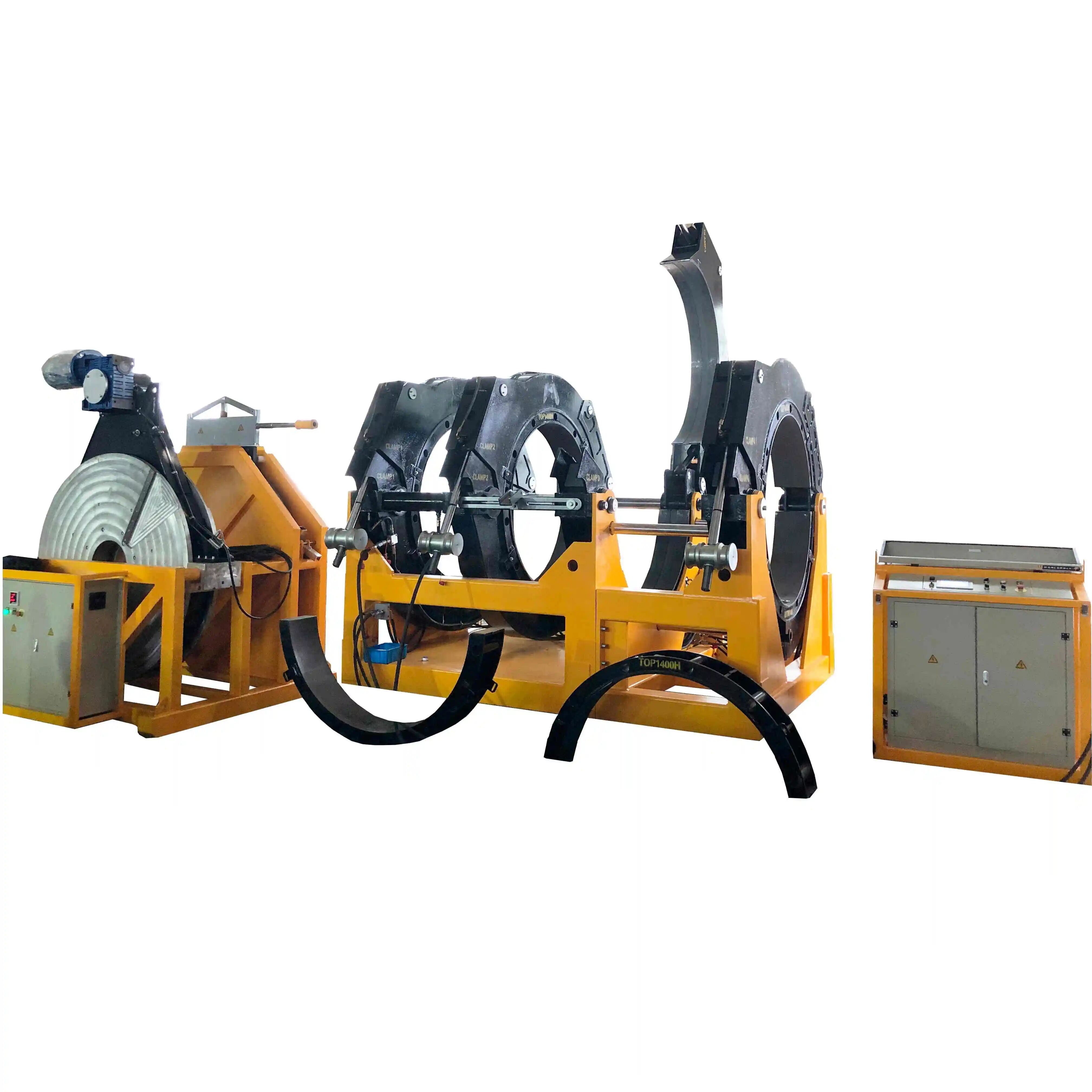
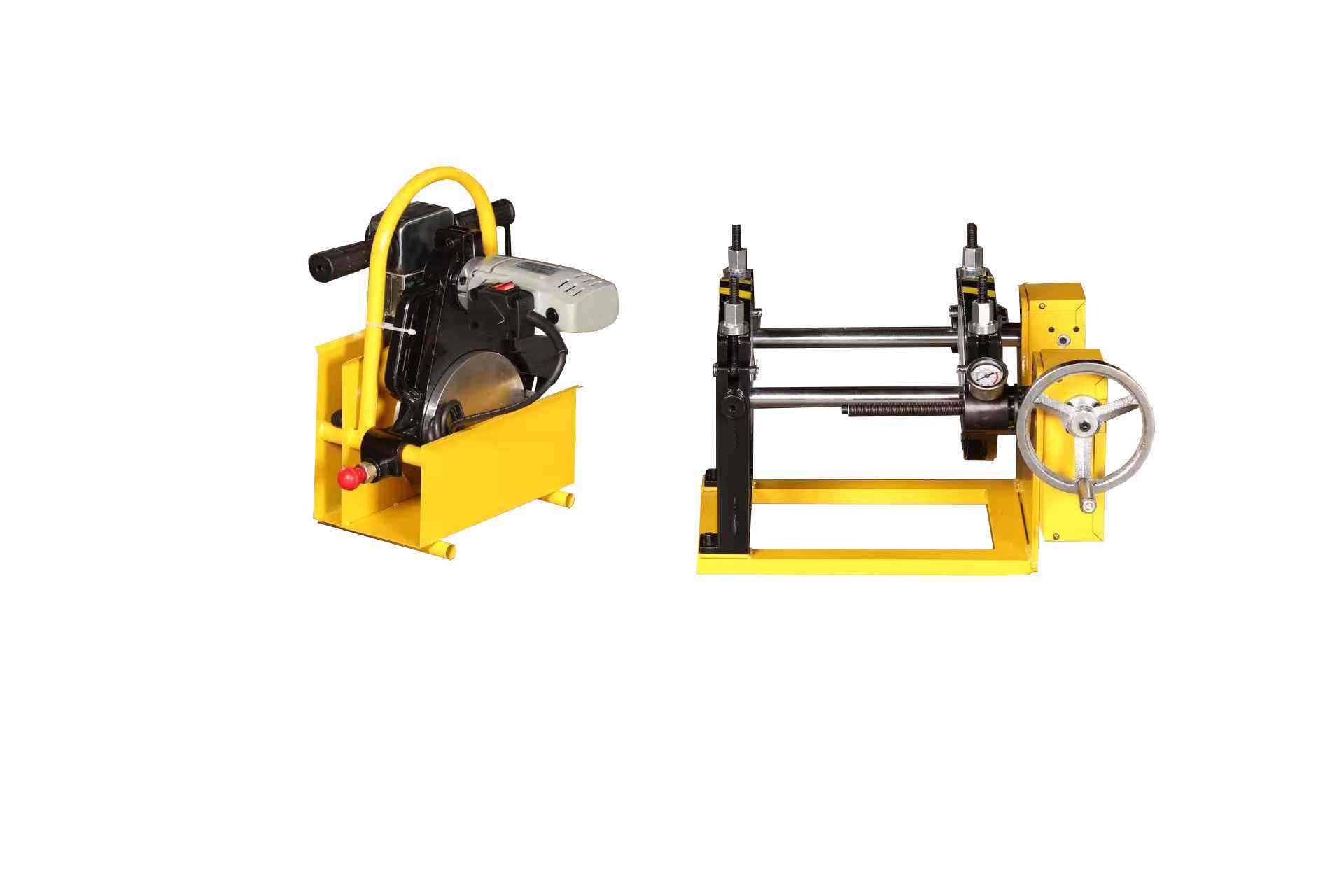
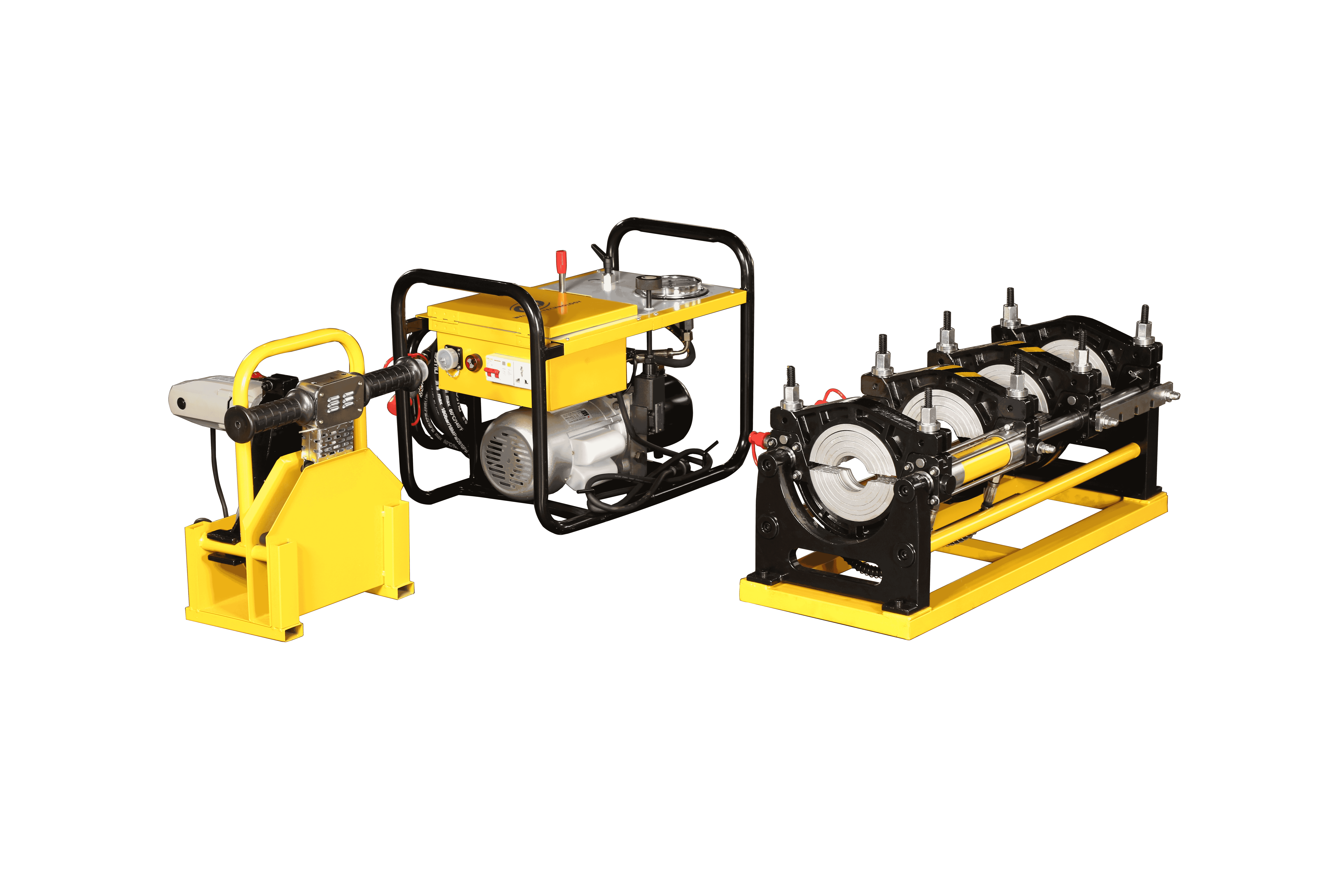
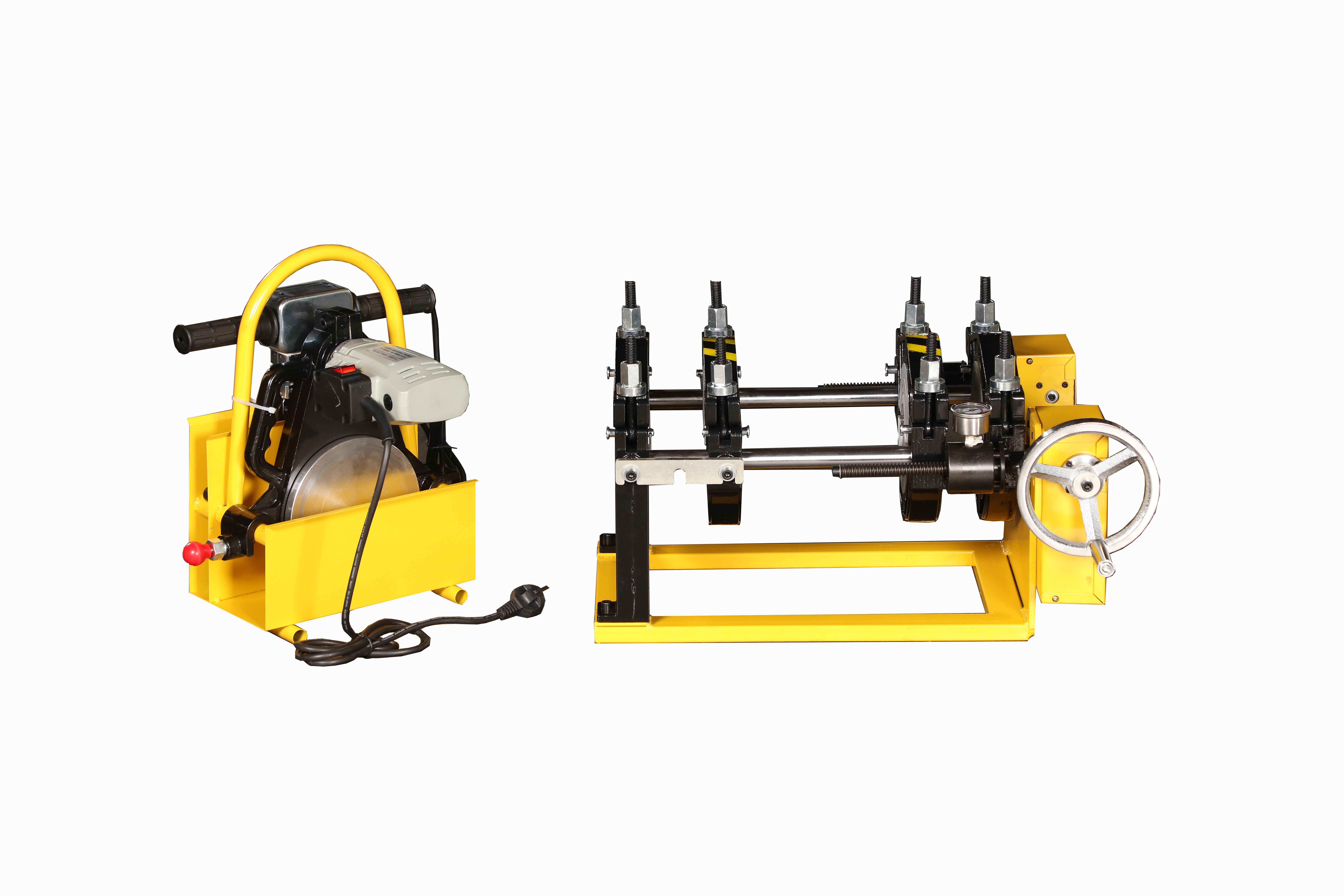
A plastic pipe fusion machine represents essential equipment in modern pipeline construction and installation projects. This specialized welding apparatus creates permanent, leak-proof connections between thermoplastic pipes through controlled heat application and pressure. The machine operates by heating pipe ends to their melting point, then joining them together to form a homogeneous bond that matches or exceeds the strength of the original pipe material. Industries ranging from water distribution and gas transmission to industrial process piping rely on these machines for creating durable infrastructure. The plastic pipe fusion machine accommodates various thermoplastic materials including polyethylene, polypropylene, and polybutylene pipes in multiple diameter ranges. Modern fusion equipment incorporates digital controls that monitor temperature, pressure, and timing parameters throughout the welding cycle. This precision ensures consistent joint quality across thousands of connections. The technology has evolved significantly from manual operations to semi-automatic and fully automatic systems that reduce operator error while increasing productivity. Hydraulic systems within the machine provide the necessary force to bring heated pipe ends together and maintain pressure during the cooling phase. Built-in data logging capabilities record each weld's parameters, providing quality assurance documentation for regulatory compliance and project records. The equipment design prioritizes portability for field applications while maintaining the stability required for precise alignment during fusion. Operators can transport compact models to remote locations, enabling pipeline installation in challenging terrain. The plastic pipe fusion machine delivers reliable performance across temperature extremes and environmental conditions, making it indispensable for utility contractors, municipal water departments, industrial facilities, and pipeline construction companies worldwide. Investment in quality fusion equipment pays dividends through reduced joint failures, lower maintenance costs, and extended pipeline service life.

New Product Recommendations

The plastic pipe fusion machine delivers substantial benefits that directly impact project timelines, budgets, and long-term system reliability. First and foremost, this equipment creates joints that are stronger than the pipe itself. Unlike mechanical connections that introduce weak points through fittings and gaskets, fusion welding produces a monolithic bond where the joined materials become one continuous piece. This eliminates potential leak points that plague threaded or glued connections, reducing maintenance calls and system downtime. The fusion process requires no consumables beyond electrical power, eliminating ongoing expenses for adhesives, solvents, primers, or mechanical fittings. This translates to significant cost savings on large projects where hundreds or thousands of connections are needed. The plastic pipe fusion machine operates quickly once operators master the technique, with typical butt fusion cycles completing in minutes rather than the extended curing times required by chemical bonding methods. This speed advantage compounds across project scope, enabling crews to complete installations faster and move to the next job. The welded joints resist chemical attack, ground movement, and thermal cycling better than alternative connection methods. They maintain integrity in corrosive soil conditions where metal fittings would deteriorate and in seismic zones where rigid mechanical connections might fail. The equipment's precision controls remove guesswork from the welding process. Operators simply input pipe material and diameter, and the machine automatically sets appropriate temperature, pressure, and timing parameters. This consistency ensures every joint meets quality standards regardless of individual operator experience levels. The plastic pipe fusion machine works in confined spaces and challenging positions where installing mechanical fittings would prove difficult or impossible. Crews can make connections in trenches, inside structures, or on temporary supports without needing extensive clearance for wrenches and fitting assembly. The fusion process generates minimal waste compared to cutting and fitting mechanical connections. Rejected welds can be cut out and re-welded using the same pipe sections, whereas failed mechanical joints often require complete fitting replacement. Modern machines include diagnostic features that alert operators to potential problems before they affect weld quality. Pressure sensors detect improper alignment, temperature monitors ensure adequate heating, and timer functions prevent premature or delayed joining. These safeguards protect project quality and reduce the costly rework associated with defective connections. The environmental benefits also merit consideration. Fusion welding produces no volatile organic compound emissions unlike solvent-based joining methods. The permanent, leak-free connections prevent product loss in chemical process applications and groundwater contamination in water and sewer systems.

Latest News

Why Is a Plastic Band Cutting Saw Important in Manufacturing?

20

Apr

Why Is a Plastic Band Cutting Saw Important in Manufacturing?

Modern manufacturing environments demand precision, efficiency, and reliability in every step of the production process, particularly when working with thermoplastic materials used in infrastructure, industrial piping, and specialized fabrication app...
View More
How Can a Pipe Welding Machine Ensure Reliable Pipe Connections?

28

Apr

How Can a Pipe Welding Machine Ensure Reliable Pipe Connections?

Reliable pipe connections form the backbone of critical infrastructure systems across water distribution networks, natural gas pipelines, industrial processing facilities, and municipal wastewater management operations. The integrity of these connect...
View More
Why Do Engineers Choose an HDPE Thermofusion Machine for Projects?

06

Apr

Why Do Engineers Choose an HDPE Thermofusion Machine for Projects?

Engineers working on pipeline infrastructure projects face critical decisions that affect long-term performance, project budgets, and operational reliability. Among the most consequential choices is the selection of joining equipment for high-density...
View More
How Can a Plastic Sheet Butt Welding Machine Ensure Strong Seams?

05

May

How Can a Plastic Sheet Butt Welding Machine Ensure Strong Seams?

The strength and integrity of welded plastic seams directly impact the performance, durability, and safety of countless industrial applications, from geomembranes in environmental containment to large-scale tank fabrication. Achieving consistently st...
View More

Get a Free Quote

Our representative will contact you soon.
E-mail
Name
Mobile/WhatsApp
Company Name
Message
0/1000

plastic pipe fusion machine

Precision Temperature Control for Perfect Welds Every Time

Precision Temperature Control for Perfect Welds Every Time

The advanced temperature management system integrated into modern plastic pipe fusion machines represents a critical technological achievement that separates professional-grade equipment from basic welding tools. This sophisticated control mechanism maintains heating plate temperatures within extremely narrow tolerances, typically plus or minus two degrees Celsius, throughout the entire fusion cycle. Such precision matters tremendously because different thermoplastic materials have specific melting point ranges where molecular chains achieve optimal flow and intermixing. Polyethylene requires heating to approximately 200 to 230 degrees Celsius depending on density grade, while polypropylene needs slightly higher temperatures. Exceeding these ranges causes material degradation that weakens joints, while insufficient heating prevents proper molecular bonding. The temperature control system employs multiple thermocouples embedded in the heating plate surface, continuously monitoring thermal distribution across the entire heating area. This multi-point sensing prevents hot spots and cold zones that could compromise weld quality. Microprocessor-based controllers process this thermal data in real-time, adjusting heating element output to maintain uniform temperature despite variations in ambient conditions, power supply fluctuations, or heat loss to pipe materials. The system compensates automatically when operators work in cold weather or when fusing large-diameter pipes that act as heat sinks. Visual displays provide operators with instant feedback on current temperature status, while audible alerts signal when the heating plate reaches the target temperature and when pipes have absorbed sufficient heat. This eliminates guesswork and prevents the common error of rushing the heating phase. The plastic pipe fusion machine's temperature control extends to the cooling phase as well. After joining, the system monitors the weld zone temperature and calculates the minimum cooling time required before removing external pressure. Releasing pressure prematurely while the joint remains molten can cause internal voids or misalignment. The controller prevents this by locking the hydraulic system until safe handling temperature is reached. Documentation features record the complete thermal profile of each weld, creating a permanent quality record that proves regulatory compliance and provides troubleshooting data if joint performance questions arise years after installation. This traceability gives project owners confidence in their infrastructure investments and protects contractors from unwarranted liability claims.
Hydraulic Alignment and Pressure Systems for Structural Integrity

Hydraulic Alignment and Pressure Systems for Structural Integrity

The hydraulic system powering a plastic pipe fusion machine performs multiple critical functions that directly determine joint quality and long-term reliability. This sophisticated mechanical assembly must accomplish three distinct tasks with precision: initial alignment of pipe ends, application of controlled interface pressure during heating, and maintenance of joining force throughout the cooling cycle. The alignment mechanism represents the foundation of quality fusion welding. Even minor angular misalignment between pipe ends, measured in fractions of a degree, can create stress concentrations in the finished joint that eventually lead to premature failure. The plastic pipe fusion machine employs rigid guide rails or clamps that secure pipes in perfect coaxial alignment before any heating begins. Hydraulic actuators provide fine adjustment capability, allowing operators to achieve alignment tolerances typically within 0.5 millimeters of offset for standard applications. This level of precision ensures uniform wall thickness around the entire joint circumference and prevents the formation of thin sections that could become weak points. During the heating phase, the hydraulic system applies light contact pressure between pipe ends and the heating plate. This pressure must be sufficient to ensure complete surface contact for even heat transfer, yet gentle enough to avoid excessive material displacement or deformation. Variable pressure control allows the system to adjust force based on pipe diameter and wall thickness. Larger pipes require greater force to overcome their structural stiffness, while thin-walled pipes need reduced pressure to prevent crushing. The fusion phase demands precise pressure application as the critical step in creating molecular bonding. The plastic pipe fusion machine's hydraulic system rapidly removes the heating plate and brings molten pipe ends together with controlled force. This joining pressure must be high enough to squeeze out surface contaminants and oxidized material while forcing molecular chains to intermingle across the joint interface, yet not so high as to expel excessive molten material and create a weak, thin joint. Pressure transducers monitor the actual force applied, with feedback control maintaining the target pressure throughout the hold time. Modern systems include safety interlocks that prevent operation if hydraulic pressure falls below minimum thresholds or if system leaks develop. Regular calibration features ensure long-term accuracy, and maintenance alerts notify operators when hydraulic fluid changes or filter replacements are due.
Portable Design Enabling On-Site Installation Flexibility

Portable Design Enabling On-Site Installation Flexibility

The engineering philosophy behind contemporary plastic pipe fusion machine design emphasizes field portability without compromising the precision and power required for professional welding operations. This balance addresses the fundamental challenge facing pipeline contractors: installations occur wherever infrastructure is needed, often in locations far from workshop facilities and power infrastructure. The modular construction approach allows crews to transport equipment to remote job sites, set up quickly, and begin productive welding with minimal preparation. Compact frame designs minimize the footprint required for operation, enabling work in confined trenches, inside buildings, or on congested construction sites where space is at a premium. The plastic pipe fusion machine incorporates carrying handles, wheels, or even dedicated transport frames that facilitate movement by small crews without requiring heavy lifting equipment. Weight optimization through advanced materials and efficient structural design produces machines that one or two workers can position and relocate as the pipeline installation progresses. This mobility eliminates the productivity losses associated with bringing pipe sections to a stationary welding location, cutting and testing them, then transporting completed assemblies back to the installation point. Instead, welding occurs exactly where joints are needed, reducing handling damage risks and accelerating project completion. Power flexibility enhances field utility significantly. While many plastic pipe fusion machines operate on standard electrical supplies, manufacturers offer models with diesel or gasoline generators for locations without grid access. Some equipment features wide voltage tolerance, functioning properly on supplies ranging from 200 to 240 volts, accommodating international power standards and temporary construction power with voltage fluctuations. Battery-powered systems have emerged for the smallest diameter ranges, providing complete independence from external power for maintenance work and emergency repairs. The rugged construction employed in field-grade fusion equipment withstands the harsh conditions typical of construction environments. Sealed electrical enclosures protect control systems from dust, moisture, and physical impact. Corrosion-resistant materials and protective coatings ensure long service life despite exposure to mud, chemicals, and weather extremes. The plastic pipe fusion machine's heating plates feature quick-release mounting systems that allow rapid changes when switching between pipe materials or when replacing worn components. Tool-free adjustments let operators reconfigure the machine for different pipe diameters without carrying extensive tool kits to job sites. Integrated storage compartments keep essential accessories, cleaning materials, and documentation organized and protected during transport. This thoughtful design consideration reduces setup time and prevents the frustrating delays caused by missing tools or supplies. The combination of portability, durability, and operational flexibility makes modern fusion equipment an invaluable asset for contractors serving diverse markets from urban utility installation to rural infrastructure development and industrial plant construction.


Get a Free Quote

Our representative will contact you soon.
E-mail
Name
Mobile/WhatsApp
Company Name
Message
0/1000