Professional Fusion Pipe Machine Solutions - Advanced Thermoplastic Pipe Welding Equipment

Get a Free Quote

Our representative will contact you soon.
E-mail
Name
Mobile/WhatsApp
Company Name
Message
0/1000

fusion pipe machine

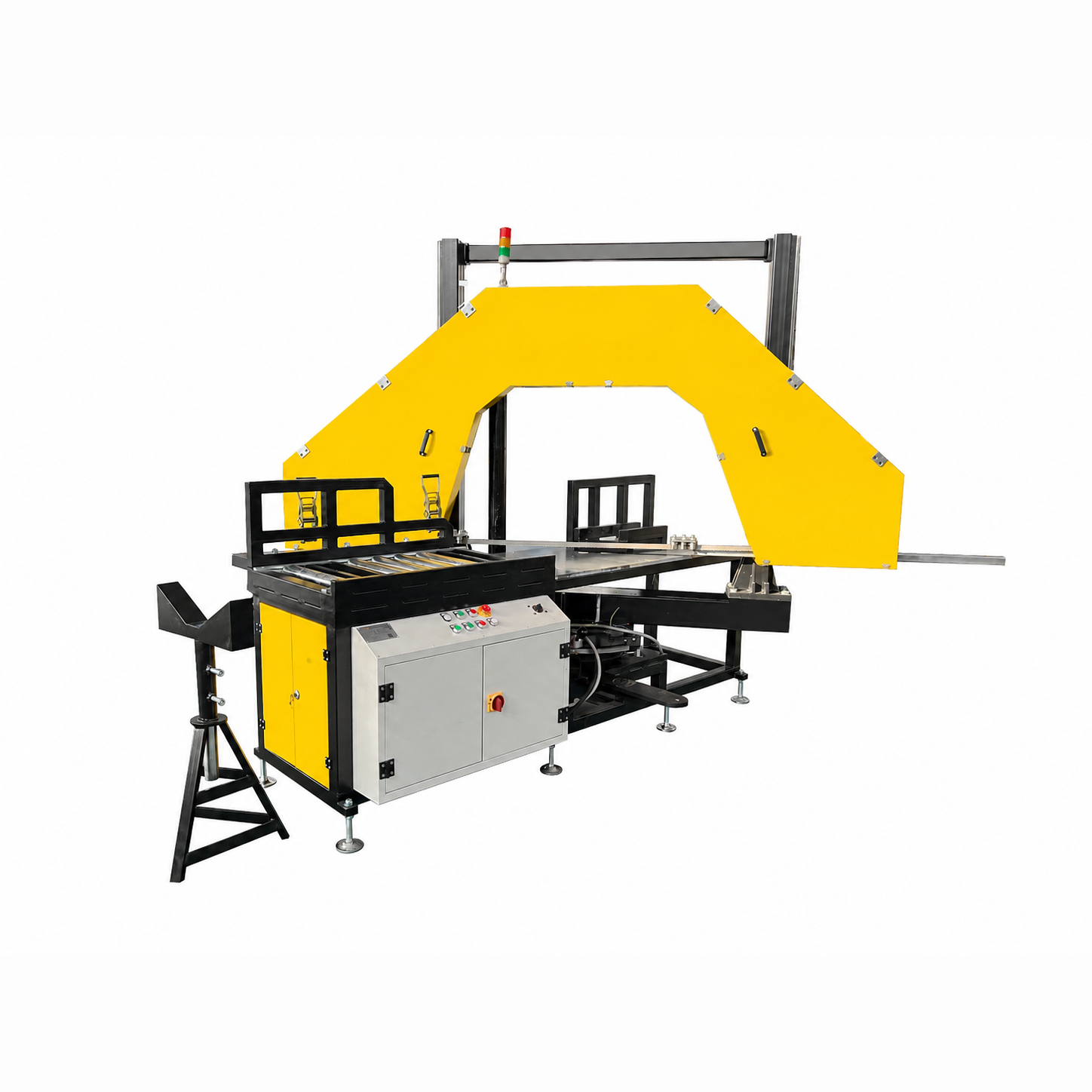
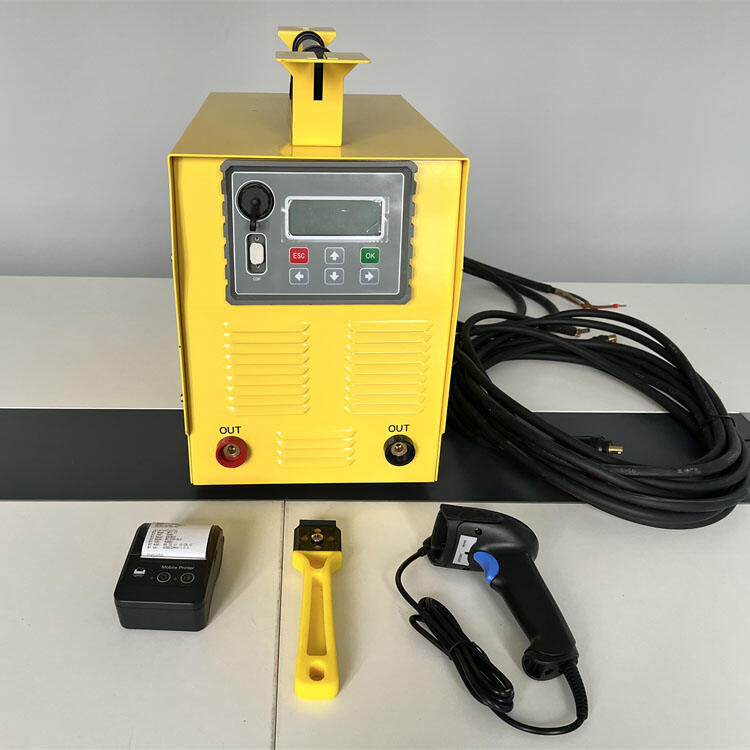
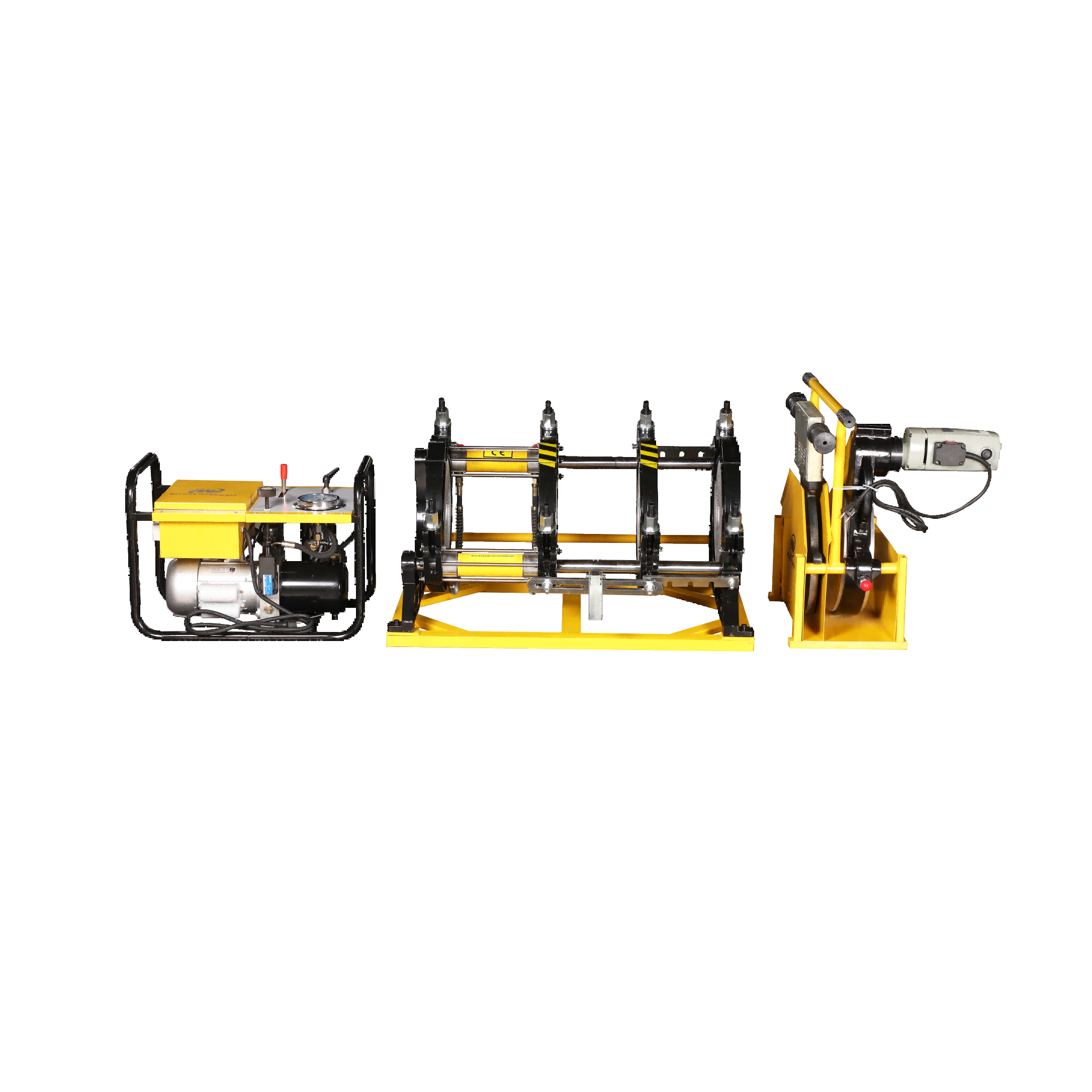
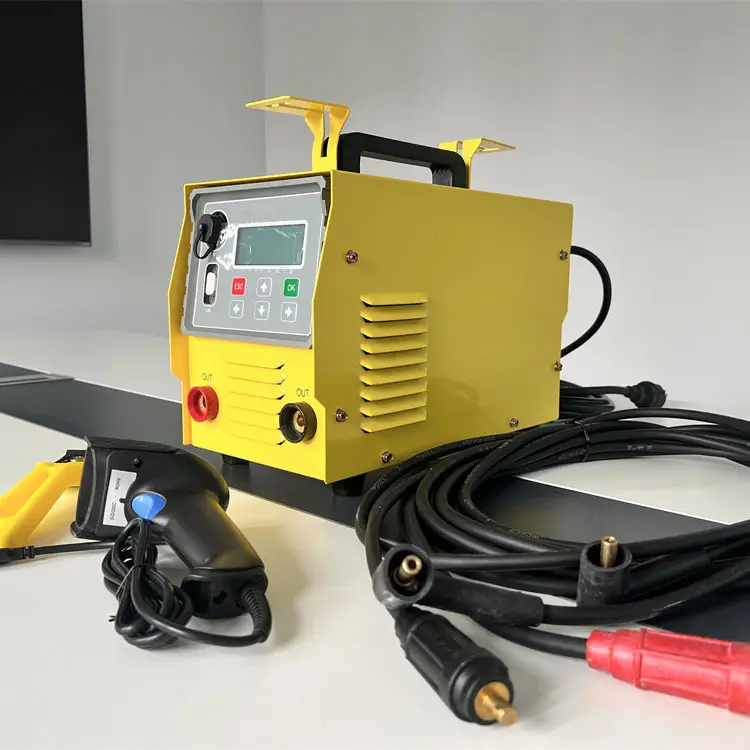
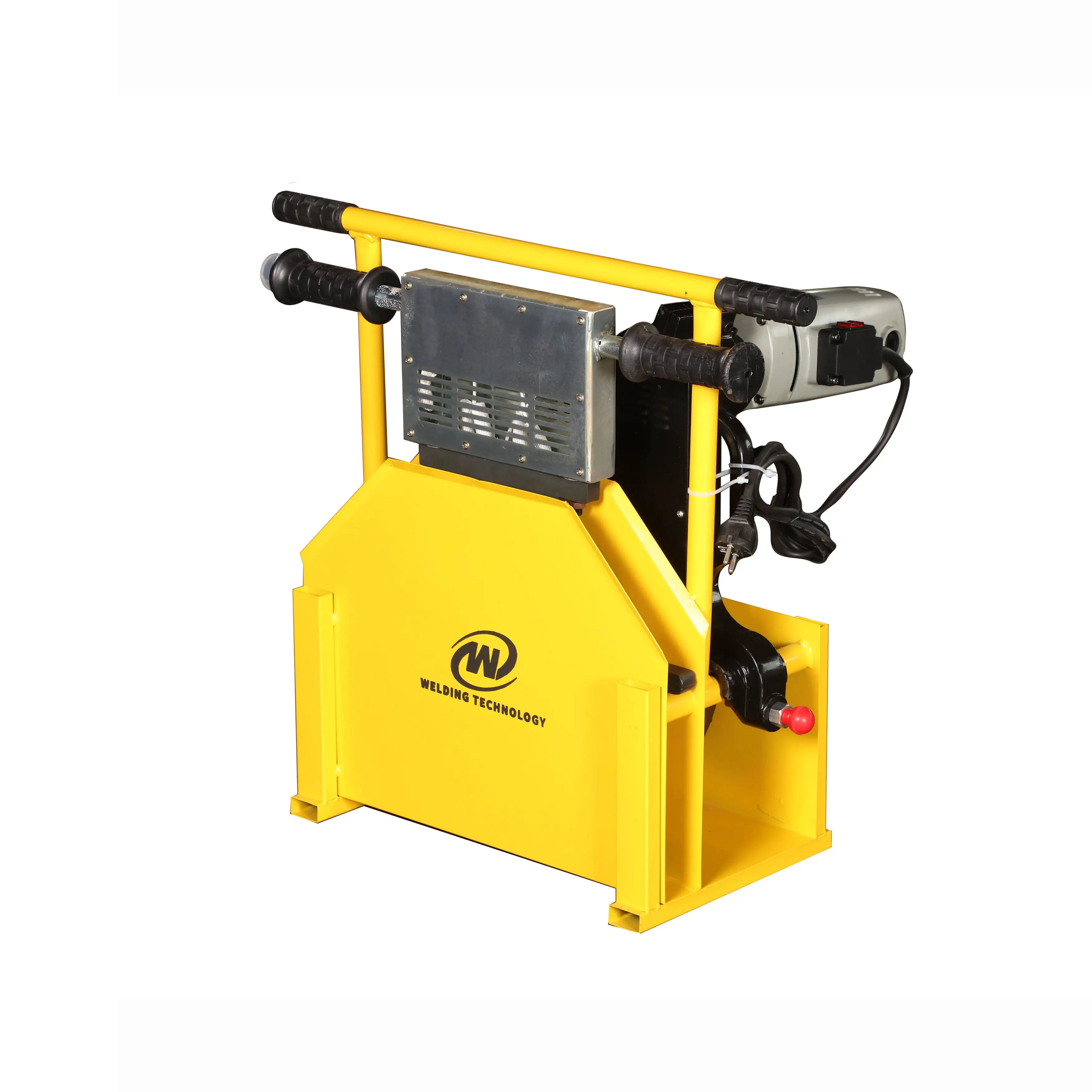
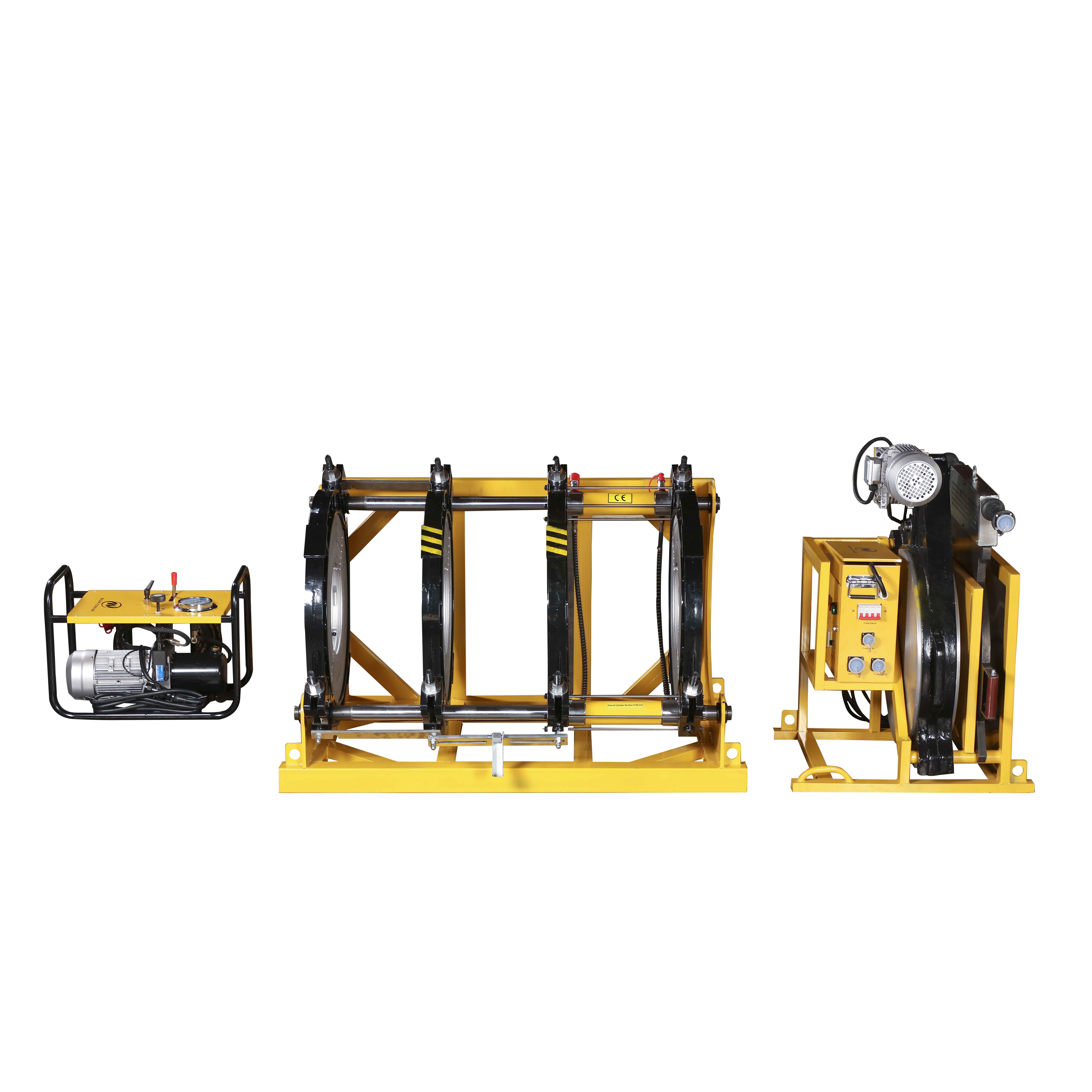
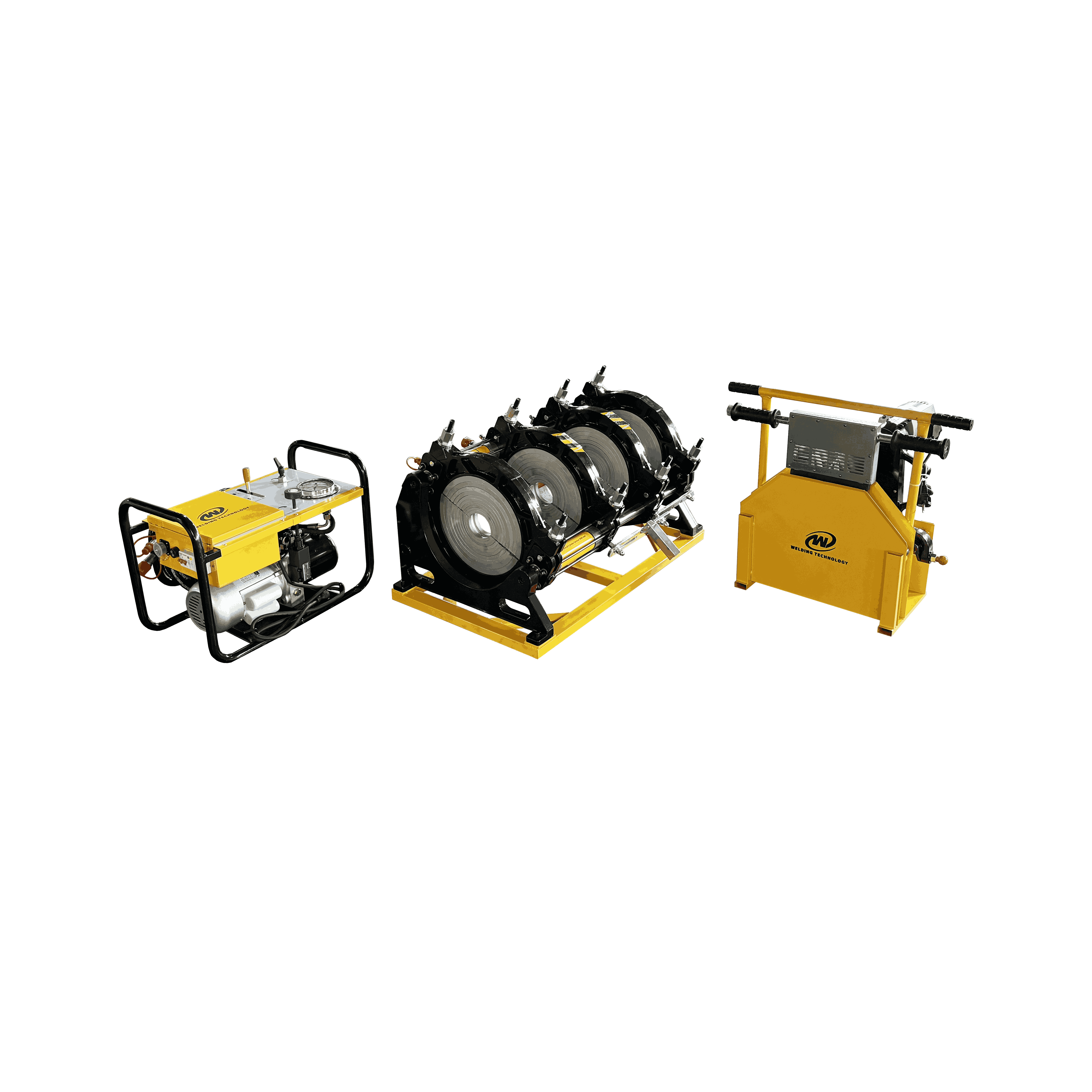
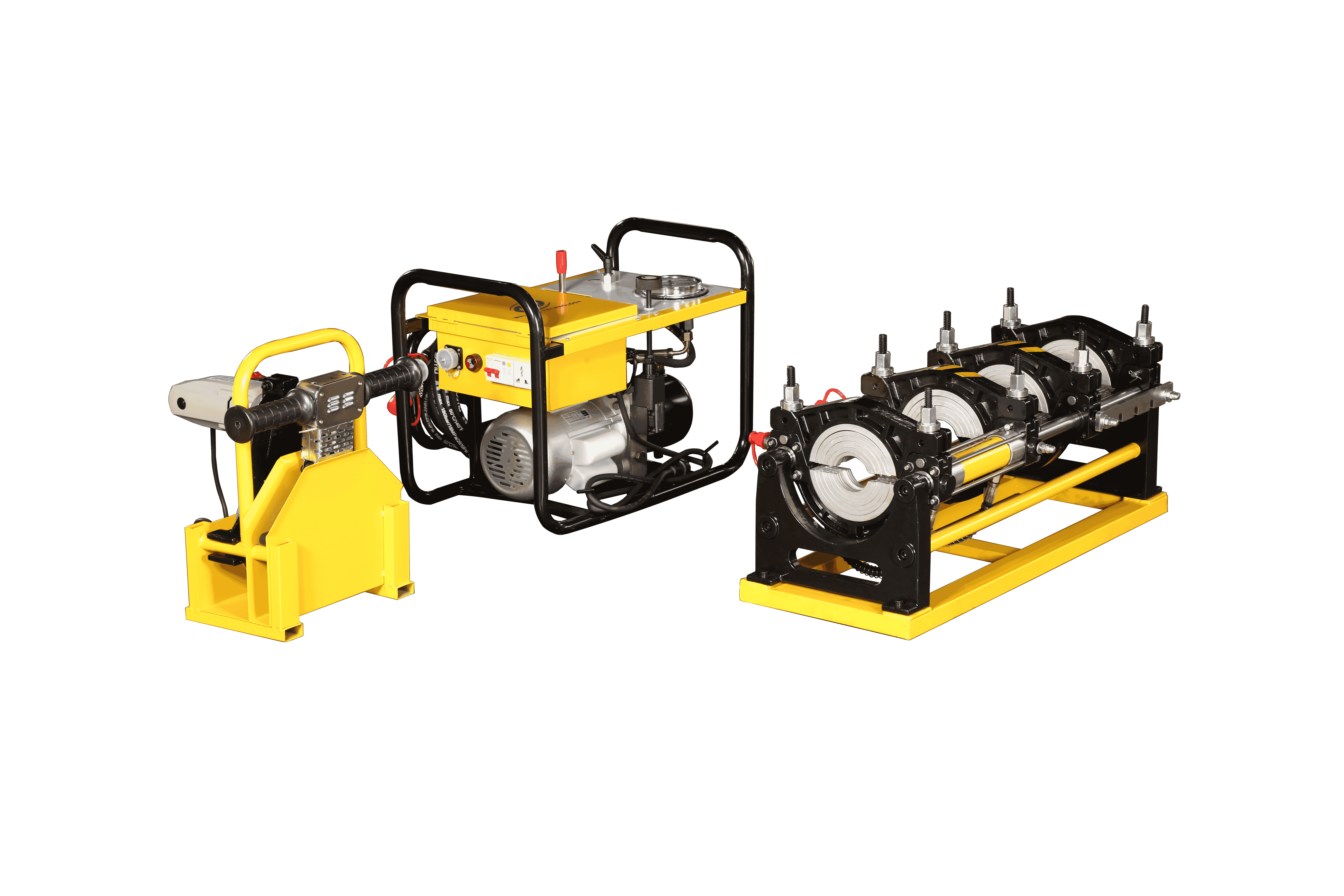
A fusion pipe machine represents specialized welding equipment designed to join thermoplastic pipes through heat fusion processes. This sophisticated apparatus creates permanent, leak-proof connections by heating pipe ends to their melting point and pressing them together under controlled pressure. The technology serves critical infrastructure projects including water distribution systems, gas pipelines, industrial processing facilities, and municipal sewage networks. Modern fusion pipe machines incorporate digital controls that monitor temperature, pressure, and timing parameters throughout the welding cycle. These systems ensure consistent joint quality regardless of operator experience level. The equipment accommodates various pipe diameters ranging from small residential connections to large-diameter industrial applications. Core components include heating plates with non-stick coatings, hydraulic pressure systems, and alignment fixtures that maintain precise pipe positioning during the fusion process. Advanced models feature data logging capabilities that record welding parameters for quality assurance documentation and regulatory compliance. The fusion pipe machine operates through a systematic procedure involving pipe preparation, heating, removal of the heating element, and joining under specified pressure until the joint cools completely. This method produces joints that match or exceed the strength of the parent pipe material. The technology has evolved significantly from manual operations requiring skilled judgment to automated systems that execute programmed welding cycles. Contemporary fusion pipe machines integrate safety features including emergency stop mechanisms, operator shields, and automatic shut-off systems that prevent accidents during operation. The equipment supports both butt fusion and electrofusion techniques depending on project requirements and pipe specifications. Material compatibility extends across polyethylene, polypropylene, and other thermoplastic pipe materials commonly used in modern infrastructure. The fusion pipe machine has become indispensable for contractors and utility companies seeking reliable, long-lasting pipe connections that withstand decades of service under demanding conditions.


New Product Releases

The fusion pipe machine delivers substantial cost savings by eliminating expensive fittings, couplings, and adhesives required by traditional joining methods. Projects benefit from reduced material expenses while achieving superior connection quality. Installation crews complete work faster because the welding process takes minutes rather than hours needed for mechanical coupling systems. This efficiency translates directly into lower labor costs and shorter project timelines. The equipment creates joints with exceptional structural integrity that resist separation under high pressure, temperature fluctuations, and ground movement. These connections maintain their strength over decades without degradation, reducing maintenance expenses and system failures. Operators require minimal training to achieve professional results because automated controls manage critical parameters. The technology removes guesswork from the welding process, ensuring consistent outcomes across different work sites and crew members. Environmental benefits include zero chemical emissions during operation since the process relies purely on heat and pressure. No toxic adhesives or solvents enter the work environment, protecting both workers and surrounding ecosystems. The fusion pipe machine adapts to diverse working conditions including remote locations, confined spaces, and extreme weather environments. Portable models enable field operations without requiring extensive support infrastructure. Projects maintain continuous workflow because the equipment operates independently of external utility connections in many configurations. Quality assurance becomes straightforward through visual inspection and documentation of welding parameters. Each joint receives verification before system pressurization, preventing costly failures after installation completion. The technology supports sustainable construction practices by creating permanent connections that eliminate leak points common in mechanical joining systems. Water conservation efforts benefit particularly from this reliability in distribution networks. Maintenance requirements remain minimal with routine cleaning and occasional replacement of heating plate surfaces representing the primary service needs. This low-maintenance characteristic ensures maximum equipment availability throughout demanding construction schedules. The fusion pipe machine accommodates repairs and modifications years after initial installation, allowing system expansions without compromising existing infrastructure. Contractors build reputation and win contracts based on the proven reliability this welding technology delivers. Insurance costs decrease when projects utilize fusion welding because the reduced failure rate lowers liability exposure. The equipment investment recovers quickly through improved productivity and reduced material waste. Modern digital systems provide traceability that satisfies regulatory requirements across municipal, industrial, and commercial applications. This documentation capability protects contractors from liability claims while demonstrating compliance with industry standards.

Latest News

Why Is a Plastic Band Cutting Saw Important in Manufacturing?

20

Apr

Why Is a Plastic Band Cutting Saw Important in Manufacturing?

Modern manufacturing environments demand precision, efficiency, and reliability in every step of the production process, particularly when working with thermoplastic materials used in infrastructure, industrial piping, and specialized fabrication app...
View More
How Does a Plastic Pipe Electric Fusion Welder Improve Connection Strength?

03

Apr

How Does a Plastic Pipe Electric Fusion Welder Improve Connection Strength?

In industrial piping systems, the integrity of connections directly determines operational safety, longevity, and performance. Traditional mechanical joining methods such as threading, clamping, or adhesive bonding often introduce vulnerabilities inc...
View More
What Is an HDPE Thermofusion Welding Machine Used for in Pipelines?

09

Jun

What Is an HDPE Thermofusion Welding Machine Used for in Pipelines?

When engineers and project managers plan modern pipeline infrastructure, the method used to join pipe segments is just as critical as the material chosen for the pipes themselves. An HDPE thermofusion welding machine is at the center of this process,...
View More
How Can a Plastic Band Cutting Saw Ensure Accurate Cutting Results?

30

Jun

How Can a Plastic Band Cutting Saw Ensure Accurate Cutting Results?

In plastic fabrication and industrial processing environments, precision is not a luxury — it is a baseline requirement. A plastic band cutting saw is one of the most reliable tools available when consistent, clean, and accurate cuts are the goal. Wh...
View More

Get a Free Quote

Our representative will contact you soon.
E-mail
Name
Mobile/WhatsApp
Company Name
Message
0/1000

fusion pipe machine

Precision Temperature Control Systems

Precision Temperature Control Systems

Modern fusion pipe machines incorporate sophisticated temperature management systems that represent a fundamental advancement over previous welding technologies. These precision control mechanisms monitor heating plate temperatures continuously using advanced sensors that detect variations within fractions of a degree. The system automatically adjusts power delivery to maintain optimal melting temperatures specific to different thermoplastic materials. This capability proves essential because each pipe material requires distinct temperature profiles to achieve proper molecular bonding. Polyethylene pipes demand different heating parameters than polypropylene, and the fusion pipe machine adapts accordingly through programmable settings. The temperature control interface displays real-time readings that operators verify before initiating the welding cycle. Digital systems store temperature data throughout each joint creation, providing permanent records for quality documentation. This traceability satisfies stringent regulatory requirements in critical applications such as potable water systems and natural gas distribution networks. The heating plates feature specialized coatings that prevent pipe material from adhering during the melting phase, ensuring clean separation when removed from between pipe ends. These non-stick surfaces maintain their properties through hundreds of welding cycles before requiring replacement. Temperature uniformity across the entire heating plate surface ensures consistent melting regardless of pipe diameter or wall thickness. Advanced models incorporate multiple heating zones that compensate for heat loss at plate edges, delivering uniform energy distribution. The fusion pipe machine protects against overheating through automatic shutdown systems that activate if temperatures exceed safe parameters. This safety feature prevents material degradation that could compromise joint integrity. Conversely, the equipment alerts operators if temperatures fall below minimum thresholds, preventing incomplete fusion that creates weak connections. The precision achieved by modern temperature control systems eliminates the trial-and-error approach that characterized earlier welding methods. Operators no longer rely on visual assessment or manual timing to determine proper heating duration. Instead, the fusion pipe machine executes programmed cycles that deliver repeatable results across diverse environmental conditions. This consistency proves particularly valuable in large-scale projects where numerous joints must meet identical quality standards.
Hydraulic Pressure Management

Hydraulic Pressure Management

The hydraulic pressure system integrated into fusion pipe machines provides the controlled force necessary to create molecular bonds between heated pipe surfaces. This sophisticated mechanism applies precise pressure levels throughout the joining sequence, ensuring optimal contact between molten pipe ends. Engineers have calibrated these systems to deliver force appropriate for different pipe diameters and wall thicknesses. Small-diameter residential pipes require less pressure than large industrial applications, and the fusion pipe machine adjusts accordingly through operator input or automated settings. The hydraulic components include cylinders, valves, and pressure gauges that work together to maintain consistent force application. During the initial contact phase, the system applies light pressure to ensure proper alignment before increasing force to specified levels. This graduated approach prevents pipe deformation while maximizing surface contact area. Pressure monitoring occurs continuously throughout the cooling cycle, maintaining force as the thermoplastic material solidifies. This sustained pressure proves critical for joint strength because it keeps molecular chains engaged during crystallization. The fusion pipe machine incorporates pressure relief systems that prevent excessive force application that could damage pipes or create stress concentrations. Safety valves activate automatically if pressure exceeds design parameters, protecting both equipment and workpieces. Visual indicators and audible alarms alert operators to pressure anomalies requiring attention. The hydraulic system design ensures smooth, vibration-free operation that prevents disturbances during the critical cooling phase. Any movement between pipe ends during solidification could create weaknesses in the fusion zone. Modern equipment achieves this stability through precision-machined components and dampening systems. Pressure data logging provides documentation of force application throughout each welding cycle. This information proves valuable for quality assurance programs and troubleshooting if joint failures occur during testing. The fusion pipe machine maintains pressure consistency regardless of ambient temperature variations or power fluctuations. This reliability stems from closed-loop control systems that monitor actual pressure and adjust hydraulic flow accordingly. Operators benefit from simplified controls that translate complex hydraulic parameters into straightforward settings based on pipe specifications. This user-friendly approach enables crews to achieve professional results without extensive hydraulic system knowledge.
Automated Alignment and Positioning

Automated Alignment and Positioning

Precision alignment capabilities distinguish professional fusion pipe machines from basic welding equipment. These systems incorporate mechanical fixtures that hold pipes in perfect axial alignment throughout the heating and joining process. Proper positioning proves essential because even minor misalignment creates stress concentrations that reduce joint longevity. The alignment mechanism consists of adjustable clamps that accommodate various pipe diameters while maintaining concentricity. Operators secure pipes in these fixtures before initiating the welding cycle, and the fusion pipe machine maintains position automatically through completion. Advanced models feature self-centering clamps that eliminate manual adjustment, reducing setup time significantly. These automated systems use spring-loaded mechanisms or hydraulic actuators to center pipes based on outside diameter measurements. The equipment verifies alignment through integrated sensors that detect angular deviations exceeding tolerance specifications. Visual or audible alerts notify operators of alignment issues requiring correction before welding begins. This proactive approach prevents wasted time and materials from rejected joints discovered during quality inspection. The fusion pipe machine incorporates linear guides that ensure smooth, controlled movement when bringing heated pipe ends together. These precision rails eliminate lateral play that could disrupt proper fusion. During the joining phase, the alignment system maintains exact positioning as hydraulic pressure compresses the molten pipe ends. This stability throughout the cooling cycle ensures uniform fusion zone formation. The equipment accommodates pipes with slight diameter variations through adjustable clamping pressure that secures without deforming. This flexibility proves valuable when working with pipes from different manufacturers or production batches. Alignment verification becomes straightforward through visual inspection ports that allow operators to confirm proper positioning before welding. Some advanced systems incorporate laser alignment guides that project reference lines onto pipe surfaces. The fusion pipe machine supports both horizontal and vertical pipe orientations through adjustable fixture configurations. This versatility enables installations in diverse situations including overhead work and confined excavations. Repeatability represents another key advantage of automated alignment systems. Each joint receives identical positioning regardless of operator technique variations, ensuring consistent quality across entire projects. The equipment design facilitates rapid pipe changes between welding cycles, maintaining productivity on projects requiring numerous connections. Quick-release mechanisms allow operators to remove completed joints and install new pipe sections efficiently. Documentation systems capture alignment data alongside temperature and pressure information, creating comprehensive records of welding parameters for each connection.

Get a Free Quote

Our representative will contact you soon.
E-mail
Name
Mobile/WhatsApp
Company Name
Message
0/1000