Professional Fusion Welding Machine Solutions - Advanced Technology for Superior Material Joining

Get a Free Quote

Our representative will contact you soon.
E-mail
Name
Mobile/WhatsApp
Company Name
Message
0/1000

fusion welding machine

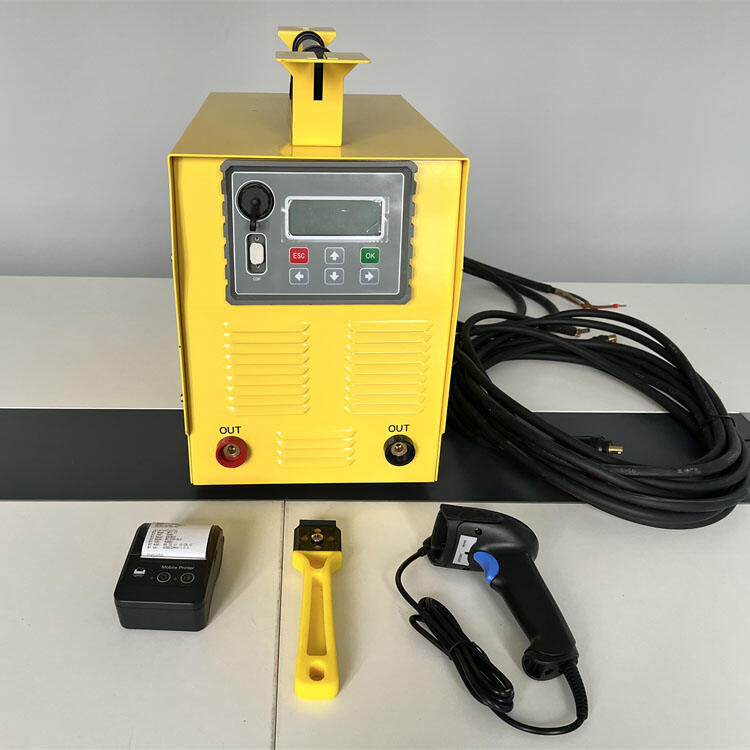
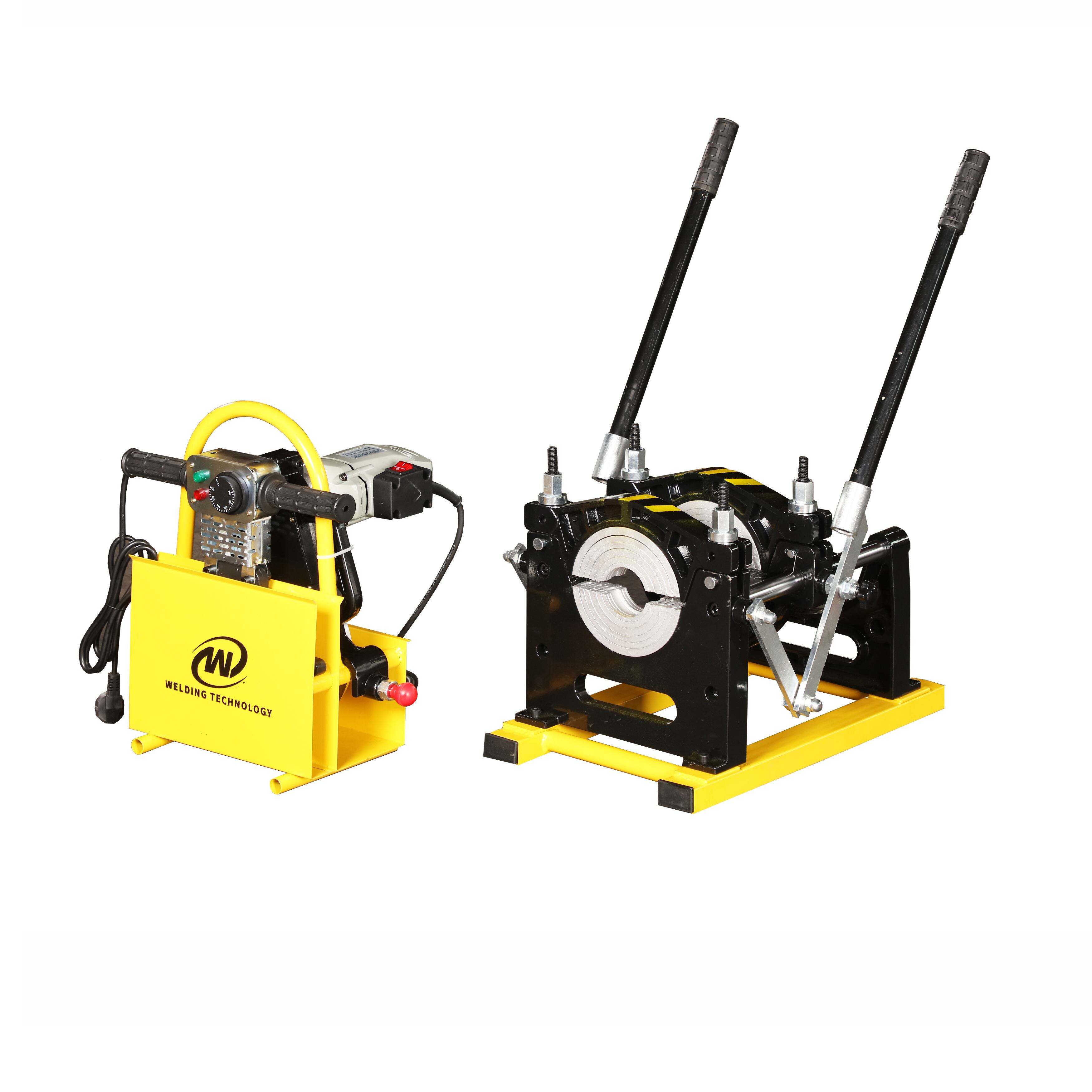
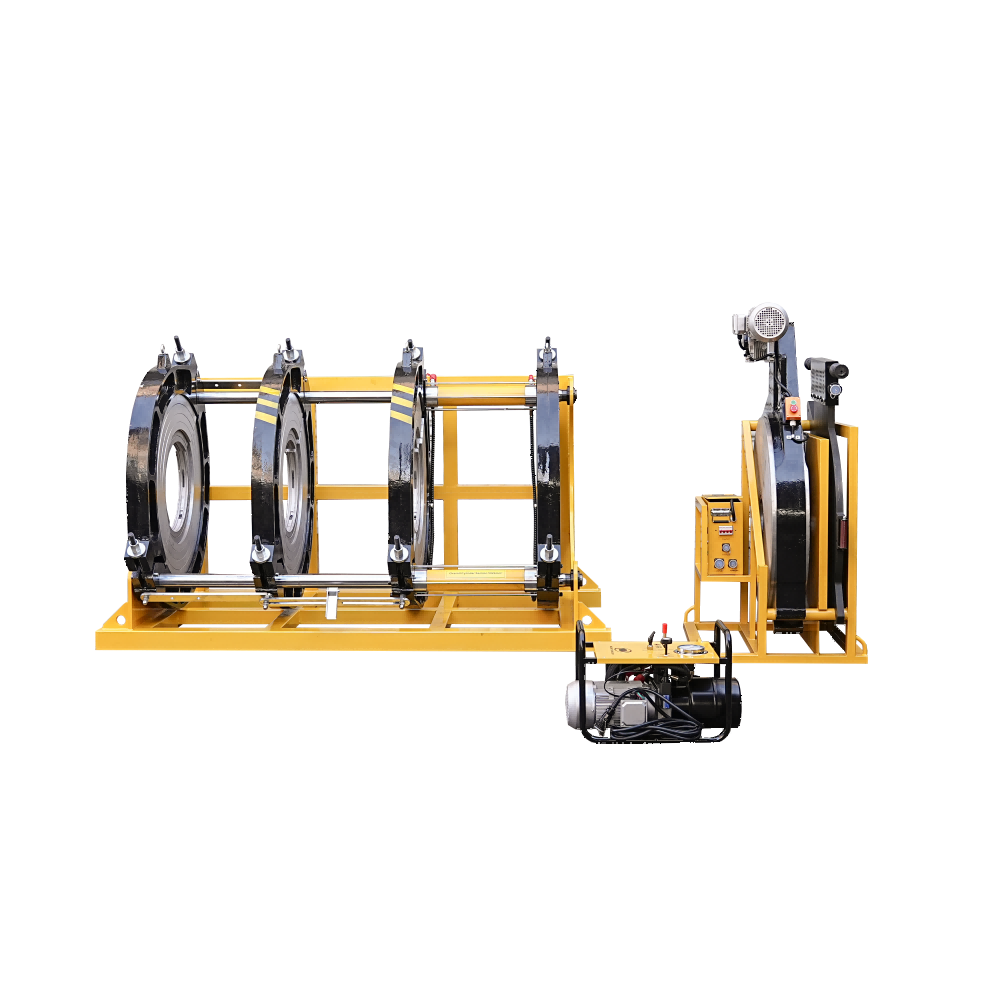
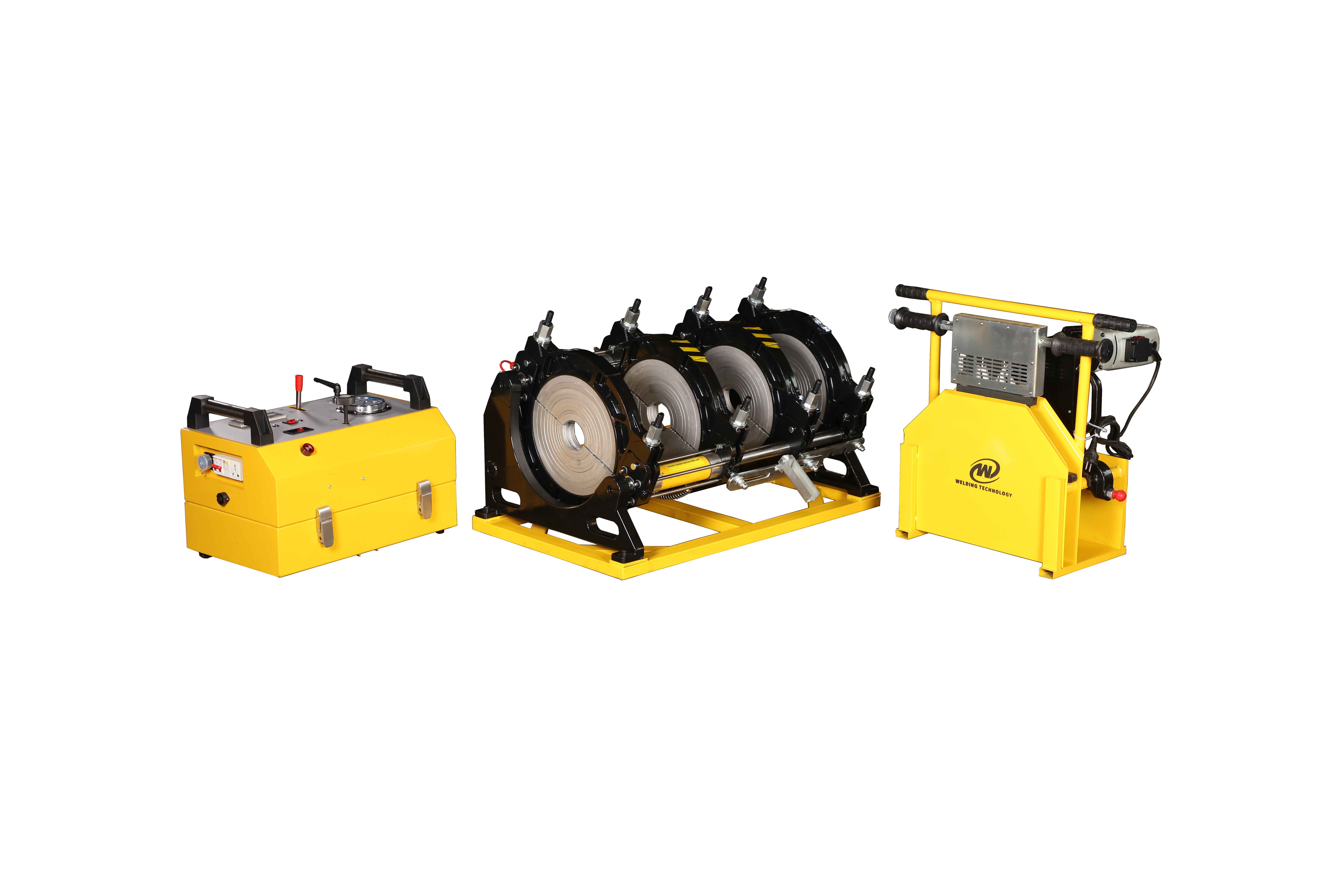
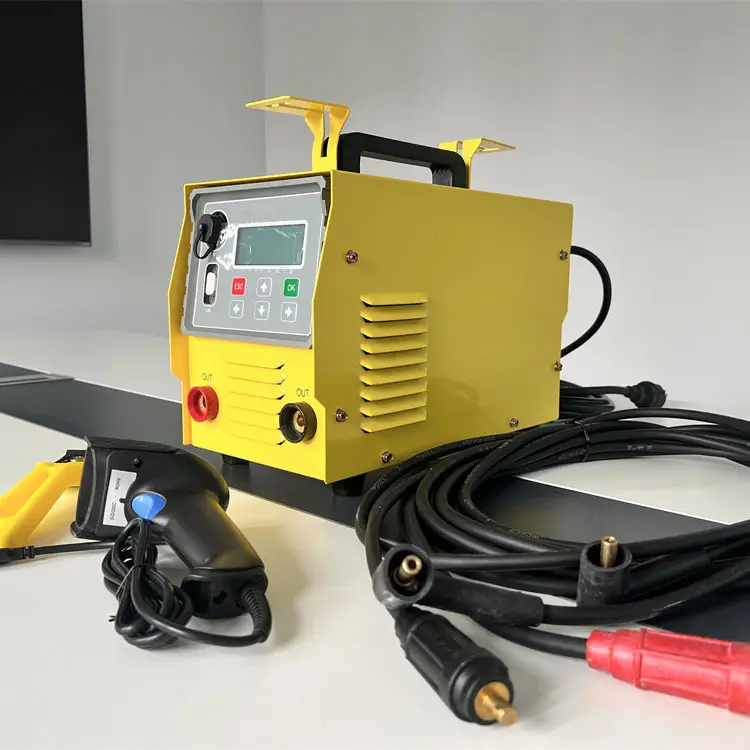
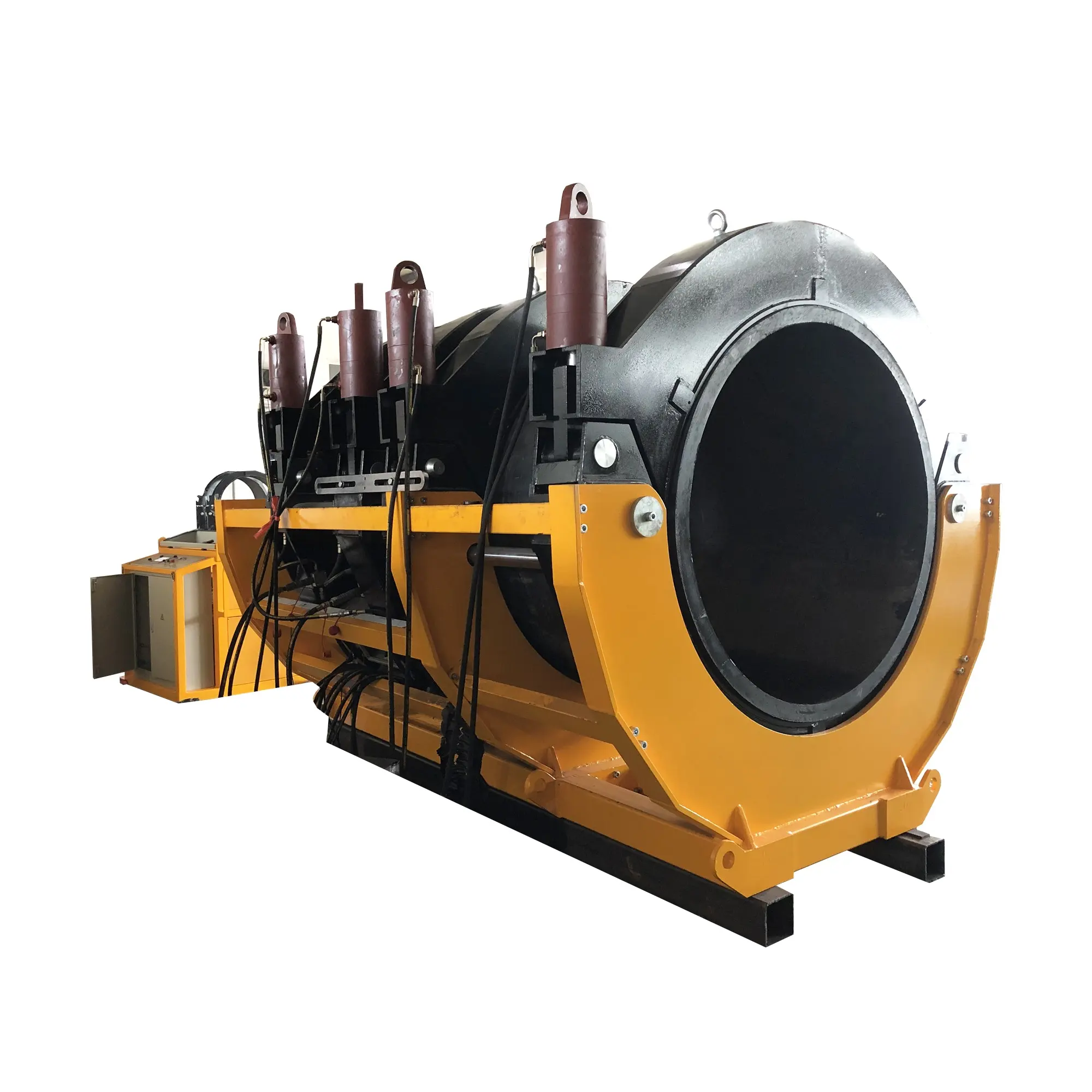
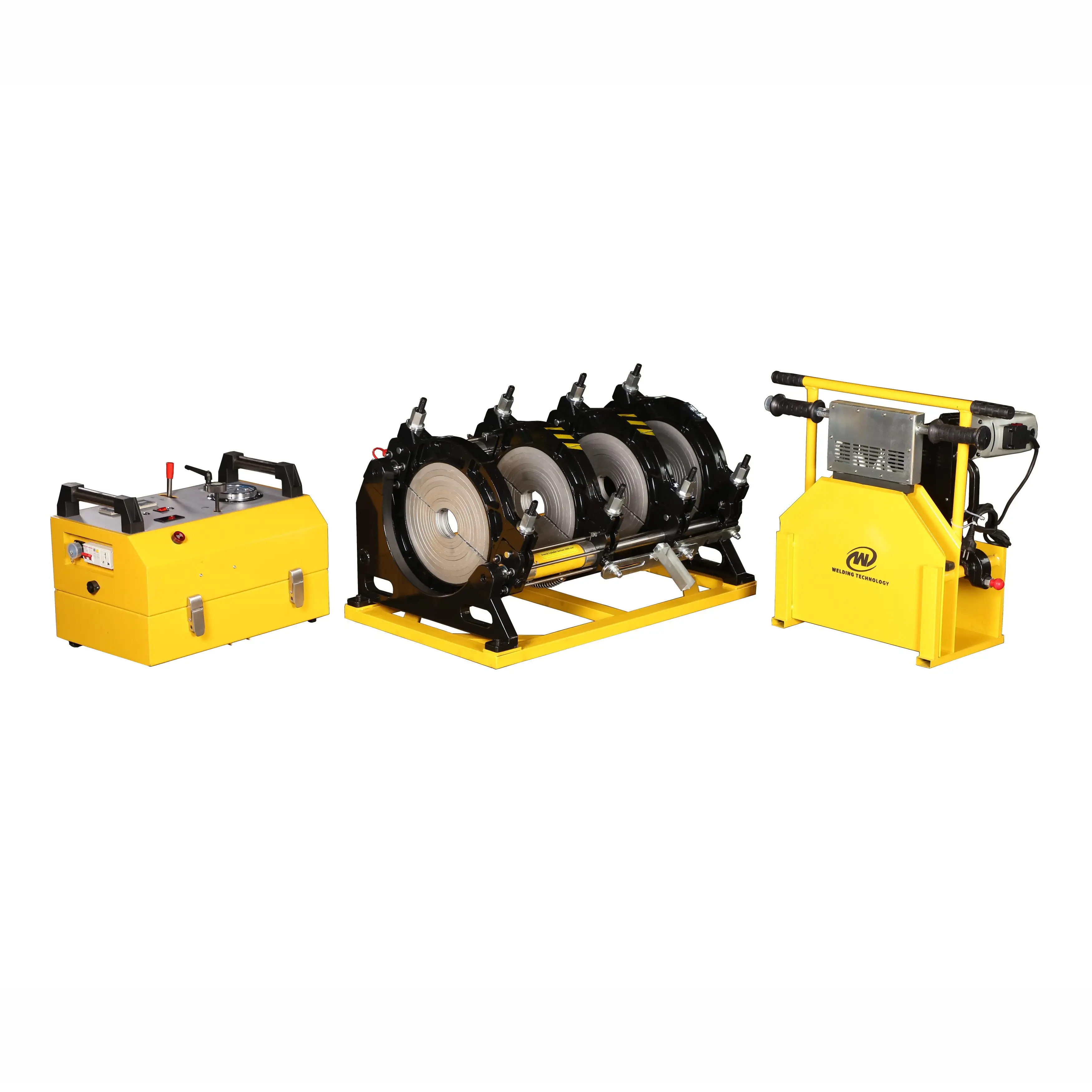
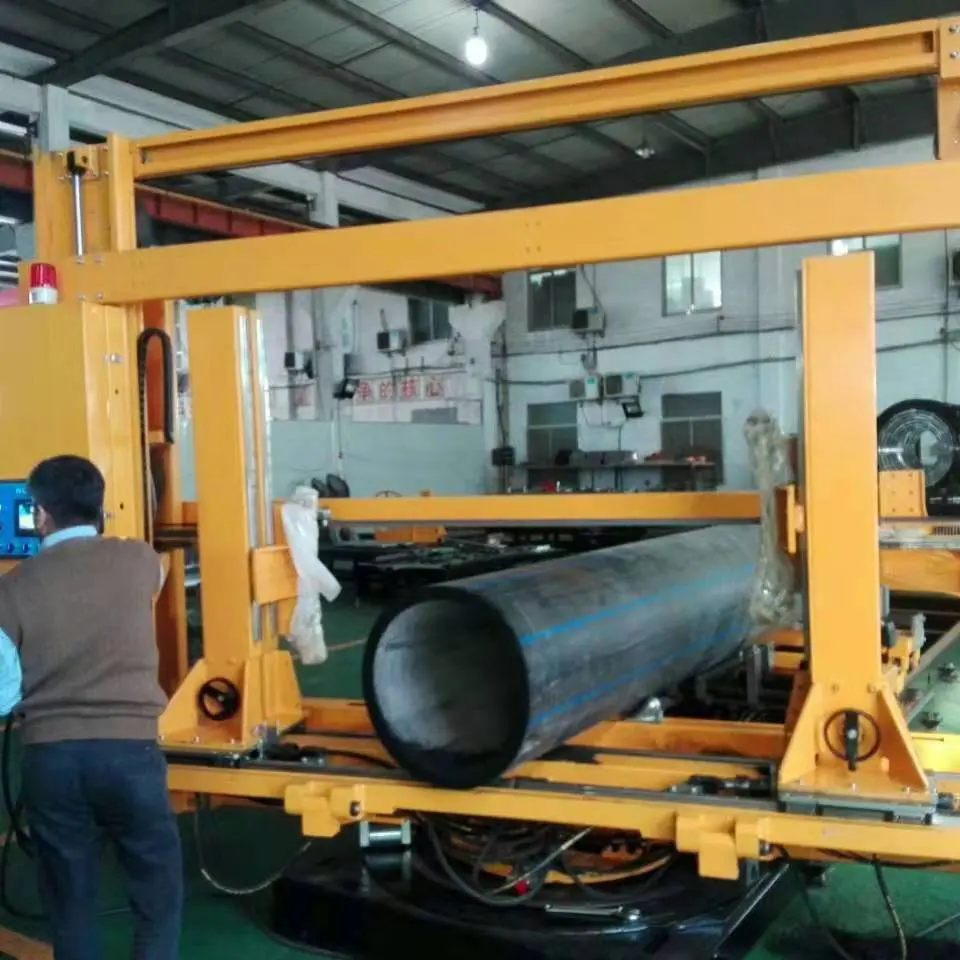
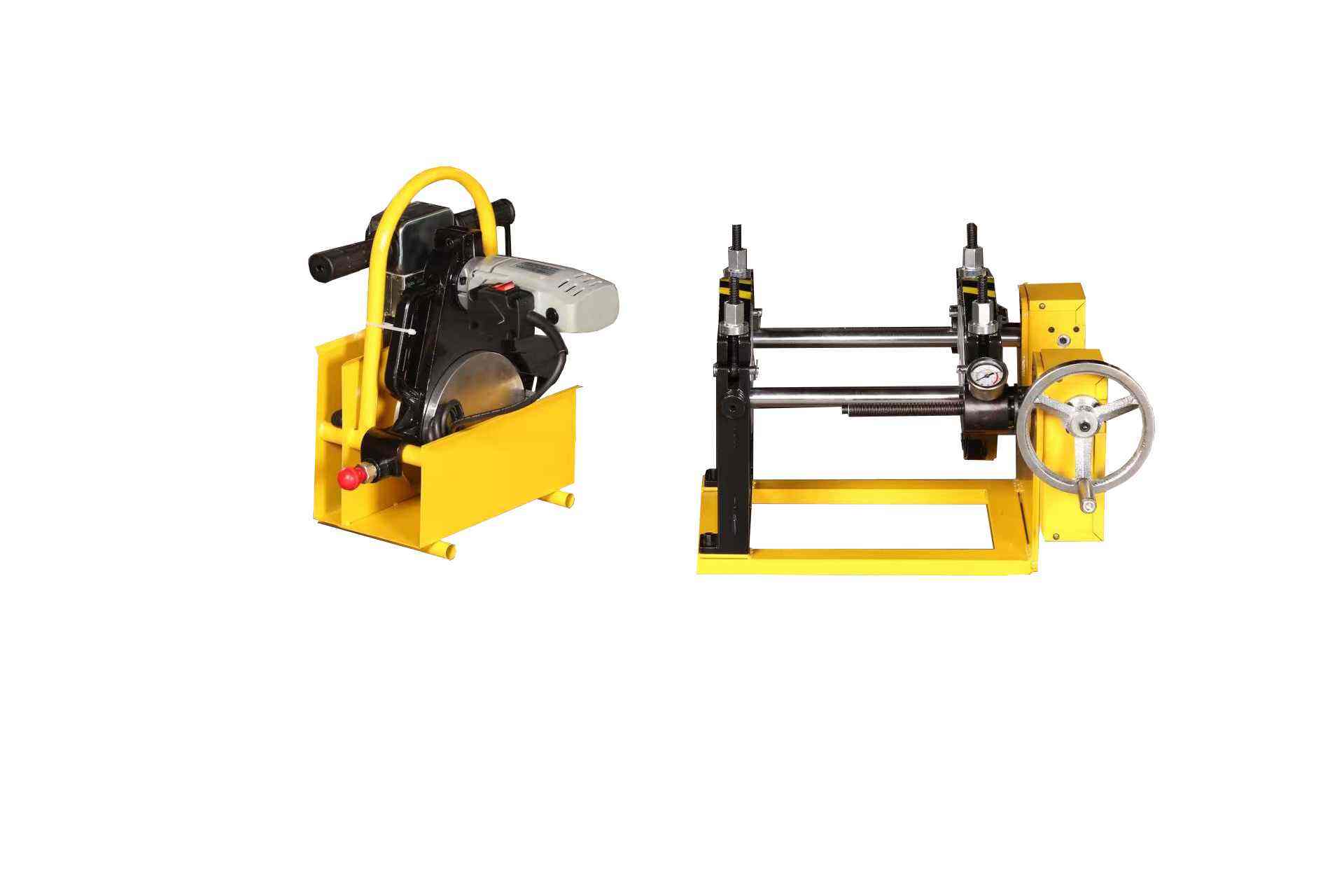
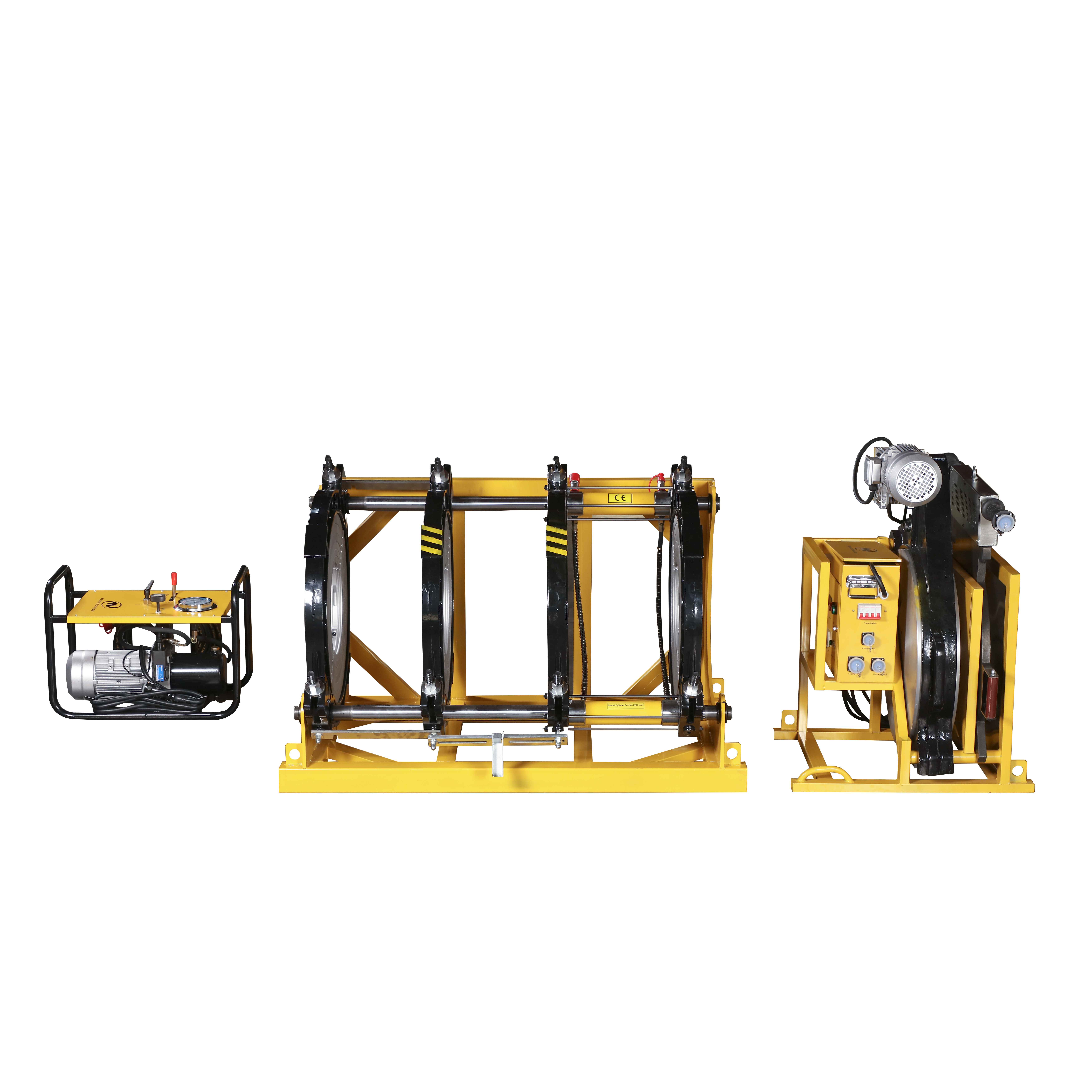
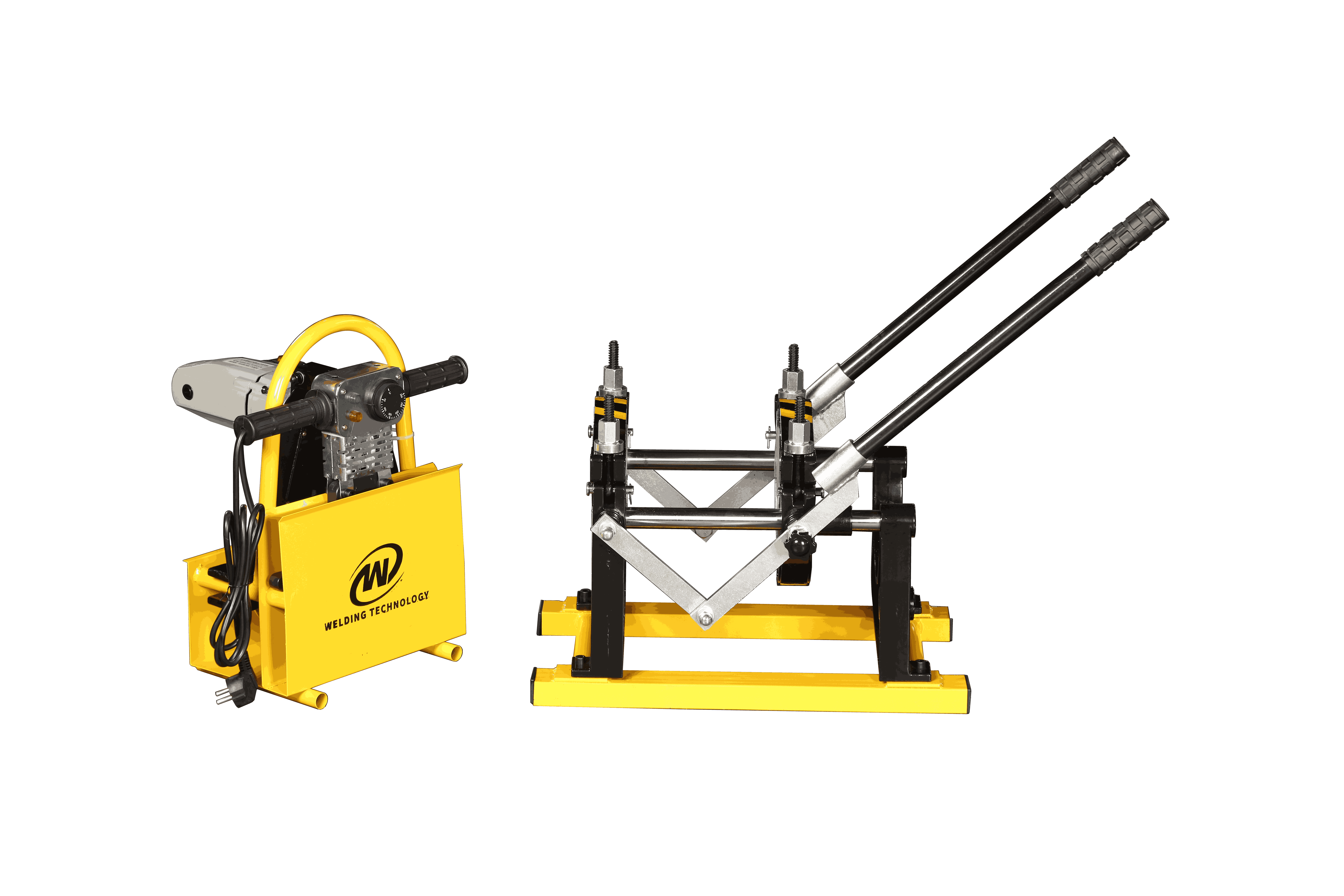
A fusion welding machine represents a sophisticated technological solution designed to join materials through the application of controlled heat and pressure. This advanced equipment operates by creating precise thermal conditions that enable materials to bond at the molecular level, forming permanent connections with exceptional strength and reliability. Modern fusion welding machines incorporate cutting-edge heating elements, temperature control systems, and automated positioning mechanisms to ensure consistent results across diverse applications. The core functionality revolves around generating optimal fusion temperatures while maintaining precise control over heating duration and cooling cycles. These machines feature digital display interfaces that provide real-time monitoring of critical parameters including temperature, pressure, and cycle timing. Professional-grade fusion welding machines utilize advanced heating technologies such as resistance heating, induction heating, or infrared systems depending on specific application requirements. The integrated control systems enable operators to program custom welding profiles for different material combinations and thicknesses. Built-in safety mechanisms protect both operators and equipment through automatic shutdown features, temperature limiting controls, and protective barriers. The robust construction ensures long-term operational reliability in demanding industrial environments. Many modern fusion welding machines incorporate data logging capabilities that record welding parameters for quality assurance and process optimization. The precise temperature regulation systems maintain consistent heating patterns across the entire welding surface, eliminating hot spots and ensuring uniform material fusion. Advanced models feature programmable controllers that store multiple welding profiles for different applications, streamlining production processes and reducing setup times. The ergonomic design considerations enhance operator comfort during extended use periods while maintaining easy access to critical controls and monitoring displays. These machines demonstrate exceptional versatility in handling various material types including thermoplastics, composite materials, and specialized industrial polymers across multiple industry sectors.

Popular Products

Fusion welding machines deliver exceptional value through their ability to create permanent joints with superior strength characteristics compared to mechanical fastening methods. The welding process eliminates the need for additional consumables such as adhesives, screws, or rivets, resulting in significant cost savings over time. Operators benefit from the streamlined workflow that these machines provide, as the automated controls reduce the skill level required while maintaining consistent quality output. The precision heating systems ensure optimal material fusion without causing thermal damage to surrounding areas, preserving the integrity of delicate components. Energy efficiency represents another compelling advantage, as modern fusion welding machines consume minimal power while delivering maximum performance. The digital control interfaces simplify operation procedures, allowing users to achieve professional results with minimal training requirements. Quality consistency stands out as a primary benefit, since the automated systems eliminate human error variables that can compromise weld integrity. The versatility of fusion welding machines enables businesses to handle multiple applications with a single piece of equipment, maximizing return on investment. Production speed improvements are substantial, as these machines complete welding cycles significantly faster than traditional manual methods. The clean welding process produces no fumes, sparks, or hazardous emissions, creating safer working environments for operators. Maintenance requirements remain minimal due to the robust construction and absence of wearing consumable parts. The precise temperature control capabilities prevent overheating issues that can weaken materials or cause dimensional changes. Cost-effectiveness extends beyond initial equipment purchase, as the elimination of consumable materials and reduced labor requirements provide ongoing operational savings. The reliability of fusion welding machines translates to reduced downtime and increased productivity in manufacturing environments. These machines accommodate various material thicknesses and compositions, providing flexibility for diverse project requirements. The consistent heating patterns ensure uniform weld quality across large surface areas, meeting stringent industry standards. The compact design of many fusion welding machines optimizes workspace utilization while maintaining full functionality. Remote monitoring capabilities in advanced models enable quality control personnel to oversee multiple welding operations simultaneously. The automated cycling reduces operator fatigue while maintaining high production rates throughout extended operating periods.

Tips And Tricks

Global Fusion Welding Machinery Market Booms, Hangzhou Welding Leads Chinese Manufacturing to Serve 100+ Countries

11

Feb

Global Fusion Welding Machinery Market Booms, Hangzhou Welding Leads Chinese Manufacturing to Serve 100+ Countries

View More
Technological Innovation Drives Industry Upgrade, Hangzhou Welding Leads the Development of Thermoplastic Welding Technology

11

Feb

Technological Innovation Drives Industry Upgrade, Hangzhou Welding Leads the Development of Thermoplastic Welding Technology

View More
Accelerating Global Layout, Hangzhou Welding Technology Drives International Market Development with the Dual Wheels of

11

Feb

Accelerating Global Layout, Hangzhou Welding Technology Drives International Market Development with the Dual Wheels of "Products + Services"

View More

Get a Free Quote

Our representative will contact you soon.
E-mail
Name
Mobile/WhatsApp
Company Name
Message
0/1000

fusion welding machine

Advanced Temperature Control Technology

Advanced Temperature Control Technology

The sophisticated temperature control system represents the cornerstone technology that sets professional fusion welding machines apart from conventional heating equipment. This advanced system employs precision thermocouples and digital controllers to maintain exact temperature parameters within narrow tolerance ranges, typically achieving accuracy levels of plus or minus two degrees Celsius. The intelligent control algorithms continuously monitor heating element performance and automatically adjust power output to compensate for environmental variables such as ambient temperature fluctuations and material thermal mass variations. The rapid heating capabilities enable these machines to reach operational temperatures in significantly reduced timeframes, minimizing cycle delays and maximizing productivity. The uniform heat distribution technology ensures consistent temperature profiles across the entire welding surface, eliminating cold spots that could compromise joint integrity. Advanced models incorporate multiple heating zones with independent temperature controls, allowing operators to customize thermal profiles for complex applications requiring varied heating patterns. The precise thermal cycling capabilities enable controlled heating and cooling sequences that optimize material fusion while preventing thermal stress accumulation. The integrated safety systems include over-temperature protection mechanisms that prevent equipment damage and material degradation from excessive heat exposure. The digital temperature displays provide real-time monitoring with clear visibility from multiple viewing angles, enabling operators to maintain constant awareness of thermal conditions. The programmable temperature profiles store custom settings for different material combinations, streamlining setup procedures for recurring applications. The responsive temperature regulation systems quickly adapt to changing load conditions, maintaining stable thermal conditions throughout variable production demands. This sophisticated temperature control technology directly translates to superior weld quality, reduced material waste, and enhanced production efficiency, making these machines invaluable assets for precision manufacturing operations requiring consistent thermal processing capabilities.
Exceptional Material Compatibility Range

Exceptional Material Compatibility Range

The remarkable material compatibility range of modern fusion welding machines opens extensive possibilities for diverse industrial applications across multiple sectors. These versatile machines successfully process thermoplastic materials including polyethylene, polypropylene, polyvinyl chloride, and advanced engineering plastics such as polycarbonate and nylon compositions. The adaptive heating systems accommodate varying material melting points and thermal characteristics, ensuring optimal fusion results regardless of polymer type or additive content. The precise pressure application mechanisms work effectively with materials of different densities and flexibility characteristics, from rigid structural components to flexible membrane materials. The controlled heating cycles prevent material degradation that can occur with incompatible welding methods, preserving the original material properties throughout the joining process. Composite materials benefit significantly from fusion welding technology, as the gentle heating approach maintains fiber orientation and resin matrix integrity. The machines handle varying material thicknesses with equal effectiveness, from thin film applications measuring micrometers to heavy-duty structural components several centimeters thick. The chemical compatibility extends to materials containing flame retardants, UV stabilizers, and other specialized additives without compromising weld strength or appearance. The non-contaminating welding process eliminates concerns about foreign material introduction that could affect chemical resistance or regulatory compliance. Advanced fusion welding machines accommodate dissimilar material combinations, enabling innovative design possibilities that leverage the unique properties of different polymers. The consistent heating patterns ensure reliable fusion across materials with varying thermal conductivity characteristics, from highly conductive filled compounds to insulating pure polymers. The gentle fusion process preserves surface textures and finishes, maintaining aesthetic qualities important for visible applications. This extensive material compatibility eliminates the need for multiple specialized machines, providing exceptional value and operational flexibility for manufacturers working with diverse polymer materials across various product lines and applications.
Automated Operation and Quality Assurance

Automated Operation and Quality Assurance

The comprehensive automation features integrated into modern fusion welding machines revolutionize production efficiency while ensuring consistent quality standards that exceed manual welding capabilities. The intelligent control systems manage every aspect of the welding cycle, from initial material positioning through final cooling phases, eliminating operator variability that traditionally affects joint quality. The programmable logic controllers store multiple welding profiles with precise parameter settings for different applications, enabling rapid changeovers between production runs without manual recalibration procedures. The automated pressure application systems ensure optimal contact force throughout the welding cycle, compensating for material expansion and contraction to maintain consistent joint formation. The integrated monitoring systems continuously track critical parameters including temperature stability, pressure consistency, and cycle timing accuracy, providing immediate alerts when conditions deviate from acceptable ranges. The digital data logging capabilities record complete welding histories for each cycle, supporting quality assurance documentation and process optimization initiatives. The automatic fault detection systems identify potential issues before they affect product quality, triggering corrective actions or system shutdowns to prevent defective output. The user-friendly interfaces guide operators through setup procedures with clear visual prompts and error prevention features that minimize training requirements. The consistent cycle timing ensures predictable production schedules while maintaining uniform heating patterns that eliminate quality variations between successive welds. The automated cooling controls optimize material stabilization phases, preventing premature handling that could compromise joint integrity. The self-diagnostic capabilities continuously monitor system health and performance metrics, scheduling maintenance activities before component wear affects operation. The remote monitoring options enable supervisory personnel to oversee multiple machines simultaneously while maintaining detailed production records. The integrated quality control features include automatic parameter verification and cycle completion confirmation, ensuring every weld meets predetermined standards before material release. This comprehensive automation approach dramatically reduces labor costs while improving production consistency, making these machines essential equipment for high-volume manufacturing operations demanding reliable quality assurance and operational efficiency.

Get a Free Quote

Our representative will contact you soon.
E-mail
Name
Mobile/WhatsApp
Company Name
Message
0/1000