Professional Plastic Fusion Welding Equipment - Advanced Thermoplastic Joining Solutions

Get a Free Quote

Our representative will contact you soon.
E-mail
Name
Mobile/WhatsApp
Company Name
Message
0/1000

plastic fusion welding equipment

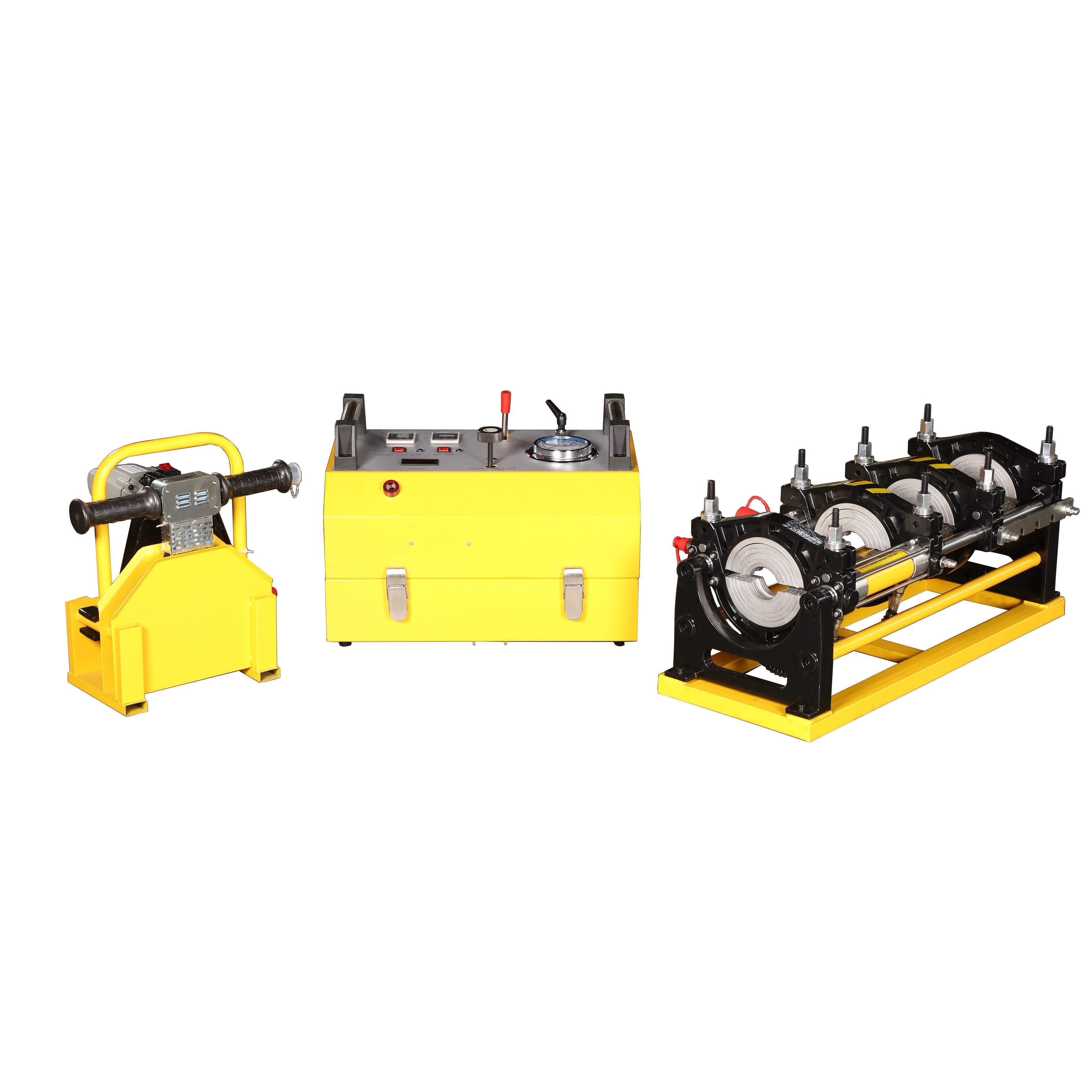
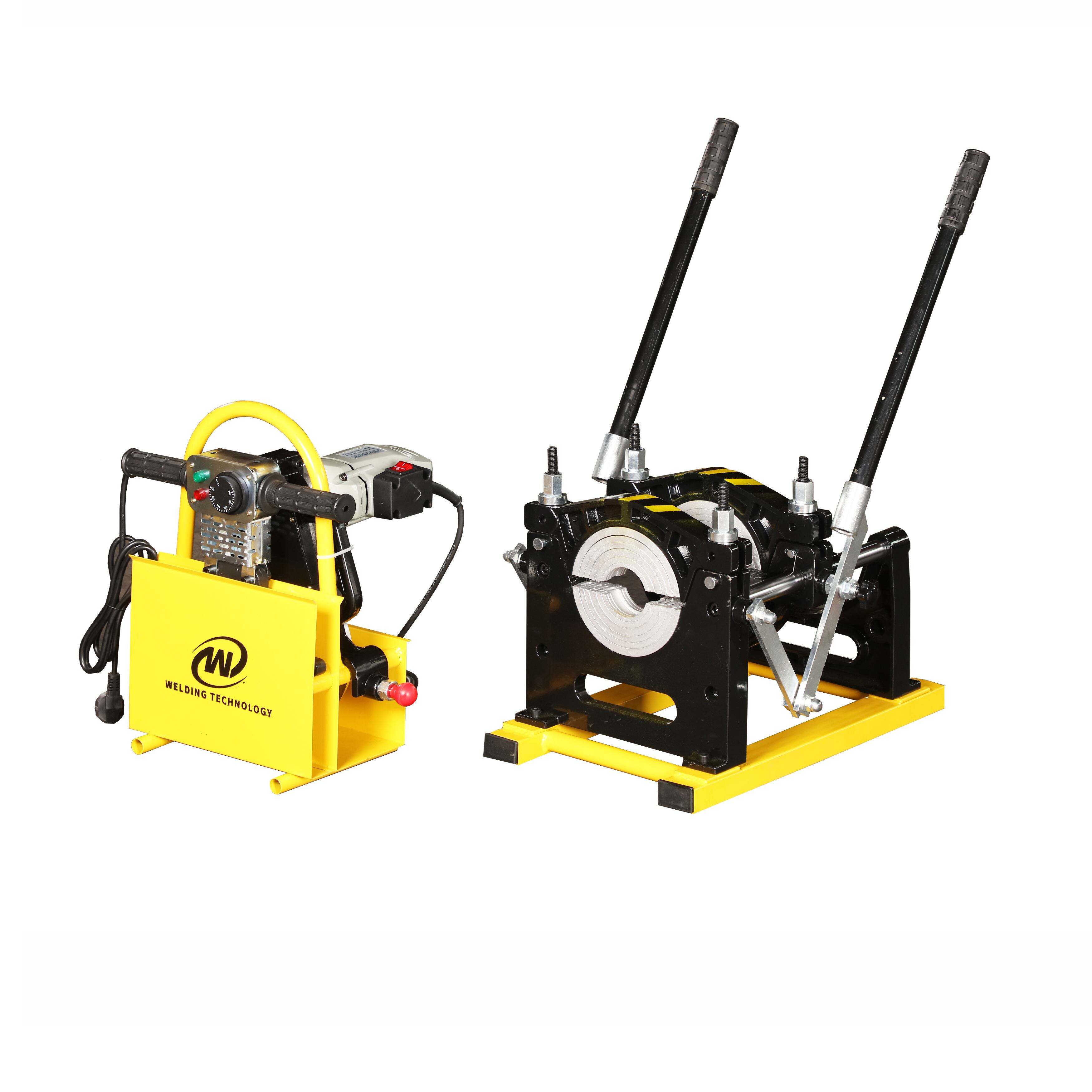
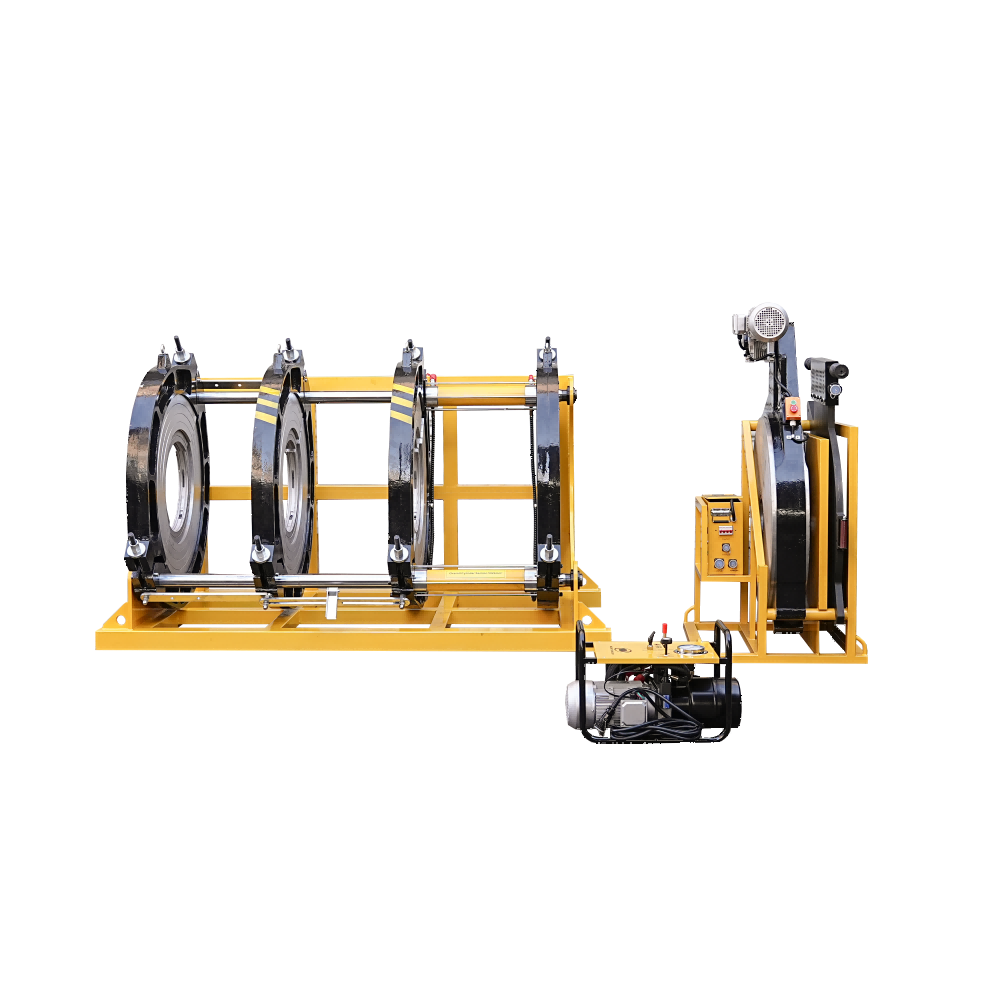
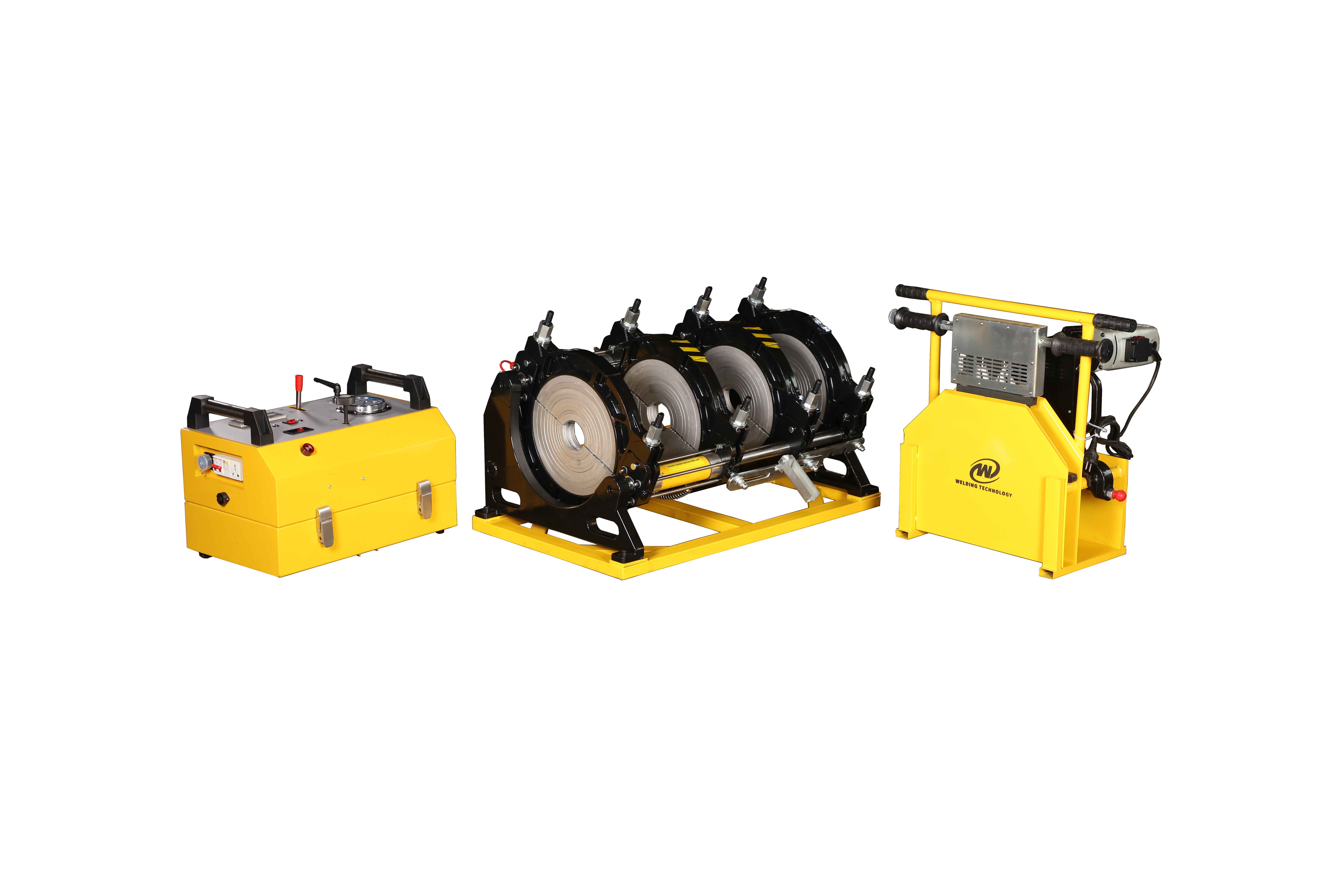
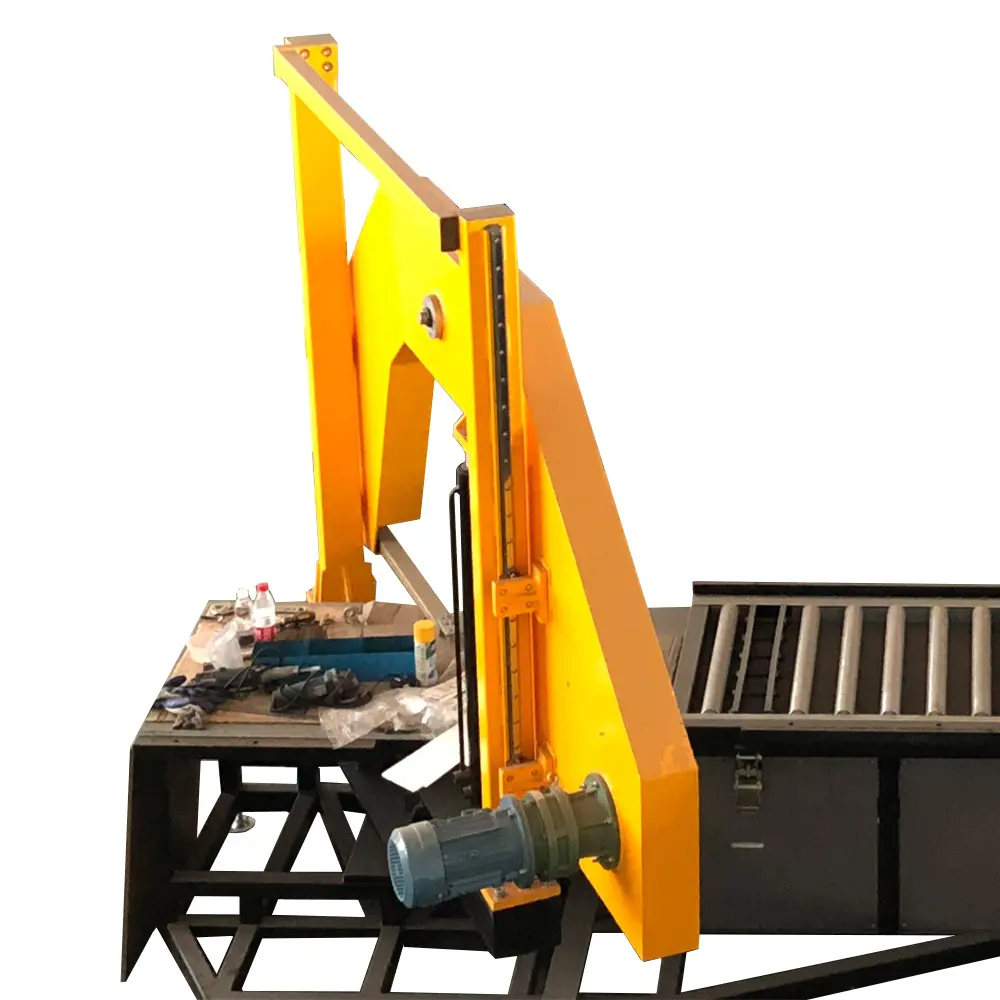
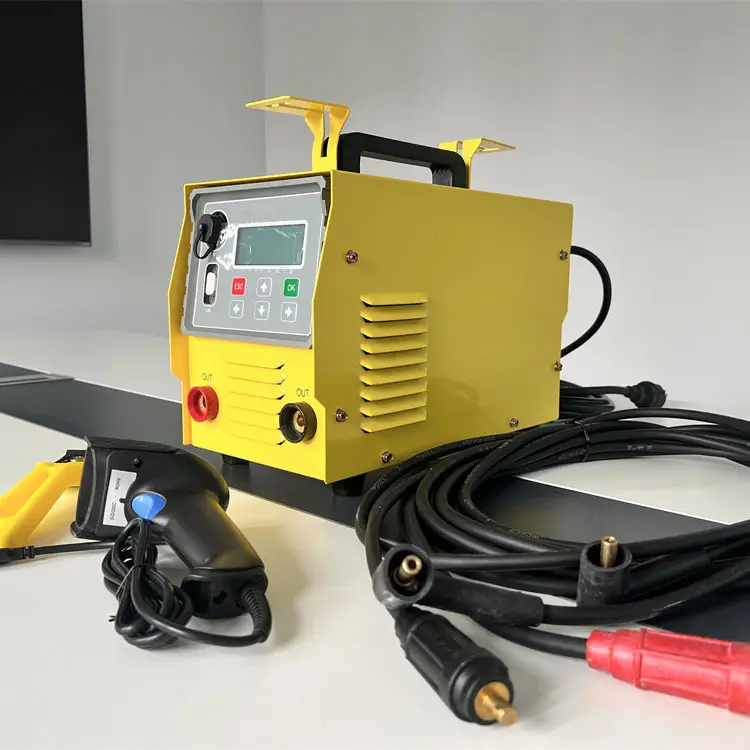
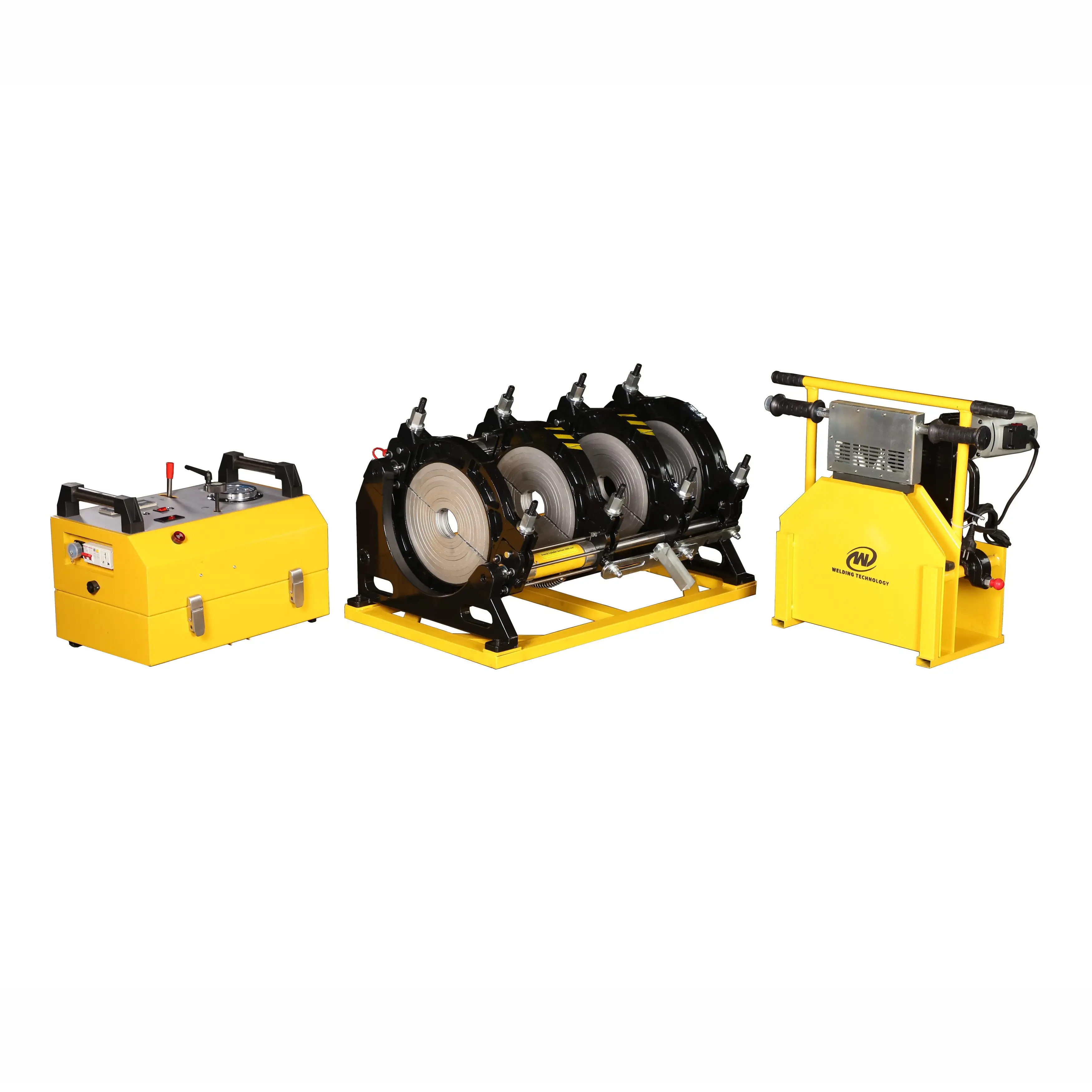
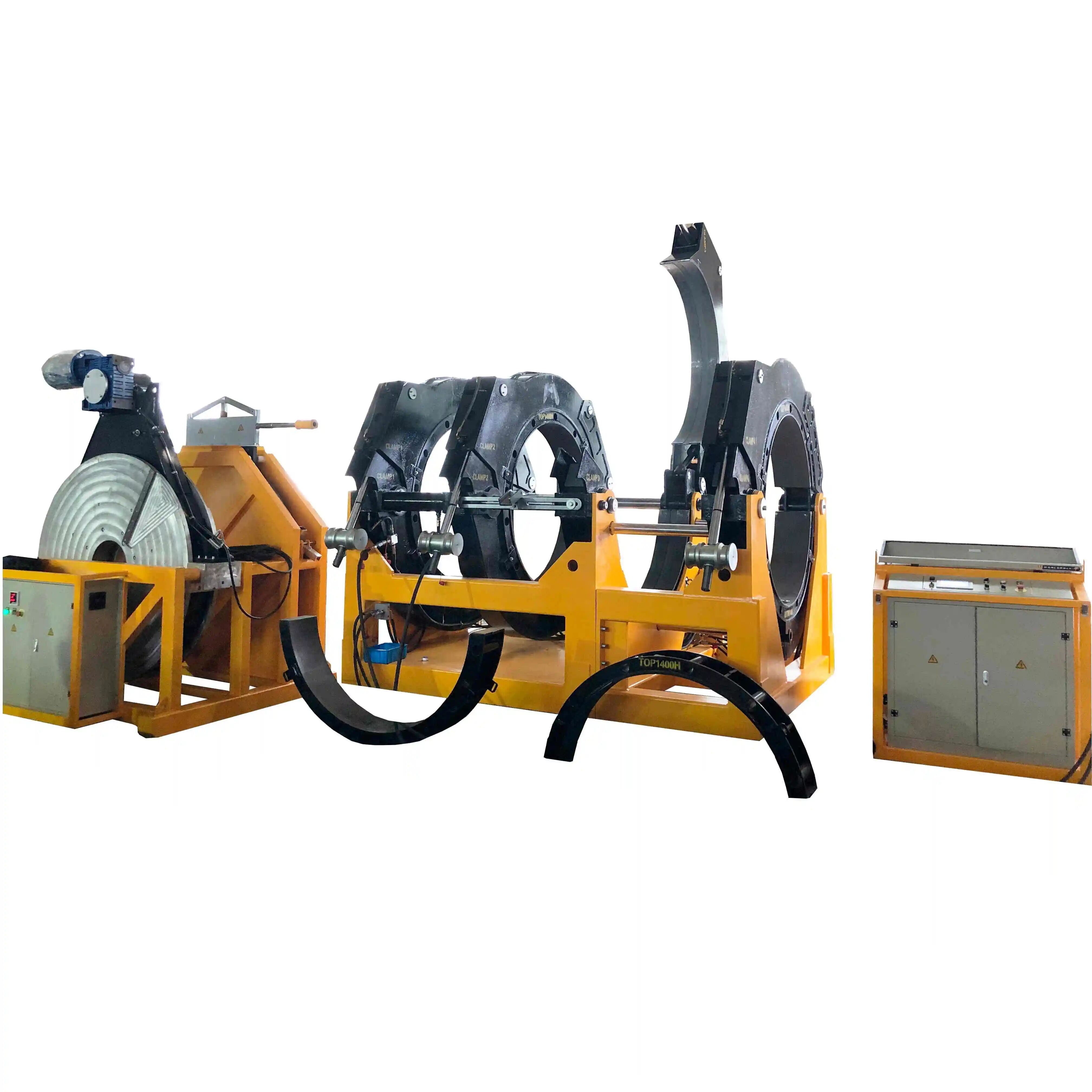
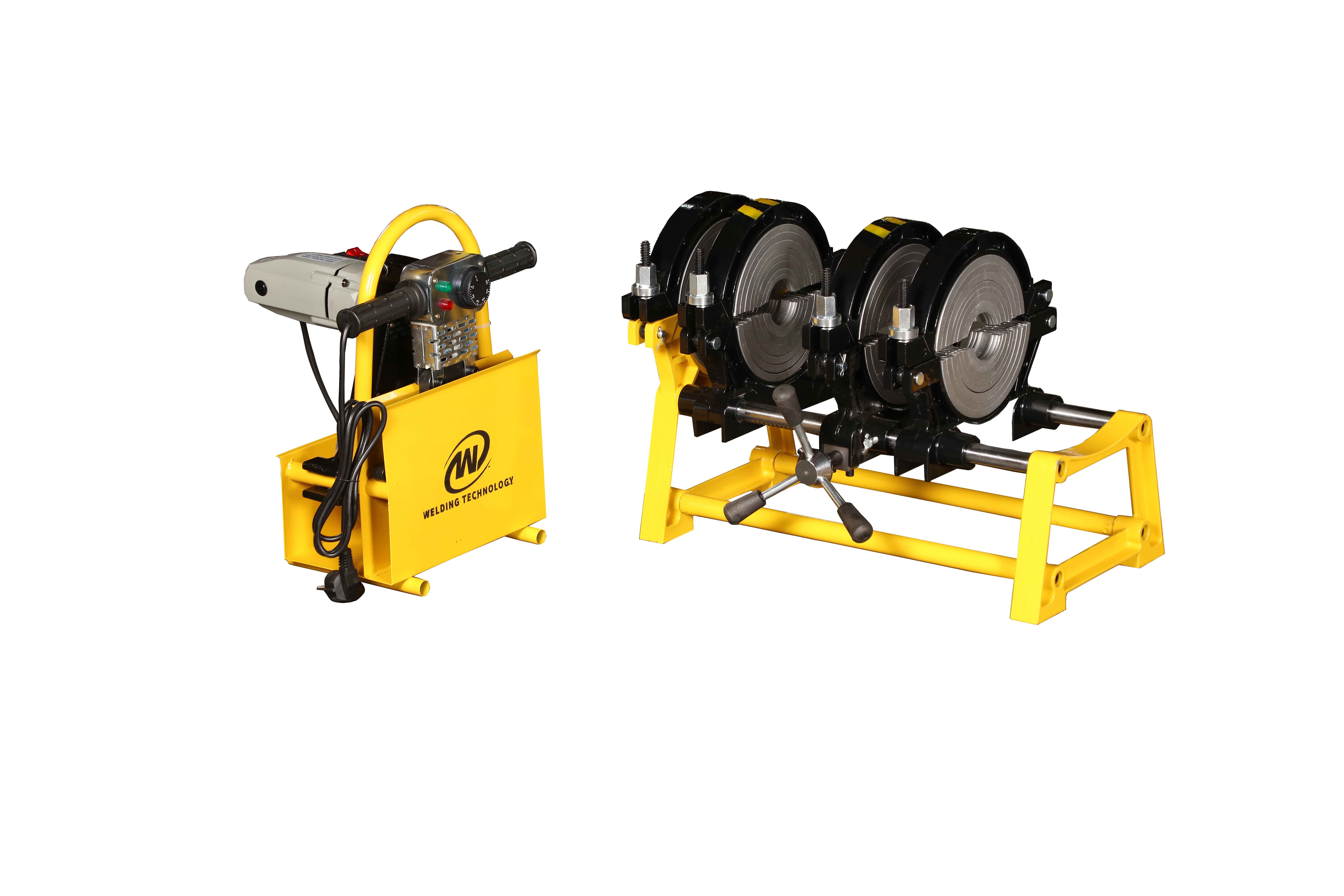
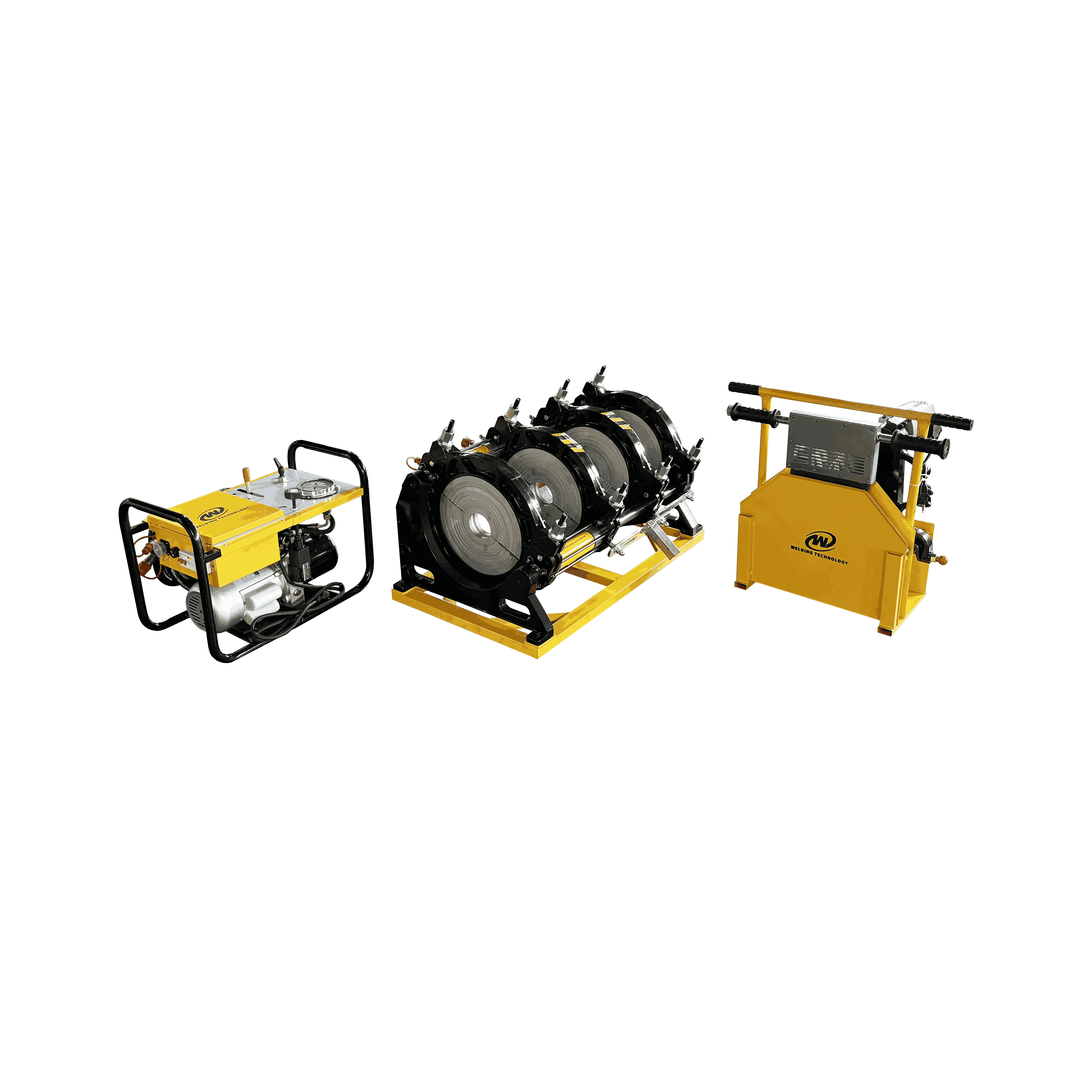
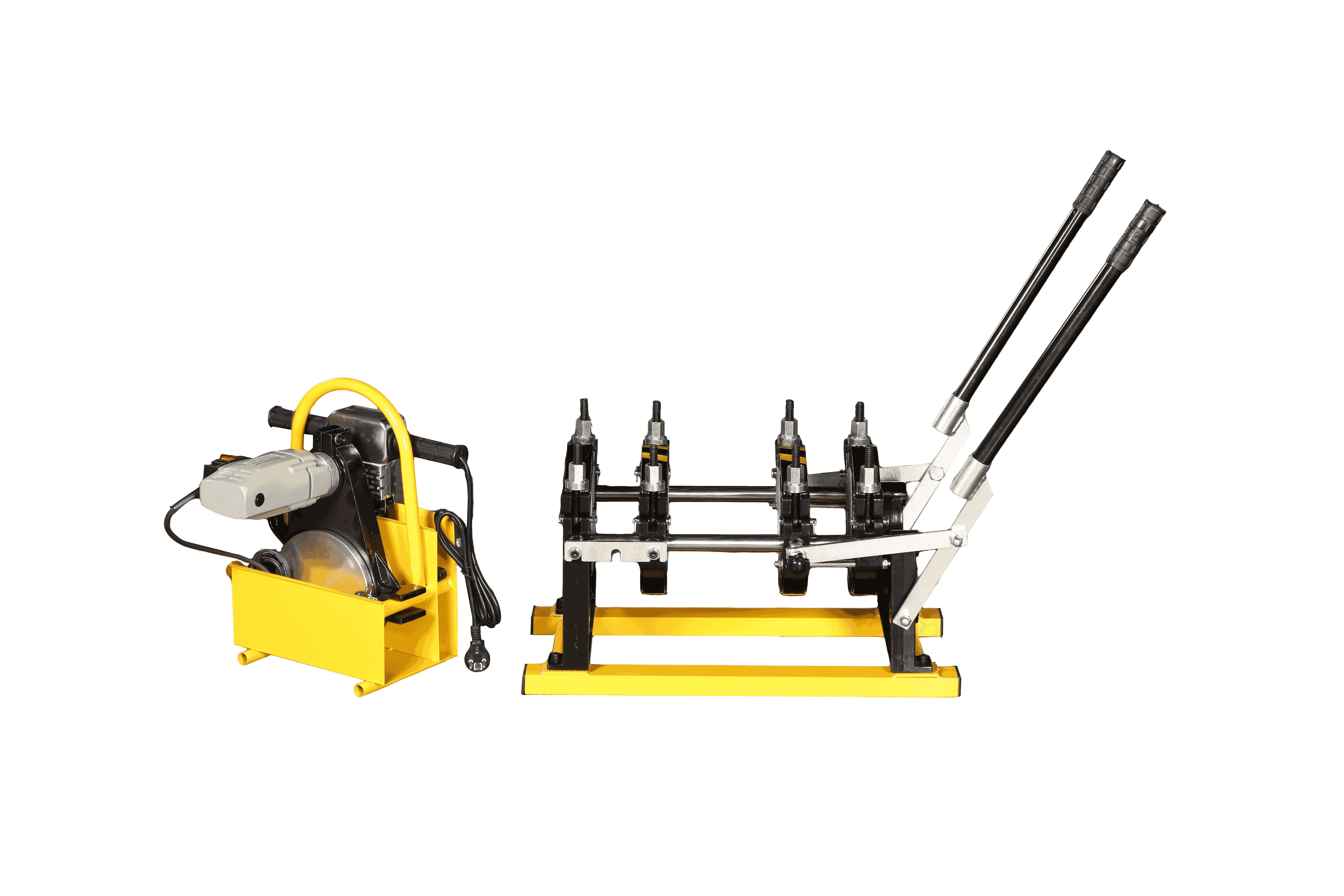
Plastic fusion welding equipment represents a revolutionary technology in modern manufacturing and construction industries. This sophisticated machinery creates permanent joints between thermoplastic materials through controlled heat application and pressure, forming molecular bonds that often exceed the strength of the original materials. The equipment operates by heating plastic surfaces to their melting point, allowing polymer chains to intermingle and create seamless connections upon cooling. Main functions include butt welding for pipeline connections, electrofusion welding for fitting installations, and socket welding for smaller diameter applications. The technology encompasses various welding methods such as hot plate welding, heated tool welding, and infrared welding, each designed for specific material types and joint configurations. Technological features include precise temperature control systems that maintain optimal heating conditions throughout the welding process, automatic pressure regulation that ensures consistent joint quality, and digital monitoring systems that track welding parameters in real-time. Advanced models incorporate computerized controls with pre-programmed welding cycles for different materials and thicknesses, eliminating guesswork and reducing operator error. The equipment typically features robust construction with corrosion-resistant components, ensuring longevity in demanding industrial environments. Applications span numerous industries including water supply systems, gas distribution networks, chemical processing plants, and automotive manufacturing. In construction projects, plastic fusion welding equipment proves essential for installing polyethylene and polypropylene piping systems that require leak-proof connections. The technology finds extensive use in geomembrane welding for environmental containment applications, tank fabrication for chemical storage, and repair operations for existing plastic infrastructure. Mining operations utilize this equipment for ventilation ductwork installation, while agricultural sectors employ it for irrigation system construction and greenhouse film welding applications.

New Product Releases

Plastic fusion welding equipment delivers exceptional performance benefits that transform how businesses approach thermoplastic joining operations. The primary advantage lies in creating permanent joints that maintain structural integrity under extreme conditions, eliminating concerns about connection failure that plague mechanical fastening methods. These welded joints demonstrate superior resistance to chemical attack, temperature fluctuations, and mechanical stress, ensuring long-term reliability in critical applications. The equipment significantly reduces labor costs by streamlining the joining process and minimizing skill requirements compared to traditional welding techniques. Operators can achieve consistent results with minimal training, as automated controls handle complex parameter adjustments automatically. This consistency translates directly into reduced rework and material waste, improving project profitability substantially. Time savings represent another crucial advantage, with modern plastic fusion welding equipment completing joints in minutes rather than hours required by alternative methods. The technology eliminates the need for consumable materials like adhesives or mechanical fasteners, reducing ongoing operational costs and supply chain complexity. Environmental benefits include zero emissions during the welding process, contributing to safer working conditions and regulatory compliance in sensitive environments. The equipment handles a wide range of thermoplastic materials including polyethylene, polypropylene, PVC, and specialized engineering plastics, providing versatility that adapts to diverse project requirements. Quality control features built into modern systems ensure every joint meets specified standards through real-time monitoring and automatic adjustment capabilities. This eliminates human error factors that commonly compromise joint integrity in manual processes. Maintenance requirements remain minimal due to robust construction and simple operating principles, reducing downtime and service costs. The technology proves particularly valuable in remote locations where accessing repair services presents challenges, as the equipment operates reliably with basic preventive maintenance. Energy efficiency represents another significant advantage, with modern systems consuming substantially less power than traditional heating methods while delivering superior temperature control accuracy. This efficiency translates into lower operating costs and reduced environmental impact, aligning with sustainability initiatives across industries.

Practical Tips

Global Fusion Welding Machinery Market Booms, Hangzhou Welding Leads Chinese Manufacturing to Serve 100+ Countries

11

Feb

Global Fusion Welding Machinery Market Booms, Hangzhou Welding Leads Chinese Manufacturing to Serve 100+ Countries

View More
Technological Innovation Drives Industry Upgrade, Hangzhou Welding Leads the Development of Thermoplastic Welding Technology

11

Feb

Technological Innovation Drives Industry Upgrade, Hangzhou Welding Leads the Development of Thermoplastic Welding Technology

View More
Accelerating Global Layout, Hangzhou Welding Technology Drives International Market Development with the Dual Wheels of

11

Feb

Accelerating Global Layout, Hangzhou Welding Technology Drives International Market Development with the Dual Wheels of "Products + Services"

View More

Get a Free Quote

Our representative will contact you soon.
E-mail
Name
Mobile/WhatsApp
Company Name
Message
0/1000

plastic fusion welding equipment

Advanced Temperature Control Technology

Advanced Temperature Control Technology

The sophisticated temperature control systems integrated into modern plastic fusion welding equipment represent a quantum leap in welding precision and reliability. These advanced systems utilize multiple temperature sensors strategically positioned throughout the heating elements to ensure uniform heat distribution across the entire welding surface. The technology employs closed-loop feedback mechanisms that continuously monitor and adjust heating parameters in real-time, maintaining optimal temperatures within extremely tight tolerances regardless of ambient conditions or material variations. This precision proves critical because thermoplastic materials require specific temperature ranges for proper molecular fusion without degradation. The control systems feature microprocessor-based algorithms that compensate for heat loss during the welding process, automatically adjusting power output to maintain consistent temperatures throughout the entire welding cycle. Digital displays provide operators with real-time feedback on temperature readings, heating times, and system status, enabling immediate response to any deviations from optimal parameters. The technology includes programmable temperature profiles that can be customized for different materials and thicknesses, storing these settings for future use and ensuring consistent results across multiple projects. Advanced models incorporate infrared temperature monitoring that provides non-contact measurement capabilities, eliminating potential contamination issues while delivering exceptional accuracy. The systems also feature rapid heating capabilities that reduce cycle times significantly while maintaining temperature uniformity across large welding surfaces. Safety features include automatic shutdown mechanisms that activate if temperatures exceed safe operating limits, protecting both equipment and operators from potential hazards. The temperature control technology adapts automatically to different material types, adjusting heating rates and maximum temperatures based on the specific thermoplastic being welded. This adaptability eliminates the need for manual calculations and reduces the risk of material damage due to overheating or inadequate fusion temperatures.
Automated Pressure Regulation System

Automated Pressure Regulation System

The automated pressure regulation system represents one of the most critical technological innovations in plastic fusion welding equipment, directly impacting joint quality and long-term performance. This sophisticated system maintains precise pressure levels throughout the welding process, ensuring optimal contact between heated plastic surfaces while preventing excessive compression that could compromise joint integrity. The technology utilizes hydraulic or pneumatic actuators controlled by advanced pressure sensors that monitor force application in real-time, automatically adjusting pressure levels based on material response and welding progress. This automation eliminates the variability inherent in manual pressure application, which frequently leads to inconsistent joint quality and potential failure points. The system incorporates pressure profiling capabilities that apply different force levels during various phases of the welding cycle, optimizing molecular flow and fusion while minimizing internal stress concentrations. During initial heating phases, lower pressures maintain surface contact without premature deformation, while higher pressures during fusion phases ensure complete molecular intermixing for maximum strength. The technology features pressure monitoring displays that provide operators with real-time feedback on applied forces, enabling immediate detection of any irregularities that might affect joint quality. Advanced models include programmable pressure sequences that can be customized for different applications, storing optimal settings for future use and ensuring repeatable results across multiple welding operations. The system automatically compensates for material thickness variations and thermal expansion effects, maintaining consistent pressure levels despite dimensional changes that occur during heating and cooling cycles. Safety features include pressure relief mechanisms that prevent equipment damage from excessive force application and protect operators from potential hazards associated with high-pressure systems. The automated regulation extends equipment life by preventing overloading of mechanical components while ensuring each joint receives appropriate force application for optimal fusion. Quality control benefits include reduced variability in joint strength and improved resistance to environmental stress cracking, critical factors in applications requiring long-term reliability and performance.
Comprehensive Digital Monitoring Interface

Comprehensive Digital Monitoring Interface

The comprehensive digital monitoring interface transforms plastic fusion welding equipment into intelligent systems capable of delivering unprecedented control and quality assurance throughout welding operations. This sophisticated interface integrates multiple sensors and monitoring systems into a unified platform that tracks every aspect of the welding process, from initial heating through final cooling and quality verification. The system displays real-time data on temperature profiles, pressure applications, heating times, and cooling rates, providing operators with complete visibility into welding parameters that directly affect joint quality. Advanced data logging capabilities automatically record all welding parameters for each joint, creating comprehensive quality records that support traceability requirements and enable process optimization over time. The interface features intuitive touchscreen controls that simplify operation while providing access to advanced programming functions for experienced users. Alarm systems integrated into the monitoring interface alert operators to any deviations from specified parameters, enabling immediate corrective action before joint quality becomes compromised. The technology includes statistical process control features that analyze welding data trends and identify potential issues before they impact production quality or equipment performance. Diagnostic capabilities built into the monitoring system continuously evaluate equipment condition and performance, providing predictive maintenance alerts that minimize unplanned downtime and extend equipment life. The interface supports multiple language options and customizable display configurations, accommodating diverse operator preferences and international applications. Advanced models include wireless connectivity that enables remote monitoring and data transfer, supporting modern manufacturing integration requirements and quality management systems. The system automatically generates welding reports that document process parameters and quality metrics for each joint, streamlining documentation requirements and supporting regulatory compliance in critical applications. Training modes integrated into the interface provide guided instruction for new operators, reducing learning curves and ensuring consistent welding quality regardless of operator experience levels. The monitoring technology includes backup systems that maintain critical data even during power interruptions, ensuring welding records remain intact and production continuity is preserved under challenging operating conditions.

Get a Free Quote

Our representative will contact you soon.
E-mail
Name
Mobile/WhatsApp
Company Name
Message
0/1000