fusie-soudermachine
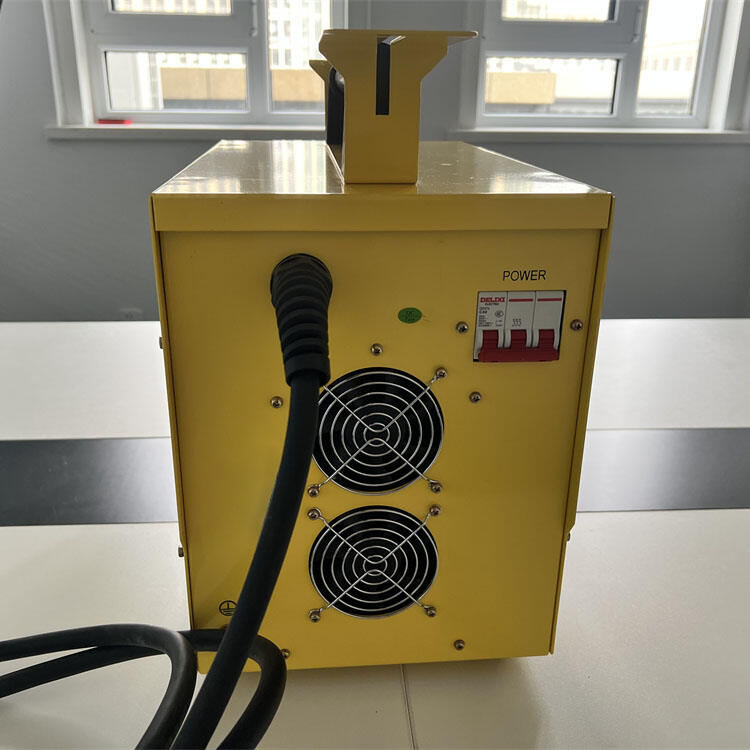
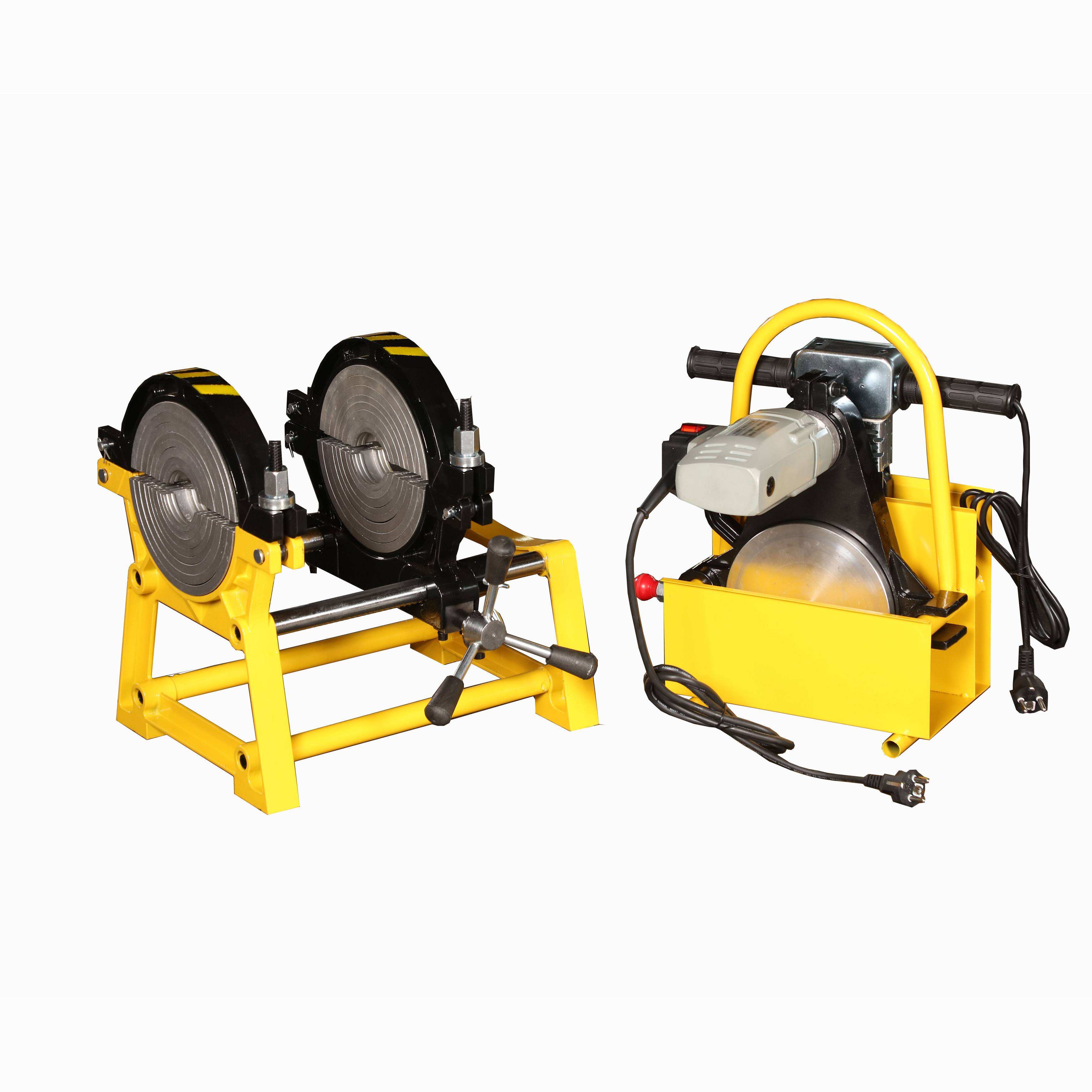
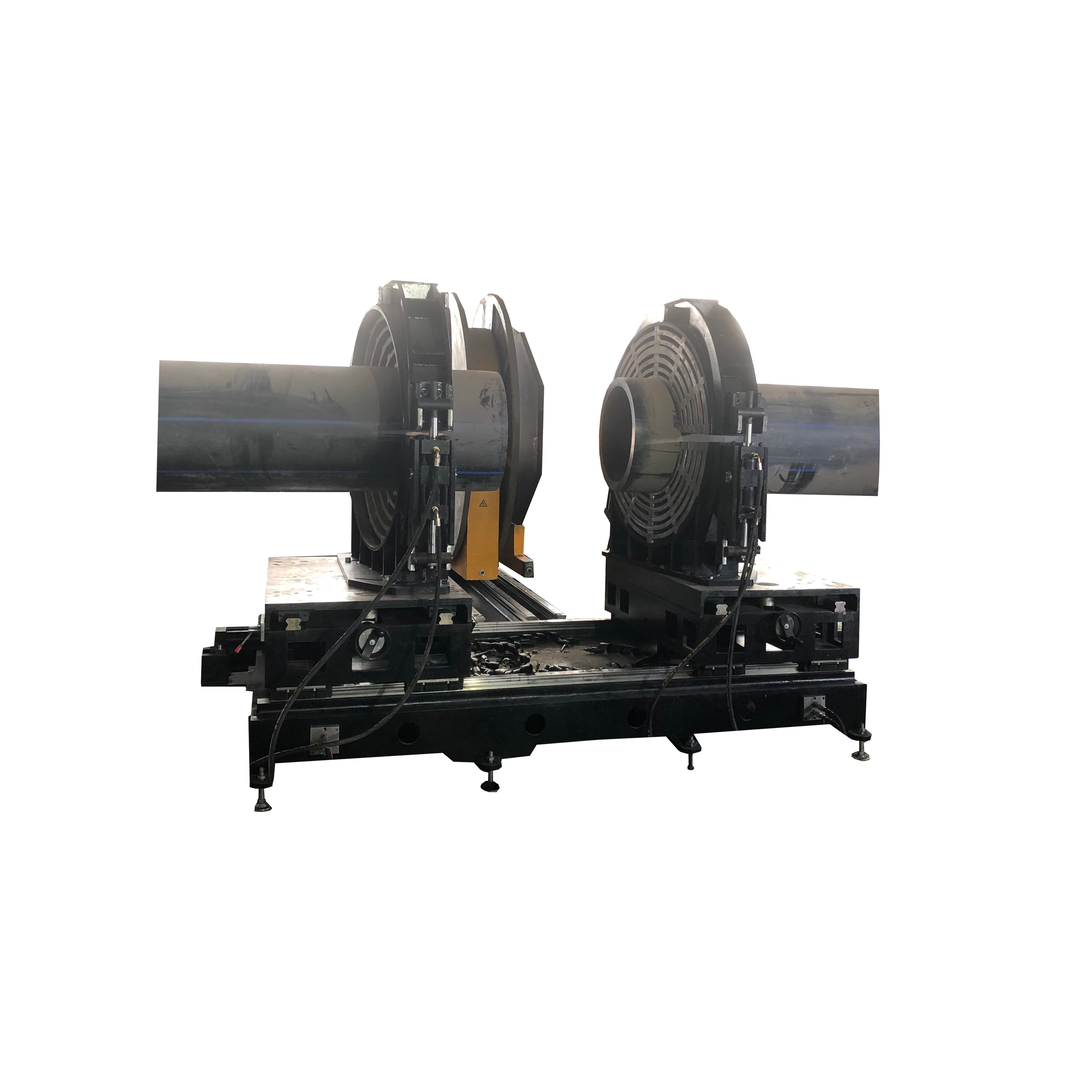
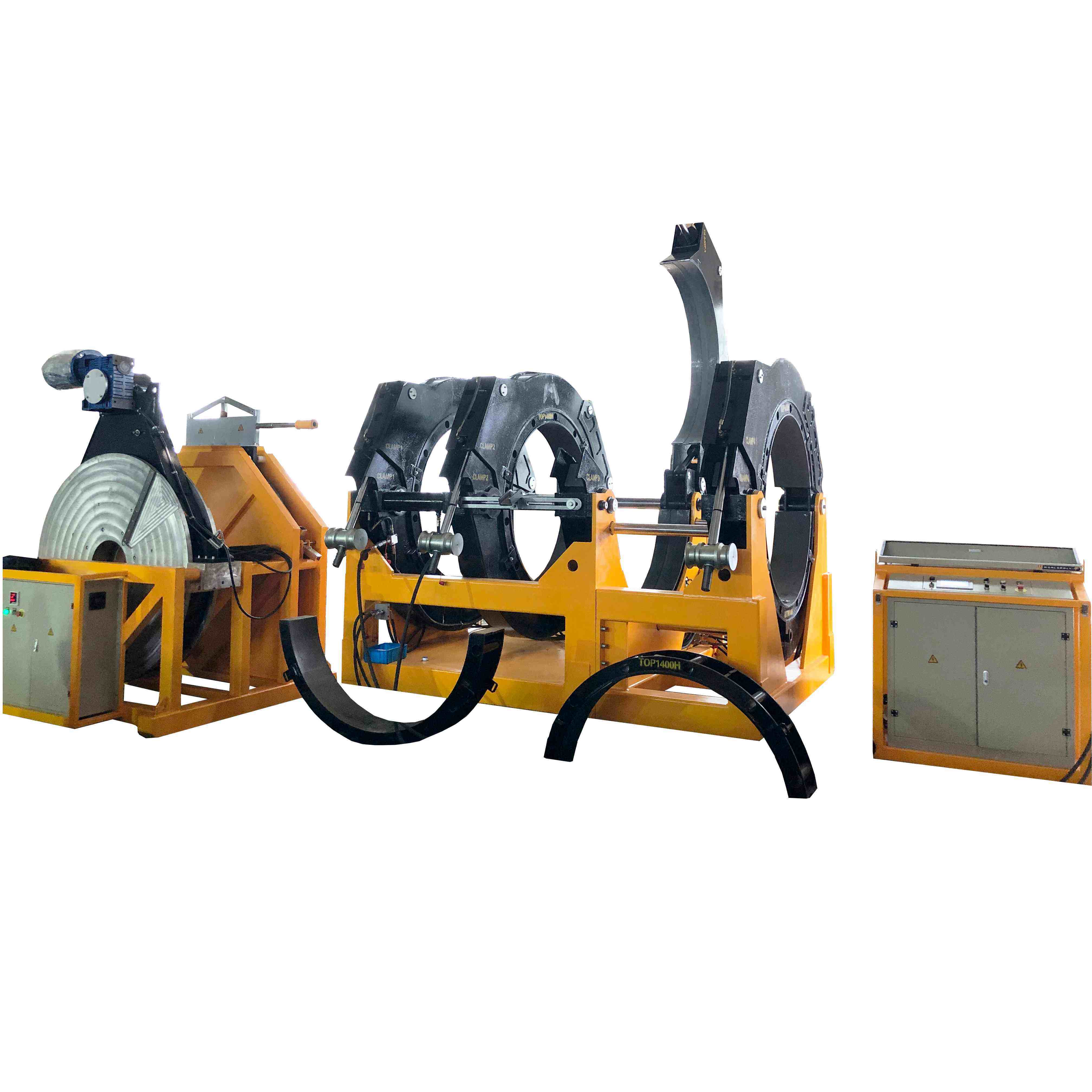
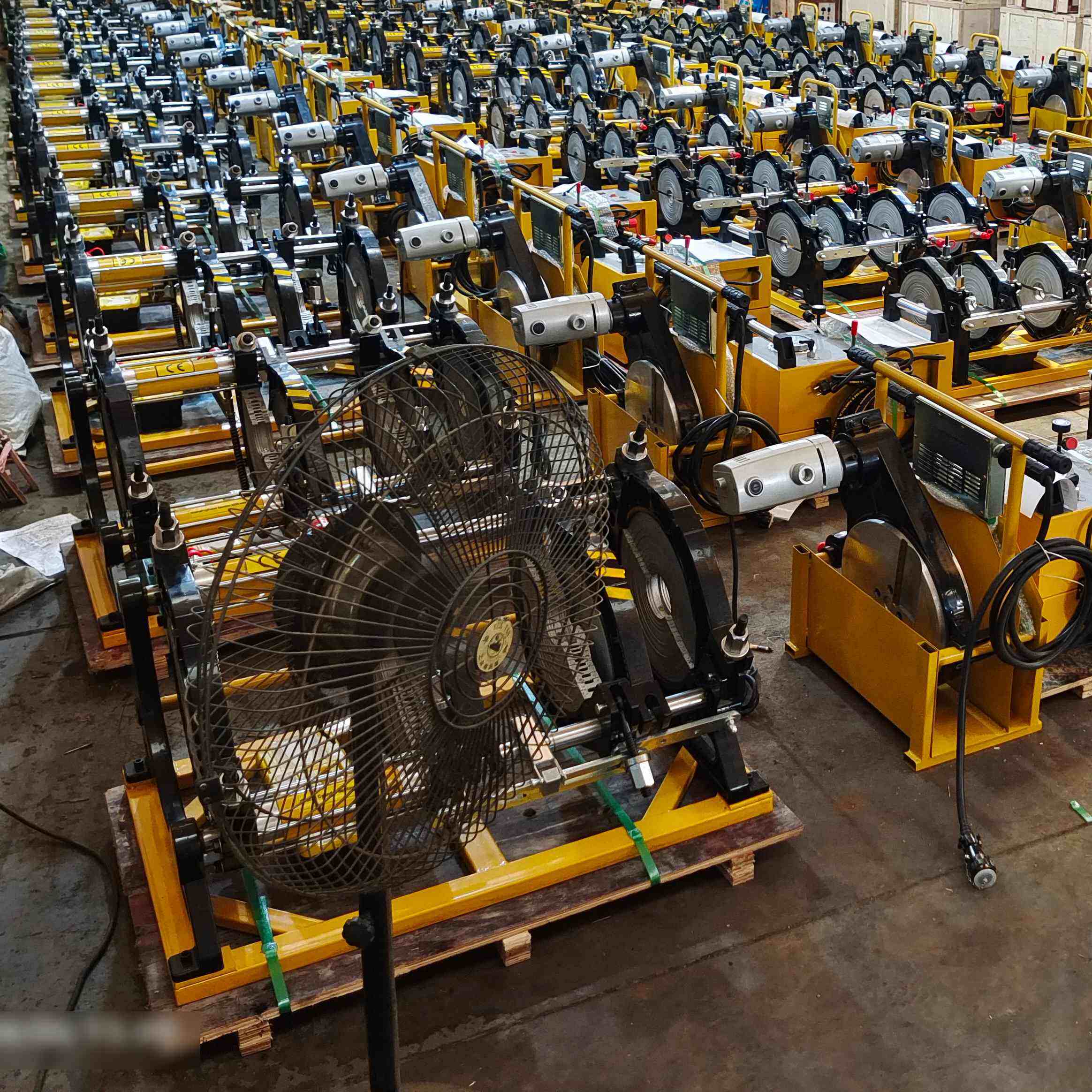
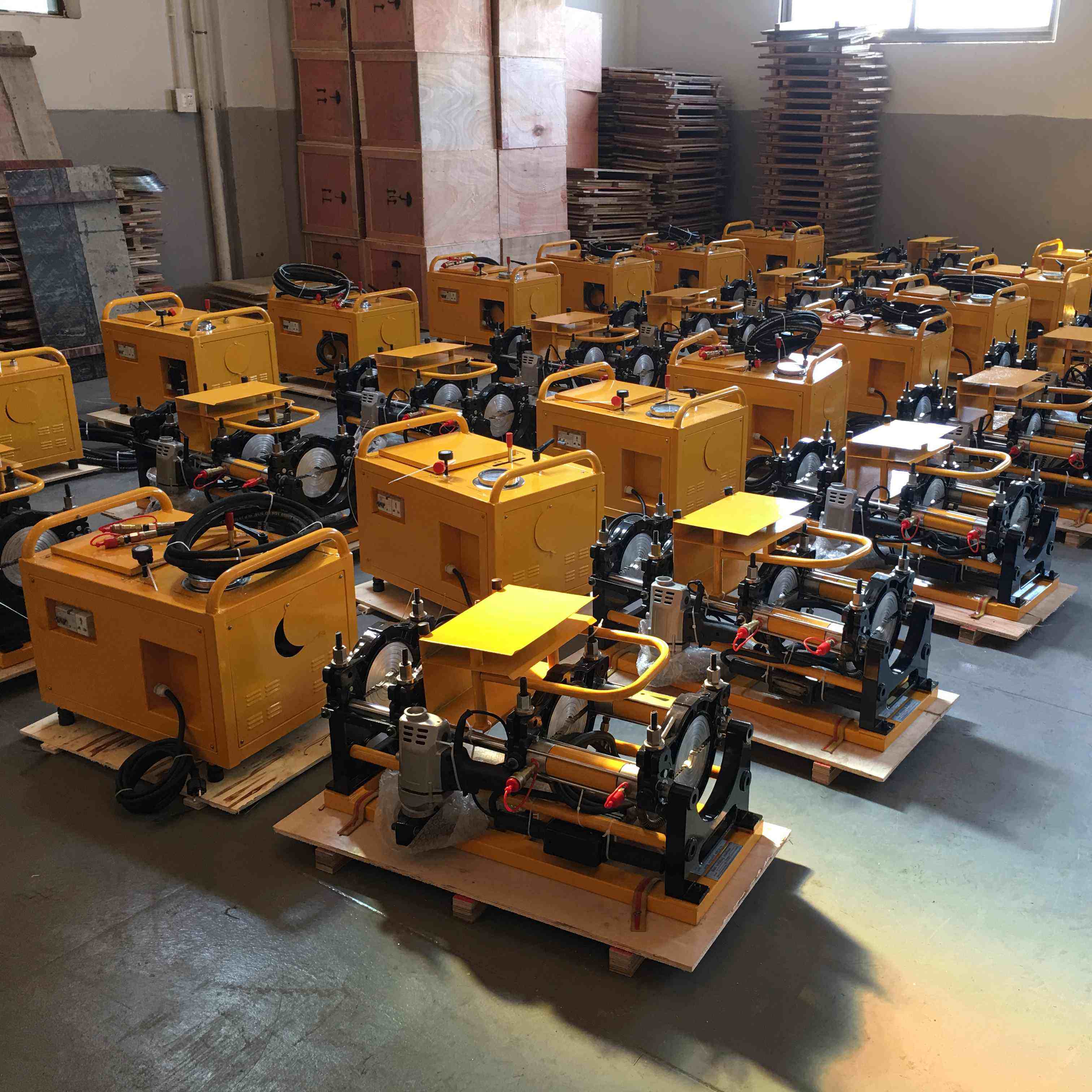
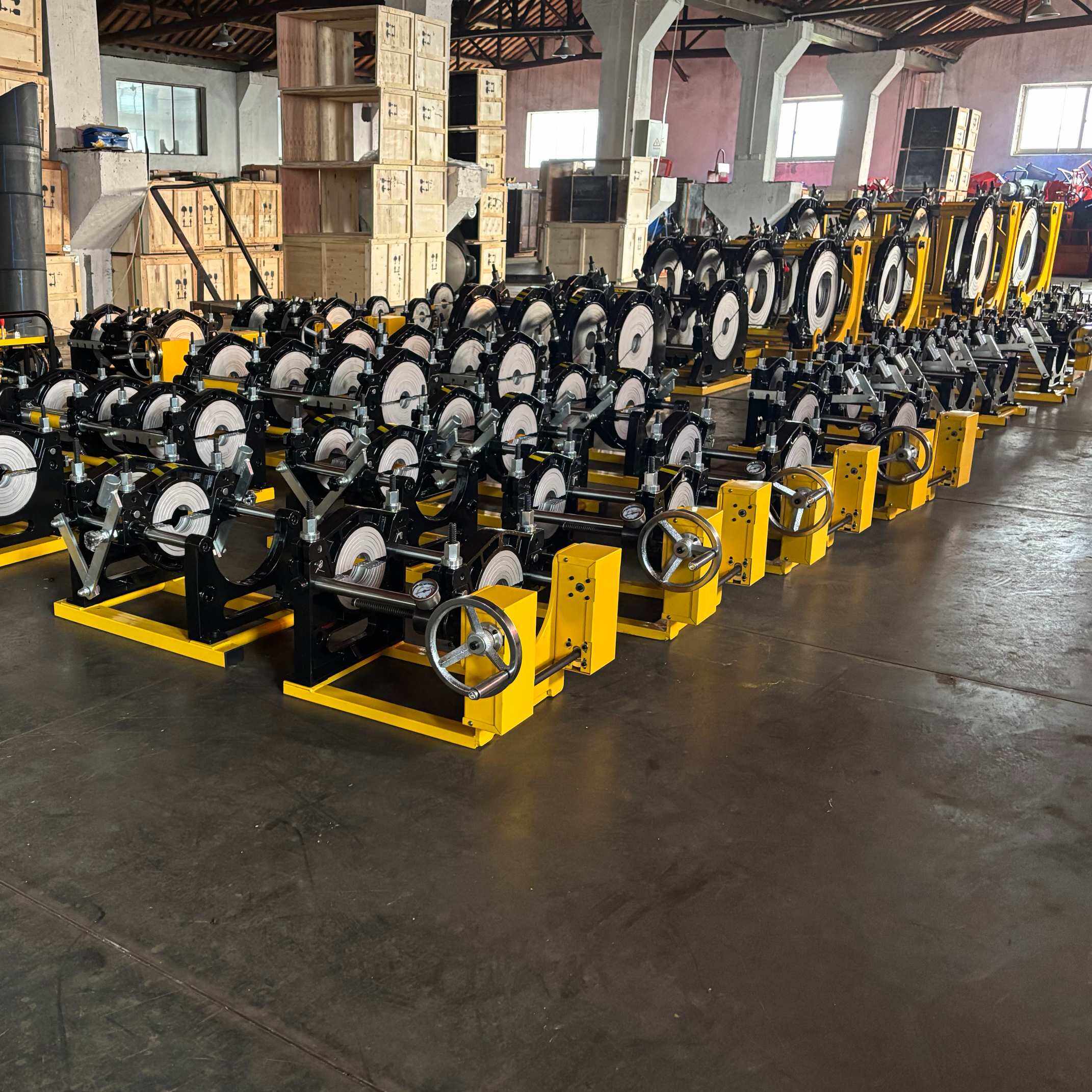
ʼN Smeltlasmasjien verteenwoordig ʼn gesofistikeerde tegnologiese oplossing wat ontwerp is om materiale deur middel van beheerde hitte en druk saam te voeg. Hierdie gevorderde toestel werk deur presiese termiese toestande te skep wat dit moontlik maak dat materiale op molekulêre vlak verbind, wat permanente verbindinge met uitstekende sterkte en betroubaarheid vorm. Moderne smeltlasmasjiene sluit toestande van die nuutste stand van tegnologie in, soos verhittingselemente, temperatuurbeheerstelsels en outomatiese posisioneringsmeganismes, om konsekwente resultate oor ʼn wye verskeidenheid toepassings te verseker. Die kernfunksionaliteit draai om die generering van optimale smelttemperature terwyl presiese beheer oor verhittingstydsduur en verkoelingsiklusse behou word. Hierdie masjiene beskik oor digitale vertoonkissies wat in real-time monitering van kritieke parameters soos temperatuur, druk en siklustyd verskaf. Professionele smeltlasmasjiene maak gebruik van gevorderde verhittingstegnologieë soos weerstandsverhitting, induksieverhitting of infrarooi-stelsels, afhangende van spesifieke toepassingsvereistes. Die geïntegreerde beheerstelsels stel bedieners in staat om pasgemaakte lasprofiel vir verskillende materiaalkombinasies en -diktes te programmeer. Ingeboude veiligheidsmeganismes beskerm beide bedieners en toestelle deur outomatiese afskakelvoorsiene, temperatuurbeperkingsbeheer en beskermende skuifbare barrières. Die robuuste konstruksie verseker langtermyn bedryfsbetroubaarheid in uitdagende industriële omgewings. Baie moderne smeltlasmasjiene sluit data-logboekvermoëns in wat lasparameters vir gehalteversekering en prosesoptimalisering aanmeld. Die presiese temperatuurreguleringstelsels handhaaf konsekwente verhittingspatrone oor die hele lasoppervlak, wat warmplekke uitskakel en uniforme materiaalsmelting verseker. Gevorderde modelle beskik oor programmeerbare beheerders wat verskeie lasprofiel vir verskillende toepassings stoors, wat produksieprosesse vereenvoudig en insteltye verminder. Ergonomiese ontwerpoorwegings verbeter bedienergemak tydens langdurige gebruikstermyne, terwyl maklike toegang tot kritieke bedienings- en moniteringsvertonings behou word. Hierdie masjiene toon uitstekende veelsydigheid in die hantering van verskeie materiale, insluitend termoplastieke, saamgestelde materiale en gespesialiseerde industriële polimere, oor verskeie nywerheidsektore heen.
 ×
×




 EN
EN