Professional Pipe Fusion Equipment Manufacturer | Reliable Joining Solutions for Pipeline Projects

Get a Free Quote

Our representative will contact you soon.
E-mail
Name
Mobile/WhatsApp
Company Name
Message
0/1000

pipe fusion equipment manufacturer

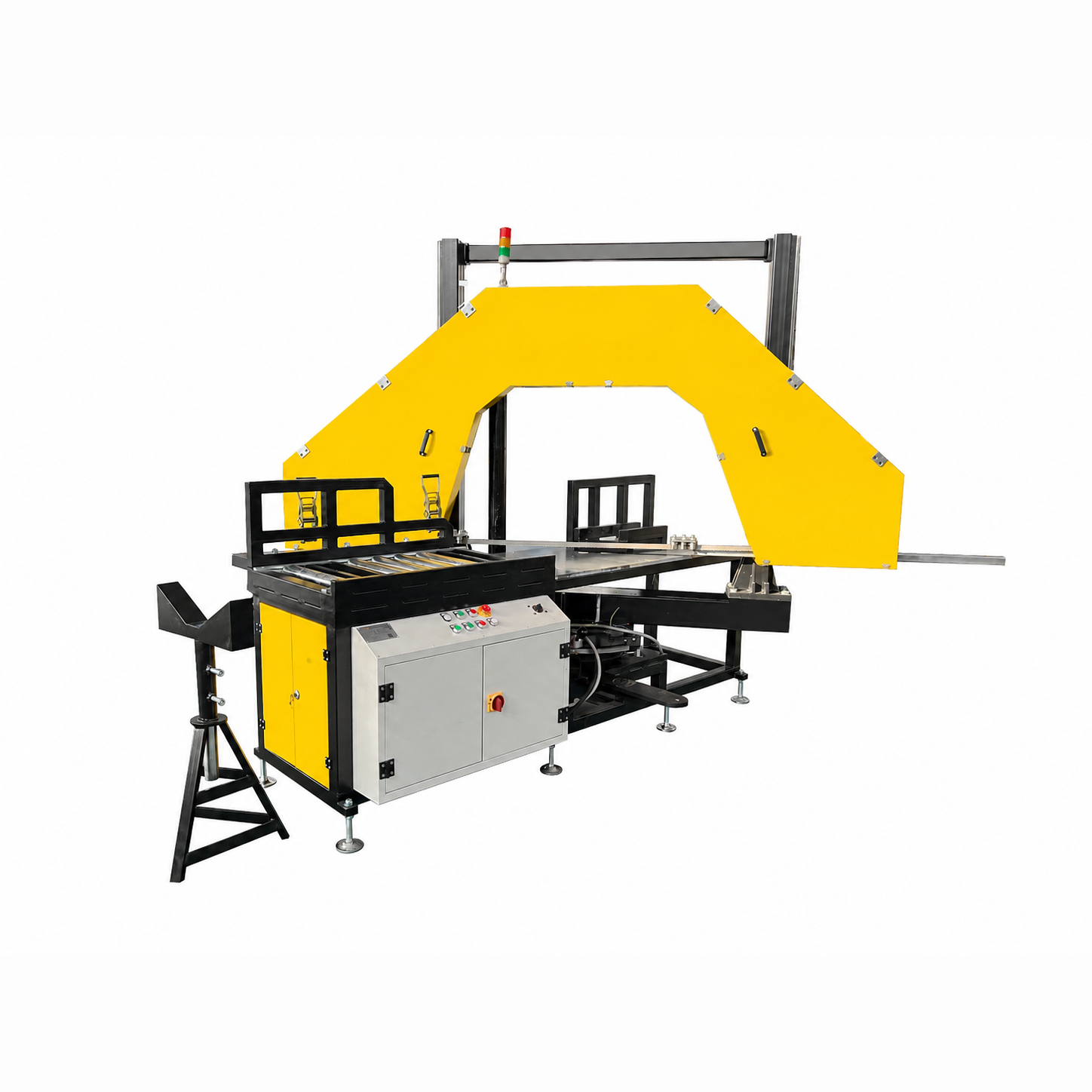
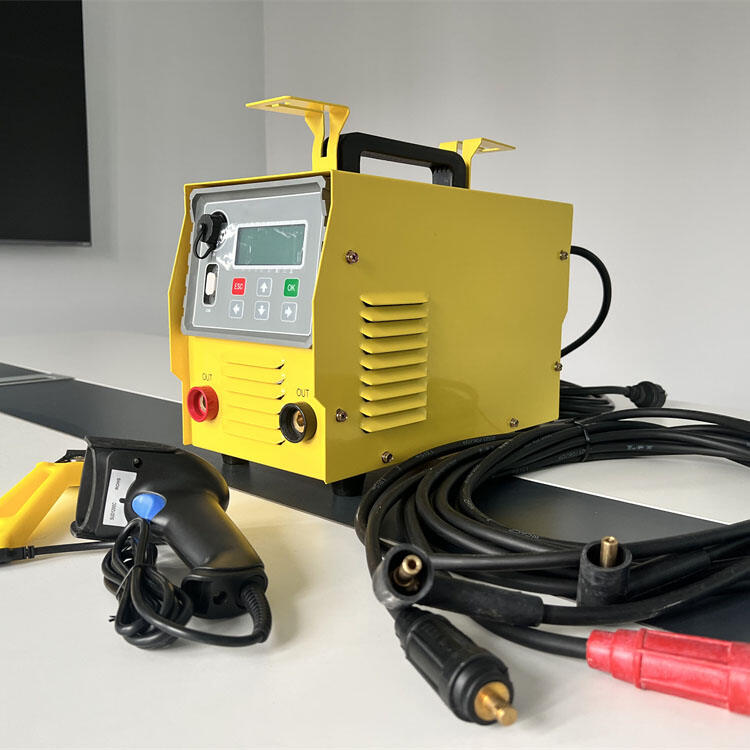
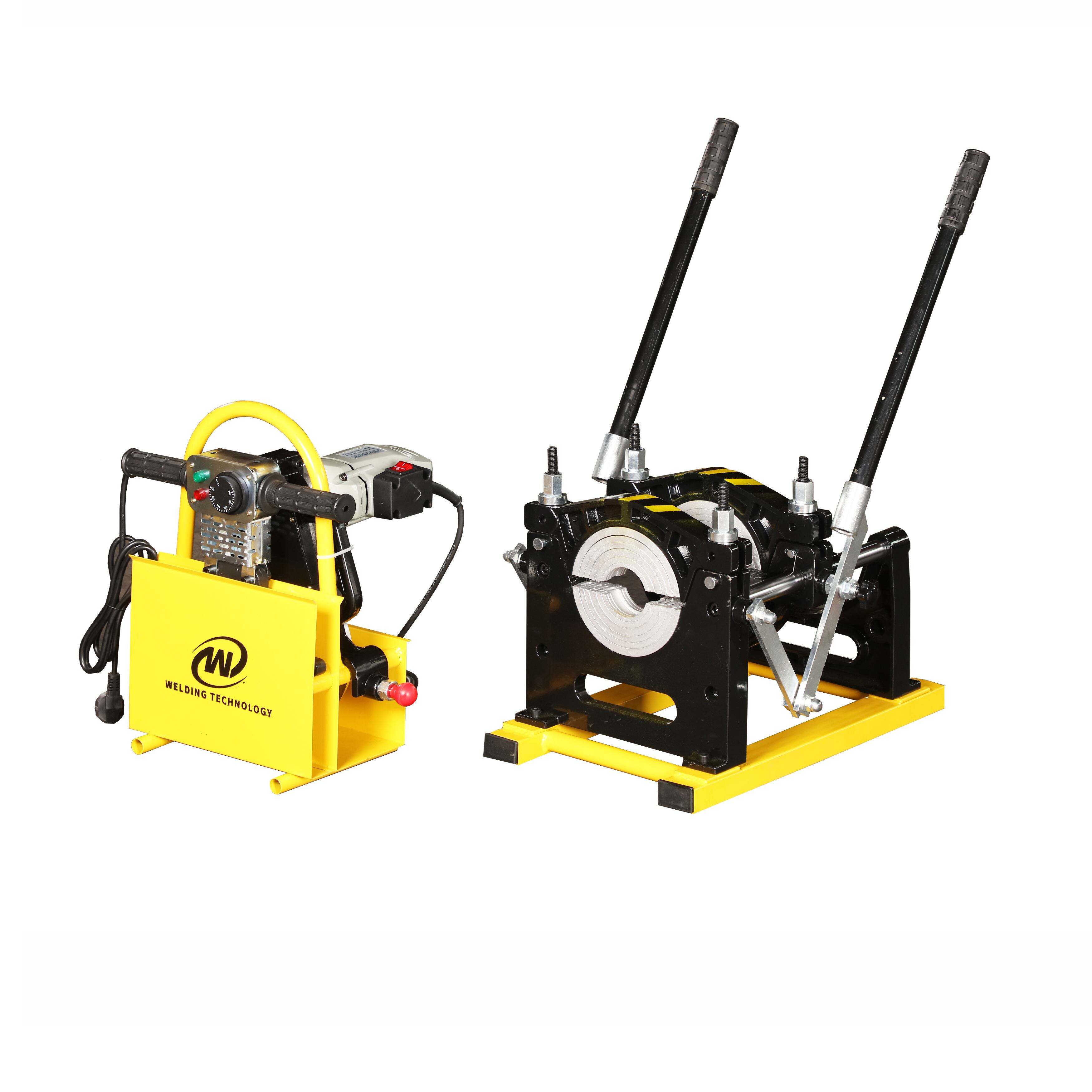
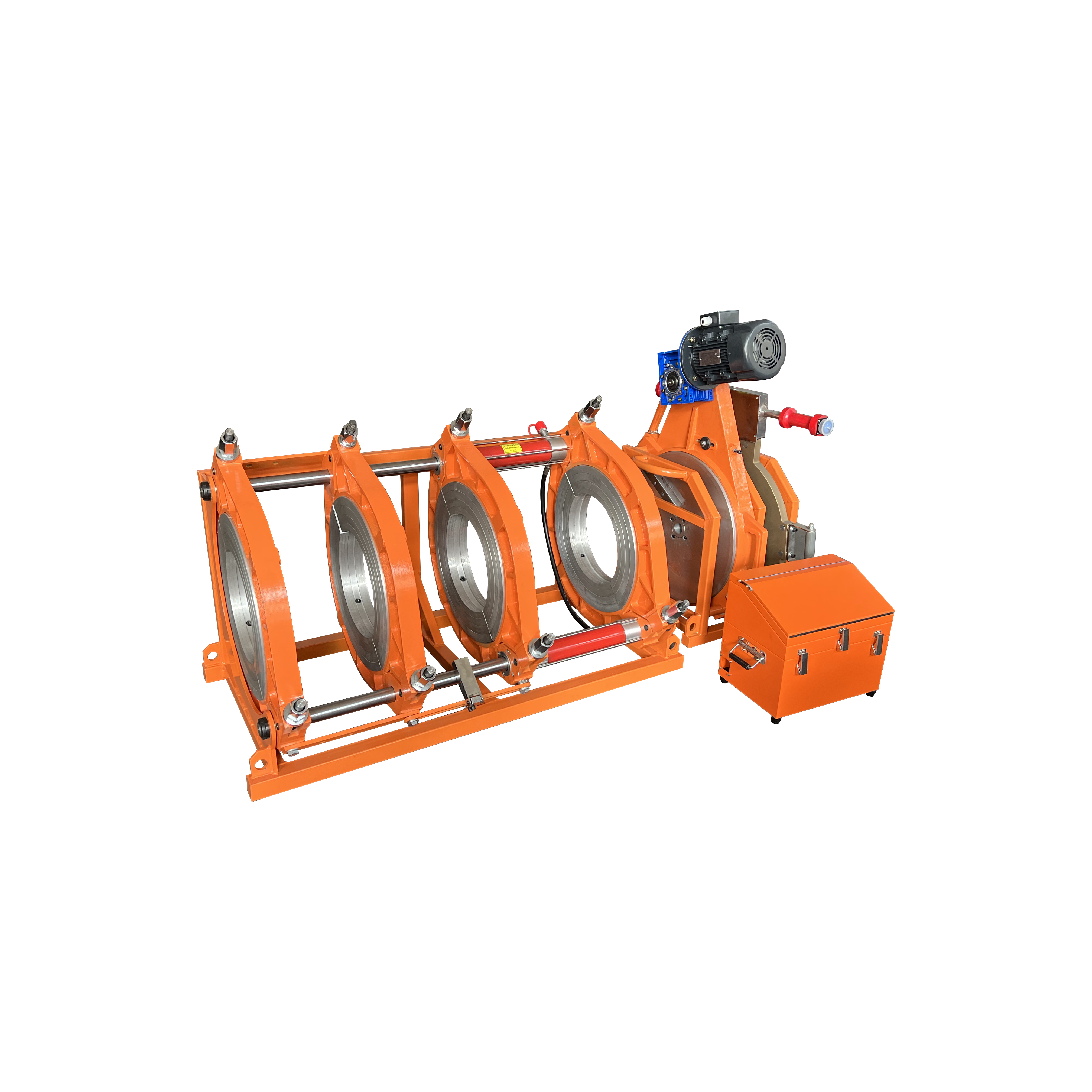
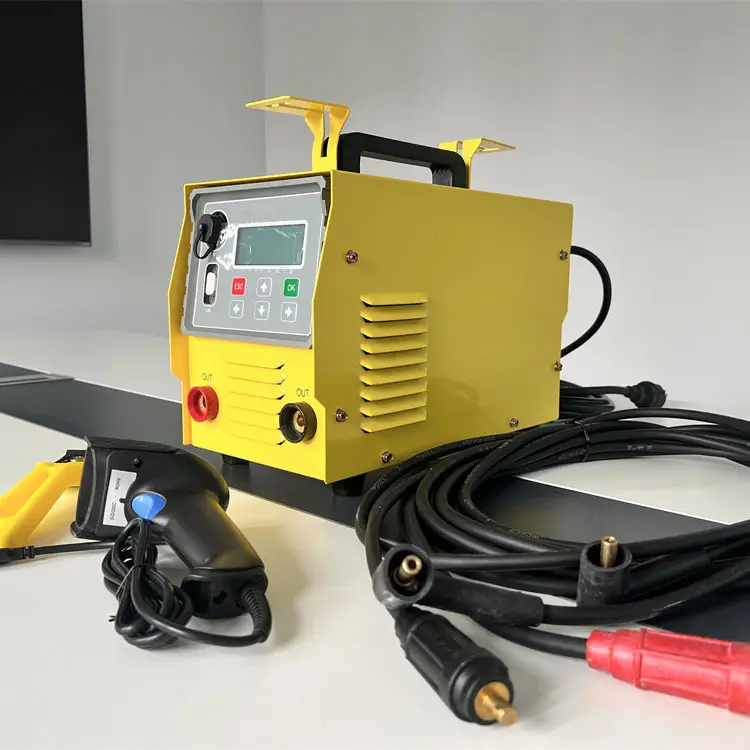
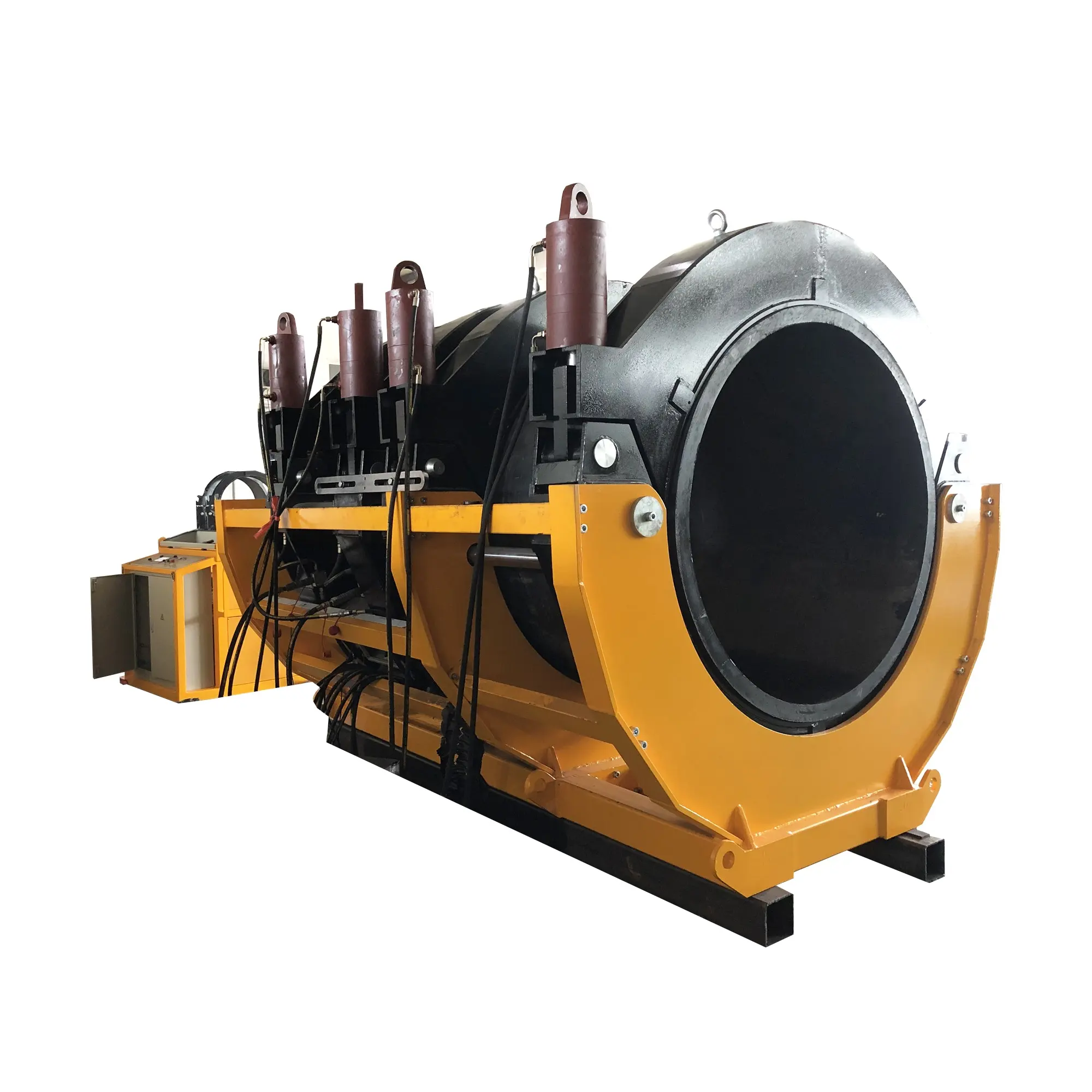
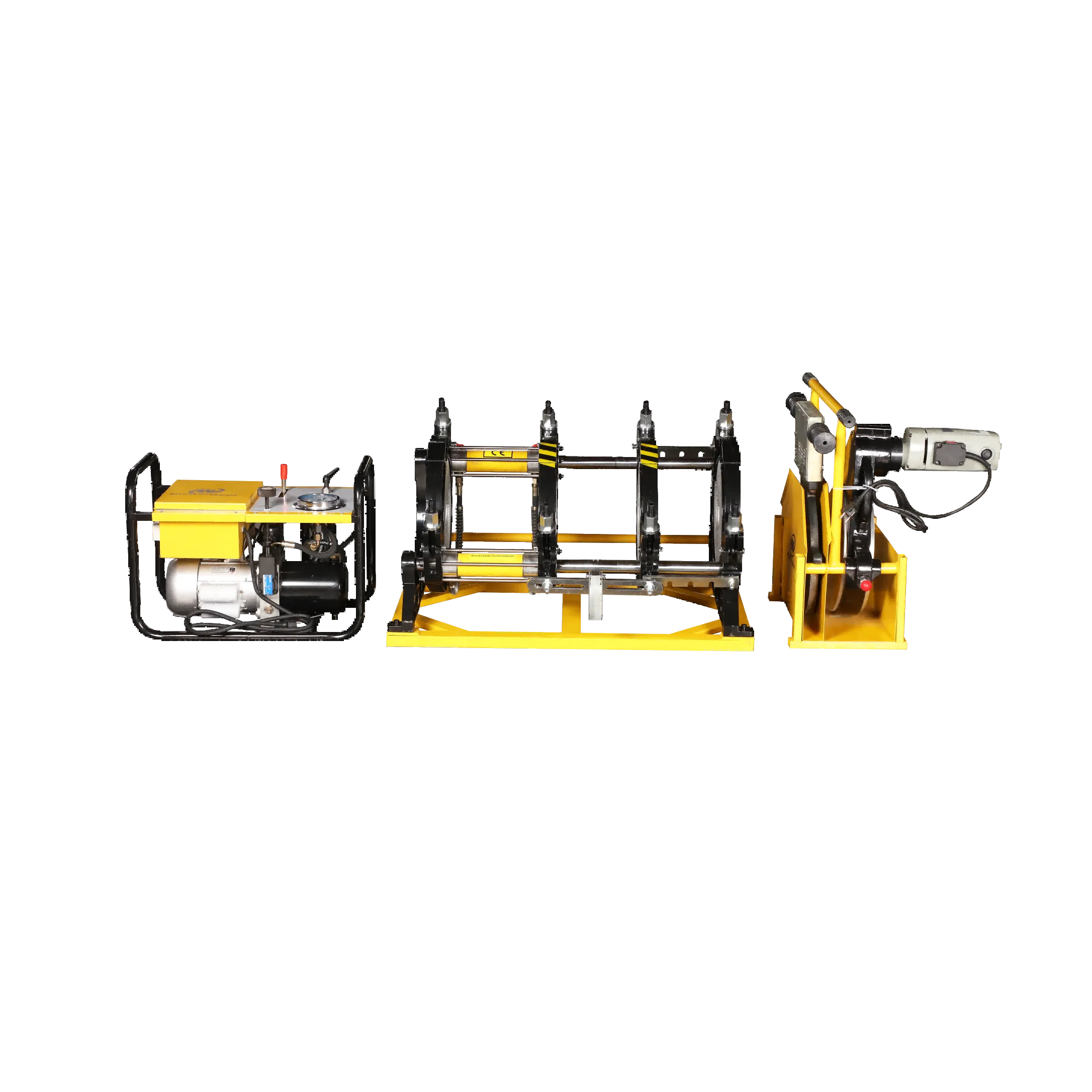
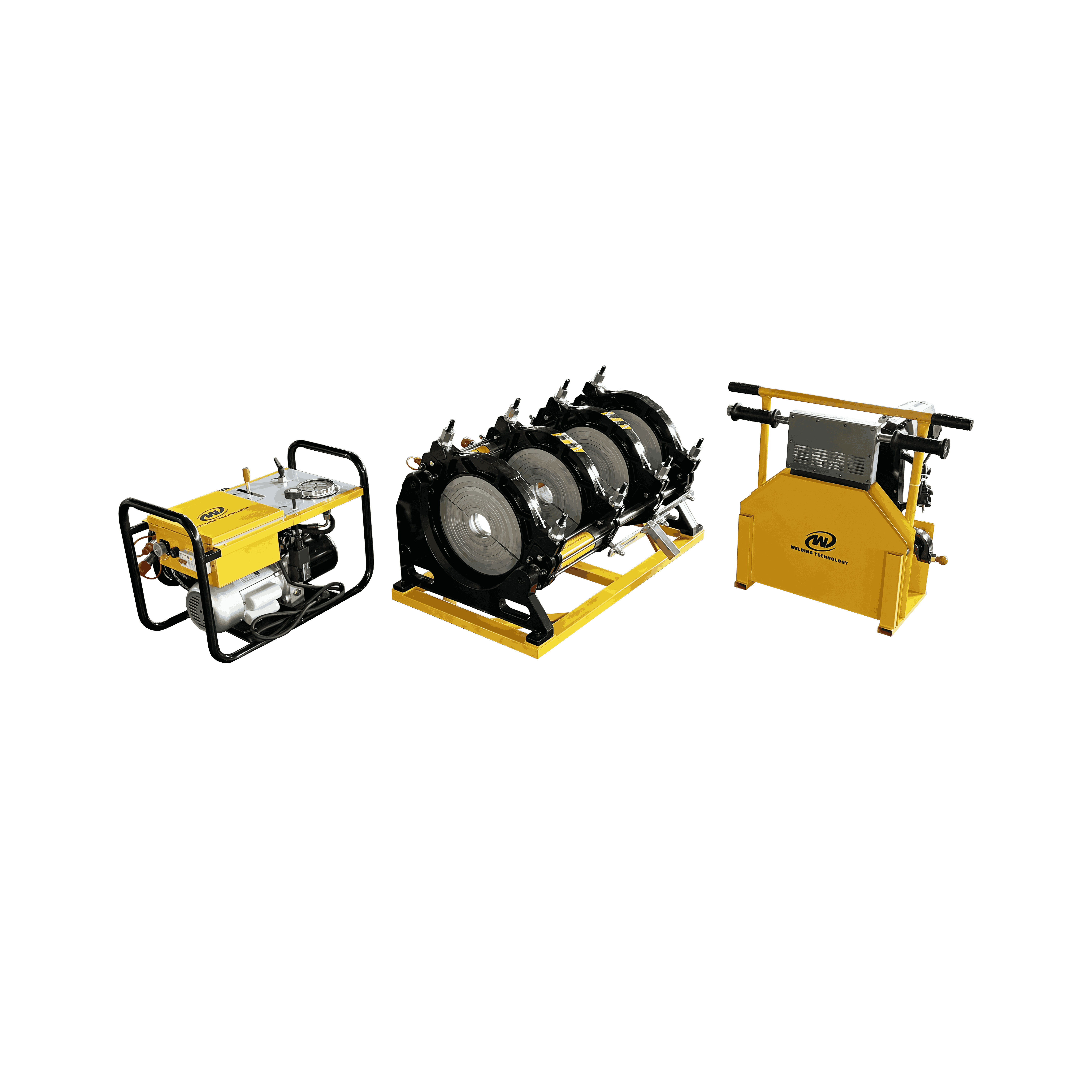
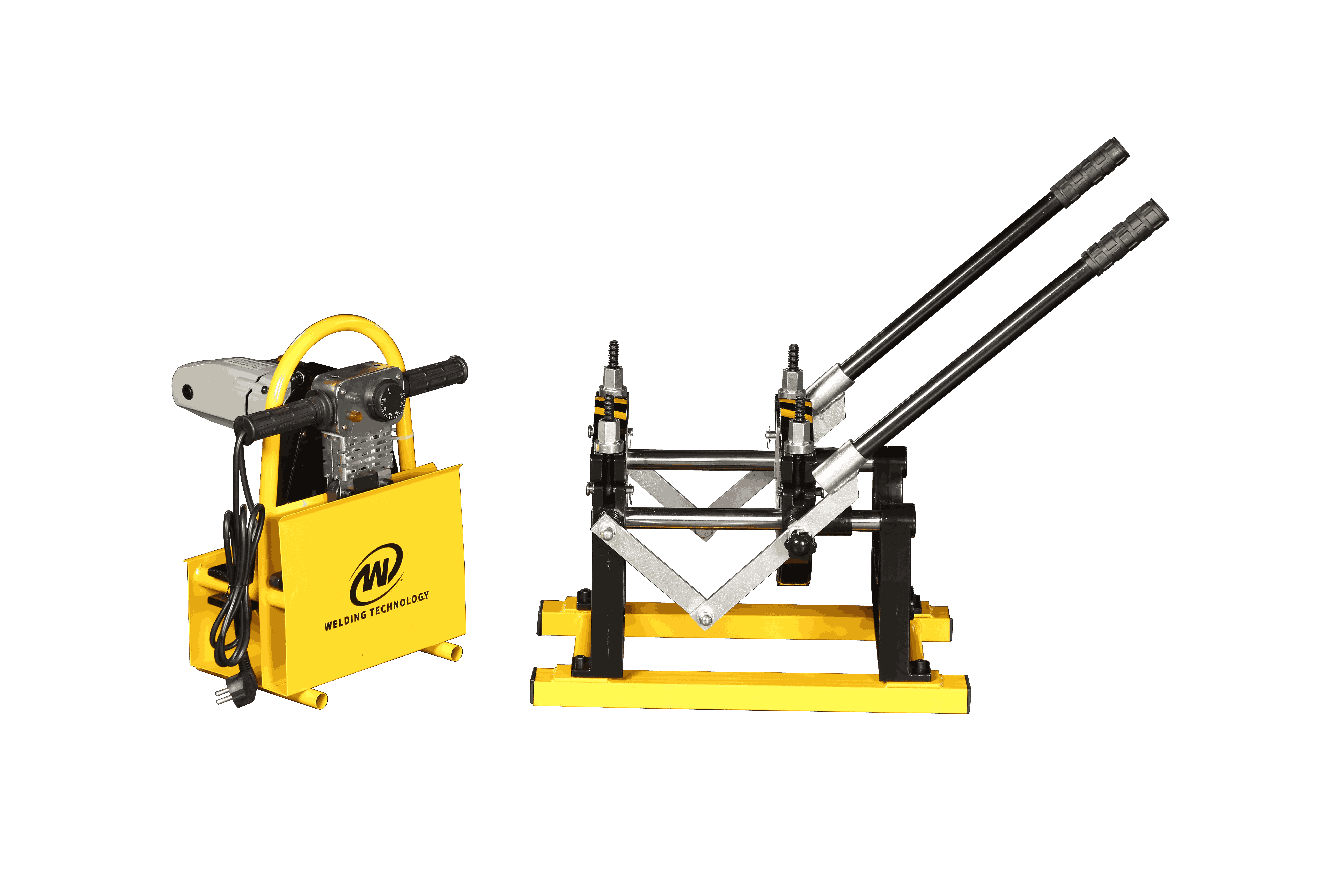
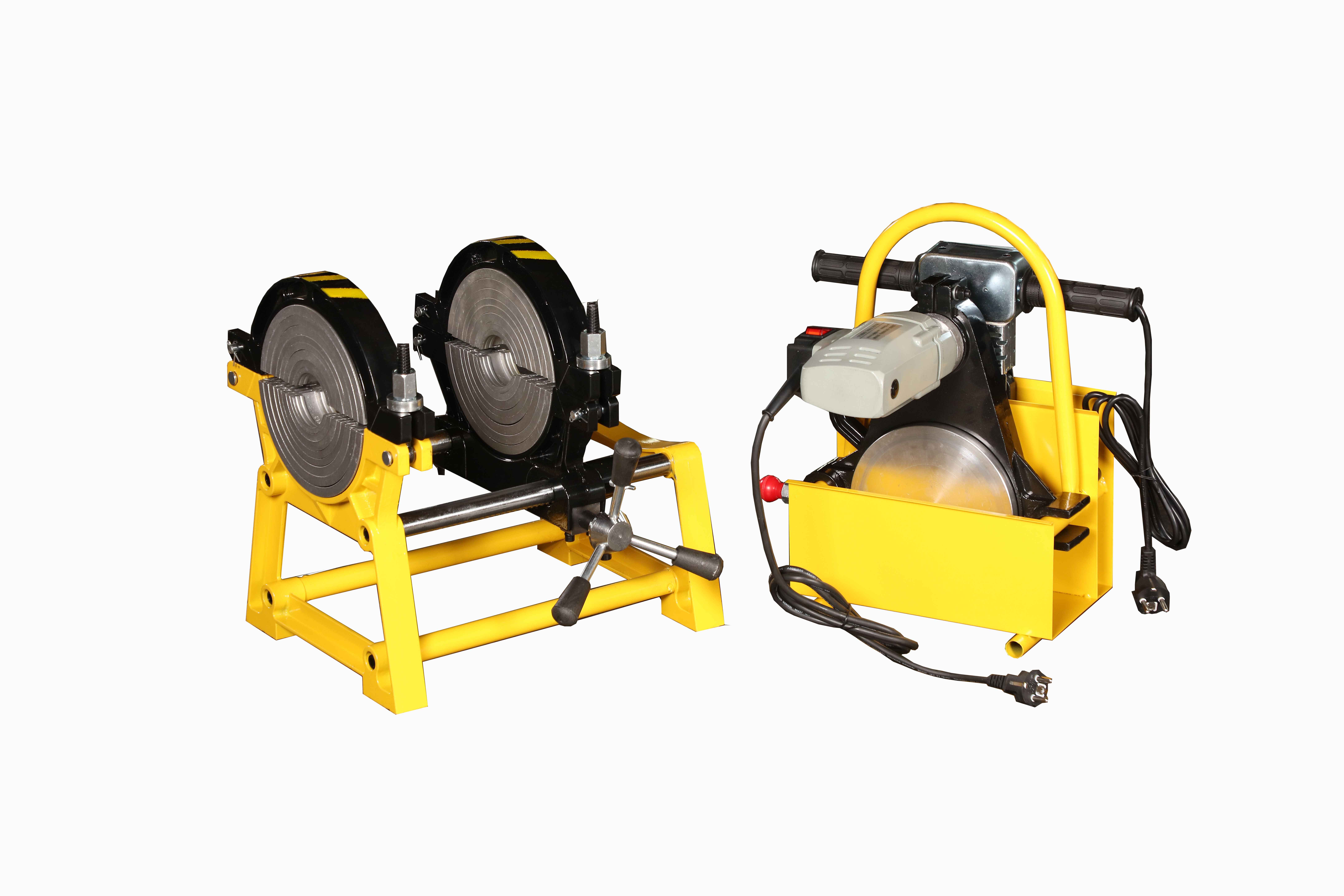
A pipe fusion equipment manufacturer specializes in designing, producing, and distributing advanced machinery used to join thermoplastic pipes through heat fusion processes. These manufacturers create equipment that enables the seamless connection of polyethylene, polypropylene, and other plastic pipe materials commonly used in water distribution, gas transmission, sewage systems, and industrial applications. The primary function of this specialized equipment revolves around creating permanent, leak-proof joints that maintain the structural integrity and flow characteristics of the piping system. Modern pipe fusion equipment manufacturer operations incorporate cutting-edge technology to ensure precise temperature control, consistent heating patterns, and reliable pressure application during the fusion process. The equipment typically includes butt fusion machines, electrofusion units, socket fusion tools, and saddle fusion apparatus, each designed for specific pipe dimensions and application requirements. Technological features embedded in contemporary fusion equipment include digital temperature monitoring systems, automated pressure regulation, data logging capabilities for quality assurance documentation, and user-friendly interfaces that simplify operation while maintaining safety standards. These manufacturers serve diverse sectors including municipal water authorities, natural gas utilities, mining operations, agricultural irrigation projects, and industrial process piping installations. The equipment accommodates pipe diameters ranging from small residential lines measuring 20 millimeters to large transmission mains exceeding 1600 millimeters in diameter. Applications extend across underground infrastructure development, above-ground processing facilities, marine installations, and temporary pipeline construction for emergency repairs or seasonal operations. A reputable pipe fusion equipment manufacturer invests significantly in research and development to address evolving industry standards, environmental regulations, and customer efficiency demands. Quality manufacturers provide comprehensive technical support, operator training programs, maintenance services, and readily available replacement components to ensure maximum equipment uptime and consistent fusion quality throughout the operational lifespan of their machinery.


Popular Products

Choosing the right pipe fusion equipment manufacturer delivers substantial practical benefits that directly impact project timelines, budget management, and long-term system reliability. First and foremost, quality manufacturers provide equipment that creates stronger joints than the pipe material itself, eliminating weak points in the pipeline system and dramatically reducing the likelihood of costly leaks or failures that could disrupt service and require expensive emergency repairs. The equipment produces joints with zero material degradation at the connection point, ensuring the full design lifespan of the piping system remains intact without premature replacement needs. Investment in professionally manufactured fusion equipment translates to significant labor cost savings because the joining process requires fewer workers compared to traditional mechanical connection methods, and the fusion cycle completes faster than alternative joining techniques, allowing crews to accomplish more installations per workday. The machinery operates with straightforward procedures that reduce the training time needed for operators, getting your workforce productive quickly without extensive specialized education requirements. Energy efficiency represents another tangible advantage, as modern equipment from established manufacturers consumes less power while delivering consistent heating performance, reducing operational costs during both short-term projects and extended construction campaigns. Equipment durability means your investment continues performing reliably across multiple projects spanning many years, avoiding frequent replacement expenses and the productivity losses associated with equipment downtime. Leading manufacturers design their fusion machines with field serviceability in mind, using readily available components and simple maintenance procedures that your team can perform without specialized technicians, keeping the equipment operational and minimizing expensive service calls. The precision engineering incorporated by quality manufacturers ensures consistent fusion parameters across every joint, creating uniform quality throughout entire pipeline installations and satisfying strict inspection requirements without time-consuming rework. Versatile equipment designs accommodate various pipe sizes and materials, allowing you to handle diverse project specifications with a single investment rather than purchasing multiple specialized tools. Comprehensive warranty coverage and responsive customer support from reputable manufacturers protect your investment and provide peace of mind, knowing that technical assistance and replacement parts remain accessible throughout the equipment lifecycle. Documentation capabilities built into modern fusion equipment automatically record critical parameters for each joint, simplifying quality control verification and regulatory compliance reporting without additional administrative burden. The portability features incorporated into contemporary designs allow easy transportation between work sites, enabling efficient resource allocation across multiple simultaneous projects without equipment redundancy.

Tips And Tricks

What Is a Plastic Pipe Electric Fusion Welder and How Does It Work?

15

Apr

What Is a Plastic Pipe Electric Fusion Welder and How Does It Work?

A plastic pipe electric fusion welder is a specialized welding device designed to join thermoplastic pipes and fittings through a controlled heating process known as electrofusion. This technology has revolutionized the way polyethylene, polypropylen...
View More
How Can a Pipe Welding Machine Ensure Reliable Pipe Connections?

28

Apr

How Can a Pipe Welding Machine Ensure Reliable Pipe Connections?

Reliable pipe connections form the backbone of critical infrastructure systems across water distribution networks, natural gas pipelines, industrial processing facilities, and municipal wastewater management operations. The integrity of these connect...
View More
Why Do Contractors Choose HDPE Fusion Equipment for Water Systems?

01

Apr

Why Do Contractors Choose HDPE Fusion Equipment for Water Systems?

Water infrastructure projects demand reliability, longevity, and cost-effectiveness, making equipment selection a critical decision for contractors. The choice of joining technology directly impacts project timelines, long-term system integrity, and ...
View More
How Does an HDPE Thermofusion Welding Machine Improve Joint Quality?

16

Jun

How Does an HDPE Thermofusion Welding Machine Improve Joint Quality?

In pipeline construction and fluid transport infrastructure, the quality of every joint determines the long-term integrity of the entire system. A poorly fused joint is not simply a weak point — it is a liability that can lead to leaks, system failur...
View More

Get a Free Quote

Our representative will contact you soon.
E-mail
Name
Mobile/WhatsApp
Company Name
Message
0/1000

pipe fusion equipment manufacturer

Advanced Temperature Control Technology Ensures Perfect Fusion Every Time

Advanced Temperature Control Technology Ensures Perfect Fusion Every Time

Temperature management stands as the most critical factor determining the quality and longevity of fused pipe joints, and leading pipe fusion equipment manufacturer companies have revolutionized this aspect through sophisticated control systems that eliminate the guesswork and inconsistency plaguing older fusion methods. Modern equipment incorporates microprocessor-based temperature regulation that continuously monitors heating element performance, making real-time adjustments to compensate for ambient conditions, voltage fluctuations, and thermal variations across the heating surface. This intelligent temperature management ensures that every square millimeter of the pipe surface reaches the precise melting point required for optimal molecular bonding without exceeding temperatures that could degrade the polymer structure or create weak spots in the finished joint. The heating plates used by quality manufacturers feature specialized coatings and embedded sensors that distribute thermal energy uniformly, preventing hot spots or cool zones that compromise fusion integrity. Digital displays provide operators with instant feedback regarding current temperatures, target parameters, and heating progress, removing uncertainty from the process and allowing even less experienced workers to achieve consistent professional results. Many advanced systems include automatic compensation algorithms that adjust heating duration based on pipe diameter, material composition, and environmental conditions, essentially building expert knowledge directly into the equipment. This technological sophistication delivers enormous practical value by virtually eliminating fusion failures caused by temperature errors, which historically represented the primary cause of joint defects requiring expensive removal and reinstallation. The temperature control precision also extends equipment lifespan by preventing overheating damage to heating elements and other components, reducing maintenance frequency and replacement part expenses. For contractors and utilities managing large pipeline projects, this consistent temperature performance means predictable project timelines without delays caused by failed joints discovered during pressure testing. Quality assurance becomes simplified because temperature data gets automatically logged with timestamps for every fusion cycle, creating verifiable documentation that satisfies regulatory inspections and warranty requirements without manual record-keeping burdens. The reliability of advanced temperature control technology reduces material waste by minimizing rejected joints, contributing to both cost savings and environmental sustainability objectives.
Hydraulic Pressure Systems Deliver Consistent Force for Superior Joint Strength

Hydraulic Pressure Systems Deliver Consistent Force for Superior Joint Strength

The pressure application phase of pipe fusion determines whether the melted surfaces achieve complete molecular integration or merely create a superficial bond prone to eventual separation, making the hydraulic systems designed by quality pipe fusion equipment manufacturer specialists absolutely essential for creating reliable long-term connections. Professional-grade fusion equipment utilizes precision hydraulic cylinders that apply controlled, consistent force throughout the joining process, maintaining the exact pressure specifications required for the specific pipe material and diameter being fused. Unlike manual pressure application methods that depend entirely on operator judgment and physical exertion, hydraulic systems deliver mathematically precise force levels that remain constant regardless of worker strength, fatigue level, or experience. This consistency proves particularly valuable when joining large diameter pipes where the required forces exceed what manual methods could ever achieve reliably. The hydraulic pressure control allows the equipment to follow the ideal fusion pressure profile, beginning with initial contact pressure during the heating phase, reducing pressure slightly during heat soak time, then increasing to the specified fusion pressure during the joining phase, and finally maintaining holding pressure throughout the cooling period. Each pressure stage serves a specific metallurgical purpose in creating the optimal molecular bond structure, and automated hydraulic systems execute these transitions with perfect timing and force accuracy. Pressure monitoring systems integrated into quality equipment provide continuous feedback, alerting operators immediately if pressure falls outside acceptable parameters so corrective action can be taken before the joint becomes compromised. This real-time monitoring capability prevents the completion of defective joints that would only reveal their weakness during subsequent pressure testing or, worse, after the pipeline enters service. The hydraulic components manufactured by reputable companies feature robust construction with corrosion-resistant materials and reliable seals that maintain performance across thousands of fusion cycles in harsh field environments including extreme temperatures, dusty conditions, and rough handling during transportation. Maintenance requirements remain minimal due to the quality engineering and component selection, typically involving only periodic hydraulic fluid checks and seal inspections rather than frequent component replacements. For pipeline projects spanning months or years, this hydraulic system reliability translates directly to reduced equipment downtime and avoided project delays. The force precision delivered by professional hydraulic systems also accommodates the fusion of specialized high-performance pipe materials that require exact pressure parameters within narrow tolerances, expanding the range of applications your equipment investment can serve.
Portable Design and Rugged Construction Enable Reliable Performance Anywhere

Portable Design and Rugged Construction Enable Reliable Performance Anywhere

Pipeline installation and repair work occurs in remarkably diverse and challenging environments, from remote desert locations to congested urban construction sites, underwater marine installations to frozen arctic conditions, making the portability and durability engineered by quality pipe fusion equipment manufacturer companies absolutely critical for practical field operations. Leading manufacturers design their equipment with field mobility as a primary consideration, incorporating features like integrated lifting points, balanced weight distribution, protective frames, and compact dimensions that facilitate loading onto trucks, maneuvering through tight access points, and positioning in confined work areas where space limitations constrain equipment placement. The robust construction employs heavy-duty steel frames, impact-resistant housings, and sealed electrical components that withstand the inevitable bumps, drops, vibrations, and weather exposure that field equipment encounters during transportation and daily use. This rugged engineering ensures the equipment continues delivering precise fusion performance despite harsh treatment that would disable consumer-grade tools, protecting your investment and maintaining productivity even when working under difficult conditions. Manufacturers focused on practical field requirements design their equipment to function reliably across extreme temperature ranges, enabling successful pipeline installation during summer heat or winter cold without performance degradation or component failures that halt work and delay project completion. Sealed hydraulic systems prevent contamination from dust, mud, and moisture that pervade construction environments, maintaining pressure accuracy and component longevity regardless of ambient conditions. Electrical systems incorporate weatherproof connectors and protected circuits that continue operating safely even during rain or snow, avoiding the work stoppages that weather-sensitive equipment suffers. The combination of portability and durability proves especially valuable for utilities and contractors serving large geographic territories, allowing a single equipment set to move efficiently between multiple project sites rather than requiring redundant equipment purchases for simultaneous operations. Quick setup procedures integrated into well-designed equipment minimize the time between arrival at a work site and productive fusion operations, maximizing the productive hours available each workday and improving overall project efficiency. Maintenance accessibility represents another practical advantage of quality construction, with service points positioned for easy access without requiring complete equipment disassembly, enabling routine maintenance during brief work breaks rather than consuming entire days with equipment servicing. This field-serviceable design reduces dependency on factory repair services and specialized technicians, cutting maintenance costs and minimizing equipment downtime throughout years of service across countless projects and thousands of successful fusion joints.

Get a Free Quote

Our representative will contact you soon.
E-mail
Name
Mobile/WhatsApp
Company Name
Message
0/1000