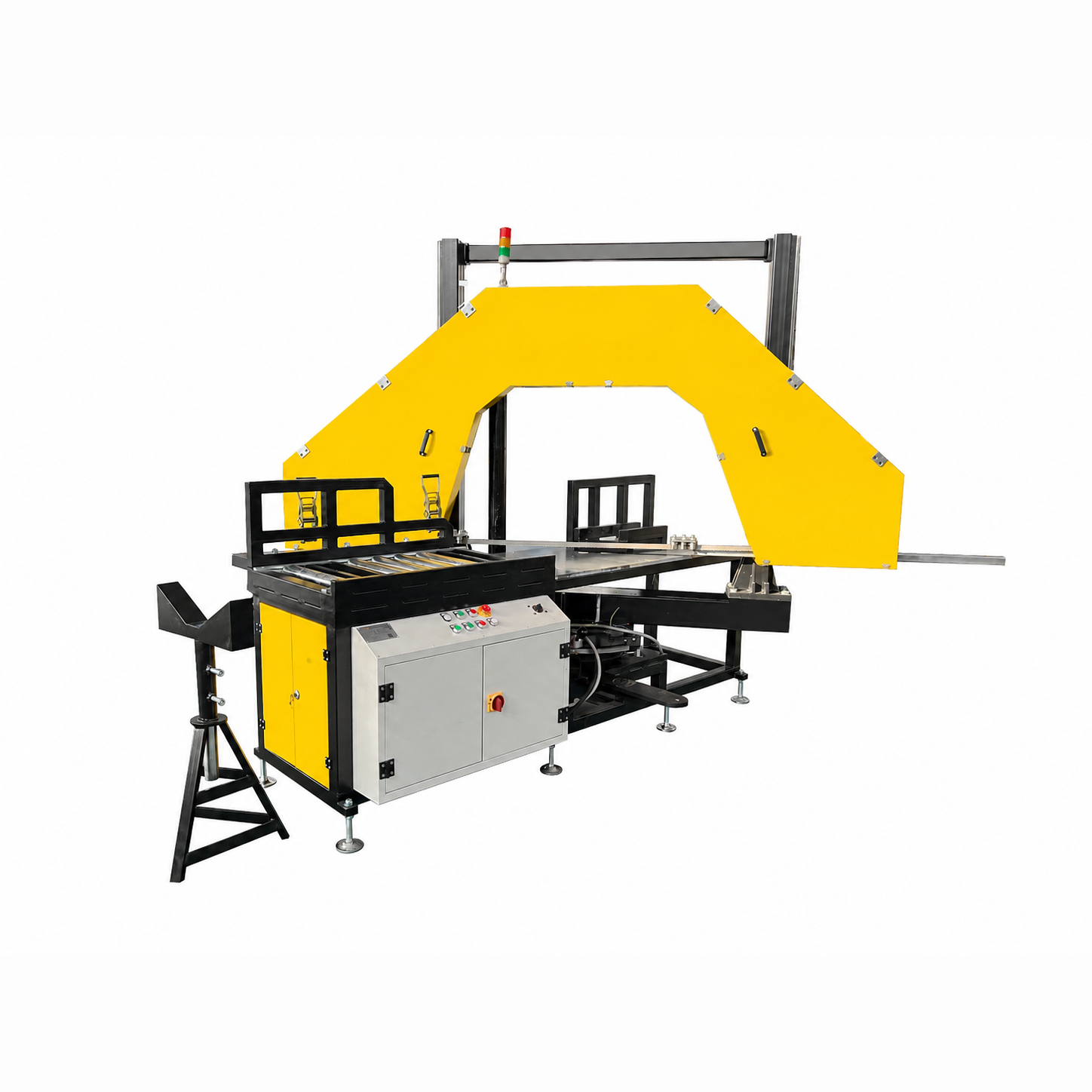
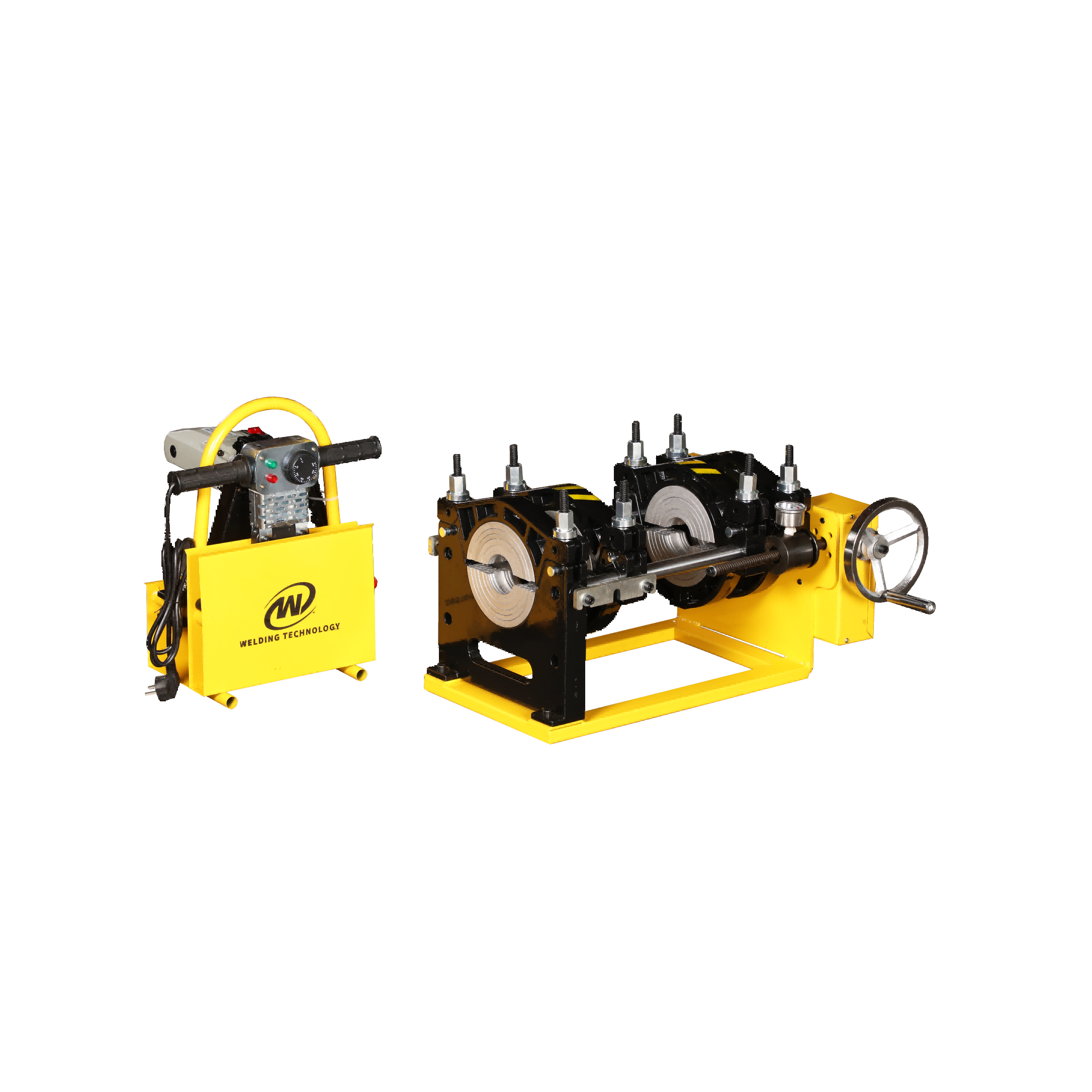
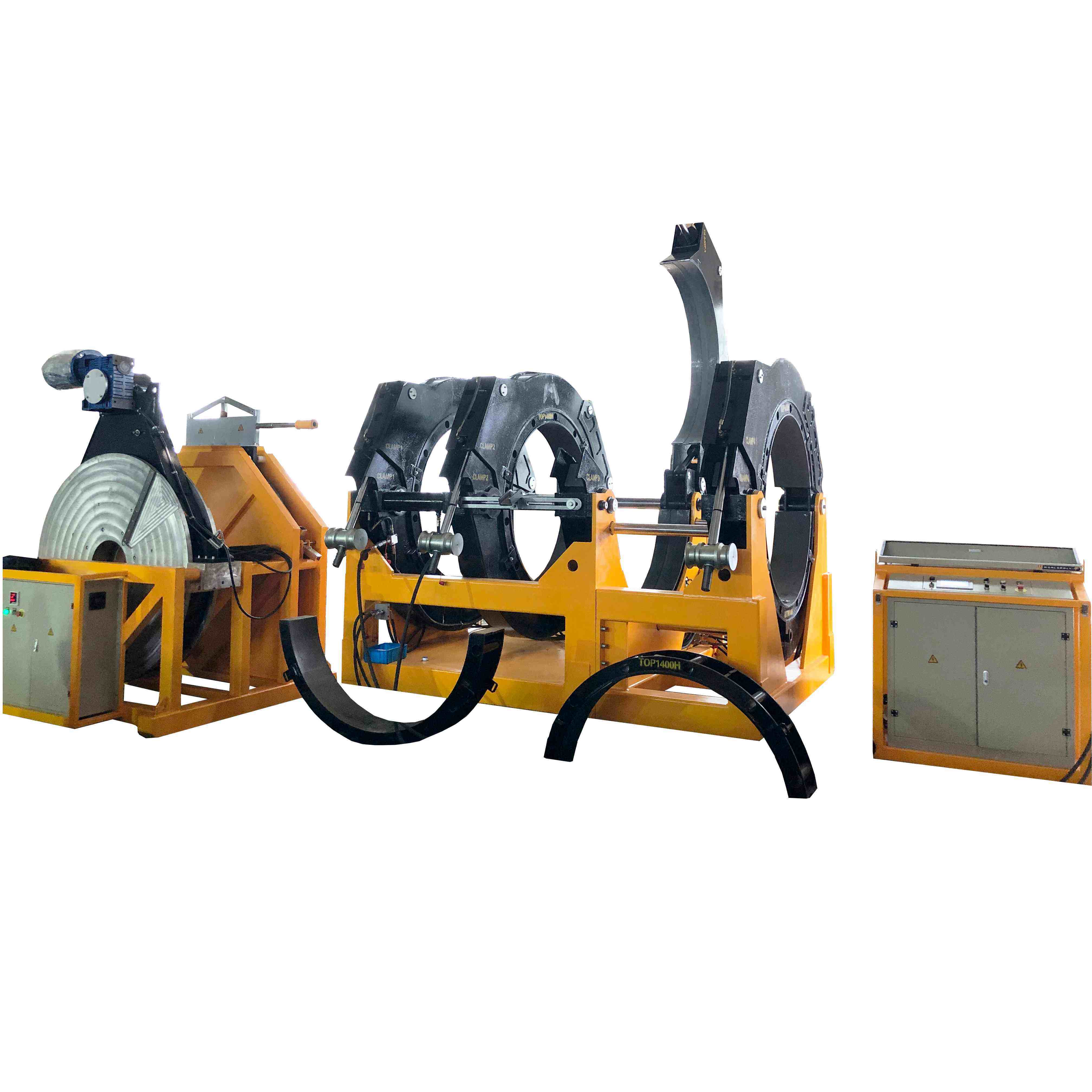
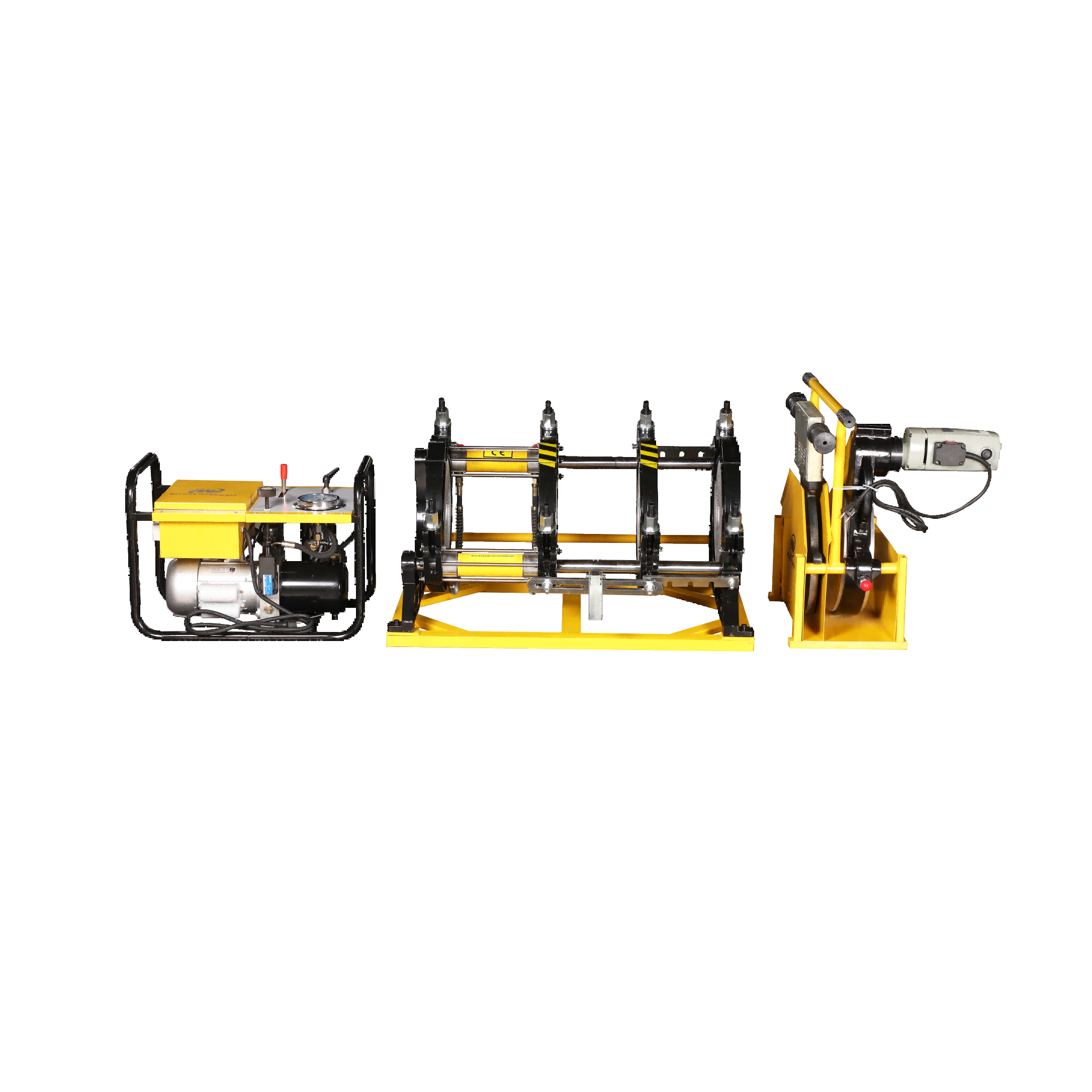
Professional Plastic Pipe Electric Welder - Precision Electrofusion Technology for Reliable Pipe Joining

Get a Free Quote

Our representative will contact you soon.
E-mail
Name
Mobile/WhatsApp
Company Name
Message
0/1000

plastic pipe electric welder

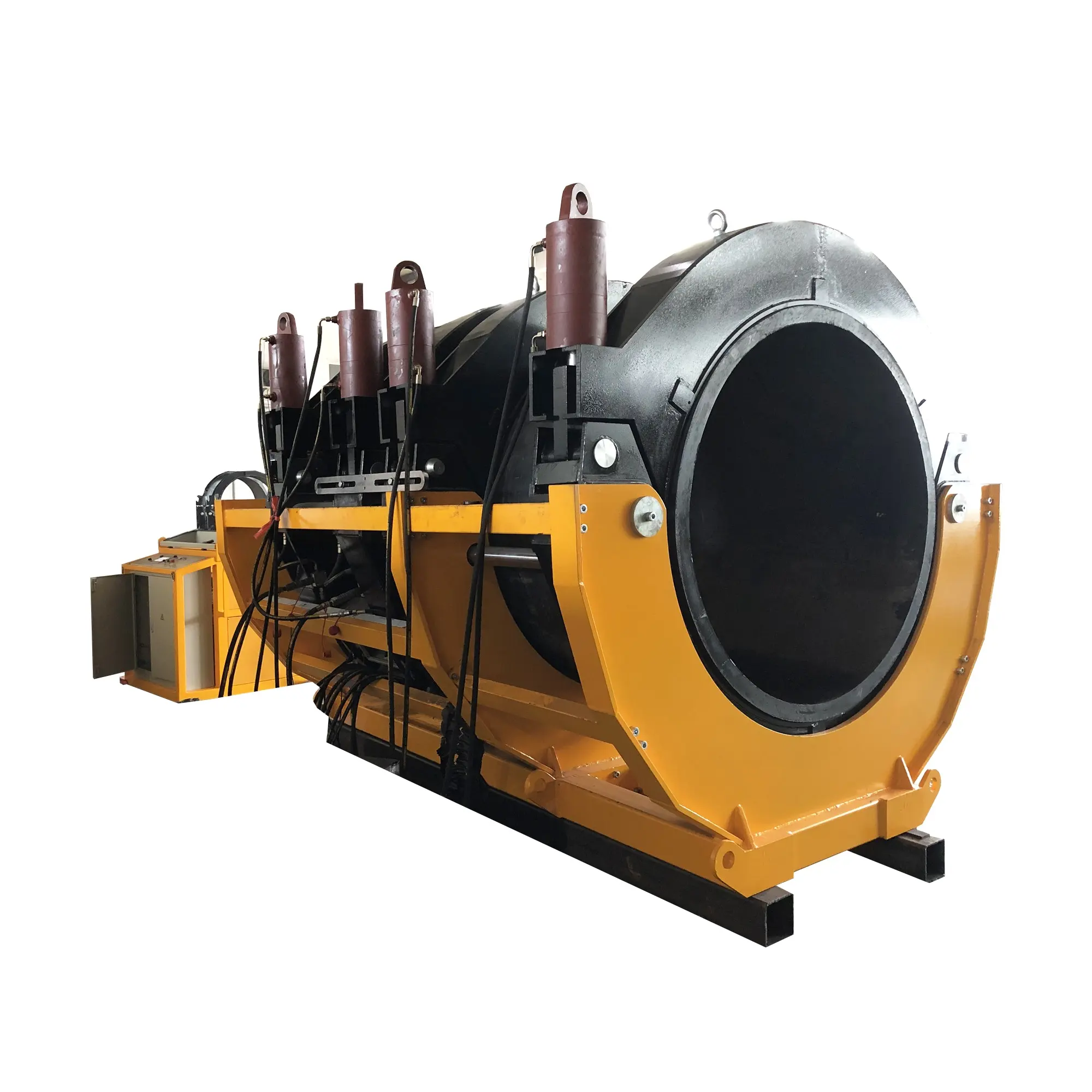
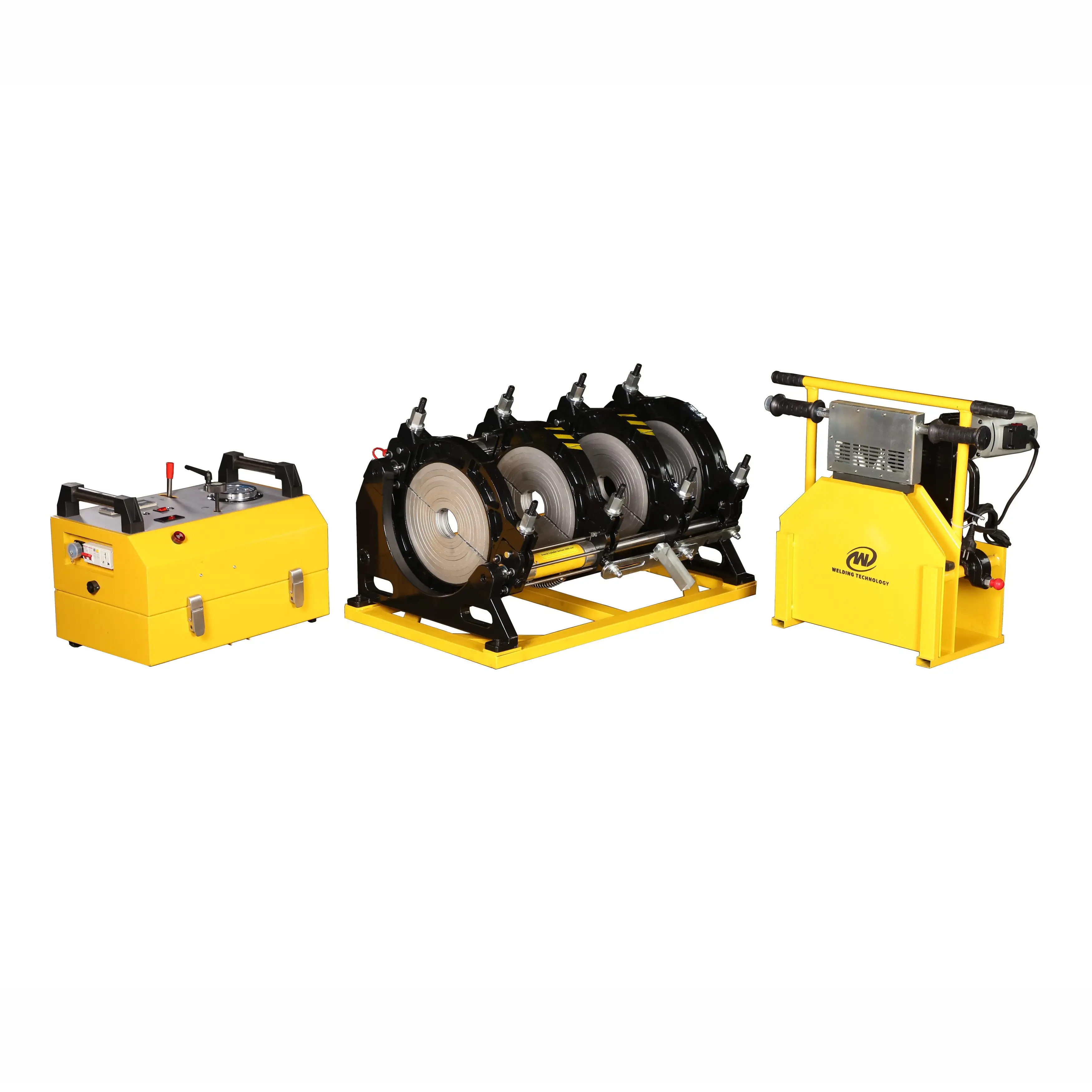
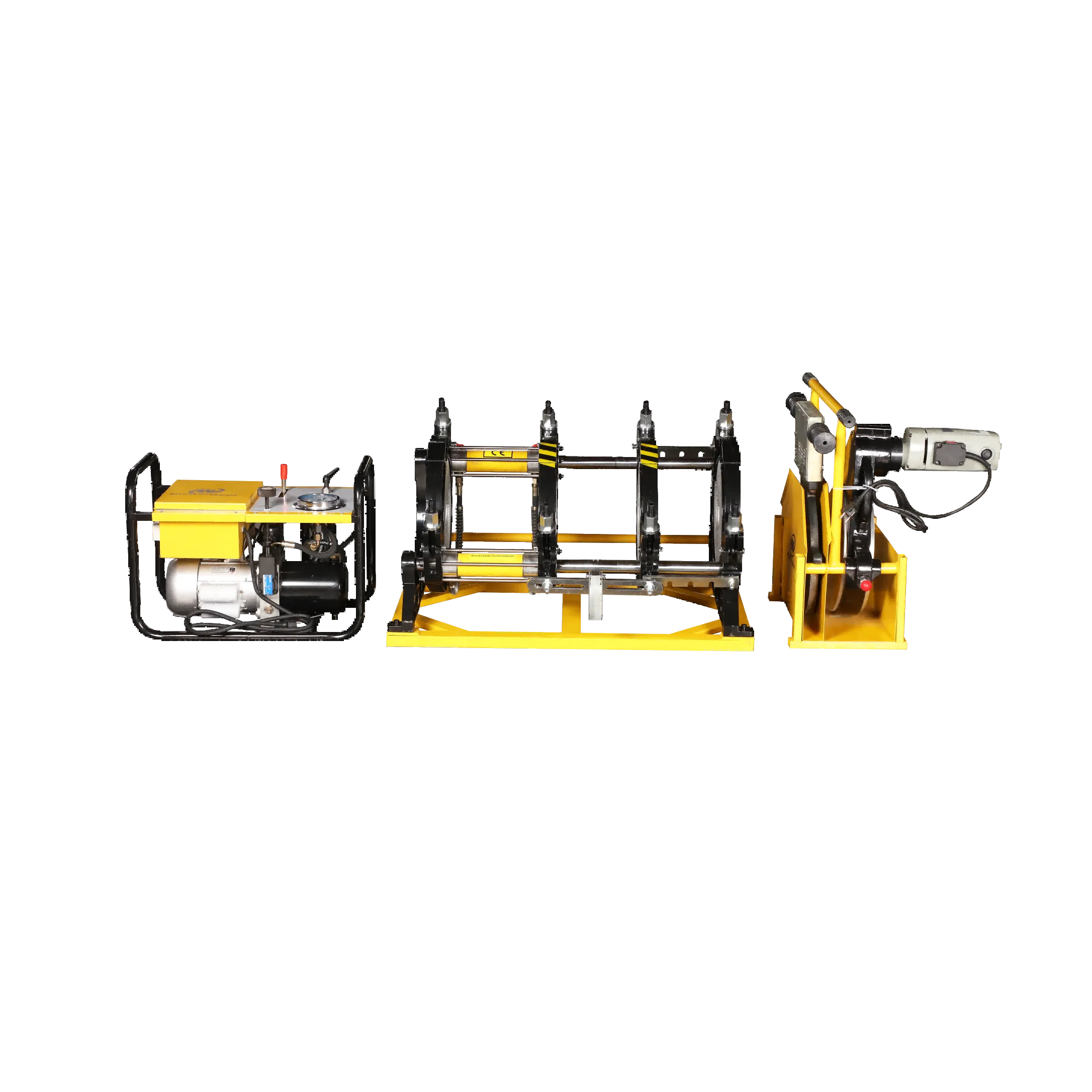
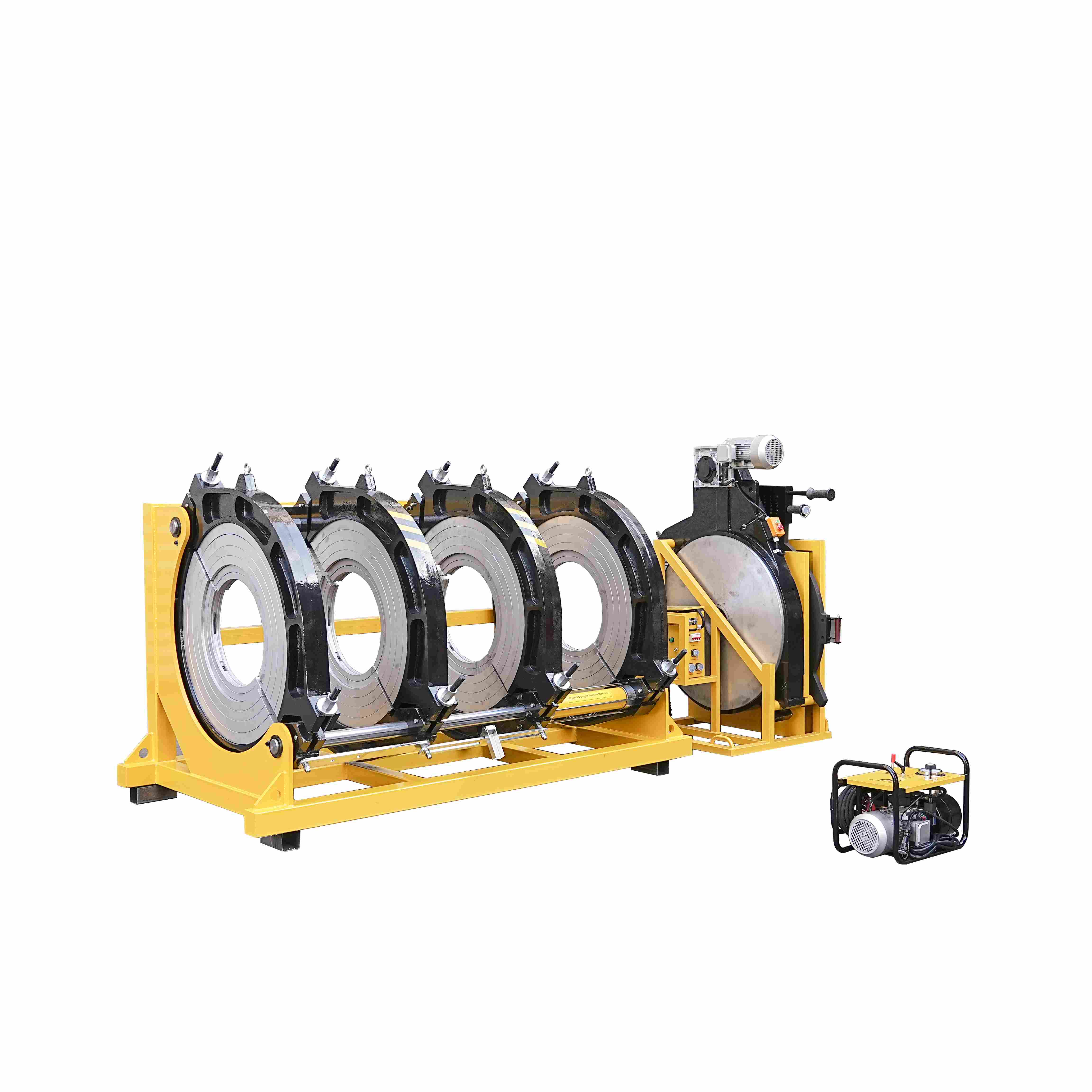
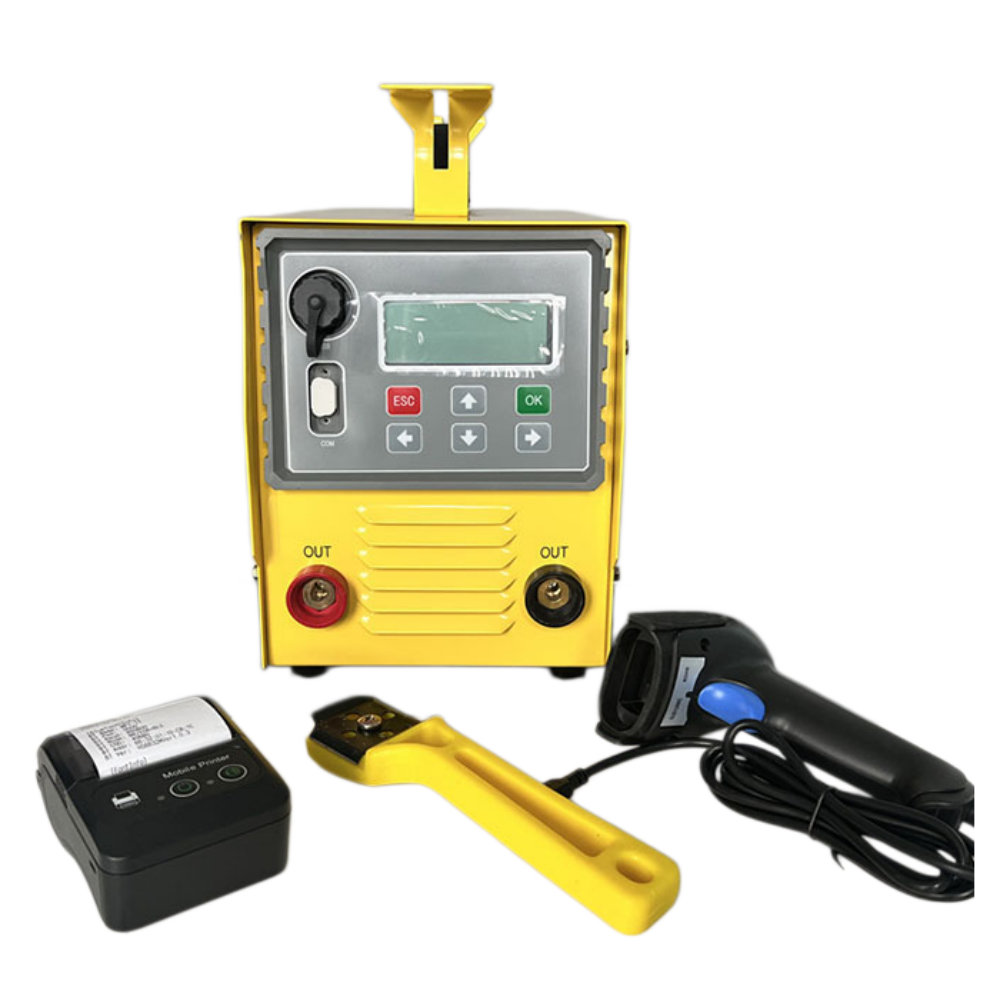
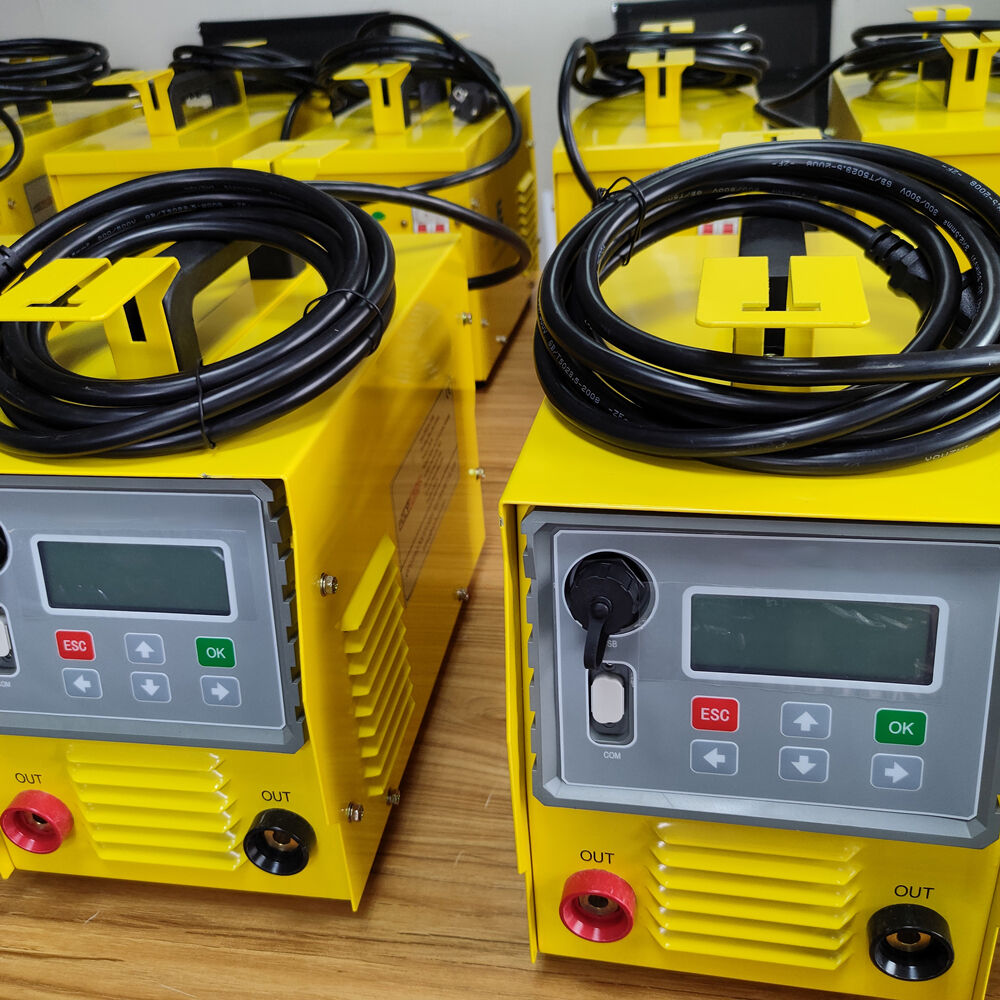
A plastic pipe electric welder represents an essential piece of equipment designed specifically for joining thermoplastic pipes through electrofusion technology. This sophisticated device creates permanent, leak-proof connections by applying controlled electrical current to specially designed fittings that contain embedded heating coils. The welder works by heating the interface between the pipe and fitting to their melting point, allowing the materials to fuse together at a molecular level. Modern plastic pipe electric welders feature digital control systems that precisely manage voltage, current, and heating duration based on fitting specifications, ensuring consistent and reliable joints every time. These machines are engineered to work with various thermoplastic materials including polyethylene, polypropylene, and other compatible polymers commonly used in water distribution, gas transmission, industrial processing, and municipal infrastructure projects. The technology behind these welders has evolved significantly, incorporating microprocessor controls, barcode scanning capabilities for automatic parameter setting, and comprehensive data logging functions that document each weld for quality assurance purposes. Operators benefit from intuitive interfaces that display real-time information about the welding process, including voltage readings, elapsed time, and completion status. Safety features are integrated throughout the design, with automatic shut-off mechanisms, overheating protection, and clear visual indicators that prevent errors during operation. The portability of modern plastic pipe electric welders makes them suitable for both workshop environments and field installations, with ruggedized housings that withstand harsh working conditions. Battery-powered models extend operational flexibility to remote locations without reliable power sources, while generator-compatible units ensure continuous productivity across diverse project sites. The precision achieved through electric welding technology eliminates many common joining problems associated with manual methods, delivering joints that match or exceed the strength of the pipe itself while maintaining complete integrity against pressure, temperature fluctuations, and environmental stress factors that challenge infrastructure systems.


New Product Releases

Investing in a plastic pipe electric welder delivers multiple practical benefits that directly impact project outcomes and operational efficiency. First and foremost, these devices guarantee consistent joint quality regardless of operator skill level, because the machine controls all critical parameters automatically once the correct settings are entered. This consistency translates to fewer callbacks, reduced warranty claims, and enhanced reputation for contractors and installers. The speed advantage cannot be overstated, as electric welding completes joints in a fraction of the time required by traditional methods, allowing crews to finish projects faster and take on more work without expanding labor costs. Weather independence represents another significant advantage since electric welding performs reliably in rain, cold, or wind conditions that would compromise other joining techniques, keeping projects on schedule despite challenging environmental factors. The elimination of open flames and hot work permits simplifies safety compliance and reduces insurance costs while protecting workers from burn hazards and fire risks associated with thermal fusion methods. Documentation capabilities built into modern welders provide automatic record-keeping that satisfies quality management requirements and regulatory compliance standards without additional paperwork or manual logging efforts. Long-term cost savings accumulate through reduced material waste, as electric welding requires no consumables beyond electricity and produces virtually no scrap or rejected joints that drain material budgets. The technology also minimizes physical strain on workers by eliminating heavy heating tools and repetitive manual operations, reducing fatigue-related errors and workplace injury risks. Versatility across different pipe sizes and fitting types means one welder can handle diverse project requirements, eliminating the need to purchase and maintain multiple specialized tools. Training requirements are straightforward, with most operators achieving proficiency within days rather than the weeks or months needed to master manual fusion techniques. Maintenance demands remain minimal, with solid-state electronics and simple mechanical components that rarely require service beyond routine cleaning and cable inspection. The precision of electric welding also enables tighter installation tolerances, allowing pipes to be positioned exactly where needed without accommodation for joining equipment clearances. Energy efficiency surpasses alternative methods significantly, as electric welders consume power only during active welding cycles rather than maintaining continuous heating elements. Finally, the professional appearance and documented reliability of electrically welded systems enhance property values and buyer confidence in residential, commercial, and industrial applications where quality matters.

Latest News

How Can a Pipe Welding Machine Ensure Reliable Pipe Connections?

28

Apr

How Can a Pipe Welding Machine Ensure Reliable Pipe Connections?

Reliable pipe connections form the backbone of critical infrastructure systems across water distribution networks, natural gas pipelines, industrial processing facilities, and municipal wastewater management operations. The integrity of these connect...
View More
What Is an HDPE Thermofusion Machine and How Does It Work?

10

Apr

What Is an HDPE Thermofusion Machine and How Does It Work?

High-density polyethylene (HDPE) piping systems have become the backbone of modern infrastructure projects, from municipal water distribution networks to industrial chemical transport lines. At the heart of creating reliable, leak-free HDPE pipe conn...
View More
Why Do Contractors Choose HDPE Fusion Equipment for Water Systems?

01

Apr

Why Do Contractors Choose HDPE Fusion Equipment for Water Systems?

Water infrastructure projects demand reliability, longevity, and cost-effectiveness, making equipment selection a critical decision for contractors. The choice of joining technology directly impacts project timelines, long-term system integrity, and ...
View More
How Can an HDPE Thermofusion Welding Machine Ensure Leak Free Systems?

23

Jun

How Can an HDPE Thermofusion Welding Machine Ensure Leak Free Systems?

In pipeline infrastructure across water treatment, gas distribution, and industrial fluid handling, achieving a truly leak-free system is one of the most demanding engineering challenges operators face. The HDPE thermofusion welding machine has emerg...
View More

Get a Free Quote

Our representative will contact you soon.
E-mail
Name
Mobile/WhatsApp
Company Name
Message
0/1000

plastic pipe electric welder

Advanced Digital Control Technology Ensures Perfect Joints Every Time

Advanced Digital Control Technology Ensures Perfect Joints Every Time

The core advantage of modern plastic pipe electric welders lies in their sophisticated digital control systems that remove guesswork from the joining process. These intelligent machines utilize microprocessor technology to manage every aspect of the welding cycle with precision measured in fractions of seconds and millivolts. When an operator connects a fitting and initiates the weld sequence, the welder reads the barcode or manual input to identify the exact specifications required for that particular component, including its material composition, wall thickness, diameter, and manufacturer recommendations. The system then calculates and delivers the precise voltage and current needed to achieve optimal fusion temperature at the joint interface. Throughout the heating phase, internal sensors continuously monitor electrical resistance and adjust power delivery to compensate for variations in ambient temperature, power supply fluctuations, or fitting characteristics. This active management prevents the overheating that causes material degradation and the underheating that produces weak joints, both common problems with less sophisticated equipment. The welder maintains detailed records of each connection, storing data that proves compliance with engineering specifications and quality standards. This documentation capability becomes invaluable during inspections, warranty situations, or troubleshooting efforts years after installation. Visual and audible feedback keeps operators informed about process status, with clear indicators showing when connections are secure, when power is flowing, and when the weld cycle completes successfully. Error detection algorithms identify potential problems before they compromise joint integrity, alerting users to issues like insufficient contact, damaged fittings, or electrical anomalies that require attention. The reliability of digital control eliminates the variability introduced by human judgment, ensuring that the first joint of the day matches the quality of the last joint, regardless of operator fatigue or environmental conditions. This consistency proves especially valuable in critical applications like gas distribution or potable water systems where joint failure carries serious safety and liability implications. The technology also adapts seamlessly to new fitting designs and materials as manufacturers introduce innovations, with software updates that expand capability without requiring hardware replacement.
Unmatched Portability and Power Options for Any Work Environment

Unmatched Portability and Power Options for Any Work Environment

Recognizing that pipe installation occurs in diverse locations ranging from equipped workshops to remote construction sites, manufacturers have engineered plastic pipe electric welders with exceptional portability and flexible power options. Compact designs concentrate sophisticated electronics and robust electrical components into lightweight packages that single operators can transport easily, while integrated handles and protective cases facilitate safe movement between work areas. The most advanced models incorporate rechargeable battery systems that provide complete independence from external power sources, enabling installers to work in trenches, manholes, and undeveloped areas where electrical infrastructure does not exist. These batteries deliver sufficient capacity for multiple complete welds before requiring recharging, with intelligent power management that optimizes energy consumption and extends operational time. For extended projects in remote locations, solar panel compatibility allows battery recharging without generator support, reducing fuel costs and eliminating engine noise that disturbs residential neighborhoods. When grid power is available, these welders accept standard electrical connections while automatically adjusting to voltage variations and frequency differences encountered across international markets. Generator compatibility ensures continuous operation during power outages or in areas with unreliable electrical service, with power conditioning circuits that protect sensitive electronics from the voltage spikes and irregularities that generators sometimes produce. The ruggedized construction of field-ready welders withstands the physical demands of construction environments, with sealed housings that exclude dust, moisture, and debris while protecting internal components from impact and vibration. Cable management systems prevent tangling and damage during transport and storage, with retractable reels or organized compartments that keep output leads ready for immediate deployment. Despite their durability and comprehensive features, these portable welders maintain surprisingly light weights through strategic material selection and efficient component integration. The combination of portability and power flexibility means installation crews can maintain consistent productivity regardless of project location or available infrastructure, eliminating delays caused by equipment limitations. This adaptability proves particularly valuable for emergency repairs, where rapid response to pipe failures requires bringing professional welding capability to unexpected locations without advance preparation or support equipment.
Comprehensive Safety Features Protect Workers and Ensure Regulatory Compliance

Comprehensive Safety Features Protect Workers and Ensure Regulatory Compliance

Safety considerations have driven numerous design elements in modern plastic pipe electric welders, creating machines that protect operators while satisfying increasingly stringent workplace regulations. Unlike thermal fusion methods that expose workers to open flames and extreme surface temperatures, electric welding contains the heating process entirely within the fitting itself, with only the internal coil reaching fusion temperature while external surfaces remain cool enough for safe handling. This fundamental safety advantage eliminates burn risks and removes the need for hot work permits that complicate scheduling and increase administrative burdens. Automatic shut-off systems detect fault conditions instantly, interrupting power delivery when sensors identify short circuits, ground faults, or abnormal resistance patterns that indicate problems with connections or fittings. These protective mechanisms prevent equipment damage while eliminating shock hazards and fire risks that could arise from electrical malfunctions. Clear visual indicators use universally understood color coding to communicate machine status, with green lights confirming normal operation, yellow warnings indicating attention requirements, and red alerts demanding immediate action. Audible signals supplement visual feedback, ensuring operators receive safety messages even when focused on physical tasks rather than display panels. Insulated output cables and properly grounded housings prevent accidental electrical contact, while circuit breakers and fuses provide redundant protection against overload conditions. The elimination of flammable gases, fuels, and hot surfaces from the work area significantly reduces fire hazards, particularly important when working near combustible materials or in confined spaces with limited ventilation. Ergonomic designs minimize repetitive stress injuries by positioning controls and connections for natural hand positions and comfortable postures during extended use. Lightweight construction reduces the physical strain of equipment handling, while secure cable connections prevent accidental disconnection that could create hazardous situations. Documentation features contribute to safety by creating audit trails that verify proper procedures were followed, supporting accident investigations and proving due diligence in liability situations. Training requirements remain straightforward, with intuitive interfaces that prevent dangerous errors even among less experienced operators. The overall safety profile of electric welding technology makes it the preferred choice for organizations prioritizing worker protection and risk management.

Get a Free Quote

Our representative will contact you soon.
E-mail
Name
Mobile/WhatsApp
Company Name
Message
0/1000