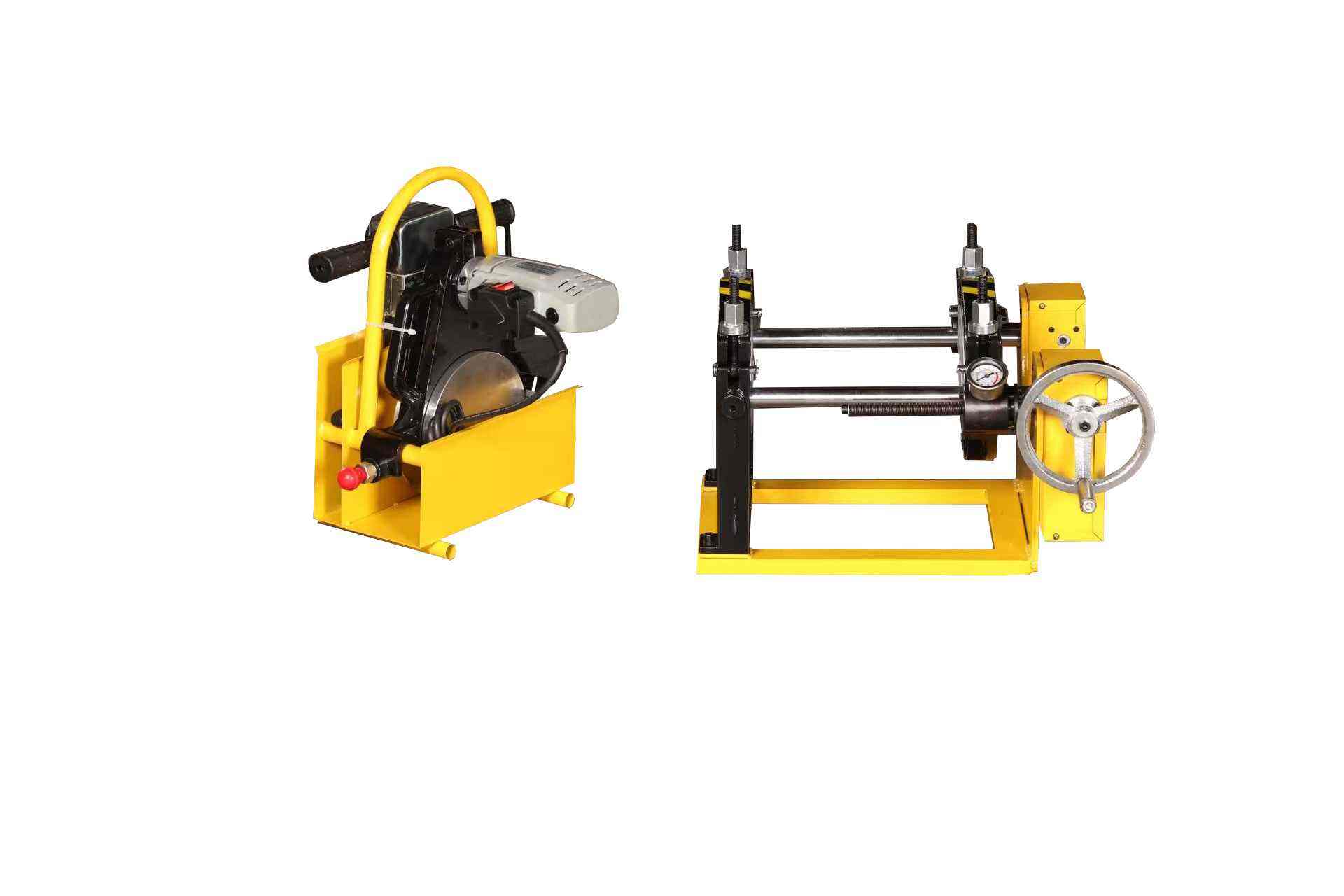

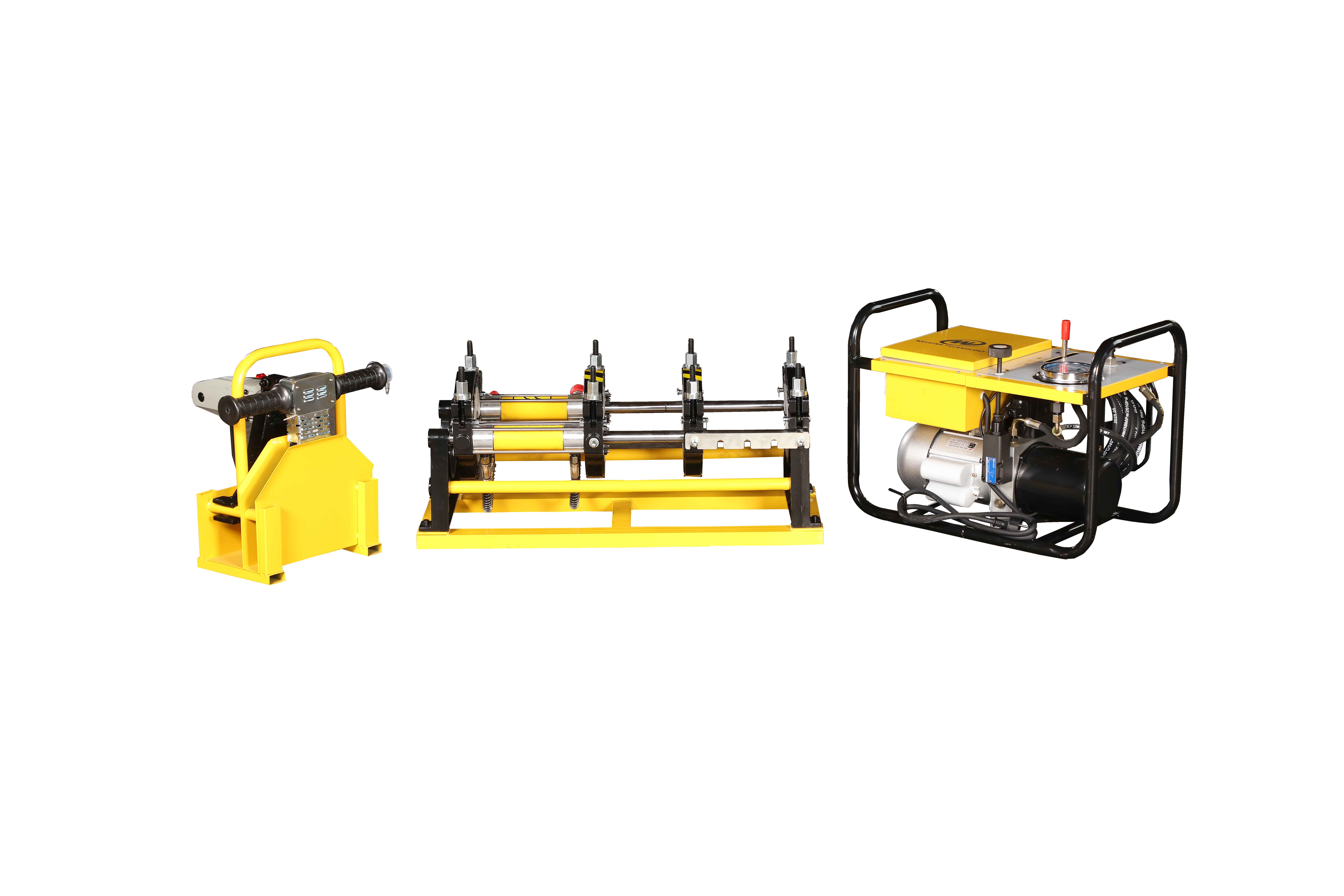
Professional Wire Butt Welding Machine - Advanced Industrial Welding Solutions

Get a Free Quote

Our representative will contact you soon.
E-mail
Name
Mobile/WhatsApp
Company Name
Message
0/1000

wire butt welding machine

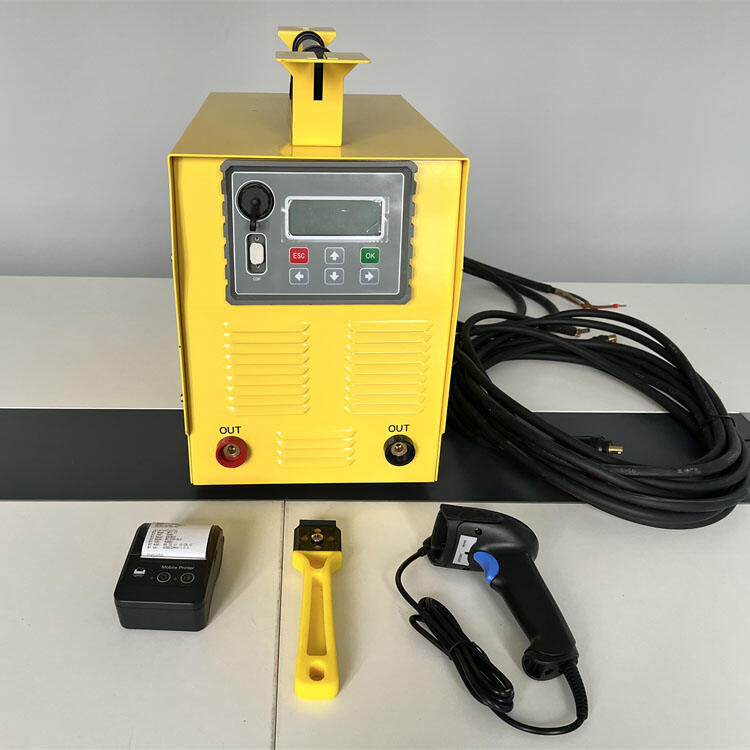
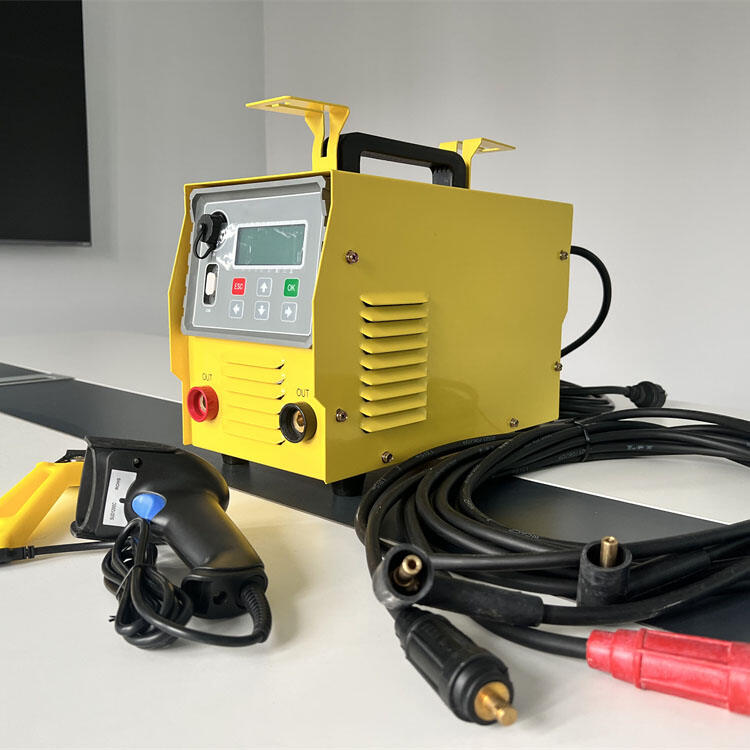
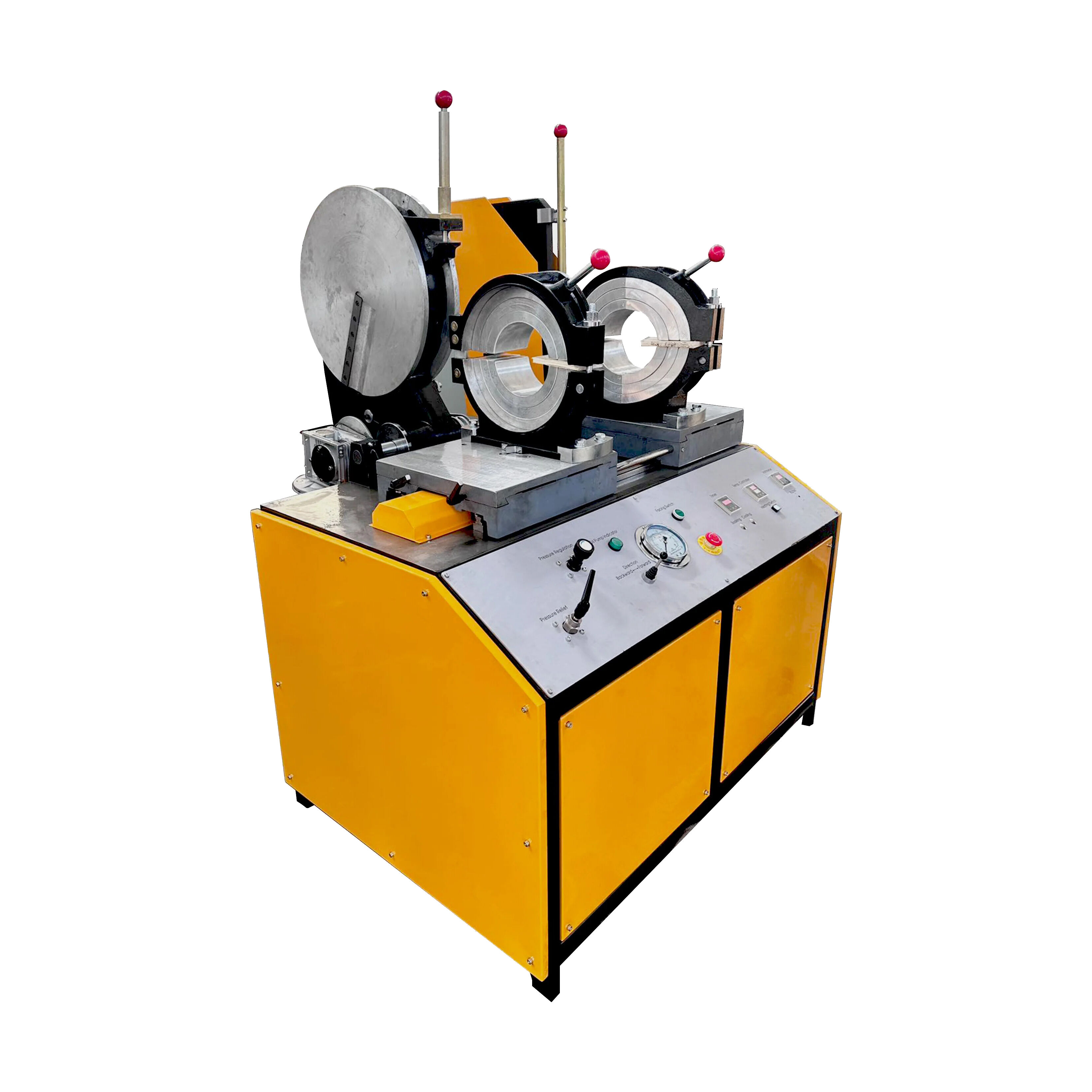
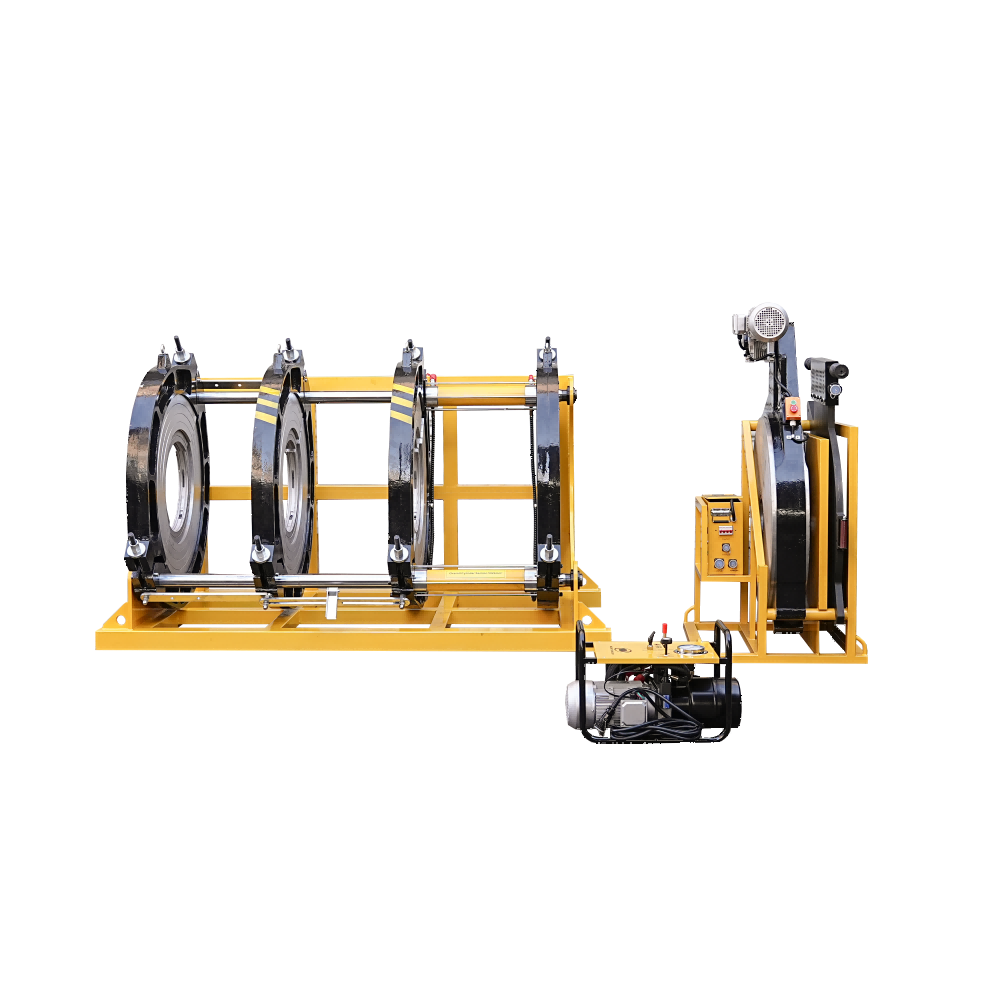
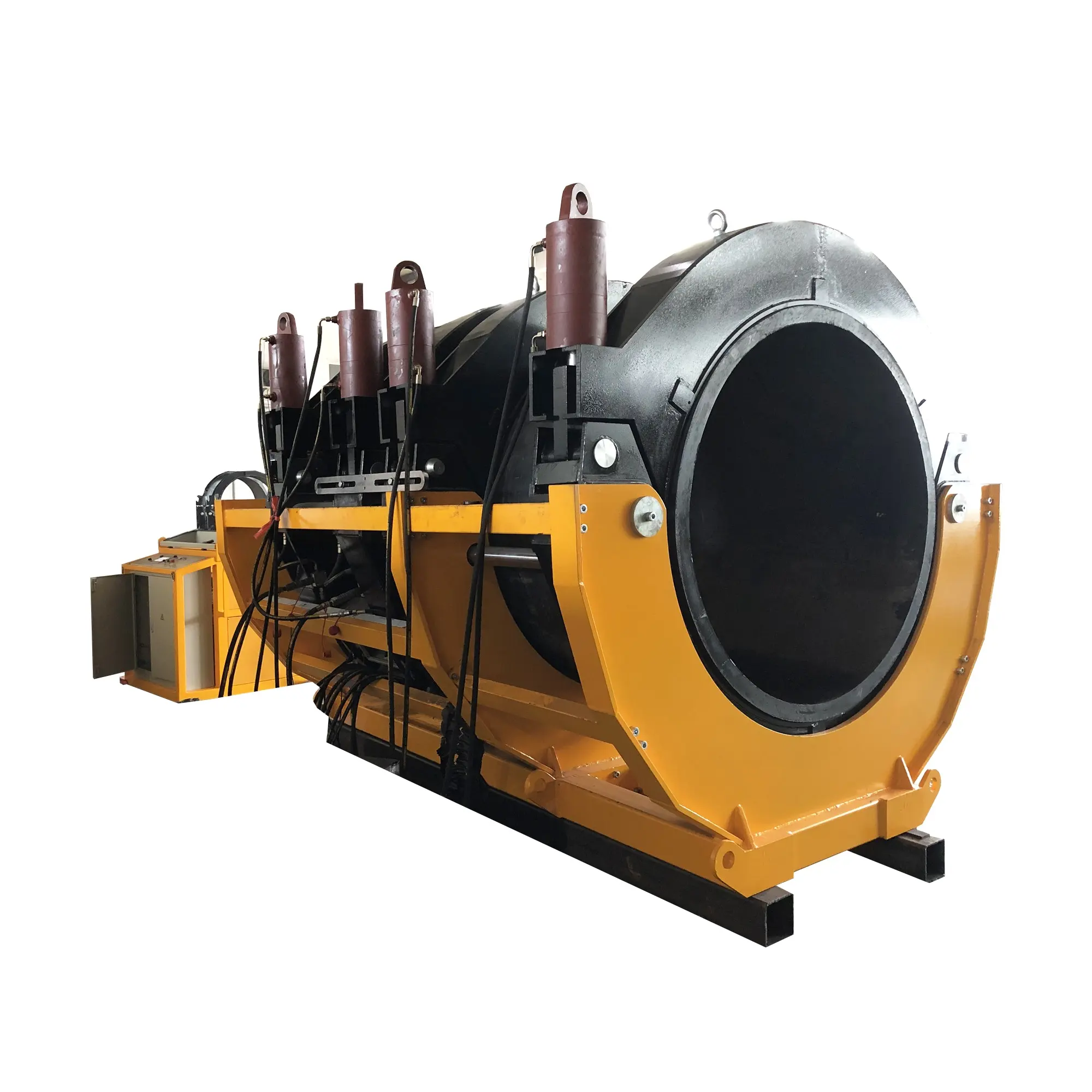
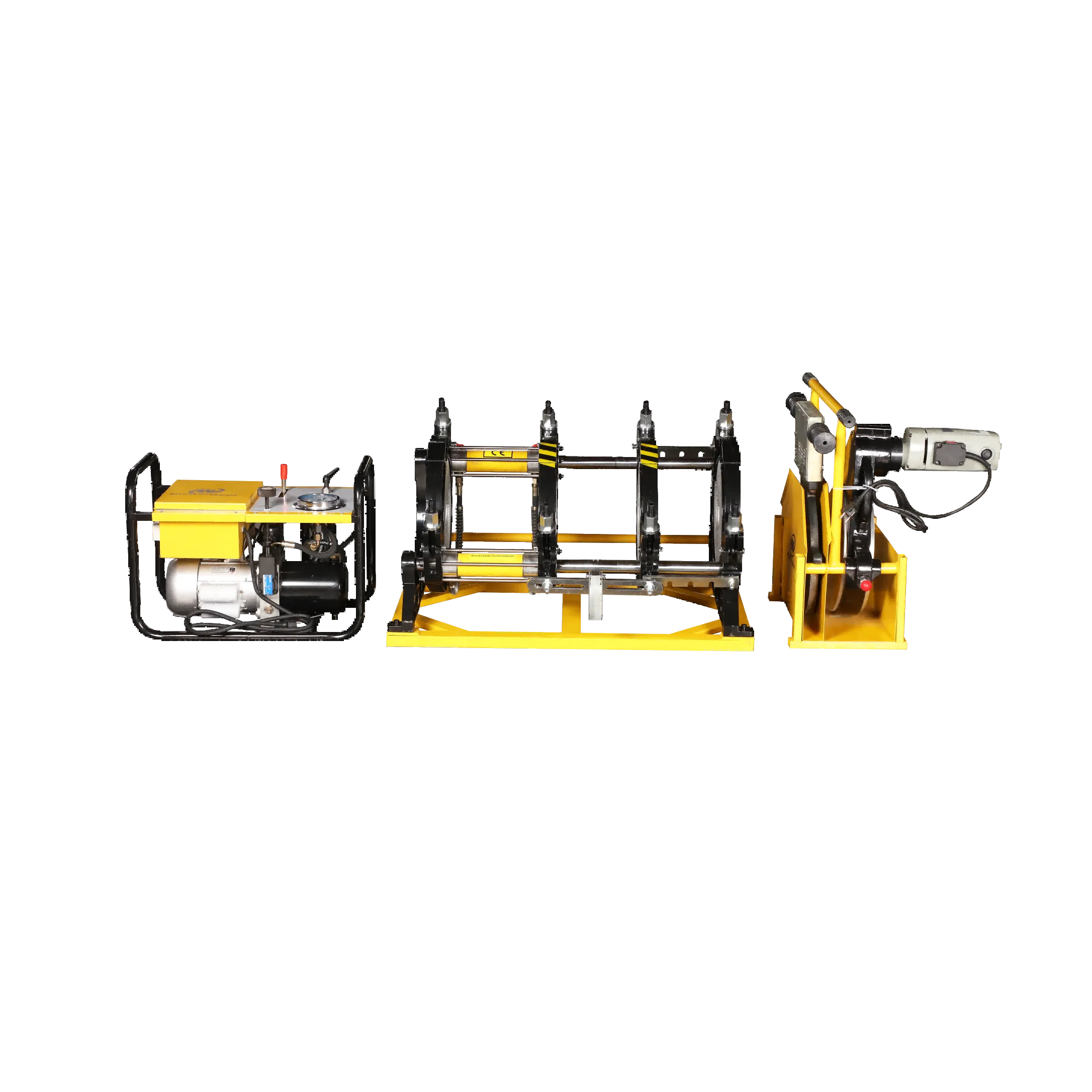
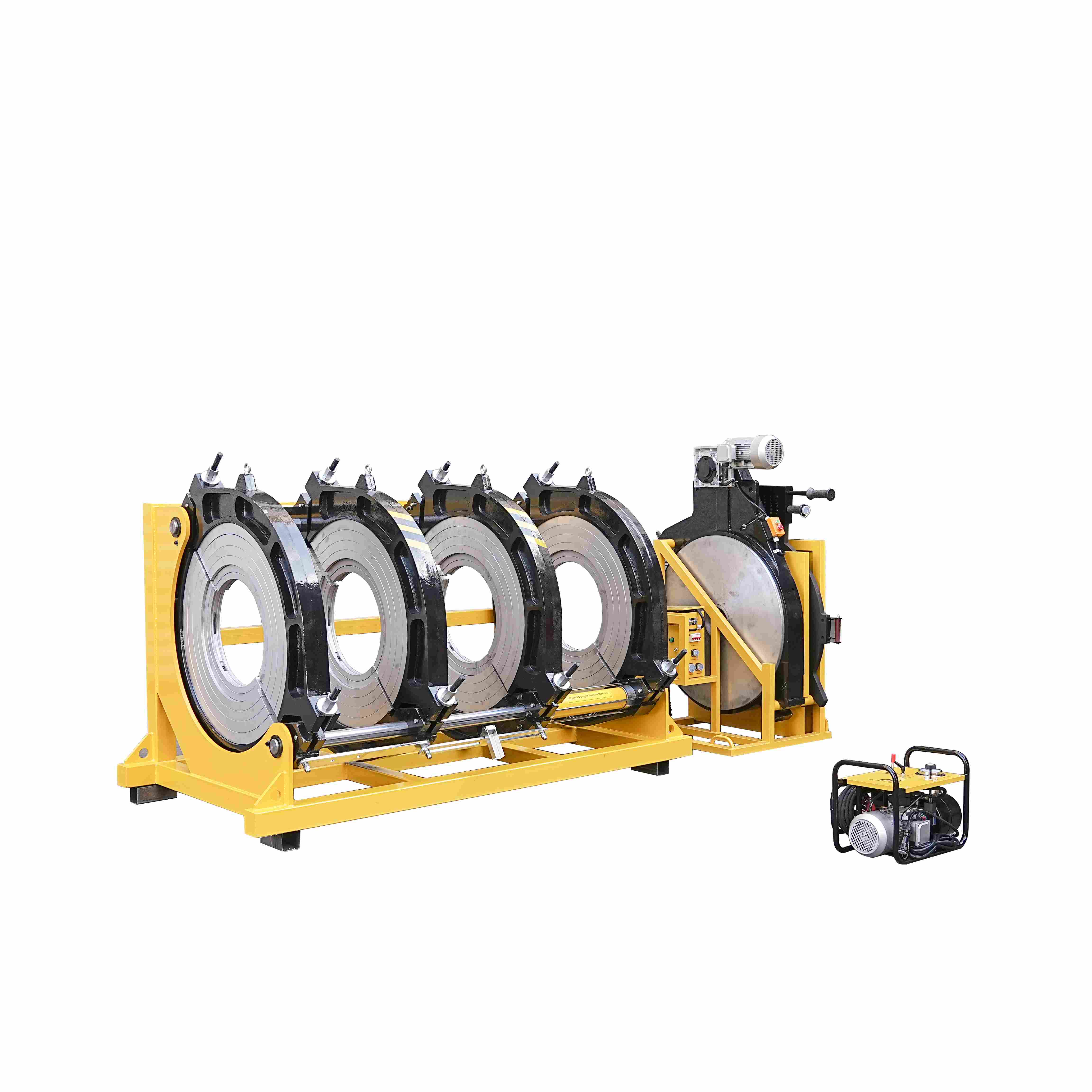
The wire butt welding machine represents a sophisticated piece of industrial equipment designed to create seamless joints between wire ends through precision welding technology. This advanced machinery utilizes electrical resistance welding principles to fuse metallic wires together, forming strong, continuous connections essential for various manufacturing processes. The primary function of a wire butt welding machine centers on joining wire segments end-to-end, creating uninterrupted lengths suitable for coil winding, cable production, and electrical component manufacturing. The machine operates through controlled heating and pressure application, ensuring consistent weld quality across different wire materials including copper, aluminum, steel, and specialized alloys. Key technological features include programmable welding parameters, automated wire feeding systems, and precision alignment mechanisms that guarantee accurate positioning during the welding process. Modern wire butt welding machines incorporate digital control interfaces that allow operators to adjust welding current, pressure settings, and timing parameters based on specific wire materials and diameter requirements. The equipment typically features robust construction with hardened steel components designed to withstand continuous industrial operations. Advanced models include cooling systems to manage heat dissipation, ensuring stable performance during extended production runs. The wire butt welding machine finds extensive applications across diverse industries including automotive manufacturing, electronics production, transformer manufacturing, and cable assembly operations. In automotive applications, these machines create reliable connections for ignition coils, electric motor windings, and various electrical harnesses. Electronics manufacturers utilize wire butt welding machines for producing high-quality connections in circuit assemblies, ensuring minimal electrical resistance and maximum conductivity. The precision welding capability makes these machines indispensable for creating joints in fine gauge wires used in telecommunications equipment, medical devices, and aerospace applications where connection reliability is paramount.

New Products

Wire butt welding machines deliver exceptional cost-effectiveness by eliminating the need for additional joining materials such as solder, flux, or mechanical connectors. This reduction in consumable materials translates directly into lower operational costs and simplified inventory management. The welding process creates permanent metallurgical bonds that maintain the original wire properties, ensuring optimal electrical conductivity and mechanical strength throughout the joint area. Unlike traditional soldering methods, wire butt welding produces joints with minimal resistance increase, making it ideal for high-current applications and precision electronic circuits. The automated nature of modern wire butt welding machines significantly reduces labor costs while improving production consistency. Operators can process hundreds of wire joints per hour with minimal manual intervention, dramatically increasing throughput compared to manual joining methods. Quality control becomes more predictable as the machine maintains consistent welding parameters, eliminating variations introduced by manual techniques. The wire butt welding machine offers remarkable versatility in handling various wire materials and gauges within a single unit. From delicate copper magnet wire to robust aluminum conductors, these machines adapt to different material requirements through programmable settings. This flexibility reduces the need for multiple specialized tools and simplifies production line setup. Environmental benefits emerge from the elimination of flux chemicals and lead-based solders commonly used in traditional wire joining processes. The welding process produces no harmful emissions or residues, supporting green manufacturing initiatives and reducing workplace safety concerns. Energy efficiency represents another significant advantage, as the localized heating process requires minimal power consumption compared to furnace-based joining methods. The precise control over heat application prevents material waste through overheating or thermal damage to surrounding components. Maintenance requirements remain minimal due to the solid-state nature of the welding process and robust mechanical construction. Regular calibration and cleaning represent the primary maintenance tasks, avoiding the complex maintenance schedules associated with chemical-based joining systems. The repeatability of welded joints ensures consistent product quality, reducing rejection rates and improving customer satisfaction. Long-term reliability of welded connections exceeds that of mechanical joints, which may loosen over time or corrode in harsh environments. This superior joint integrity reduces warranty claims and field service requirements.

Latest News

Global Fusion Welding Machinery Market Booms, Hangzhou Welding Leads Chinese Manufacturing to Serve 100+ Countries

11

Feb

Global Fusion Welding Machinery Market Booms, Hangzhou Welding Leads Chinese Manufacturing to Serve 100+ Countries

View More
Technological Innovation Drives Industry Upgrade, Hangzhou Welding Leads the Development of Thermoplastic Welding Technology

11

Feb

Technological Innovation Drives Industry Upgrade, Hangzhou Welding Leads the Development of Thermoplastic Welding Technology

View More
Accelerating Global Layout, Hangzhou Welding Technology Drives International Market Development with the Dual Wheels of

11

Feb

Accelerating Global Layout, Hangzhou Welding Technology Drives International Market Development with the Dual Wheels of "Products + Services"

View More

Get a Free Quote

Our representative will contact you soon.
E-mail
Name
Mobile/WhatsApp
Company Name
Message
0/1000

wire butt welding machine

Advanced Digital Control System for Precision Welding

Advanced Digital Control System for Precision Welding

The state-of-the-art digital control system embedded in modern wire butt welding machines revolutionizes the precision and reliability of wire joining operations. This sophisticated technology employs microprocessor-based controllers that monitor and adjust welding parameters in real-time, ensuring optimal joint quality across varying operational conditions. The control system features intuitive touchscreen interfaces that allow operators to easily program welding sequences, store material-specific settings, and monitor production statistics. Advanced algorithms automatically compensate for variations in wire diameter, material composition, and ambient conditions, maintaining consistent weld quality without manual intervention. The system incorporates feedback sensors that continuously monitor electrical current, welding pressure, and electrode wear, making instantaneous adjustments to maintain optimal welding conditions. This intelligent control capability significantly reduces the learning curve for operators while eliminating human error factors that commonly affect manual welding processes. Quality assurance features include automatic rejection of substandard welds, with the system detecting insufficient penetration, overheating, or misalignment issues before completing the welding cycle. Data logging capabilities record every welding operation, providing comprehensive traceability for quality control and process improvement initiatives. The digital control system also enables remote monitoring and diagnostics, allowing maintenance teams to identify potential issues before they impact production. Integration capabilities with factory automation systems streamline production workflows and enable seamless communication with upstream and downstream processes. Customizable user interfaces accommodate different skill levels and operational requirements, with basic operator modes for routine production and advanced engineering modes for process optimization. The system's adaptive learning features analyze historical welding data to continuously refine welding parameters, improving joint quality and reducing material waste over time. Energy management functions optimize power consumption by adjusting welding current based on actual requirements rather than maximum specifications.
Superior Joint Strength and Electrical Conductivity

Superior Joint Strength and Electrical Conductivity

Wire butt welding machines create metallurgical bonds that demonstrate exceptional mechanical strength and electrical performance, surpassing alternative joining methods in critical applications. The welding process achieves molecular-level fusion between wire materials, creating joints with tensile strength often exceeding that of the parent wire material. This superior strength characteristic proves essential in applications subject to mechanical stress, vibration, or thermal cycling where conventional joints might fail. The welding process maintains the crystalline structure of the base materials, preserving their electrical properties while creating seamless current flow paths with minimal resistance increase. Unlike soldered connections that introduce foreign materials with different electrical characteristics, welded joints maintain uniform conductivity throughout the connection zone. This consistency becomes crucial in precision electronic applications where even minor resistance variations can affect circuit performance. Temperature coefficient matching between the welded joint and parent wire ensures stable electrical performance across wide temperature ranges, eliminating thermal stress concentrations that plague dissimilar material joints. The absence of flux residues or corrosive chemicals in the welding process prevents long-term degradation that commonly affects soldered connections in harsh environments. Welded joints demonstrate exceptional resistance to corrosion, moisture ingress, and chemical attack, maintaining their integrity in challenging industrial environments. The monolithic structure of welded connections eliminates potential failure points associated with mechanical fasteners or adhesive bonds that may deteriorate over time. Fatigue resistance proves superior to alternative joining methods, with welded joints maintaining their strength through millions of mechanical cycles without degradation. This durability characteristic makes wire butt welding machines ideal for applications in automotive, aerospace, and industrial equipment where long-term reliability is paramount. The welding process creates joints with consistent cross-sectional area, eliminating current density variations that can cause hot spots or premature failure in high-current applications. Quality validation through non-destructive testing methods confirms joint integrity without compromising production throughput.
Versatile Material Compatibility and Production Efficiency

Versatile Material Compatibility and Production Efficiency

Modern wire butt welding machines exhibit remarkable versatility in processing diverse wire materials and configurations, making them indispensable tools for multi-product manufacturing environments. These machines successfully weld copper, aluminum, steel, brass, and various specialized alloys, adapting to different material requirements through programmable parameter sets. The ability to handle wire gauges ranging from fine magnet wire to heavy-duty power conductors within a single machine eliminates the need for multiple specialized welding systems. Advanced electrode designs and pressure control mechanisms accommodate different wire geometries including round, square, and rectangular cross-sections, expanding application possibilities beyond traditional wire forms. The machine's capability to process both solid and stranded conductors provides flexibility for diverse electrical applications, from precision electronics to power distribution systems. Automated wire feeding and positioning systems ensure consistent alignment and eliminate manual handling errors that can compromise joint quality. High-speed welding cycles enable production rates exceeding several hundred joints per hour, significantly improving manufacturing throughput compared to manual joining methods. The efficient welding process minimizes heat-affected zones, preserving wire insulation and preventing damage to temperature-sensitive components. Quick-change tooling systems allow rapid reconfiguration for different wire sizes and materials, reducing setup time and maximizing equipment utilization. Integrated quality control features perform real-time monitoring of joint formation, automatically rejecting defective welds and maintaining consistent product quality. The machine's compact footprint and modular design facilitate integration into existing production lines without requiring extensive facility modifications. Energy-efficient operation reduces utility costs while meeting environmental sustainability objectives. Predictive maintenance capabilities monitor component wear and performance trends, scheduling maintenance activities to minimize unplanned downtime. The robust construction and proven reliability of wire butt welding machines ensure consistent performance in demanding industrial environments. Training requirements remain minimal due to intuitive controls and automated operation sequences, reducing labor costs and improving operational flexibility. Statistical process control features provide comprehensive production data for continuous improvement initiatives and regulatory compliance documentation.

Get a Free Quote

Our representative will contact you soon.
E-mail
Name
Mobile/WhatsApp
Company Name
Message
0/1000