Exceptional Return on Investment Through Lower Costs and Extended Service Life
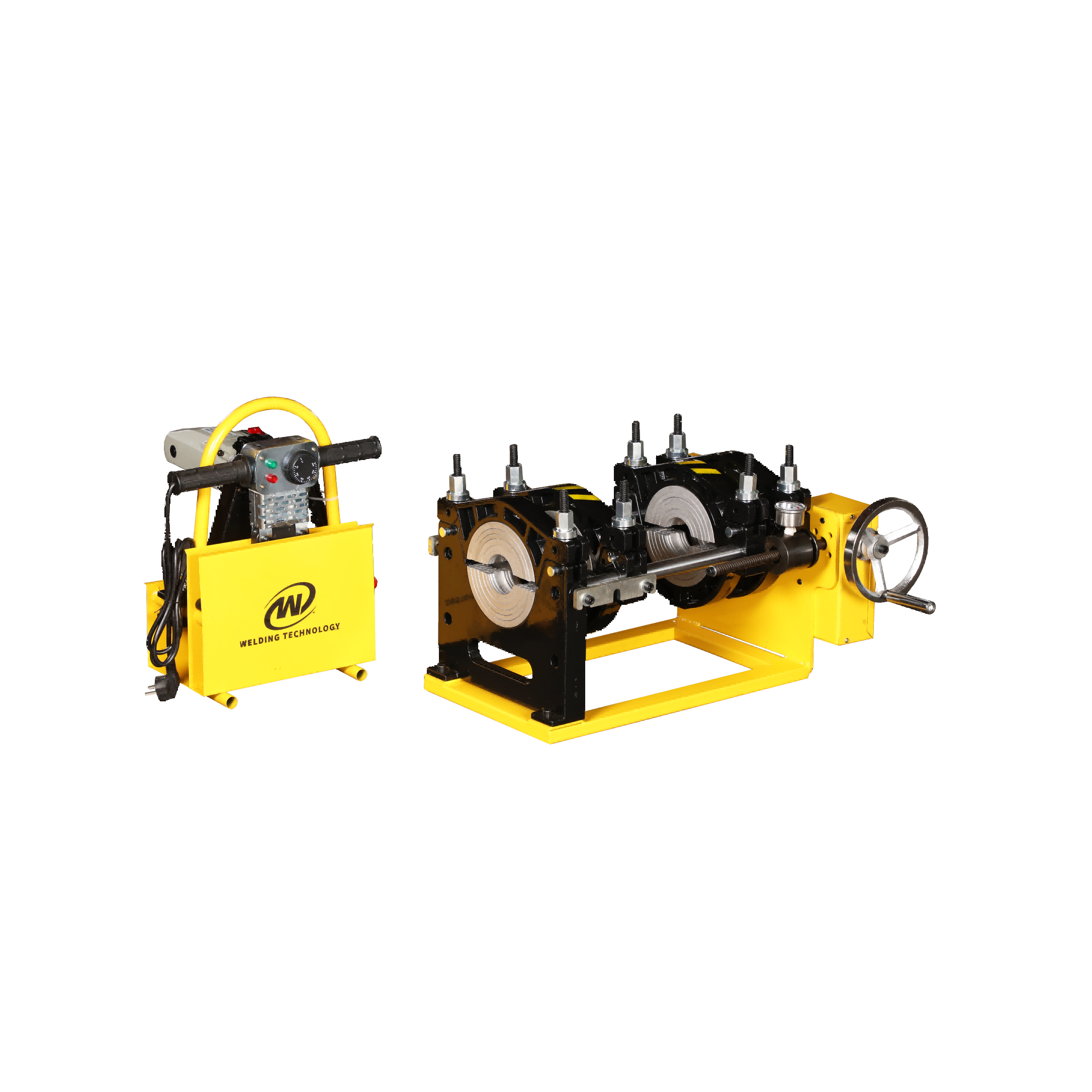
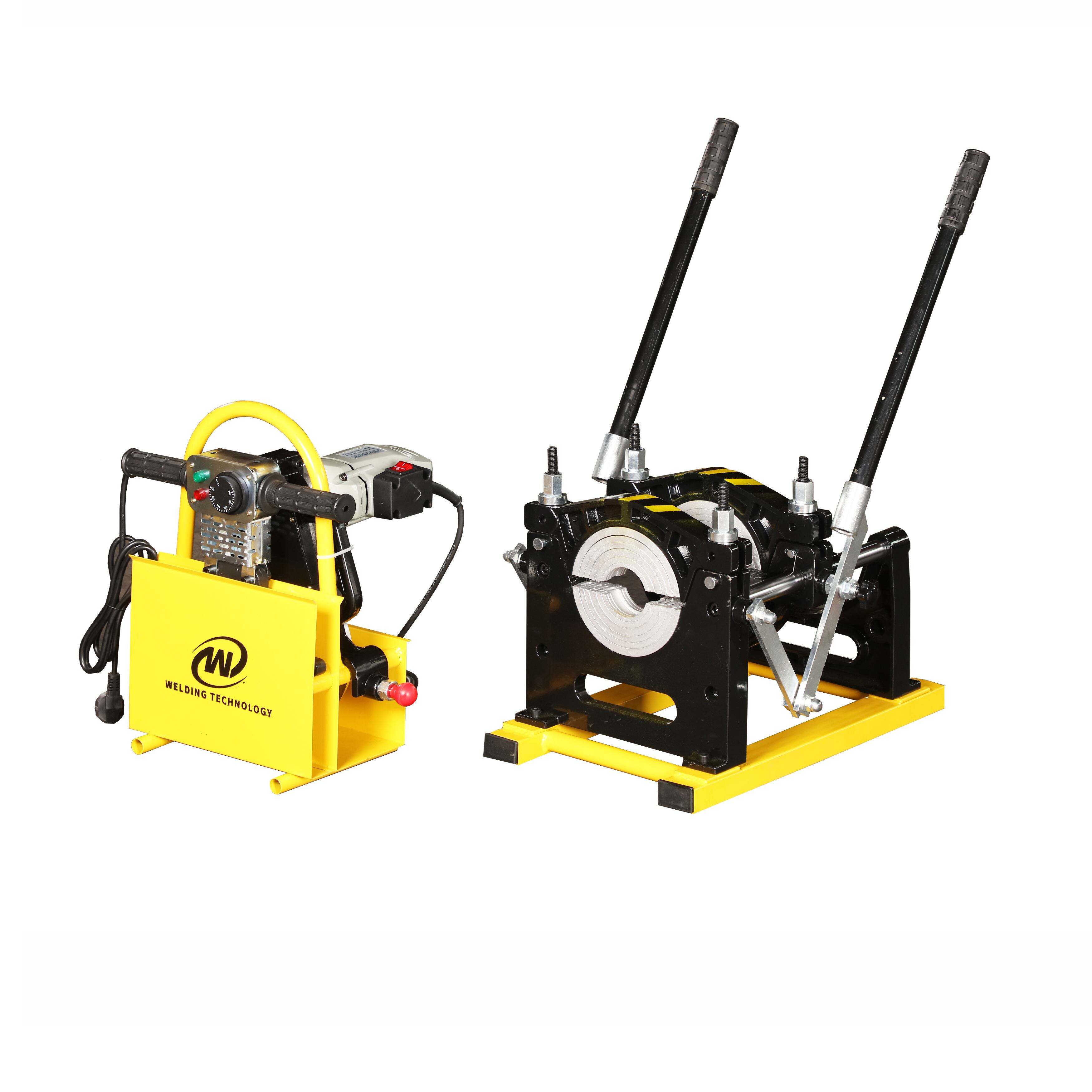
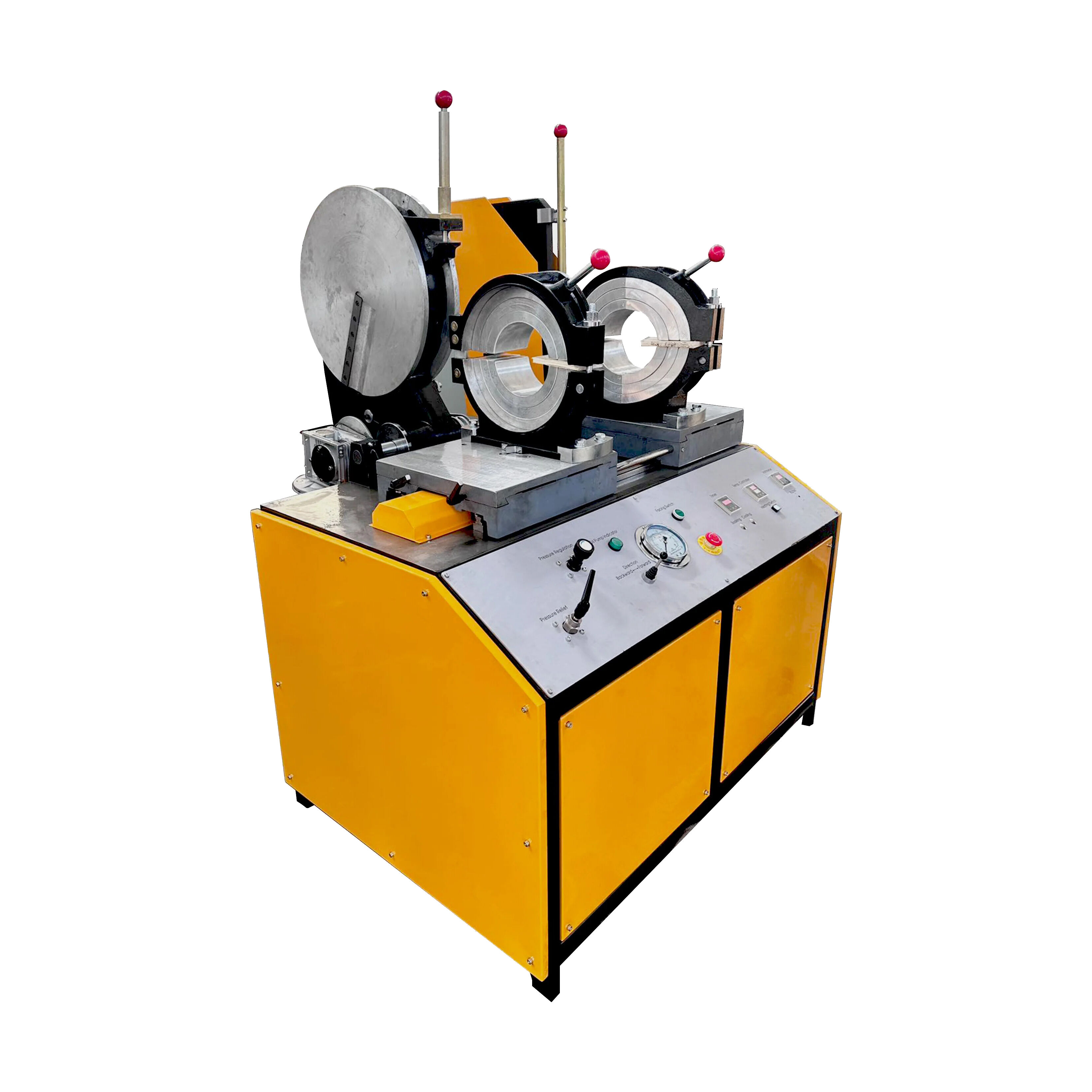
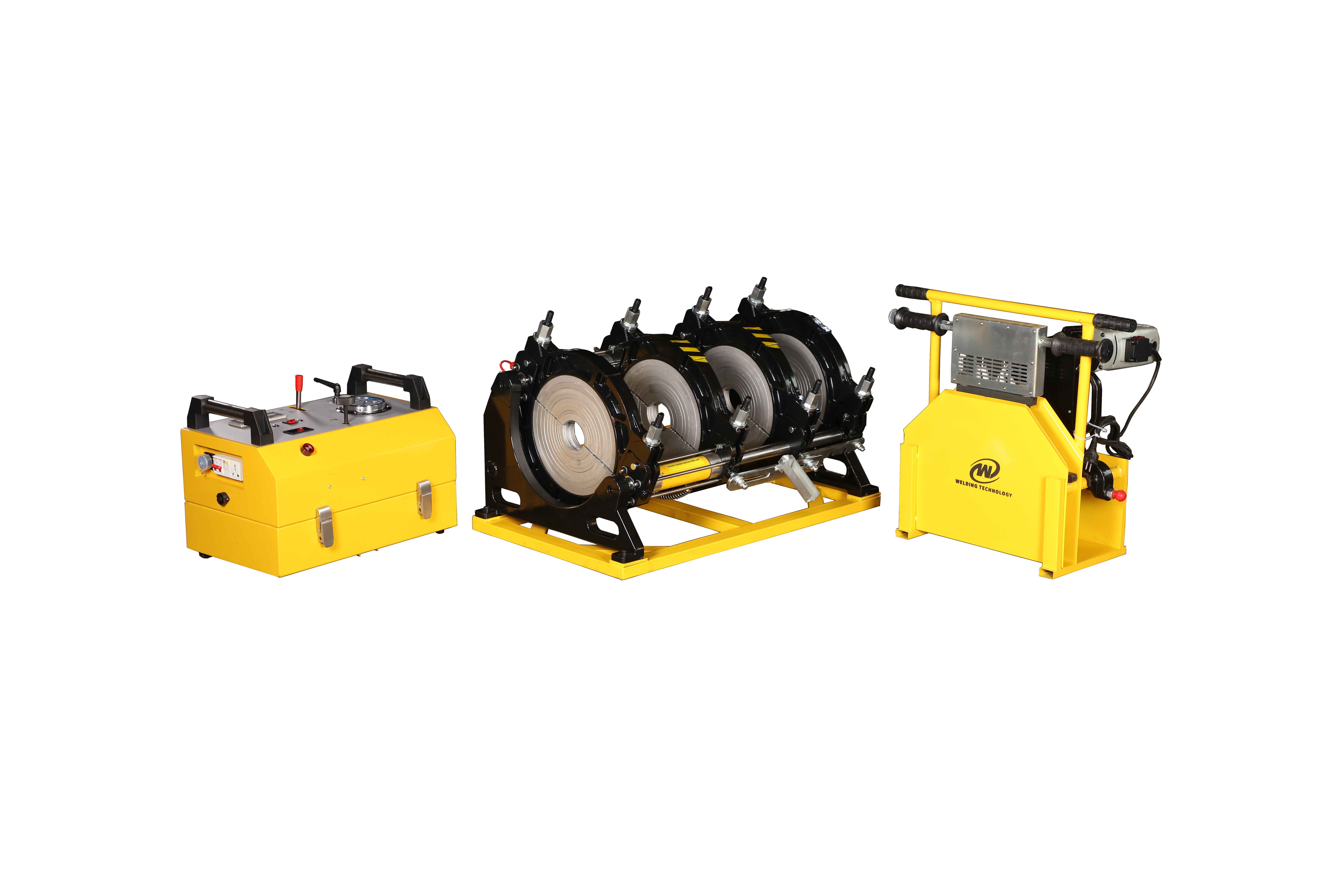
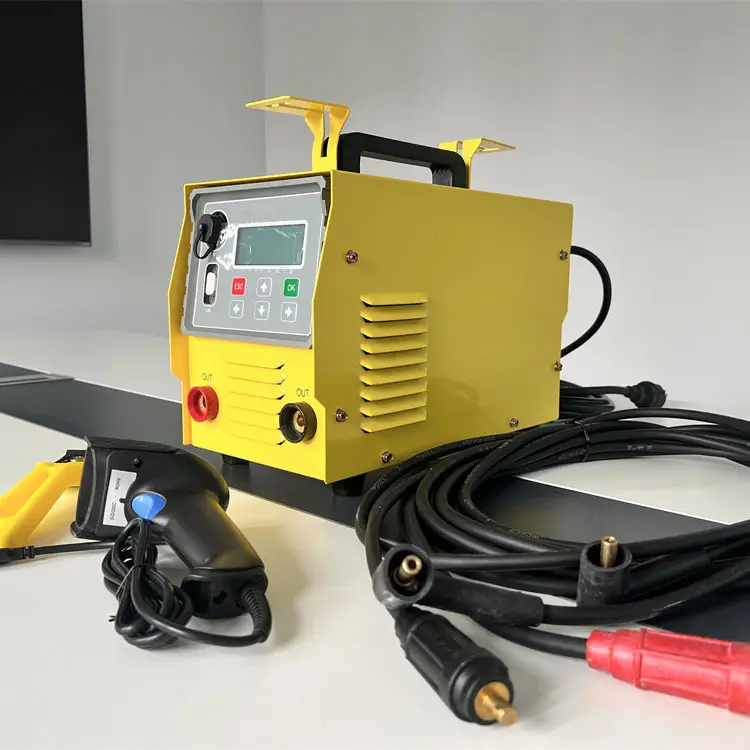
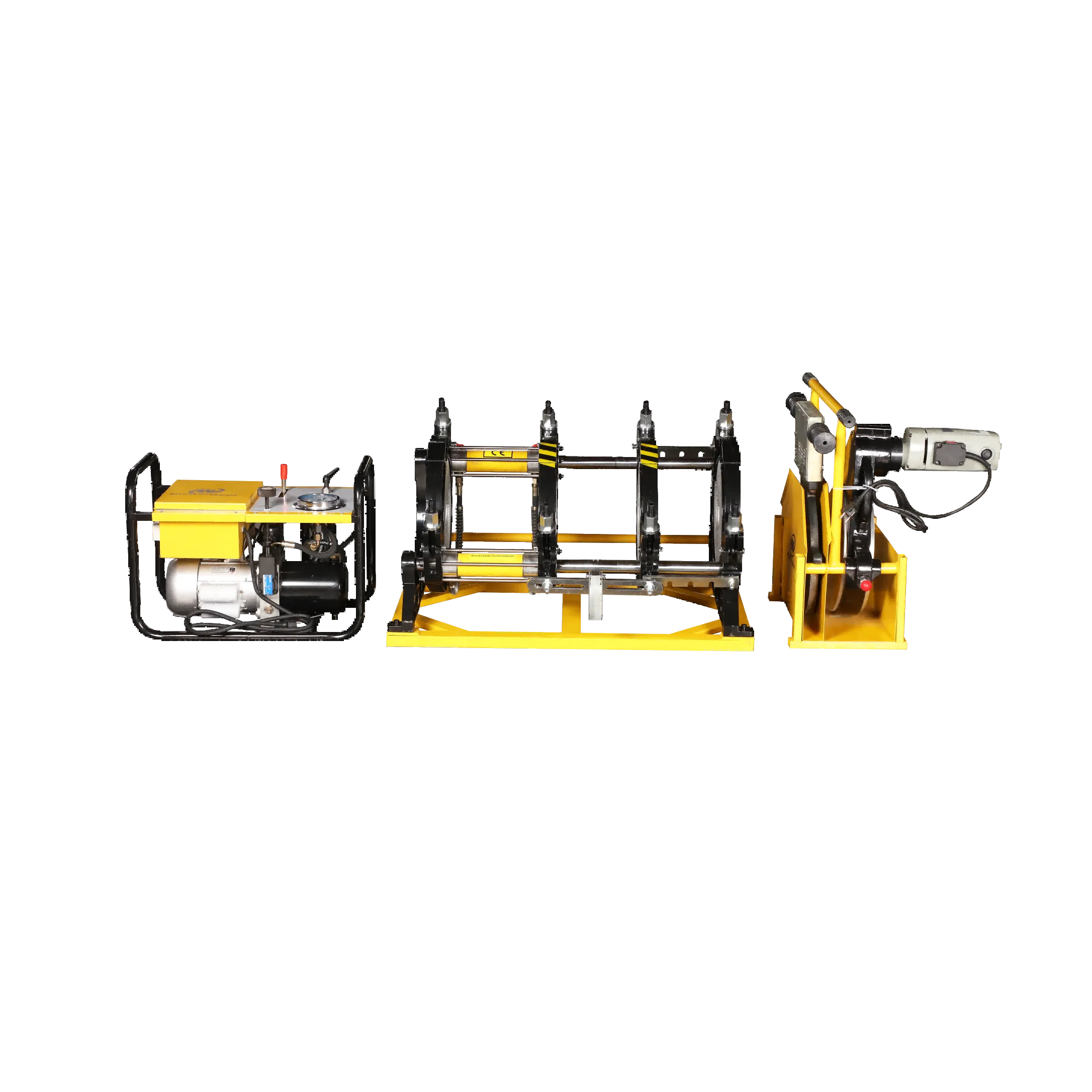
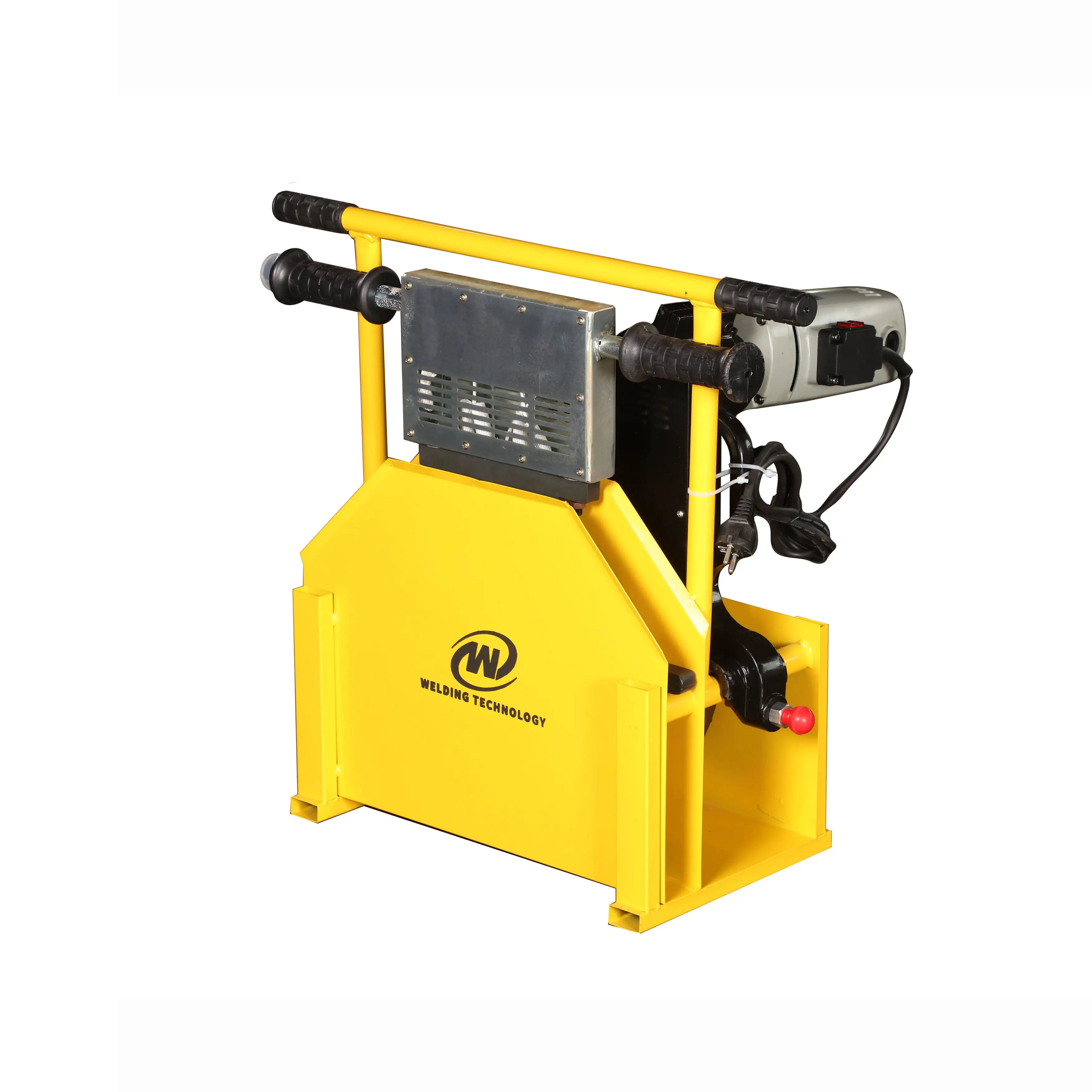
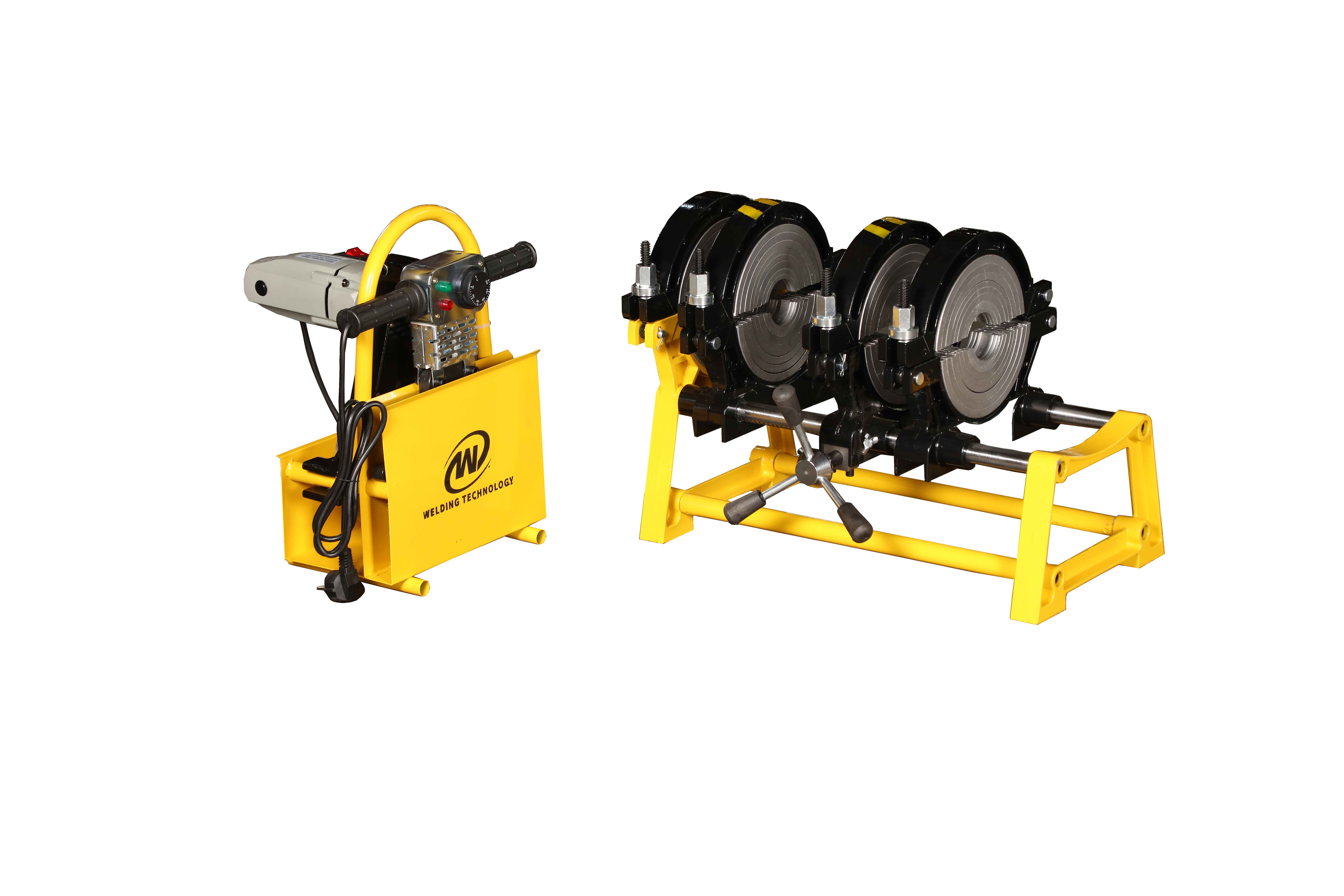
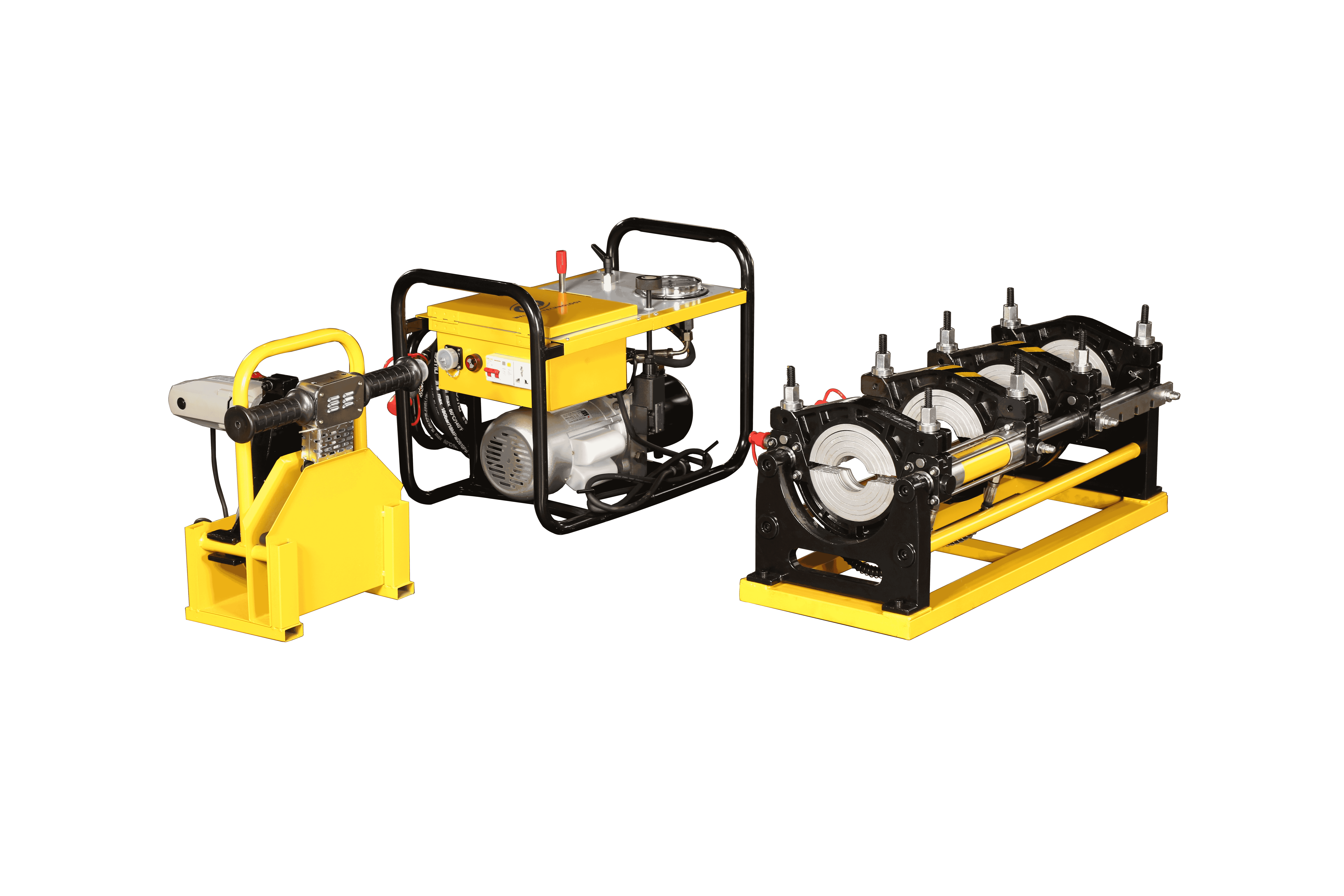
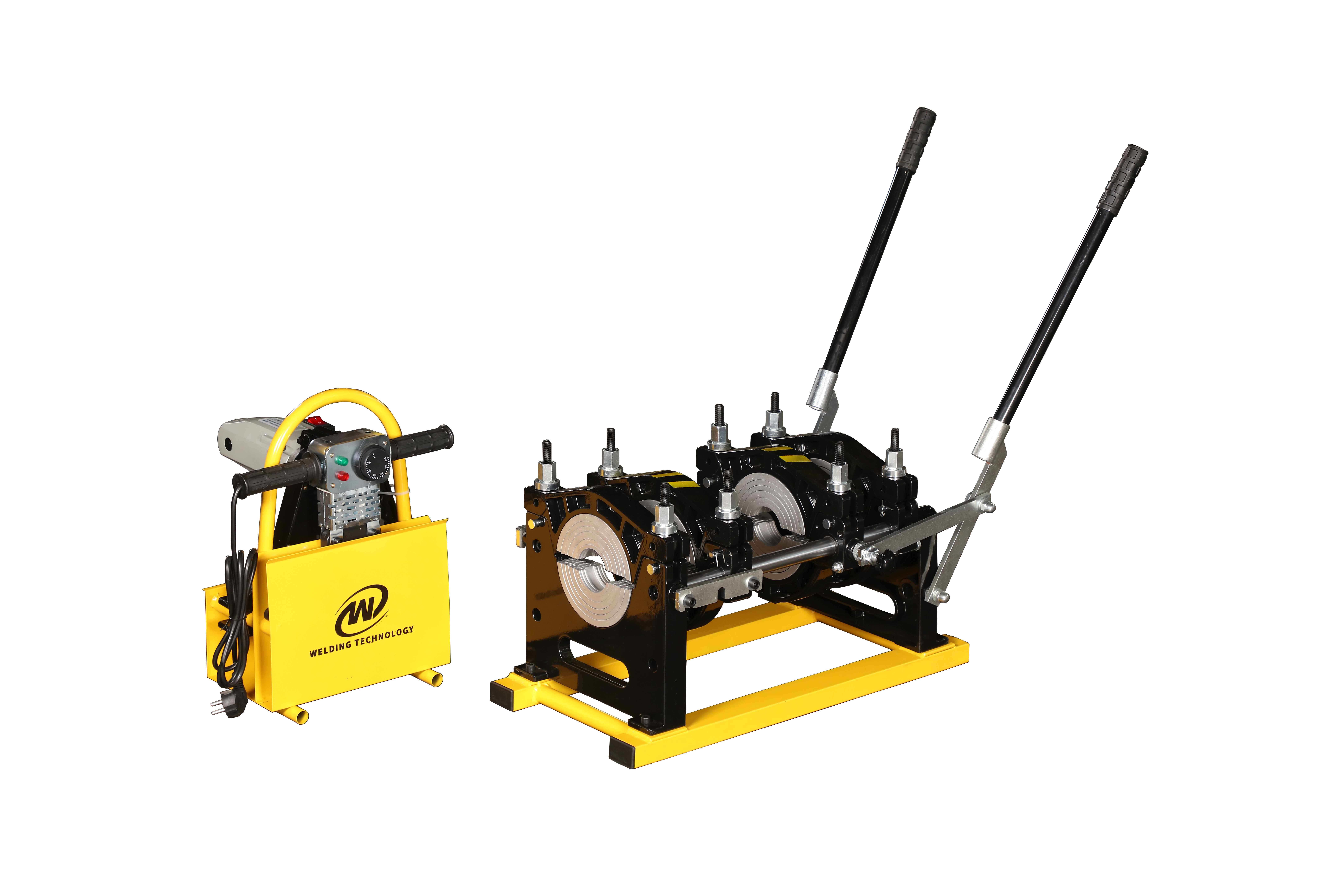
The financial advantages of choosing an hdpe pipe manual welding machine extend far beyond the initial purchase price, creating a compelling return on investment that benefits organizations throughout years of operation. Initial acquisition costs for quality manual welding equipment typically range from one-third to one-half the price of comparable automated systems, immediately making this technology accessible to smaller contractors, municipal utilities with limited capital budgets, and organizations just entering the HDPE installation market. However, the true economic value emerges when examining total cost of ownership across the equipment's operational lifespan. The hdpe pipe manual welding machine features straightforward mechanical construction with fewer complex components compared to automated alternatives, which directly translates to reduced maintenance expenses and higher reliability. Regular maintenance consists primarily of cleaning the heating element, inspecting hydraulic systems if present, and occasionally replacing wear items like guide rails or clamping inserts. These routine tasks require minimal technical expertise and inexpensive replacement parts, keeping the machine operational year after year without substantial service costs. Durability proves exceptional, with properly maintained machines remaining productive for fifteen to twenty years or more, effectively distributing the initial investment across thousands of completed joints. The operational efficiency of the hdpe pipe manual welding machine contributes significantly to project profitability. Experienced operators can complete joints relatively quickly once they master the technique, with typical cycle times allowing multiple welds per hour depending on pipe size. This productivity enables contractors to complete projects faster, reducing labor costs and allowing crews to move to subsequent jobs sooner. The elimination of mechanical fittings and couplings reduces material costs substantially on larger projects, as fusion welding requires only the pipes themselves without additional components. Quality assurance costs decrease as well, since properly executed fusion welds rarely fail pressure testing or inspection, avoiding expensive repairs and schedule delays. Energy consumption remains modest, with the heating element representing the primary power draw during relatively short heating cycles, resulting in minimal impact on project electrical costs. The environmental durability of HDPE fusion joints creates downstream economic benefits that extend throughout the infrastructure's service life. Leak-free joints eliminate water loss that costs utilities money and regulatory compliance issues. Gas distribution systems avoid the safety incidents and repairs associated with failed connections. Industrial installations handling expensive or hazardous materials prevent costly product loss and environmental remediation scenarios. These long-term savings, while difficult to quantify precisely at project inception, represent substantial value that organizations realize over decades of infrastructure operation. Resale value for well-maintained hdpe pipe manual welding machines remains strong, as the equipment retains functionality and market demand continues. Organizations upgrading to larger capacity machines or automated systems can often recoup significant portions of their original investment. Training investments also prove economical, as operators who learn proper welding techniques on manual equipment can apply this knowledge throughout their careers across various projects and pipe sizes. Insurance and liability considerations favor fusion welding as well, with the proven reliability of this joining method potentially reducing premiums and claims. The cumulative effect of these financial advantages positions the hdpe pipe manual welding machine as a strategic investment that delivers measurable returns through reduced costs, increased productivity, and infrastructure longevity that serves communities and industries for generations.

 EN
EN