Professional Plastic Butt Welder Equipment - Advanced Thermoplastic Pipe Joining Solutions

Get a Free Quote

Our representative will contact you soon.
E-mail
Name
Mobile/WhatsApp
Company Name
Message
0/1000

plastic butt welder

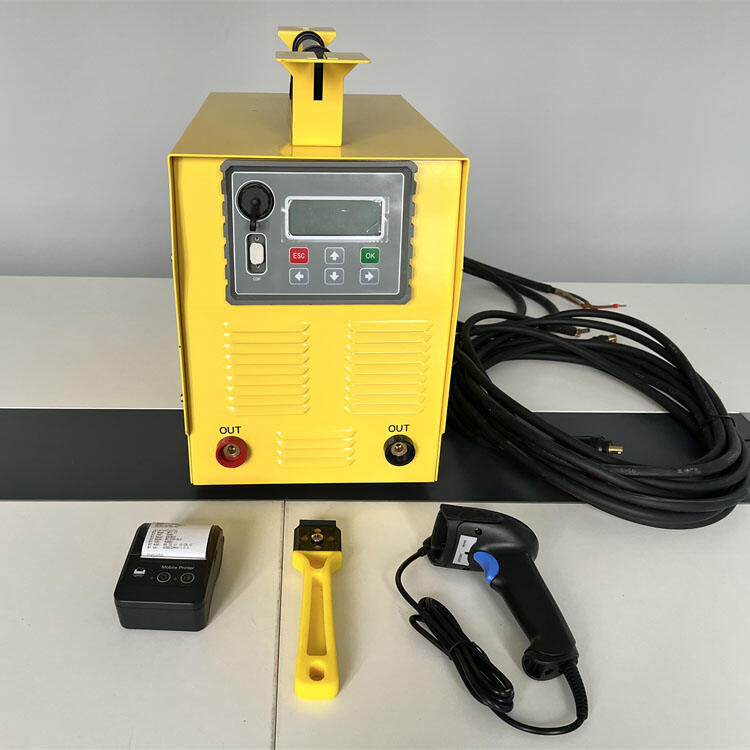
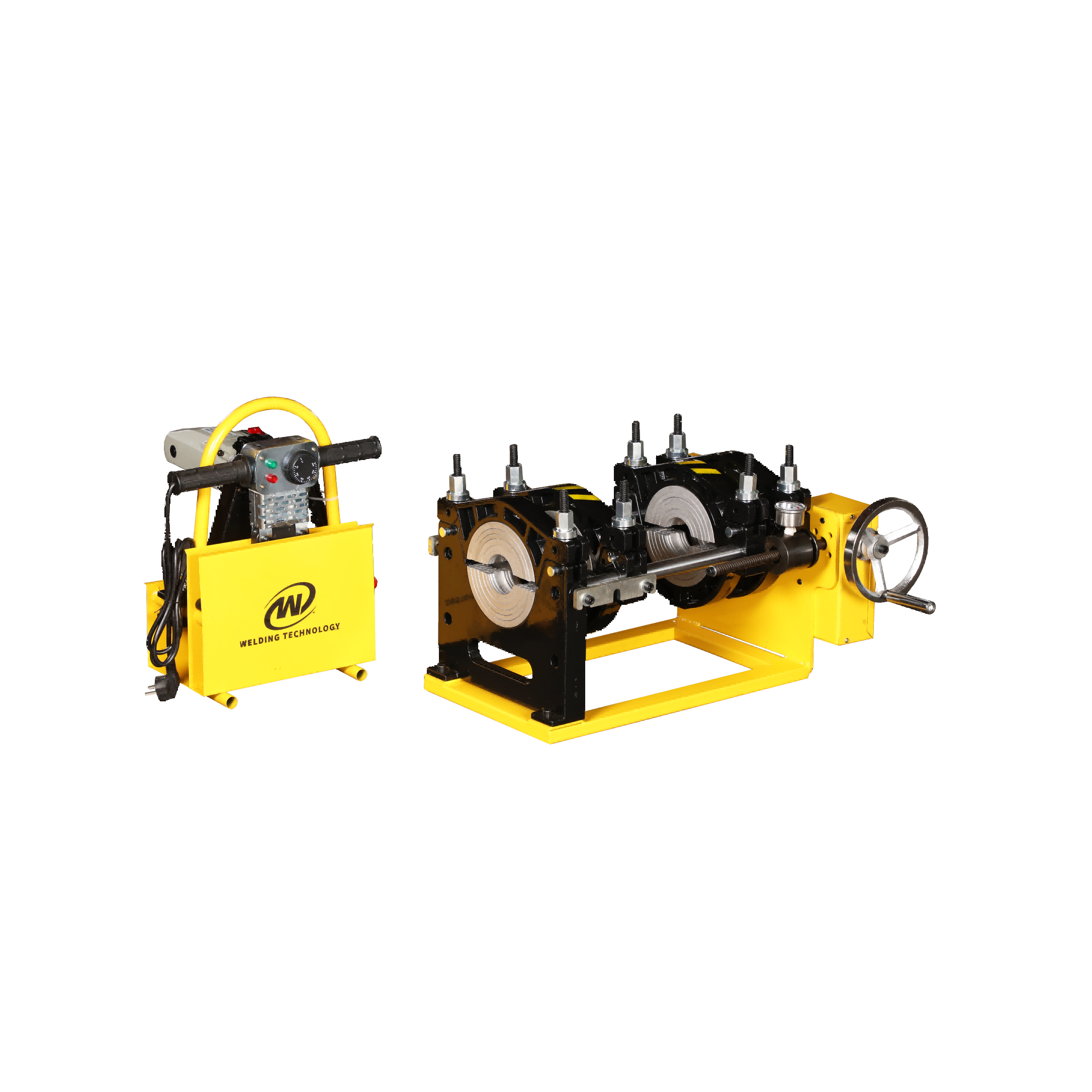
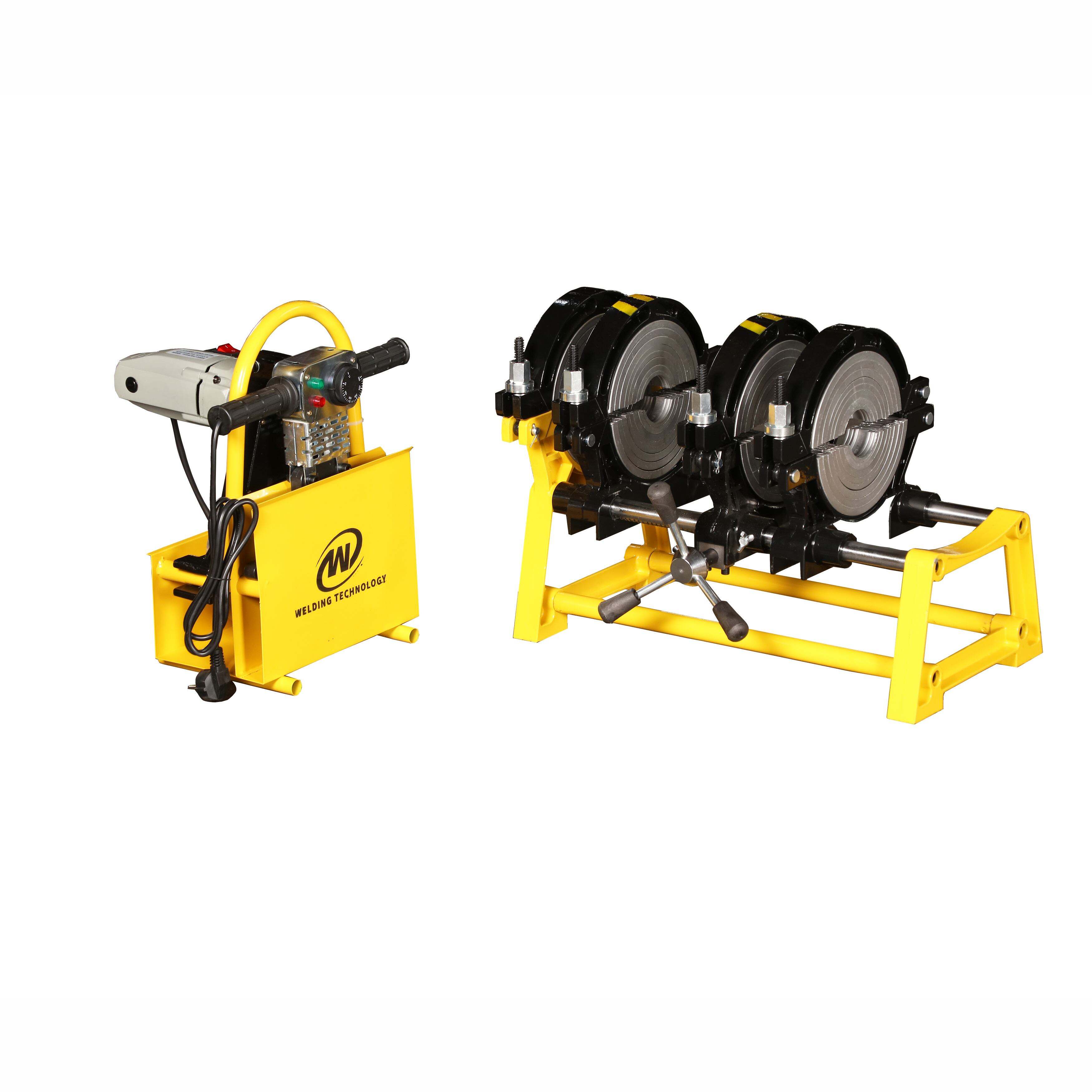
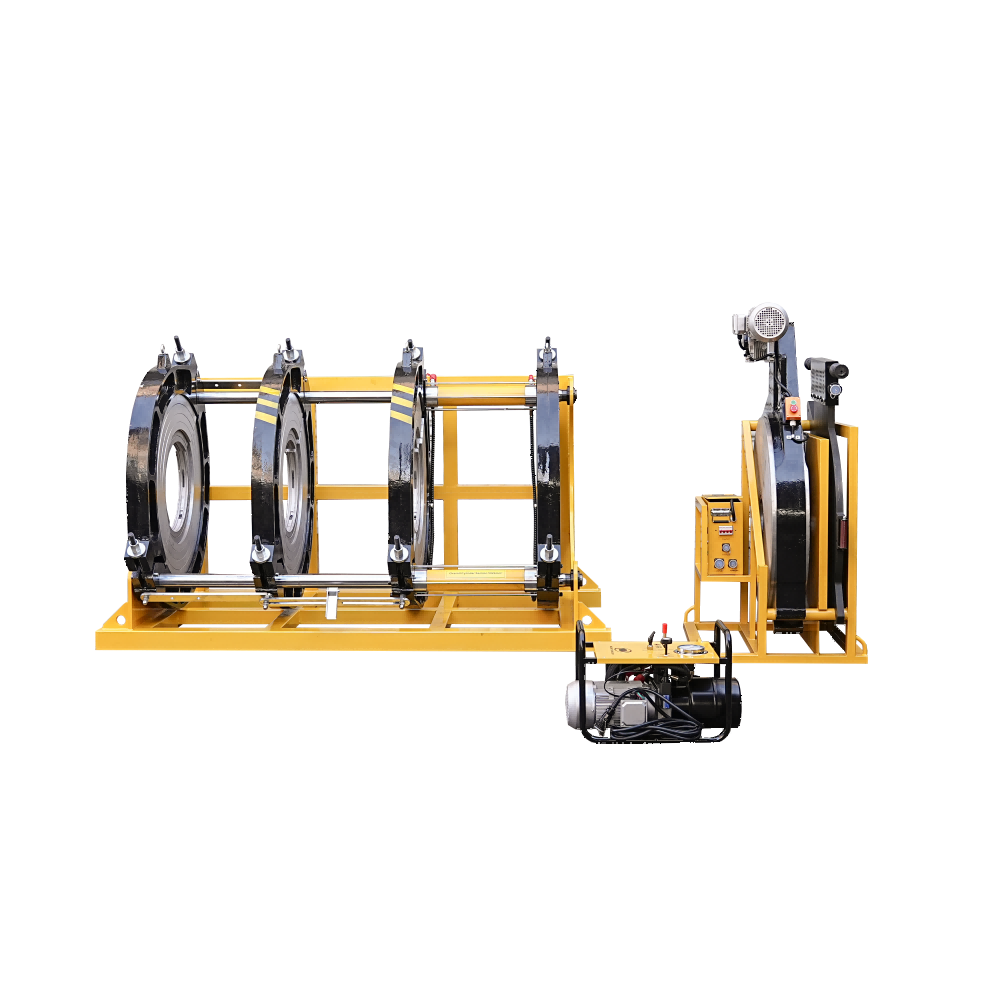
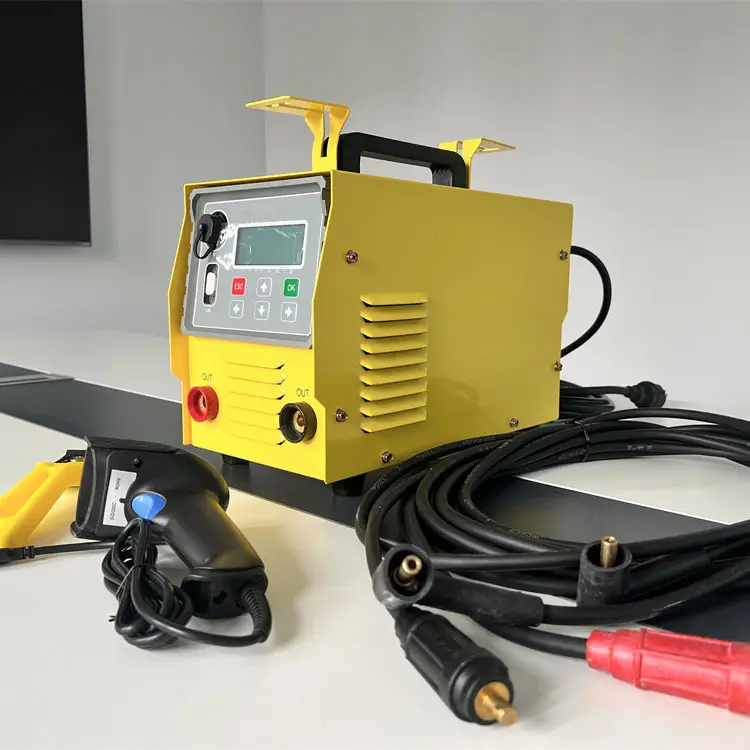
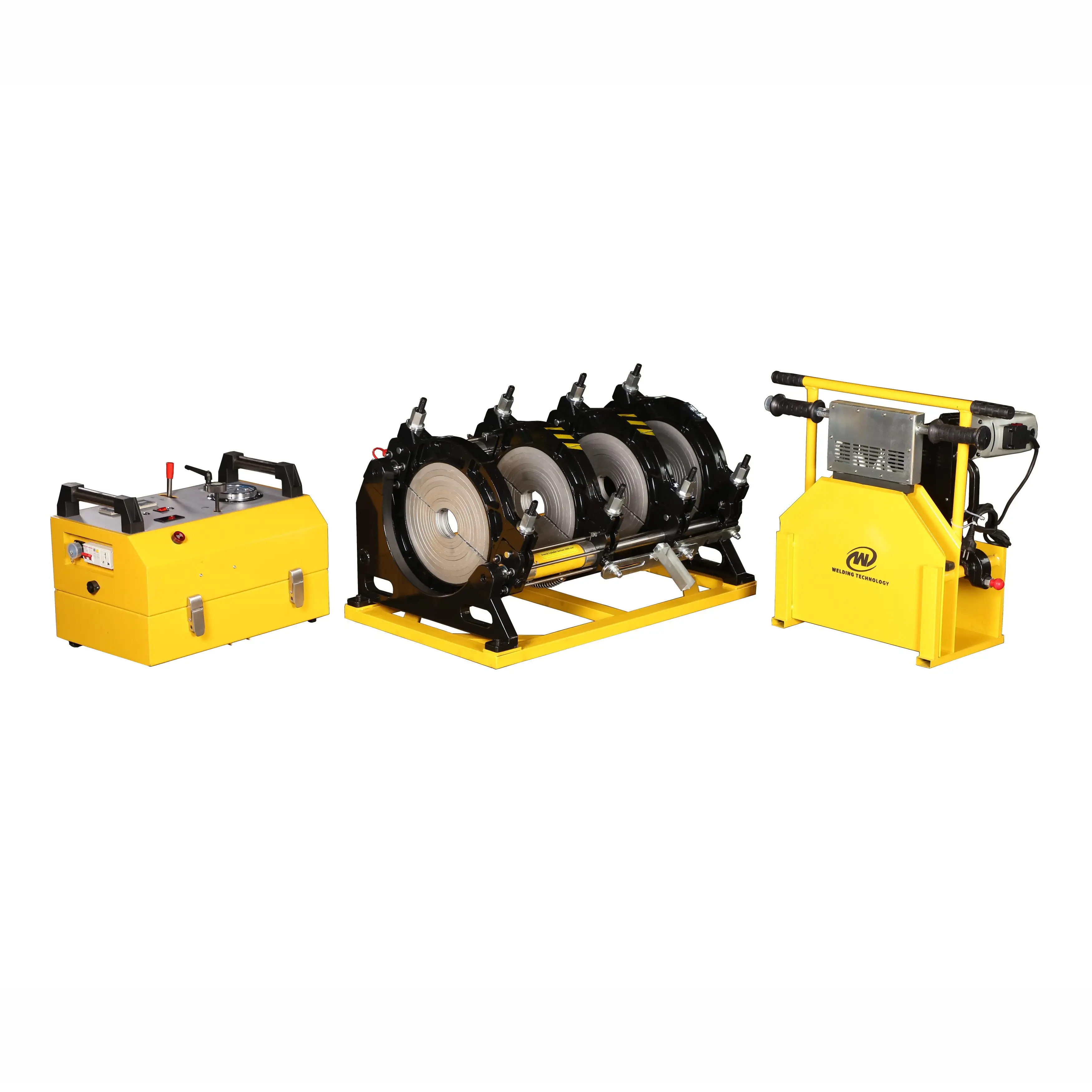
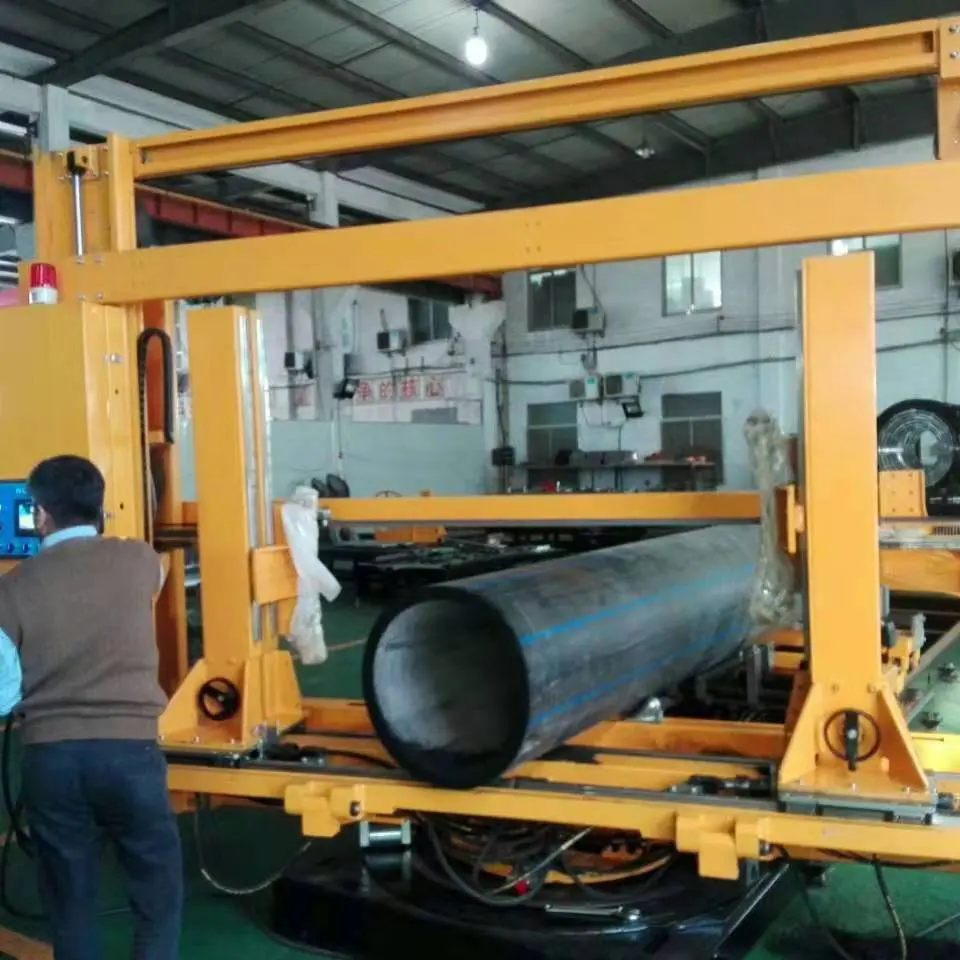
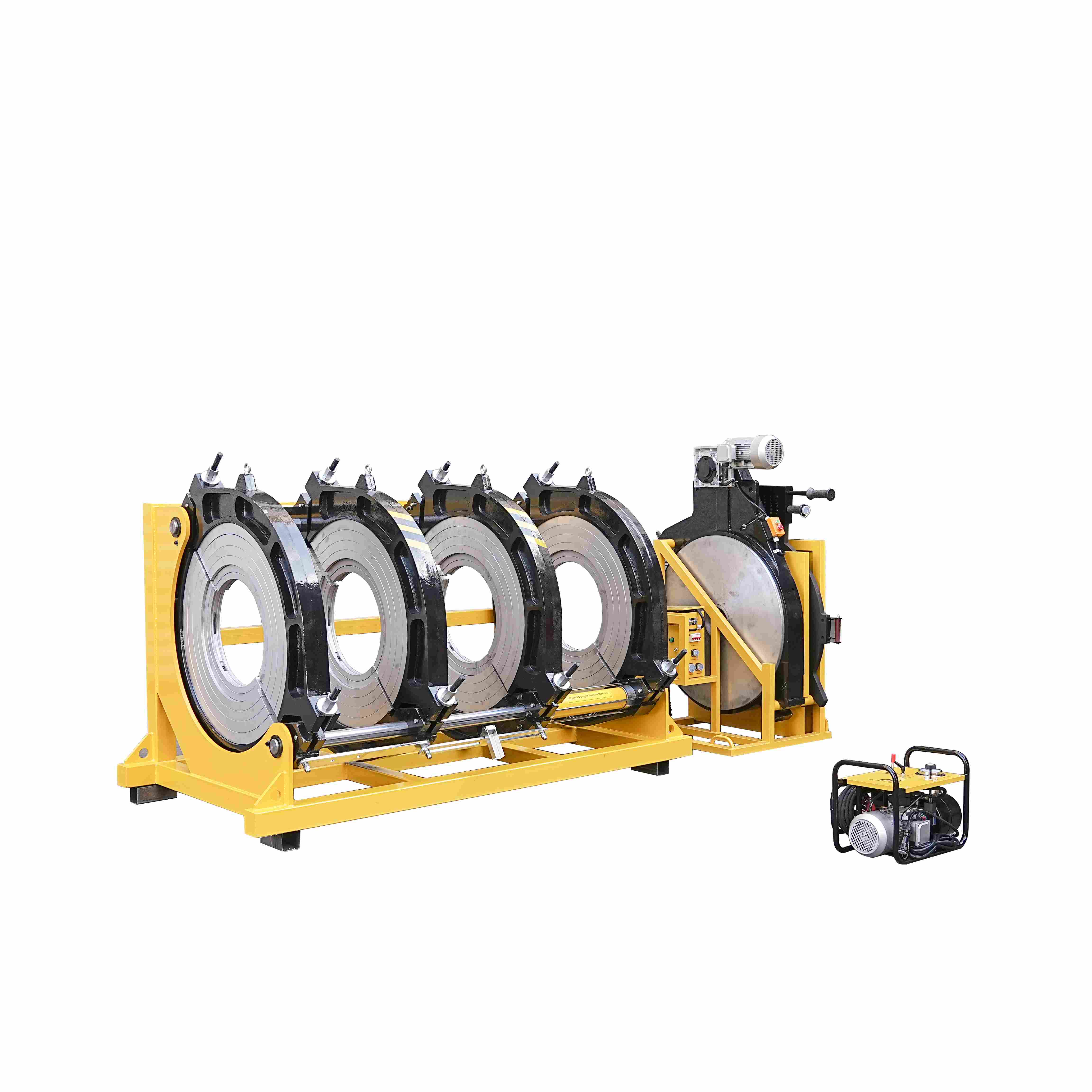
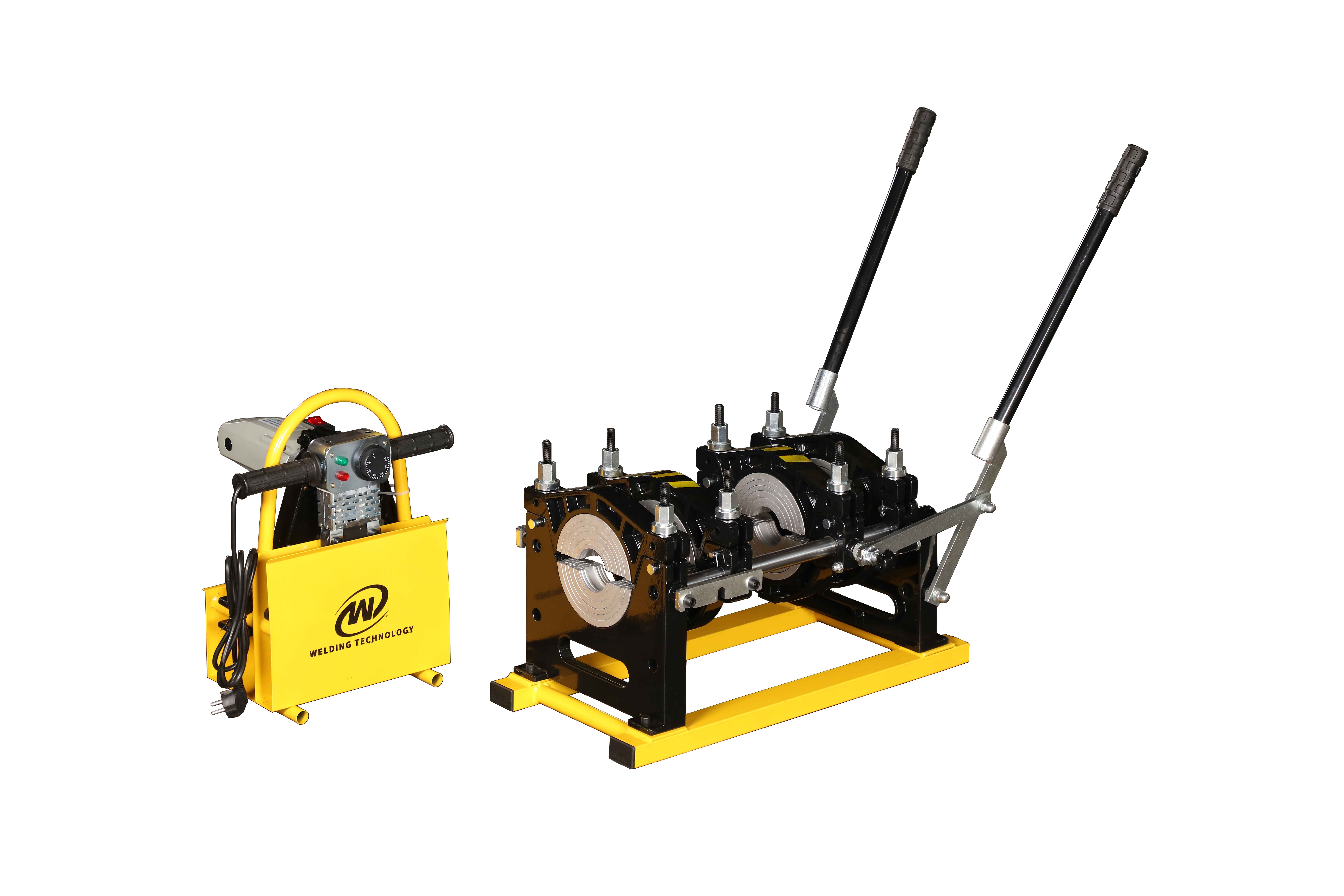
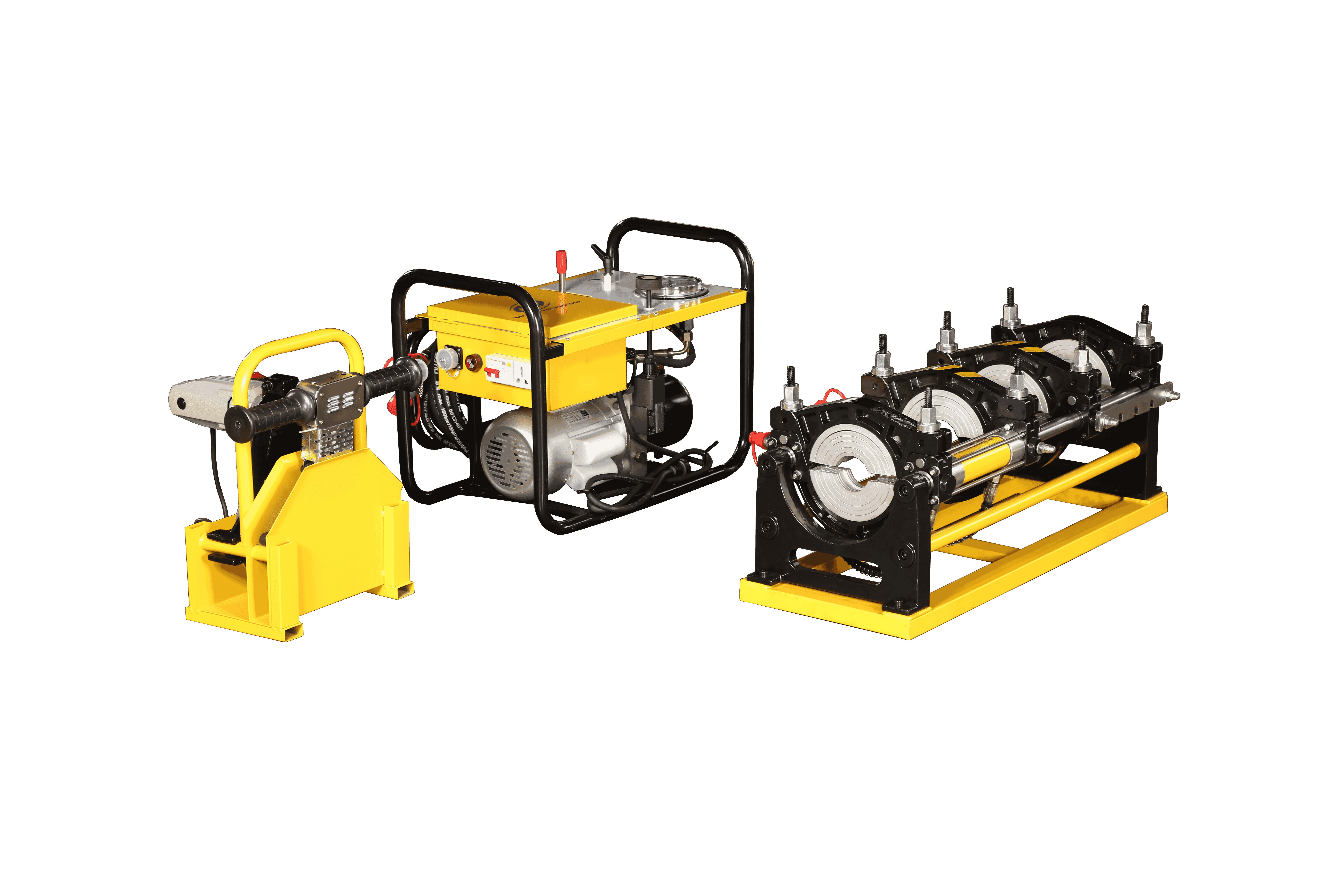
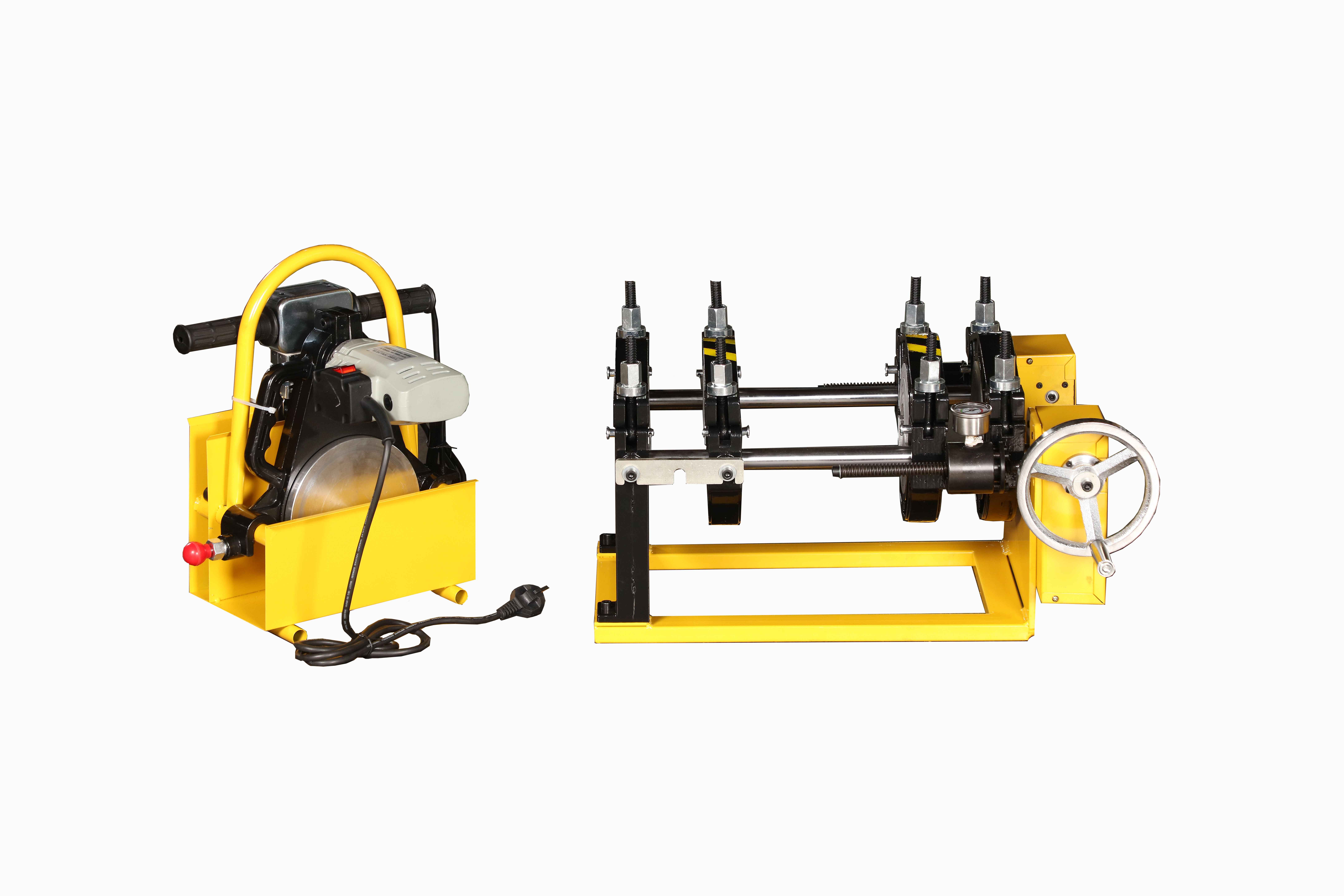
The plastic butt welder stands as an essential tool in modern manufacturing and construction industries, designed specifically for creating strong, permanent joints between thermoplastic pipes and fittings. This sophisticated welding equipment utilizes controlled heat application to fuse plastic materials together, forming seamless connections that match or exceed the strength of the original pipe material. The plastic butt welder operates through a precise heating process where pipe ends are heated to their melting point, then pressed together under controlled pressure to create a homogeneous weld joint. The primary function of this welding equipment involves preparing pipe surfaces through proper alignment and facing, followed by simultaneous heating of both pipe ends using heated plates or electrical resistance elements. Advanced plastic butt welder models incorporate digital temperature controls, automated timing systems, and pressure monitoring capabilities to ensure consistent weld quality across different project requirements. The technological features include adjustable heating temperatures ranging from 200 to 300 degrees Celsius, depending on the plastic material type, with sophisticated cooling systems that maintain optimal operating conditions during extended use periods. Modern units feature ergonomic designs with portable configurations for field applications, while stationary models offer enhanced precision for workshop environments. The plastic butt welder accommodates various pipe diameters, typically ranging from 20mm to 1200mm, making it versatile for residential plumbing systems to large-scale industrial pipeline installations. Key applications span across water supply networks, gas distribution systems, sewage treatment facilities, chemical processing plants, and geothermal energy systems. The equipment proves particularly valuable in infrastructure development projects where reliable, leak-proof joints are critical for system integrity and long-term performance. Additionally, the plastic butt welder serves industries requiring corrosion-resistant piping solutions, including food processing facilities, pharmaceutical manufacturing plants, and marine applications where traditional metal welding proves inadequate or economically unfeasible for long-term durability requirements.

New Products

The plastic butt welder offers numerous practical benefits that make it an indispensable tool for professionals working with thermoplastic piping systems. First and foremost, this equipment creates incredibly strong joints that often exceed the tensile strength of the original pipe material, ensuring long-lasting connections that withstand high pressures and environmental stresses. Unlike mechanical joining methods, the plastic butt welder produces seamless welds without additional components like gaskets, O-rings, or coupling devices that can fail over time or require regular maintenance. This welding process eliminates potential leak points that commonly occur with threaded or glued connections, resulting in more reliable piping systems with reduced maintenance costs throughout their operational lifespan. The speed of operation represents another significant advantage, as experienced operators can complete joints in minutes rather than hours required for alternative joining methods. This efficiency translates directly into reduced labor costs and faster project completion times, particularly valuable in large-scale construction projects where hundreds or thousands of joints are required. The plastic butt welder also provides exceptional versatility in handling various thermoplastic materials including polyethylene, polypropylene, and other engineered plastics commonly used in modern piping applications. Temperature control features allow operators to adjust heating parameters precisely for different material types and thickness requirements, ensuring optimal weld quality regardless of specific project specifications. Cost-effectiveness emerges as a major benefit when comparing long-term operational expenses against initial equipment investment. The elimination of consumable materials like adhesives, primers, or mechanical fittings reduces ongoing material costs significantly. Furthermore, the durability of welded joints minimizes repair and replacement expenses that often plague systems using alternative joining methods. Environmental benefits include the creation of completely sealed systems that prevent contamination or leakage, crucial for applications involving potable water, chemicals, or sensitive fluids. The welding process itself produces no harmful emissions or waste materials, making it environmentally friendly compared to solvent-based joining methods. Operator safety receives enhanced protection through modern safety features including automatic shut-off systems, temperature monitoring alarms, and ergonomic designs that reduce physical strain during operation. The plastic butt welder also offers excellent portability options, with many models designed for field use in remote locations where access to workshop facilities is limited, providing contractors with flexibility to perform high-quality joints regardless of job site constraints.

Latest News

Global Fusion Welding Machinery Market Booms, Hangzhou Welding Leads Chinese Manufacturing to Serve 100+ Countries

11

Feb

Global Fusion Welding Machinery Market Booms, Hangzhou Welding Leads Chinese Manufacturing to Serve 100+ Countries

View More
Technological Innovation Drives Industry Upgrade, Hangzhou Welding Leads the Development of Thermoplastic Welding Technology

11

Feb

Technological Innovation Drives Industry Upgrade, Hangzhou Welding Leads the Development of Thermoplastic Welding Technology

View More
Accelerating Global Layout, Hangzhou Welding Technology Drives International Market Development with the Dual Wheels of

11

Feb

Accelerating Global Layout, Hangzhou Welding Technology Drives International Market Development with the Dual Wheels of "Products + Services"

View More

Get a Free Quote

Our representative will contact you soon.
E-mail
Name
Mobile/WhatsApp
Company Name
Message
0/1000

plastic butt welder

Advanced Temperature Control Technology

Advanced Temperature Control Technology

The modern plastic butt welder incorporates sophisticated temperature control technology that sets it apart from basic welding equipment and ensures consistent, high-quality results across diverse applications. This advanced system features precision digital displays that provide real-time temperature monitoring with accuracy within plus or minus two degrees Celsius, allowing operators to maintain optimal heating conditions throughout the welding process. The temperature control mechanism utilizes PID (Proportional-Integral-Derivative) control algorithms that automatically adjust heating output based on environmental conditions, material thickness, and ambient temperature variations. This intelligent system prevents overheating that could degrade material properties while ensuring sufficient heat penetration for complete fusion across the entire joint interface. The plastic butt welder temperature control system offers programmable memory functions that store optimal settings for different pipe materials and sizes, enabling operators to quickly recall proven parameters for consistent results on similar applications. Advanced models feature multi-zone heating capabilities that independently control temperature across different areas of the heating plate, accommodating varying pipe wall thicknesses or material compositions within a single joint. The rapid heating and cooling cycles minimize overall processing time while maintaining precise temperature control throughout critical fusion phases. Safety interlocks prevent operation outside predetermined temperature ranges, protecting both equipment and operators from potential hazards associated with overheating or insufficient heating conditions. The temperature control system also incorporates automatic compensation for power supply variations, ensuring consistent performance regardless of site electrical conditions or generator-supplied power that commonly occurs in field applications. Visual and audible alarms alert operators to temperature deviations, heating element malfunctions, or system errors that could compromise weld quality. The sophisticated control system maintains detailed logging capabilities that record temperature profiles, heating times, and cooling cycles for quality assurance documentation and process optimization. This data proves invaluable for certification requirements, quality control protocols, and continuous improvement initiatives. The temperature control technology extends equipment lifespan by preventing thermal cycling damage to heating elements and associated components, reducing maintenance requirements and operating costs over time while ensuring reliable performance across thousands of welding cycles.
Exceptional Joint Strength and Reliability

Exceptional Joint Strength and Reliability

The plastic butt welder creates joints that demonstrate exceptional strength characteristics, often exceeding the performance of the original pipe material itself, making it the preferred choice for critical applications where joint integrity is paramount. Through the controlled fusion process, the plastic butt welder eliminates the weakest points typically found in mechanical connections, creating homogeneous joints where the welded area becomes integral with the surrounding pipe material. Laboratory testing consistently demonstrates that properly executed butt welds achieve tensile strengths ranging from 95 to 110 percent of the parent material strength, with failure modes typically occurring in the pipe body rather than at the weld interface. This remarkable strength performance results from the molecular-level fusion that occurs during the welding process, where polymer chains from both pipe ends interdiffuse and cross-link to form a seamless connection. The plastic butt welder process eliminates stress concentration points that commonly develop around threaded connections, flanged joints, or adhesive bonds, resulting in superior fatigue resistance under cyclic loading conditions. Long-term performance studies spanning decades show welded joints maintaining their structural integrity while alternative joining methods experience degradation, leakage, or complete failure. The reliability of joints created by the plastic butt welder proves particularly valuable in buried applications where access for repairs is costly and disruptive, such as water mains, gas distribution systems, or industrial process piping. Environmental stress crack resistance of welded joints surpasses that of mechanical connections, providing enhanced durability in applications involving chemical exposure, temperature cycling, or ground movement. The fusion process creates joints with uniform wall thickness that eliminates flow restrictions or turbulence-inducing geometry changes common with insert fittings or coupling devices. This smooth internal profile reduces pressure losses and eliminates locations where debris might accumulate or corrosion could initiate. Quality assurance protocols for the plastic butt welder include visual inspection criteria, non-destructive testing methods, and statistical sampling procedures that validate joint integrity before system commissioning. The predictable and repeatable nature of the welding process enables reliable quality control measures that ensure consistent performance across large projects involving thousands of individual joints. Insurance companies and regulatory agencies increasingly recognize the superior reliability of butt-welded systems, often providing preferential coverage terms or approval processes for projects utilizing this joining method over alternative techniques.
Versatile Field Application Capabilities

Versatile Field Application Capabilities

The plastic butt welder demonstrates exceptional versatility in field applications, adapting seamlessly to diverse working conditions and project requirements that span from urban construction sites to remote industrial installations. Portable models feature compact, lightweight designs that enable single-operator transport while maintaining full welding capabilities for pipe sizes up to 400mm diameter, making them ideal for maintenance operations, emergency repairs, and small-scale construction projects. The equipment operates effectively across wide temperature ranges, from sub-zero conditions in northern climates to high-temperature environments in desert or industrial settings, with heating systems that compensate for ambient temperature variations automatically. Power supply flexibility allows the plastic butt welder to operate from standard electrical connections, portable generators, or specialized mobile power units, providing contractors with operational freedom regardless of available infrastructure. Advanced models incorporate battery backup systems that maintain control functions and safety monitoring even during power interruptions, ensuring operator safety and preventing damage to partially completed welds. The modular design philosophy enables field technicians to transport essential components separately when access constraints prevent movement of complete units, such as confined spaces, elevated platforms, or remote pipeline locations accessible only by helicopter or specialized vehicles. Weatherproofing features protect critical electronic components from moisture, dust, and temperature extremes commonly encountered in outdoor construction environments, ensuring reliable operation throughout extended project durations. The plastic butt welder accommodates various pipe orientations including horizontal, vertical, and angular positions, with specialized fixtures and supports that maintain proper alignment during the welding process regardless of installation geometry. Field-friendly features include intuitive control interfaces that minimize training requirements for operators, reducing project delays associated with specialized skill requirements. Onboard diagnostics systems provide real-time equipment status monitoring and predictive maintenance alerts that prevent unexpected failures during critical project phases. The equipment handles challenging site conditions including limited workspace, uneven surfaces, and restricted access situations through innovative clamping systems and adjustable support mechanisms. Quality control capabilities remain fully functional in field environments, with portable testing equipment integration and documentation systems that satisfy regulatory requirements without requiring laboratory facilities. Maintenance requirements stay minimal through robust construction and accessible service points that enable field technicians to perform routine upkeep without specialized tools or extensive equipment disassembly, maximizing operational availability and reducing project costs.

Get a Free Quote

Our representative will contact you soon.
E-mail
Name
Mobile/WhatsApp
Company Name
Message
0/1000