HDPE Butt Welder - Professional Fusion Welding Equipment for Leak-Proof Pipe Joints

Get a Free Quote

Our representative will contact you soon.
E-mail
Name
Mobile/WhatsApp
Company Name
Message
0/1000

hdpe butt welder

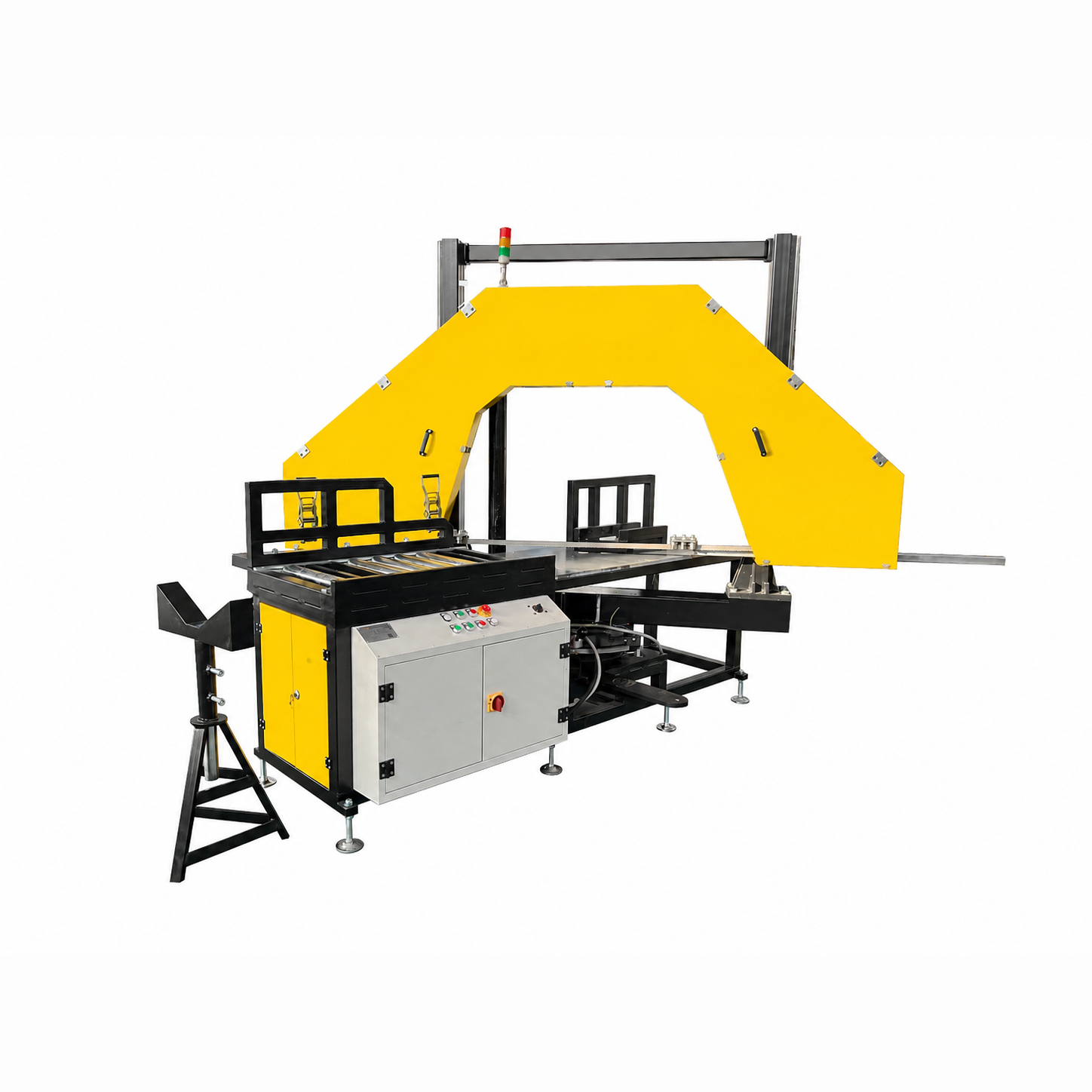
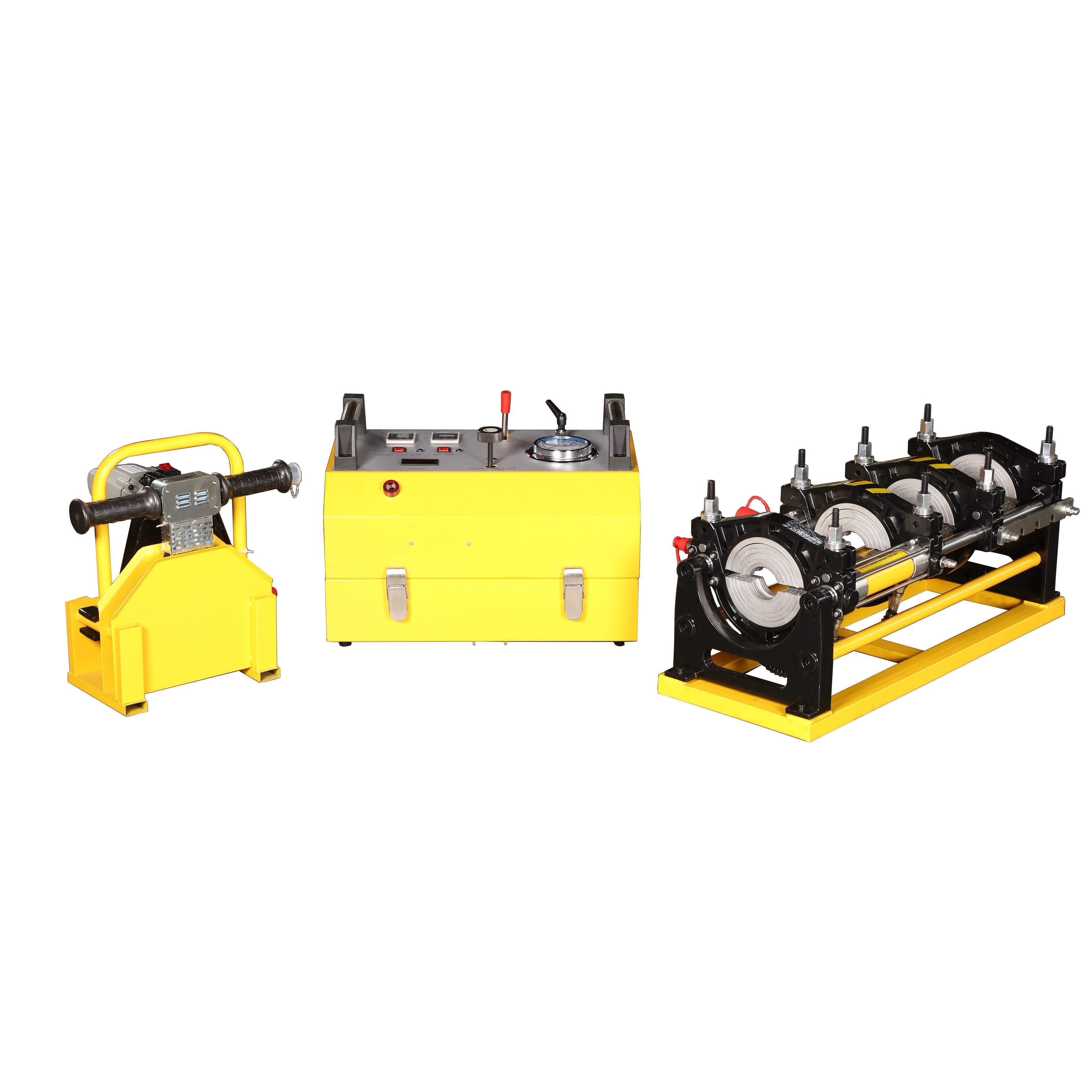
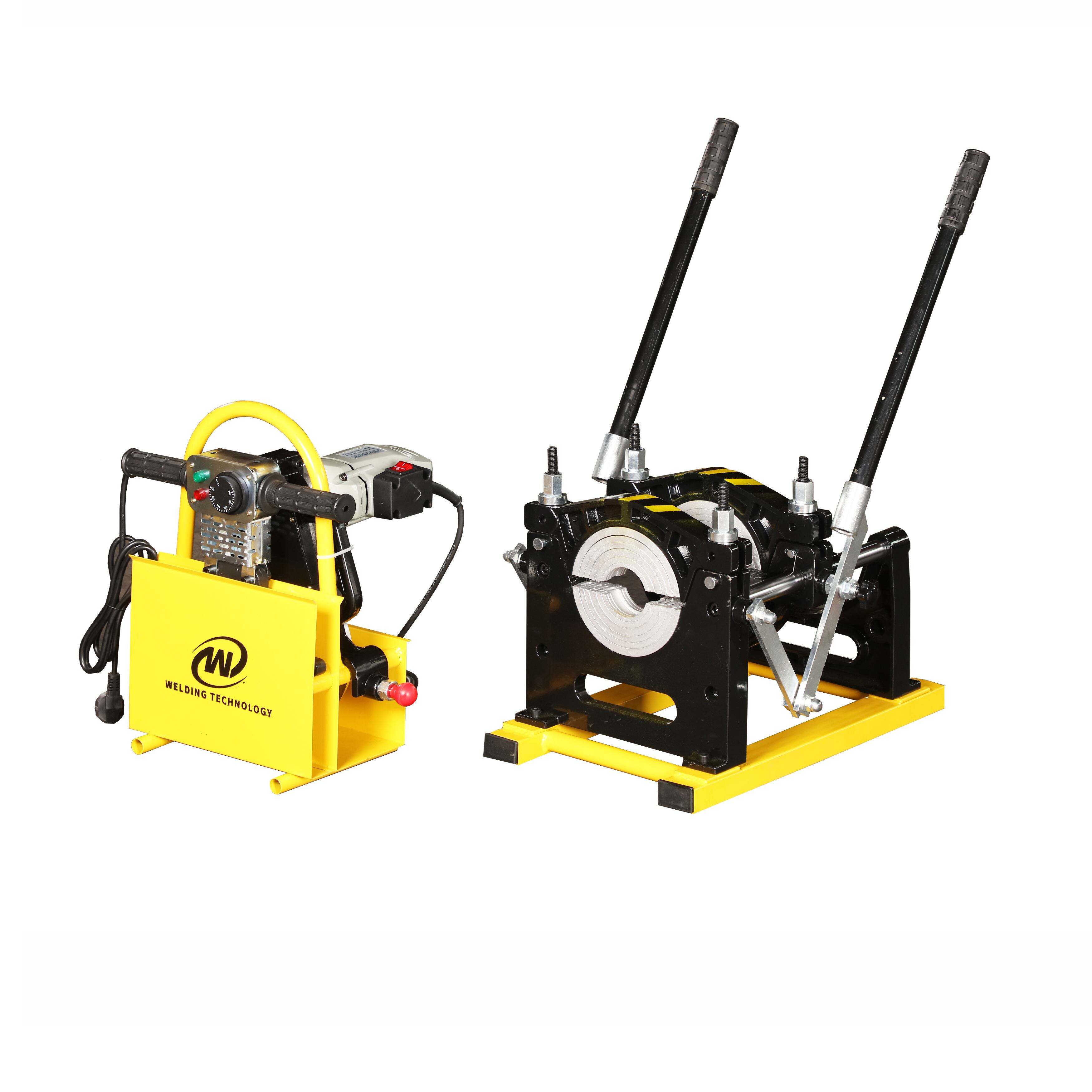
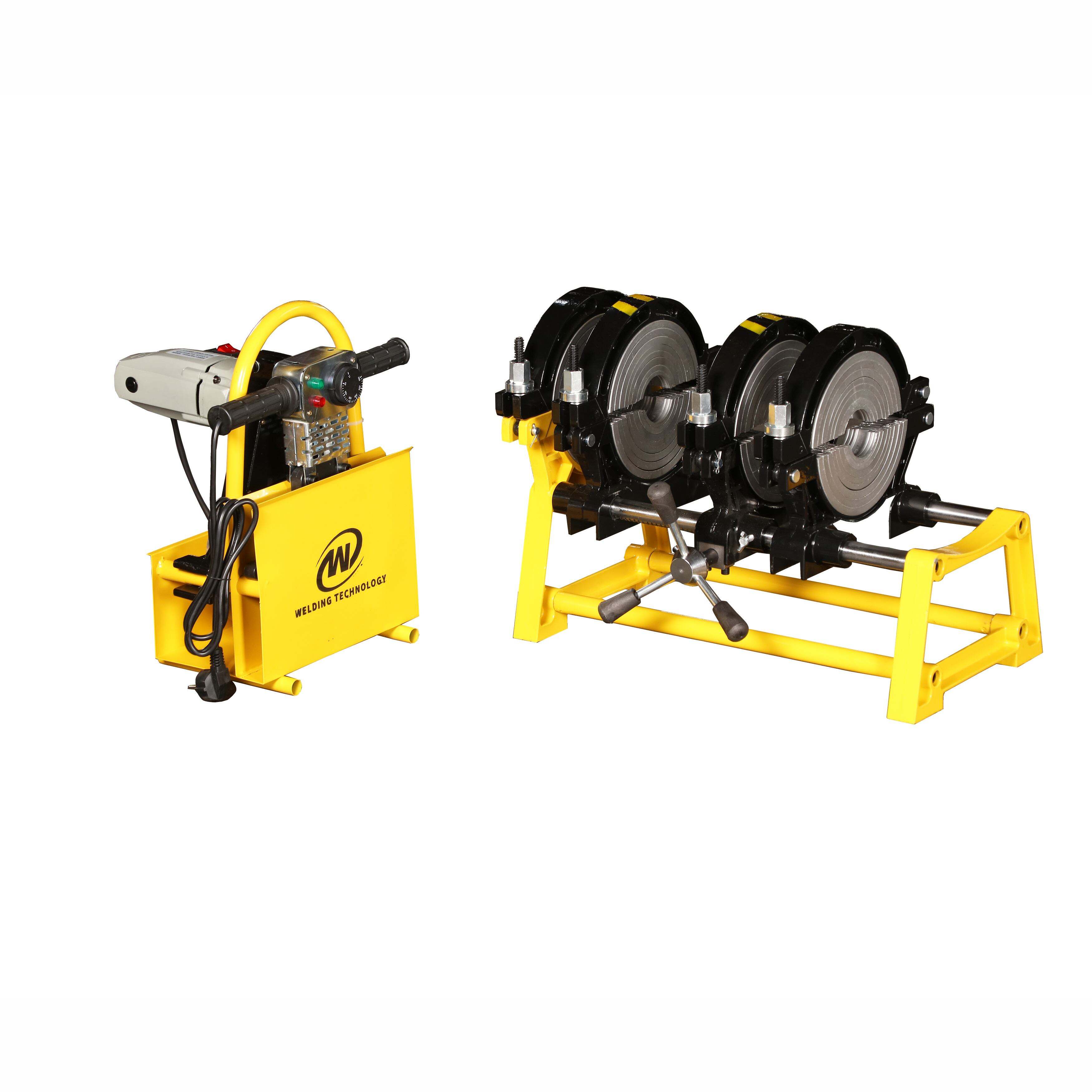
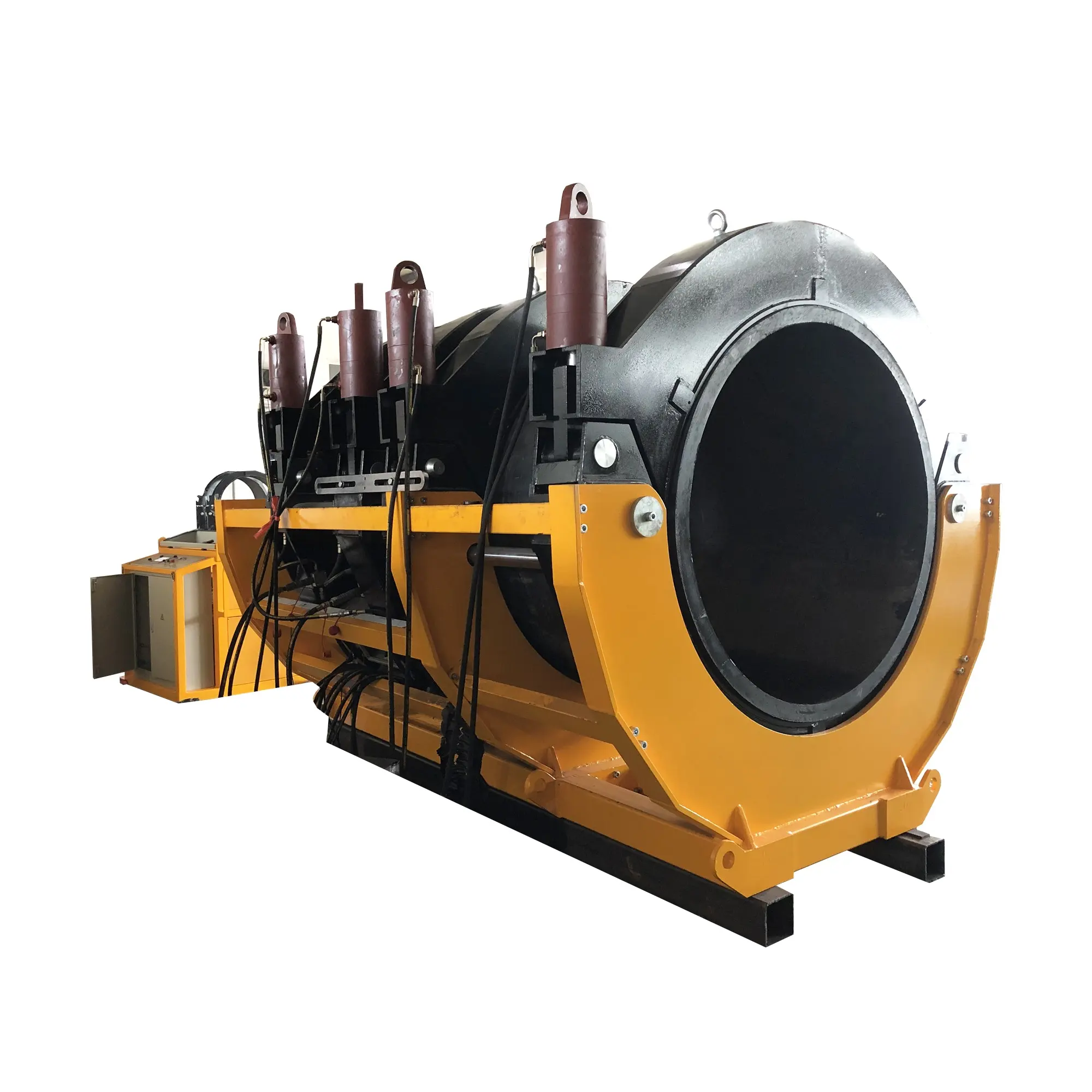
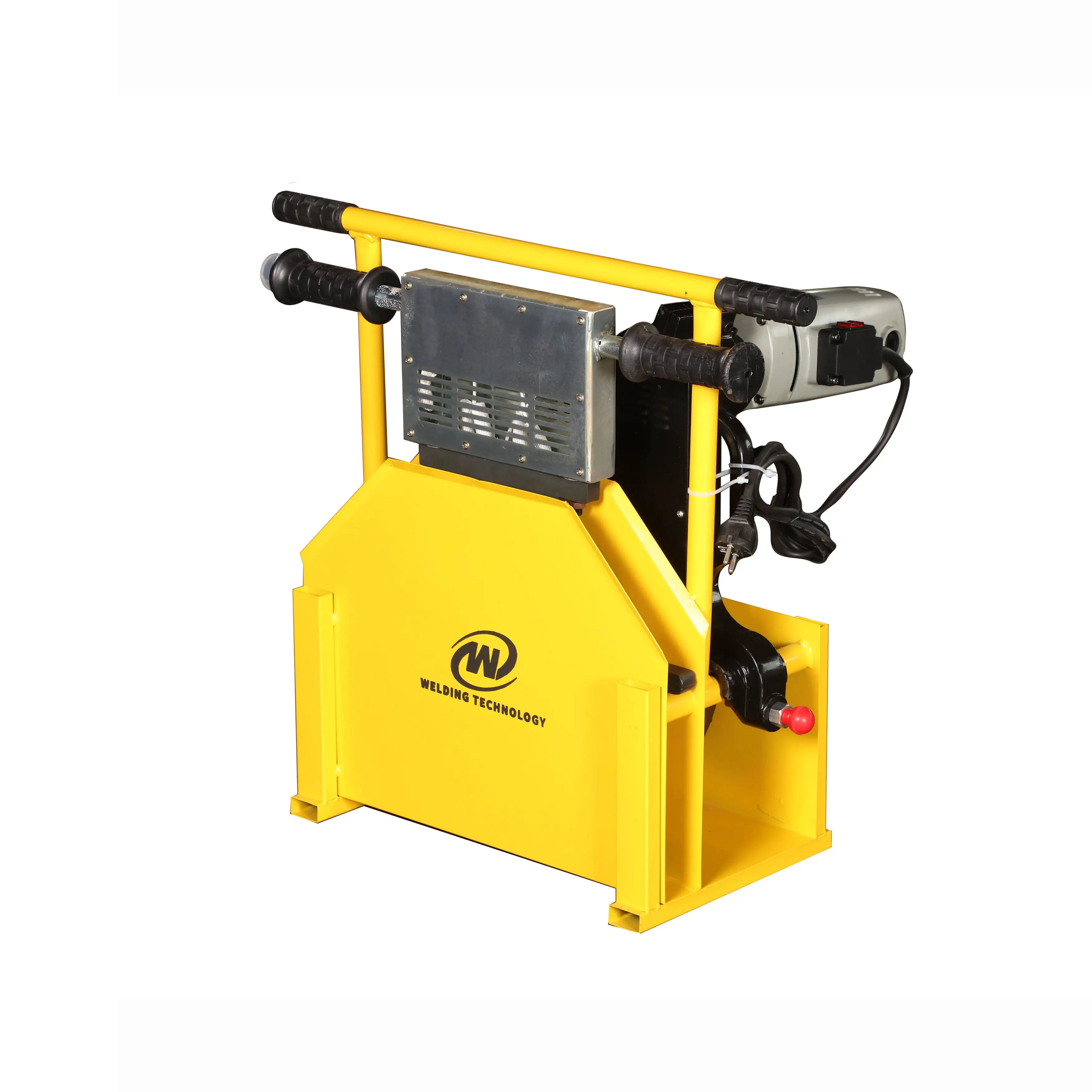
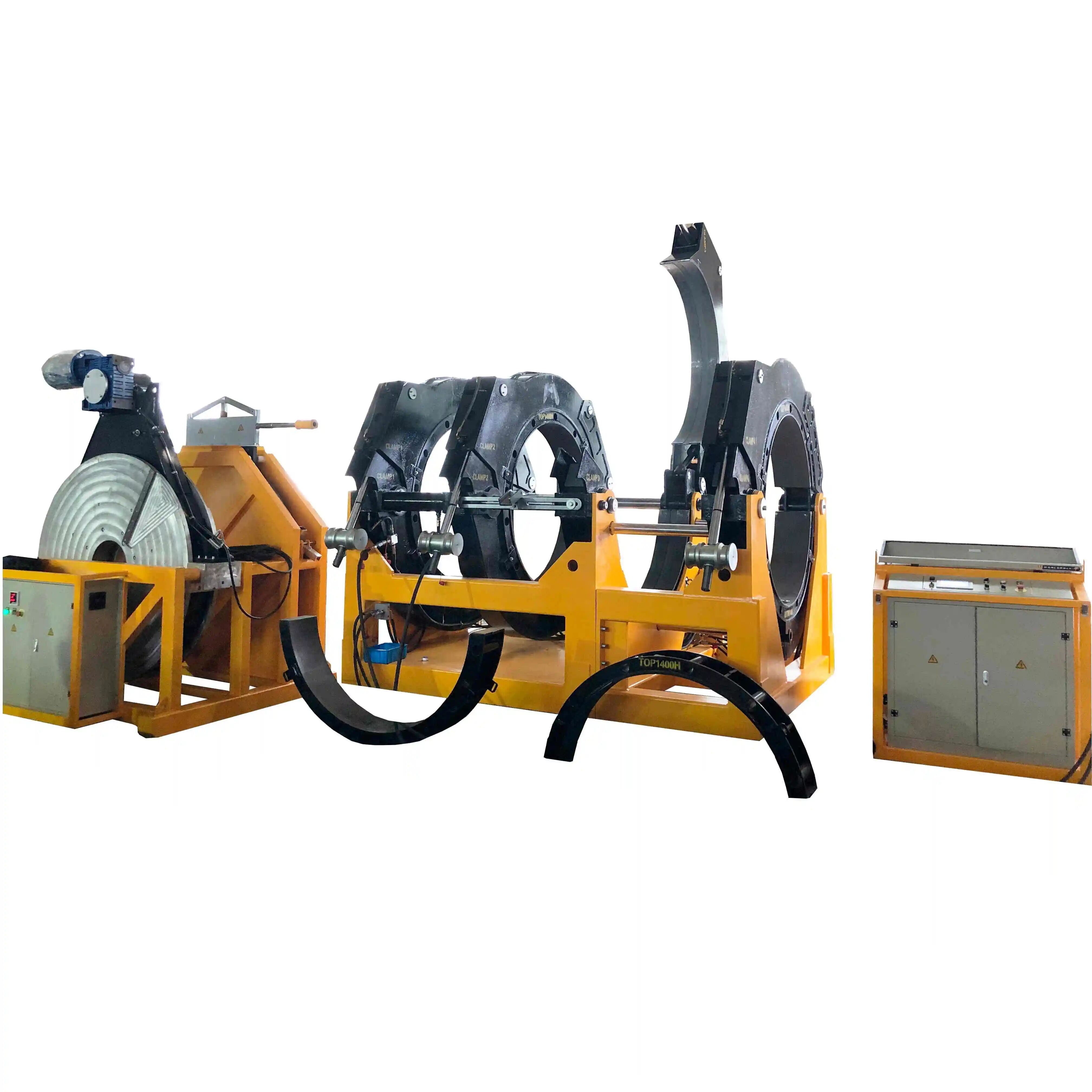
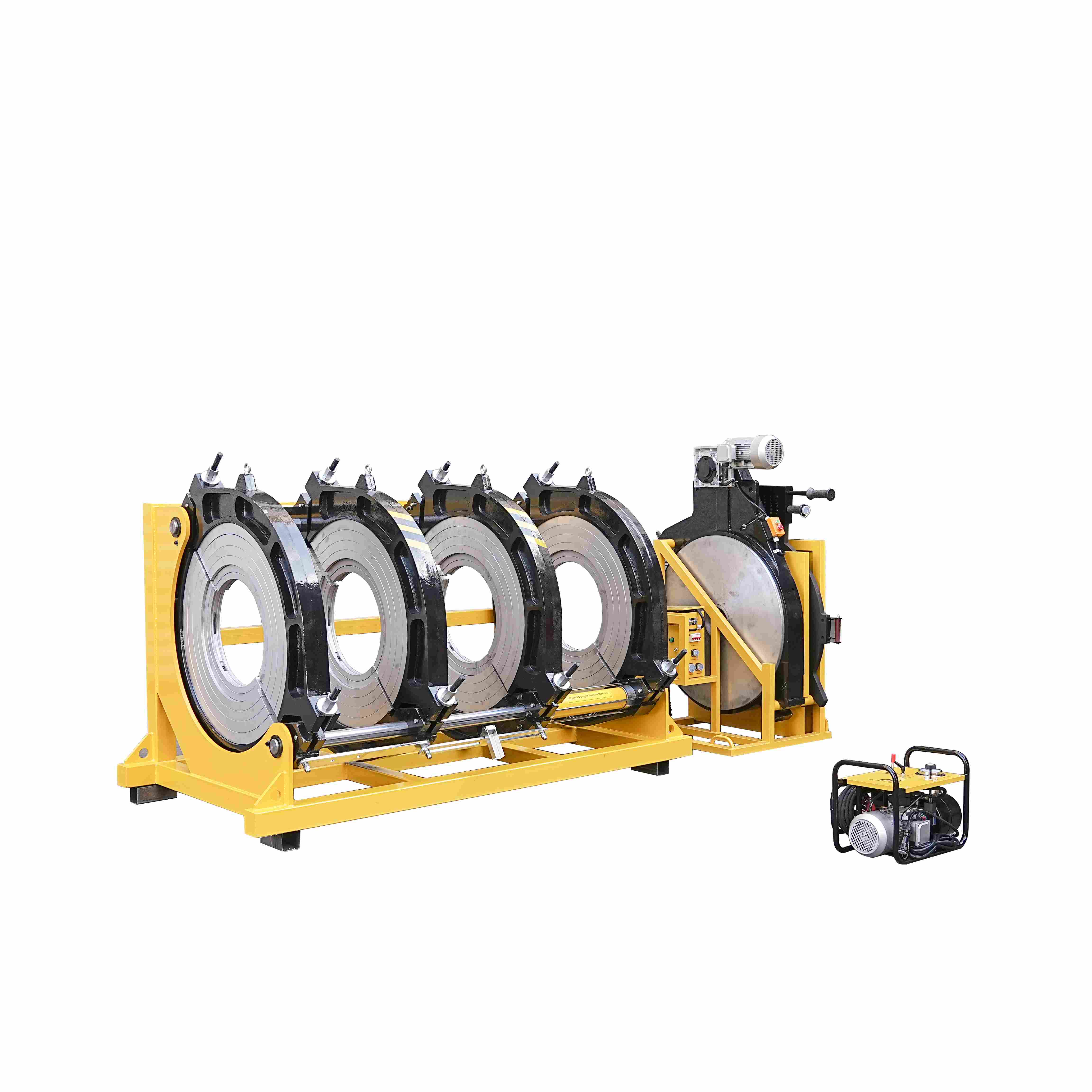
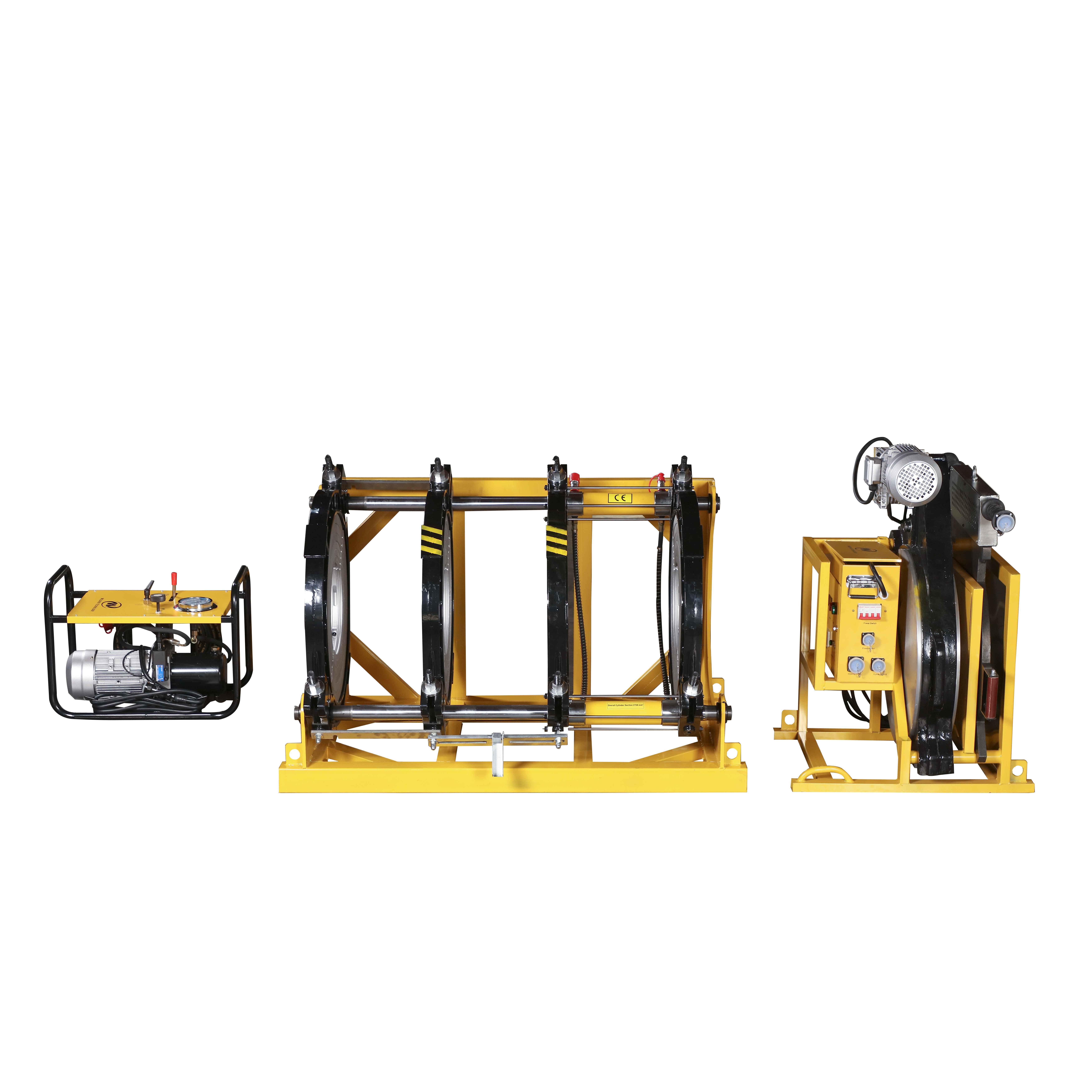
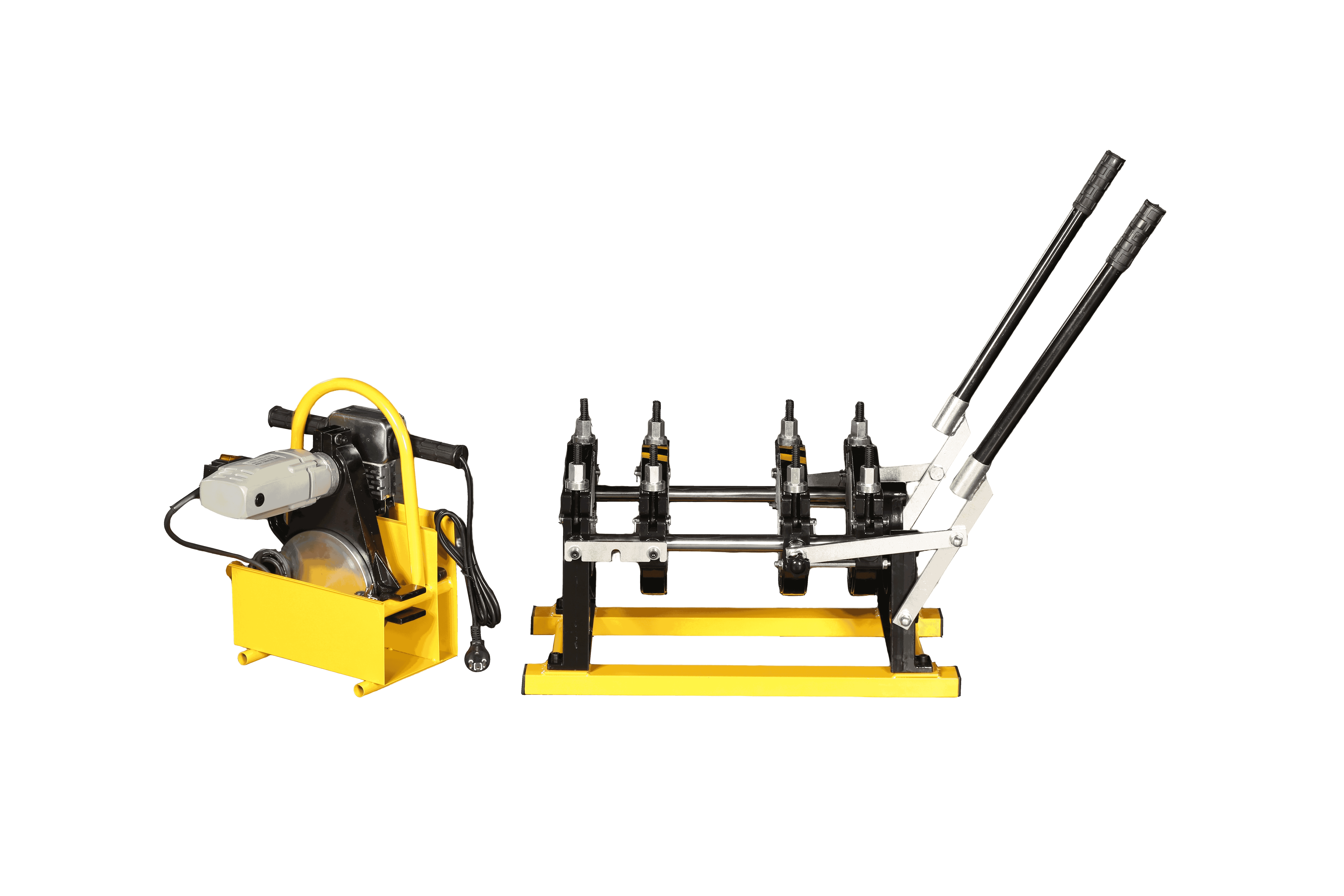
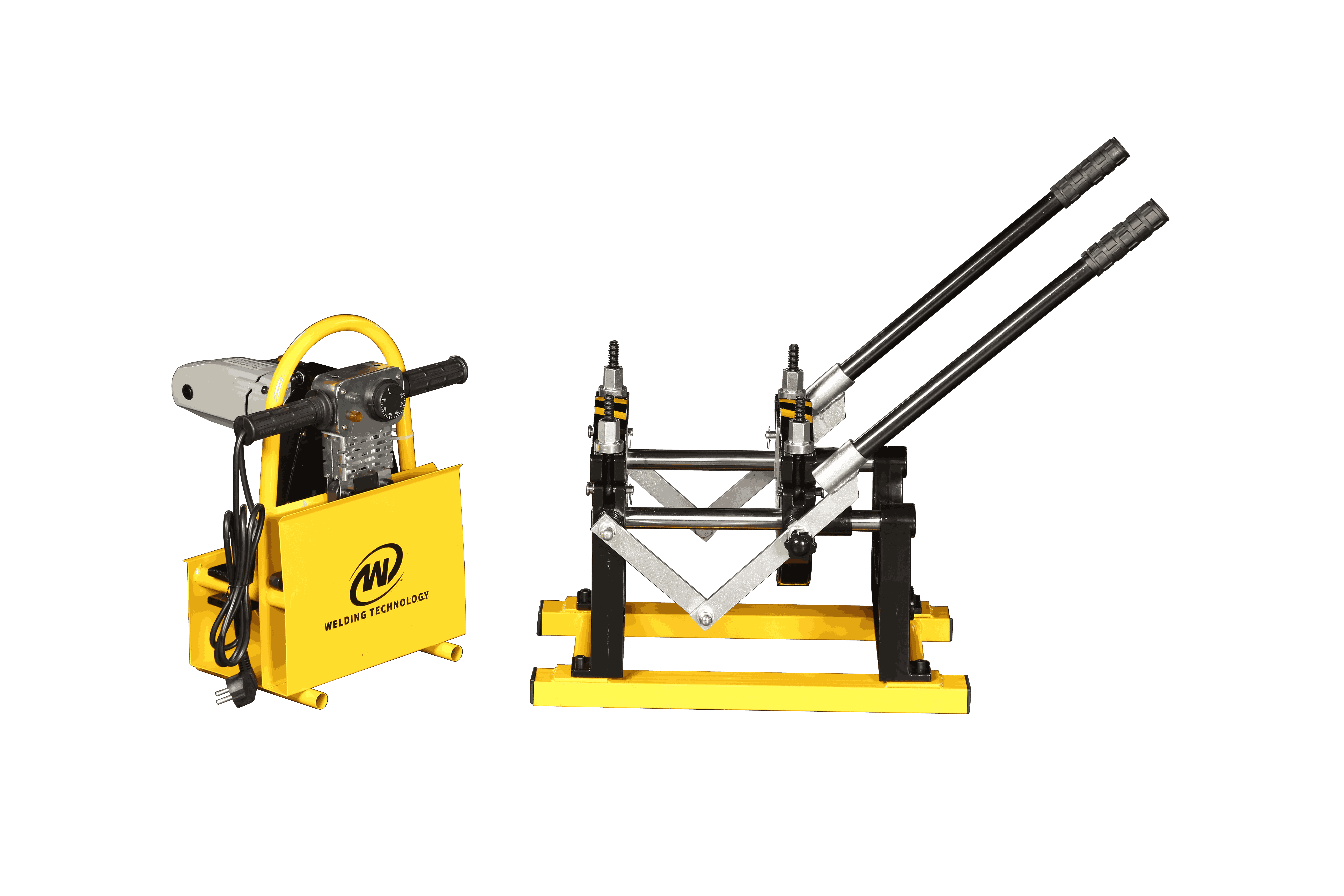
An hdpe butt welder represents a specialized fusion equipment designed specifically for joining high-density polyethylene pipes and fittings through a controlled heating and pressure process. This sophisticated welding machine creates permanent, leak-proof connections by heating the pipe ends to their melting point and then pressing them together under precise pressure conditions. The hdpe butt welder operates through a systematic procedure that ensures molecular bonding between pipe sections, resulting in joints that often exceed the strength of the original pipe material itself. Modern hdpe butt welder units incorporate advanced temperature control systems, hydraulic pressure mechanisms, and digital monitoring capabilities that guarantee consistent weld quality across various pipe diameters and wall thicknesses. These machines find extensive applications across municipal water distribution networks, natural gas transmission systems, industrial processing plants, mining operations, and agricultural irrigation projects. The hdpe butt welder technology has revolutionized pipeline installation by eliminating the need for mechanical couplings, adhesives, or traditional welding methods that could compromise pipe integrity. Professional contractors and utility companies rely on these welding systems to construct durable infrastructure capable of withstanding decades of service under demanding environmental conditions. The equipment typically consists of several key components including a heating plate with non-stick coating, hydraulic power unit for applying fusion pressure, pipe alignment clamps that ensure perfect positioning, and facing tools that prepare pipe ends for optimal bonding. Contemporary hdpe butt welder models feature user-friendly interfaces with programmable settings that accommodate different pipe specifications while maintaining strict adherence to international welding standards and protocols. The fusion welding process facilitated by these machines produces homogeneous joints without introducing foreign materials or creating stress concentrations that might lead to premature failure. Investment in quality hdpe butt welder equipment translates directly into reduced installation time, lower long-term maintenance costs, and enhanced system reliability for critical fluid conveyance applications across diverse industries and geographical regions worldwide.

New Product Recommendations

The hdpe butt welder delivers numerous practical benefits that directly impact project efficiency and long-term system performance. First and foremost, this equipment creates joints that maintain complete system integrity without weak points or potential failure locations. Unlike mechanical connections that rely on gaskets and fasteners, welds produced by an hdpe butt welder form continuous molecular bonds that eliminate leakage risks throughout the pipeline's operational lifespan. This seamless connection capability proves especially valuable in applications where fluid contamination or environmental protection represents a critical concern. The welding process requires no additional materials such as solvents, adhesives, or coupling components, which significantly reduces ongoing supply costs and simplifies inventory management for installation crews. Operators appreciate how modern hdpe butt welder machines streamline the joining process through automated heating cycles and pressure applications that remove guesswork from the equation. The equipment's hydraulic systems apply consistent force across the entire joint circumference, ensuring uniform heat distribution and optimal molecular fusion regardless of pipe diameter or ambient temperature conditions. Projects benefit from accelerated completion schedules because the hdpe butt welder enables rapid joint formation with minimal cooling time before pressure testing can commence. The portability of contemporary welding units allows contractors to transport equipment easily between job sites and position machines in confined spaces where traditional joining methods would prove impractical or impossible. Quality assurance becomes straightforward since each weld produces visible beads that trained inspectors can evaluate immediately to verify proper fusion parameters were achieved. The hdpe butt welder accommodates a broad range of pipe sizes within a single machine platform, eliminating the need for multiple specialized tools and reducing equipment investment requirements. Environmental advantages include the absence of harmful emissions, chemical residues, or waste materials generated during the fusion process. The resulting pipeline systems demonstrate exceptional resistance to corrosion, chemical attack, and stress cracking that typically plague metal piping or mechanically joined plastic systems. Installation crews require less specialized training to operate an hdpe butt welder compared to complex mechanical joining systems, which accelerates workforce development and improves labor flexibility across projects. The equipment's durability and low maintenance requirements ensure reliable performance across thousands of welding cycles with minimal service intervention. Cost analysis consistently shows that projects utilizing hdpe butt welder technology achieve lower total installed costs when factoring in material expenses, labor productivity, and long-term maintenance obligations. System designers value the flexibility to route pipelines through challenging terrain without concern for joint failures at stress points or temperature extremes. The proven track record of fusion-welded systems provides confidence for critical applications in water treatment, chemical processing, and energy distribution where failure consequences could prove catastrophic or environmentally damaging.

Latest News

How Can a Pipe Welding Machine Ensure Reliable Pipe Connections?

28

Apr

How Can a Pipe Welding Machine Ensure Reliable Pipe Connections?

Reliable pipe connections form the backbone of critical infrastructure systems across water distribution networks, natural gas pipelines, industrial processing facilities, and municipal wastewater management operations. The integrity of these connect...
View More
Why Do Engineers Choose an HDPE Thermofusion Machine for Projects?

06

Apr

Why Do Engineers Choose an HDPE Thermofusion Machine for Projects?

Engineers working on pipeline infrastructure projects face critical decisions that affect long-term performance, project budgets, and operational reliability. Among the most consequential choices is the selection of joining equipment for high-density...
View More
How Can a Plastic Sheet Butt Welding Machine Ensure Strong Seams?

05

May

How Can a Plastic Sheet Butt Welding Machine Ensure Strong Seams?

The strength and integrity of welded plastic seams directly impact the performance, durability, and safety of countless industrial applications, from geomembranes in environmental containment to large-scale tank fabrication. Achieving consistently st...
View More
How Can an HDPE Thermofusion Welding Machine Ensure Leak Free Systems?

23

Jun

How Can an HDPE Thermofusion Welding Machine Ensure Leak Free Systems?

In pipeline infrastructure across water treatment, gas distribution, and industrial fluid handling, achieving a truly leak-free system is one of the most demanding engineering challenges operators face. The HDPE thermofusion welding machine has emerg...
View More

Get a Free Quote

Our representative will contact you soon.
E-mail
Name
Mobile/WhatsApp
Company Name
Message
0/1000

hdpe butt welder

Superior Joint Strength and Permanent Leak Prevention

Superior Joint Strength and Permanent Leak Prevention

The hdpe butt welder creates fusion joints that represent the gold standard for permanent pipe connections in high-density polyethylene systems. This remarkable capability stems from the fundamental physics of the fusion welding process, where controlled heat application transforms the molecular structure of pipe ends into a viscous state that allows polymer chains to intermingle and bond at the atomic level. When an hdpe butt welder heats pipe surfaces to the precise melting temperature and then forces those surfaces together under calibrated pressure, the resulting joint becomes essentially indistinguishable from the parent pipe material itself. Independent testing consistently demonstrates that properly executed fusion welds exceed the tensile strength and pressure rating of the original pipe, meaning the joint actually becomes the strongest point in the pipeline rather than a potential weak link. This characteristic proves invaluable for applications involving high operating pressures, temperature fluctuations, or mechanical stresses from ground movement and thermal expansion. The elimination of gaskets, O-rings, and mechanical seals removes all pathways for fluid migration that plague traditional joining methods. Water utilities particularly appreciate how hdpe butt welder joints prevent infiltration and exfiltration that compromise system efficiency and water quality. The homogeneous nature of fusion welds means no crevices or discontinuities exist where bacteria might colonize or contaminants could accumulate. Chemical processing facilities rely on this complete seal integrity when conveying aggressive fluids that would attack elastomeric seals or corrode threaded connections. The permanence of joints created by an hdpe butt welder translates into infrastructure that can remain in service for fifty years or more without joint maintenance or replacement. This longevity proves especially significant for buried installations where accessing joints for repair would require expensive excavation and service disruption. Mining operations in remote locations depend on fusion-welded pipelines that continue operating reliably despite exposure to ground settlement, seismic activity, and extreme temperature variations. The confidence that hdpe butt welder joints provide allows engineers to design systems with extended spacing between access points and reduced redundancy requirements. Quality control procedures for fusion welding involve visual inspection of the characteristic bead formation that occurs when molten material is displaced during the joining process, providing immediate verification of proper welding parameters without destructive testing or lengthy evaluation protocols.
Advanced Temperature Control and Consistent Weld Quality

Advanced Temperature Control and Consistent Weld Quality

Modern hdpe butt welder equipment incorporates sophisticated temperature management systems that ensure optimal fusion conditions across diverse operating environments and pipe specifications. The heating plate at the core of every hdpe butt welder features precision temperature control that maintains the surface within narrow tolerances throughout the heating cycle. This controlled thermal input proves critical because high-density polyethylene exhibits specific melting characteristics that require exact temperature ranges to achieve proper molecular mobility without causing material degradation. Advanced hdpe butt welder models utilize digital temperature sensors and microprocessor-based control systems that continuously monitor and adjust heating element output to compensate for ambient conditions, pipe mass, and heat dissipation factors. The non-stick coating applied to heating plates prevents polymer adhesion while promoting uniform heat transfer across the entire pipe circumference and wall thickness. Operators benefit from preset welding parameters programmed into the hdpe butt welder control interface that automatically configure temperature, pressure, and timing sequences based on pipe diameter and wall thickness specifications. This automation eliminates manual calculations and reduces the potential for human error that could compromise joint quality. The heating phase of the fusion process involves bringing pipe ends into light contact with the heated plate until sufficient molten material forms on both surfaces, a condition indicated by consistent bead formation around the pipe circumference. Temperature uniformity across the heating plate ensures that thin-walled sections do not overheat while thicker areas achieve adequate temperature, a balance that proves especially important for large-diameter pipes where thermal mass varies significantly. The hdpe butt welder maintains stable temperature output even during extended operation cycles or when working in cold environments where heat loss to surroundings increases dramatically. Some advanced units feature insulated heating plates and protective shields that minimize thermal losses and reduce energy consumption while maintaining fusion quality. The transition from heating to joining occurs rapidly in a properly functioning hdpe butt welder, with the heated plate removed and pipe ends brought together before significant cooling can occur. This timing precision ensures that pipe surfaces remain in the optimal viscous state during pressure application, allowing maximum molecular intermixing and bond formation. Temperature documentation capabilities built into modern hdpe butt welder systems provide quality assurance records that verify proper fusion conditions were maintained throughout each joint cycle. This traceability becomes invaluable for critical applications where regulatory compliance or warranty requirements demand comprehensive installation documentation. The thermal management excellence delivered by contemporary hdpe butt welder equipment enables consistent joint quality regardless of operator experience level or environmental challenges encountered during field installation.
Versatile Application Range and Operational Efficiency

Versatile Application Range and Operational Efficiency

The hdpe butt welder demonstrates remarkable versatility in accommodating diverse pipe sizes, pressure classes, and installation scenarios encountered across multiple industries and applications. Equipment manufacturers design hdpe butt welder units in various capacity ranges, from compact machines suitable for pipes from 63 millimeters to 200 millimeters diameter, up to heavy-duty models capable of welding pipes exceeding 1600 millimeters in diameter. This scalability ensures that contractors can select an hdpe butt welder appropriately matched to their typical project requirements without overinvesting in unnecessary capacity or compromising capability when larger pipes are occasionally needed. The modular nature of professional hdpe butt welder systems allows operators to interchange clamp sets and alignment fixtures to accommodate different pipe specifications within the machine's rated capacity range. Hydraulic power units integrated into the hdpe butt welder provide adjustable pressure output that can be precisely calibrated to match the fusion pressure requirements for different pipe wall thicknesses and material grades. Installation crews appreciate how modern hdpe butt welder equipment incorporates user-friendly features such as quick-release clamps, adjustable pipe supports, and ergonomic controls that reduce physical effort and minimize setup time between consecutive joints. The operational efficiency delivered by contemporary hdpe butt welder technology directly impacts project economics through reduced labor hours, accelerated installation schedules, and improved crew productivity. Portable hdpe butt welder models feature compact dimensions and integrated transportation systems that enable single-operator movement between welding locations along the pipeline route. Generator-powered options extend hdpe butt welder capability into remote locations without electrical infrastructure, supporting applications in wilderness areas, developing regions, and temporary construction sites. The fusion welding process facilitated by an hdpe butt welder requires no extended curing periods or delayed pressure testing, allowing immediate system commissioning once joints have cooled to ambient temperature. This rapid completion capability proves especially valuable for emergency repairs or fast-track projects where time constraints dictate aggressive installation schedules. Municipal water departments utilize hdpe butt welder equipment for both new construction and system rehabilitation projects, appreciating the equipment's ability to create reliable joints in challenging conditions including wet excavations and confined spaces. Agricultural operations employ hdpe butt welder technology for constructing extensive irrigation networks that must withstand seasonal installation schedules and harsh environmental exposure. Industrial plants rely on fusion welding for process piping that conveys chemicals, slurries, and high-temperature fluids incompatible with mechanical joining methods. The adaptability of hdpe butt welder equipment to diverse applications stems from the fundamental simplicity of the fusion process combined with precise control over critical welding parameters. Training programs for hdpe butt welder operation typically require only days rather than weeks, enabling rapid workforce development and reducing dependency on specialized labor resources. Maintenance requirements for quality hdpe butt welder equipment remain minimal, consisting primarily of periodic heating plate inspection, hydraulic fluid service, and alignment verification procedures that can be performed by operators using basic tools and measuring instruments.


Get a Free Quote

Our representative will contact you soon.
E-mail
Name
Mobile/WhatsApp
Company Name
Message
0/1000