HDPE Butt Welding Machine: Professional Pipe Fusion Equipment for Durable Polyethylene Joints

Get a Free Quote

Our representative will contact you soon.
E-mail
Name
Mobile/WhatsApp
Company Name
Message
0/1000

hdpe butt welding machine

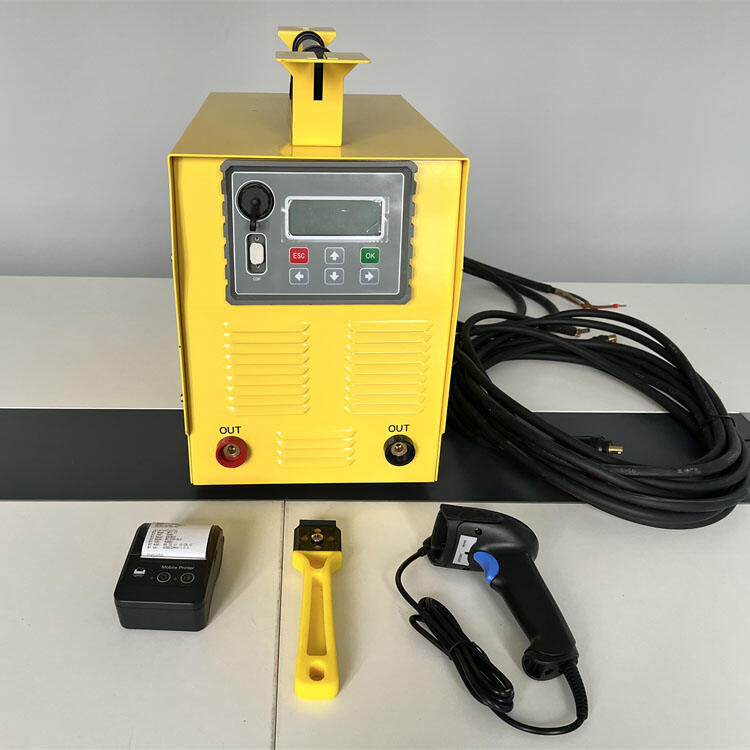
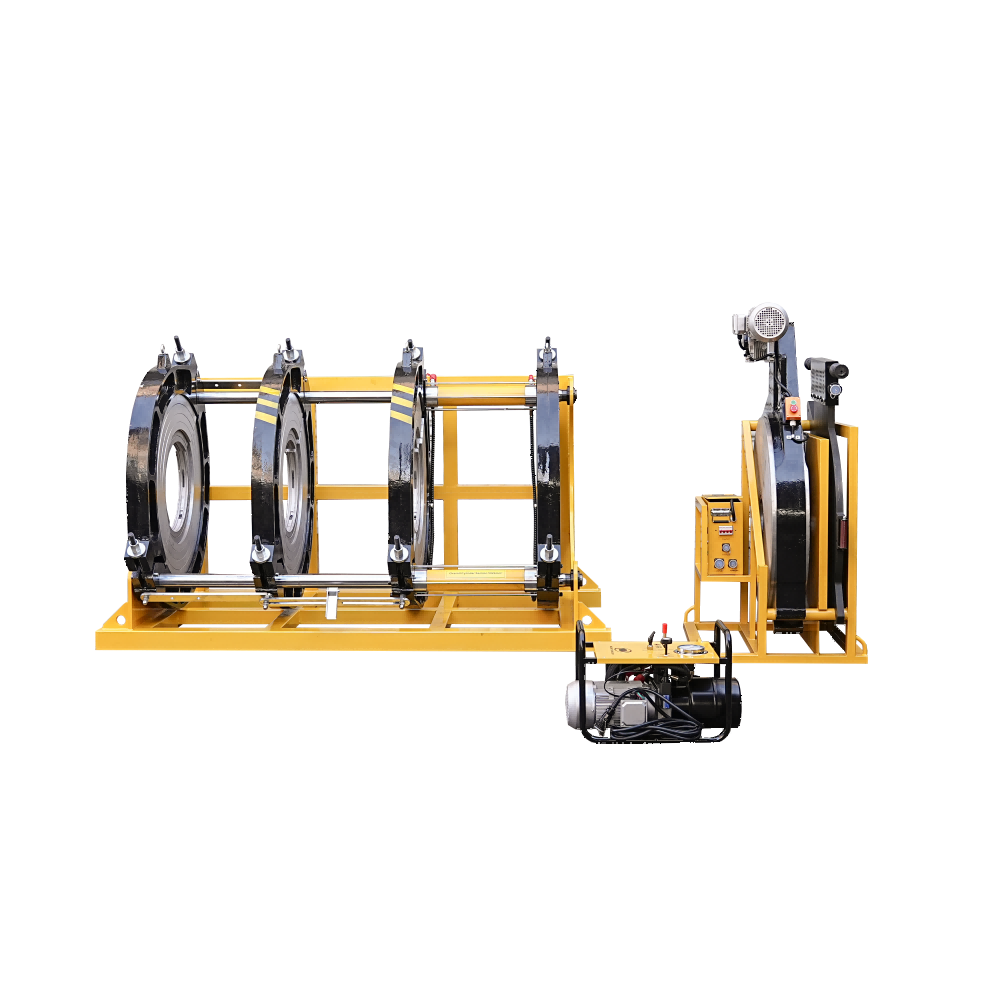
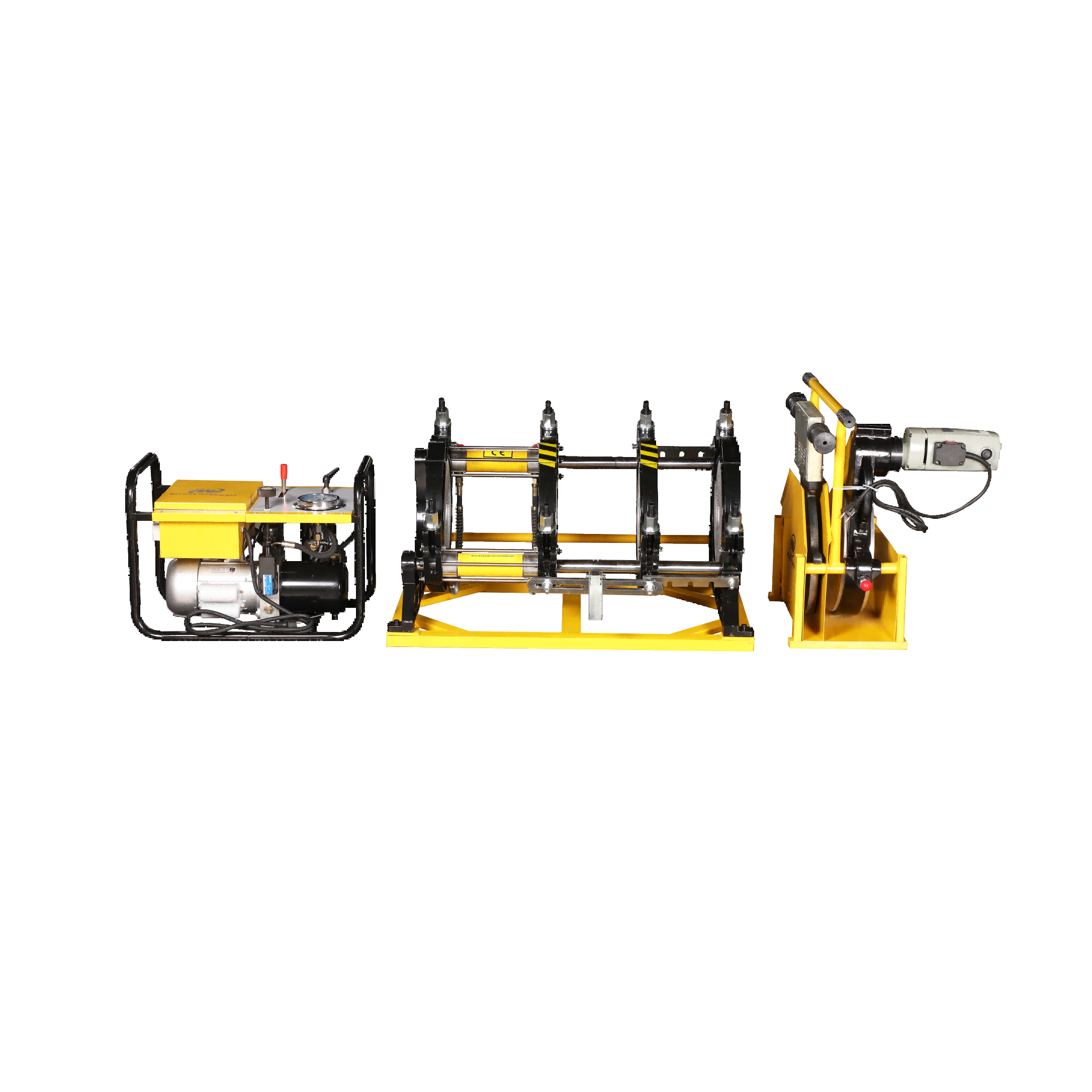
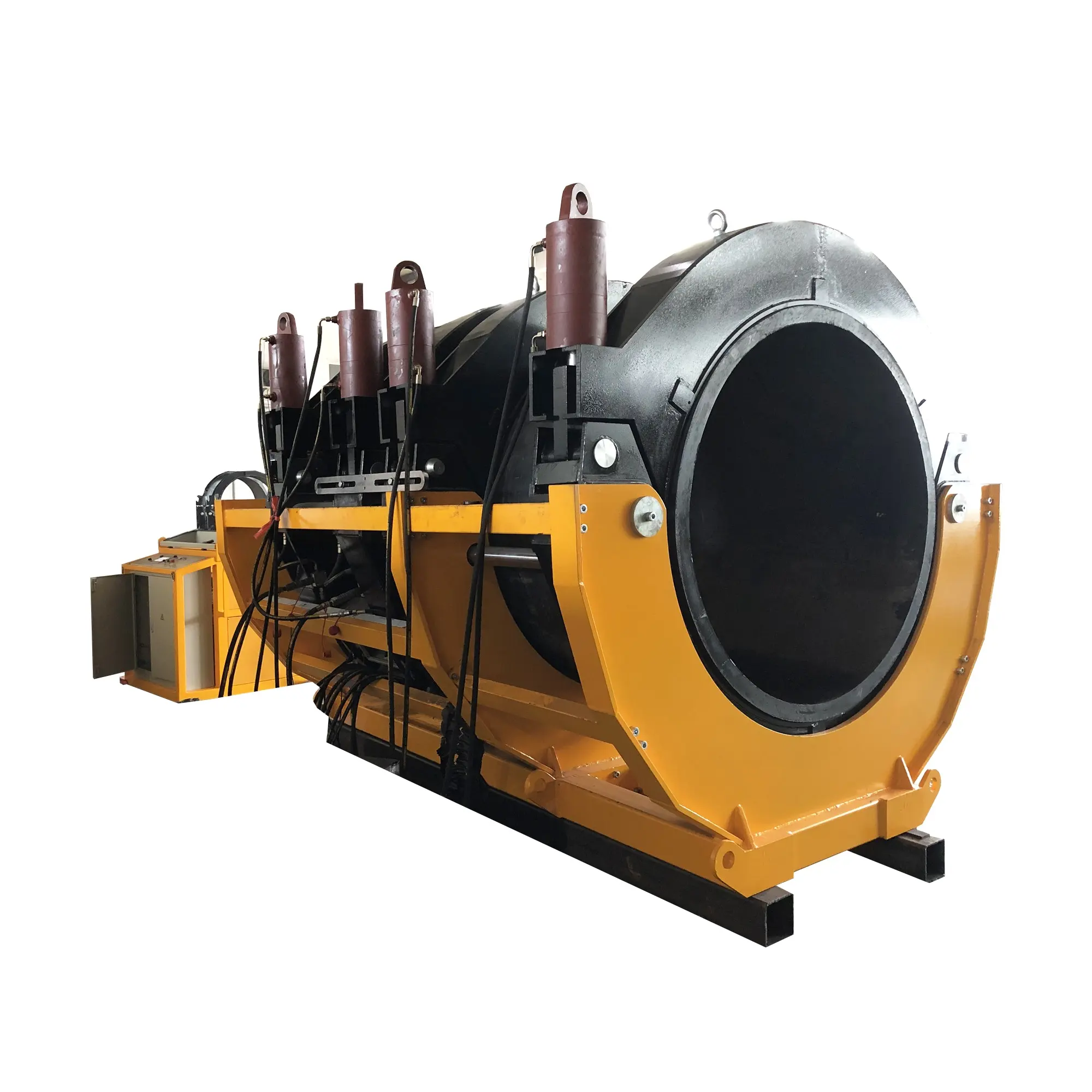
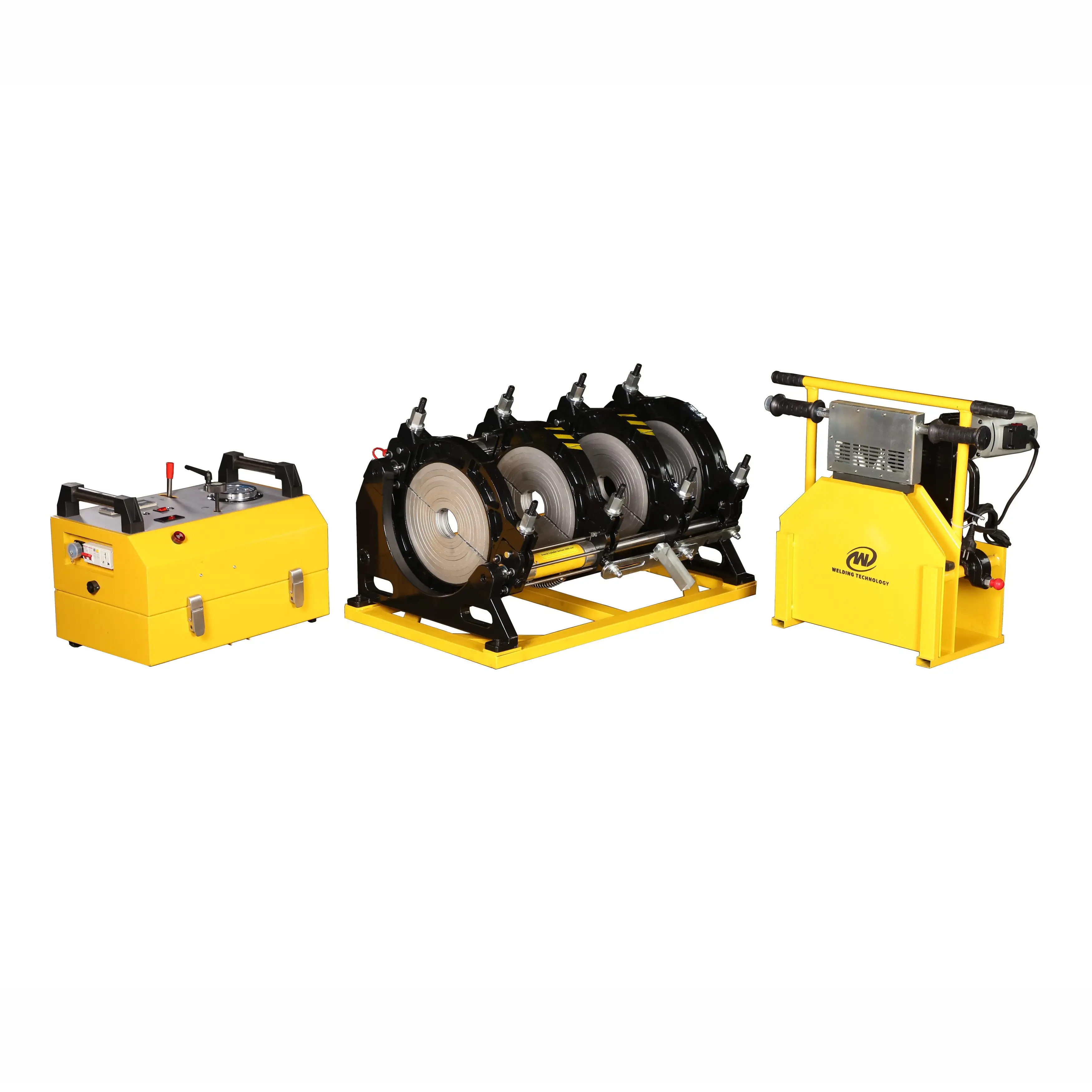
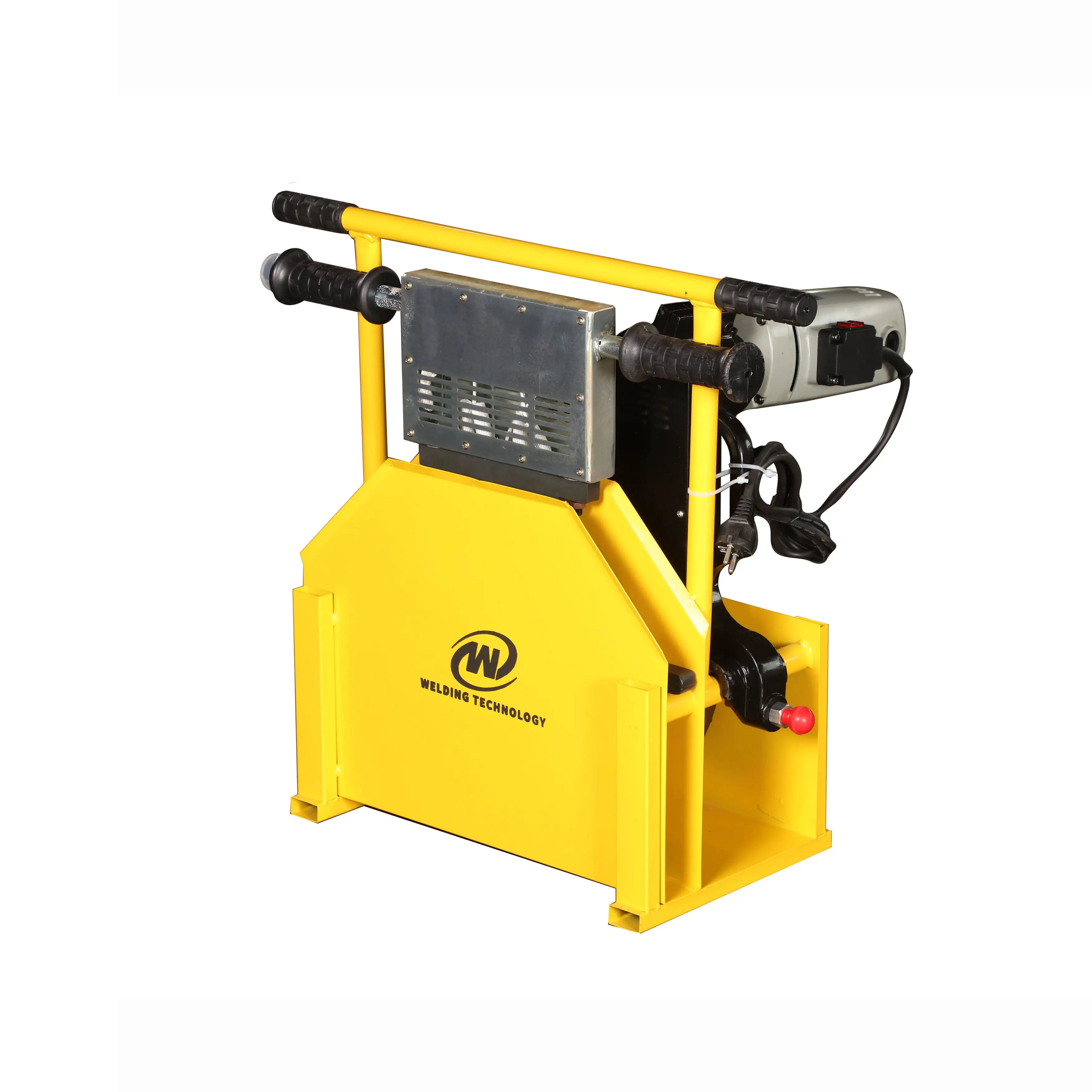
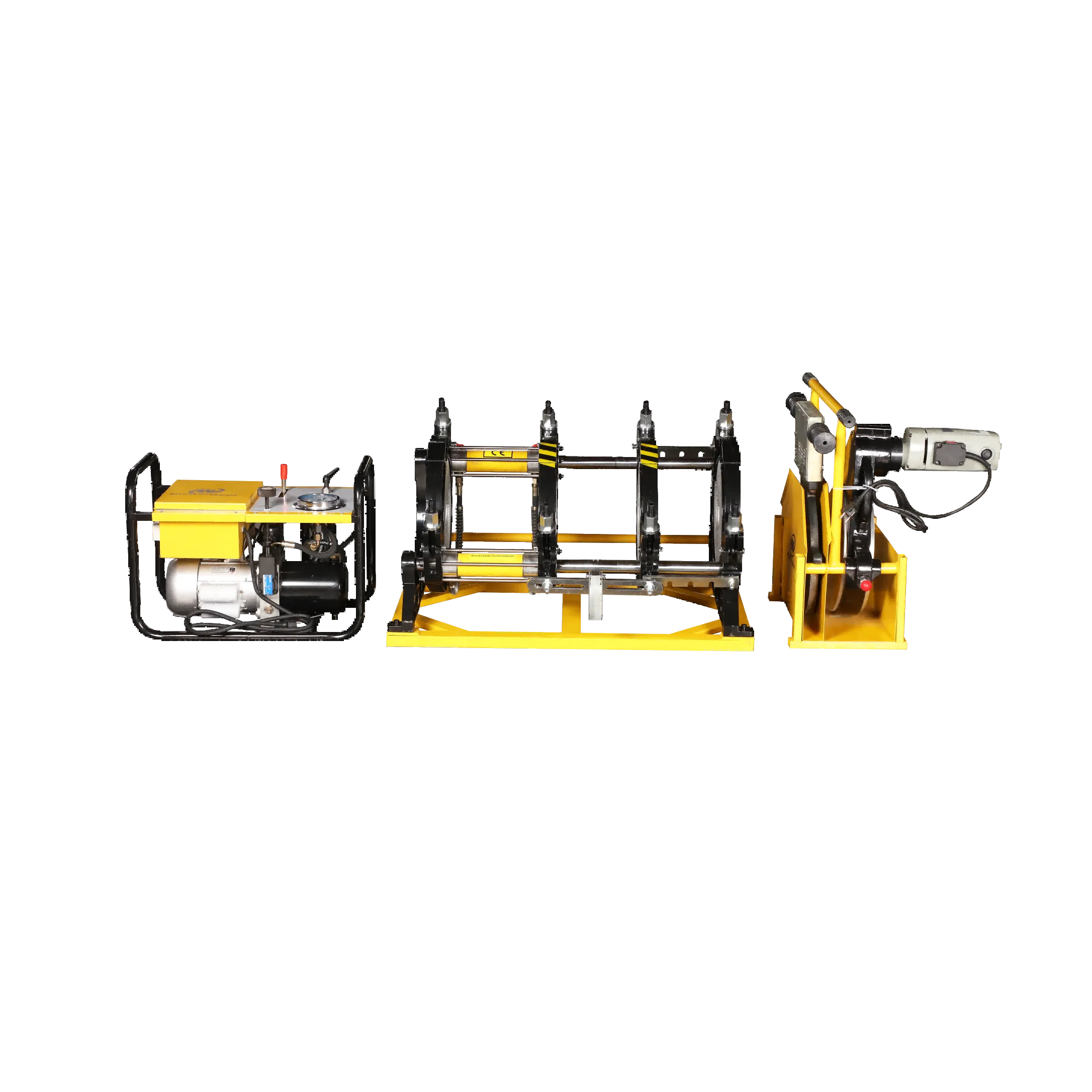
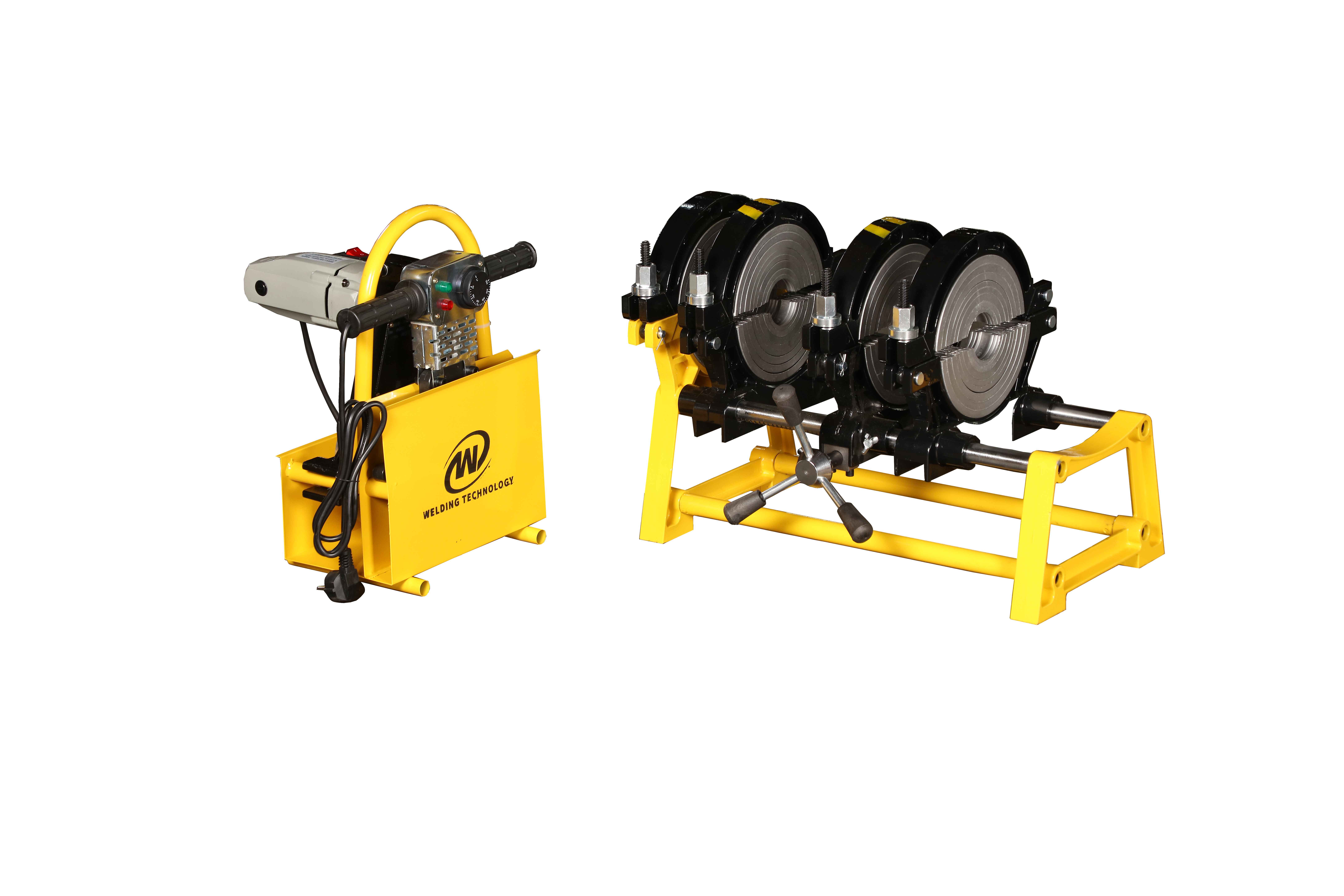
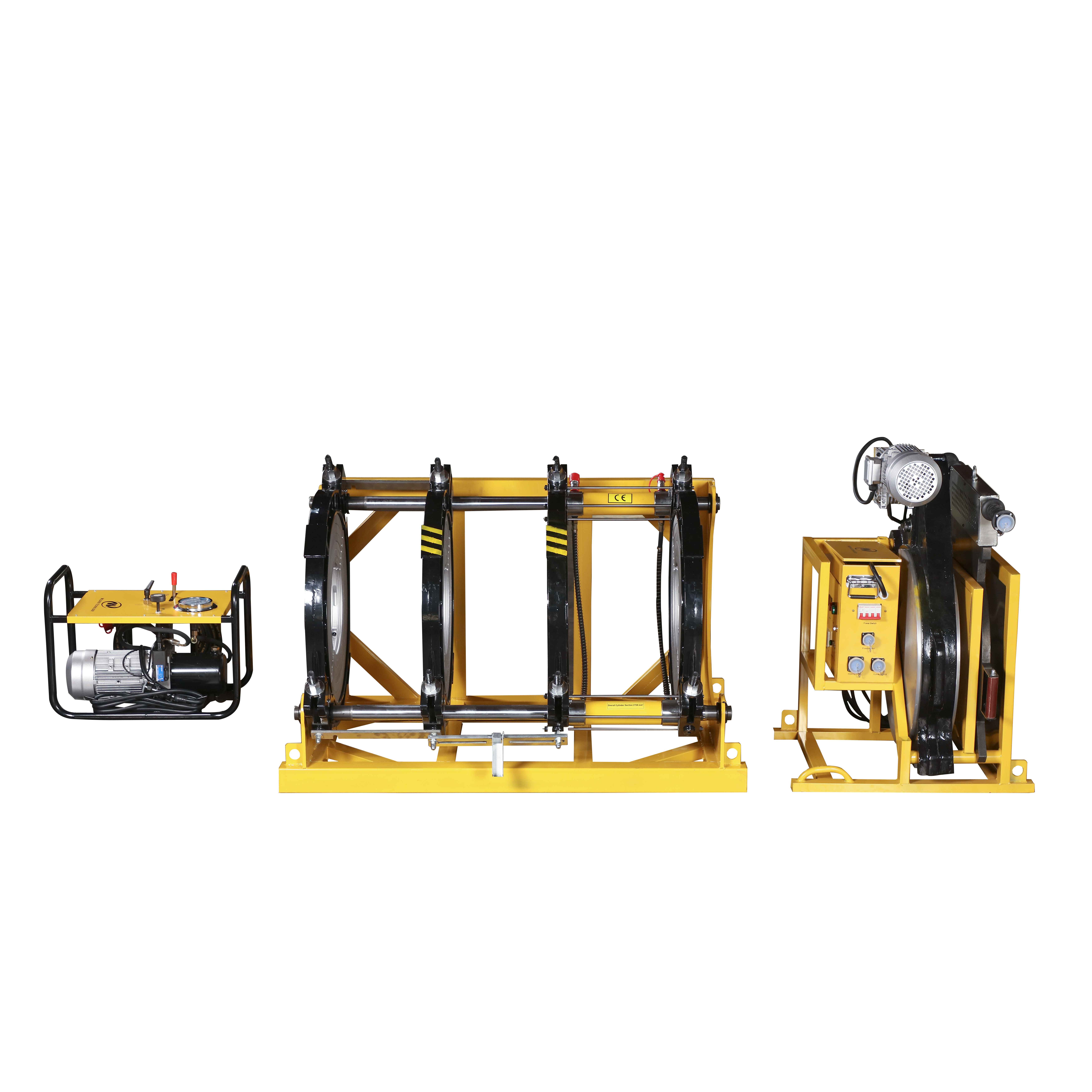
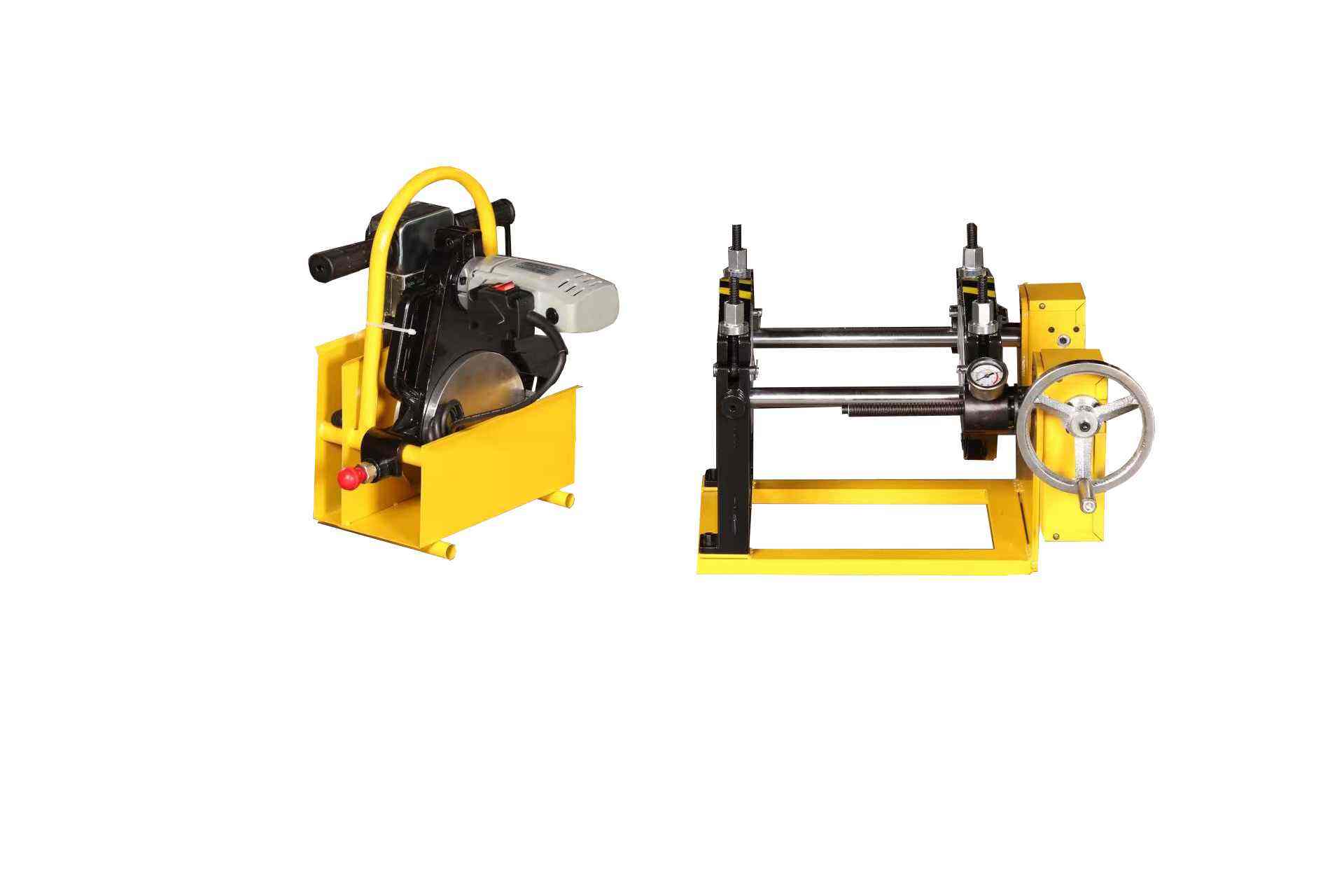
The hdpe butt welding machine represents a specialized piece of equipment designed for joining high-density polyethylene pipes through the butt fusion welding process. This machinery creates permanent, leak-proof connections by heating the pipe ends to their melting point and pressing them together under controlled pressure. The primary function of an hdpe butt welding machine involves creating molecular bonds between polyethylene materials that match or exceed the strength of the original pipe material. Modern hdpe butt welding machines incorporate advanced hydraulic systems that provide precise pressure control throughout the fusion cycle. The heating element, typically a non-stick coated plate, ensures uniform temperature distribution across the pipe surfaces being joined. Temperature regulation systems maintain consistent heat levels, which proves critical for achieving optimal weld quality. These machines feature adjustable clamping mechanisms that accommodate various pipe diameters, making them versatile tools for different project specifications. Technological advancements have introduced digital control panels that allow operators to program welding parameters based on pipe dimensions and material specifications. Data logging capabilities enable quality assurance teams to document welding conditions for each joint, ensuring compliance with industry standards. The fusion process itself follows a carefully orchestrated sequence: pipe preparation, heating, heat soak, joining under pressure, and controlled cooling. Automatic cycle timers guide operators through each phase, reducing the potential for human error. Applications for hdpe butt welding machines span numerous industries including water distribution networks, gas transmission pipelines, industrial process piping, mining operations, and agricultural irrigation systems. Municipal water utilities rely on this equipment to install and repair drinking water infrastructure. Oil and gas companies use these machines for gathering lines and distribution networks. The construction sector employs hdpe butt welding machines for underground utility installations where long-lasting, corrosion-resistant joints are essential. Environmental projects benefit from the leak-free connections that protect groundwater and soil from contamination. The machinery's portability allows field welding in remote locations, while larger stationary models serve manufacturing facilities producing prefabricated pipe sections.


New Product Releases

The hdpe butt welding machine delivers substantial cost savings over alternative joining methods by eliminating the need for mechanical fittings, gaskets, or chemical adhesives. This reduction in consumable materials directly impacts project budgets while simplifying inventory management for contractors and utilities. The fusion welding process creates joints that are as strong as the pipe itself, ensuring system integrity that lasts for decades without degradation. Unlike threaded or flanged connections that may loosen over time, butt fusion welds maintain their structural integrity throughout the pipeline's service life. Installation speed increases significantly when crews use modern hdpe butt welding machines equipped with automated controls. Operators can complete multiple joints per day, accelerating project timelines and reducing labor costs. The learning curve for operating this equipment remains manageable, with most technicians achieving proficiency after structured training programs. Safety features built into contemporary models protect workers from burns and mechanical hazards. Emergency stop functions, heat shield guards, and ergonomic designs minimize workplace injuries. The environmental benefits of using an hdpe butt welding machine extend beyond the durability of the joints themselves. The welding process produces no harmful emissions, requires no volatile solvents, and generates minimal waste material. Energy consumption stays relatively low compared to other industrial joining processes. Maintenance requirements for these machines remain straightforward, with routine cleaning of heating plates and periodic hydraulic system checks comprising the bulk of upkeep tasks. Component availability ensures minimal downtime when replacement parts become necessary. The versatility of hdpe butt welding machines accommodates pipes ranging from small diameter residential service lines to large diameter transmission mains exceeding three feet in width. This adaptability means a single investment in equipment can serve multiple project types across various market segments. Quality control becomes more reliable when using standardized welding procedures programmed into the machine's control system. Consistent heating times, pressure application, and cooling periods produce uniform results regardless of which operator performs the work. Documentation features capture welding parameters for each joint, creating an auditable trail that satisfies regulatory requirements and quality assurance protocols. The portability of many hdpe butt welding machine models enables contractors to bring the equipment directly to the work site rather than transporting pipes to a central fabrication facility. This flexibility proves particularly valuable in rural areas, mountainous terrain, or urban environments where access constraints complicate material handling. Return on investment typically occurs within the first year of operation for busy contractors, as the efficiency gains and material savings compound across numerous projects.

Latest News

How Can a Pipe Welding Machine Ensure Reliable Pipe Connections?

28

Apr

How Can a Pipe Welding Machine Ensure Reliable Pipe Connections?

Reliable pipe connections form the backbone of critical infrastructure systems across water distribution networks, natural gas pipelines, industrial processing facilities, and municipal wastewater management operations. The integrity of these connect...
View More
What Is an HDPE Thermofusion Machine and How Does It Work?

10

Apr

What Is an HDPE Thermofusion Machine and How Does It Work?

High-density polyethylene (HDPE) piping systems have become the backbone of modern infrastructure projects, from municipal water distribution networks to industrial chemical transport lines. At the heart of creating reliable, leak-free HDPE pipe conn...
View More
Why Do Engineers Choose an HDPE Thermofusion Machine for Projects?

06

Apr

Why Do Engineers Choose an HDPE Thermofusion Machine for Projects?

Engineers working on pipeline infrastructure projects face critical decisions that affect long-term performance, project budgets, and operational reliability. Among the most consequential choices is the selection of joining equipment for high-density...
View More
Why Do Contractors Choose HDPE Fusion Equipment for Water Systems?

01

Apr

Why Do Contractors Choose HDPE Fusion Equipment for Water Systems?

Water infrastructure projects demand reliability, longevity, and cost-effectiveness, making equipment selection a critical decision for contractors. The choice of joining technology directly impacts project timelines, long-term system integrity, and ...
View More

Get a Free Quote

Our representative will contact you soon.
E-mail
Name
Mobile/WhatsApp
Company Name
Message
0/1000

hdpe butt welding machine

Superior Joint Integrity Through Molecular Fusion Technology

Superior Joint Integrity Through Molecular Fusion Technology

The hdpe butt welding machine creates connections that fundamentally differ from mechanical joining methods by establishing molecular bonds between pipe segments. When the heating plate brings both pipe ends to the precise fusion temperature, the polyethylene molecules become mobile and ready to intermingle. As the heated surfaces press together under controlled hydraulic pressure, these molecules cross the joint interface and entangle with their counterparts from the opposing pipe section. This intermolecular bonding continues as the joint cools under maintained pressure, resulting in a homogeneous connection where the weld zone becomes indistinguishable from the parent material. The strength of joints produced by an hdpe butt welding machine equals or exceeds the tensile strength of the pipe itself, meaning the connection will not fail before the surrounding pipe material. This characteristic eliminates the weak points that plague other joining systems. Mechanical couplings rely on compression forces that may relax over time due to temperature fluctuations or ground movement. Electrofusion fittings, while effective, introduce dissimilar materials and geometries that can concentrate stress. The butt fusion process avoids these complications by maintaining material continuity. Testing protocols demonstrate that properly executed butt fusion welds withstand internal pressures far beyond typical operating conditions. Hydrostatic pressure tests routinely show failure occurring in the pipe body rather than at the welded joint. Long-term performance data from installations dating back several decades confirms that these molecular bonds do not deteriorate with age. Chemical resistance remains uniform across the entire pipeline, including welded areas. Aggressive substances that might attack mechanical seals or gaskets have no effect on fusion welds. This durability translates to reduced maintenance costs and extended system lifespans. The leak-proof nature of joints created by hdpe butt welding machines protects water quality in potable systems and prevents environmental contamination in industrial applications. Zero-leakage performance eliminates water loss that plagues aging infrastructure with deteriorating gaskets and corroded fittings. For gas distribution networks, the absolute seal provided by fusion welding ensures safety and regulatory compliance.
Precision Control Systems for Consistent Welding Results

Precision Control Systems for Consistent Welding Results

Modern hdpe butt welding machines incorporate sophisticated control systems that remove guesswork from the fusion process and deliver repeatable results across thousands of joints. Digital controllers store welding parameters for different pipe sizes and wall thicknesses, allowing operators to select the appropriate program with a few button presses. These programmed cycles automatically manage heating duration, interface pressure during heating, changeover time from heater removal to pipe joining, fusion pressure, and cooling time under pressure. Temperature sensors monitor the heating plate continuously, adjusting power input to maintain the target temperature within narrow tolerances. This precise thermal management ensures that pipe ends reach the ideal fusion state without overheating that could degrade the material or underheating that would produce weak bonds. Pressure transducers measure the hydraulic force applied during each phase of the welding cycle, with feedback loops adjusting pump output to maintain programmed pressure levels regardless of variations in pipe stiffness or alignment. Real-time displays show operators the current status of each welding parameter, enabling them to verify that conditions remain within acceptable ranges. Alert systems warn of deviations that could compromise joint quality, prompting corrective action before the weld cycle completes. Data logging capabilities built into advanced hdpe butt welding machines record the actual conditions for every joint, creating detailed documentation that quality assurance teams can review. This electronic record proves invaluable during regulatory inspections and provides evidence of proper procedures if questions arise about system integrity years after installation. Traceability extends to identifying which specific machine produced each weld, facilitating equipment maintenance programs and correlation analyses if patterns emerge. The automation provided by these control systems reduces operator fatigue and the errors that accumulate during repetitive manual tasks. Technicians focus on proper pipe preparation and alignment rather than trying to estimate heating times or judge appropriate pressures. Standardization across an organization becomes achievable when all crews use identical programmed procedures, eliminating the variability that occurs when individuals apply different techniques based on personal experience or training.
Economic Efficiency Through Reduced Material and Labor Costs

Economic Efficiency Through Reduced Material and Labor Costs

Investing in an hdpe butt welding machine delivers measurable financial advantages that extend throughout the project lifecycle and accumulate over the equipment's operational lifespan. The elimination of mechanical fittings represents the most immediate cost reduction, as tees, elbows, couplings, and reducers are expensive components that butt fusion makes unnecessary for directional changes and diameter transitions. Contractors can create custom angles and configurations by cutting pipes and welding them at the required orientation, avoiding the inventory costs and procurement delays associated with stocking diverse fitting types. Material waste decreases substantially because welding allows precise length adjustments, whereas mechanical systems require cutting pipes to accommodate fitting dimensions, often leaving unusable remnants. Labor productivity increases when crews work with hdpe butt welding machines because the actual welding process requires less physical effort than installing and tightening mechanical connections. One or two operators can manage the equipment while preparing the next joint, creating an efficient workflow that maximizes billable hours. The speed of modern machines with quick-heating elements and optimized cycle times means completing more joints per shift compared to alternative methods. Project timelines compress accordingly, reducing overall labor costs and accelerating revenue recognition for contractors. Equipment longevity contributes to favorable economics, as properly maintained hdpe butt welding machines operate reliably for many years with relatively modest maintenance expenses. The resale value remains strong because well-built machines from reputable manufacturers retain functionality decades after purchase. Training costs stay manageable because the standardized procedures and intuitive controls allow new operators to reach competency quickly. Certification programs provide structured curricula that prepare technicians efficiently. The reduction in callbacks and warranty claims delivers indirect savings by protecting profit margins and company reputations. Leak-free joints mean fewer emergency repairs and the associated costs of mobilizing crews, excavating, and restoring work sites. Insurance premiums may decrease when companies demonstrate quality control through documented welding procedures and equipment capabilities. The versatility of hdpe butt welding machines across different pipe sizes and applications means a single capital investment serves multiple revenue streams, improving asset utilization and return on investment calculations.

Get a Free Quote

Our representative will contact you soon.
E-mail
Name
Mobile/WhatsApp
Company Name
Message
0/1000