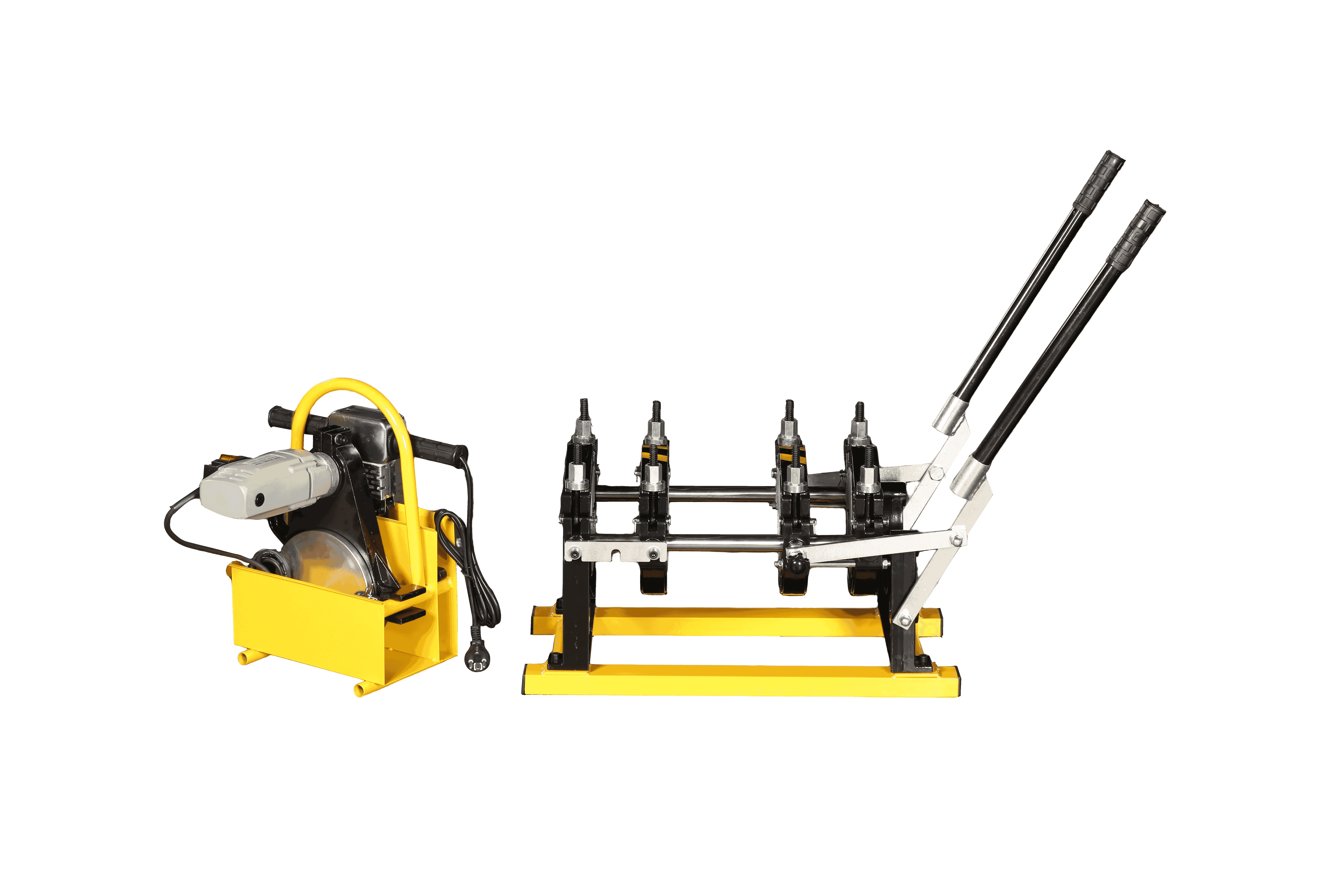
Professional Butt Fusion Welder - Superior Pipe Joining Equipment for Reliable Thermoplastic Pipeline Installation

Get a Free Quote

Our representative will contact you soon.
E-mail
Name
Mobile/WhatsApp
Company Name
Message
0/1000

butt fusion welder

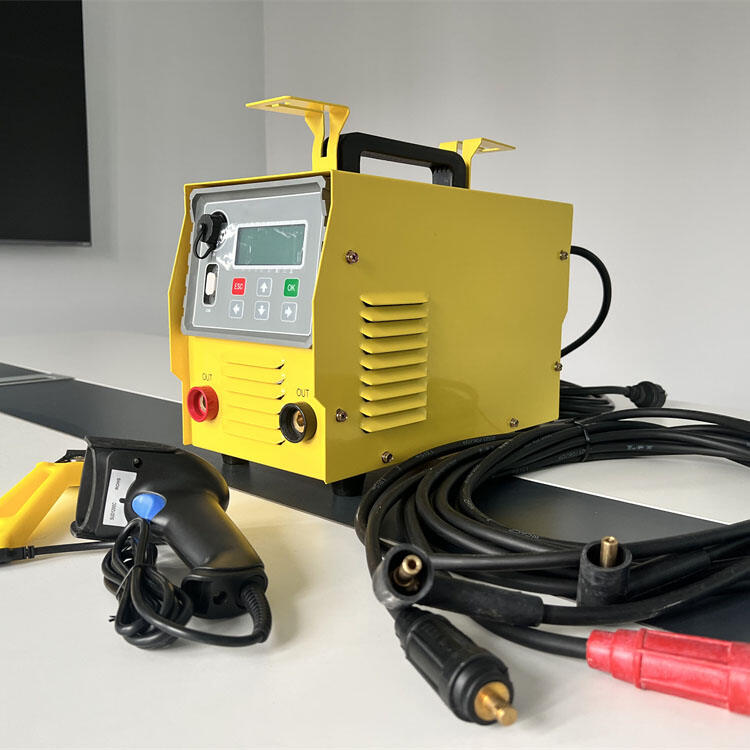
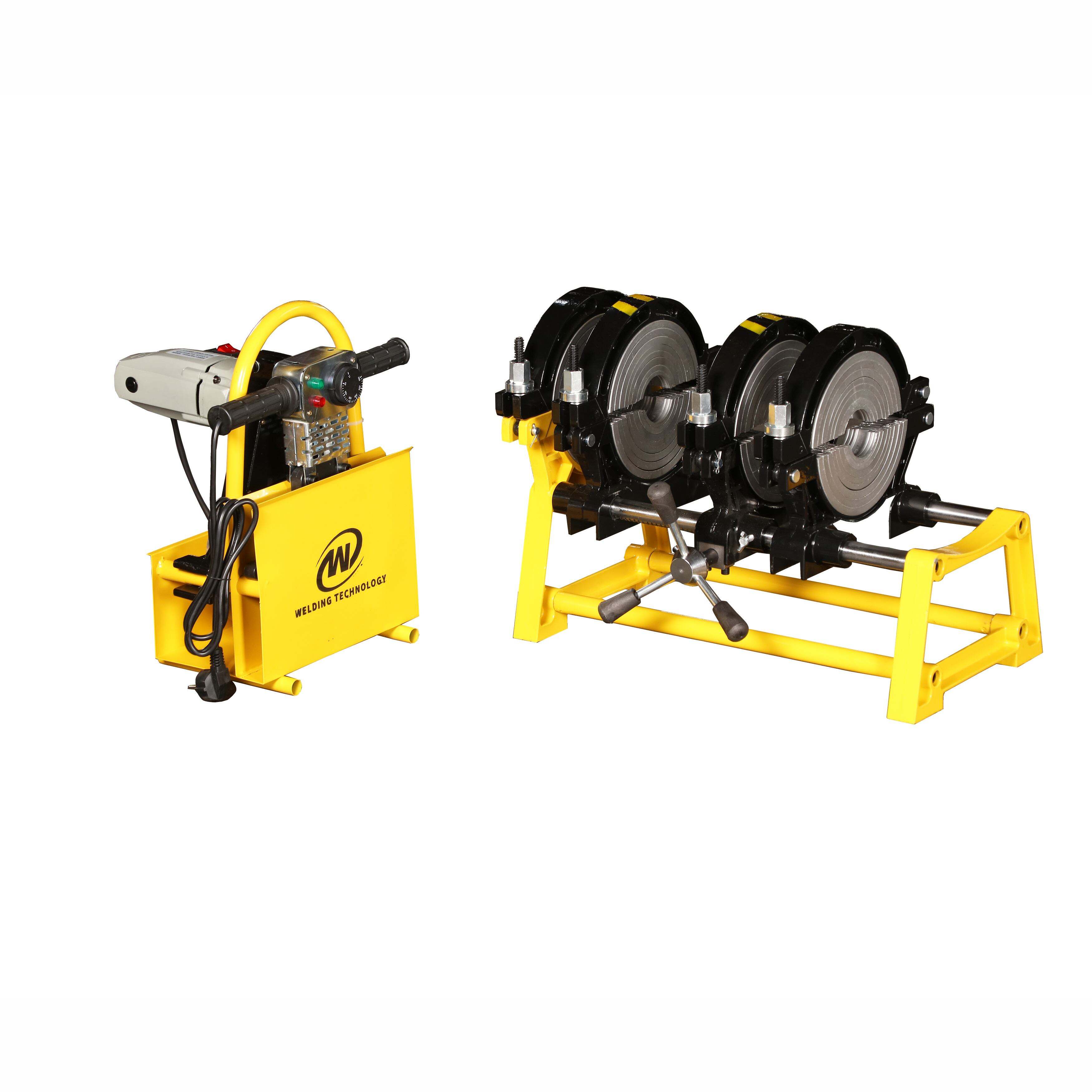
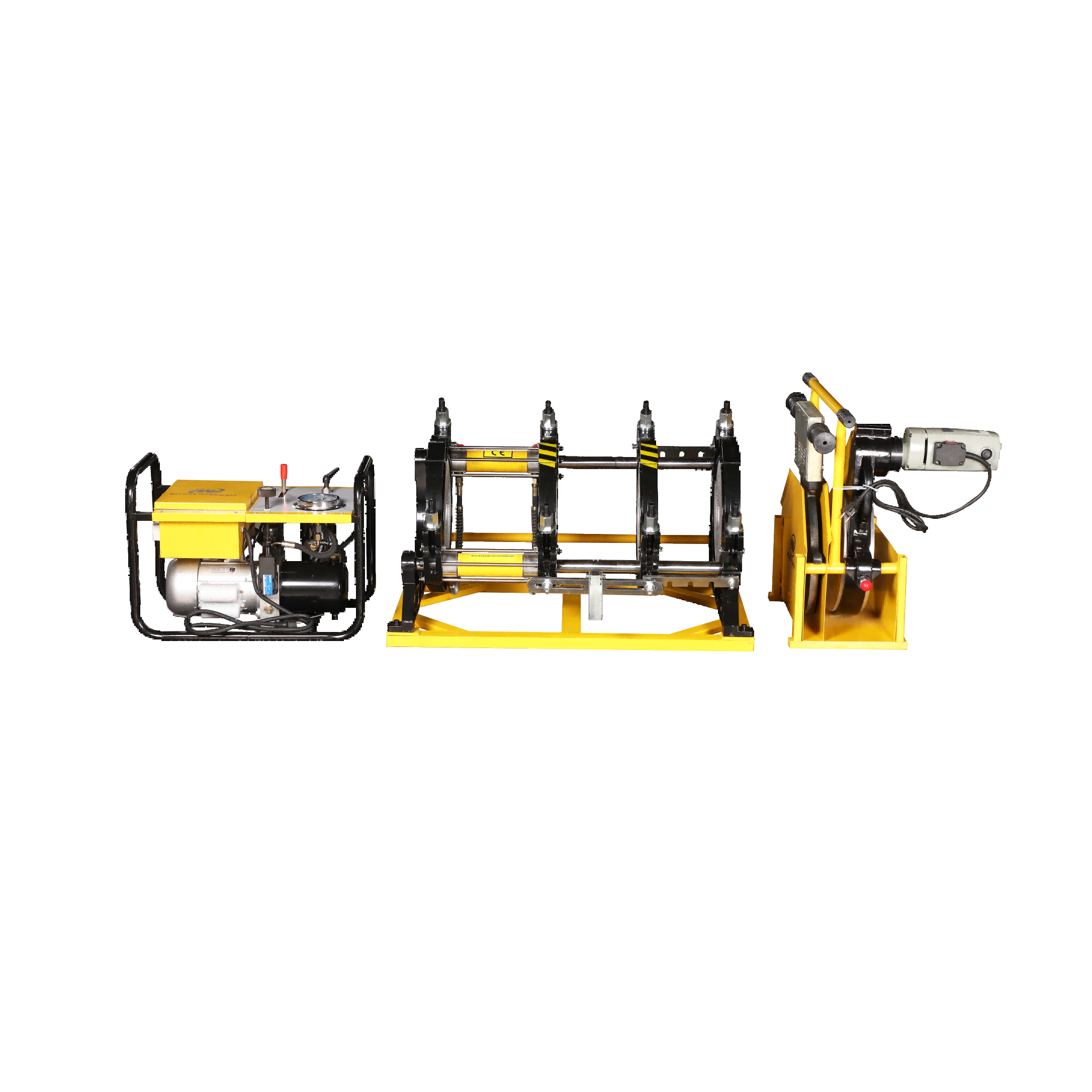
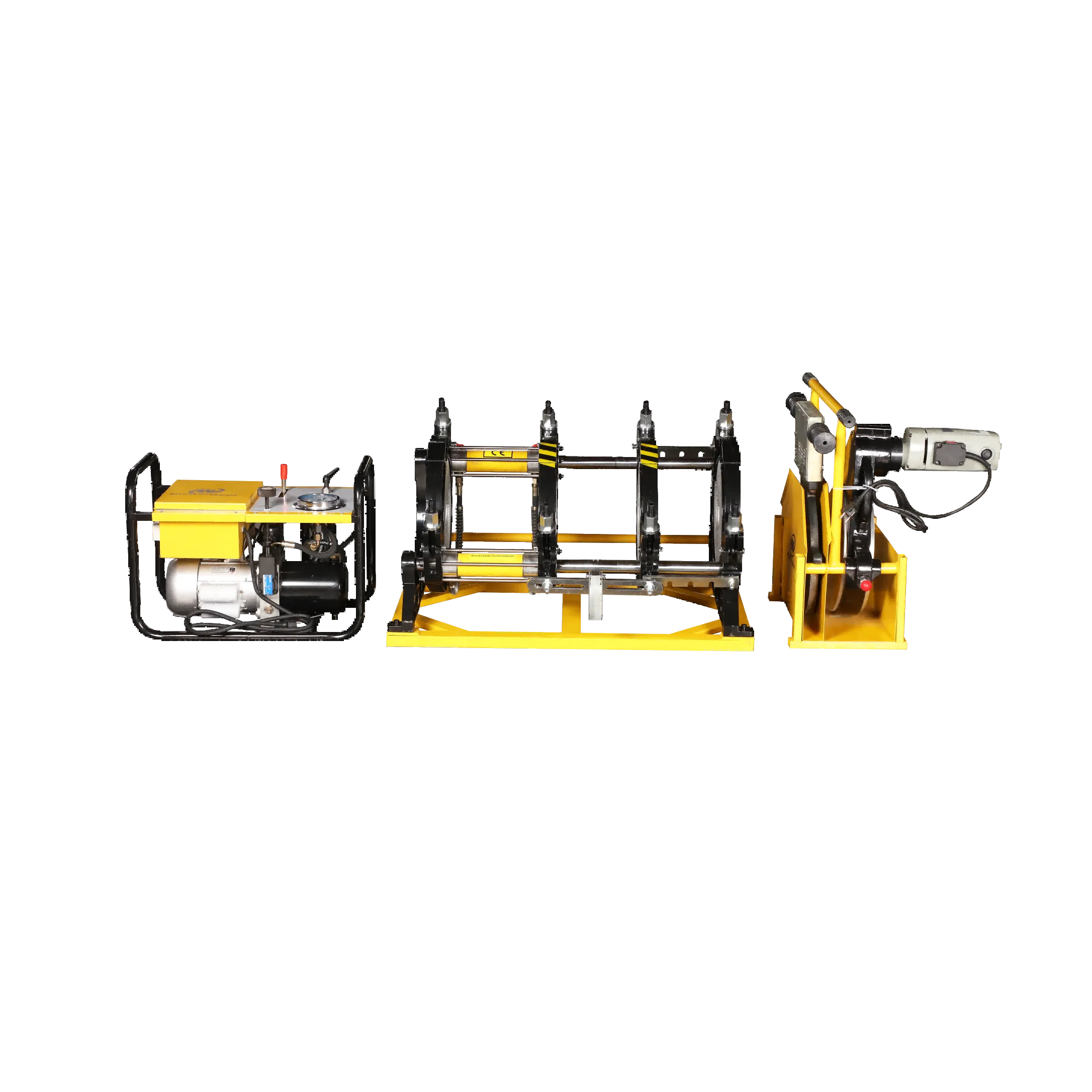
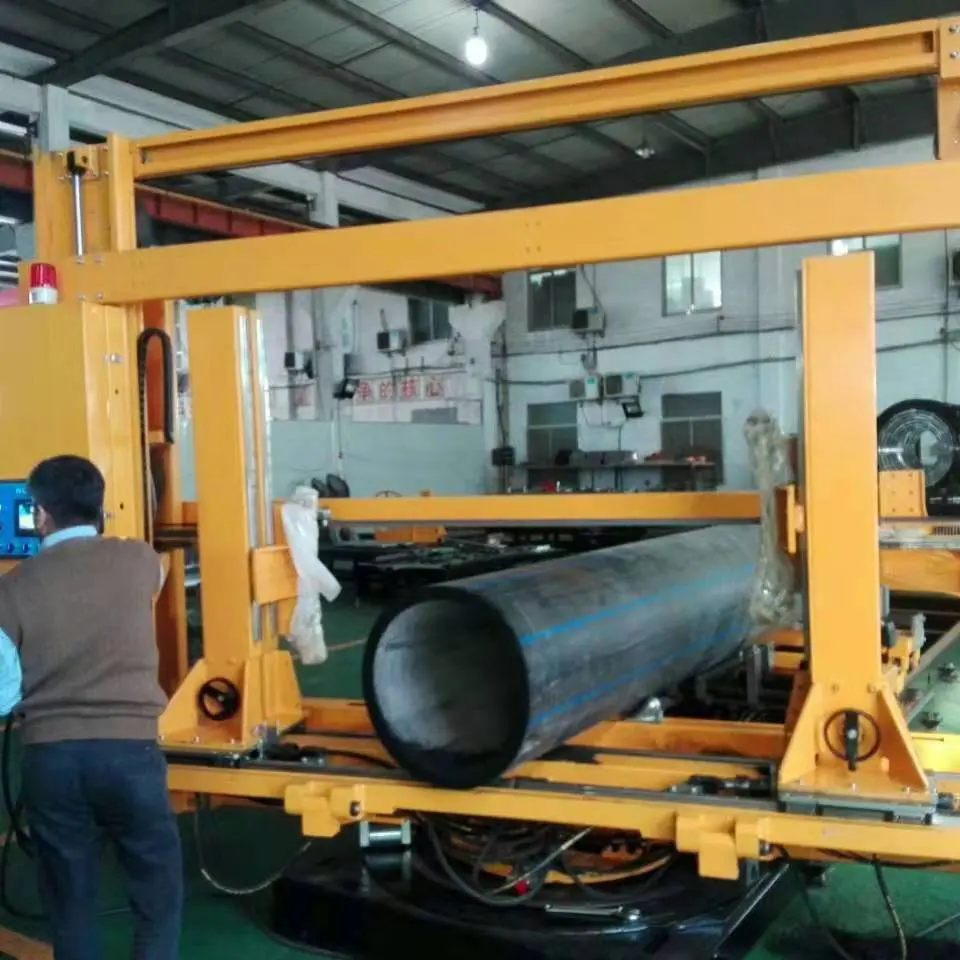
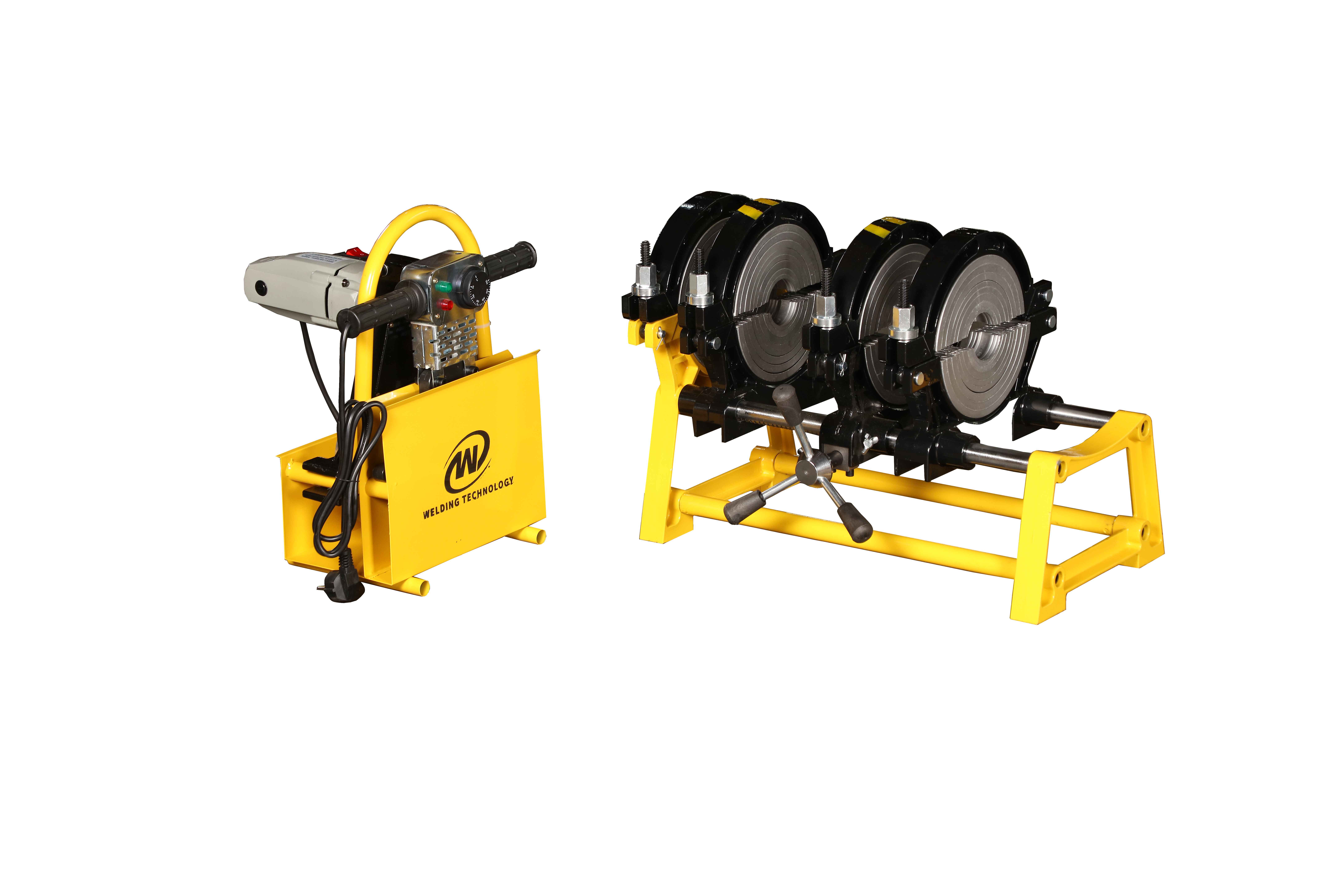
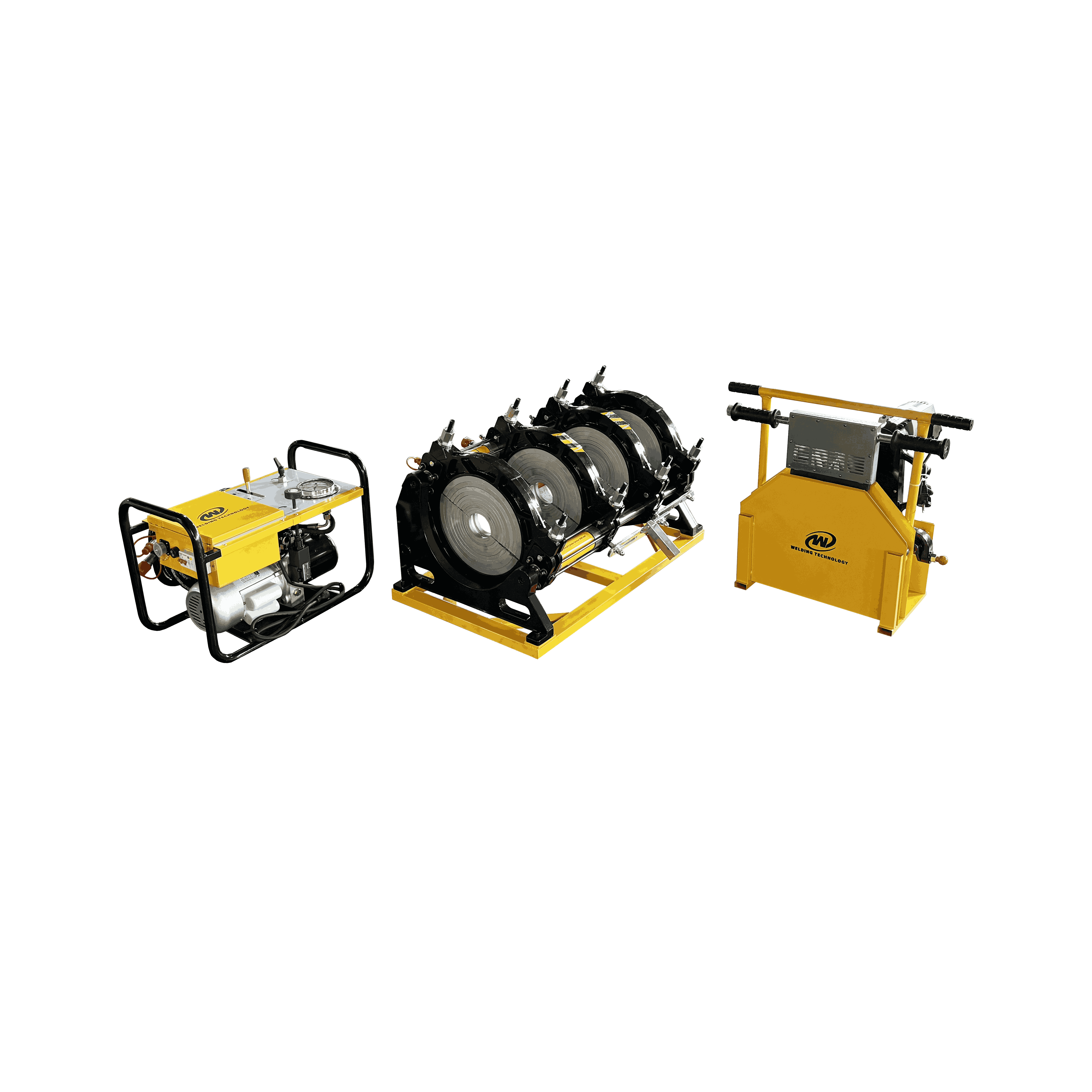
A butt fusion welder represents an essential piece of equipment designed specifically for joining thermoplastic pipes and fittings through a reliable heat fusion process. This specialized machine creates permanent, leak-proof connections by heating the pipe ends to their melting point and then pressing them together under controlled pressure. The butt fusion welder operates through a systematic process that ensures consistent, high-quality joints every time. The equipment consists of several key components including a heating plate, hydraulic or mechanical clamping system, facing tool, and a sturdy frame that holds everything in place during operation. The main function of this welding system involves preparing pipe ends, heating them uniformly, and fusing them together to create joints that are as strong as the pipe material itself. Modern butt fusion welders incorporate advanced technological features such as digital temperature controls, automated cycle timers, and pressure monitoring systems that guarantee precision throughout the welding process. These machines can accommodate various pipe diameters ranging from small residential applications to large industrial installations, making them incredibly versatile for different project requirements. The applications for butt fusion welders span across multiple industries including water distribution systems, natural gas pipelines, industrial processing plants, mining operations, and municipal infrastructure projects. They prove particularly valuable in environments where traditional joining methods like threading or solvent cementing cannot provide the necessary strength and reliability. The technology has evolved significantly over the years, with contemporary butt fusion welders featuring enhanced safety mechanisms, improved energy efficiency, and user-friendly interfaces that simplify operation even for less experienced technicians. These machines are engineered to withstand demanding field conditions while maintaining consistent performance standards. Whether working on polyethylene, polypropylene, or other thermoplastic materials, the butt fusion welder delivers dependable results that meet or exceed industry standards for pipe joining applications across residential, commercial, and industrial sectors.

Popular Products

Investing in a butt fusion welder brings numerous practical benefits that directly impact your project efficiency and long-term cost savings. First and foremost, this equipment creates joints that match the strength of the original pipe material, eliminating weak points in your pipeline system that could lead to failures or costly repairs down the line. Unlike mechanical fittings that may loosen over time or chemical bonding methods that can degrade, fusion welding produces a homogeneous connection that will last for decades without maintenance. The process is remarkably straightforward once operators receive proper training, allowing your team to complete more joints per day compared to traditional methods. This increased productivity translates directly into reduced labor costs and faster project completion times, getting your systems operational sooner. The butt fusion welder eliminates the need for expensive fittings, couplings, or adhesives, as it joins pipes directly end-to-end, significantly reducing material costs on large-scale projects. These machines work reliably in various environmental conditions, whether you are installing pipelines in extreme cold, intense heat, or challenging terrain where other joining methods might fail. The welding process creates completely sealed joints with zero leakage potential, which is critically important for systems carrying potable water, natural gas, or hazardous materials where even minor leaks could have serious consequences. Modern butt fusion welders include safety features that protect operators during use, such as insulated heating plates, automatic shut-off mechanisms, and ergonomic designs that reduce physical strain during operation. The equipment requires minimal maintenance compared to complex machinery, with basic cleaning and occasional part replacement keeping it operational for years. You gain flexibility in your operations since these welders can handle multiple pipe sizes with simple adjustments, eliminating the need to invest in separate equipment for different diameter ranges. The fusion process is environmentally friendly, producing no harmful emissions, chemical waste, or toxic byproducts that require special disposal procedures. Quality control becomes easier as the welding parameters can be documented and verified, ensuring every joint meets specification requirements for regulatory compliance. The initial investment in a butt fusion welder pays for itself quickly through reduced material costs, faster installation times, and elimination of future repair expenses related to joint failures. Your crews can work more efficiently since the standardized welding procedure removes guesswork and variability from the joining process, leading to consistent results regardless of which team member operates the equipment.

Latest News

What Is a Plastic Pipe Electric Fusion Welder and How Does It Work?

15

Apr

What Is a Plastic Pipe Electric Fusion Welder and How Does It Work?

A plastic pipe electric fusion welder is a specialized welding device designed to join thermoplastic pipes and fittings through a controlled heating process known as electrofusion. This technology has revolutionized the way polyethylene, polypropylen...
View More
How Does a Plastic Pipe Electric Fusion Welder Improve Connection Strength?

03

Apr

How Does a Plastic Pipe Electric Fusion Welder Improve Connection Strength?

In industrial piping systems, the integrity of connections directly determines operational safety, longevity, and performance. Traditional mechanical joining methods such as threading, clamping, or adhesive bonding often introduce vulnerabilities inc...
View More
Why Do Contractors Choose HDPE Fusion Equipment for Water Systems?

01

Apr

Why Do Contractors Choose HDPE Fusion Equipment for Water Systems?

Water infrastructure projects demand reliability, longevity, and cost-effectiveness, making equipment selection a critical decision for contractors. The choice of joining technology directly impacts project timelines, long-term system integrity, and ...
View More
How Does a Plastic Band Cutting Saw Improve Cutting Efficiency?

03

Jun

How Does a Plastic Band Cutting Saw Improve Cutting Efficiency?

In industrial plastic fabrication and pipe processing environments, precision and throughput are non-negotiable. A plastic band cutting saw addresses both demands simultaneously, offering a level of cutting consistency that manual tools and conventio...
View More

Get a Free Quote

Our representative will contact you soon.
E-mail
Name
Mobile/WhatsApp
Company Name
Message
0/1000

butt fusion welder

Superior Joint Integrity and Long-Term Reliability

Superior Joint Integrity and Long-Term Reliability

The most compelling advantage of using a butt fusion welder lies in the exceptional joint integrity it produces, which fundamentally transforms the reliability and longevity of your pipeline installations. When two thermoplastic pipe sections undergo the fusion welding process, the molecular structure of the material actually intermingles at the joint interface, creating what engineers call a homogeneous bond. This means the welded area becomes essentially indistinguishable from the parent pipe material in terms of strength, durability, and performance characteristics. Unlike mechanical connections that rely on compression, threads, or external components to hold pipes together, fusion welding creates a monolithic structure where the joint does not represent a weak point in the system. This superior connection method proves invaluable in applications where system pressure fluctuations, ground movement, or thermal expansion and contraction could stress traditional joints to the point of failure. Pipeline operators and engineers consistently choose butt fusion welders for critical installations because the resulting joints can withstand the same internal pressures, external loads, and environmental stresses as the continuous pipe sections themselves. The long-term reliability factor cannot be overstated, as properly executed fusion joints have demonstrated service lives exceeding fifty years without degradation, leakage, or structural compromise. This longevity eliminates the recurring maintenance costs and operational disruptions associated with joint failures in systems using inferior connection methods. The butt fusion welder achieves this remarkable joint quality through precise control of three critical parameters: temperature, time, and pressure. The heating plate brings pipe ends to the exact melting temperature required for optimal molecular bonding, while automated controls ensure this temperature remains consistent across the entire joint interface. The equipment then maintains specific pressure during the cooling phase, which is crucial for achieving maximum bond strength and preventing void formation within the joint. For organizations responsible for water distribution, gas transmission, or industrial process piping, the reliability advantage translates directly into reduced liability exposure, lower insurance premiums, and enhanced public safety outcomes. System designers can confidently specify longer pipe runs between anchor points and access locations, knowing that the fusion welded joints will perform reliably without requiring inspection ports or maintenance access throughout the pipeline's operational life.
Operational Efficiency and Cost-Effectiveness Across Project Lifecycles

Operational Efficiency and Cost-Effectiveness Across Project Lifecycles

The butt fusion welder delivers remarkable operational efficiency that transforms project economics from initial installation through decades of service life, making it an intelligent investment for any organization involved in thermoplastic piping systems. The efficiency advantages begin immediately during the installation phase, where trained operators can complete fusion joints in a fraction of the time required for alternative joining methods. A typical fusion cycle for medium-diameter pipe takes only minutes from start to finish, allowing crews to complete numerous joints per shift and accelerate overall project timelines substantially. This speed advantage multiplies across large installations, potentially reducing project duration by weeks or even months compared to mechanical fitting assembly or chemical bonding procedures. The time savings translate directly into reduced labor costs, as fewer worker-hours are required to install equivalent pipeline lengths, and projects reach operational status faster, allowing earlier return on investment. Beyond immediate installation benefits, the butt fusion welder eliminates substantial material expenses that would otherwise inflate project budgets. Traditional piping systems require extensive inventories of fittings, couplings, adapters, and specialty components to create the necessary connections throughout the network. Each of these components carries not only a purchase price but also inventory management costs, transportation expenses, and the risk of ordering errors or shortages that could delay work. Fusion welding eliminates most of these components entirely, as pipes connect directly to each other and to fusion-compatible fittings, dramatically simplifying material procurement and reducing overall system costs. The economic advantages extend throughout the operational lifetime of the installed system, as the superior joint integrity means virtually zero maintenance requirements for the connections themselves. Facility managers and utility operators avoid the ongoing expenses associated with joint inspection programs, leak detection efforts, and periodic tightening or replacement of mechanical connections. The complete absence of leakage at properly executed fusion joints prevents product loss, whether that involves treated water, valuable process materials, or regulated substances that would require environmental remediation if released. Organizations can calculate definitive return on investment timelines for butt fusion welder purchases by quantifying these combined savings across installation efficiency, material cost reduction, and eliminated maintenance expenses. Many operations discover their equipment investment pays for itself within the first major project, with all subsequent benefits representing pure cost savings. The versatility of modern butt fusion welders amplifies these economic advantages, as a single machine can typically handle pipe diameter ranges spanning multiple size categories, eliminating the need for separate equipment investments for different project specifications.
Enhanced Safety Standards and Environmental Responsibility

Enhanced Safety Standards and Environmental Responsibility

The butt fusion welder sets new benchmarks for workplace safety and environmental stewardship in pipeline installation operations, addressing growing concerns about worker protection and ecological impact in construction activities. From a safety perspective, the fusion welding process eliminates numerous hazards inherent in alternative pipe joining methods. There are no volatile chemical solvents that could cause respiratory issues, skin irritation, or fire hazards during application and curing. Workers are not exposed to toxic fumes from chemical reactions or adhesive off-gassing that can create dangerous conditions in confined spaces or poorly ventilated work areas. The mechanical nature of the butt fusion welder means operators work with predictable, controllable equipment rather than handling hazardous substances that require special safety equipment, training certifications, and emergency response preparations. Modern butt fusion welders incorporate multiple safety features specifically engineered to protect operators during every phase of the welding cycle. Insulated heating plates prevent accidental contact burns, while automated systems eliminate the need for workers to manually judge when pipes have reached proper fusion temperature. Emergency stop controls allow immediate shutdown if any unsafe condition develops during operation, and many machines include safety interlocks that prevent the welding cycle from initiating unless all components are properly positioned and secured. The ergonomic design of contemporary equipment reduces physical strain on operators, with hydraulic systems handling the clamping force requirements and eliminating the need for manual pipe manipulation during the joining process. This attention to operator comfort and safety reduces workplace injury rates and associated workers compensation costs while improving job satisfaction among installation crews. The environmental advantages of butt fusion welders align perfectly with increasing regulatory requirements and corporate sustainability commitments across industries. The welding process generates no chemical waste requiring special disposal procedures, no contaminated materials that must be transported to hazardous waste facilities, and no residual substances that could leach into surrounding soil or groundwater. The equipment operates on standard electrical power without producing harmful emissions, making it suitable for use in environmentally sensitive areas where chemical joining methods might be prohibited or restricted. The superior joint integrity produced by fusion welding contributes to environmental protection by ensuring pipeline systems remain leak-free throughout their service lives, preventing product losses that could contaminate ecosystems or waste valuable resources like treated water. For organizations with environmental management systems or sustainability reporting requirements, the butt fusion welder provides documentable evidence of commitment to responsible construction practices. The longevity of fusion welded systems reduces the environmental impact associated with premature pipeline replacement, as systems lasting fifty years or more avoid the resource consumption, energy use, and waste generation involved in manufacturing and installing replacement infrastructure. This lifecycle perspective reveals that choosing butt fusion welders represents a strategic decision supporting both immediate project safety and long-term environmental stewardship objectives.

Get a Free Quote

Our representative will contact you soon.
E-mail
Name
Mobile/WhatsApp
Company Name
Message
0/1000