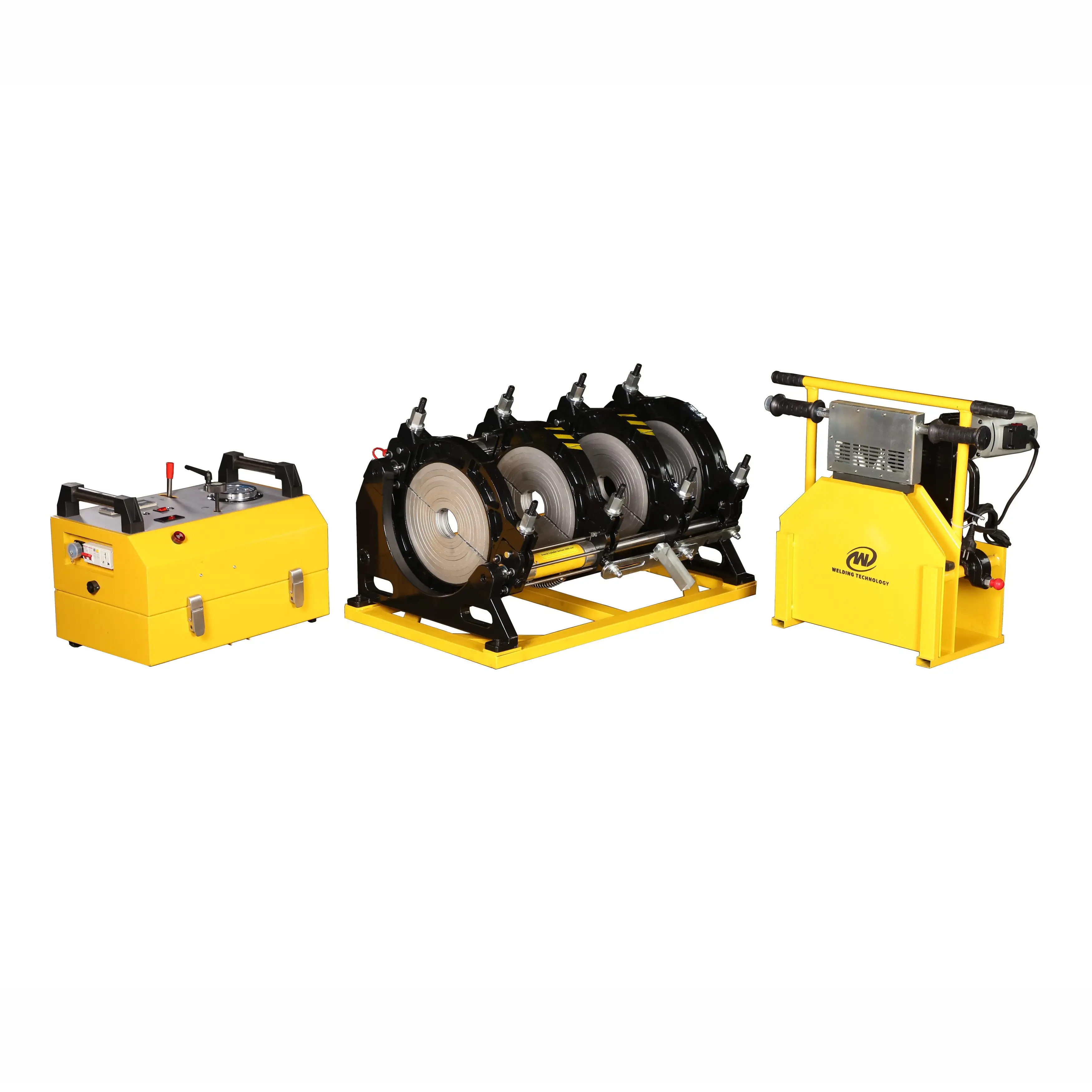
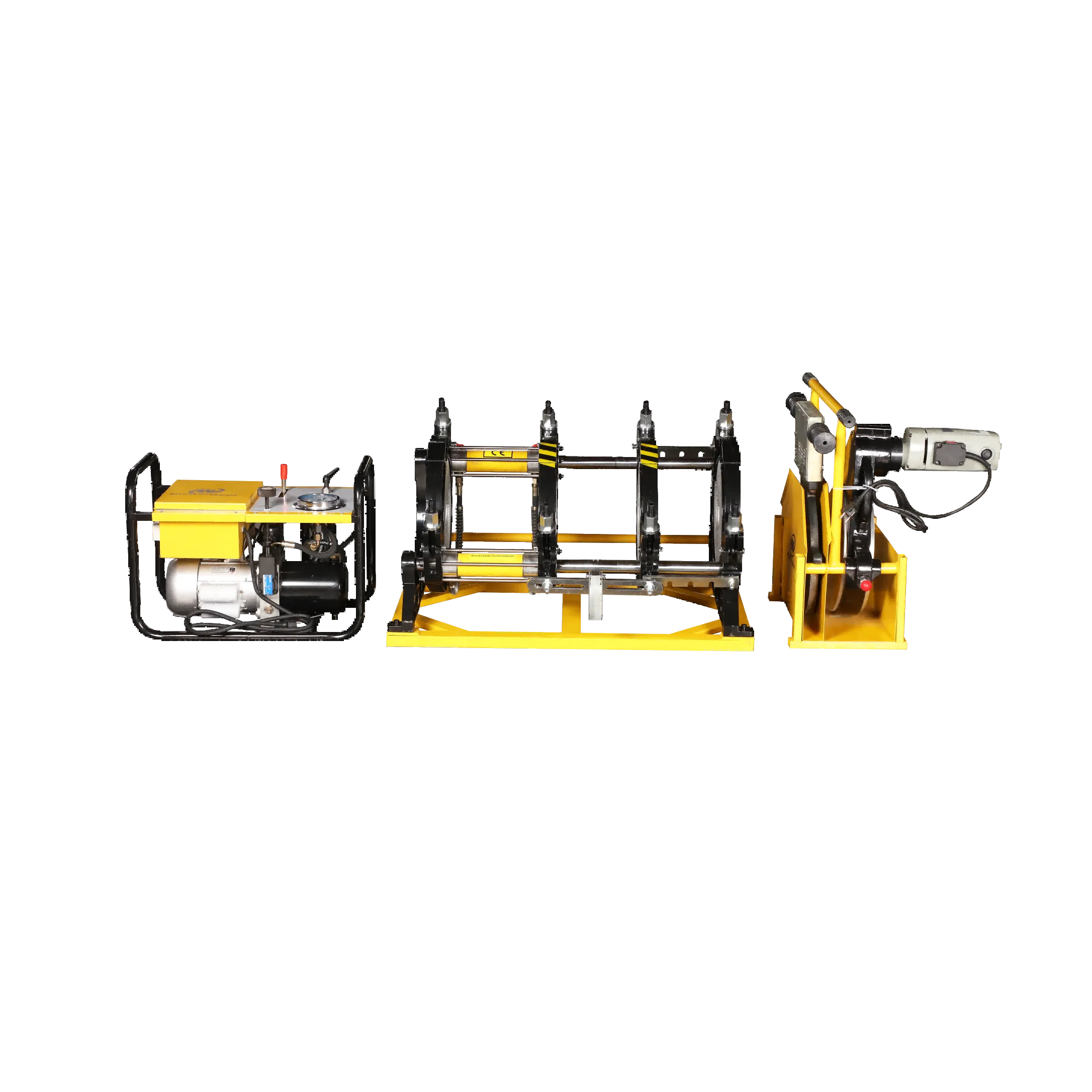
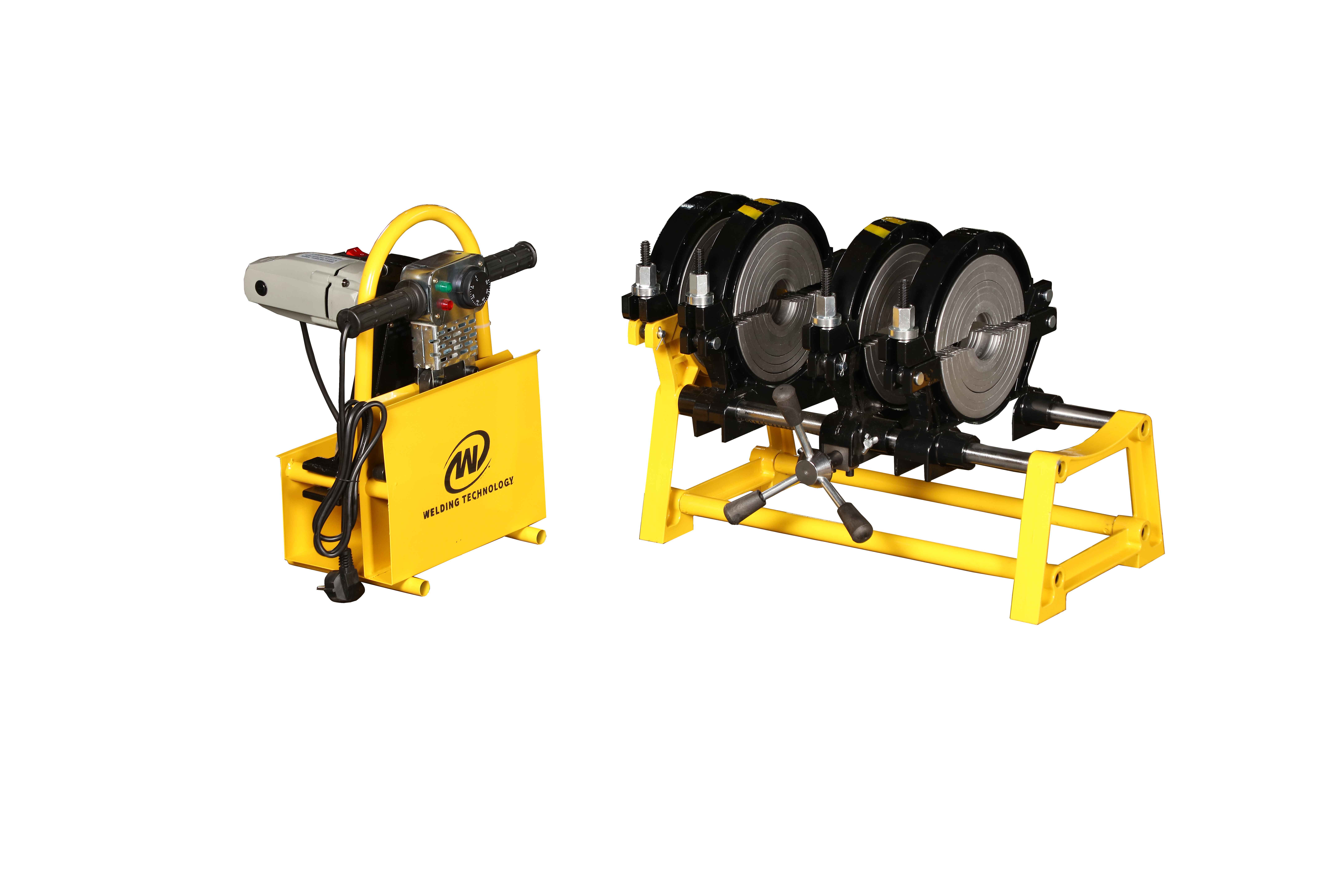
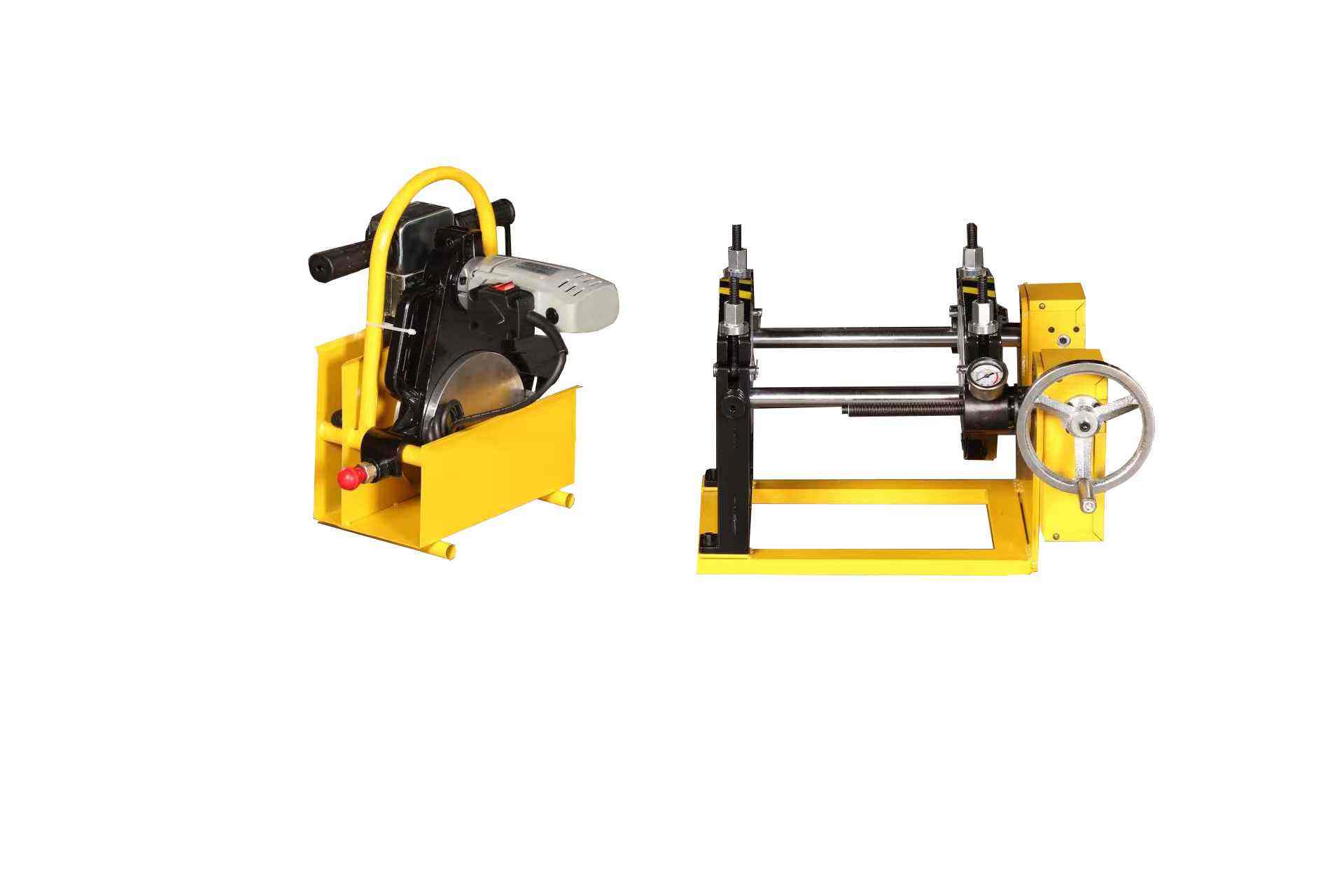
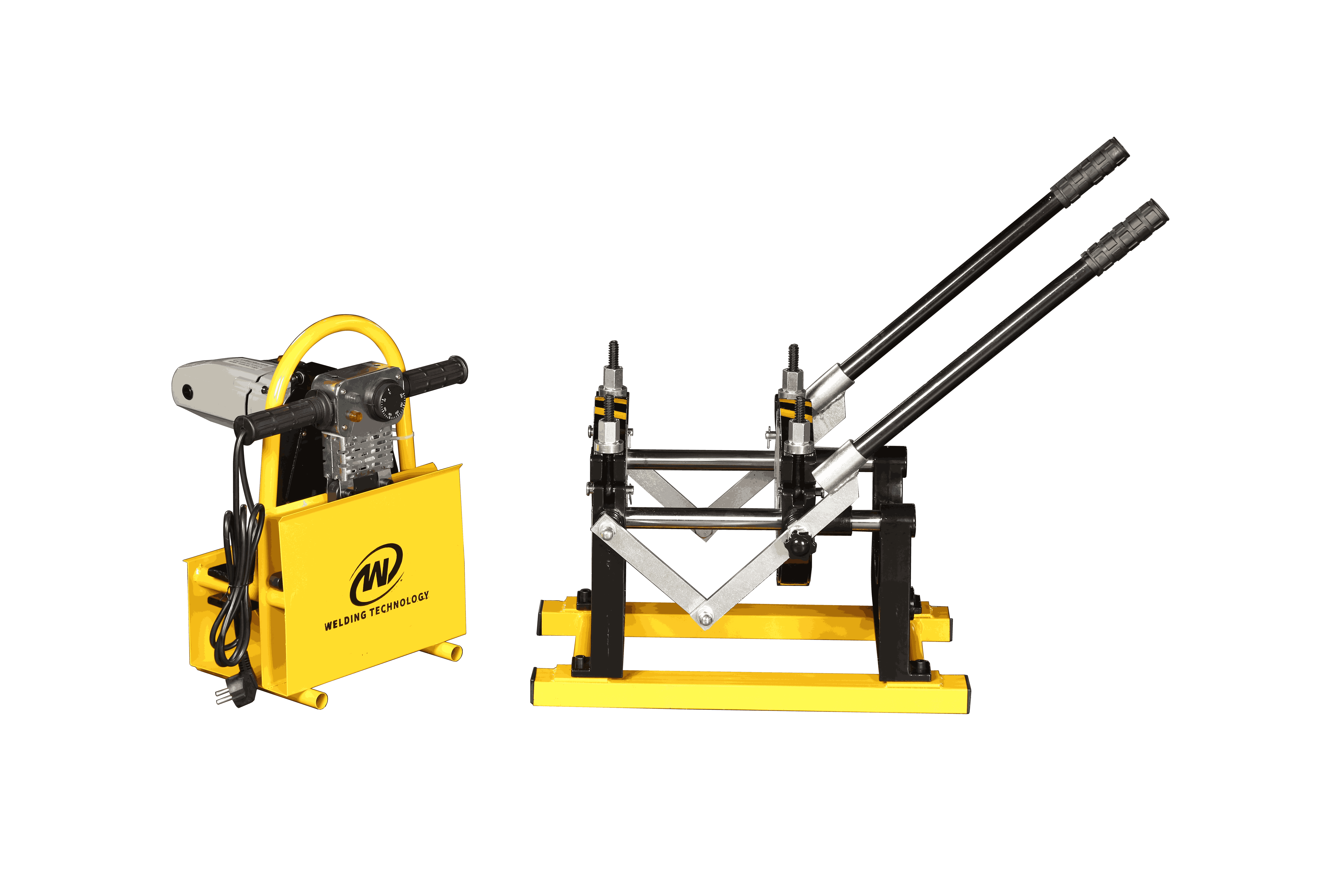
hdpe butt fusion welding machine
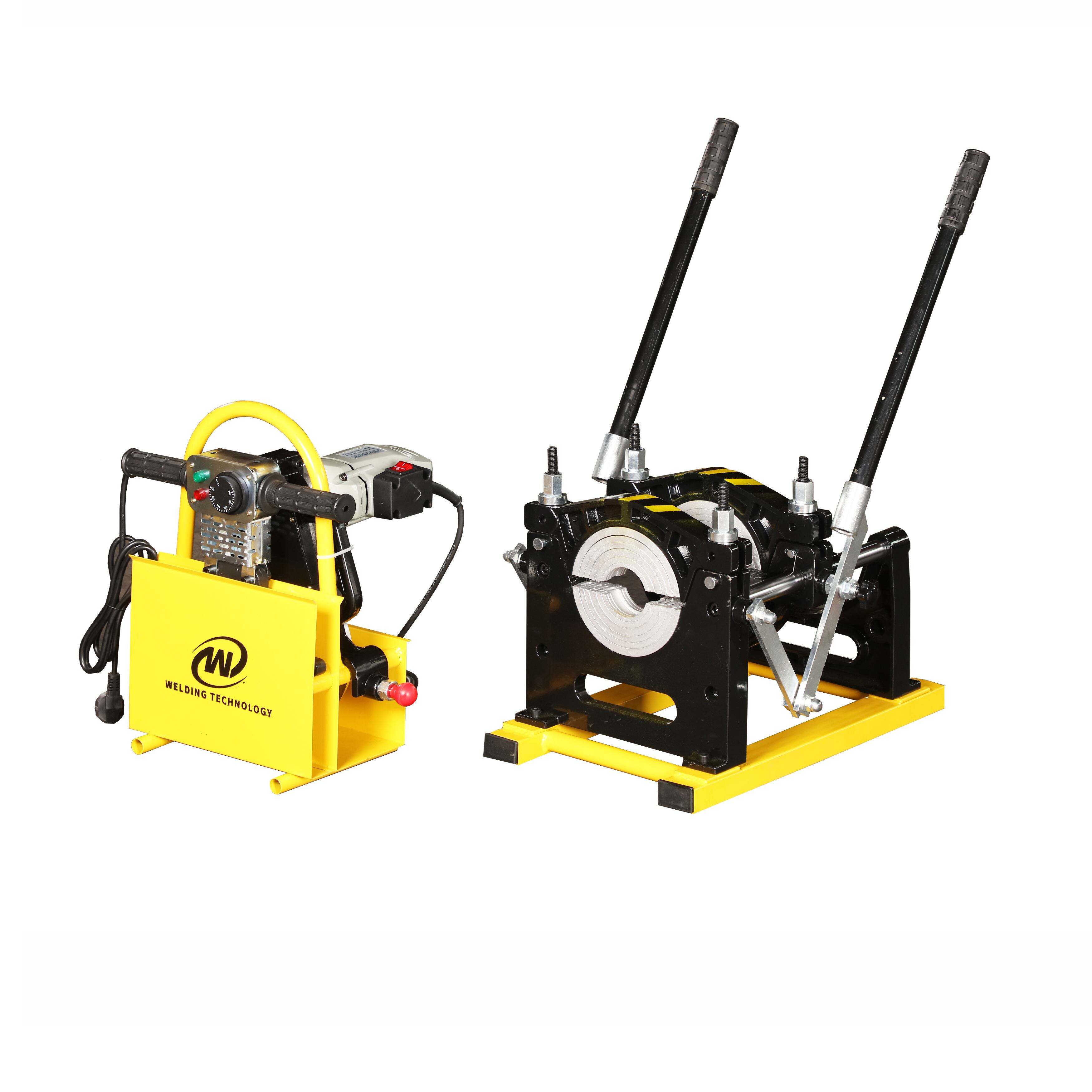
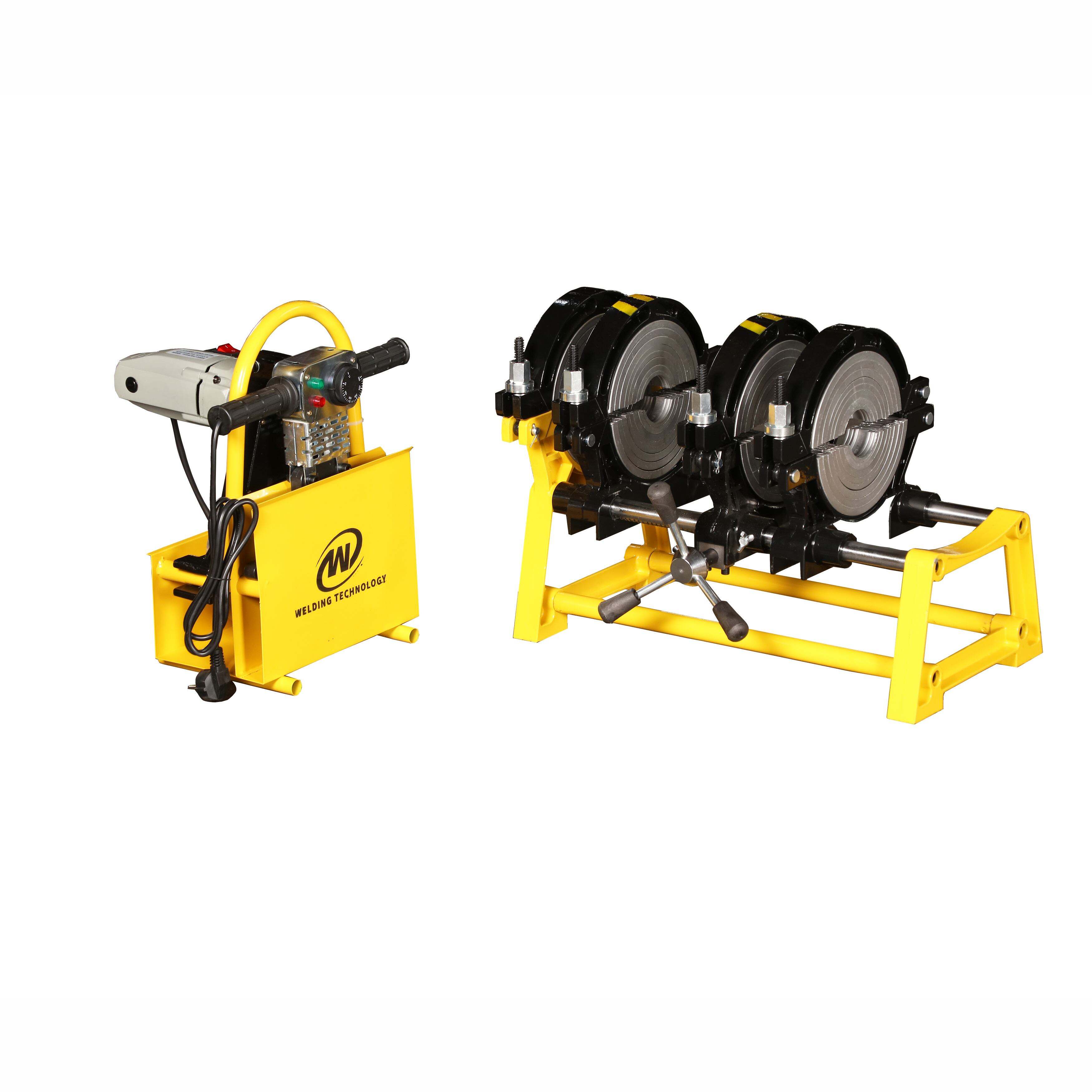
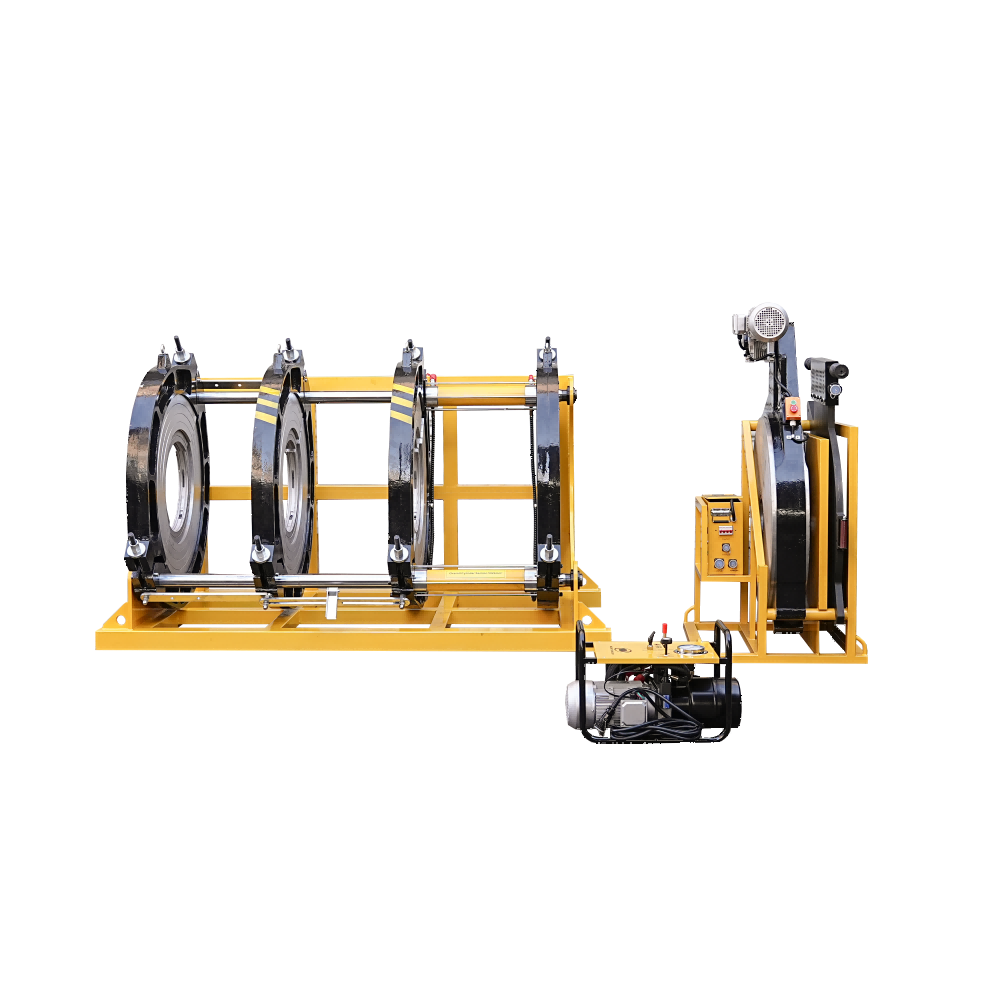
The hdpe butt fusion welding machine represents a specialized piece of equipment designed to join high-density polyethylene pipes through a precise heat fusion process. This machine creates permanent, leak-proof connections by heating the pipe ends to their melting point and then pressing them together under controlled pressure. The primary function of an hdpe butt fusion welding machine involves creating molecular bonds between pipe sections that are often stronger than the pipes themselves. These machines operate through a systematic process that includes facing, heating, and fusion stages, each controlled by hydraulic systems and digital interfaces. Modern hdpe butt fusion welding machines feature automated controls that regulate temperature, pressure, and timing to ensure consistent weld quality across different pipe diameters and wall thicknesses. The technological features of these machines include hydraulic clamping systems that secure pipes firmly during the welding process, precision-machined heating plates that distribute heat evenly across pipe surfaces, and integrated data logging systems that record welding parameters for quality assurance purposes. Many contemporary hdpe butt fusion welding machines incorporate microprocessor controls that automatically adjust variables based on pipe specifications, reducing the potential for human error and ensuring compliance with industry welding standards. The applications for hdpe butt fusion welding machines span numerous industries including water distribution systems, natural gas pipelines, industrial process piping, mining operations, and agricultural irrigation networks. These machines accommodate various pipe diameters ranging from small residential water lines to large-diameter transmission mains exceeding 60 inches. The versatility of the hdpe butt fusion welding machine makes it indispensable for infrastructure projects in urban environments, remote locations, and challenging terrains where reliable piping connections are critical for operational success and long-term system integrity.

 EN
EN