manual butt welding machine
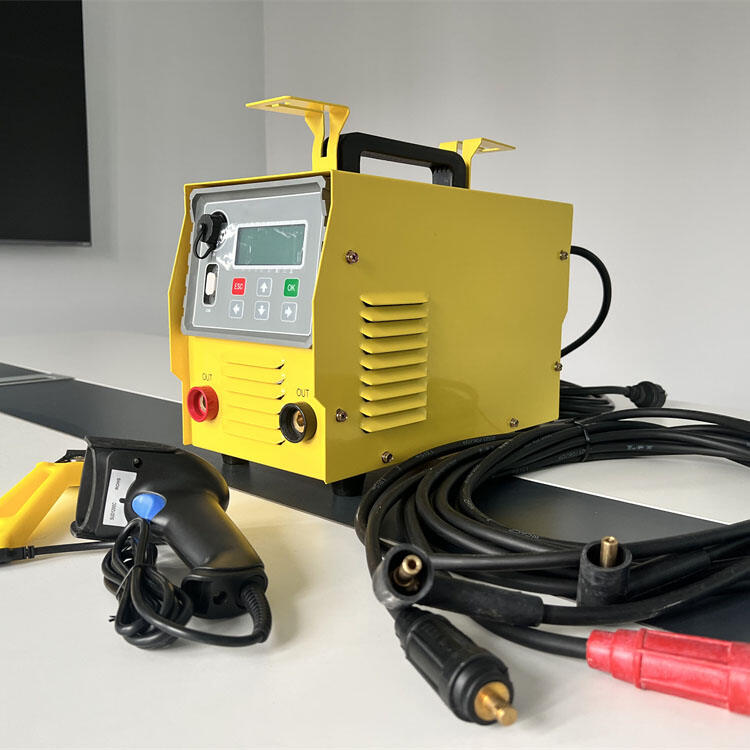
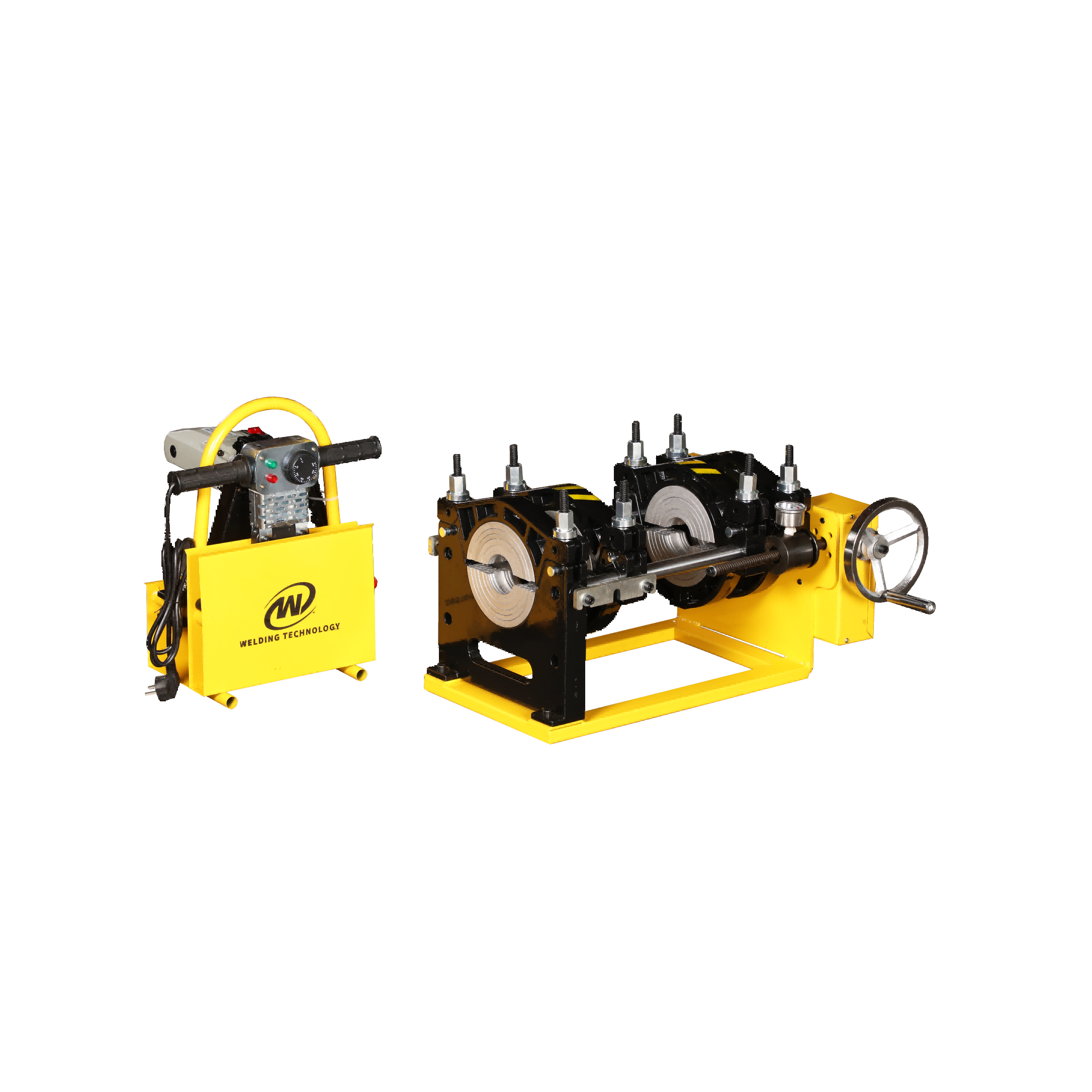
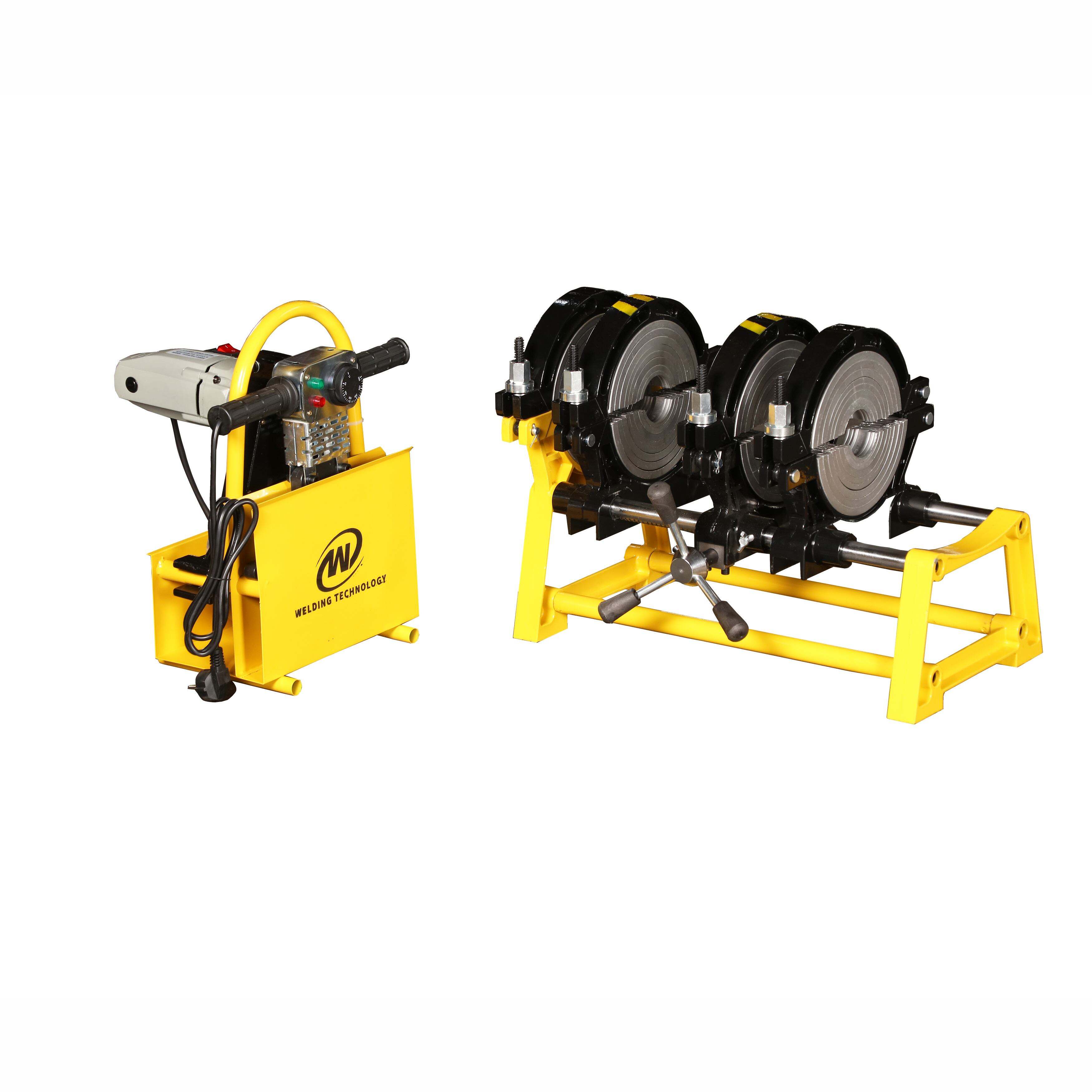
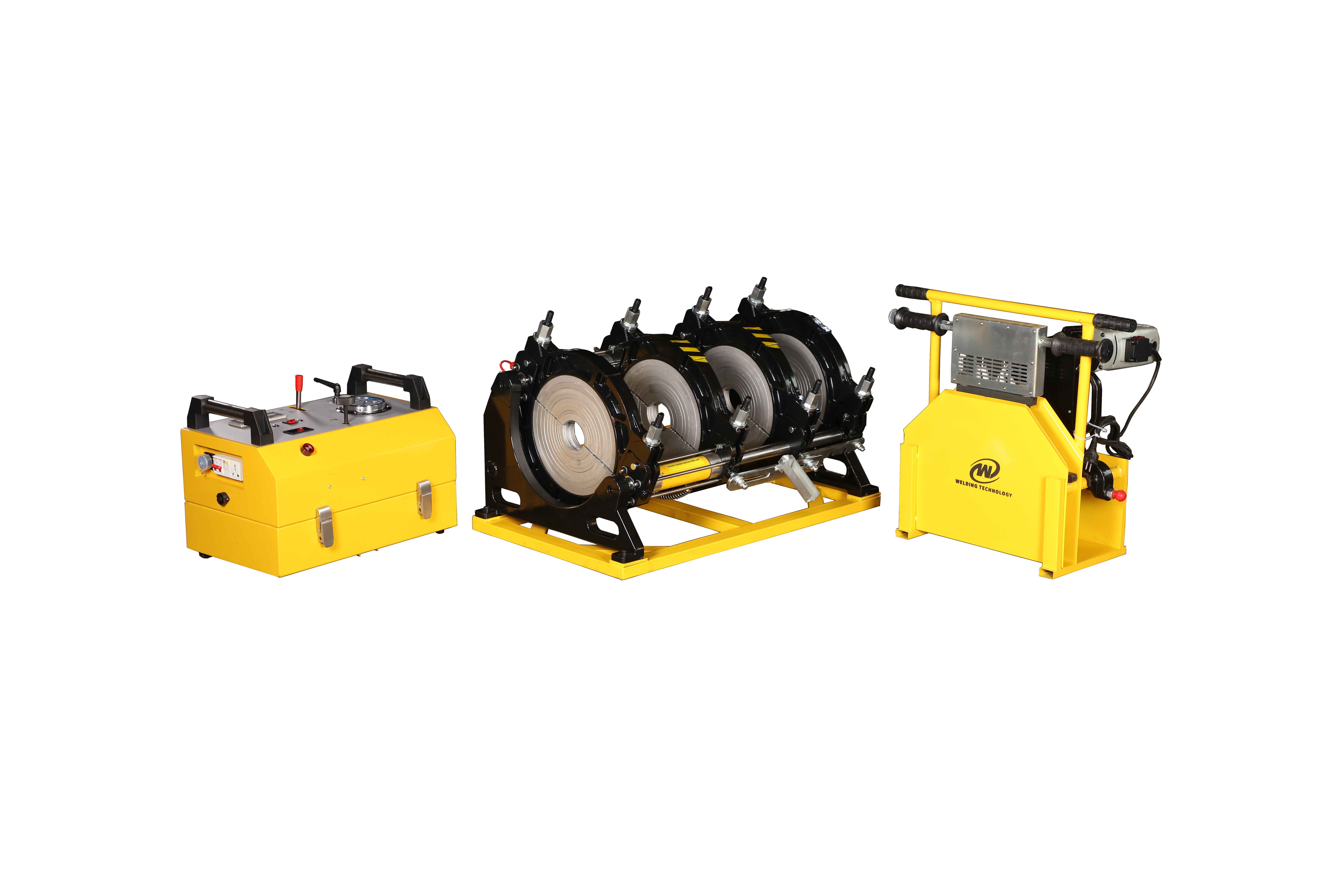
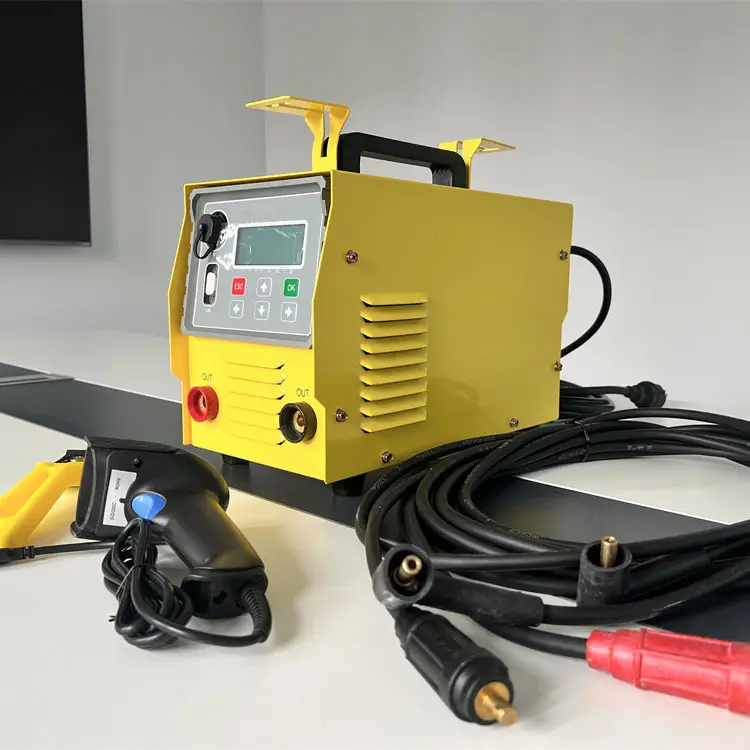
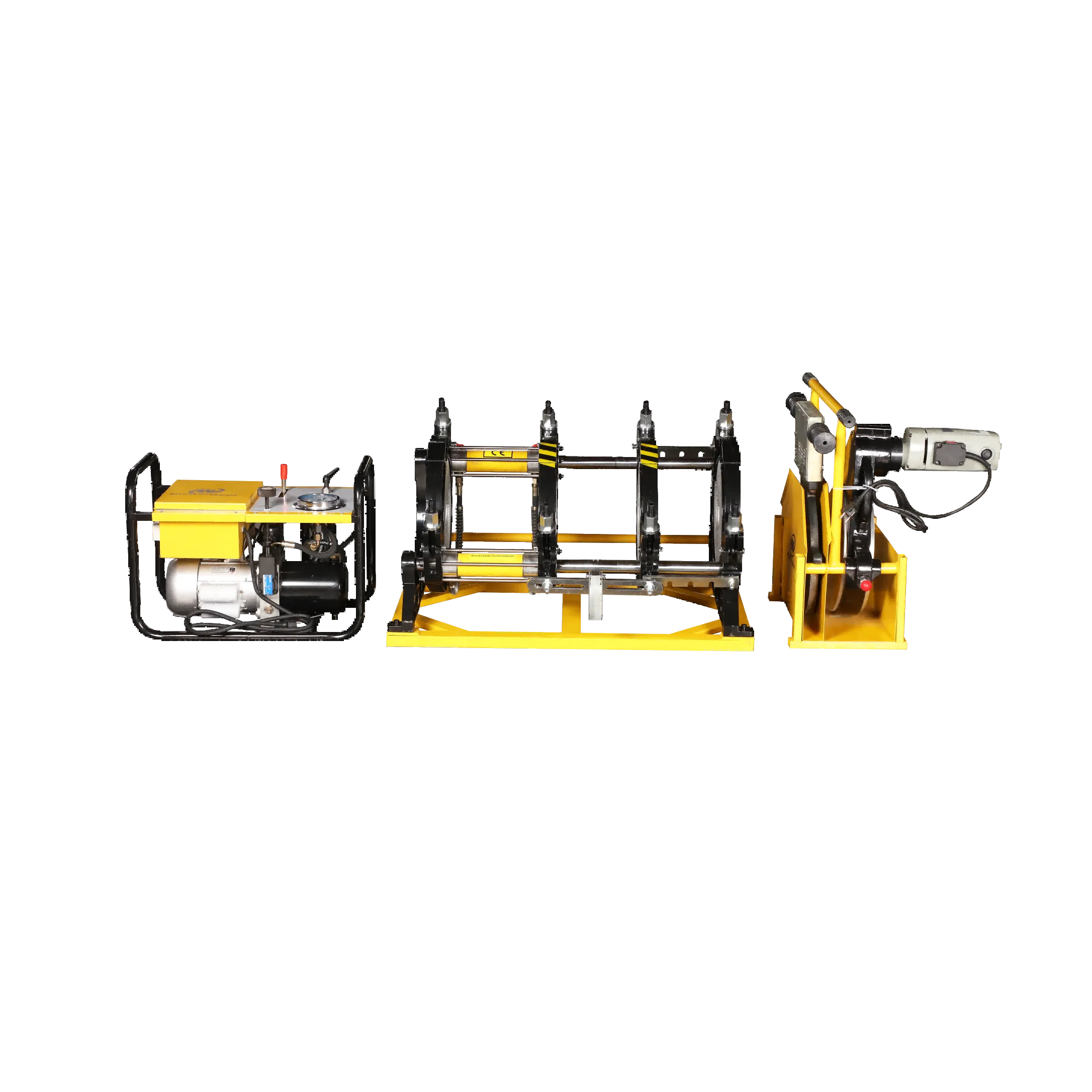
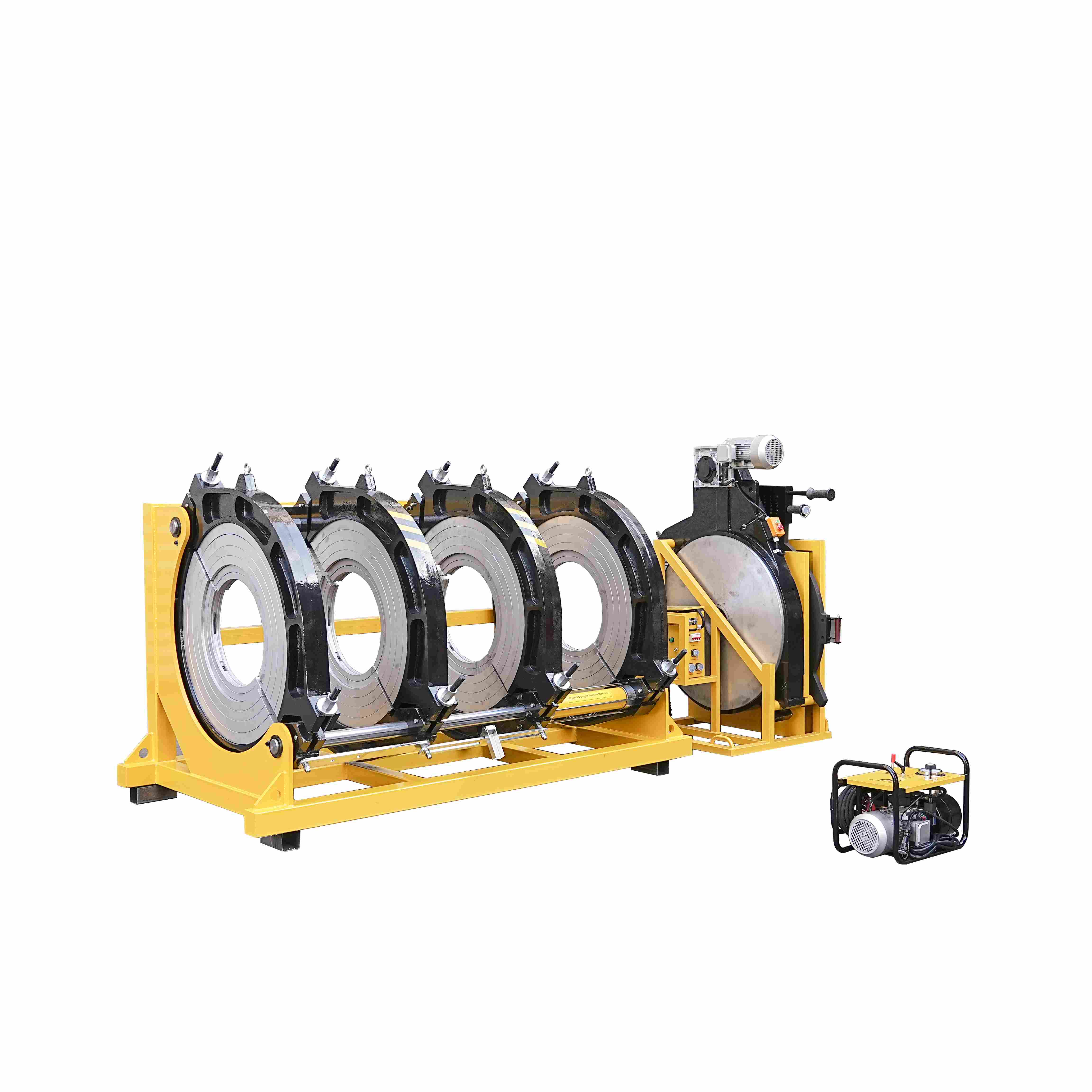
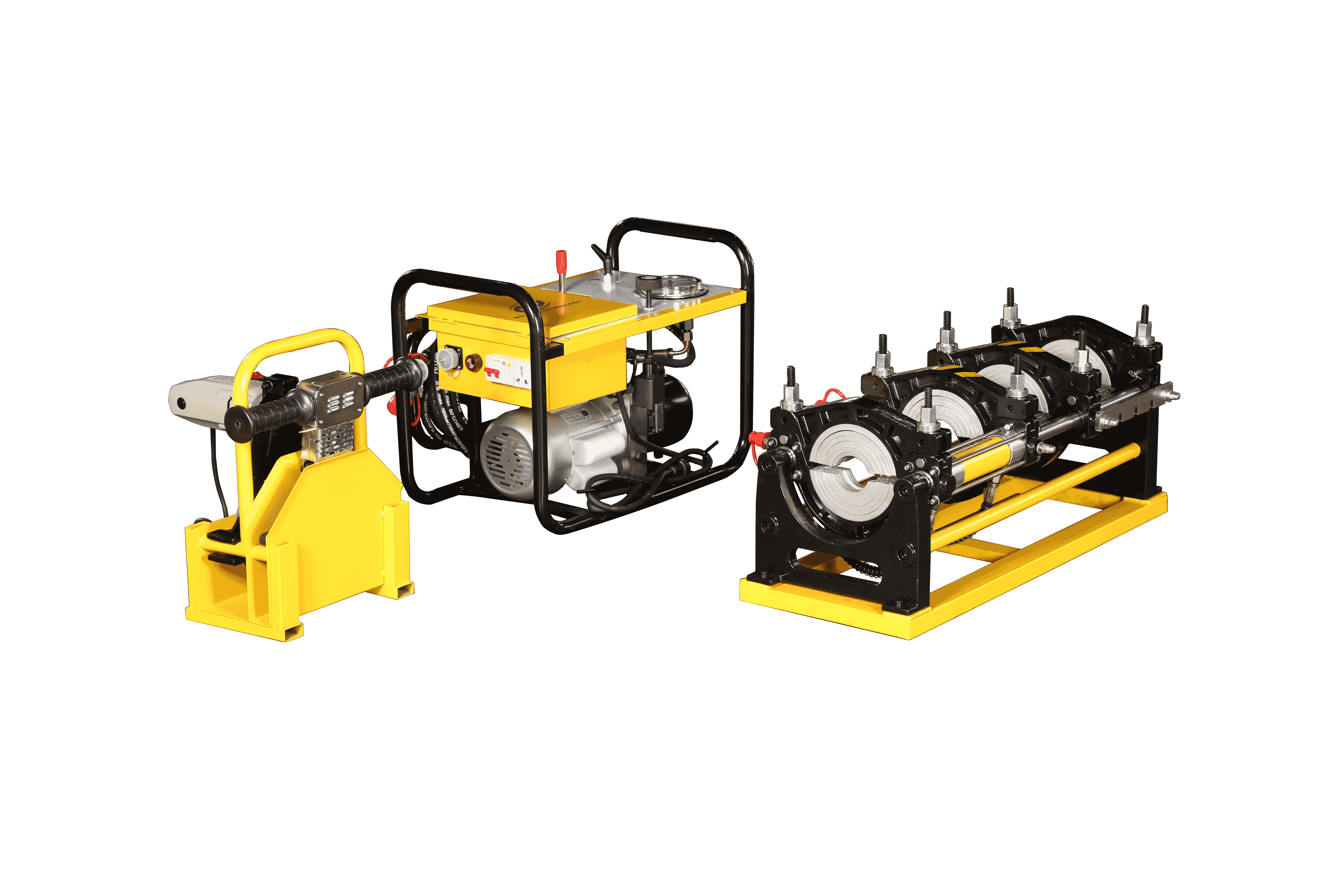

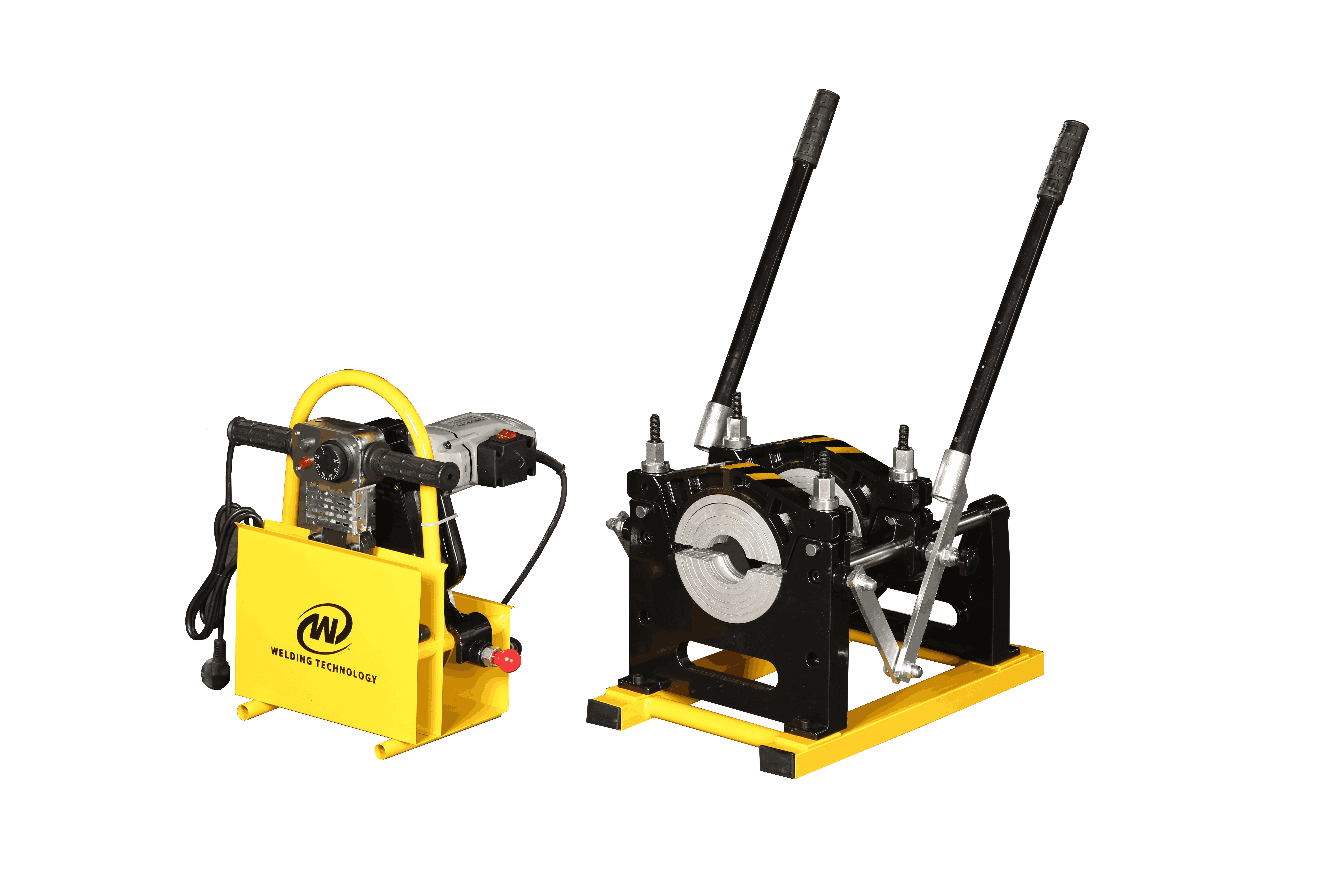
The manual butt welding machine represents a fundamental piece of equipment designed specifically for joining thermoplastic pipes and fittings through the butt fusion welding method. This essential tool provides operators with direct control over the entire welding process, enabling precise connections between polyethylene, polypropylene, and other compatible plastic materials. The manual butt welding machine functions by heating the prepared pipe ends to their optimal melting temperature using a heated plate, then bringing these softened surfaces together under controlled pressure to create a homogeneous, leak-proof joint. The primary functions of this equipment include pipe alignment, controlled heating application, precise pressure management during fusion, and cooling period supervision. Technological features incorporated into modern manual butt welding machines include adjustable hydraulic pressure systems that accommodate various pipe diameters and wall thicknesses, digital temperature controllers ensuring consistent heating plate temperatures, and robust frame constructions that maintain alignment throughout the welding cycle. The equipment typically consists of a central heating element, movable carriage assemblies, hydraulic pressure mechanisms, and clamping devices that secure pipes firmly during the welding process. Applications for the manual butt welding machine span numerous industries and sectors, including municipal water distribution systems, natural gas pipeline construction, industrial fluid transport networks, agricultural irrigation installations, mining operations, and chemical processing facilities. The versatility of this equipment makes it indispensable for both field installation work and workshop environments. Contractors and maintenance teams rely on manual butt welding machines for creating durable connections that withstand high pressures, temperature variations, and corrosive environments. The equipment's portability allows technicians to perform on-site repairs and installations efficiently, reducing project timelines and labor costs while maintaining stringent quality standards for pipeline integrity and long-term performance reliability.

 EN
EN