Programmable Welding Cycles Optimize Results Across Material Variations
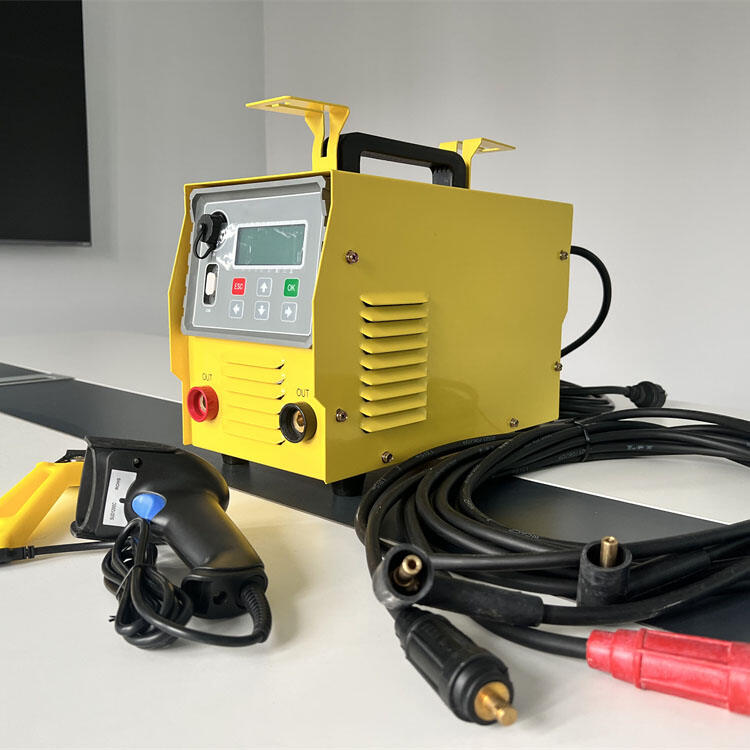
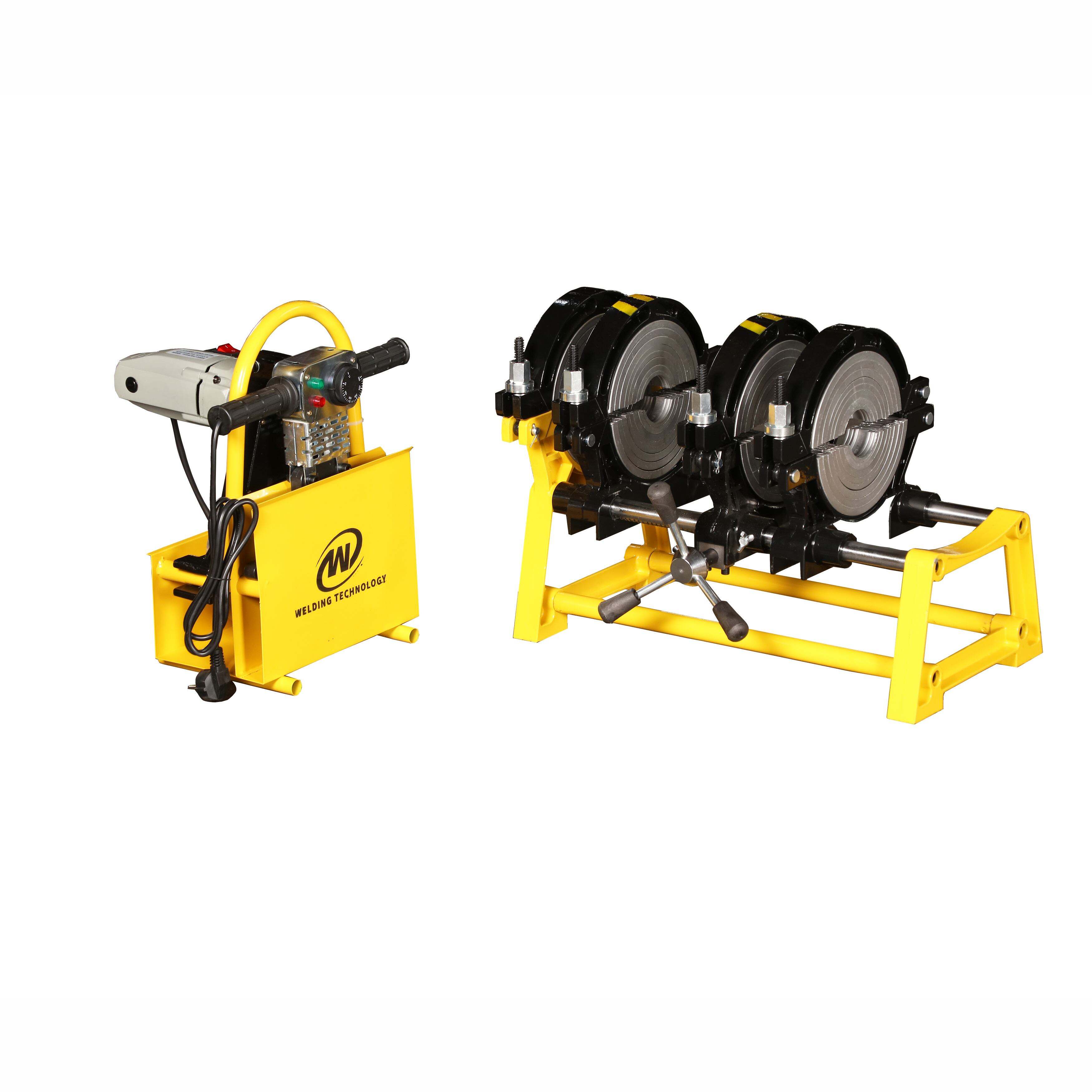
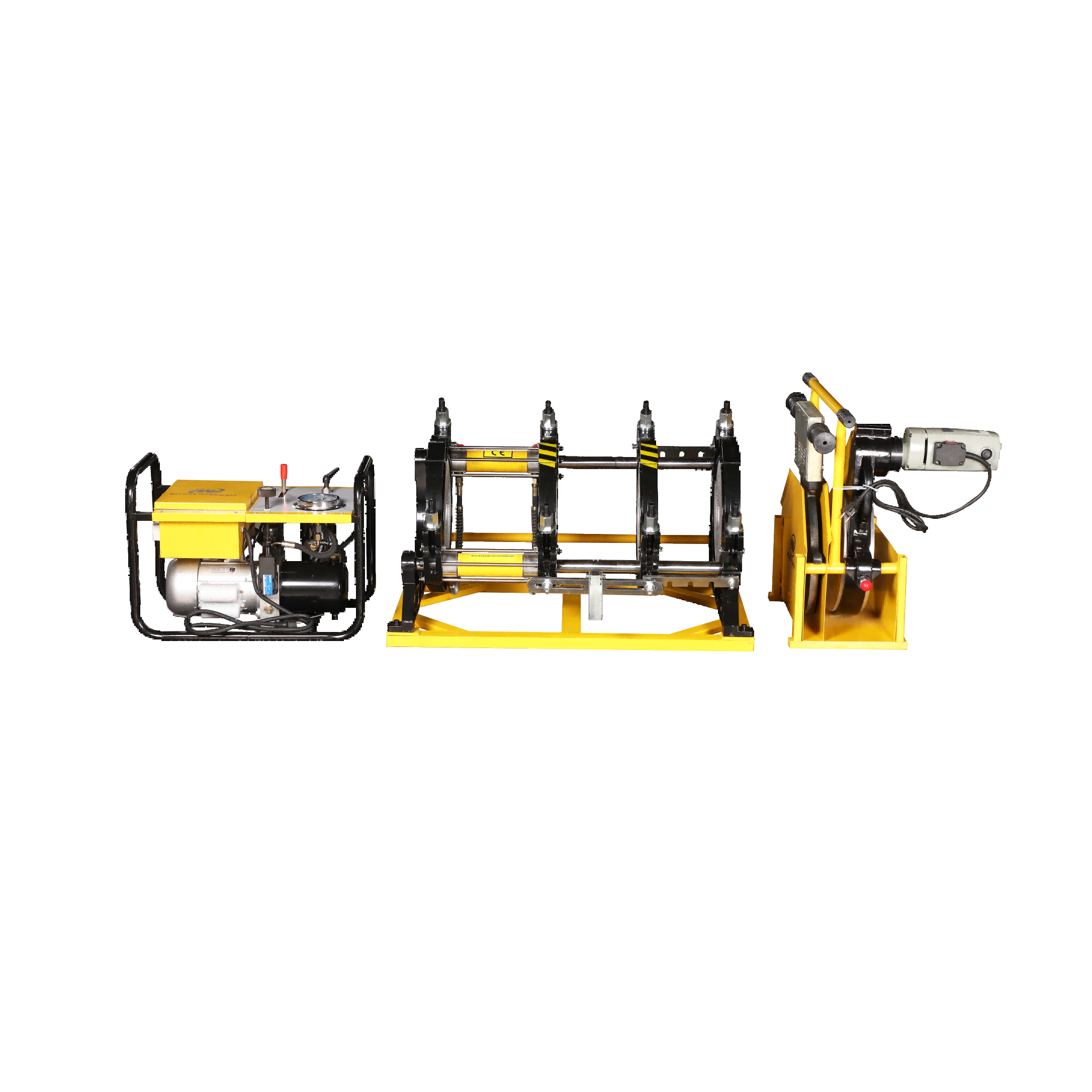
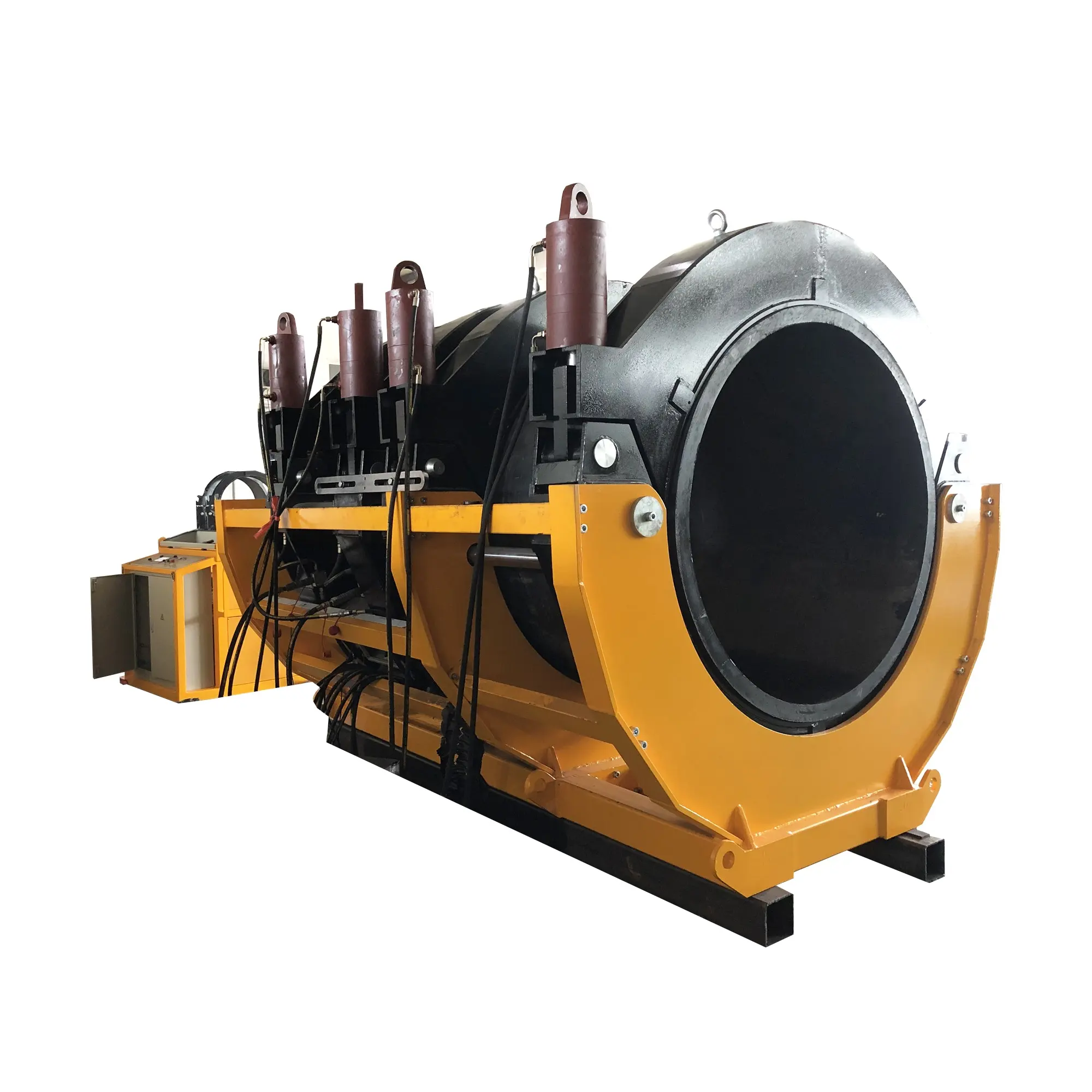
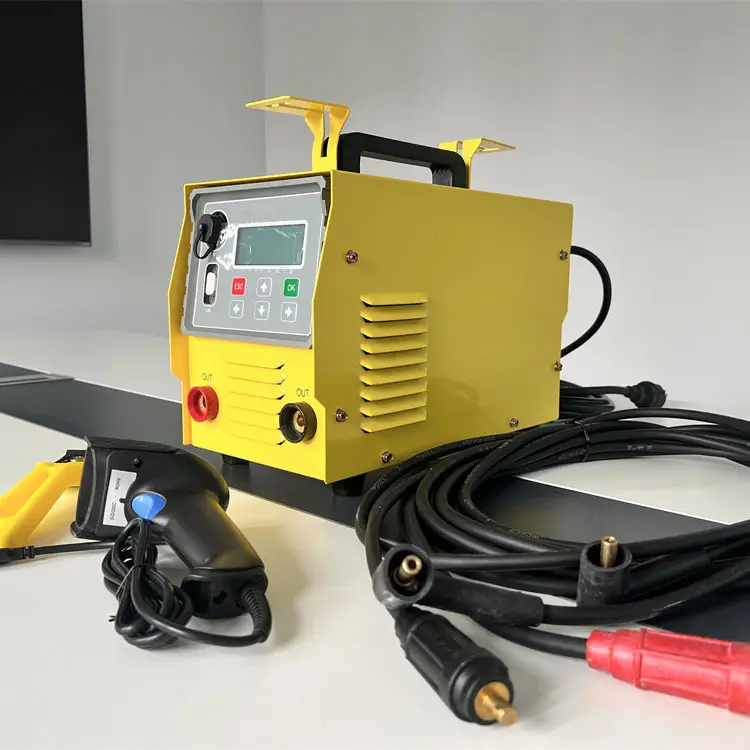
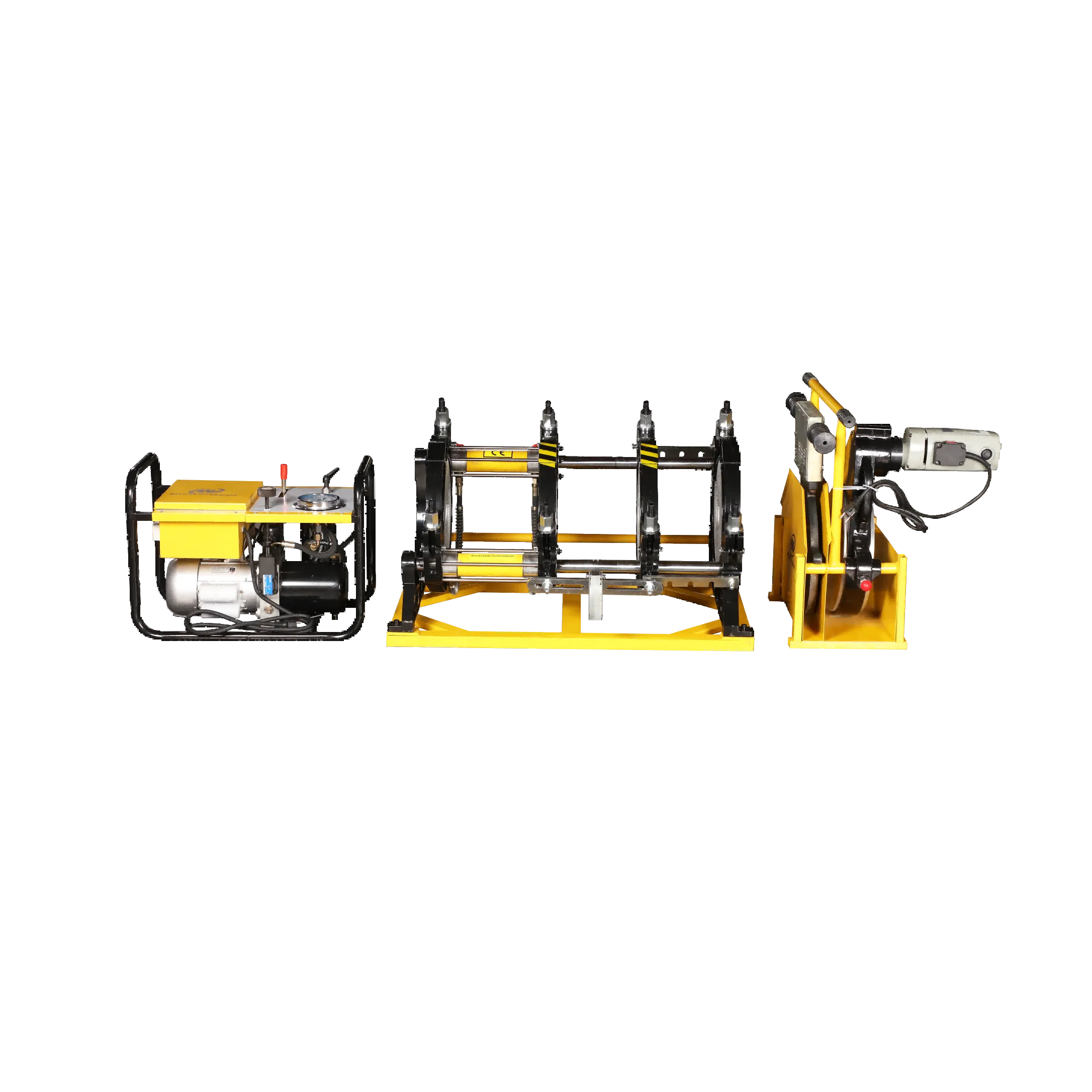

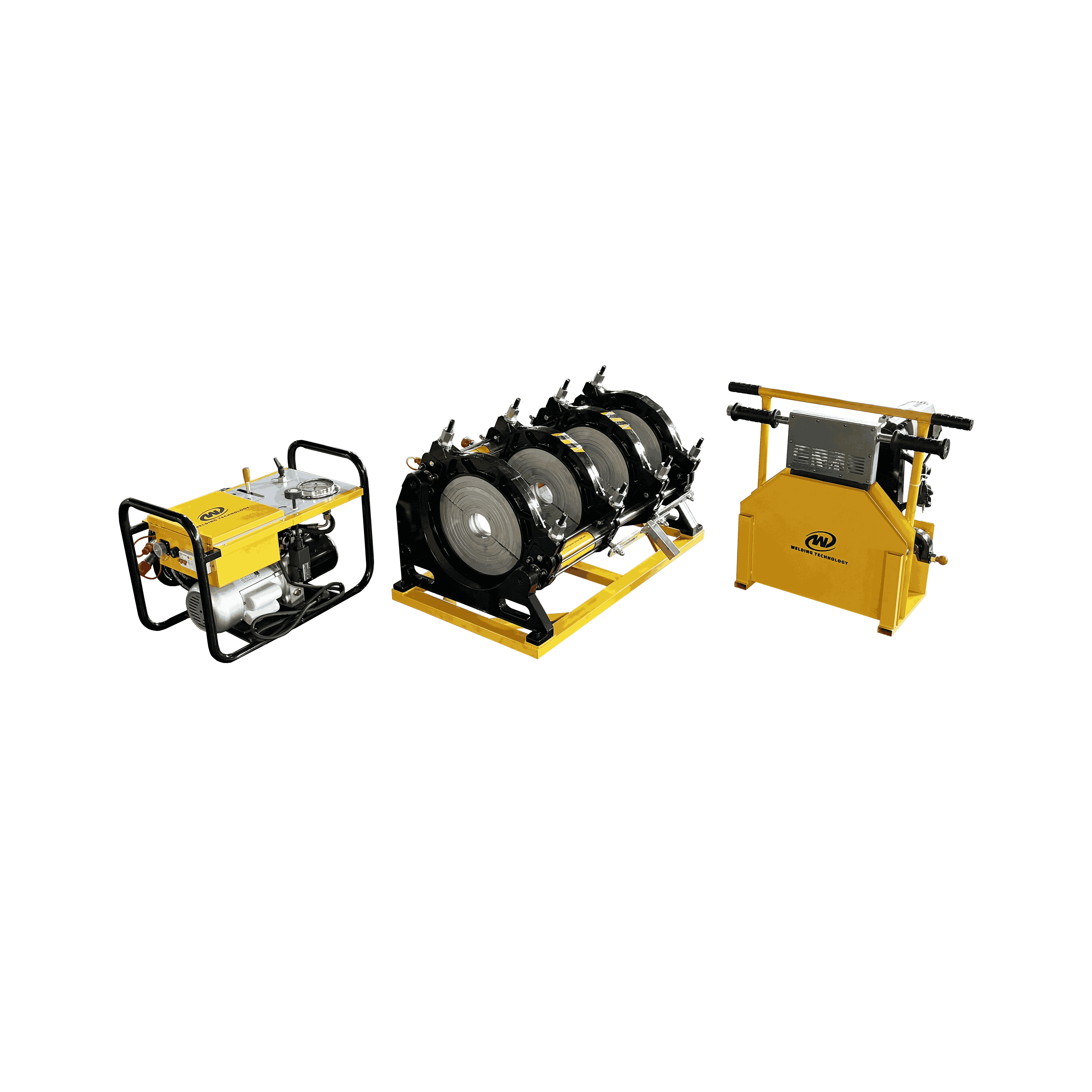
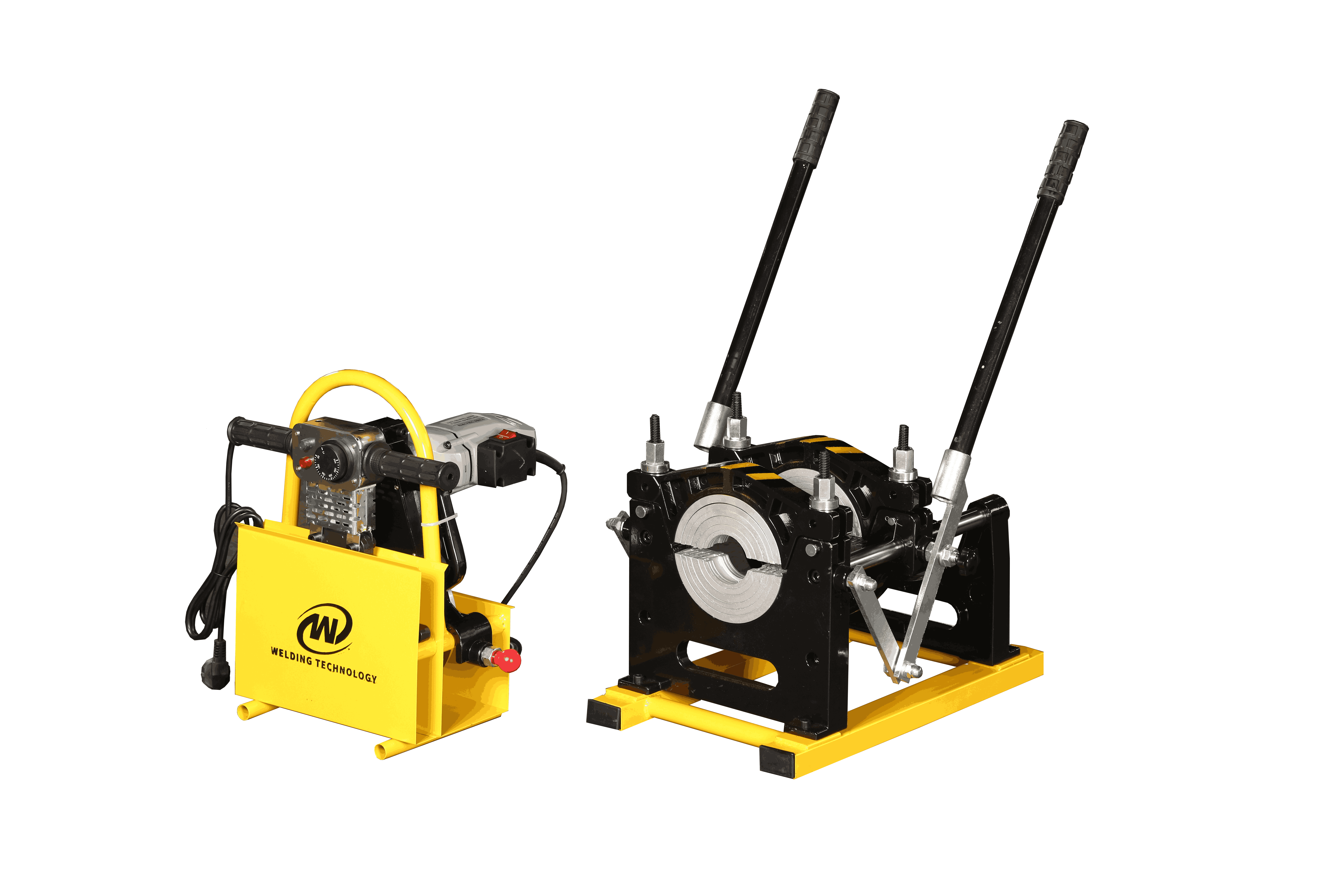
The programmable welding cycle capability found in an automatic HDPE welding machine provides unprecedented flexibility to handle diverse materials, dimensions, and application requirements without compromising quality standards. Traditional welding equipment operates with fixed parameters that may work adequately for a narrow range of conditions but produce inconsistent results when faced with the material variations encountered in real-world projects. HDPE itself comes in multiple grades with different molecular weight distributions, additive packages, and performance characteristics. PE80 and PE100 designations indicate different pressure ratings and require distinct welding approaches to achieve optimal joint properties. Wall thickness variations demand adjusted heating times to ensure complete melting through the cross-section without overheating outer surfaces. Ambient temperature affects heat transfer rates, meaning a welding procedure that works perfectly in a climate-controlled facility may produce inferior joints when applied in outdoor conditions at different temperatures. The automatic HDPE welding machine addresses these complexities through its programmable control system that stores multiple welding procedures and adjusts parameters dynamically based on sensor feedback. Operators select the appropriate program for their specific combination of material grade, component dimensions, and environmental conditions, and the machine executes the complete welding sequence automatically. These programs specify heating temperature, heating duration, interface pressure during heating, changeover time between heating and joining, joining pressure, and cooling time under pressure. Advanced models allow creation of custom programs through a user interface where technicians input material specifications and the system calculates optimal parameters using built-in algorithms developed from extensive testing data. Some automatic HDPE welding machines offer connectivity features that enable downloading new welding procedures from manufacturers as they develop optimized parameters for new HDPE formulations entering the market. This future-proofing protects your equipment investment against obsolescence as material technology evolves. The quality assurance benefits of programmable cycles extend beyond consistent execution to include documentation and traceability. Each welding program can be locked with password protection to prevent unauthorized modifications, ensuring that approved procedures are followed exactly as validated during qualification testing. The machine records which program was used for each weld along with the actual parameter values achieved during execution, creating quality records that satisfy the most stringent regulatory requirements. This documentation proves invaluable during audits, warranty claims, and forensic investigations if joint failures occur. For customers operating in regulated industries like natural gas distribution or potable water systems, this traceability is not merely convenient but often mandatory under governing codes and standards. The economic value of programmable welding cycles manifests through reduced material waste and rework costs. When the automatic HDPE welding machine automatically adjusts for material and environmental variations, it eliminates the trial welds often necessary to dial in manual settings, conserving expensive materials. The reduction in rejected joints translates directly to material savings and avoided labor costs for cutting out and replacing failed welds. Project timelines benefit as well, since consistent first-time success eliminates delays associated with quality failures and retesting. The versatility offered by multiple stored programs makes a single automatic HDPE welding machine capable of handling diverse project types, reducing the equipment inventory required and improving asset utilization across your operation.

 EN
EN