Professional HDPE Thermofusion Welding Machine - Advanced Pipe Fusion Technology

Get a Free Quote

Our representative will contact you soon.
E-mail
Name
Mobile/WhatsApp
Company Name
Message
0/1000

hdpe thermofusion welding machine

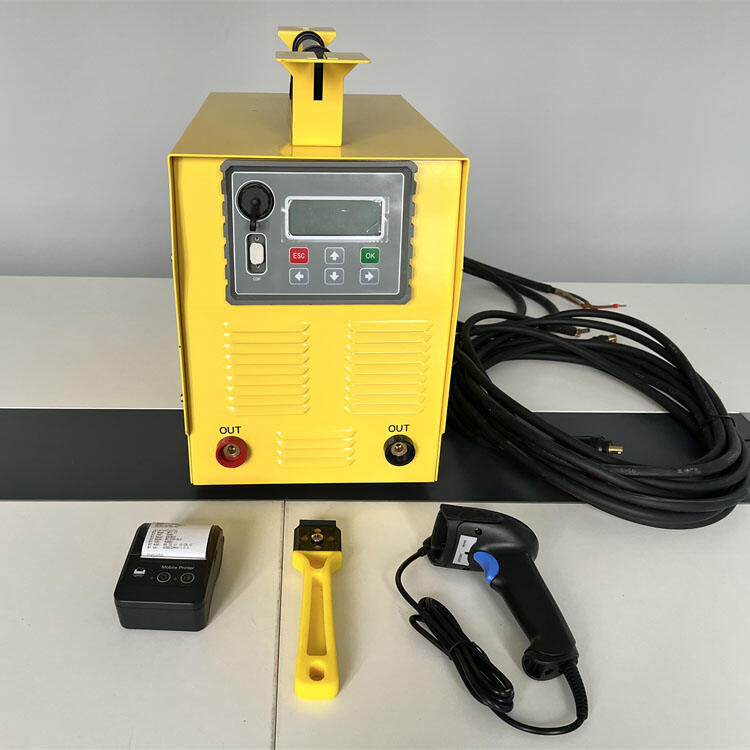
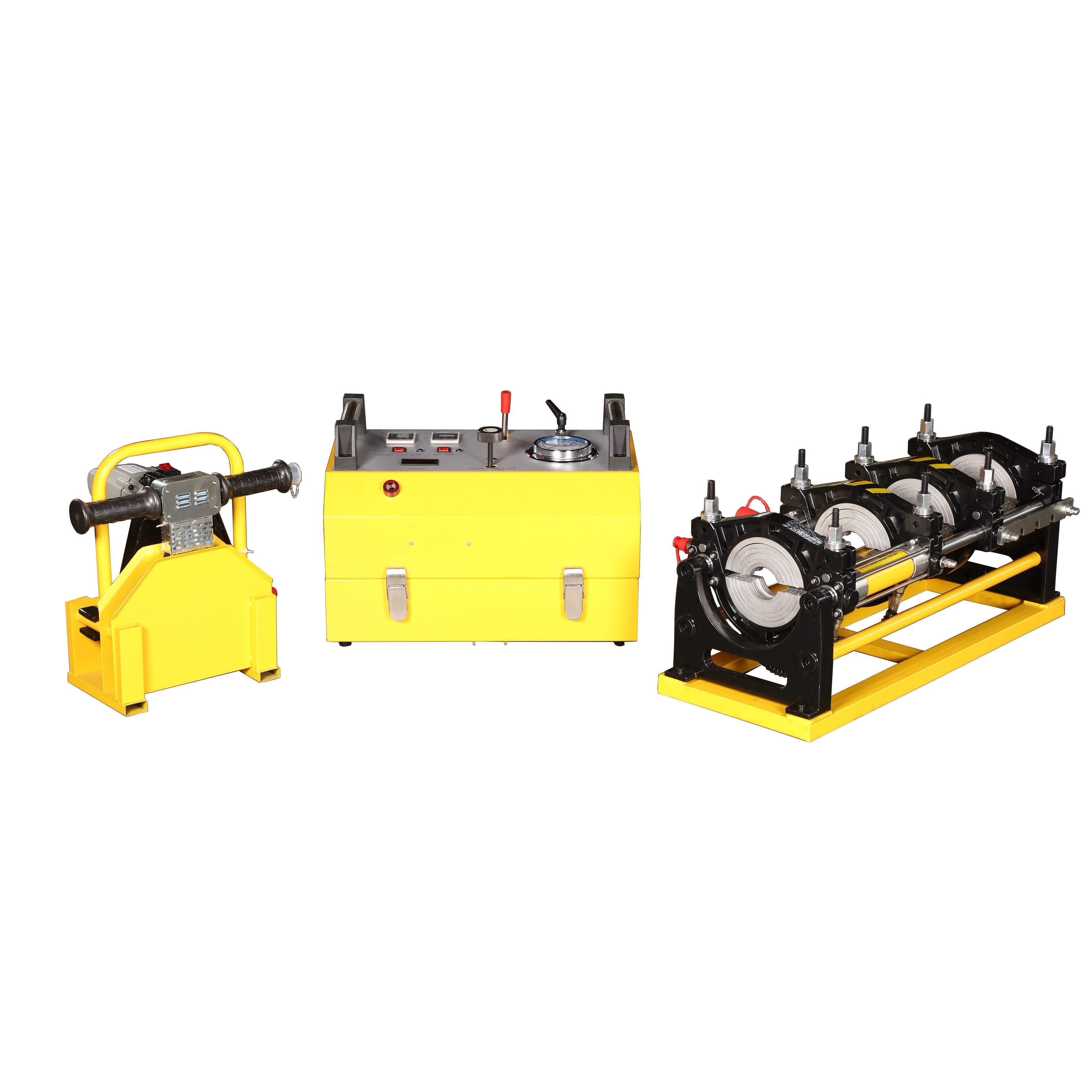
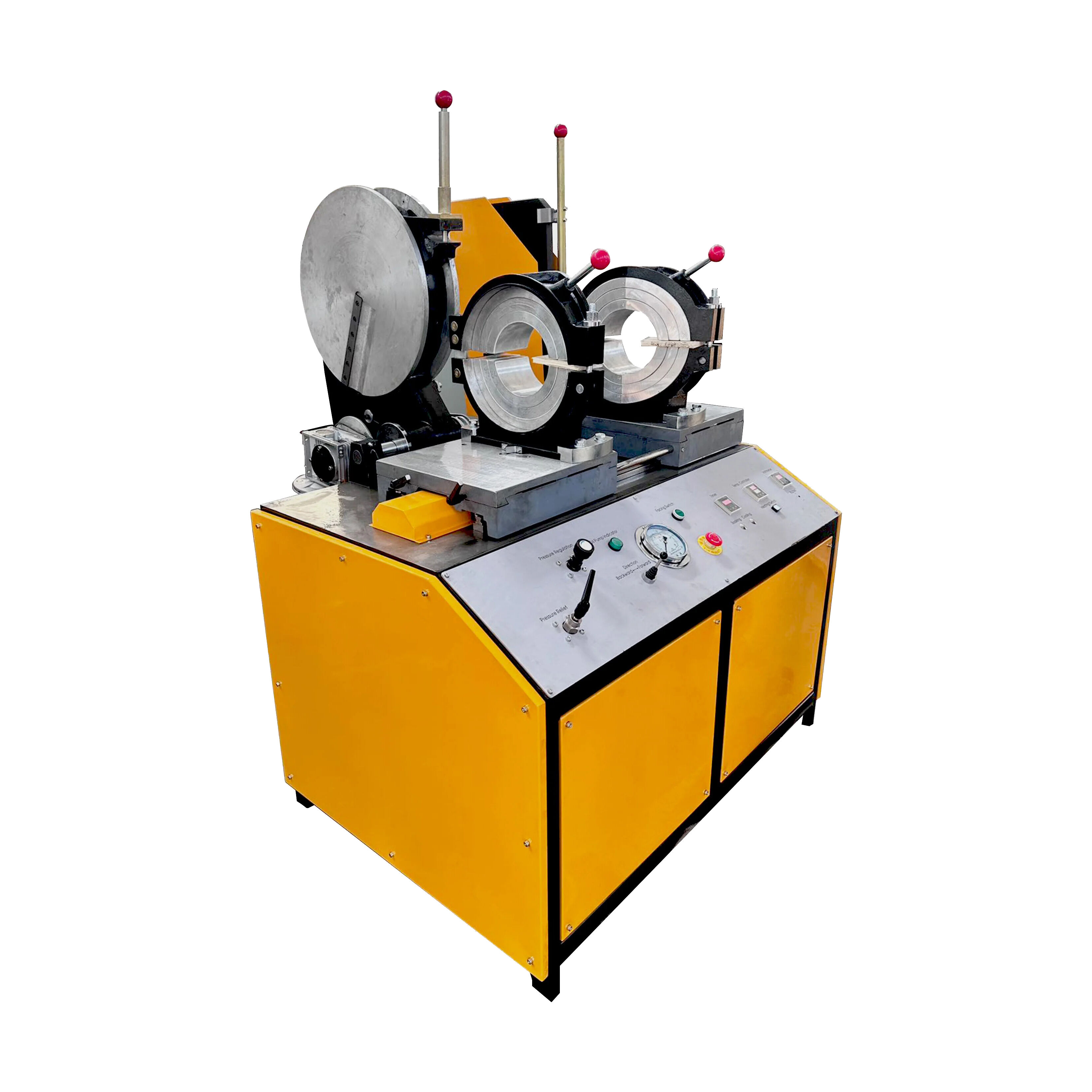
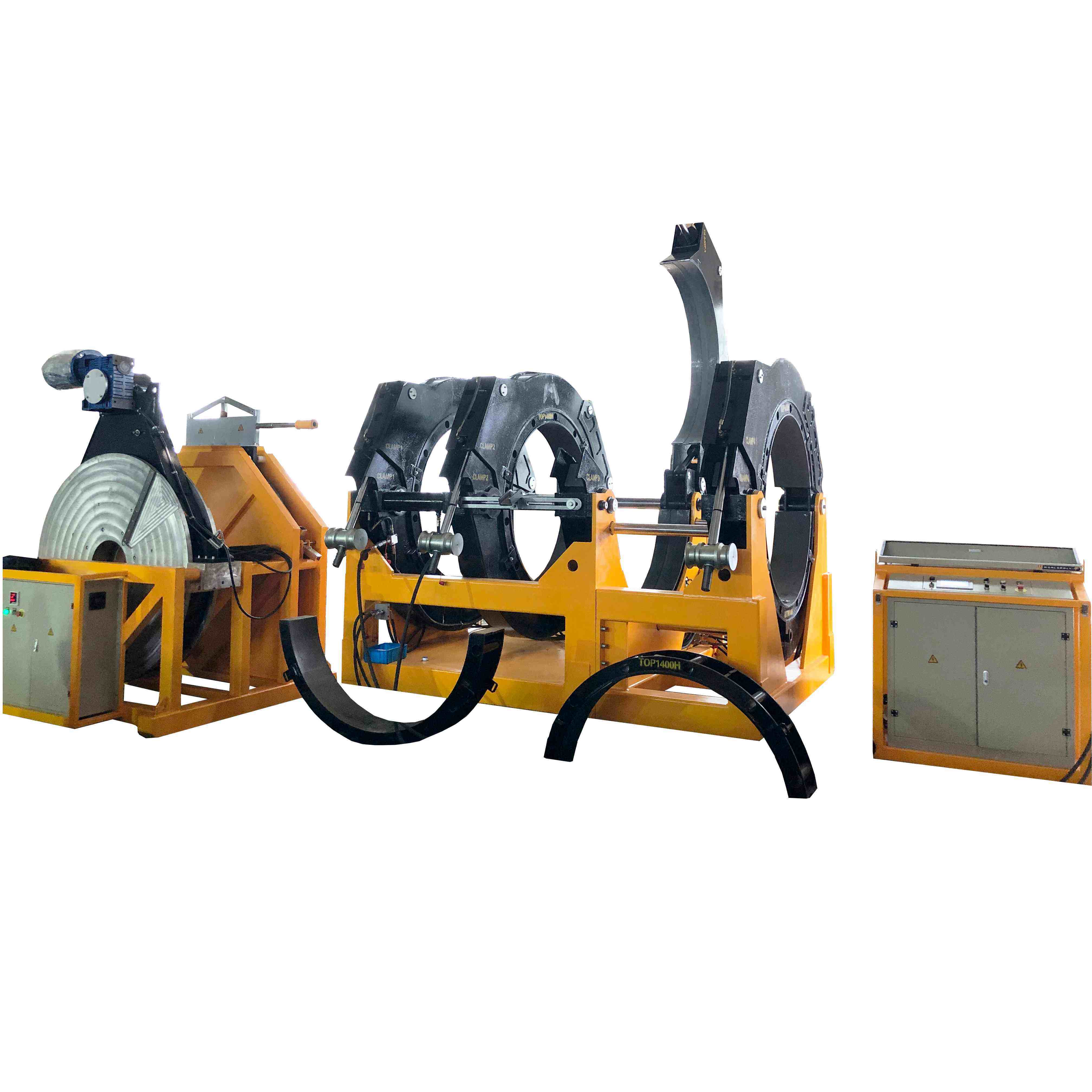
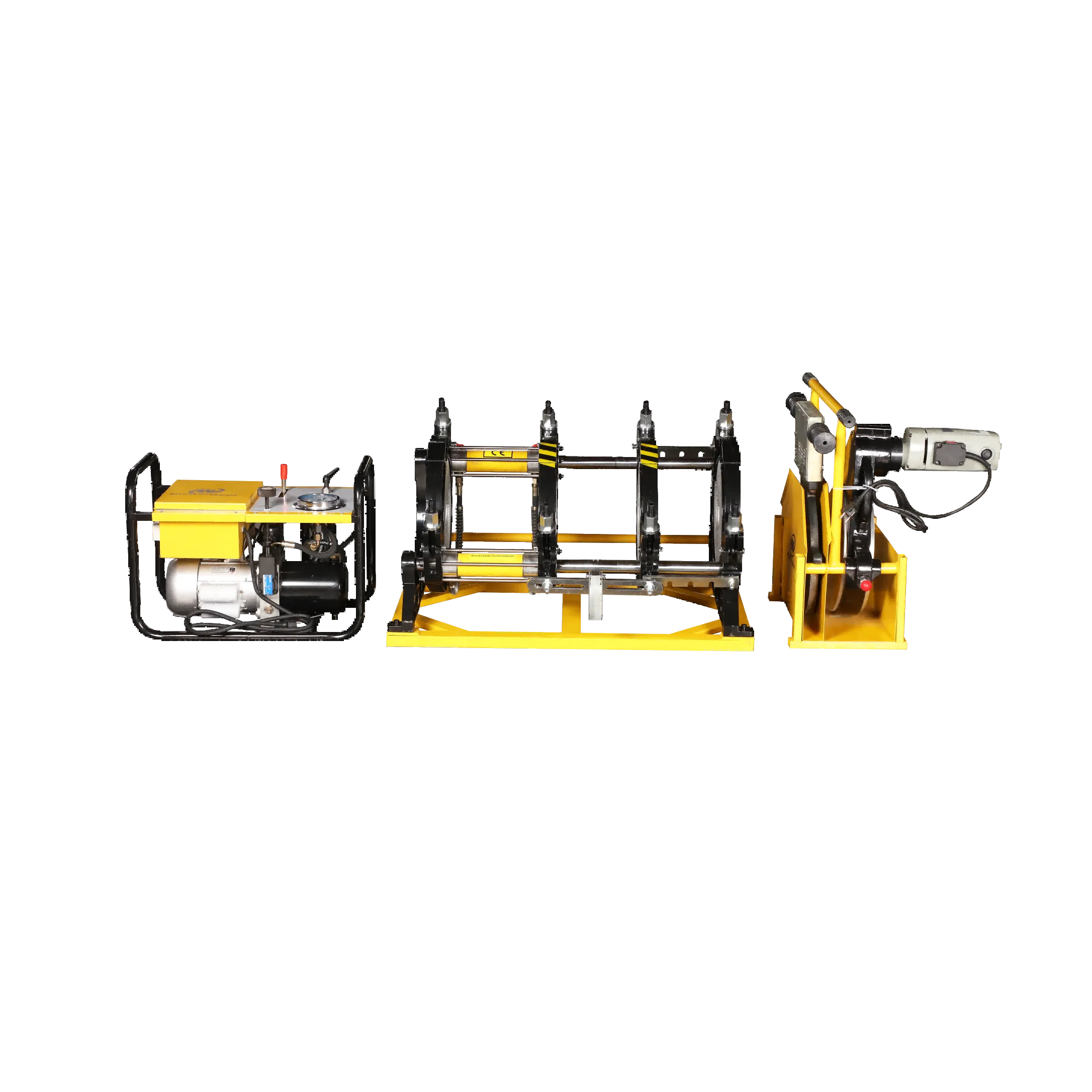
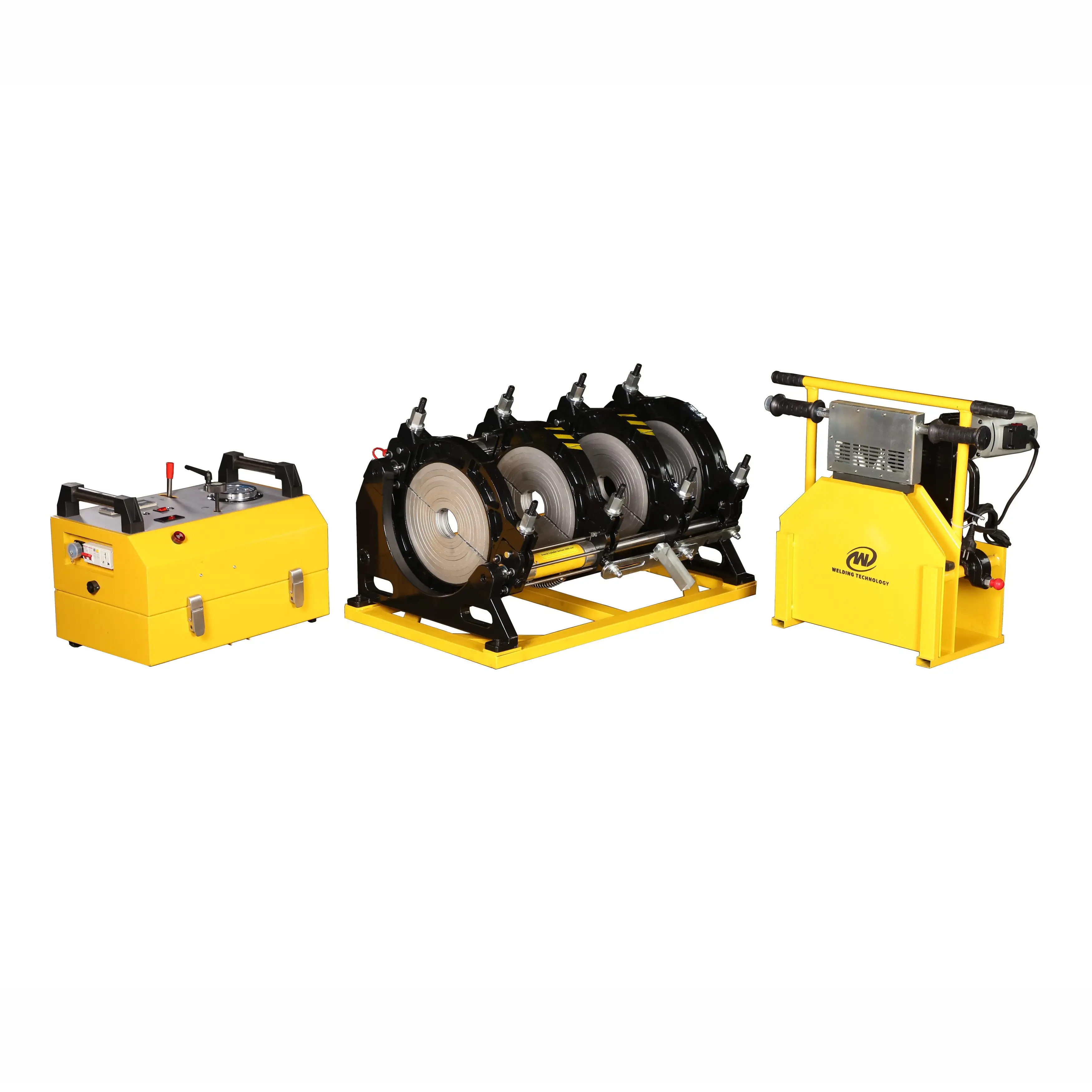
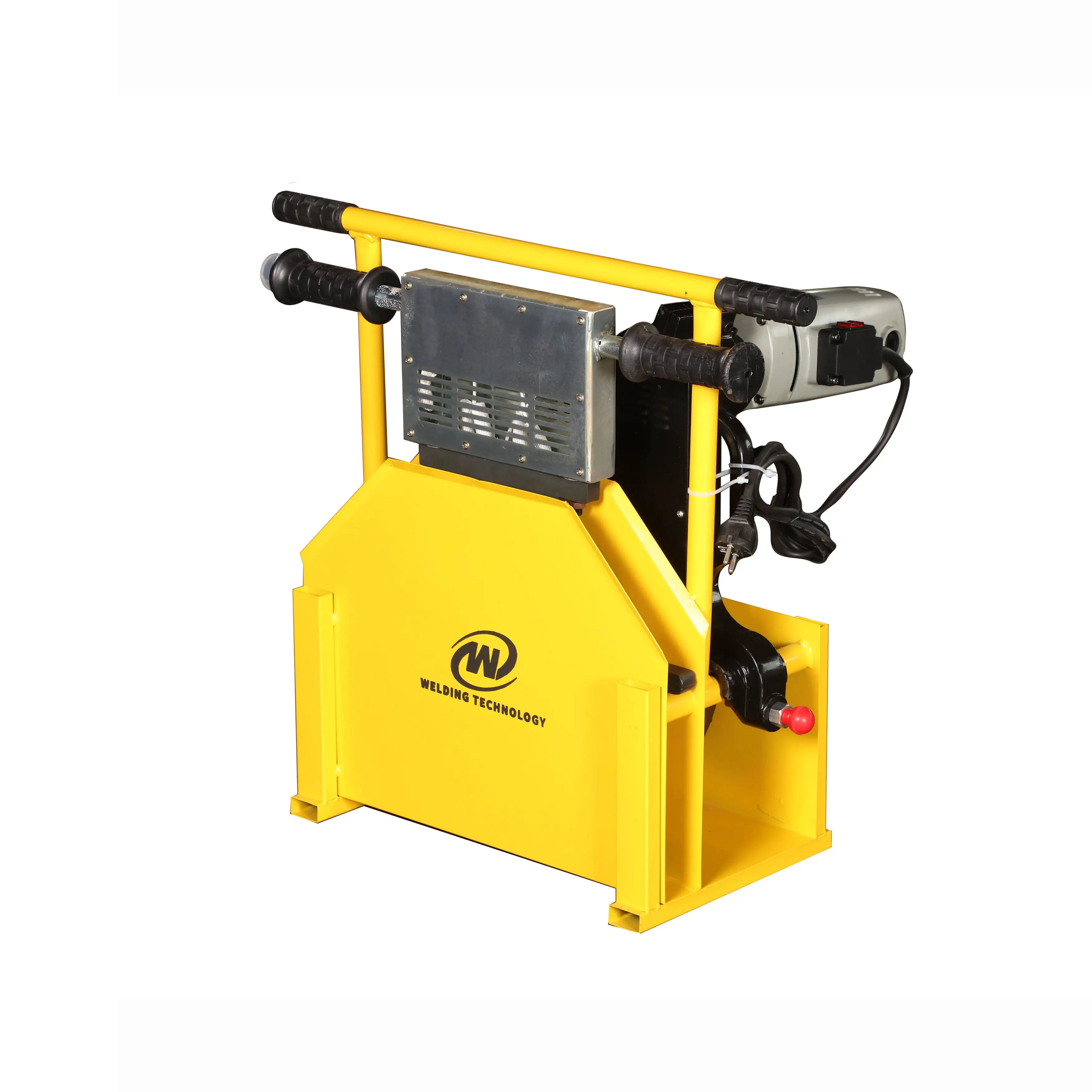
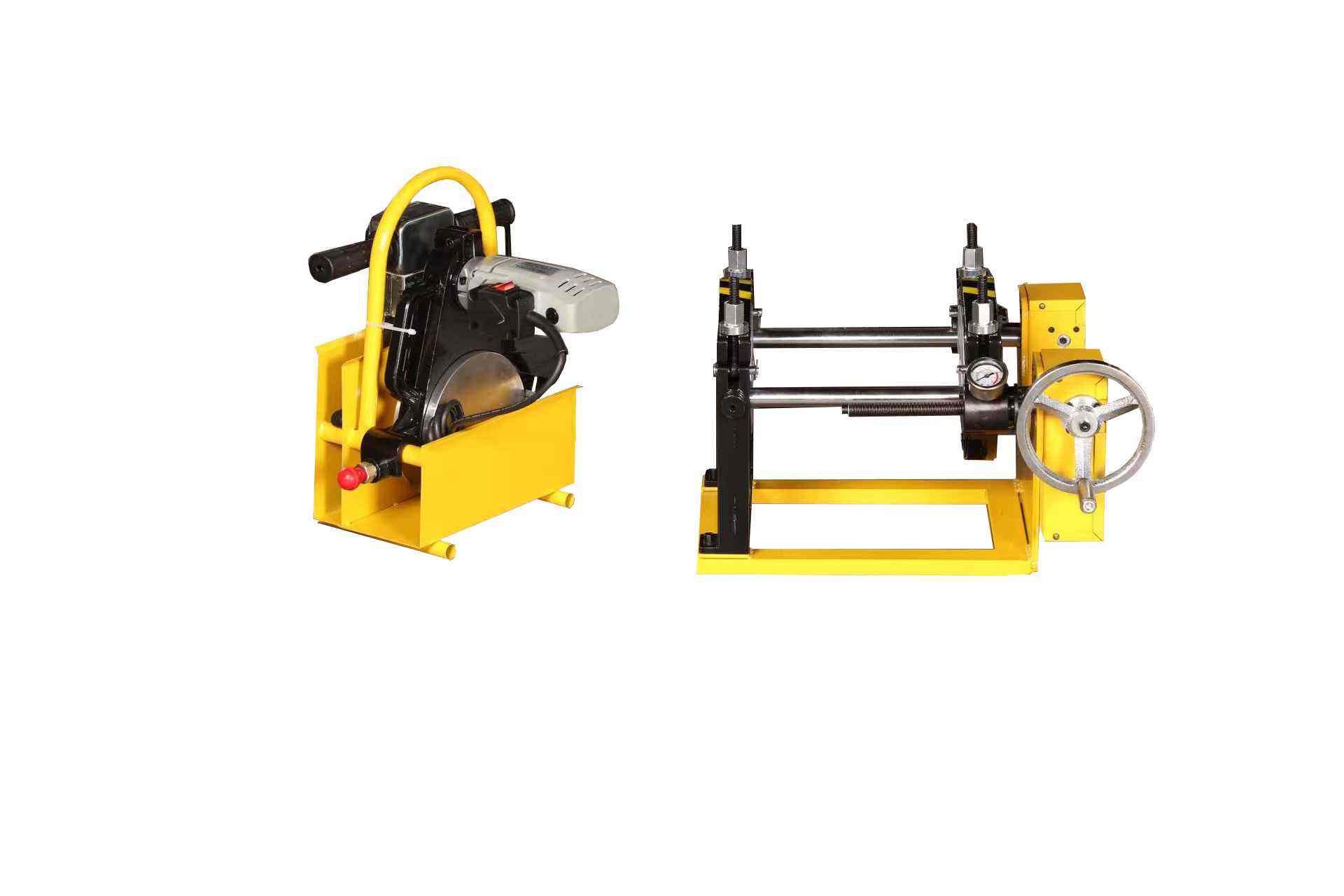

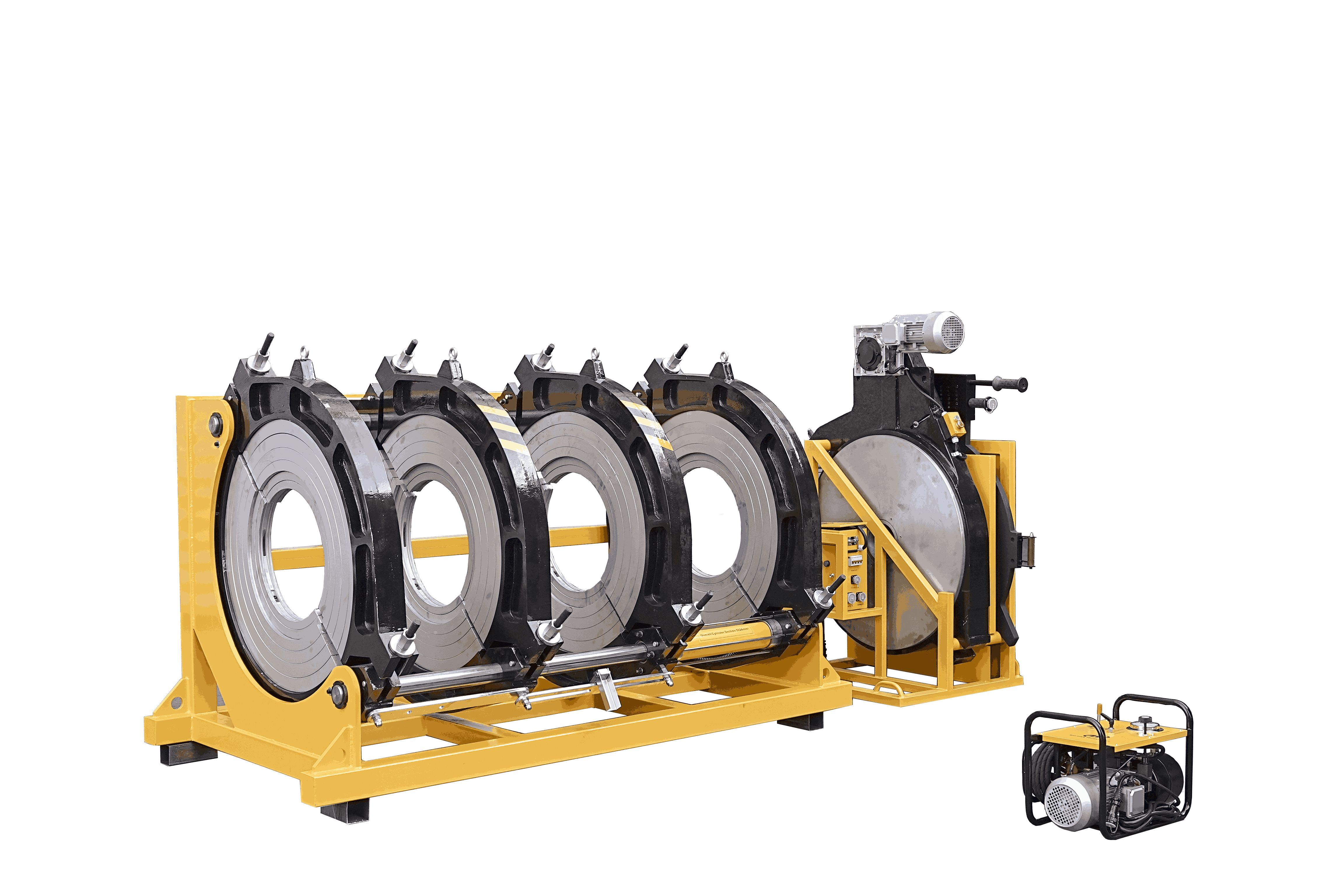
The HDPE thermofusion welding machine represents cutting-edge technology designed specifically for joining high-density polyethylene pipes and fittings through precise heat fusion processes. This sophisticated equipment creates permanent, leak-proof connections by heating pipe ends to their melting point and fusing them together under controlled pressure conditions. The machine operates through automated heating cycles that ensure consistent temperature distribution across the welding surface, eliminating human error and delivering reliable joint integrity. Modern HDPE thermofusion welding machines incorporate advanced microprocessor controls that monitor temperature, pressure, and timing parameters throughout each welding cycle. These systems feature digital displays showing real-time welding data, allowing operators to track performance metrics and maintain quality standards. The equipment typically includes interchangeable heating plates sized for various pipe diameters, ranging from small residential applications to large industrial installations. Temperature control systems maintain precise heating zones, ensuring optimal fusion temperatures without material degradation. The welding process begins with pipe preparation, where ends are faced and cleaned to remove contaminants. The machine then heats both surfaces simultaneously while maintaining exact alignment through mechanical clamping systems. Once proper fusion temperature is achieved, heated surfaces are brought together under predetermined pressure, creating molecular bonding between pipe materials. Cooling cycles follow specific timing protocols to achieve maximum joint strength. Applications span numerous industries including water distribution systems, gas transmission networks, industrial process piping, and municipal infrastructure projects. The technology proves especially valuable in environments requiring chemical resistance, durability, and long-term reliability. HDPE thermofusion welding machines accommodate various pipe sizes and wall thicknesses, making them versatile solutions for diverse project requirements. Safety features include automatic shut-off systems, thermal protection circuits, and operator shields protecting against heat exposure during operation.

Popular Products

HDPE thermofusion welding machines deliver exceptional value through multiple practical benefits that directly impact project success and operational efficiency. These machines eliminate the need for mechanical fittings, reducing material costs and potential failure points throughout pipeline systems. The fusion welding process creates joints stronger than the original pipe material, ensuring superior structural integrity that withstands extreme pressure conditions and environmental stresses. Operators benefit from simplified training requirements, as modern machines feature intuitive controls and automated welding sequences that minimize skill-dependent variables. The consistent welding quality achieved through precise temperature and pressure control reduces rework costs and project delays commonly associated with manual welding techniques. Time savings represent another significant advantage, with automated heating cycles and standardized procedures accelerating installation schedules compared to traditional joining methods. The machines produce zero-leakage joints that eliminate ongoing maintenance expenses related to joint failures and system repairs. Environmental benefits include reduced waste generation, as thermofusion welding creates no consumable materials or harmful emissions during operation. Long-term cost effectiveness emerges through extended pipeline service life, with properly fused HDPE joints lasting decades without degradation or performance loss. Versatility across pipe sizes and applications makes these machines valuable investments for contractors handling diverse project types. The equipment operates effectively in various weather conditions, providing reliable performance during challenging installation environments. Quality assurance features built into modern machines include data logging capabilities that document welding parameters for each joint, supporting quality control protocols and regulatory compliance requirements. Reduced labor costs result from faster installation times and decreased crew size requirements compared to alternative joining methods. The machines eliminate inventory complexities associated with multiple fitting sizes and configurations, simplifying material management and reducing storage requirements. Safety improvements include reduced exposure to hazardous chemicals or flames typically required in other welding processes. Energy efficiency features minimize power consumption while maintaining optimal welding performance, reducing operational costs throughout equipment lifecycle.

Tips And Tricks

Global Fusion Welding Machinery Market Booms, Hangzhou Welding Leads Chinese Manufacturing to Serve 100+ Countries

11

Feb

Global Fusion Welding Machinery Market Booms, Hangzhou Welding Leads Chinese Manufacturing to Serve 100+ Countries

View More
Technological Innovation Drives Industry Upgrade, Hangzhou Welding Leads the Development of Thermoplastic Welding Technology

11

Feb

Technological Innovation Drives Industry Upgrade, Hangzhou Welding Leads the Development of Thermoplastic Welding Technology

View More
Accelerating Global Layout, Hangzhou Welding Technology Drives International Market Development with the Dual Wheels of

11

Feb

Accelerating Global Layout, Hangzhou Welding Technology Drives International Market Development with the Dual Wheels of "Products + Services"

View More

Get a Free Quote

Our representative will contact you soon.
E-mail
Name
Mobile/WhatsApp
Company Name
Message
0/1000

hdpe thermofusion welding machine

Advanced Temperature Control System

Advanced Temperature Control System

The sophisticated temperature control system incorporated in modern HDPE thermofusion welding machines represents a revolutionary advancement in welding precision and reliability. This system utilizes multiple thermal sensors strategically positioned throughout the heating plates to monitor temperature distribution with exceptional accuracy. The microprocessor-based control unit continuously adjusts heating elements to maintain uniform temperature across the entire welding surface, eliminating hot spots or cold zones that could compromise joint integrity. Digital temperature displays provide real-time feedback to operators, showing exact temperatures at multiple measurement points throughout the welding process. The system automatically compensates for ambient temperature variations, wind conditions, and other environmental factors that traditionally affected welding quality. Programmable temperature profiles allow operators to customize heating cycles for specific pipe materials, wall thicknesses, and diameter requirements. The advanced control system includes safety interlocks that prevent welding operations if temperature parameters fall outside acceptable ranges, protecting both equipment and pipe materials from damage. Thermal memory functions store successful welding profiles for repeat applications, ensuring consistent results across multiple joints and different operators. The system features rapid heating capabilities that reduce cycle times while maintaining precise temperature control, improving productivity without sacrificing quality. Automatic temperature calibration routines ensure measurement accuracy over extended periods, reducing maintenance requirements and extending equipment service life. The control system generates detailed temperature logs for each welding cycle, providing documentation for quality assurance programs and regulatory compliance. Integration with data management systems allows remote monitoring and analysis of welding performance trends. The sophisticated algorithms governing temperature control respond instantaneously to changing conditions, maintaining optimal welding parameters throughout the entire fusion process. This level of precision control results in consistently superior joint quality that exceeds industry standards for strength and durability.
Precision Pressure Control Mechanism

Precision Pressure Control Mechanism

The precision pressure control mechanism built into professional HDPE thermofusion welding machines ensures optimal fusion conditions through sophisticated hydraulic or pneumatic systems that deliver exact force application during the welding process. This critical component maintains consistent pressure throughout the entire fusion cycle, preventing under-fusion or over-fusion conditions that could compromise joint integrity. The system incorporates pressure sensors and feedback controls that continuously monitor and adjust applied force based on real-time welding conditions. Digital pressure displays allow operators to verify that proper force levels are maintained throughout each welding cycle, providing immediate feedback on system performance. Programmable pressure profiles accommodate different pipe sizes and material specifications, ensuring optimal fusion conditions for various application requirements. The mechanism includes automatic pressure ramp-up and hold functions that follow predetermined sequences designed to achieve maximum joint strength. Safety features prevent excessive pressure application that could damage pipe materials or create unsafe working conditions. The system compensates for operator variations in manual force application, delivering consistent results regardless of individual technique differences. Advanced pressure control algorithms account for material properties, temperature conditions, and pipe geometry to calculate optimal force requirements for each specific welding application. The mechanism features quick-release capabilities that allow rapid separation of welded components if interruption becomes necessary during the welding process. Maintenance indicators monitor system performance and alert operators when calibration or service procedures are required. The pressure control system integrates seamlessly with temperature control functions, coordinating both parameters to achieve optimal welding conditions. Data logging capabilities record pressure profiles for each welding cycle, supporting quality documentation and process improvement initiatives. The robust construction of pressure control components ensures reliable operation under demanding field conditions and extended service intervals. Regular calibration procedures maintain measurement accuracy and system reliability over equipment lifetime.
Comprehensive Quality Assurance Features

Comprehensive Quality Assurance Features

Modern HDPE thermofusion welding machines incorporate comprehensive quality assurance features that transform welding operations from skill-dependent processes into standardized, documented procedures that consistently deliver superior results. These advanced systems include integrated data acquisition capabilities that automatically record critical welding parameters for each joint, creating permanent documentation of temperature, pressure, timing, and environmental conditions throughout the entire welding cycle. Barcode scanning functionality allows operators to link welding data with specific pipe materials, operator credentials, and project locations, ensuring complete traceability throughout pipeline installations. The quality assurance system generates automatic pass/fail determinations based on predetermined acceptance criteria, eliminating subjective quality assessments and ensuring consistent standards across all welding operations. Real-time monitoring displays alert operators immediately when welding parameters deviate from acceptable ranges, allowing corrective action before joint quality becomes compromised. Statistical process control functions analyze welding trends over time, identifying potential equipment issues or operator training needs before they impact project quality. The system produces detailed welding reports that include graphical representations of temperature and pressure profiles, supporting quality documentation requirements for critical infrastructure projects. Automatic backup systems protect welding data against loss, ensuring permanent records remain available for future reference or regulatory inspections. Integration capabilities allow welding data to interface with project management systems, streamlining quality documentation workflows and reducing administrative overhead. The quality assurance features include operator authentication systems that verify welder qualifications before allowing equipment operation, ensuring only certified personnel perform critical welding tasks. Calibration tracking functions monitor equipment accuracy over time, scheduling maintenance intervals and alerting operators when calibration verification becomes necessary. Remote monitoring capabilities allow quality supervisors to oversee welding operations from central locations, providing real-time oversight of multiple work crews simultaneously. The comprehensive quality system supports various industry standards and regulatory requirements, adapting documentation formats to match specific project specifications and approval processes.

Get a Free Quote

Our representative will contact you soon.
E-mail
Name
Mobile/WhatsApp
Company Name
Message
0/1000