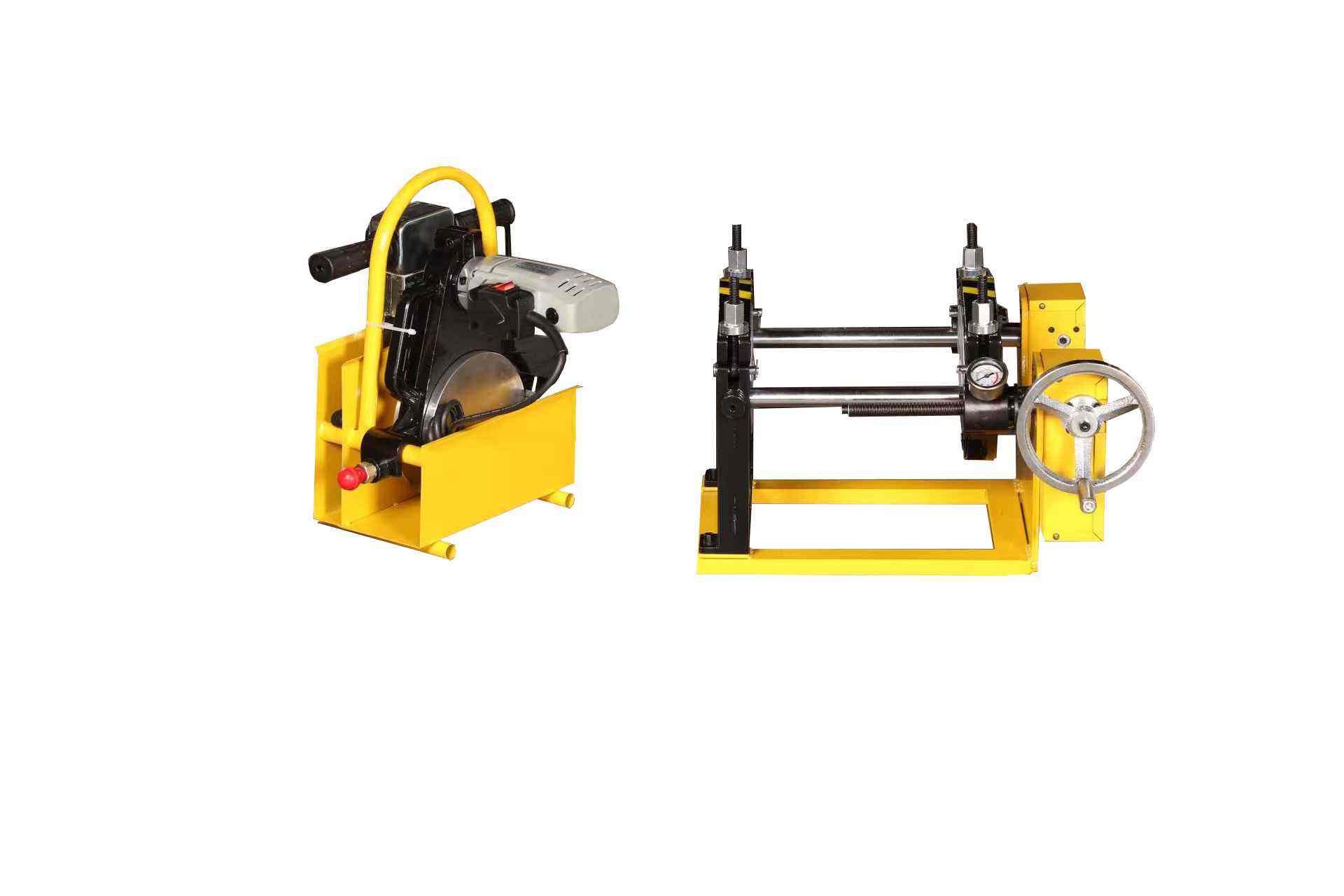
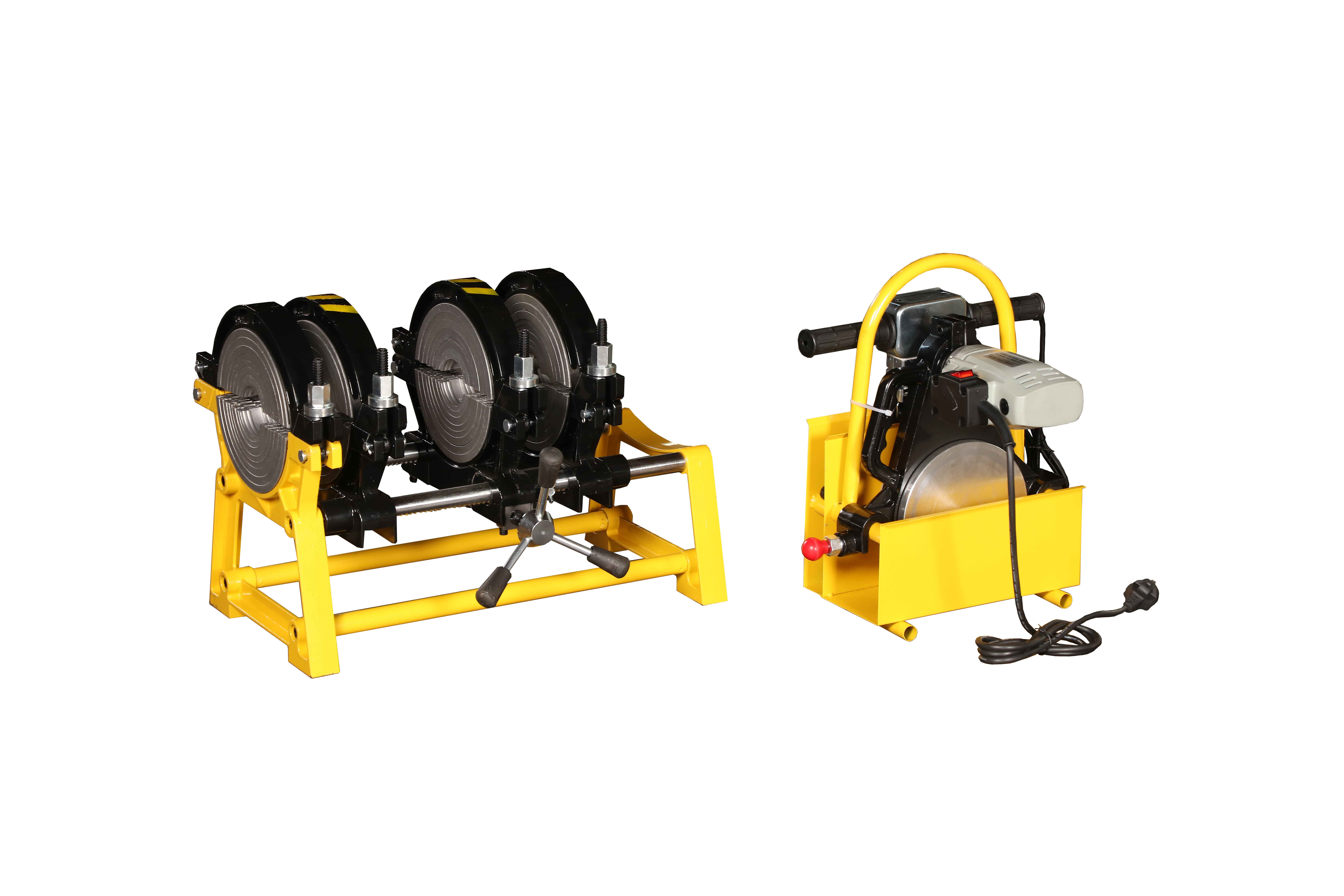
hdpe thermofusion welder
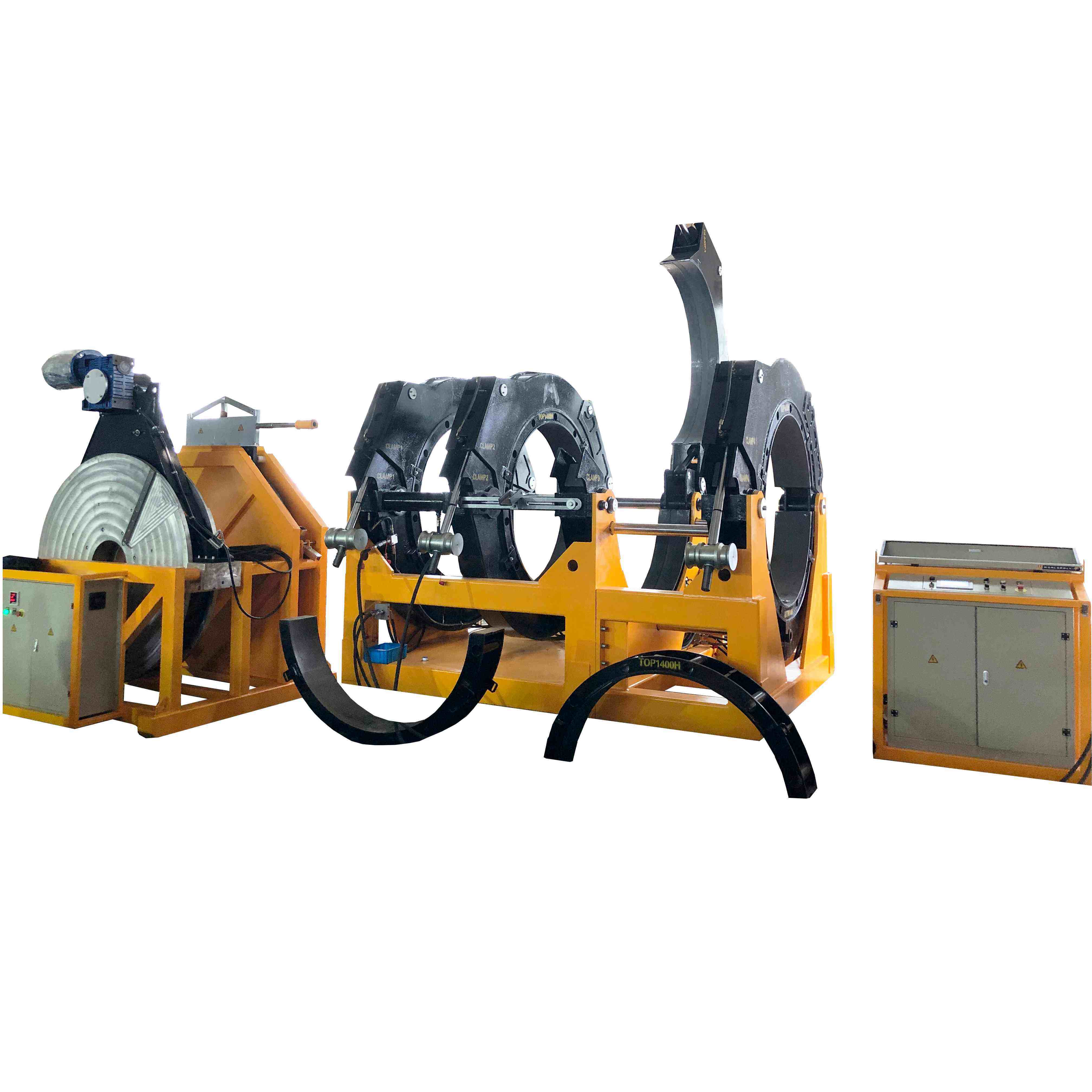
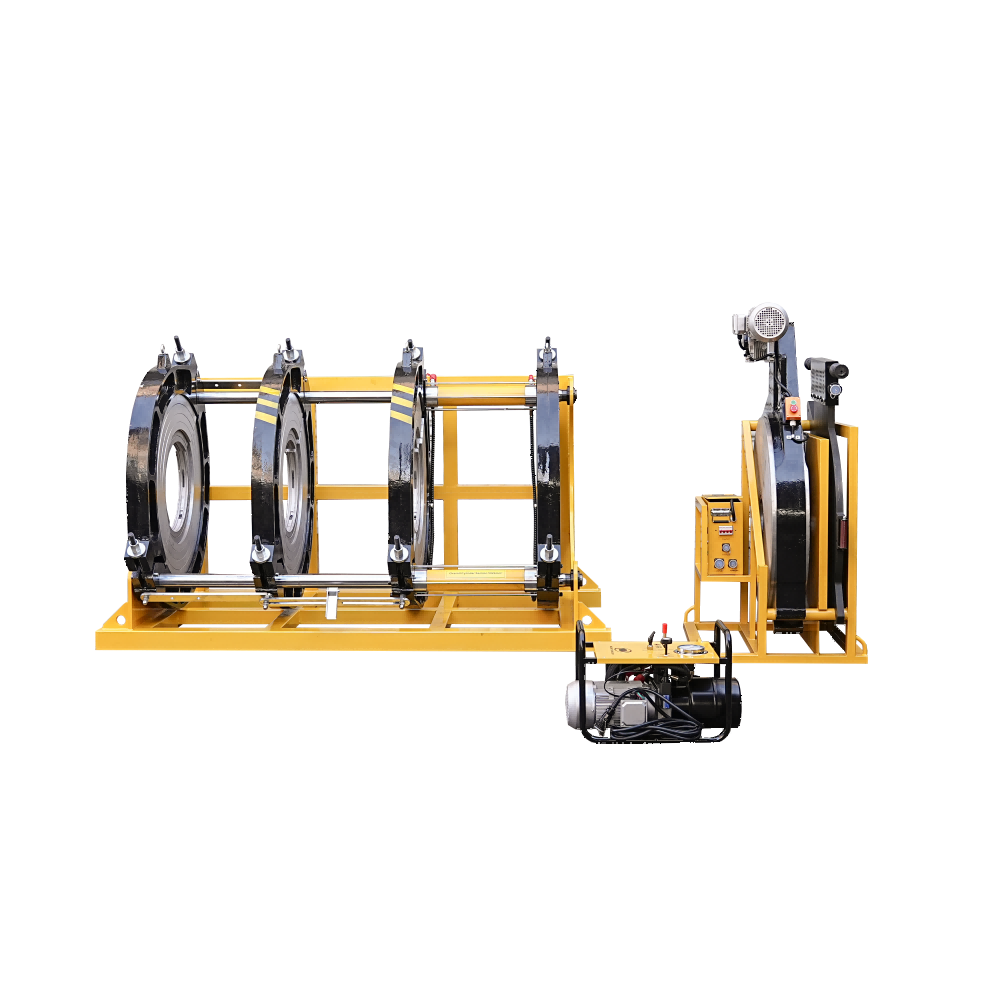
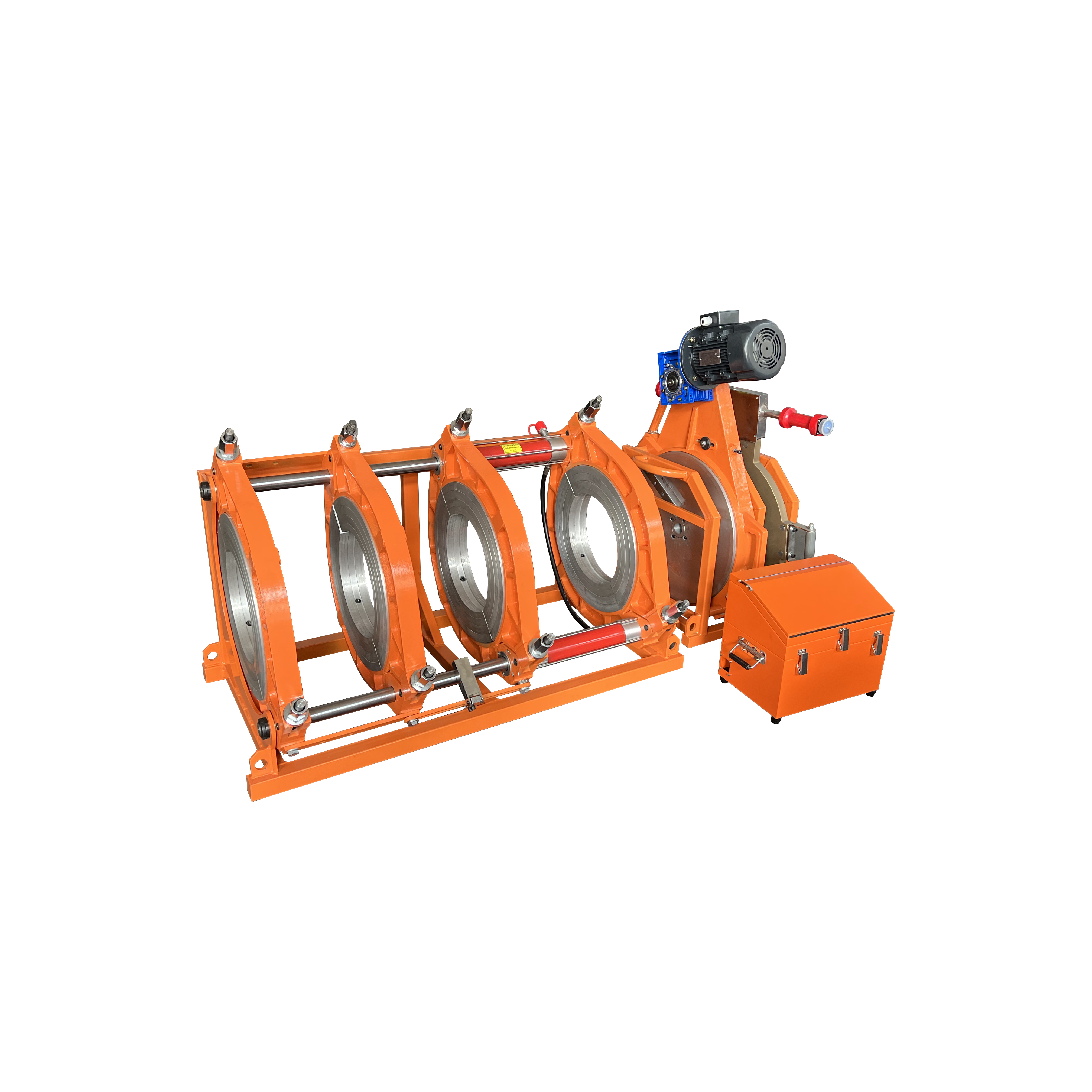
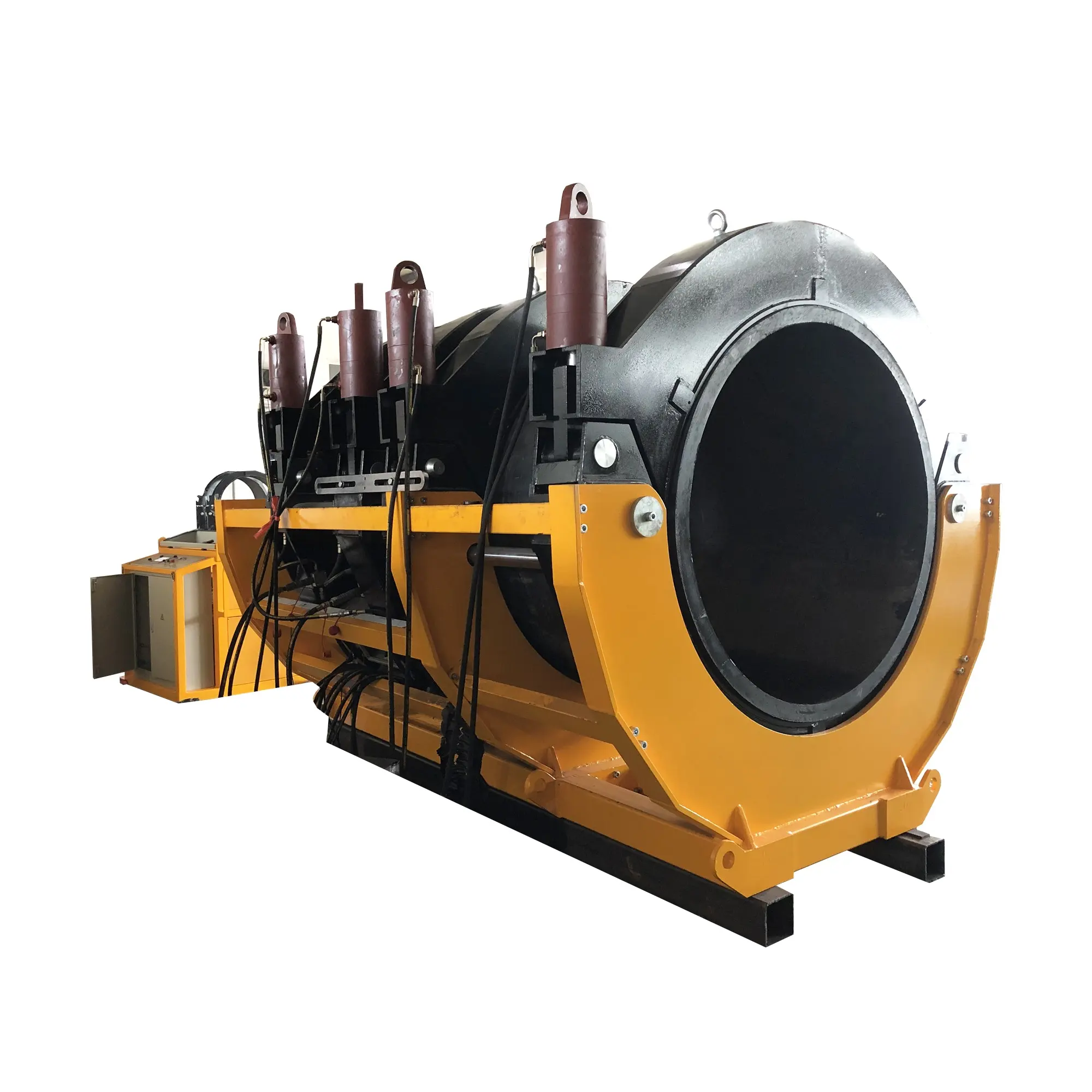
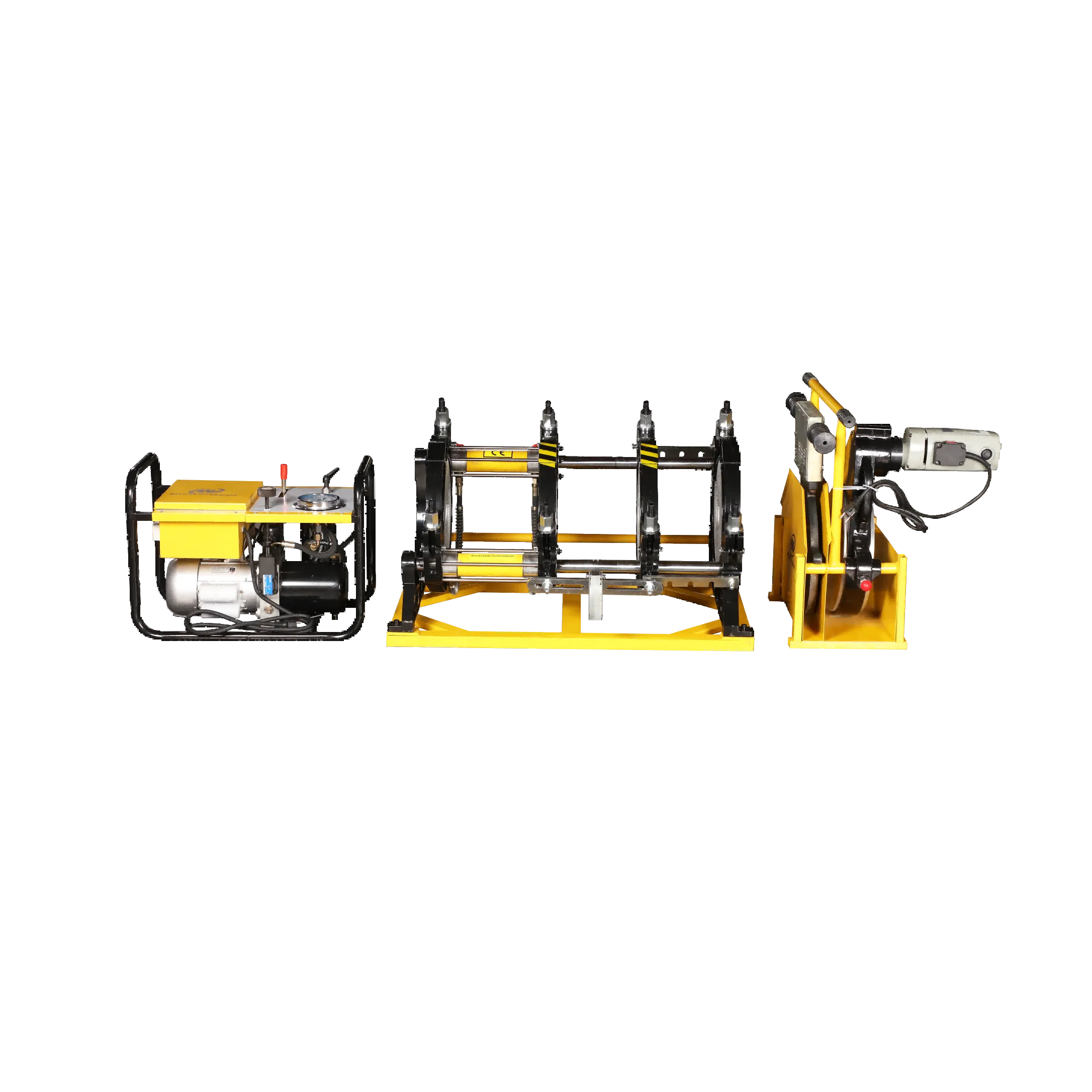
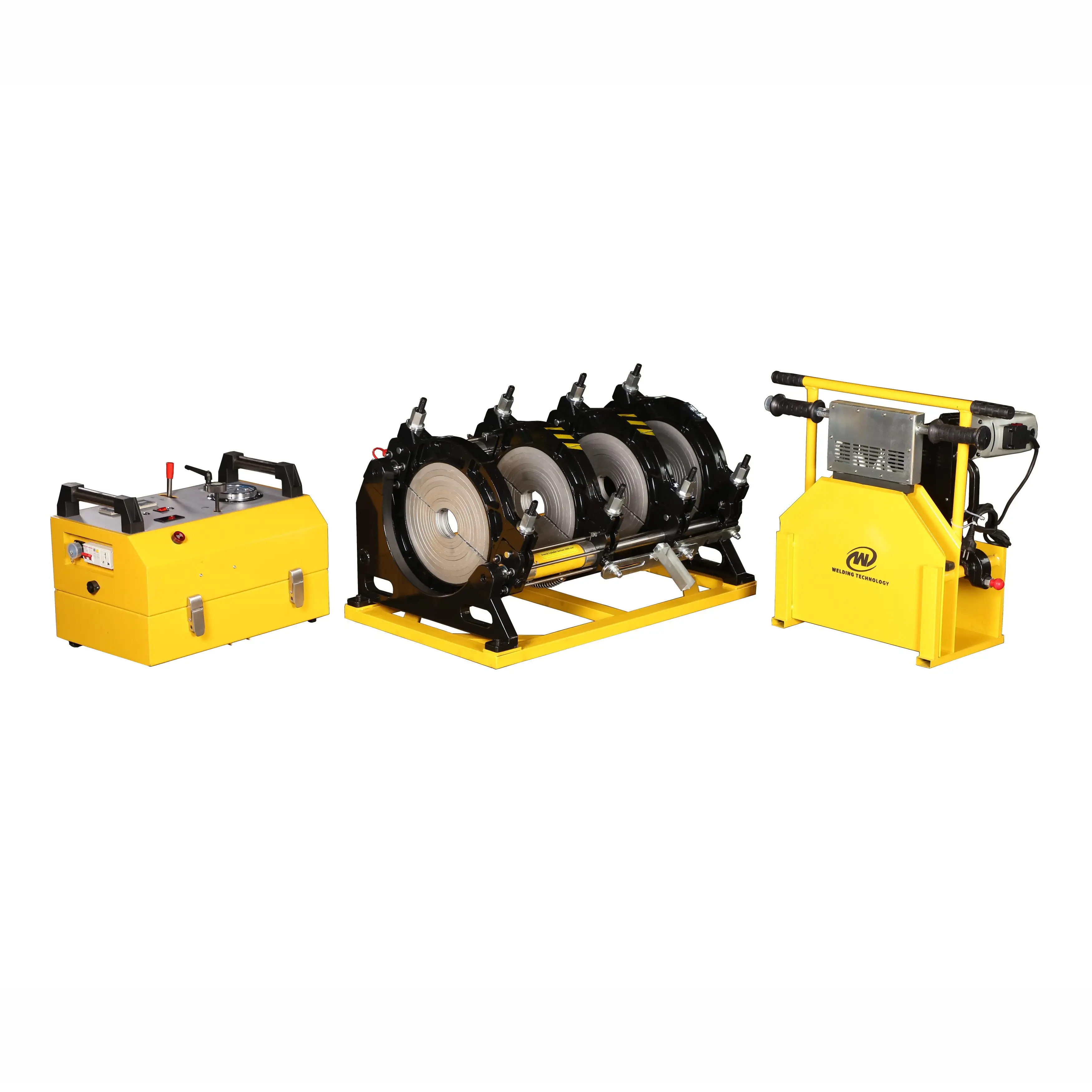
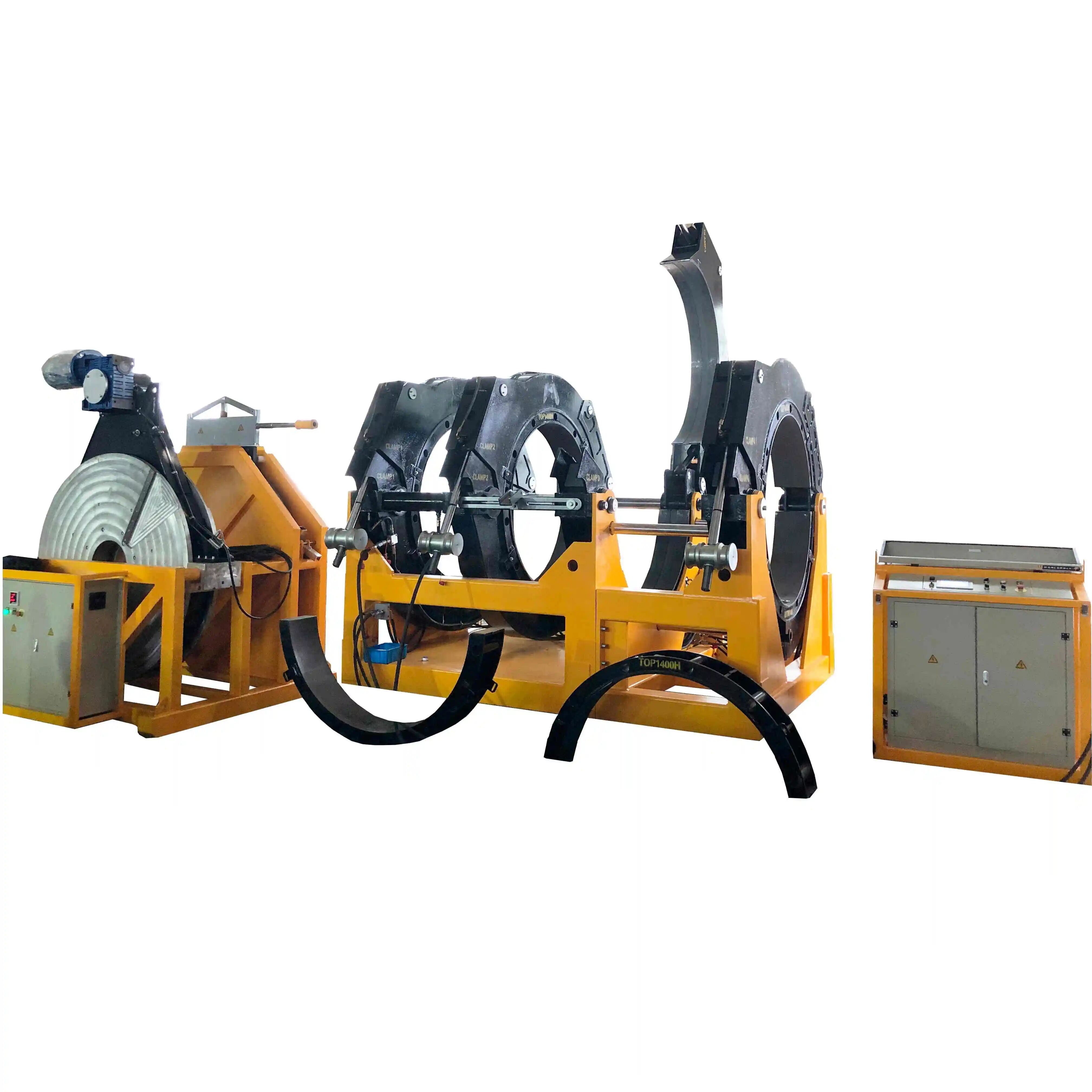
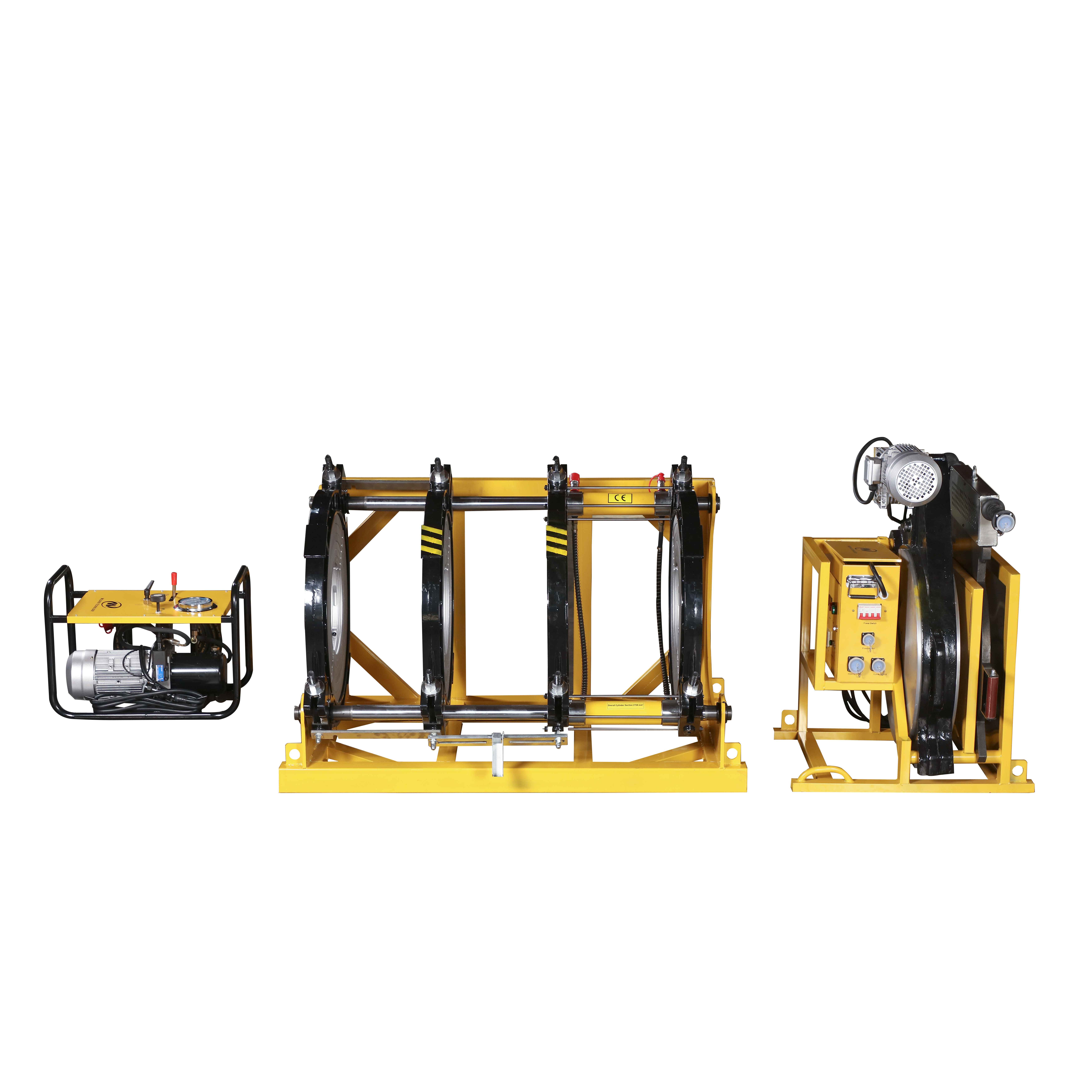
The hdpe thermofusion welder represents a sophisticated piece of equipment designed specifically for joining high-density polyethylene pipes and fittings through controlled heat application. This specialized welding system creates permanent, leak-proof connections that match or exceed the strength of the original pipe material itself. At its core, the hdpe thermofusion welder operates by heating the surfaces of two HDPE components to their melting point, then pressing them together under controlled pressure to form a molecular bond. This process eliminates the need for mechanical fasteners, adhesives, or additional sealing materials. The technology behind these welders incorporates precision temperature control systems, hydraulic pressure mechanisms, and alignment fixtures that ensure consistent, high-quality joints every time. Modern hdpe thermofusion welder units feature digital displays that monitor critical parameters including heating temperature, fusion pressure, cooling time, and cycle completion status. These machines come in various sizes and configurations, from portable manual units suitable for field installations to large automated systems designed for factory production environments. The main functions include butt fusion welding, socket fusion welding, and saddle fusion welding, each serving different connection requirements. Butt fusion joins pipes end-to-end, socket fusion connects pipes to fittings, and saddle fusion attaches branch connections to main lines. The technological features of an hdpe thermofusion welder include adjustable heating plates with non-stick coatings, hydraulic systems that deliver precise fusion pressure, mechanical alignment clamps that hold components in perfect position, and programmable controls that automate the welding sequence. Applications span across water distribution networks, natural gas transmission pipelines, industrial process piping, mining operations, geothermal systems, landfill leachate collection, and agricultural irrigation infrastructure. The versatility of the hdpe thermofusion welder makes it indispensable in sectors requiring durable, corrosion-resistant piping solutions that can withstand decades of service in challenging environments.

 EN
EN