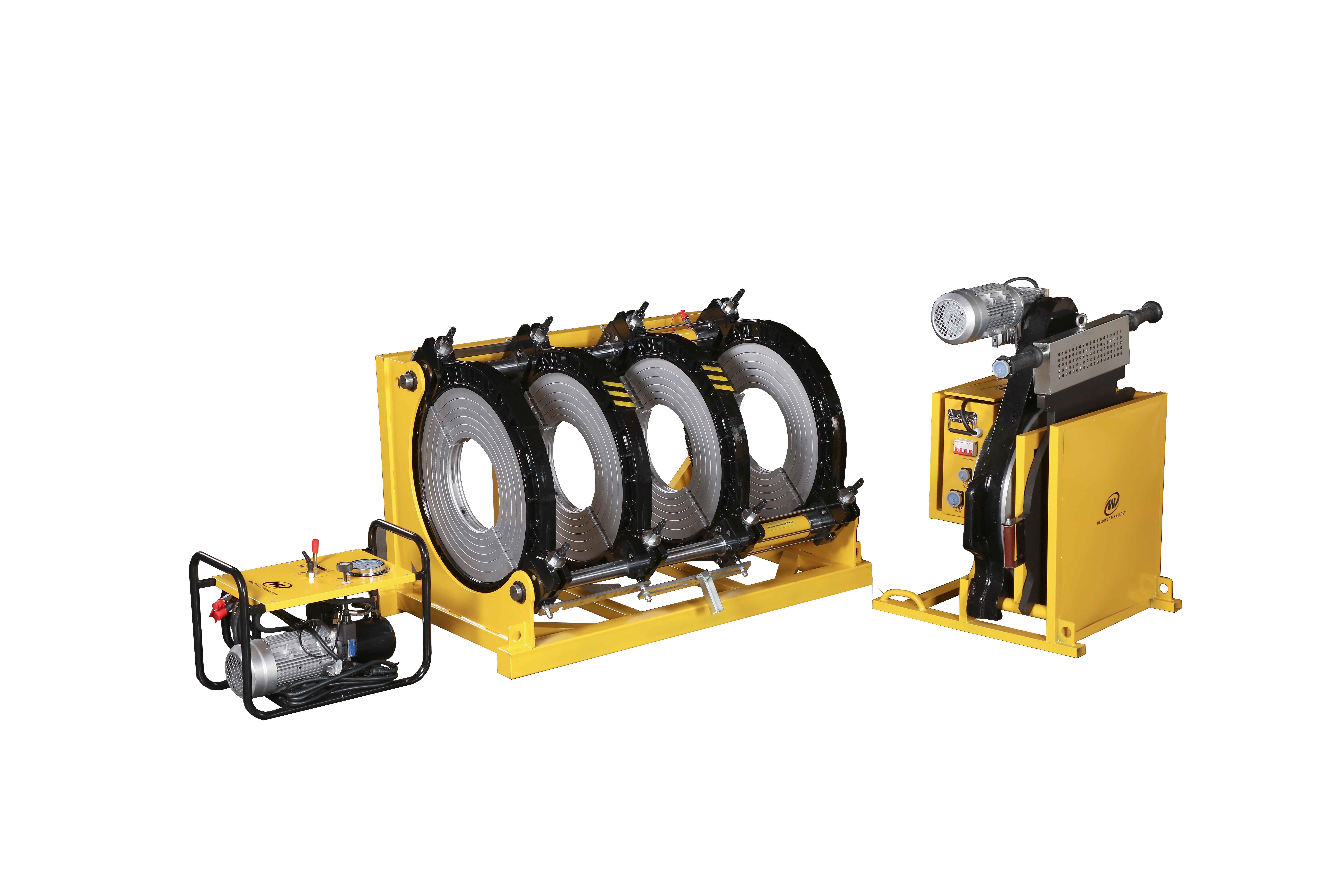
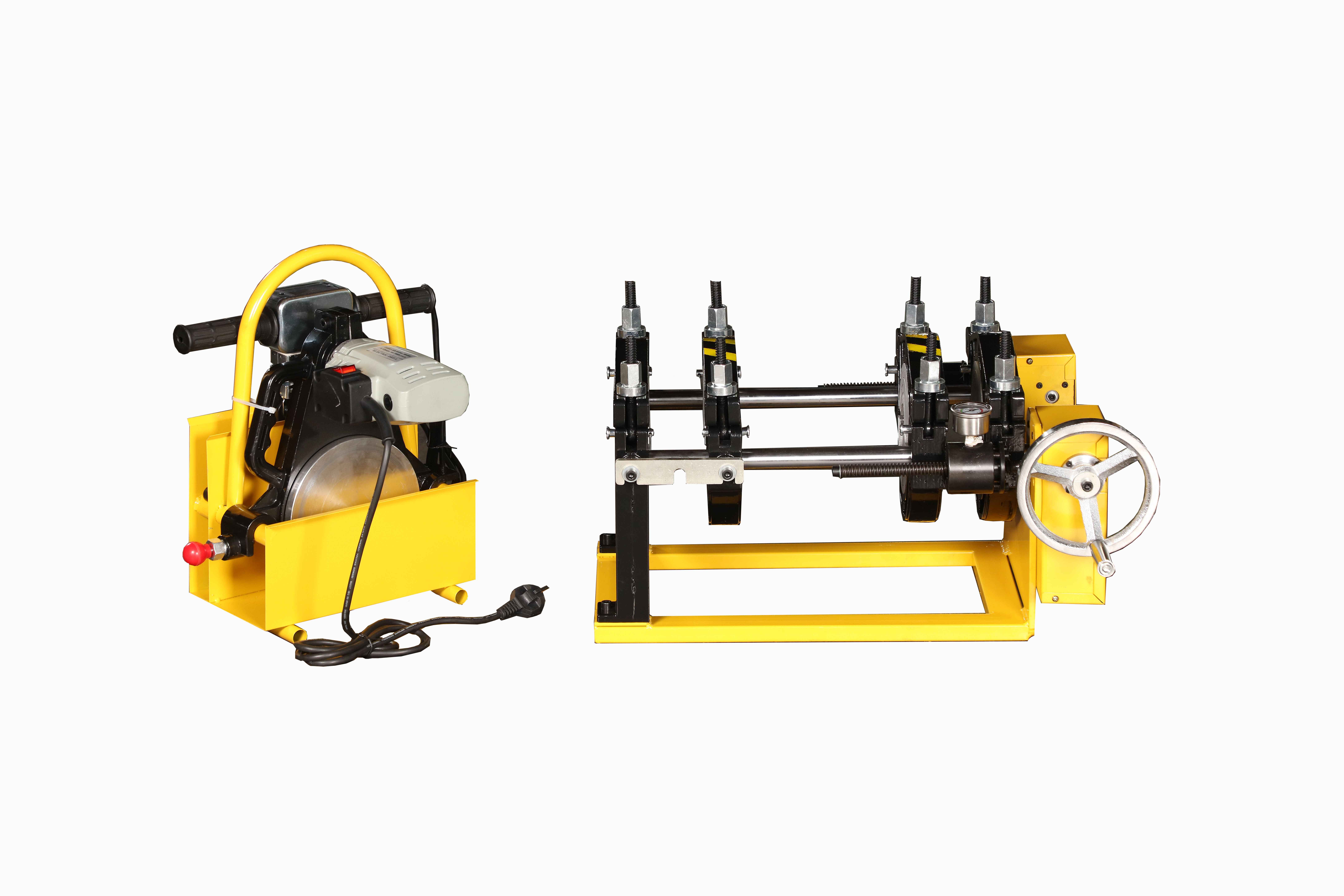
HDPE Thermofusion Machine: Advanced Pipe Welding Solutions for Durable Connections

Get a Free Quote

Our representative will contact you soon.
E-mail
Name
Mobile/WhatsApp
Company Name
Message
0/1000

hdpe thermofusion machine

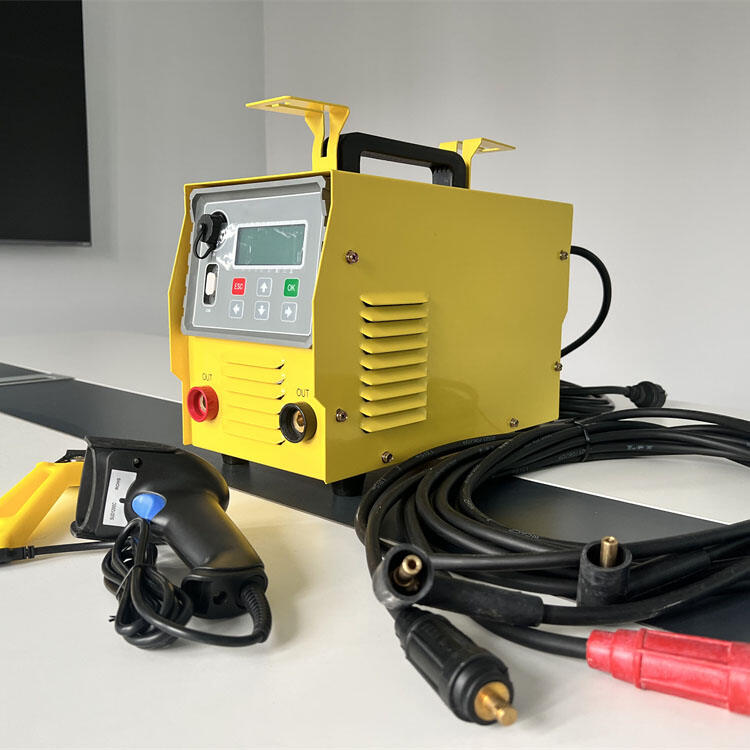
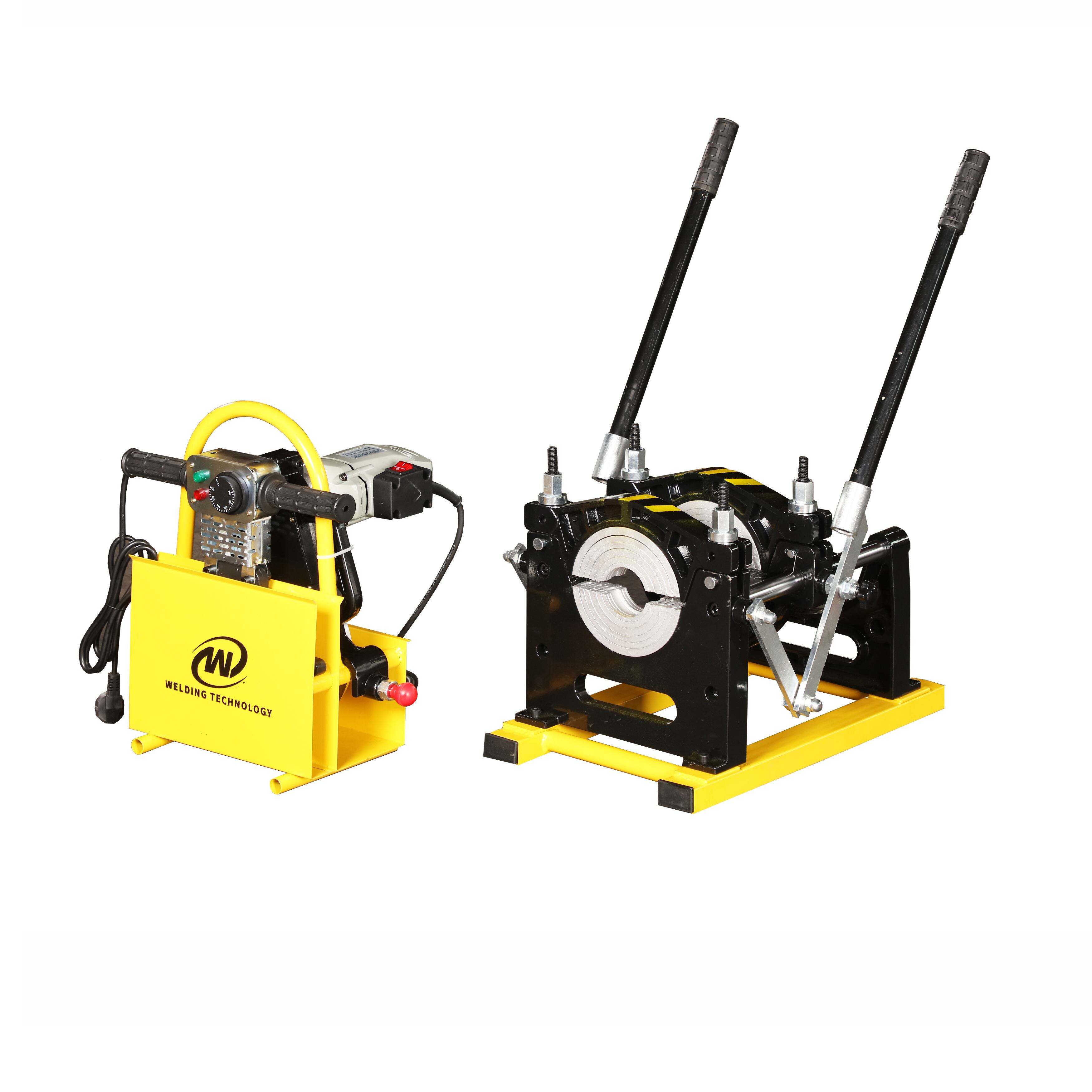
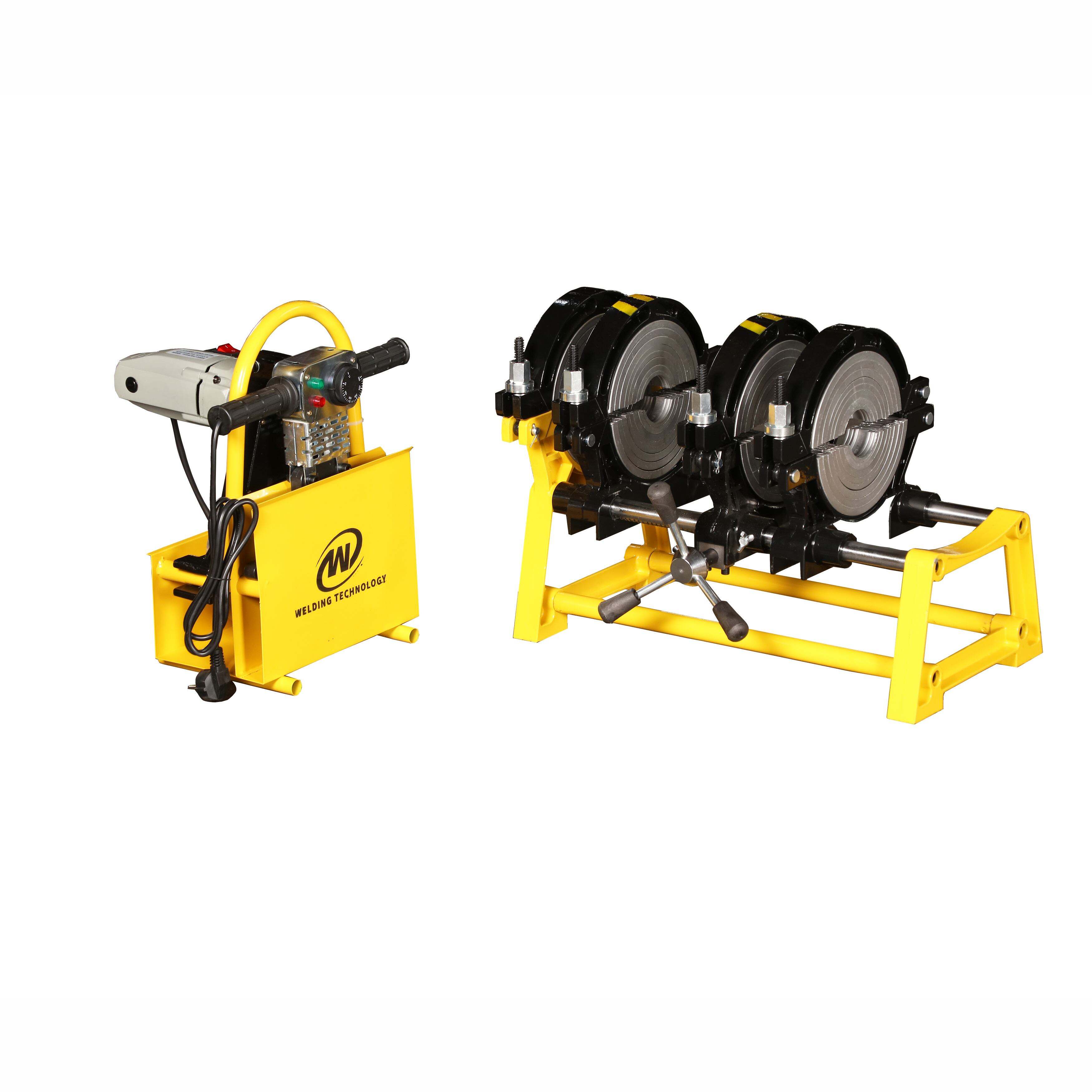
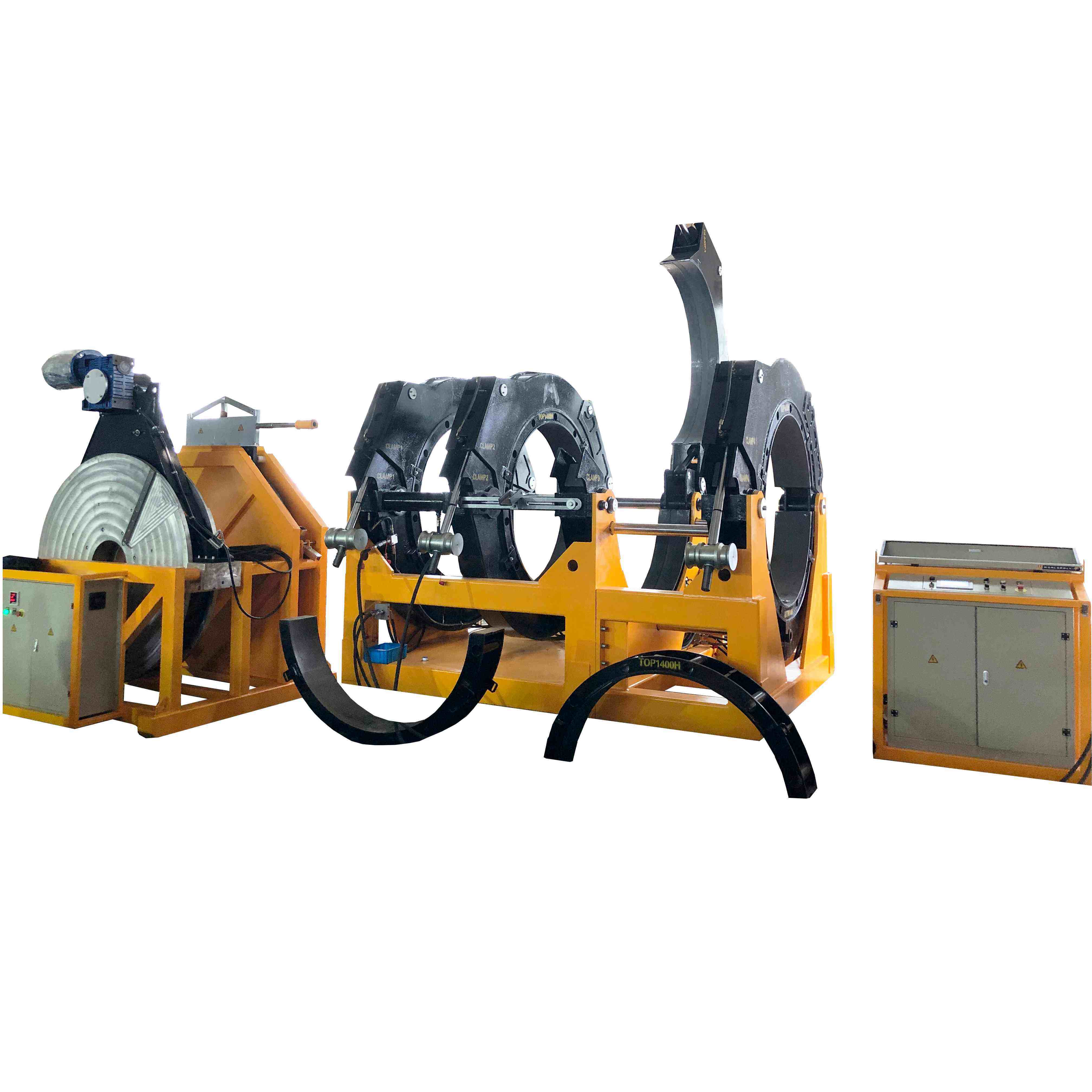
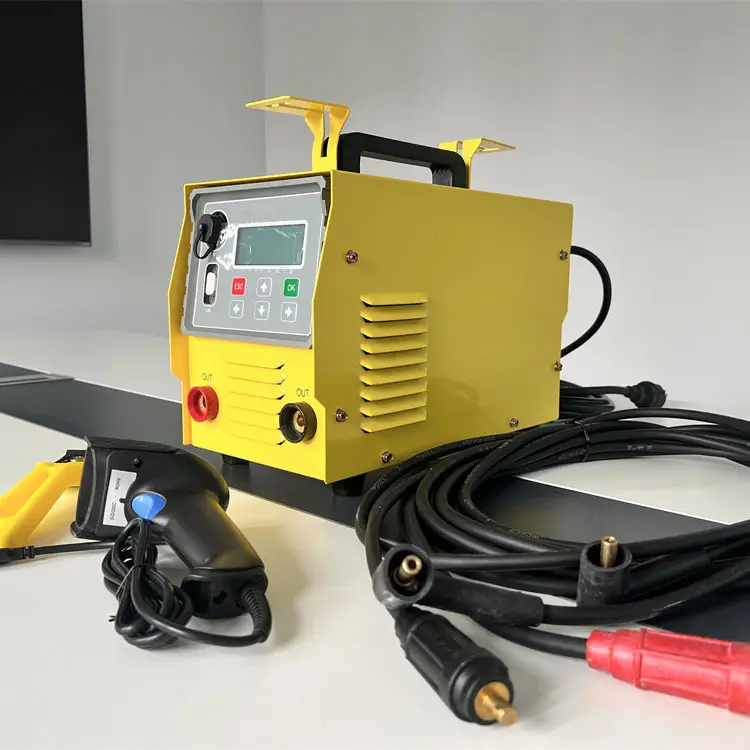
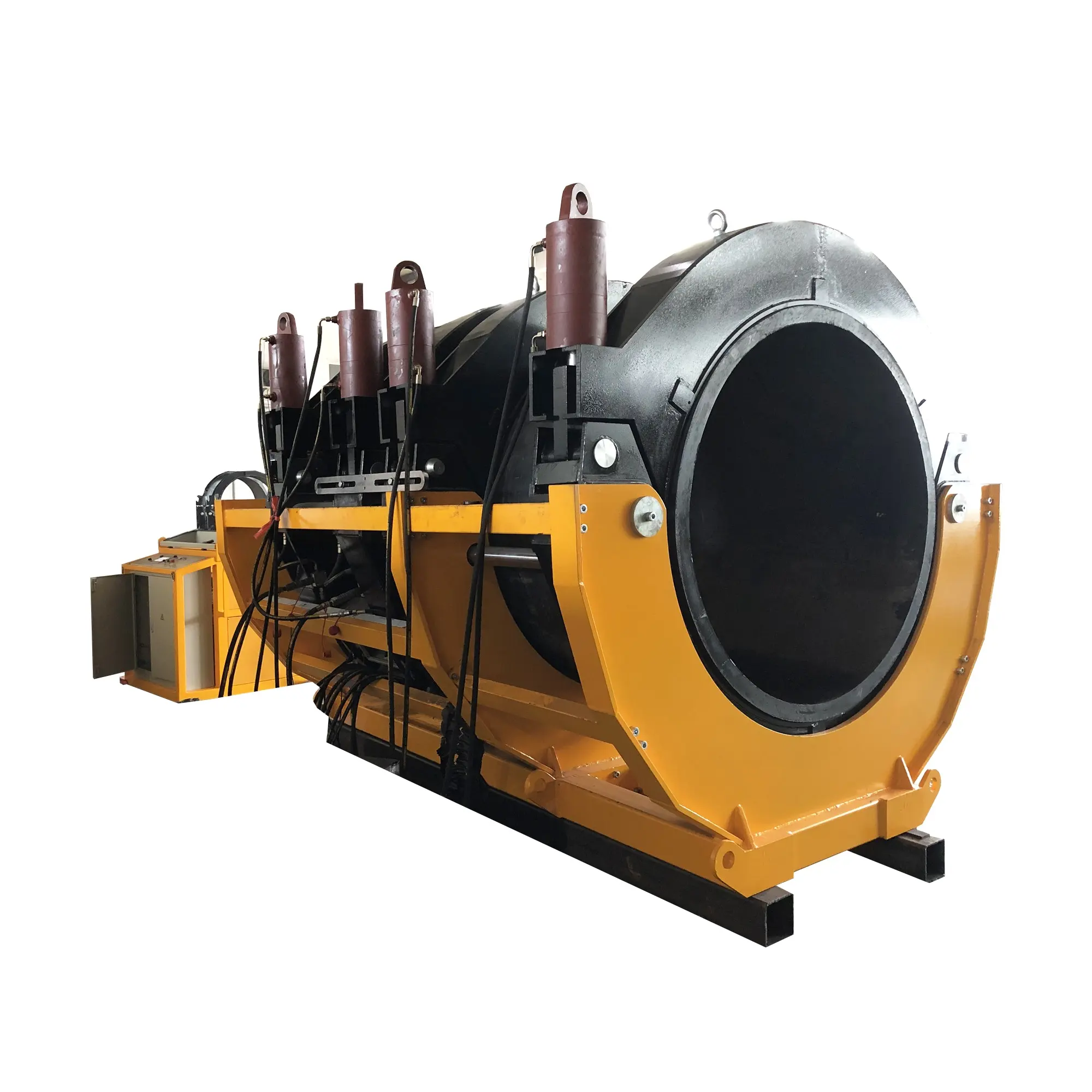
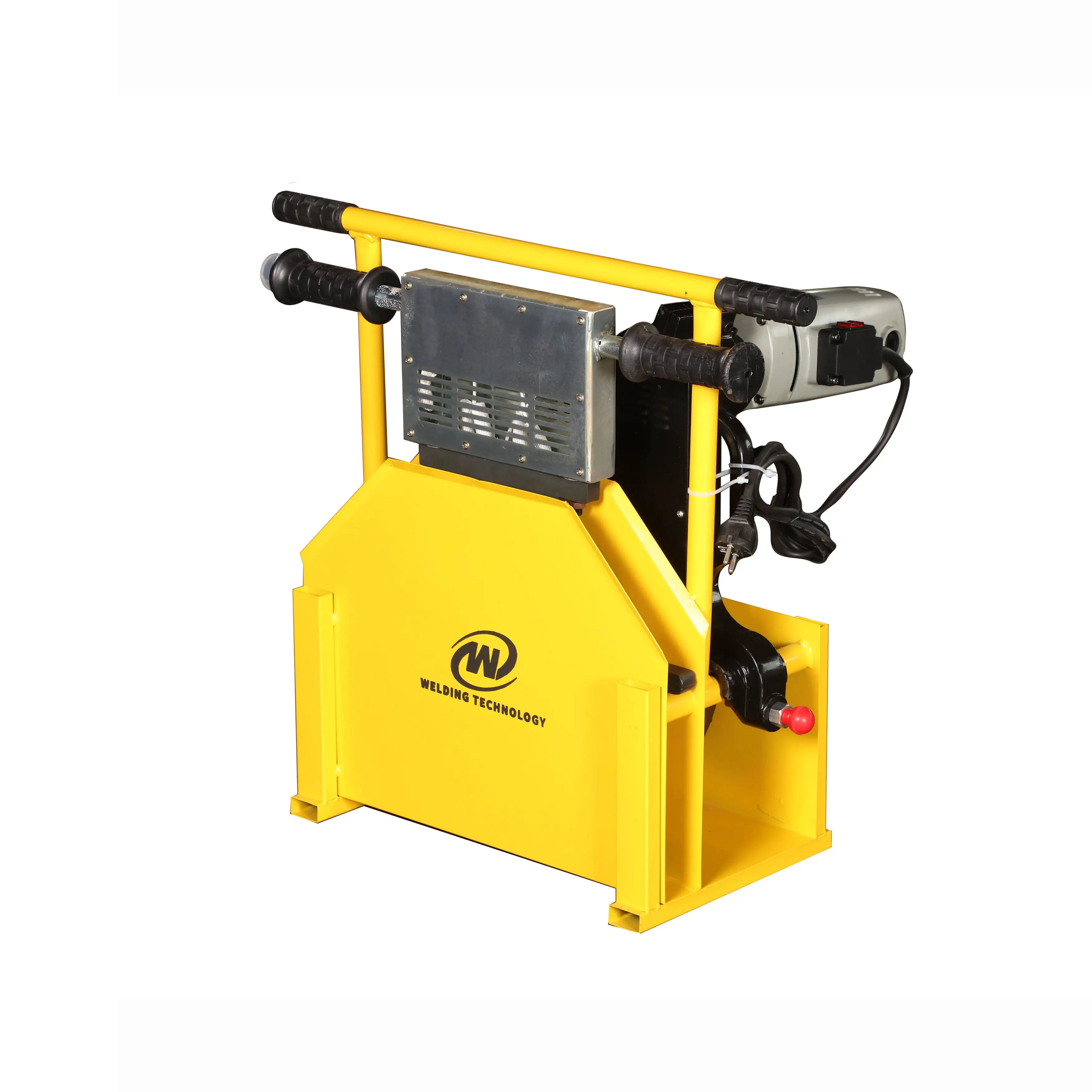
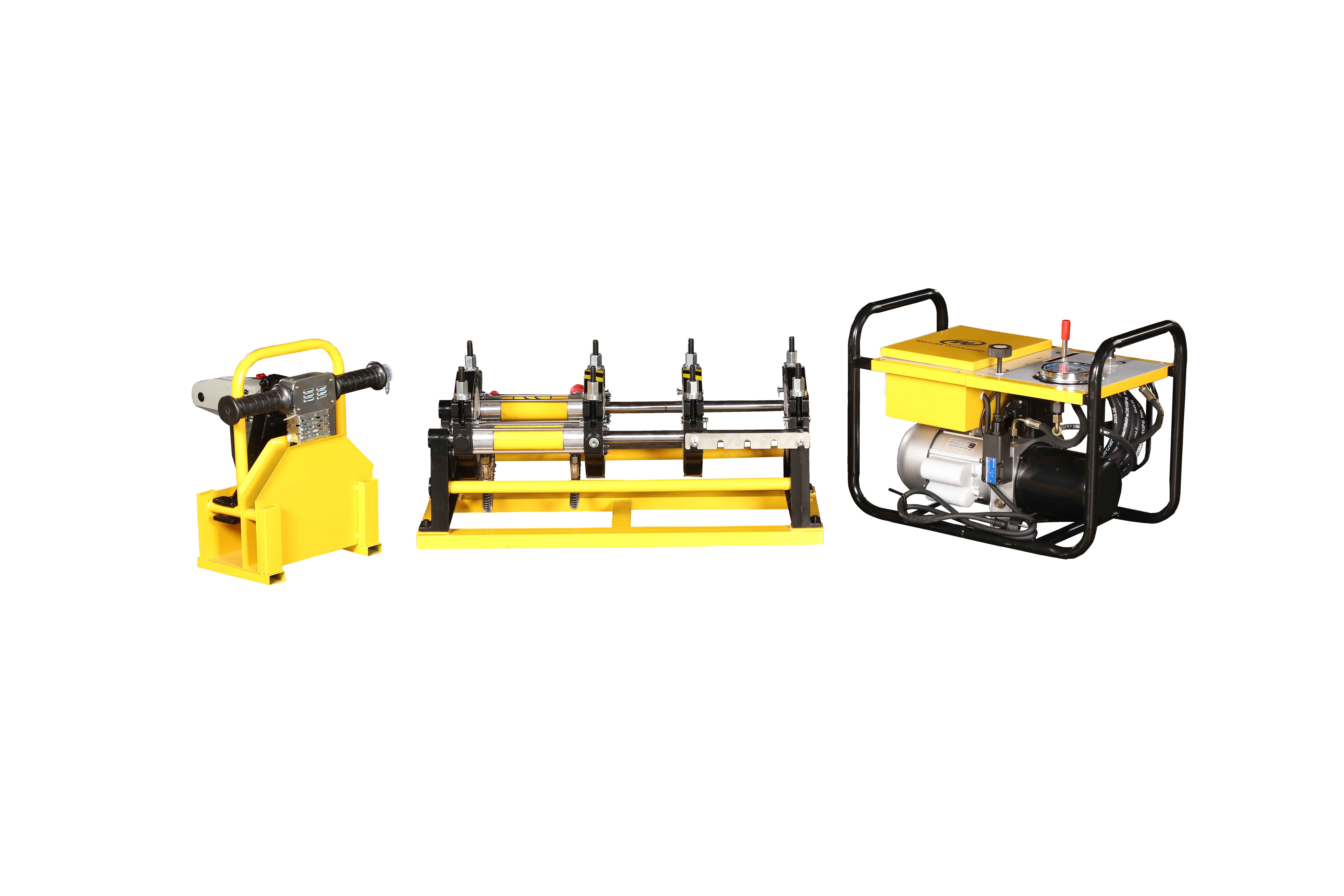
The hdpe thermofusion machine represents a specialized welding equipment designed specifically for joining high-density polyethylene pipes and fittings through controlled heat application. This sophisticated device creates permanent, leak-proof connections by heating the pipe ends to their melting point and then pressing them together under precise pressure. The main functions of an hdpe thermofusion machine include butt fusion welding, where two pipe ends are joined directly, and electrofusion processes for connecting pipes with special fittings. Modern units incorporate digital temperature controllers, hydraulic pressure systems, and automated alignment mechanisms to ensure consistent weld quality. The technological features of these machines include precise temperature regulation ranging from 200 to 260 degrees Celsius, adjustable pressure settings to accommodate various pipe diameters, and computerized control panels that monitor the entire fusion process. Many advanced models feature data logging capabilities, storing welding parameters for quality assurance and traceability purposes. The machines are available in various sizes, from portable manual units for field applications to large automated systems for industrial installations. Applications span multiple industries including municipal water supply systems, natural gas distribution networks, industrial process piping, mining operations, and agricultural irrigation systems. The hdpe thermofusion machine proves essential in underground installations where traditional joining methods cannot guarantee long-term reliability. Construction projects, infrastructure development, and utility maintenance operations all rely heavily on this technology. The equipment handles pipe diameters ranging from small 20mm residential lines to massive 1600mm transmission mains, demonstrating remarkable versatility across different project scales and requirements.


New Products

The hdpe thermofusion machine delivers substantial cost savings throughout the project lifecycle by eliminating the need for mechanical fittings, adhesives, or consumable materials during the joining process. Operators can complete installations faster because the fusion process takes only minutes per joint, significantly reducing labor costs and project timelines compared to traditional methods. The equipment creates joints that are actually stronger than the pipe material itself, providing exceptional durability that extends system lifespan and minimizes maintenance requirements over decades of service. Users benefit from the elimination of leak risks because thermofusion creates homogeneous molecular bonds between pipe sections, unlike mechanical connections that can loosen or degrade over time. This welding technology works effectively in challenging environments including extreme temperatures, underground installations, and corrosive soil conditions where other joining methods would fail prematurely. The machines require minimal operator training, allowing crews to achieve professional-grade results after just a few days of instruction and supervised practice. Environmental benefits include zero emissions during the welding process and no chemical solvents or adhesives that could contaminate water supplies or soil. The equipment operates reliably in remote locations without requiring external power sources when using hydraulic manual models, making it ideal for rural infrastructure projects. Quality control becomes straightforward because modern machines automatically document welding parameters, providing verifiable records for regulatory compliance and warranty purposes. The technology accommodates pipes of different wall thicknesses and pressure ratings, offering flexibility to handle diverse project specifications with a single piece of equipment. Maintenance costs remain low because these machines feature simple mechanical designs with few moving parts that could wear out or require frequent replacement. The fusion process creates visually inspectable joints where operators can immediately verify weld quality by examining the bead formation around the connection. Long-term reliability translates to fewer emergency repairs, reduced downtime, and lower total ownership costs for water utilities, gas companies, and industrial facilities. The machines preserve pipe strength because the heat-affected zone remains minimal, ensuring the joined sections maintain their full structural integrity and pressure capacity.

Practical Tips

What Is a Plastic Pipe Electric Fusion Welder and How Does It Work?

15

Apr

What Is a Plastic Pipe Electric Fusion Welder and How Does It Work?

A plastic pipe electric fusion welder is a specialized welding device designed to join thermoplastic pipes and fittings through a controlled heating process known as electrofusion. This technology has revolutionized the way polyethylene, polypropylen...
View More
How Can a Pipe Welding Machine Ensure Reliable Pipe Connections?

28

Apr

How Can a Pipe Welding Machine Ensure Reliable Pipe Connections?

Reliable pipe connections form the backbone of critical infrastructure systems across water distribution networks, natural gas pipelines, industrial processing facilities, and municipal wastewater management operations. The integrity of these connect...
View More
Why Do Engineers Choose an HDPE Thermofusion Machine for Projects?

06

Apr

Why Do Engineers Choose an HDPE Thermofusion Machine for Projects?

Engineers working on pipeline infrastructure projects face critical decisions that affect long-term performance, project budgets, and operational reliability. Among the most consequential choices is the selection of joining equipment for high-density...
View More
How Does a Plastic Pipe Electric Fusion Welder Improve Connection Strength?

03

Apr

How Does a Plastic Pipe Electric Fusion Welder Improve Connection Strength?

In industrial piping systems, the integrity of connections directly determines operational safety, longevity, and performance. Traditional mechanical joining methods such as threading, clamping, or adhesive bonding often introduce vulnerabilities inc...
View More

Get a Free Quote

Our representative will contact you soon.
E-mail
Name
Mobile/WhatsApp
Company Name
Message
0/1000

hdpe thermofusion machine

Superior Joint Integrity Through Molecular Fusion Technology

Superior Joint Integrity Through Molecular Fusion Technology

The hdpe thermofusion machine creates connections that fundamentally differ from mechanical joints by establishing molecular-level bonds between pipe sections. When the machine heats the polyethylene surfaces to the precise fusion temperature, the polymer chains at each interface begin to soften and become mobile. As the heated surfaces are pressed together under controlled pressure, these polymer chains intermingle and entangle across the joint boundary, creating a uniform molecular structure that is essentially indistinguishable from the original pipe material. This homogeneous fusion means the joint possesses the same chemical composition, physical properties, and mechanical strength as the surrounding pipe, effectively eliminating the weak point that typically exists at connections. Testing consistently demonstrates that properly executed thermofusion joints will not fail at the weld itself; instead, any potential failure would occur in the pipe body away from the connection. This remarkable strength characteristic provides engineers and project managers with complete confidence when designing high-pressure systems or critical infrastructure applications. The molecular fusion achieved by the hdpe thermofusion machine also creates an impermeable barrier against fluid migration, preventing even the smallest molecules from penetrating the joint interface. This absolute seal proves crucial for potable water systems where contamination must be completely prevented, and for natural gas distribution where even microscopic leaks represent safety hazards and economic losses. The fusion technology resists chemical attack because the joint contains no dissimilar materials, adhesives, or sealants that could degrade when exposed to aggressive fluids or soil conditions. Underground installations particularly benefit from this chemical resistance because the joints remain stable for decades despite exposure to varying pH levels, organic compounds, and mineral content in surrounding soils. The thermofusion process eliminates stress concentrations that plague mechanical fittings, where threads, grooves, or compression points create areas of weakness that can initiate cracks under cyclic loading or pressure fluctuations. The smooth, continuous material transition produced by the hdpe thermofusion machine distributes stresses evenly across the entire joint area, dramatically improving fatigue resistance and extending service life in demanding applications.
Precision Control Systems for Consistent Quality Results

Precision Control Systems for Consistent Quality Results

Modern hdpe thermofusion machines incorporate sophisticated control systems that remove human error from the welding process and guarantee repeatable quality regardless of operator experience level. Digital temperature controllers maintain heating plate temperatures within narrow tolerances, typically plus or minus two degrees Celsius, ensuring that pipe surfaces reach the optimal fusion state without overheating or underheating. This precise thermal management proves critical because polyethylene has a relatively narrow processing window where the material softens sufficiently for fusion without degrading or oxidizing. The control systems continuously monitor actual temperature throughout the heating cycle and automatically adjust power input to compensate for ambient conditions, pipe mass, and other variables that could affect heat transfer. Automated timers built into the hdpe thermofusion machine eliminate guesswork by calculating optimal heating, soaking, and cooling durations based on pipe diameter and wall thickness parameters entered by the operator. These programmable sequences ensure each phase of the fusion process receives exactly the required duration, preventing premature joint loading or insufficient molecular bonding that could compromise weld integrity. Pressure regulation systems utilize hydraulic or pneumatic actuators to apply precisely controlled fusion force, typically specified in bars or pounds per square inch, across the entire joint interface. The equipment maintains this pressure constant throughout the cooling phase, preventing joint separation or misalignment as the material solidifies and contracts. Advanced models feature automatic data logging that records all critical parameters including temperatures, pressures, heating times, and cooling durations for every weld performed. These documented records provide quality assurance documentation for regulatory inspections, warranty validation, and forensic analysis if questions arise about installation quality. The hdpe thermofusion machine often includes alignment guides and clamping systems that ensure pipe ends meet in perfect coaxial alignment, preventing angular mismatches or offset conditions that could create turbulent flow or stress concentrations. Operator interfaces have evolved to include touchscreen displays with graphical prompts that guide technicians through each step of the fusion procedure, reducing training requirements and minimizing the possibility of procedural mistakes.
Versatile Applications Across Multiple Industrial Sectors

Versatile Applications Across Multiple Industrial Sectors

The hdpe thermofusion machine serves an extraordinarily diverse range of applications across numerous industrial sectors, demonstrating remarkable versatility that makes it an essential tool for modern infrastructure development. Municipal water utilities represent perhaps the largest application category, where these machines join distribution mains, transmission lines, and service connections that deliver potable water to residential and commercial customers. The fusion technology ensures zero leakage in these critical systems, preventing water loss that represents both economic waste and potential contamination pathways. Natural gas distribution companies rely extensively on hdpe thermofusion machines to construct safe, reliable pipeline networks that transport fuel from transmission systems to individual meters at homes and businesses. The leak-proof joints created by thermofusion technology eliminate fugitive emissions that contribute to greenhouse gas accumulation and represent safety hazards in populated areas. Mining operations utilize these machines to install slurry transport systems, tailings disposal lines, and dewatering infrastructure that must withstand abrasive materials, corrosive chemicals, and demanding pressure conditions. The chemical resistance of fused polyethylene joints ensures long-term reliability in these harsh environments where metallic systems would corrode rapidly. Agricultural irrigation systems increasingly incorporate hdpe thermofusion machine technology to create efficient water delivery networks that minimize losses and reduce pumping costs. The smooth interior of fused joints maintains optimal flow characteristics without the turbulence and friction losses associated with mechanical fittings. Industrial facilities employ these machines for process piping applications carrying chemicals, solvents, acids, and other fluids that would attack conventional piping materials and joining methods. The broad chemical compatibility of polyethylene combined with the hermetic seals created by thermofusion provides reliable containment for demanding industrial processes. Geothermal energy systems use hdpe thermofusion machines to construct ground loop heat exchangers that must remain leak-free for decades while buried in direct contact with soil and groundwater. Landfill gas collection systems rely on fusion-welded polyethylene networks to capture methane emissions for energy recovery or flaring, requiring joints that maintain integrity despite settlement, subsidence, and exposure to complex chemical mixtures. Wastewater collection and treatment facilities utilize these machines for force mains, sludge transfer lines, and chemical feed systems where corrosion resistance and absolute leak prevention are essential operational requirements.

Get a Free Quote

Our representative will contact you soon.
E-mail
Name
Mobile/WhatsApp
Company Name
Message
0/1000