Enhanced Operational Efficiency and Cost-Effectiveness
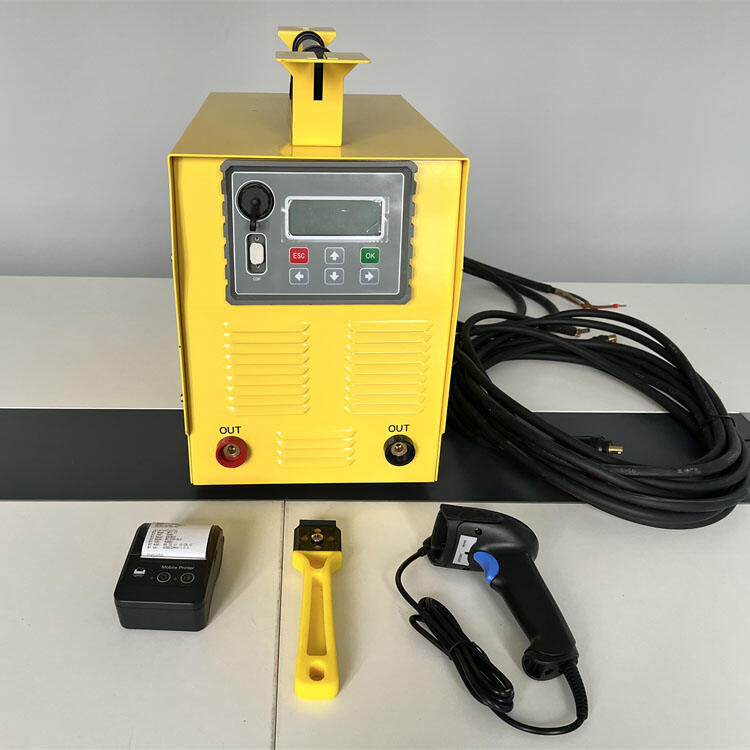
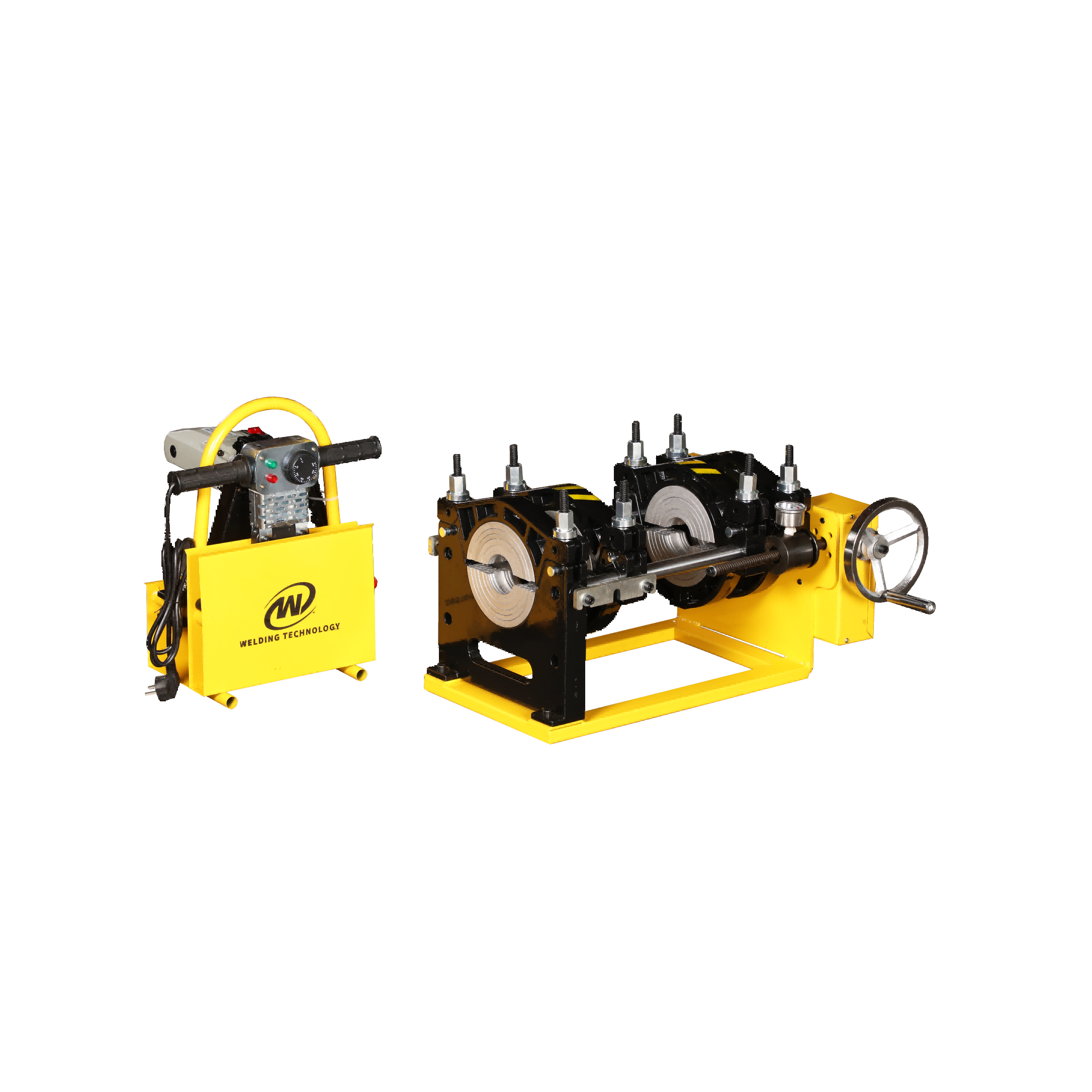
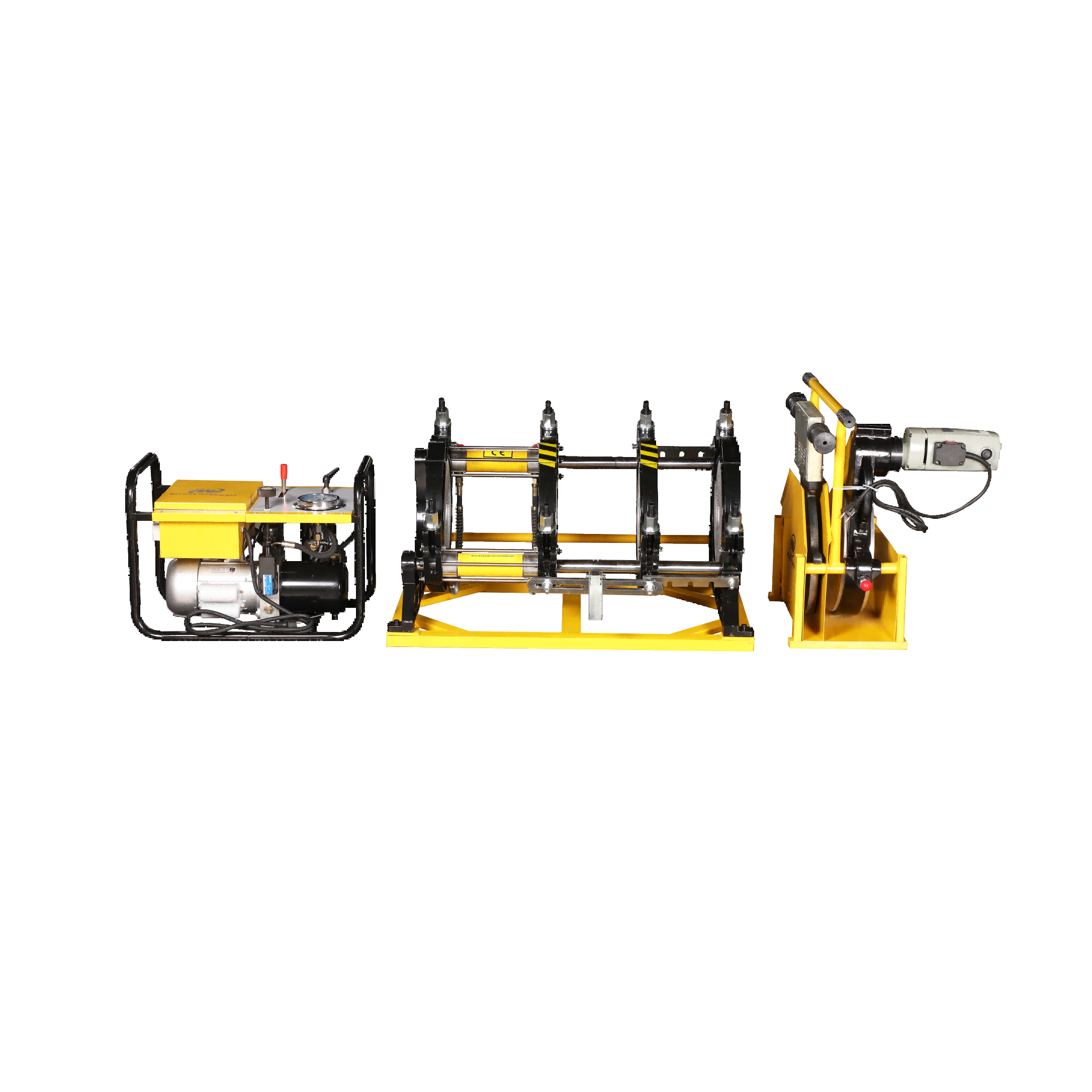
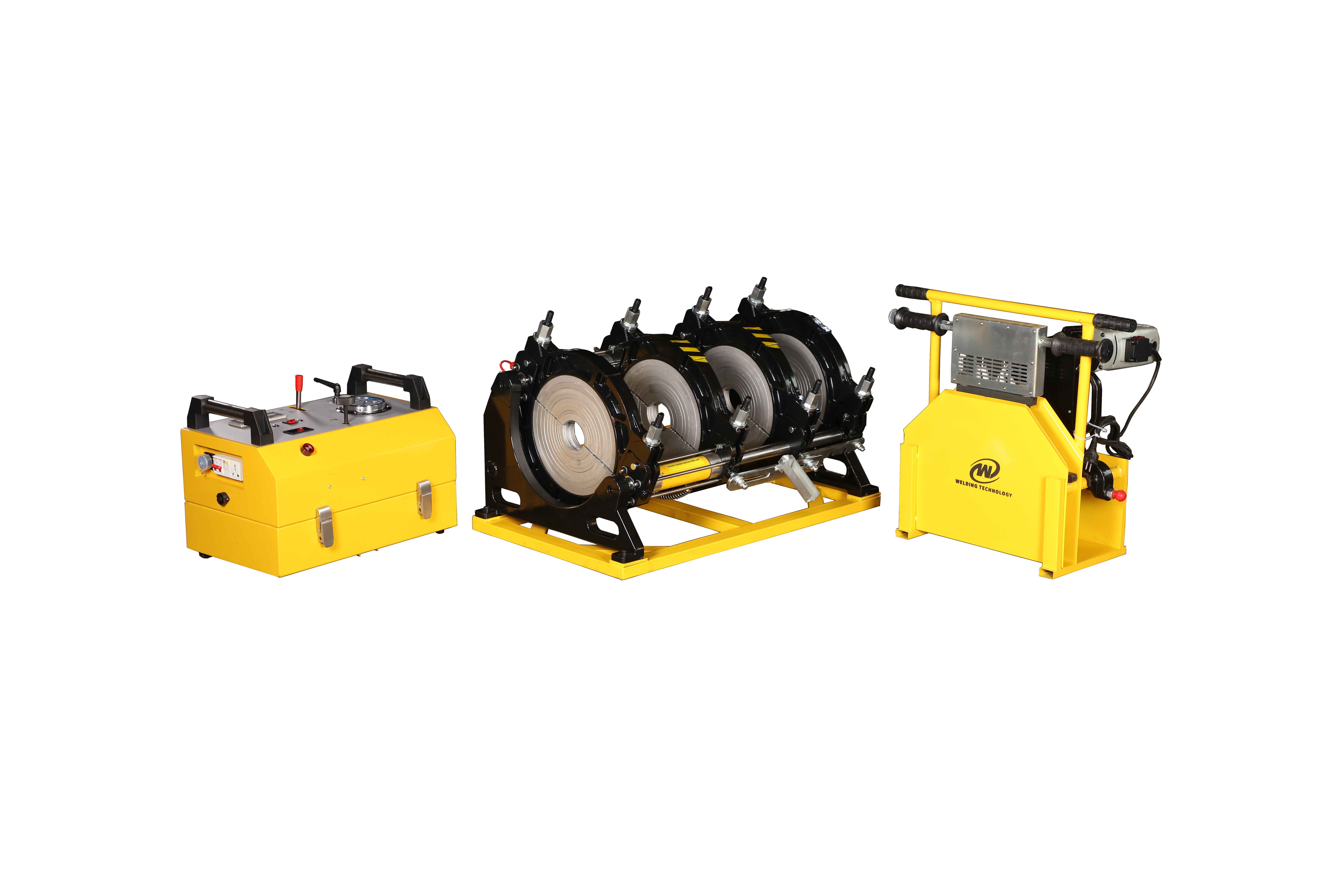
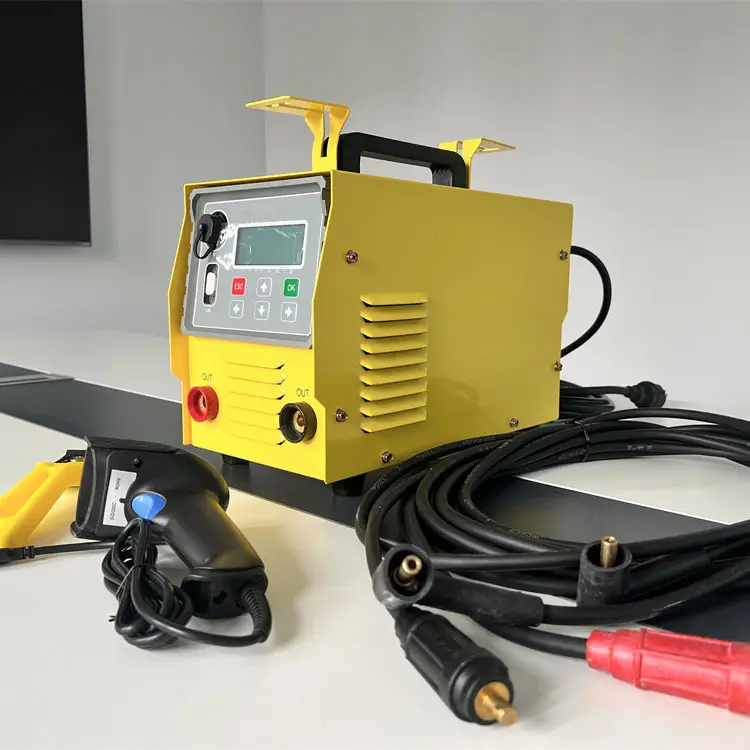
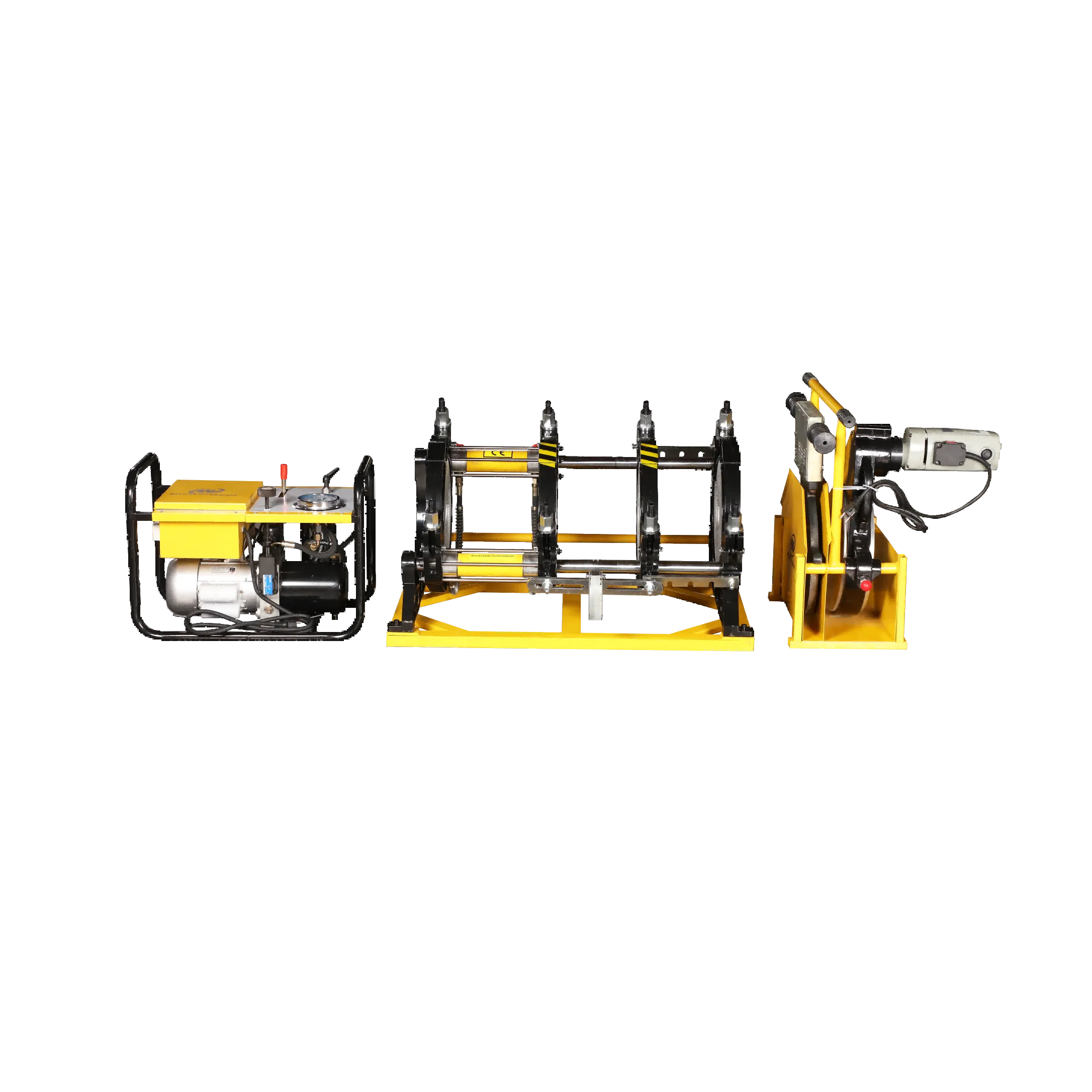
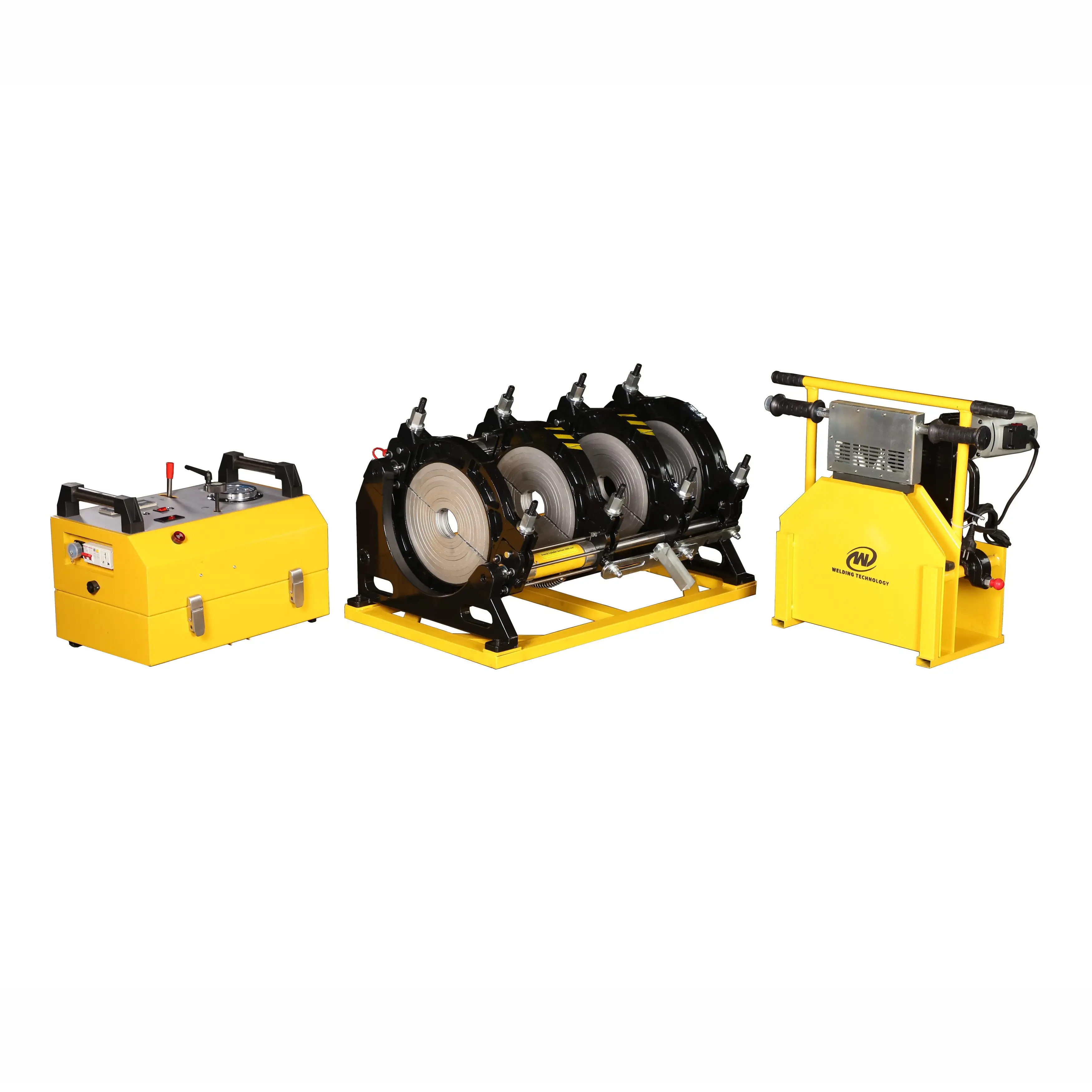
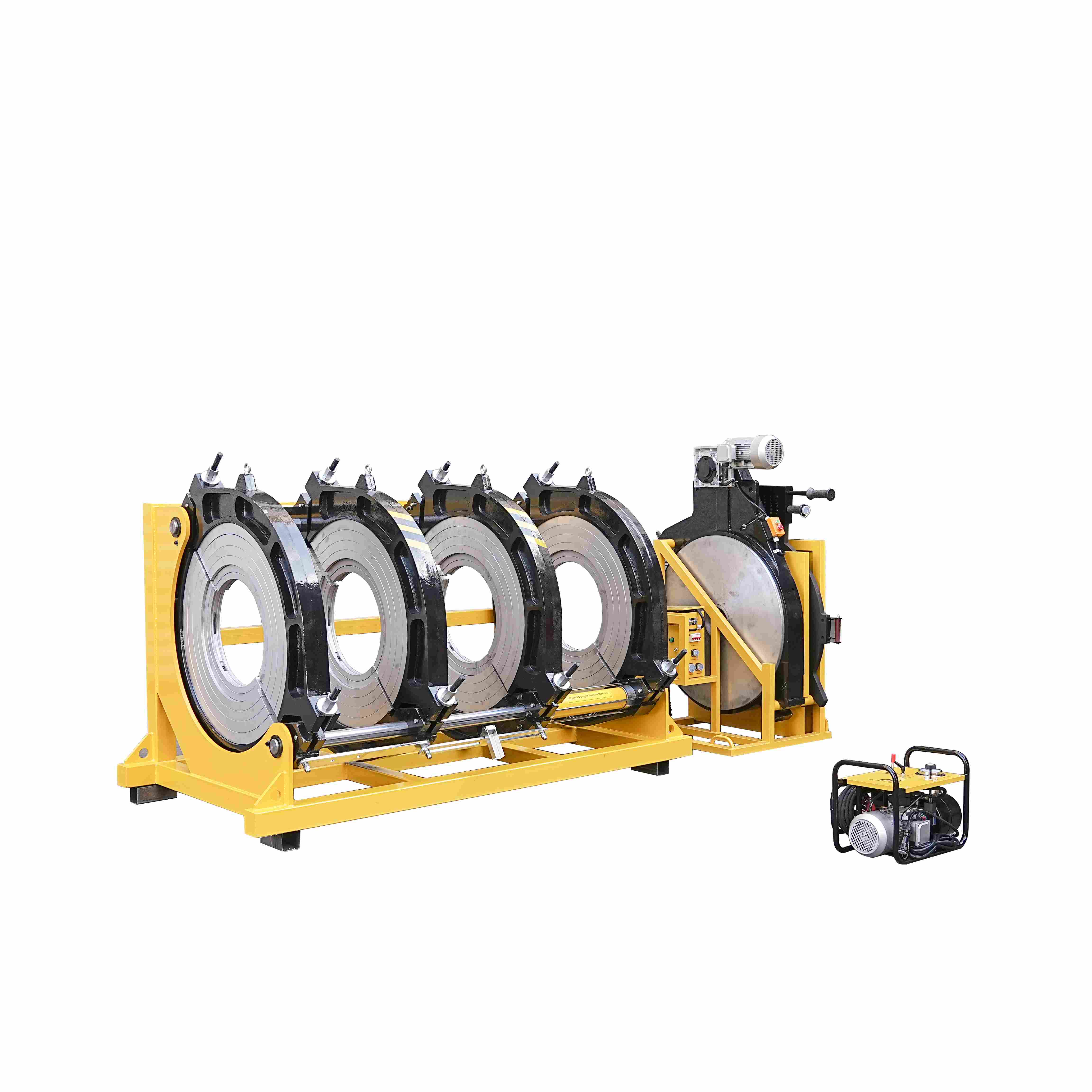
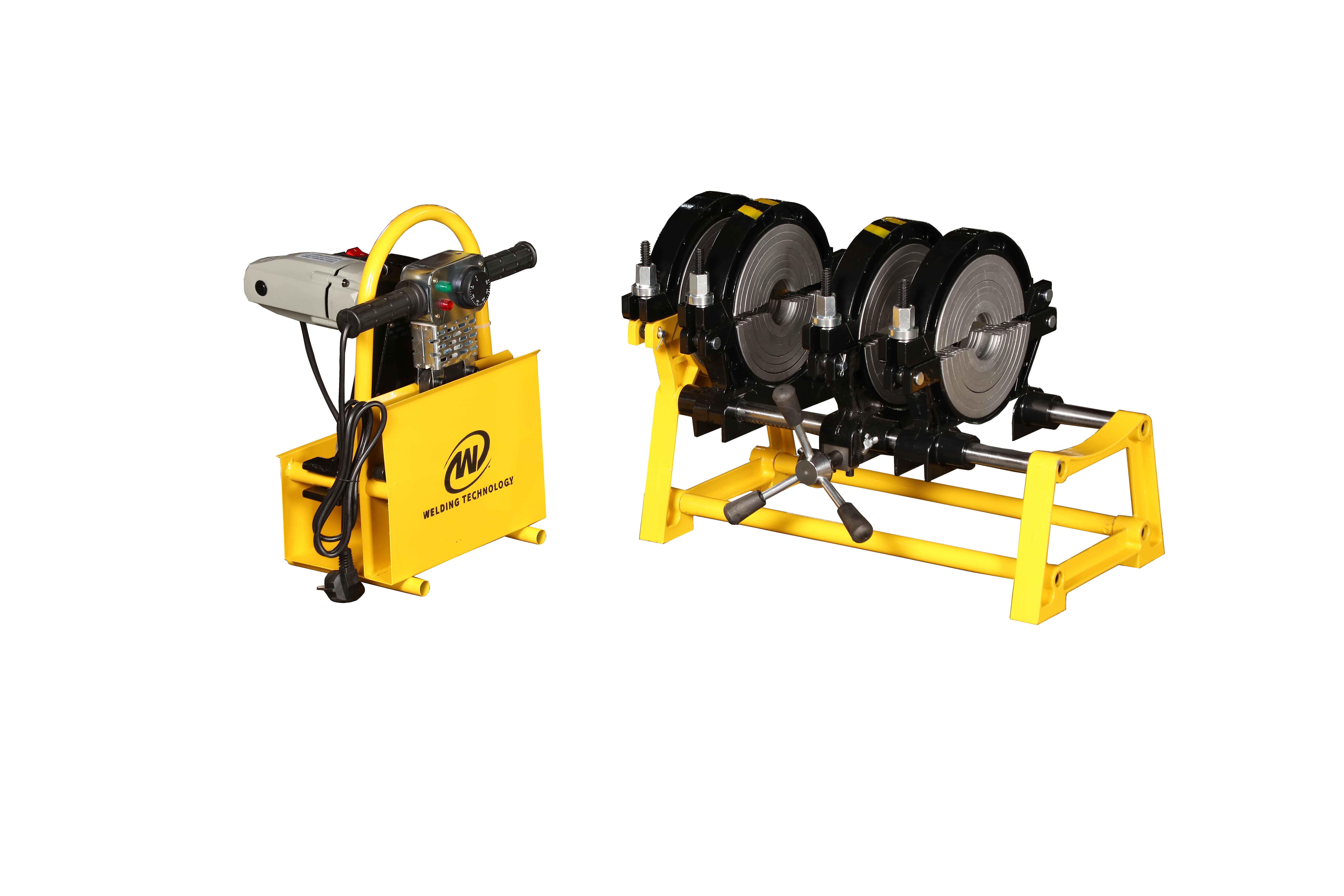
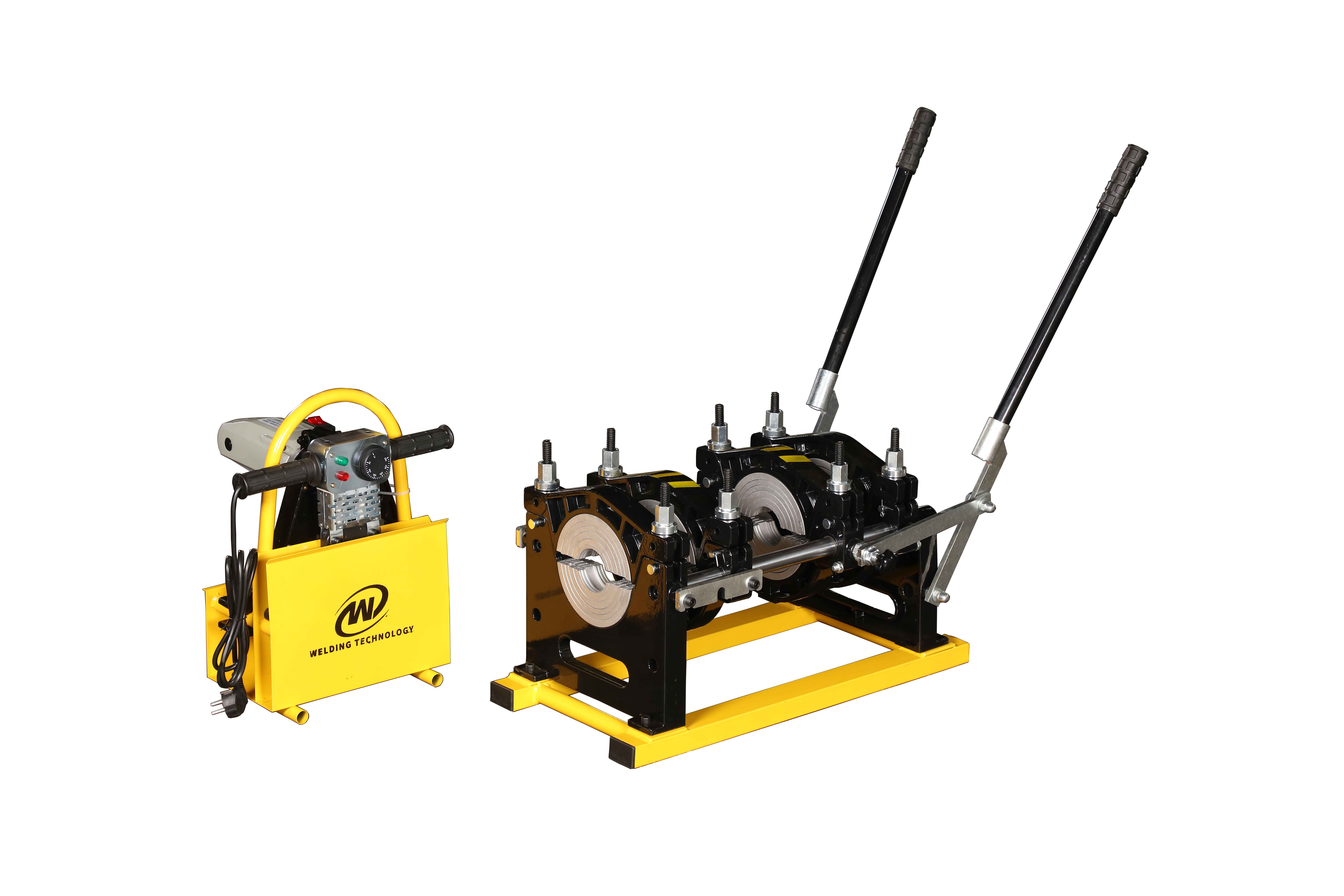
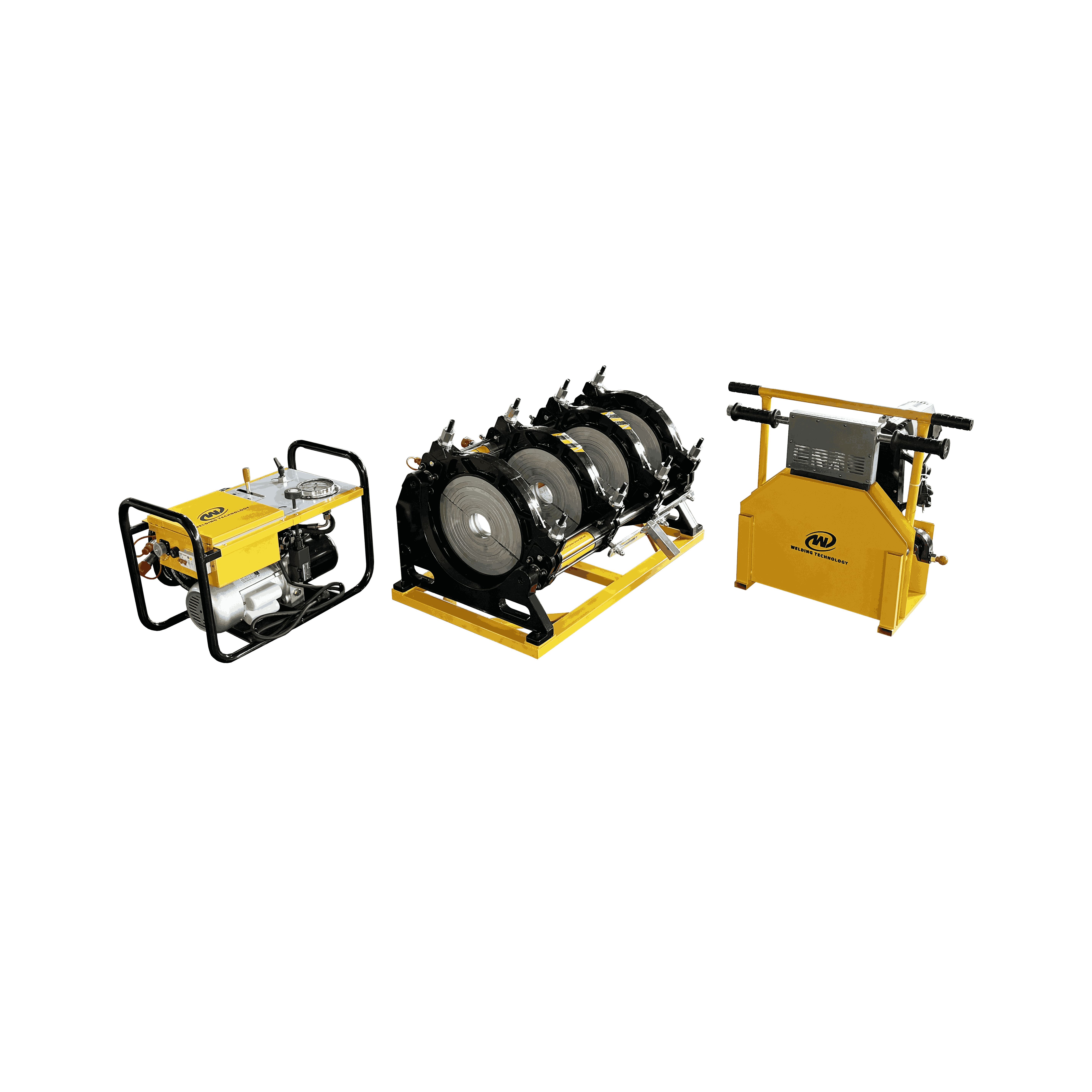
The fusion machine for hdpe pipe revolutionizes pipeline construction economics through multiple efficiency improvements that reduce project costs while accelerating completion schedules. Traditional joining methods require extensive material inventories including various fittings, couplings, gaskets, and specialized fasteners that must be transported to job sites, stored securely, and tracked carefully to prevent shortages that halt construction progress. Fusion welding eliminates these components entirely, simplifying logistics and reducing the capital tied up in fitting inventories that may not match actual project requirements until installation begins. The elimination of mechanical fittings also removes potential failure points from the system, decreasing the probability of service interruptions that generate emergency repair costs and liability exposure. Labor productivity increases substantially because experienced operators using modern fusion machines complete welds in minutes rather than the extended periods required for mechanical assembly or cure times associated with adhesive bonding. This speed advantage becomes particularly significant on large-scale projects involving hundreds or thousands of joints, where time savings accumulate into weeks of reduced construction duration. Shorter project timelines translate to lower labor costs, reduced equipment rental expenses, and earlier revenue generation for systems being constructed to serve new customers or expand service capacity. The fusion machine for hdpe pipe requires minimal consumable materials beyond electricity to power heating elements and hydraulic pumps, contrasting sharply with joining methods that depend on expensive adhesives, solvents, or specialized tapes that add recurring costs to every joint. Maintenance requirements remain modest throughout the machine's service life, typically limited to cleaning heating elements, replacing worn alignment fixtures, and periodic hydraulic fluid changes that cost far less than the ongoing calibration and component replacement demanded by alternative technologies. Training investments prove manageable because the fusion process follows straightforward procedures that operators master quickly through hands-on practice, unlike complex techniques requiring extensive certification programs and continuous skill maintenance. Quality assurance processes become more efficient as visual inspection provides immediate verification of proper bead formation and joint dimensions, allowing crews to confirm weld quality without waiting for test results or employing specialized inspection equipment. The durability of fusion-welded joints eliminates callbacks for leak repairs that damage contractor reputations and consume profits through warranty work, while supporting customer satisfaction that generates repeat business and positive referrals. Energy efficiency during operation contributes to environmental sustainability goals while controlling operational costs, as modern machines optimize heating cycles to minimize electricity consumption without compromising weld quality or extending cycle times that would reduce productivity gains.

 EN
EN