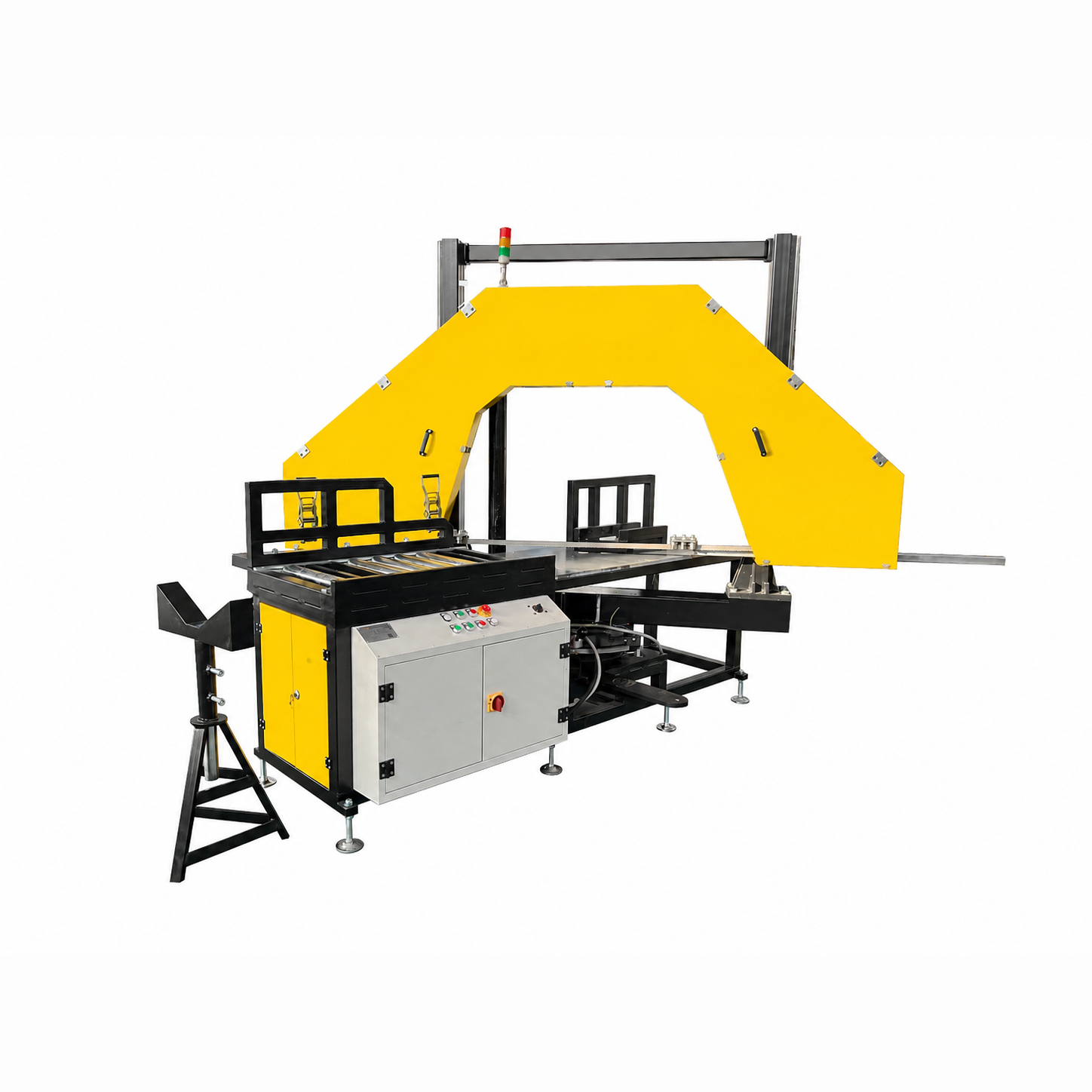
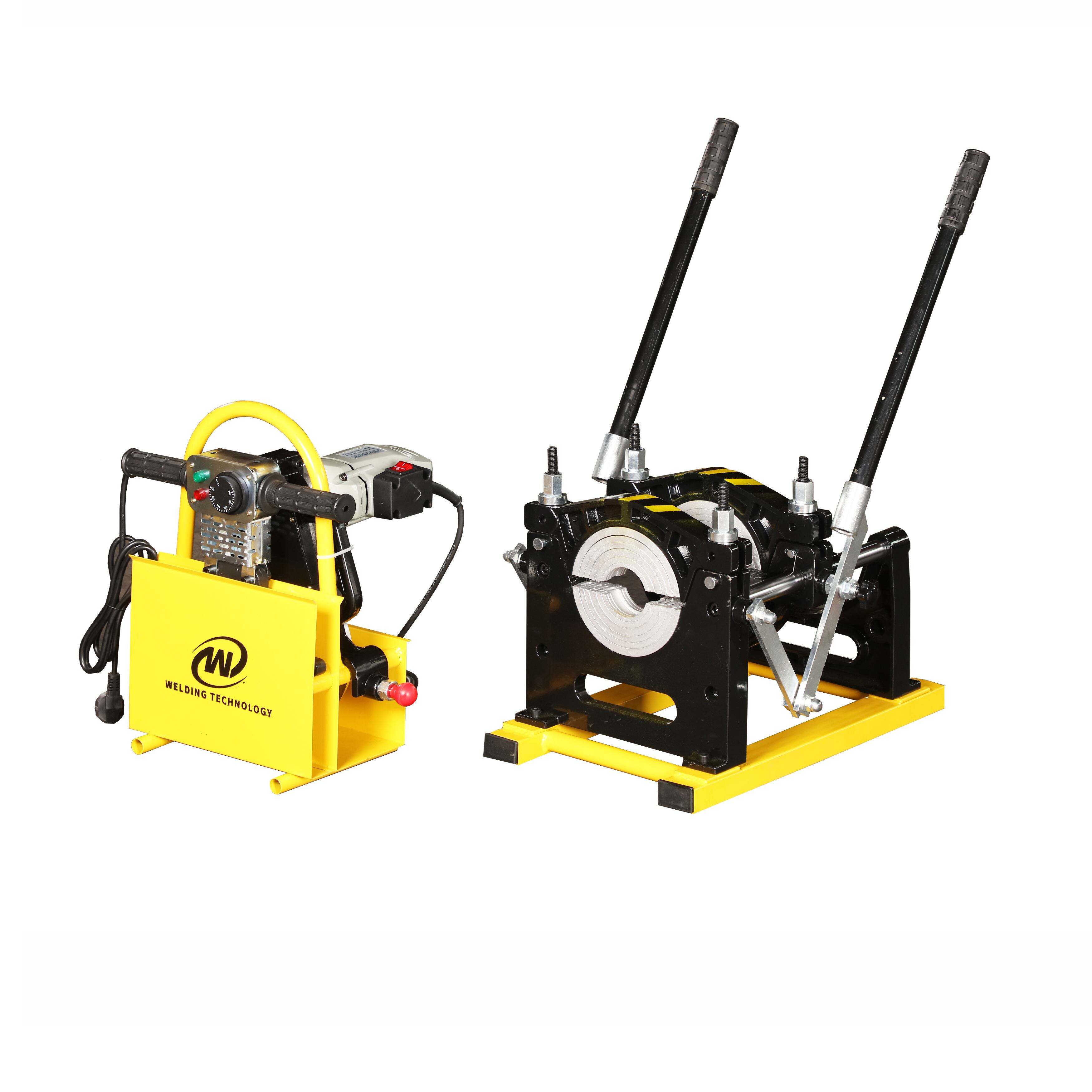
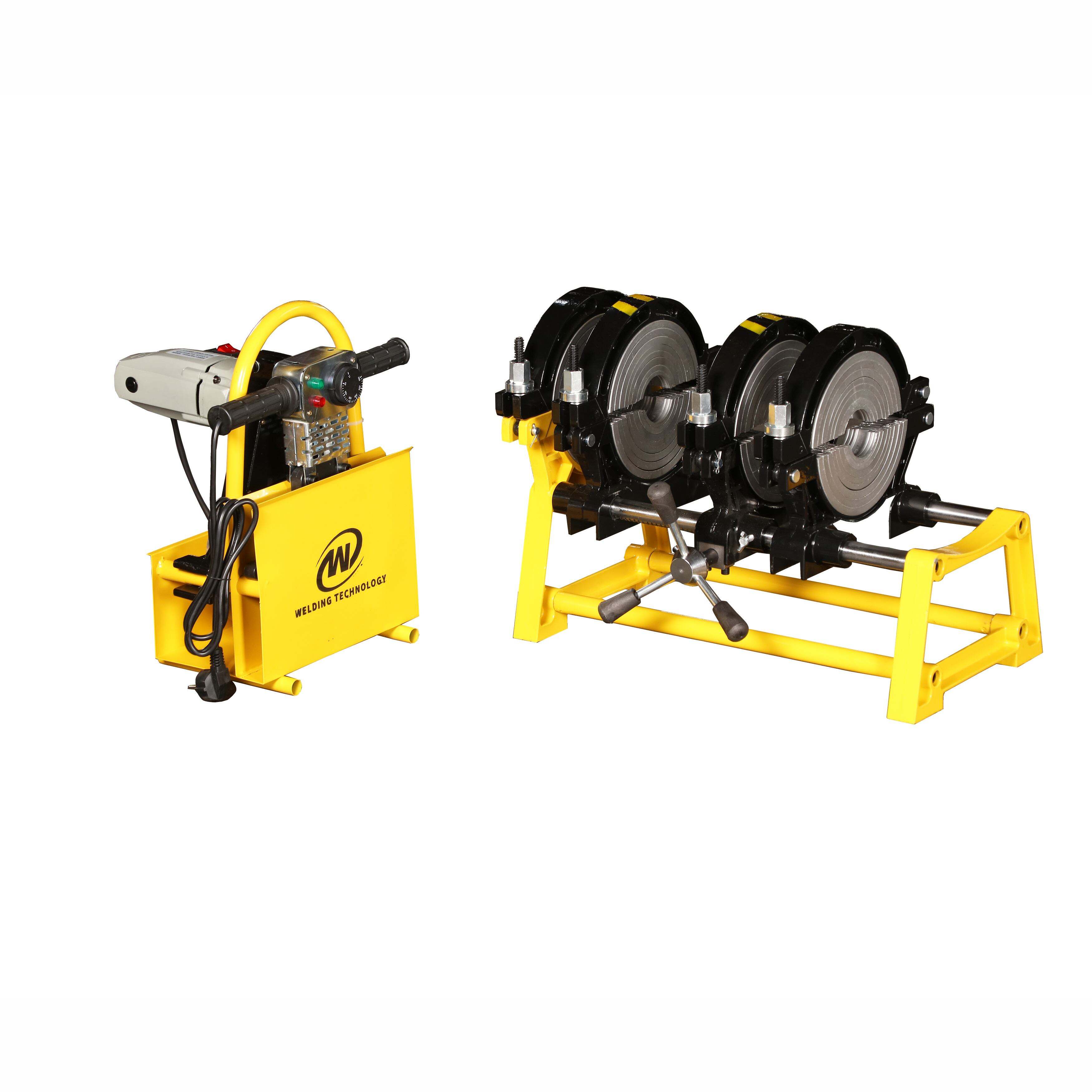
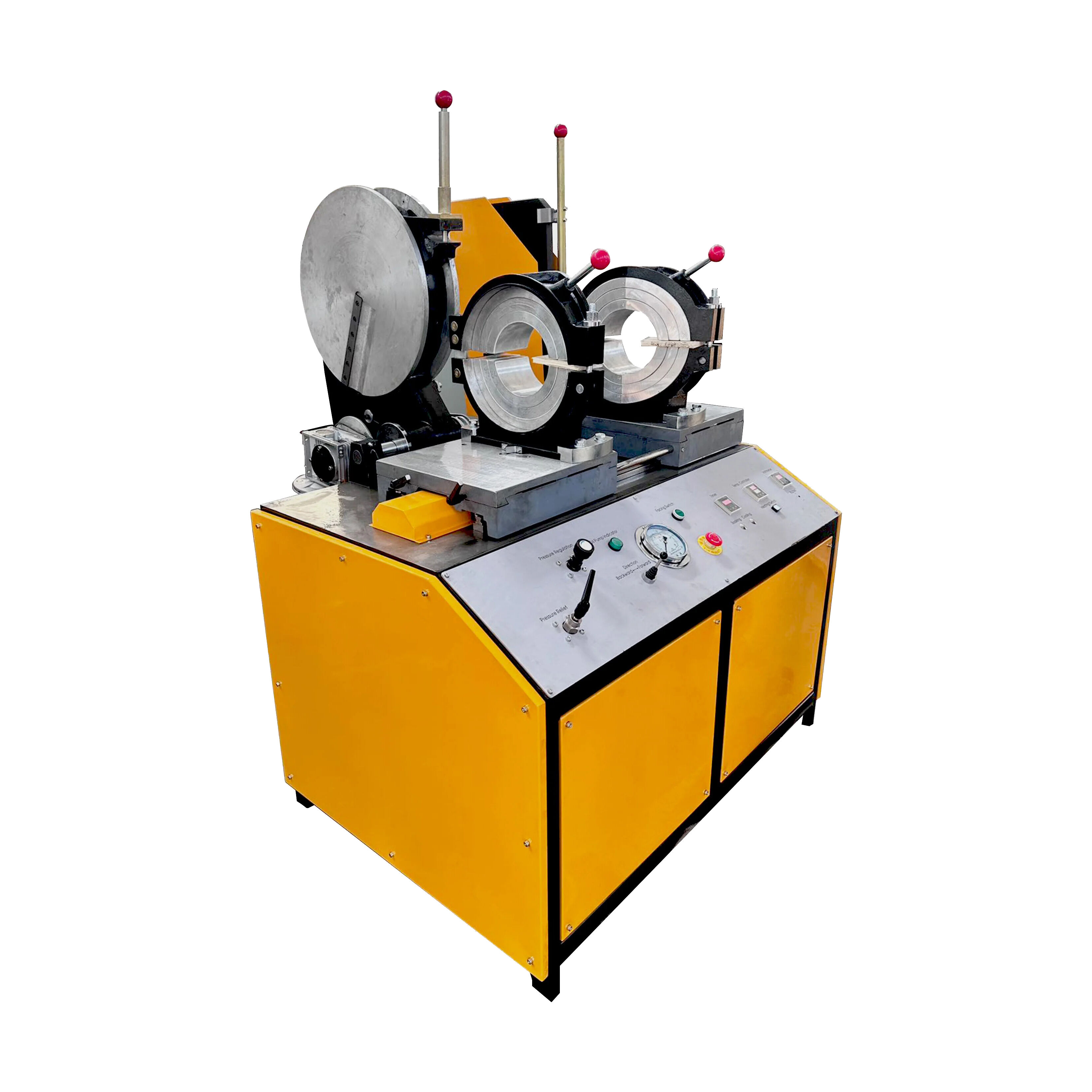
Professional Plastic Pipe Welder - High-Performance Fusion Welding Equipment for Leak-Free Thermoplastic Pipe Connections

Get a Free Quote

Our representative will contact you soon.
E-mail
Name
Mobile/WhatsApp
Company Name
Message
0/1000

plastic pipe welder

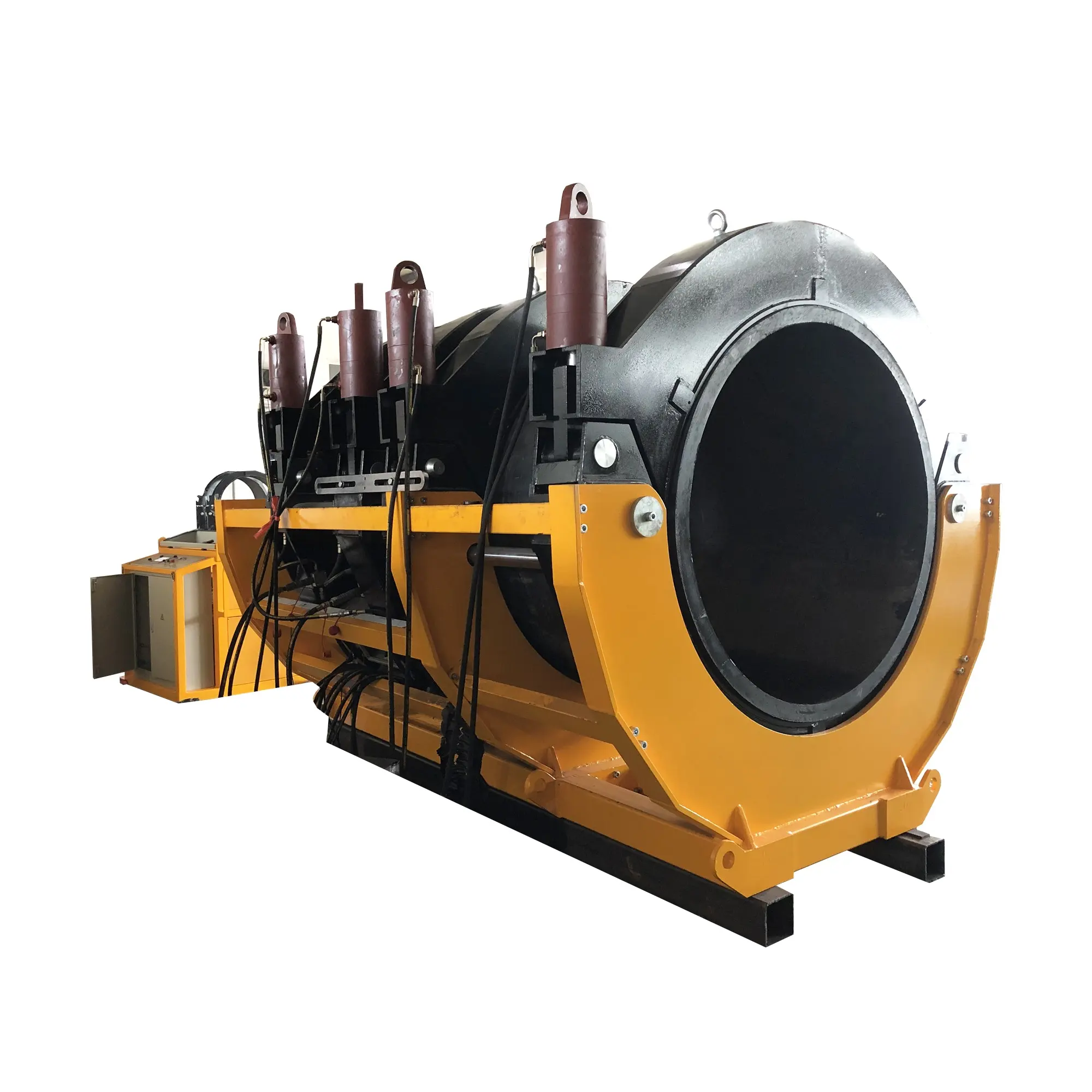
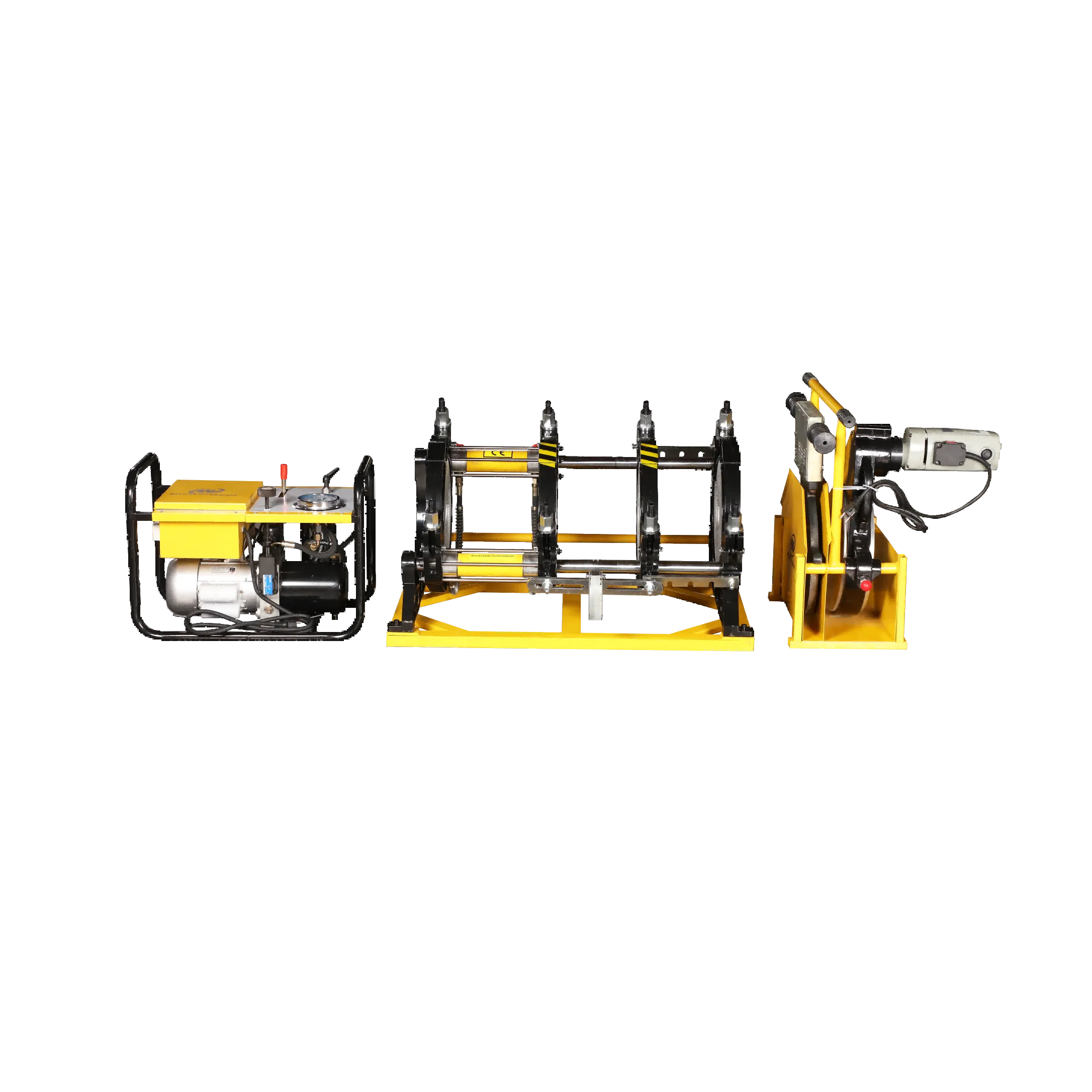
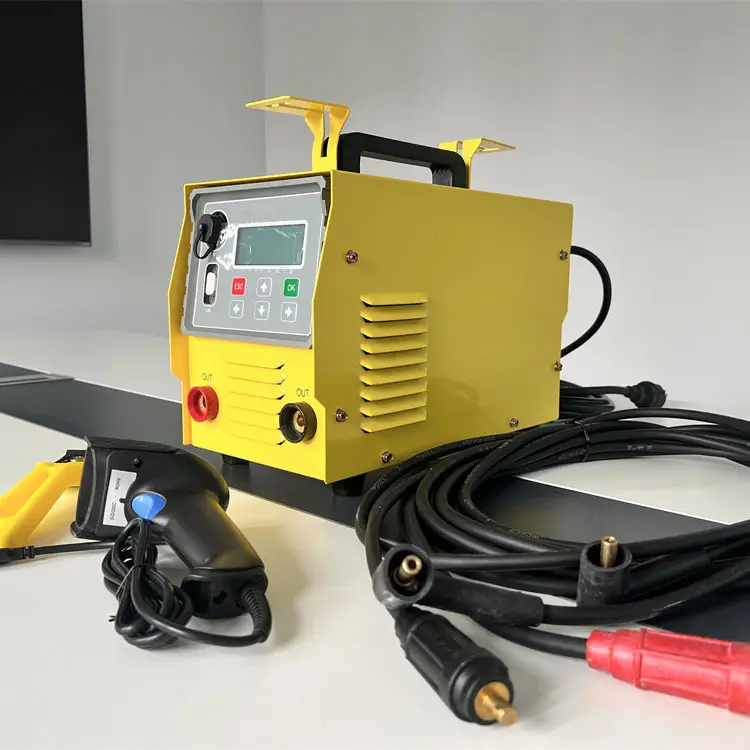
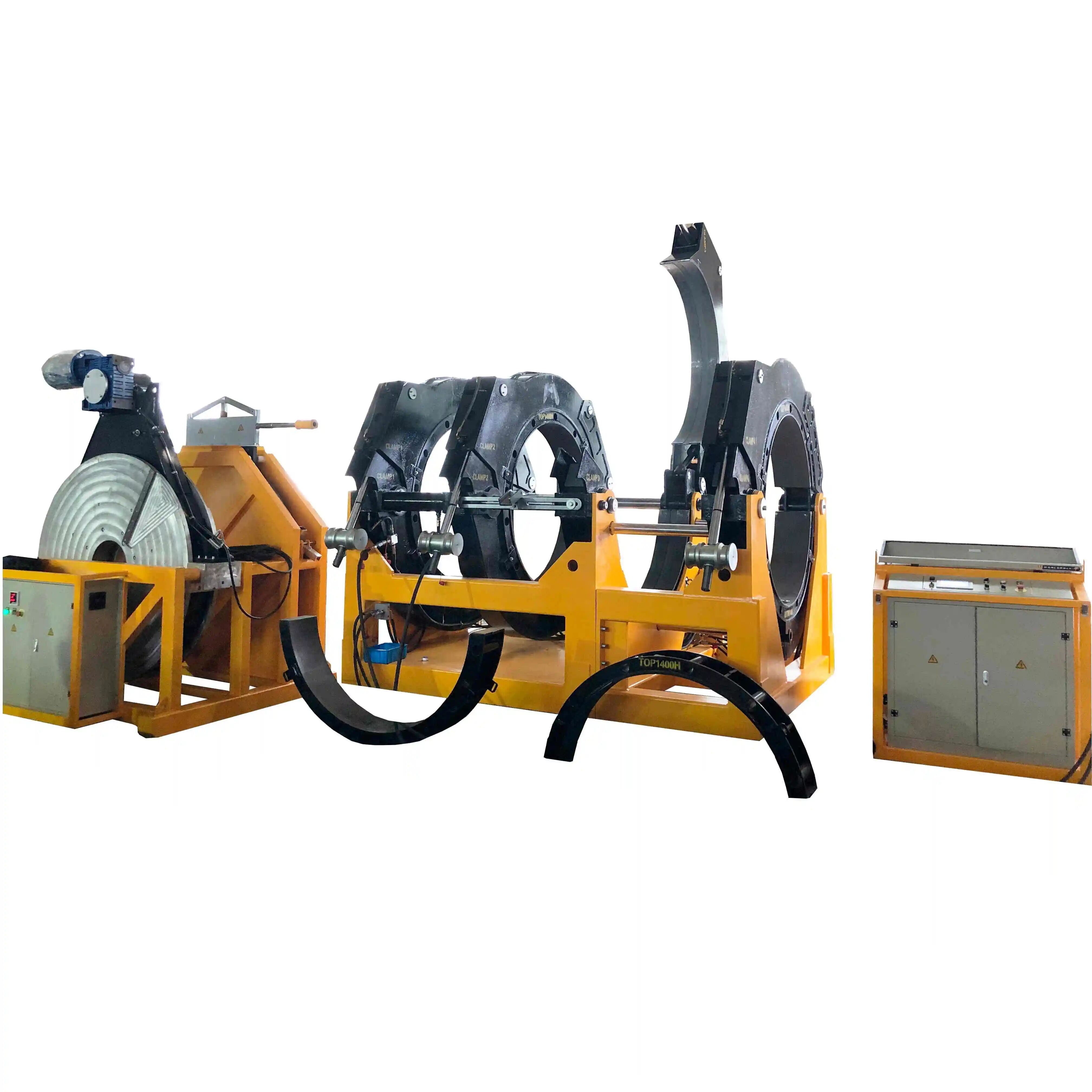
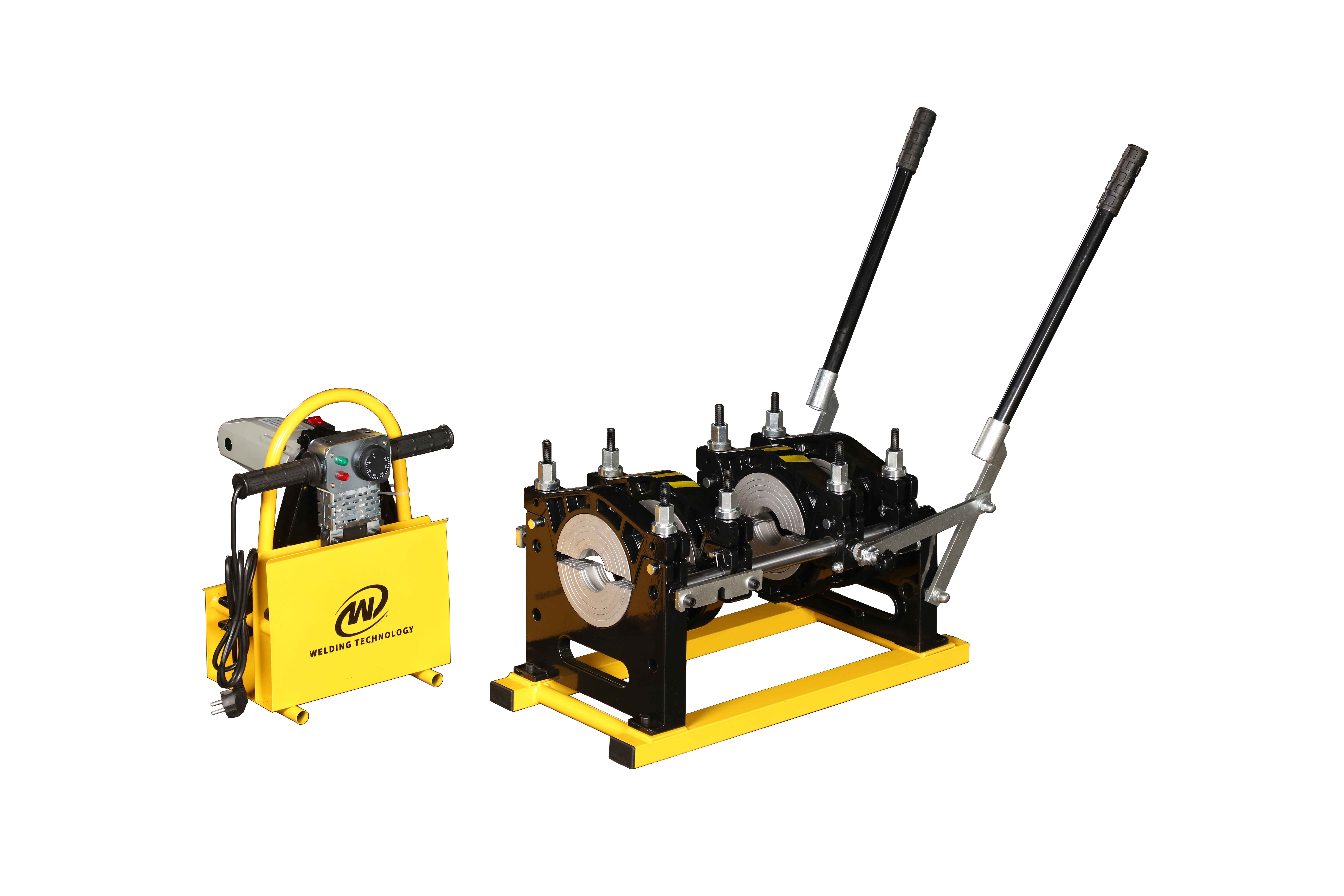
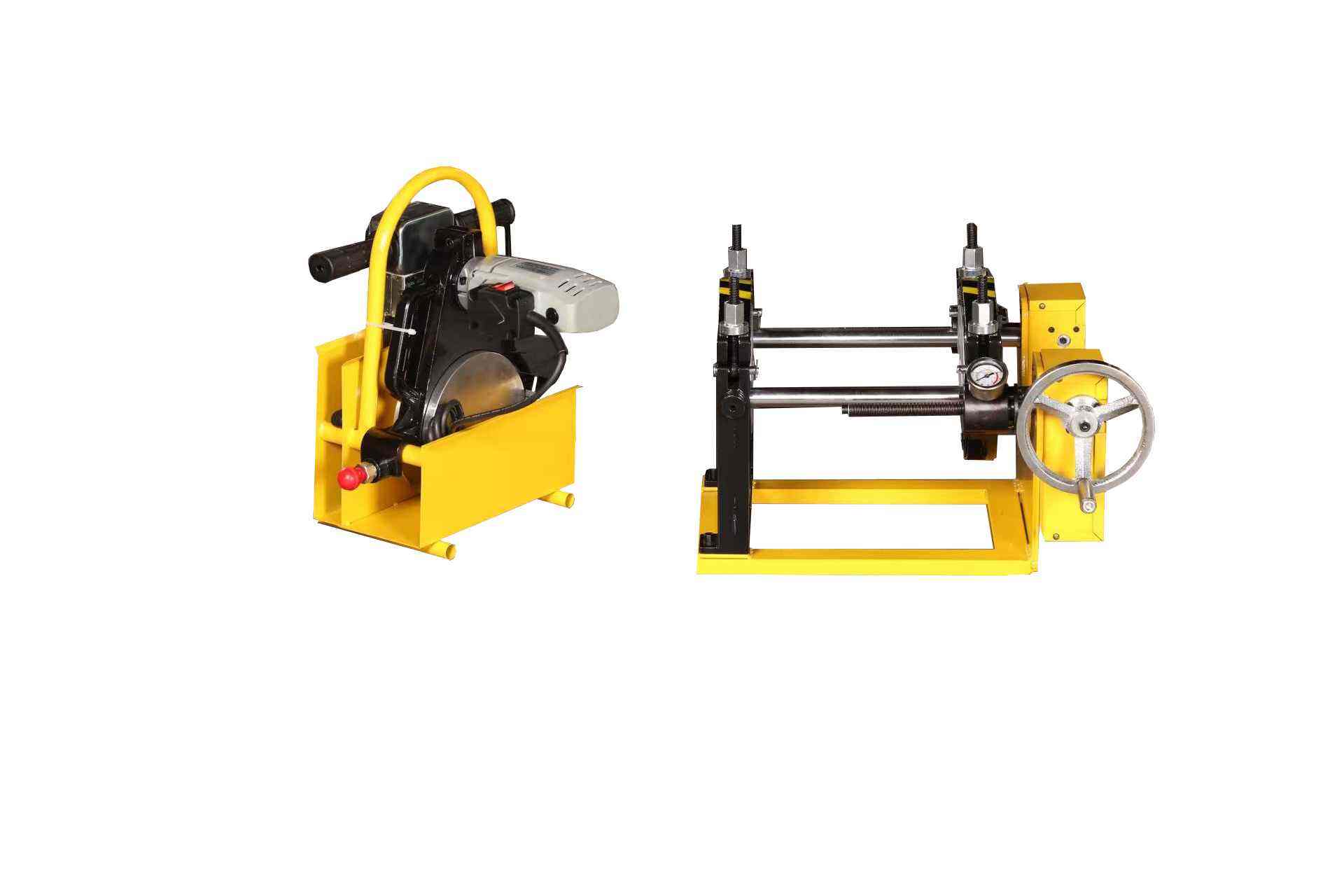
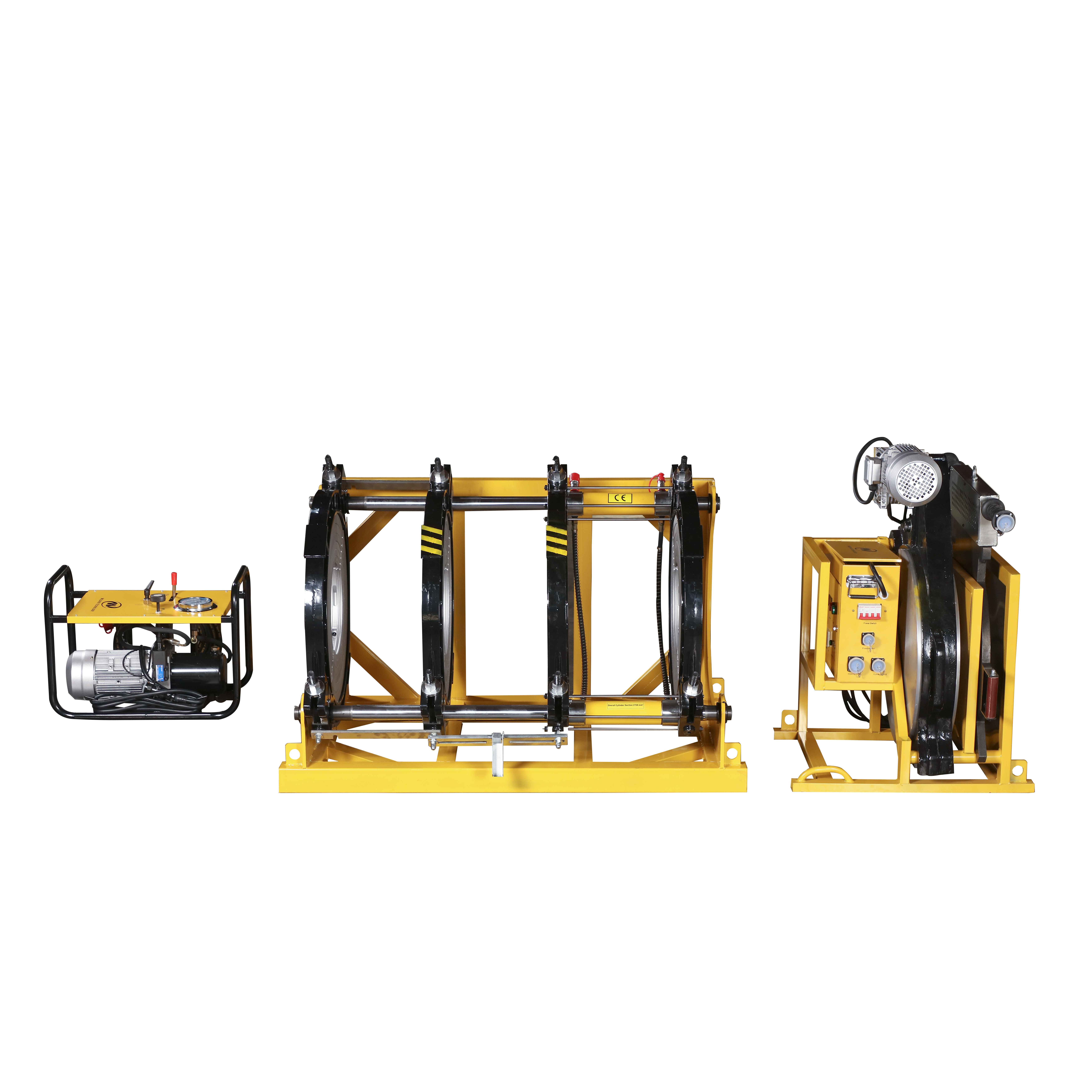
A plastic pipe welder is a specialized heating device designed to join thermoplastic pipes and fittings through fusion welding techniques. This essential equipment creates permanent, leak-proof connections by heating pipe ends to their melting point and pressing them together to form a molecular bond. Modern plastic pipe welders accommodate various pipe diameters ranging from small residential applications to large industrial installations. The device typically consists of a heating plate, temperature control system, and clamping mechanism that holds pipes securely during the welding process. Plastic pipe welders work with multiple thermoplastic materials including polypropylene, polyethylene, PVC, and CPVC, making them versatile tools for diverse piping projects. The welding process eliminates the need for mechanical fittings, adhesives, or solvents, resulting in stronger joints that match the pipe's original strength. These machines feature adjustable temperature settings that allow operators to match the specific melting point of different plastic materials, ensuring optimal fusion quality. Professional-grade plastic pipe welders include digital displays for precise temperature monitoring and maintain consistent heat distribution across the heating surface. The equipment comes in portable models for field work and stationary versions for workshop environments. Socket fusion and butt fusion represent the two primary welding methods, with socket fusion commonly used for smaller diameter pipes and butt fusion preferred for larger installations. Safety features built into modern plastic pipe welders include insulated handles, automatic temperature cutoff, and thermal protection systems. The welding process produces joints that are often stronger than the pipe itself, creating connections that withstand high pressures and temperature fluctuations. Industries relying on plastic pipe welders include plumbing, chemical processing, water treatment, agriculture, mining, and construction sectors where reliable piping systems are critical for operations.

New Product Releases

The plastic pipe welder delivers significant cost savings by eliminating expensive mechanical fittings and reducing installation time compared to traditional joining methods. Workers can complete connections in minutes rather than hours, dramatically increasing productivity on job sites and lowering labor costs. The equipment requires minimal training, allowing technicians to master welding techniques quickly and produce professional-quality joints consistently. Unlike threaded connections or glued joints, welded connections created by this device never loosen over time and resist corrosion, chemical exposure, and environmental stress. The fusion process creates a homogeneous joint where the pipe and fitting become a single piece, eliminating weak points where leaks typically develop in mechanical systems. This reliability translates to reduced maintenance expenses and fewer emergency repairs over the system's lifespan. Plastic pipe welders operate without requiring consumables like adhesives, primers, or thread sealants, further reducing ongoing operational costs. The lightweight nature of thermoplastic pipes combined with quick welding capabilities means smaller crews can handle installations that would require larger teams with metal piping systems. Environmental benefits include the absence of harmful solvents or adhesives during installation, creating safer working conditions and reducing chemical exposure risks for operators. The welding process produces minimal waste since it does not generate metal shavings, excess sealant, or packaging from disposable fittings. Energy efficiency stands out as another advantage, with modern plastic pipe welders reaching optimal temperature rapidly and maintaining stable heat with minimal power consumption. The portability of many models enables workers to bring the equipment directly to remote job sites, eliminating the need to transport pipes to central fabrication facilities. Welded plastic pipe systems resist scale buildup and maintain smooth interior surfaces that preserve flow rates throughout their service life. The flexibility of thermoplastic materials allows welded systems to handle ground movement and settling better than rigid metal pipes, reducing the risk of stress fractures. Quality control becomes straightforward since visual inspection easily identifies proper welds, and the process leaves clear indicators when connections meet specifications. Plastic pipe welders support sustainable construction practices by working with recyclable materials and creating long-lasting installations that reduce replacement frequency. The technology adapts to various working conditions, functioning effectively in confined spaces, outdoor environments, and challenging weather conditions where other joining methods prove impractical. Investment return occurs quickly as the efficiency gains and reduced material costs typically offset equipment purchase prices within the first few projects.

Tips And Tricks

How Can a Pipe Welding Machine Ensure Reliable Pipe Connections?

28

Apr

How Can a Pipe Welding Machine Ensure Reliable Pipe Connections?

Reliable pipe connections form the backbone of critical infrastructure systems across water distribution networks, natural gas pipelines, industrial processing facilities, and municipal wastewater management operations. The integrity of these connect...
View More
How Does an HDPE Thermofusion Machine Improve Pipeline Performance?

24

Apr

How Does an HDPE Thermofusion Machine Improve Pipeline Performance?

Pipeline integrity stands as a critical concern across industries ranging from municipal water distribution to industrial gas transport, and the welding technology employed directly determines long-term performance outcomes. An HDPE thermofusion mach...
View More
How Does a Plastic Pipe Electric Fusion Welder Improve Connection Strength?

03

Apr

How Does a Plastic Pipe Electric Fusion Welder Improve Connection Strength?

In industrial piping systems, the integrity of connections directly determines operational safety, longevity, and performance. Traditional mechanical joining methods such as threading, clamping, or adhesive bonding often introduce vulnerabilities inc...
View More
How Can a Plastic Sheet Butt Welding Machine Ensure Strong Seams?

05

May

How Can a Plastic Sheet Butt Welding Machine Ensure Strong Seams?

The strength and integrity of welded plastic seams directly impact the performance, durability, and safety of countless industrial applications, from geomembranes in environmental containment to large-scale tank fabrication. Achieving consistently st...
View More

Get a Free Quote

Our representative will contact you soon.
E-mail
Name
Mobile/WhatsApp
Company Name
Message
0/1000

plastic pipe welder

Superior Joint Strength and Permanent Leak-Free Connections

Superior Joint Strength and Permanent Leak-Free Connections

The fusion welding process employed by plastic pipe welders creates joints that achieve remarkable structural integrity by forming molecular bonds between pipe sections. When properly executed, these welded connections often exceed the tensile strength of the original pipe material itself, establishing a continuous, monolithic structure rather than a mechanical assembly of separate components. The heating process raises both pipe surfaces to their exact melting point, causing polymer chains to intermingle and fuse at the molecular level as the material cools and solidifies. This fundamental difference from mechanical connections eliminates the interface vulnerabilities that plague threaded fittings, compression joints, and flanged assemblies. The absence of gaskets, O-rings, or sealants means there are no components that can degrade, harden, or fail over time due to chemical exposure or temperature cycling. Plastic pipe welder technology ensures consistent heat distribution across the entire joint surface, preventing cold spots that could create weak zones or incomplete fusion. The resulting connection demonstrates exceptional resistance to internal pressure, withstanding stress levels that would cause traditional fittings to leak or fail catastrophically. Testing has proven that welded joints maintain their integrity through thousands of pressure cycles, temperature fluctuations spanning from freezing to elevated operating temperatures, and exposure to aggressive chemicals that would corrode metal fittings or dissolve adhesive bonds. The permanent nature of these connections provides long-term reliability that reduces maintenance requirements and eliminates the recurring inspection and retightening procedures necessary for mechanical joints. Field performance data from installations dating back decades confirms that properly welded plastic pipe systems maintain their leak-free performance throughout their expected service life without deterioration at connection points. This reliability proves particularly valuable in applications where access for repairs is difficult or costly, such as buried piping systems, installations within concrete structures, or networks serving critical processes that cannot tolerate unplanned shutdowns. The strength of welded joints enables plastic piping systems to handle demanding applications previously reserved for metal pipes, expanding the range of suitable uses while maintaining the corrosion resistance and chemical compatibility advantages of thermoplastic materials.
Versatile Application Range Across Multiple Industries and Pipe Sizes

Versatile Application Range Across Multiple Industries and Pipe Sizes

Modern plastic pipe welders demonstrate exceptional versatility by accommodating an extensive range of pipe diameters, material types, and industry-specific requirements that make them indispensable across numerous sectors. These devices handle pipes ranging from small residential water supply lines measuring just twenty millimeters in diameter to massive industrial conduits exceeding one meter, providing a single solution for diverse project scales. The adjustable temperature controls and interchangeable heating elements allow operators to work with various thermoplastic materials including polypropylene random copolymer, high-density polyethylene, cross-linked polyethylene, polybutylene, and specialized compounds engineered for specific chemical resistance or temperature performance. This material flexibility enables contractors to select the optimal pipe material for each application's unique demands while using familiar welding equipment and techniques. In municipal water distribution systems, plastic pipe welders create reliable connections for potable water networks that serve entire communities, while the same equipment adapts to agricultural irrigation systems delivering water across vast farmlands. Chemical processing facilities depend on welded plastic piping to safely transport corrosive substances that would rapidly destroy metal alternatives, with the welding process ensuring joints maintain chemical resistance equivalent to the base pipe material. Mining operations utilize plastic pipe welders for slurry transport systems, dewatering applications, and compressed air distribution where the combination of abrasion resistance and joint reliability proves essential for continuous operation. The construction industry relies on this equipment for residential and commercial plumbing installations, radiant floor heating systems, and fire suppression networks where code compliance and long-term performance are non-negotiable requirements. Geothermal heating and cooling systems benefit from welded plastic pipe technology that creates sealed loop systems capable of withstanding constant thermal cycling while maintaining efficient heat transfer properties. Wastewater treatment plants employ plastic pipe welders to construct networks handling aggressive effluents and chemical treatment processes that would corrode traditional piping materials within months. The food and beverage industry values welded plastic pipe systems for their sanitary properties, ease of cleaning, and resistance to bacterial growth, with welding processes that avoid introducing contaminants or creating crevices where microorganisms could harbor.
Rapid Installation Process with Minimal Skill Requirements and Maximum Efficiency

Rapid Installation Process with Minimal Skill Requirements and Maximum Efficiency

The operational simplicity of plastic pipe welders revolutionizes installation efficiency by enabling workers to complete secure, code-compliant connections in a fraction of the time required by traditional methods while maintaining consistently high quality results. The welding cycle for typical residential and light commercial applications takes between three to seven minutes from start to finish, including heating time, joining, and initial cooling, compared to the substantially longer periods needed for threading pipes, applying adhesives with required cure times, or assembling mechanical fittings with precise torque specifications. This time efficiency multiplies across large projects where hundreds or thousands of connections accumulate into significant labor cost savings and compressed project timelines. The learning curve for operating plastic pipe welders remains remarkably shallow, with most technicians achieving competency after just a few hours of hands-on training and practice on scrap materials. Clear visual indicators such as properly formed beads around joint perimeters provide immediate feedback about weld quality, allowing operators to identify and correct technique issues during the learning process rather than discovering problems through later pressure testing or field failures. Modern equipment designs incorporate user-friendly features like digital temperature displays, audible timers, and color-coded settings that guide operators through each welding step, reducing the likelihood of errors even among less experienced workers. The physical effort required proves minimal since the equipment handles the heating function while simple mechanical force or hydraulic systems perform the joining action, eliminating the repetitive strain and fatigue associated with threading pipes or tightening numerous bolted connections. Productivity gains extend beyond individual connection speed to encompass the entire workflow, as workers avoid trips to fetch additional fittings, sealants, or specialized tools, instead carrying a single piece of equipment that addresses all joining requirements. The consistent quality achieved through fusion welding reduces callback rates and warranty claims, protecting contractor reputations and profit margins while building client confidence. Job site organization improves since plastic pipe welders require minimal ancillary supplies compared to the extensive inventories of fittings, adapters, adhesives, primers, and sealants necessary for alternative joining methods.


Get a Free Quote

Our representative will contact you soon.
E-mail
Name
Mobile/WhatsApp
Company Name
Message
0/1000