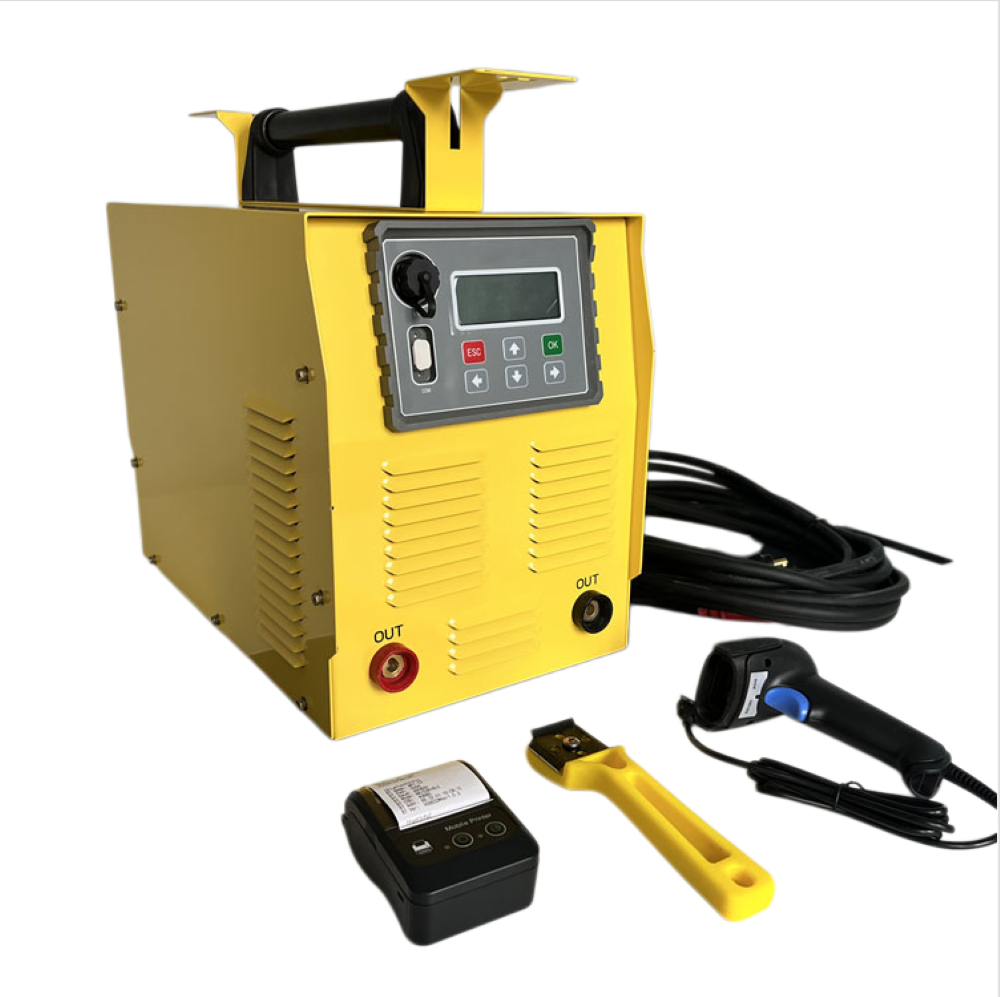
Exceptional Versatility Across Materials and Applications
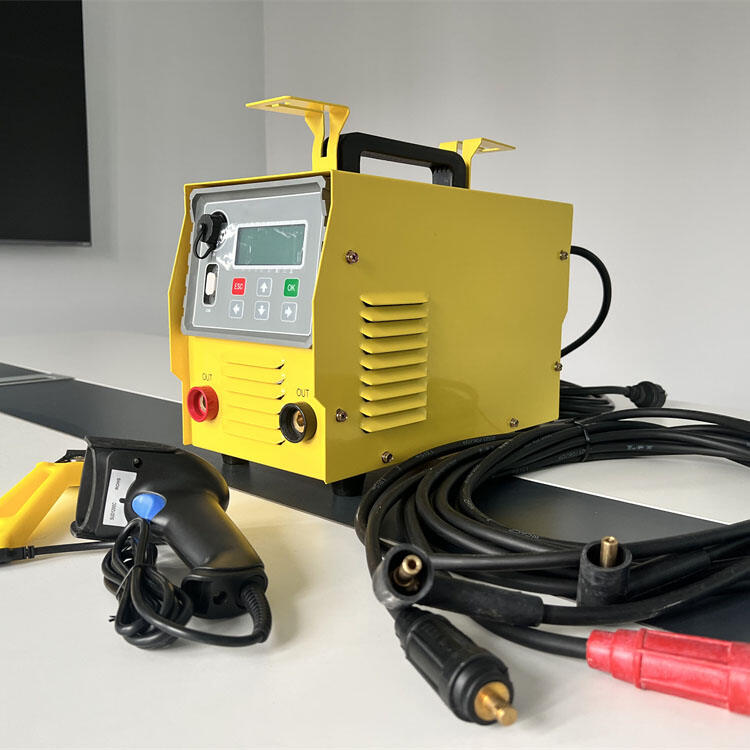
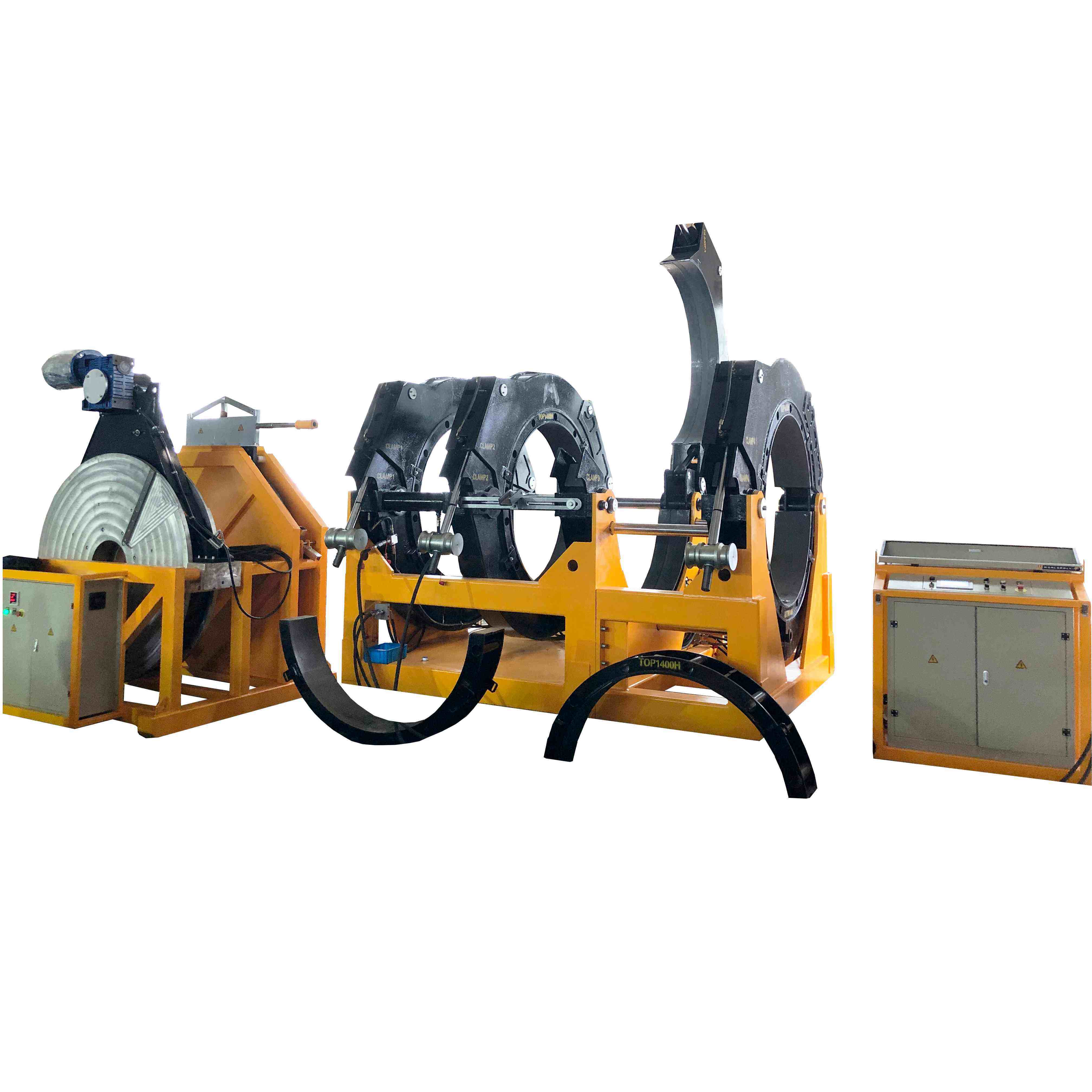
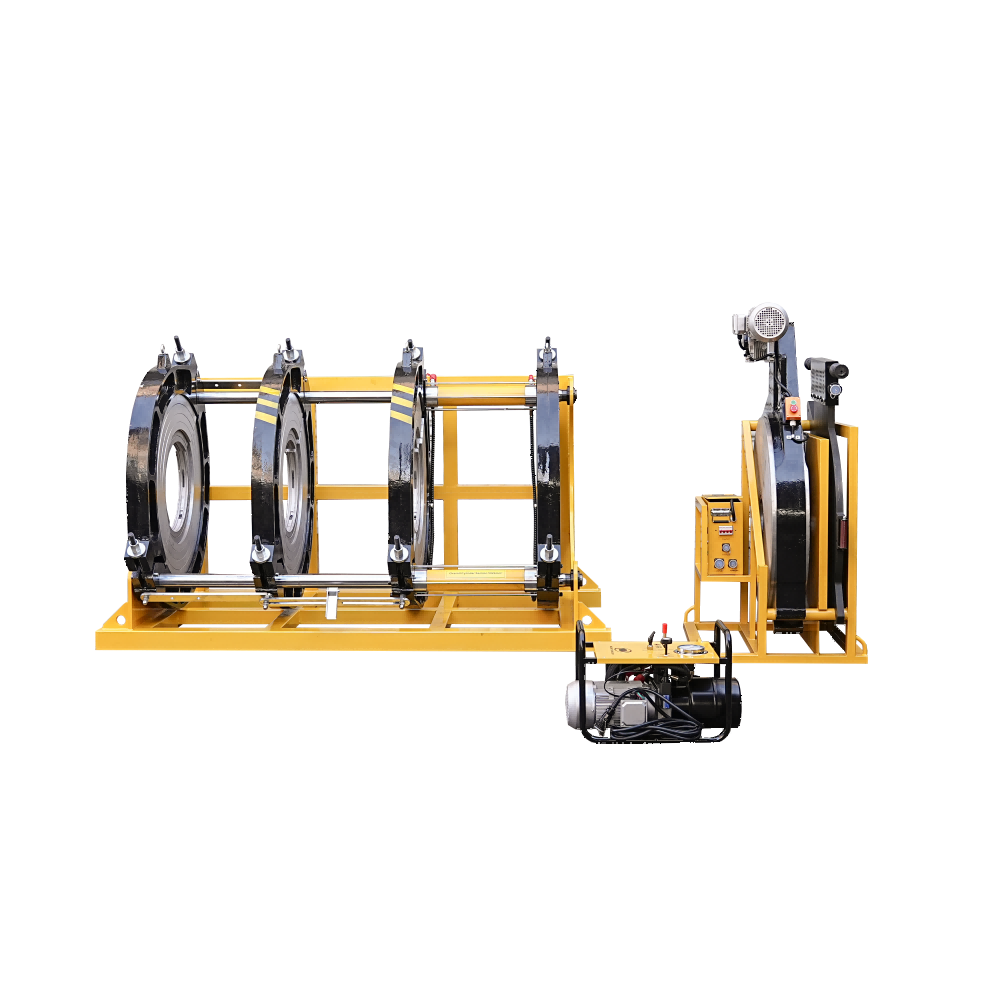
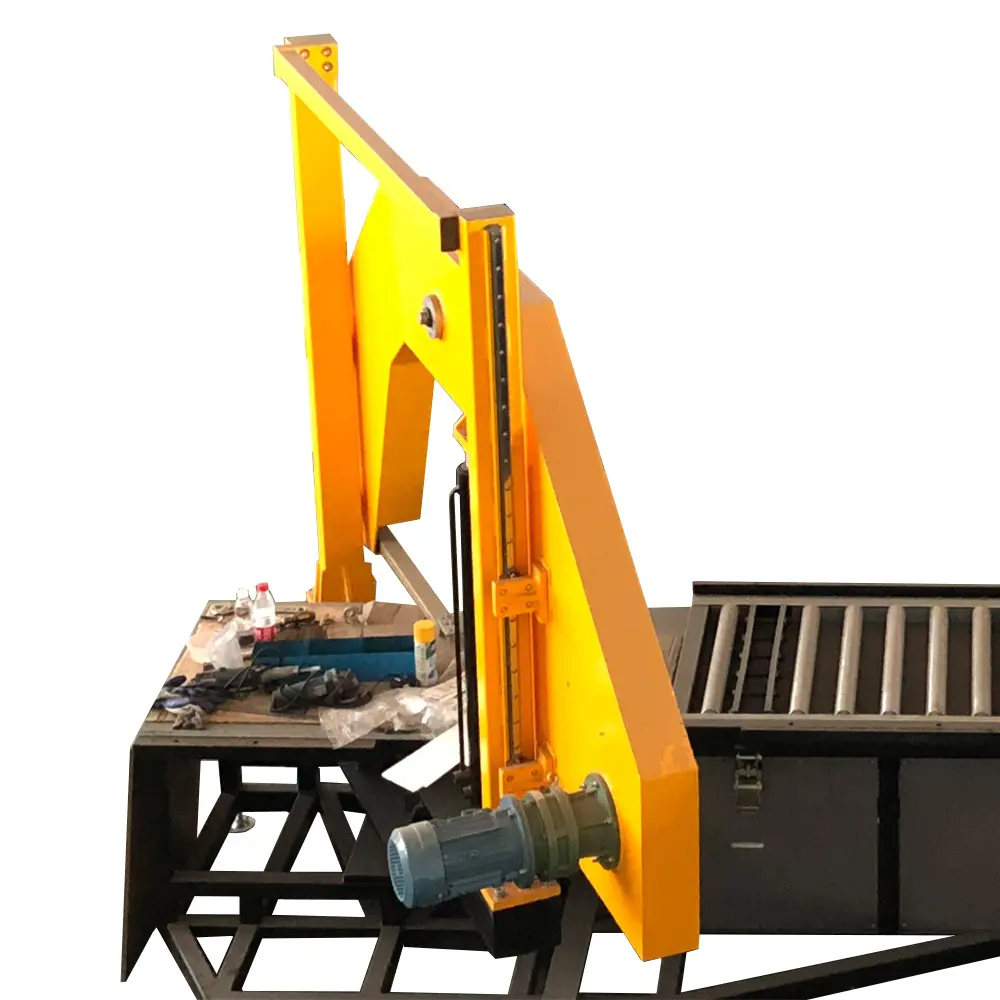
An electric plastic welder demonstrates remarkable adaptability across diverse thermoplastic materials and joining scenarios, making it an invaluable tool for multiple industries and applications. The equipment successfully welds polyethylene variants including high-density polyethylene used in water pipes and low-density polyethylene common in flexible packaging. Polypropylene components found in automotive interiors, chemical tanks, and consumer products bond reliably when processed with properly calibrated electric plastic welders. PVC applications ranging from plumbing systems to signage receive strong, durable joints that withstand environmental exposure and mechanical stress. The ability to work with polystyrene, ABS, polycarbonate, and other engineering thermoplastics expands the utility of electric plastic welders into specialized manufacturing sectors. Thickness capacity spans from thin sheet materials measuring fractions of a millimeter to heavy-wall components several centimeters thick, accommodating both delicate fabrication work and robust structural assemblies. Joint configuration versatility enables technicians to create butt welds for linear seams, lap welds for overlapping sections, corner welds for box construction, and T-joints for perpendicular connections. The electric plastic welder adapts to repair scenarios where damaged plastic components require restoration to service condition without complete replacement. Marine applications benefit from waterproof seams created in boat components, kayak hulls, and floating dock systems. Agricultural operations utilize electric plastic welders for repairing irrigation systems, greenhouse panels, and equipment housings exposed to harsh outdoor conditions. Construction projects incorporate these tools for joining geomembranes in environmental containment applications and assembling modular plastic building components. Automotive repair shops rely on electric plastic welders to restore bumper covers, interior trim pieces, and fluid reservoir tanks damaged in collisions or through wear. Electronics manufacturing employs precision electric plastic welders for assembling device housings and creating hermetic seals that protect sensitive components from moisture and contamination. Medical device production demands the cleanliness and precision that electric plastic welders provide when joining components for diagnostic equipment and patient care devices. The portability of handheld electric plastic welder models extends their usefulness to field service applications where technicians perform repairs at customer locations rather than requiring equipment removal for shop work. Industrial fabrication facilities integrate electric plastic welders into production lines for high-volume manufacturing of plastic products ranging from storage containers to complex assemblies with multiple joined components.

 EN
EN