Professional Plastic Welding Equipment - Advanced Solutions for Thermoplastic Joining

Get a Free Quote

Our representative will contact you soon.
E-mail
Name
Mobile/WhatsApp
Company Name
Message
0/1000

plastic welding equipment

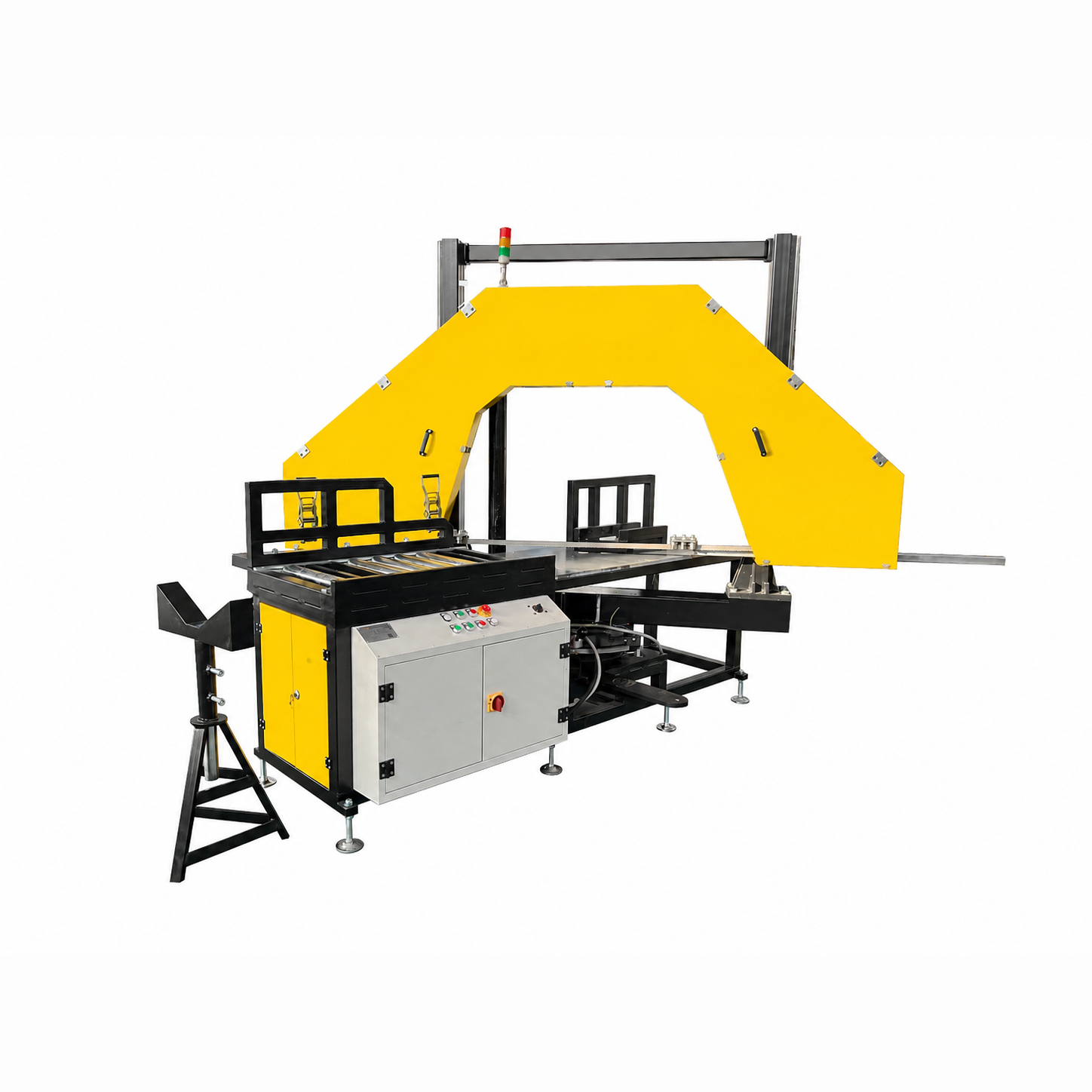
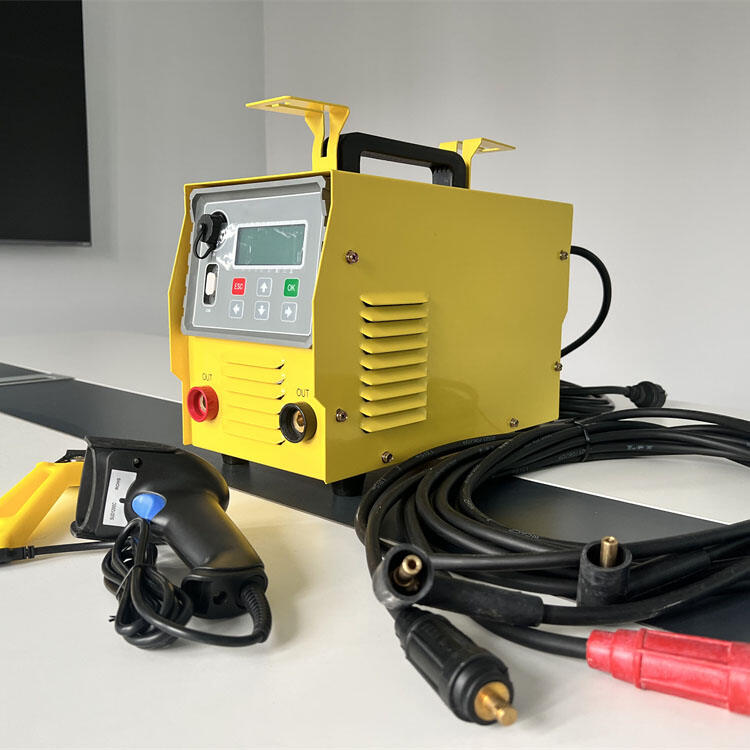
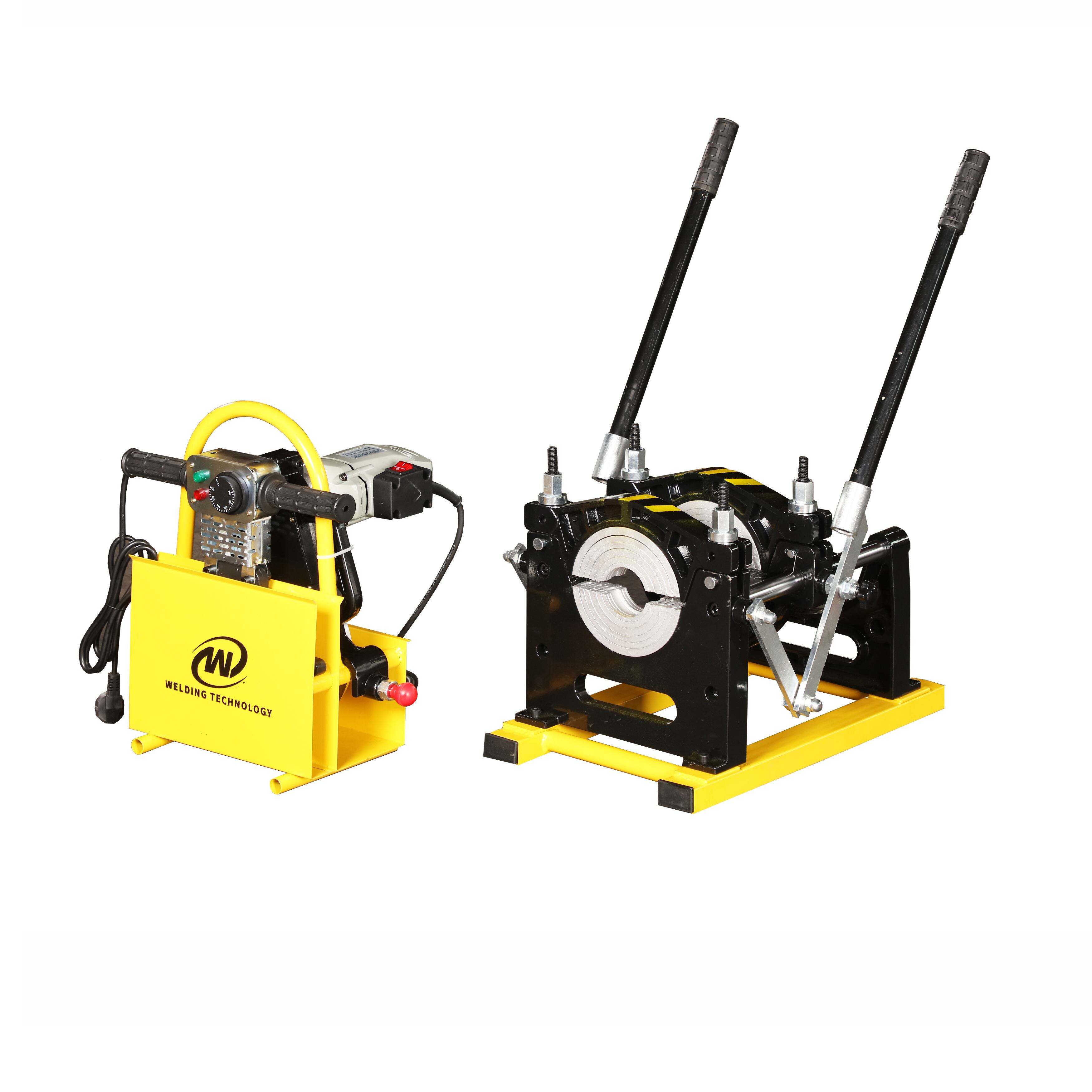
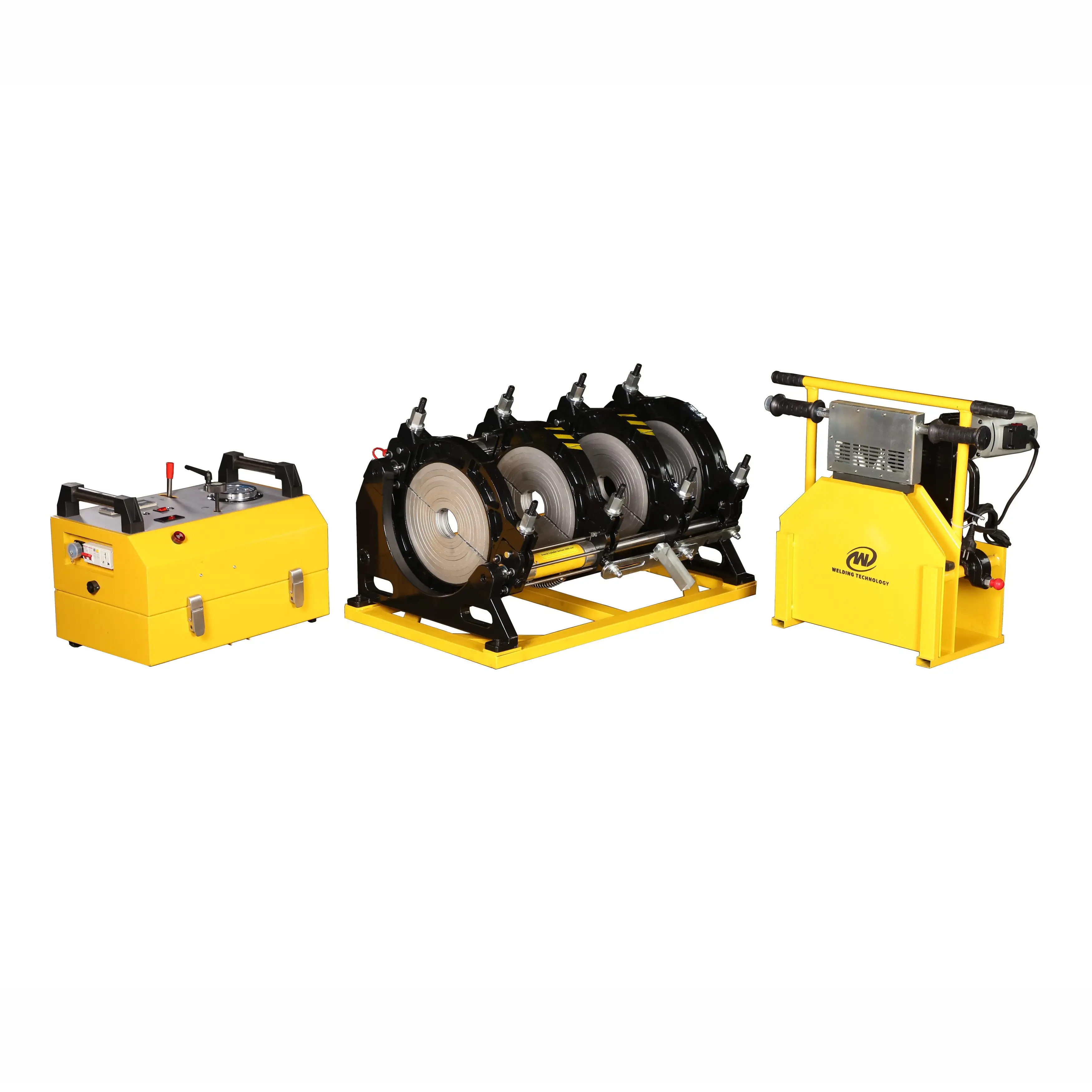
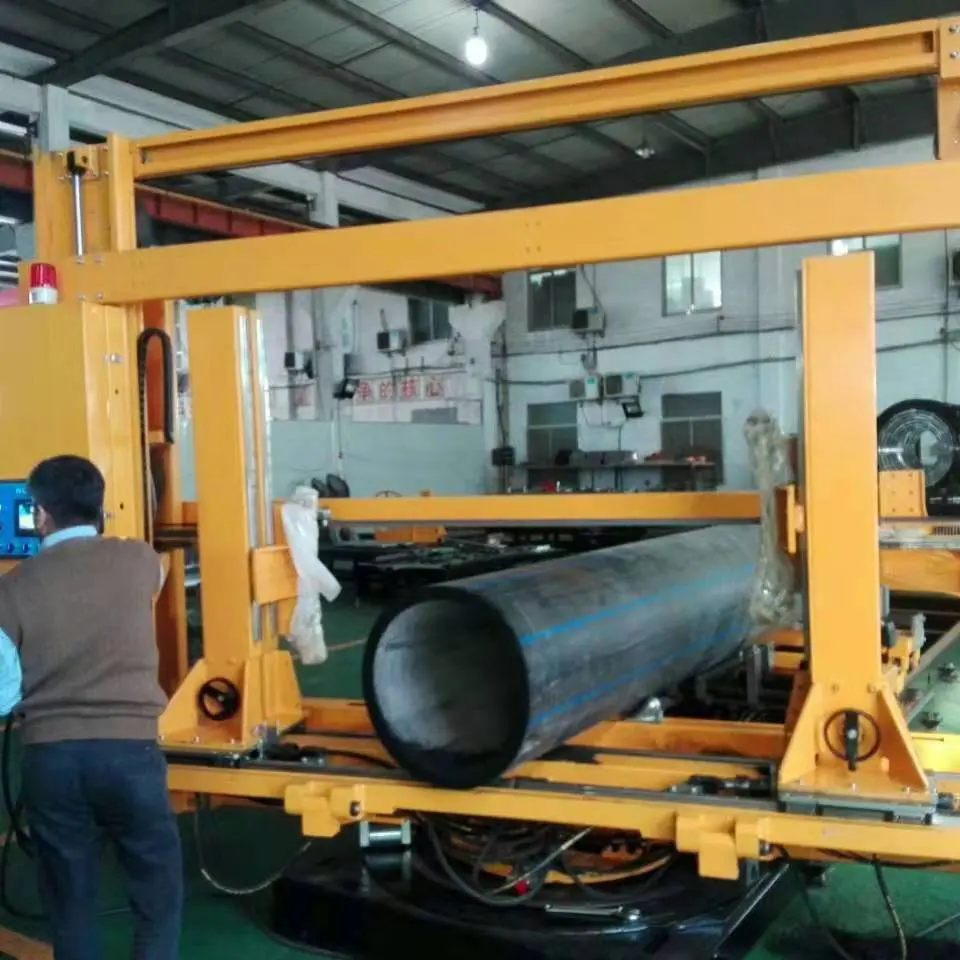
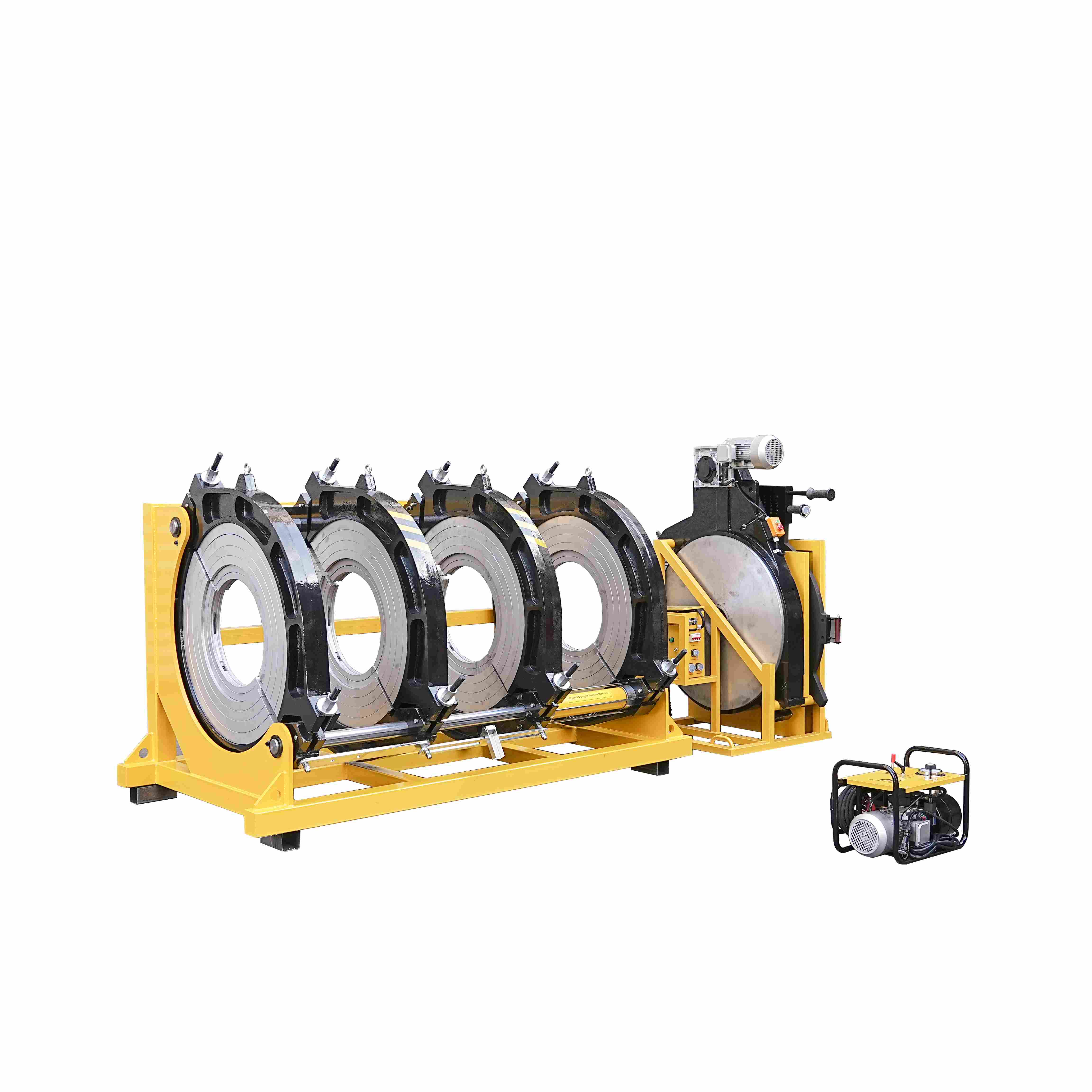
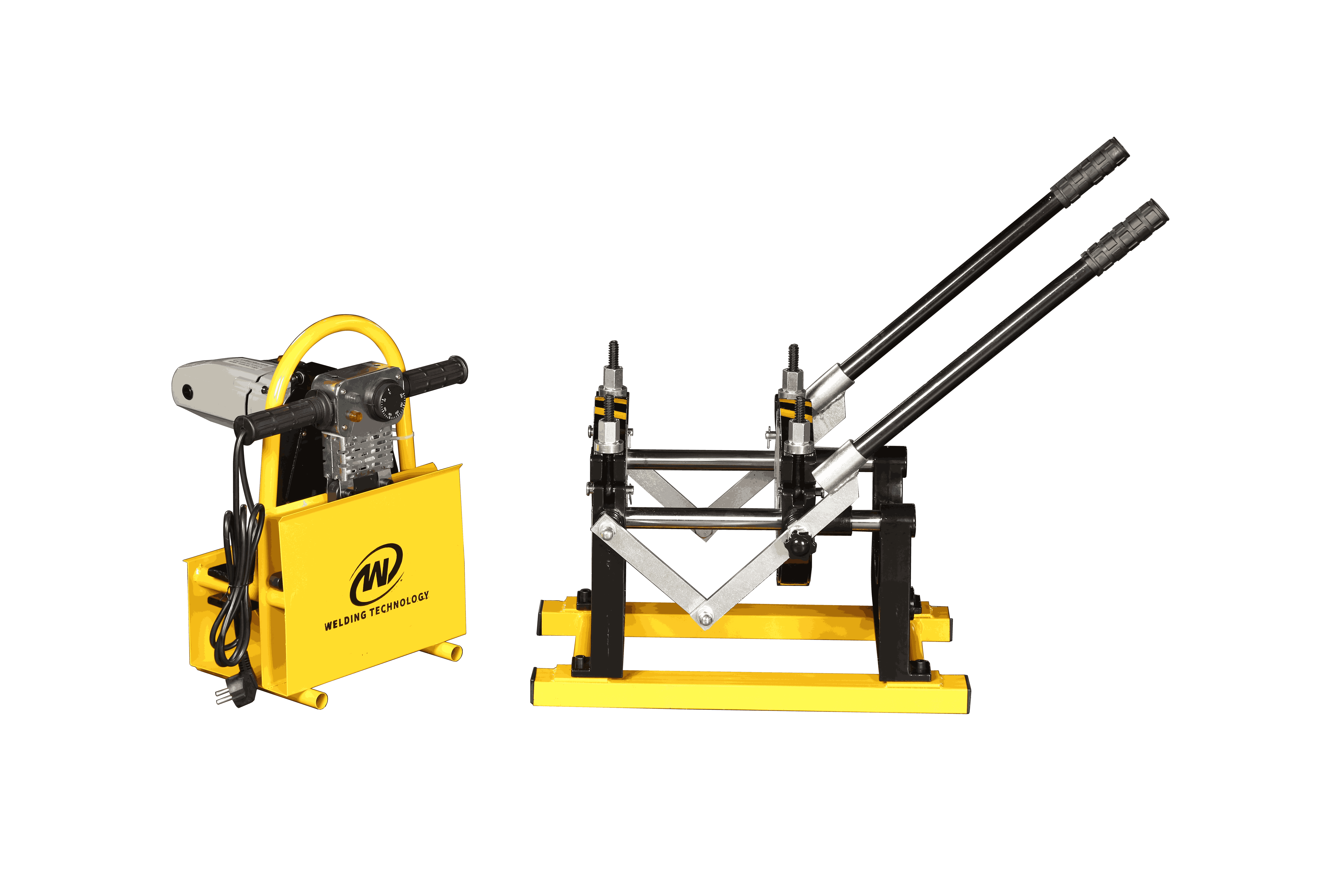
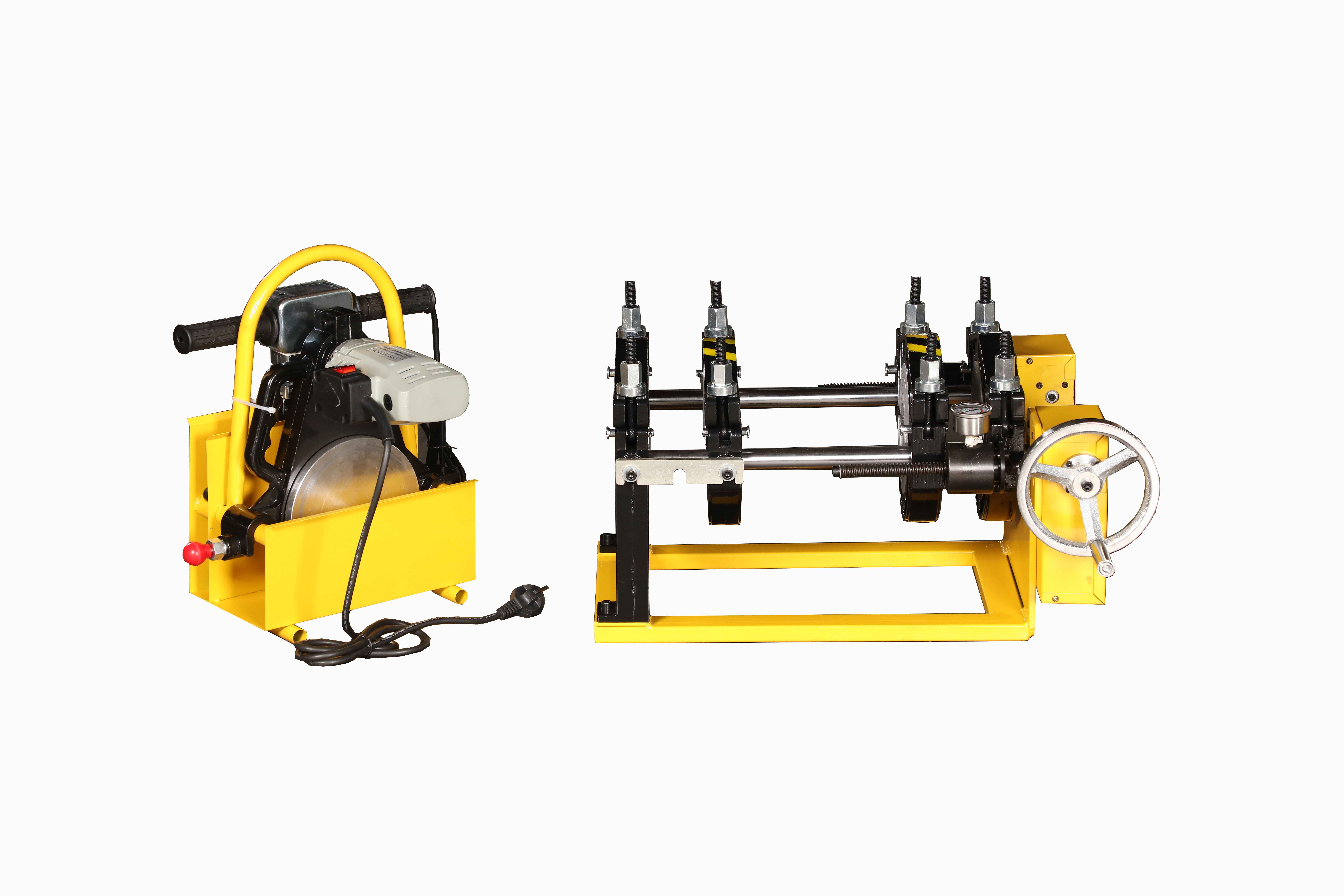
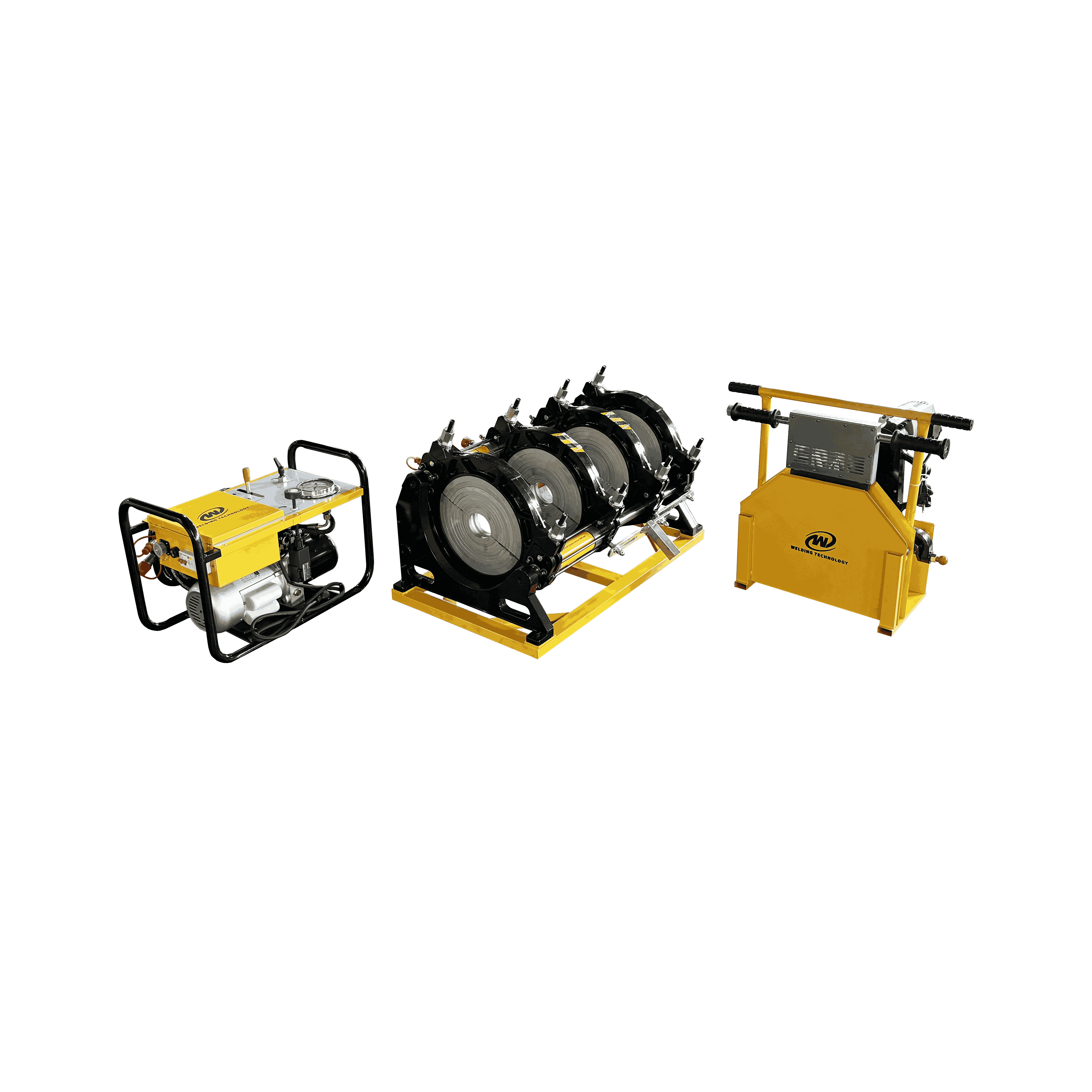
Plastic welding equipment represents a sophisticated manufacturing solution designed to join thermoplastic materials through controlled heat application and pressure. This advanced machinery operates by melting plastic surfaces at their molecular level, creating permanent bonds that match or exceed the strength of the original material. The equipment encompasses various welding technologies including hot air welding, ultrasonic welding, friction welding, and electromagnetic welding methods. Modern plastic welding equipment features precise temperature control systems, automated pressure regulation, and programmable welding cycles that ensure consistent results across different plastic types. The main functions include surface preparation through controlled heating, material fusion at optimal temperatures, and cooling phases that solidify the welded joint. These machines accommodate diverse plastic materials such as polyethylene, polypropylene, PVC, ABS, and engineering plastics. Technological features include digital temperature displays, adjustable welding speeds, interchangeable welding tips, and safety mechanisms that prevent overheating. Many units incorporate microprocessor controls that store welding parameters for different materials, enabling operators to achieve repeatable results. The equipment ranges from handheld tools for field repairs to automated production systems for high-volume manufacturing. Applications span across automotive manufacturing for dashboard assembly, construction industry for pipe joining, medical device production for sterile component assembly, and packaging industry for container sealing. Marine applications utilize plastic welding equipment for hull repairs and deck installations, while the electronics sector employs these tools for housing assembly and component encapsulation. The versatility of plastic welding equipment makes it indispensable in industries requiring durable, chemical-resistant joints that maintain integrity under stress and environmental exposure.

New Product Recommendations

Plastic welding equipment delivers exceptional cost-effectiveness by eliminating the need for expensive adhesives, mechanical fasteners, or consumable materials during the joining process. This equipment creates permanent bonds using only heat and pressure, significantly reducing ongoing operational costs compared to traditional bonding methods. The welding process produces joints that often exceed the strength of the base material, providing superior structural integrity for critical applications. Users benefit from rapid production cycles as plastic welding equipment completes joints in seconds or minutes, dramatically increasing throughput compared to adhesive curing times that may require hours. The equipment operates with remarkable precision, allowing operators to control temperature, pressure, and welding time to achieve consistent results across production runs. This precision eliminates waste from failed joints and reduces quality control expenses. Environmental benefits include the absence of toxic fumes, solvents, or chemical byproducts typically associated with adhesive bonding processes. The welding creates clean, sealed joints that prevent contamination in food packaging, medical devices, and pharmaceutical applications. Maintenance requirements remain minimal due to robust construction and simple operating principles, reducing downtime and service costs. The equipment accommodates various plastic thicknesses and configurations, providing manufacturing flexibility that adapts to changing product requirements without tooling modifications. Training requirements are straightforward, enabling operators to achieve proficiency quickly and reducing labor costs associated with specialized skills. Quality control becomes easier as welded joints can be immediately tested for strength and integrity, unlike adhesive bonds that require curing time before evaluation. The equipment enables rapid prototyping and small-batch production without setup costs associated with mechanical fastening systems. Long-term durability of welded joints reduces warranty claims and field failures, protecting brand reputation and customer relationships. Energy consumption remains low compared to alternative joining methods, contributing to sustainable manufacturing practices and reduced operating expenses.

Tips And Tricks

Global Fusion Welding Machinery Market Booms, Hangzhou Welding Leads Chinese Manufacturing to Serve 100+ Countries

11

Feb

Global Fusion Welding Machinery Market Booms, Hangzhou Welding Leads Chinese Manufacturing to Serve 100+ Countries

View More
Technological Innovation Drives Industry Upgrade, Hangzhou Welding Leads the Development of Thermoplastic Welding Technology

11

Feb

Technological Innovation Drives Industry Upgrade, Hangzhou Welding Leads the Development of Thermoplastic Welding Technology

View More
Accelerating Global Layout, Hangzhou Welding Technology Drives International Market Development with the Dual Wheels of

11

Feb

Accelerating Global Layout, Hangzhou Welding Technology Drives International Market Development with the Dual Wheels of "Products + Services"

View More

Get a Free Quote

Our representative will contact you soon.
E-mail
Name
Mobile/WhatsApp
Company Name
Message
0/1000

plastic welding equipment

Advanced Temperature Control Technology

Advanced Temperature Control Technology

The sophisticated temperature control system in modern plastic welding equipment represents a breakthrough in precision manufacturing that directly impacts product quality and production efficiency. This advanced technology utilizes digital sensors and microprocessor-controlled heating elements to maintain exact temperatures within narrow tolerances, typically plus or minus two degrees Celsius. The system continuously monitors thermal conditions throughout the welding process, automatically adjusting power output to compensate for environmental variations or material thermal properties. This precise control prevents overheating that could degrade plastic materials or underheating that results in weak joints. The temperature control technology incorporates programmable profiles that accommodate different plastic types and thicknesses, storing optimal parameters for future use. Operators can establish specific heating ramps, hold temperatures, and cooling cycles tailored to each application, ensuring consistent results regardless of operator experience level. The system includes safety features such as automatic shutdown when temperatures exceed safe limits and thermal protection circuits that prevent equipment damage. Advanced models feature multiple zone control, allowing different temperatures across the welding area to accommodate complex joint geometries or dissimilar materials. The rapid response capability of the control system enables quick adjustments during production runs, minimizing waste from temperature-related defects. Digital displays provide real-time feedback on actual versus target temperatures, enabling operators to monitor process stability and identify potential issues before they affect quality. The temperature control technology extends equipment lifespan by preventing thermal stress on heating elements and maintaining optimal operating conditions. This precision temperature management ensures that molecular fusion occurs at the ideal conditions for maximum joint strength while preserving the mechanical properties of the surrounding material. The system's ability to maintain consistent temperatures across extended production runs reduces variability in joint quality and eliminates the need for frequent quality checks.
Versatile Material Compatibility

Versatile Material Compatibility

The exceptional material compatibility of plastic welding equipment makes it an invaluable asset for manufacturers working with diverse thermoplastic materials across multiple industries and applications. This versatility stems from adjustable welding parameters that accommodate the unique thermal and mechanical properties of different plastic types, from commodity plastics like polyethylene and polystyrene to high-performance engineering plastics such as PEEK and PPS. The equipment handles materials with varying melting points, thermal conductivities, and viscosity characteristics through programmable settings that optimize welding conditions for each specific material combination. This flexibility eliminates the need for multiple specialized tools, reducing capital investment and simplifying inventory management for manufacturers. The system successfully joins dissimilar materials when their thermal properties are compatible, opening possibilities for innovative product designs that combine different plastic characteristics. Material compatibility extends to various plastic forms including sheets, films, profiles, and molded components, accommodating diverse manufacturing requirements within a single equipment platform. The welding process preserves the inherent properties of thermoplastics such as chemical resistance, flexibility, and dimensional stability, making it suitable for applications requiring these specific characteristics. Advanced plastic welding equipment includes material databases that store optimal welding parameters for common plastic types, reducing setup time and eliminating guesswork in parameter selection. The equipment adapts to different material thicknesses without requiring tool changes, providing manufacturing flexibility for varying product specifications. Quality considerations include the ability to create hermetic seals in barrier materials, maintaining product integrity for packaging and containment applications. The material compatibility extends to recycled and bio-based plastics, supporting sustainable manufacturing initiatives without compromising joint quality. Testing capabilities allow operators to verify compatibility with new materials or formulations before committing to full production runs. This versatility enables manufacturers to respond quickly to market demands for new products or material substitutions driven by cost, performance, or environmental considerations.
Automated Production Integration

Automated Production Integration

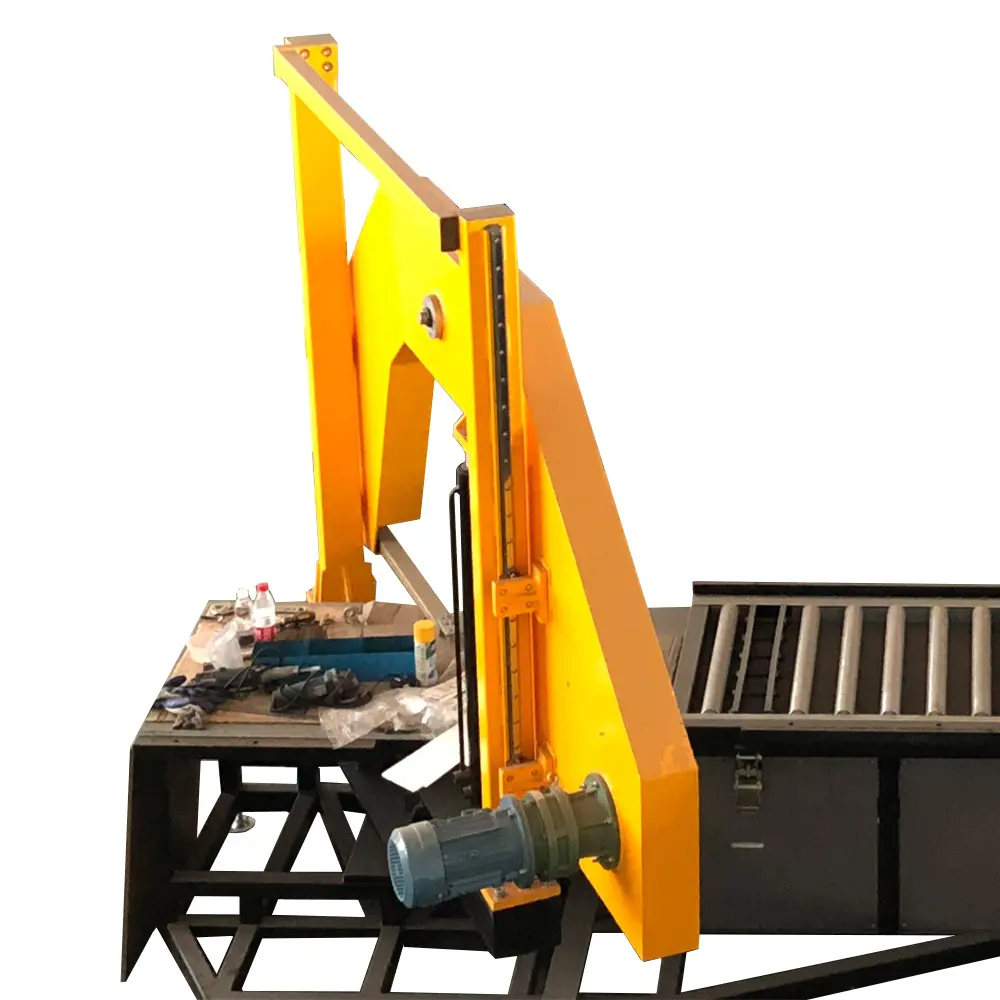
The seamless integration capabilities of modern plastic welding equipment into automated production systems represent a significant advancement in manufacturing efficiency and quality control that transforms traditional assembly processes. This integration encompasses sophisticated control interfaces that communicate with programmable logic controllers, manufacturing execution systems, and quality management databases to create fully automated production lines. The equipment features standardized communication protocols such as Ethernet/IP, Profibus, and Modbus that enable real-time data exchange with upstream and downstream processes, facilitating synchronized production flow. Automated systems incorporate robotic handling capabilities that position components precisely for welding, eliminating manual positioning errors and reducing cycle times. The integration includes vision systems that verify component alignment and weld quality, automatically rejecting defective parts and maintaining statistical process control data. Programmable welding sequences accommodate complex joint geometries and multiple weld locations within single production cycles, increasing throughput while maintaining consistent quality standards. The automated systems include material handling conveyors, part feeders, and finished goods collection systems that create complete production cells requiring minimal operator intervention. Quality assurance integration includes automatic documentation of welding parameters, cycle times, and test results for each produced part, supporting traceability requirements and quality certifications. The equipment incorporates predictive maintenance features that monitor component wear and performance degradation, scheduling maintenance activities to prevent unplanned downtime. Production integration includes real-time monitoring dashboards that display equipment status, production rates, and quality metrics, enabling proactive management decisions. Flexible programming capabilities allow rapid changeover between different products or welding specifications without manual reconfiguration, supporting lean manufacturing principles and just-in-time production schedules. The automated systems accommodate varying production volumes from small batch runs to continuous high-volume production, scaling operations according to demand fluctuations. Integration benefits include reduced labor costs, improved worker safety by eliminating exposure to high temperatures, and consistent quality that meets stringent industry standards for medical devices, automotive components, and consumer products.

Get a Free Quote

Our representative will contact you soon.
E-mail
Name
Mobile/WhatsApp
Company Name
Message
0/1000