Cost Efficiency Through Reduced Materials and Labor
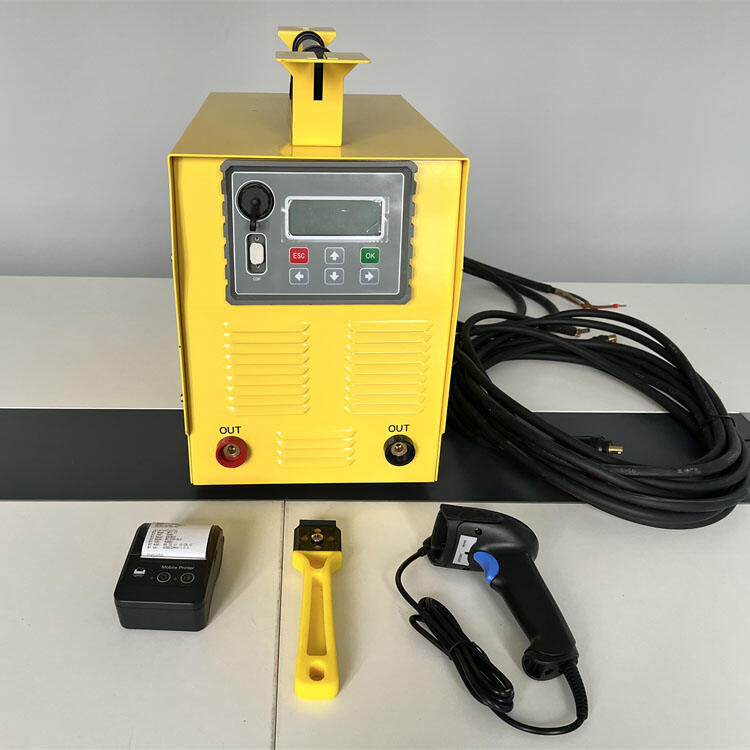
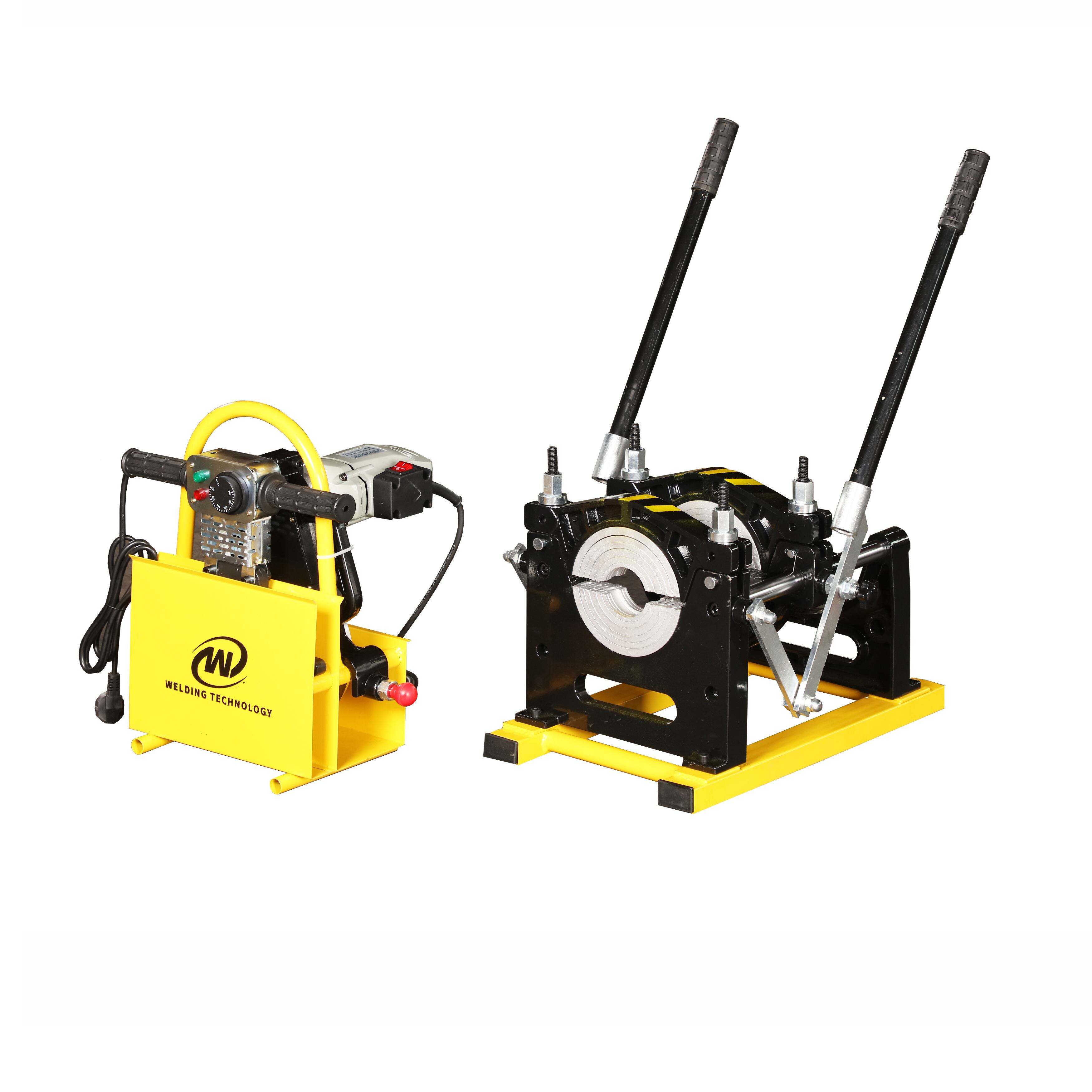
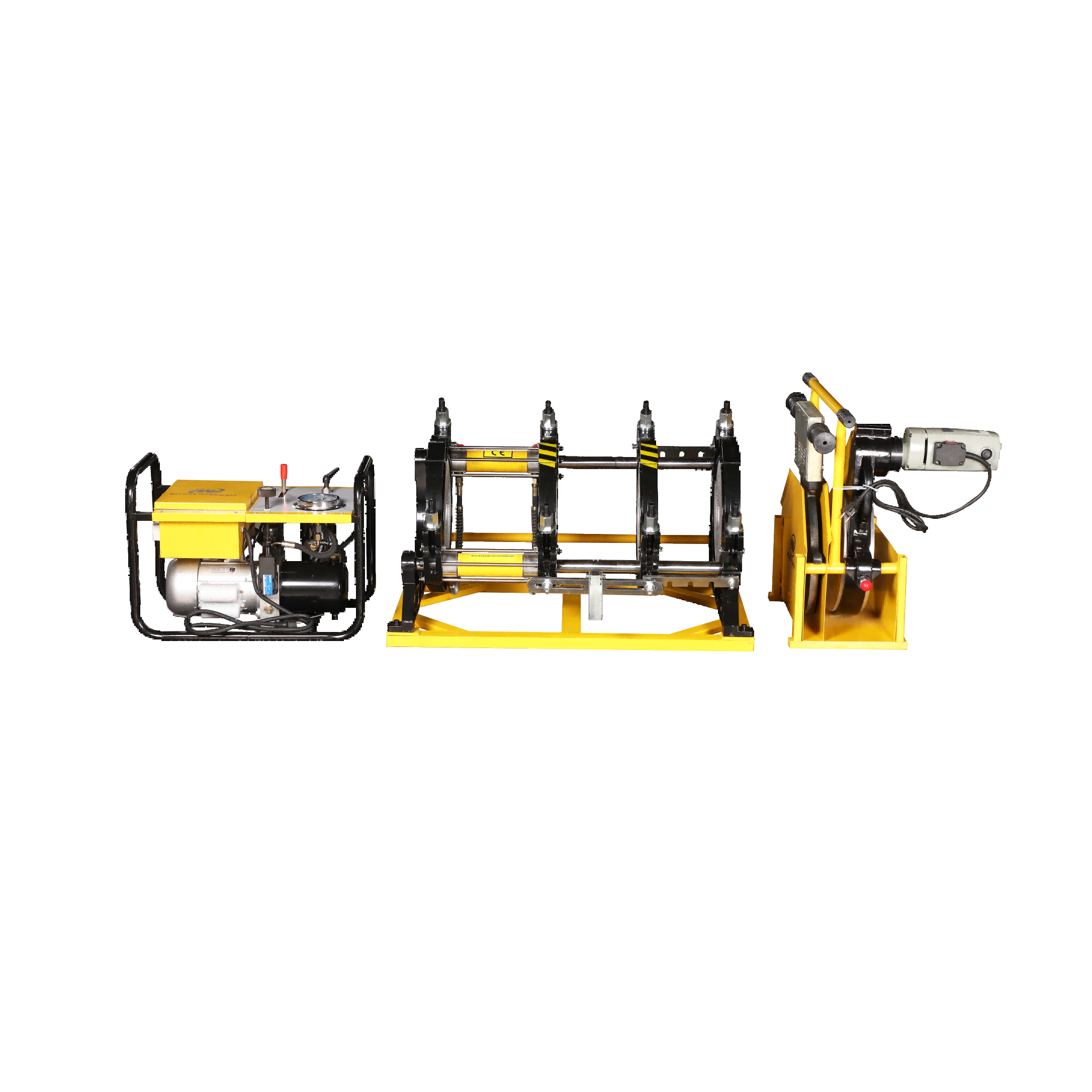
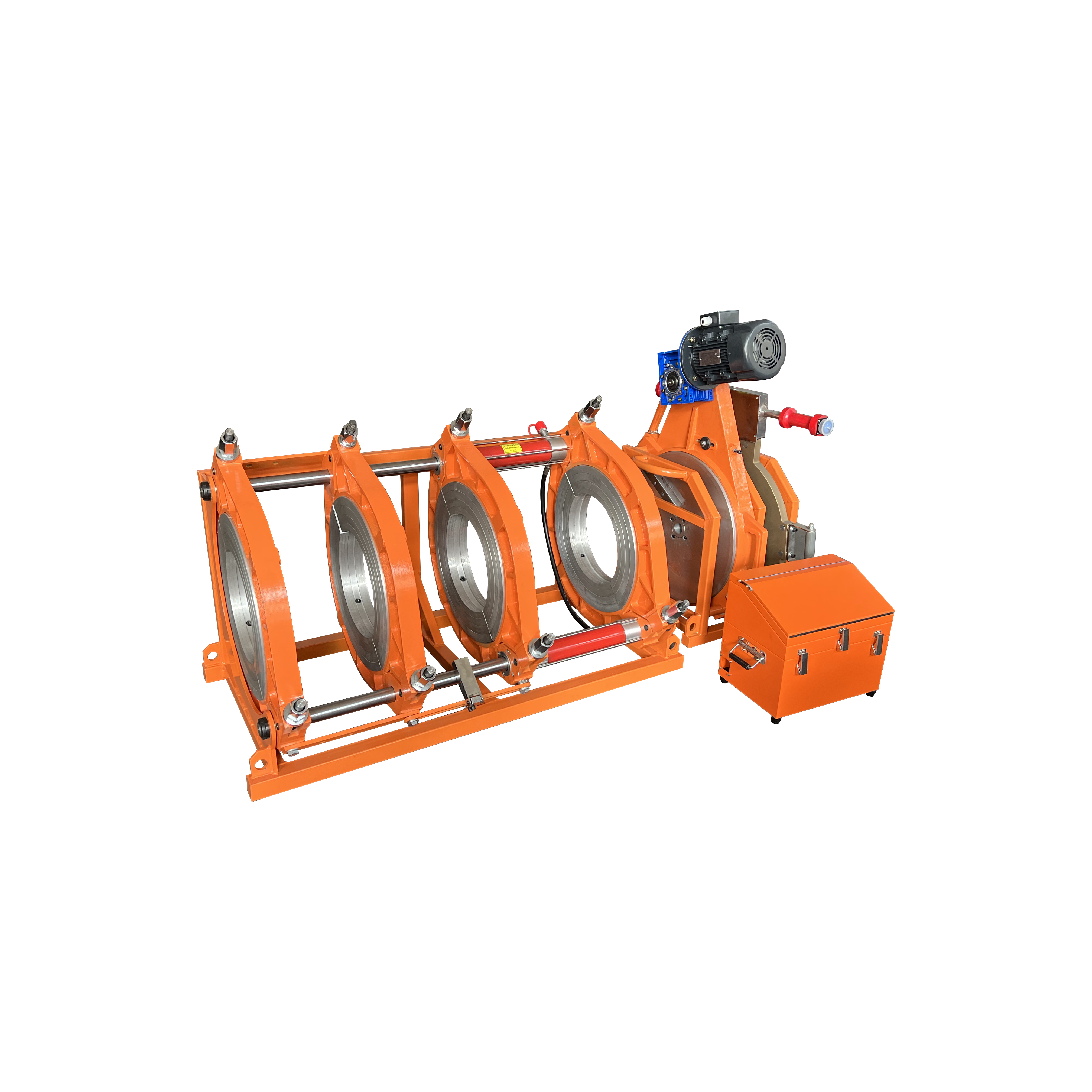
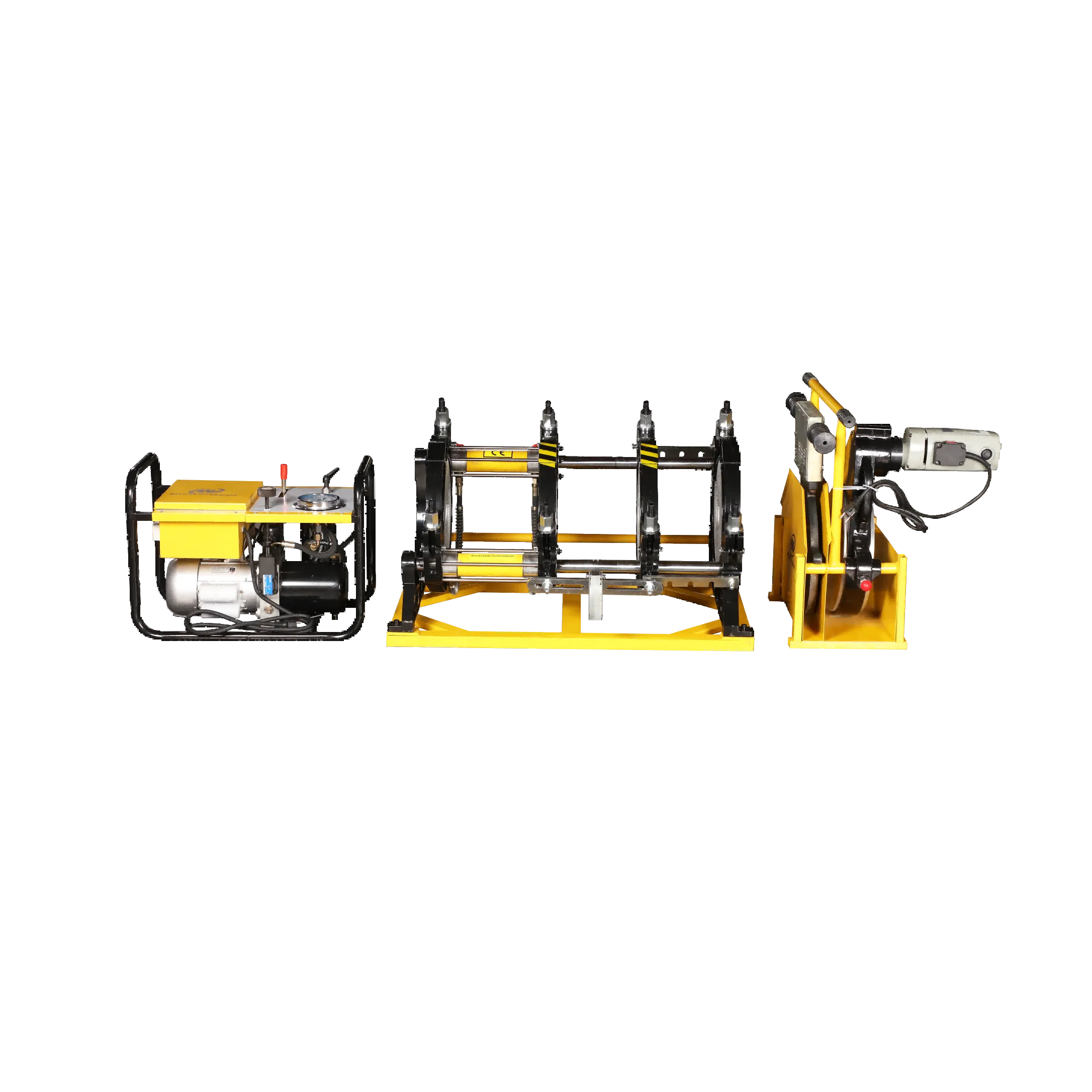
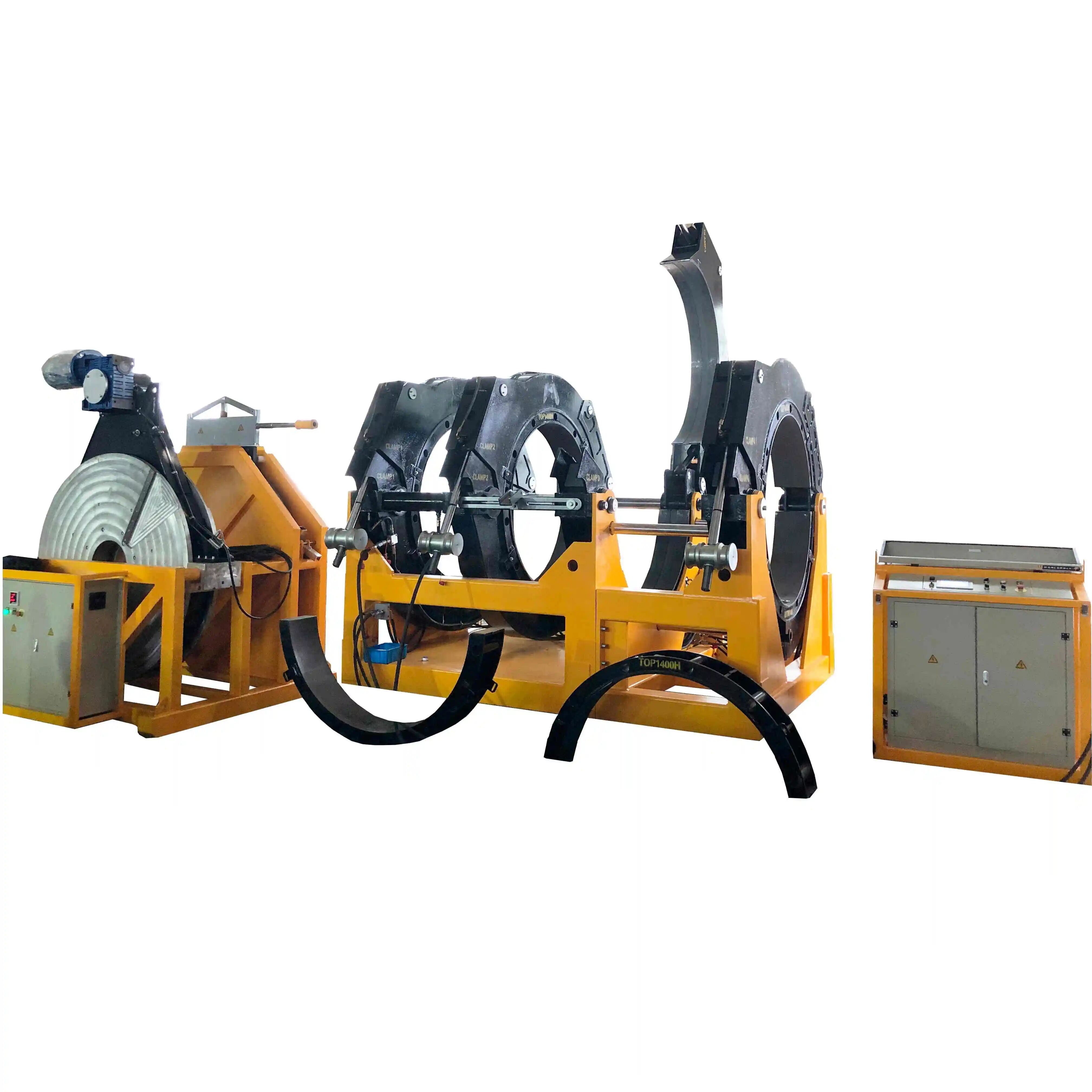
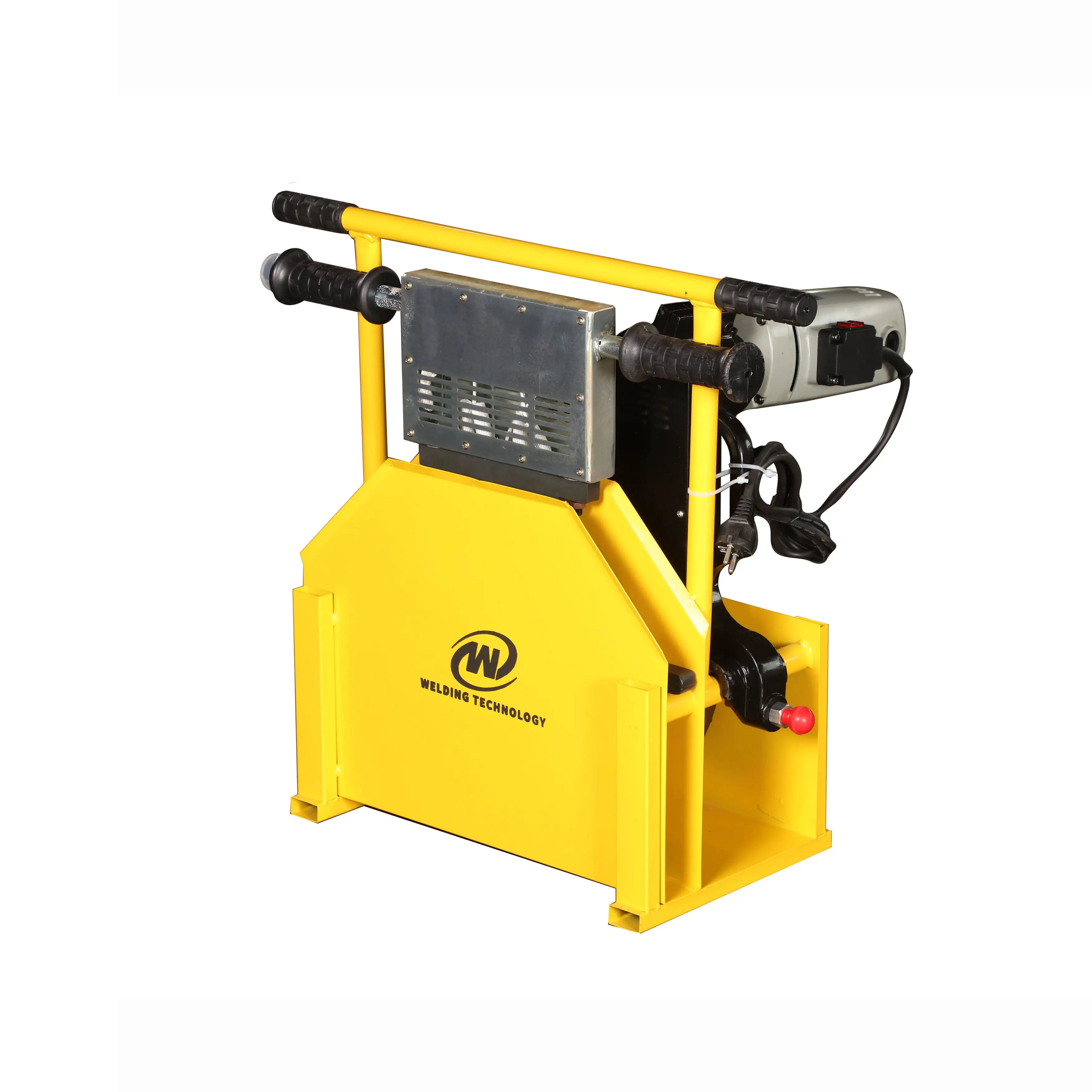
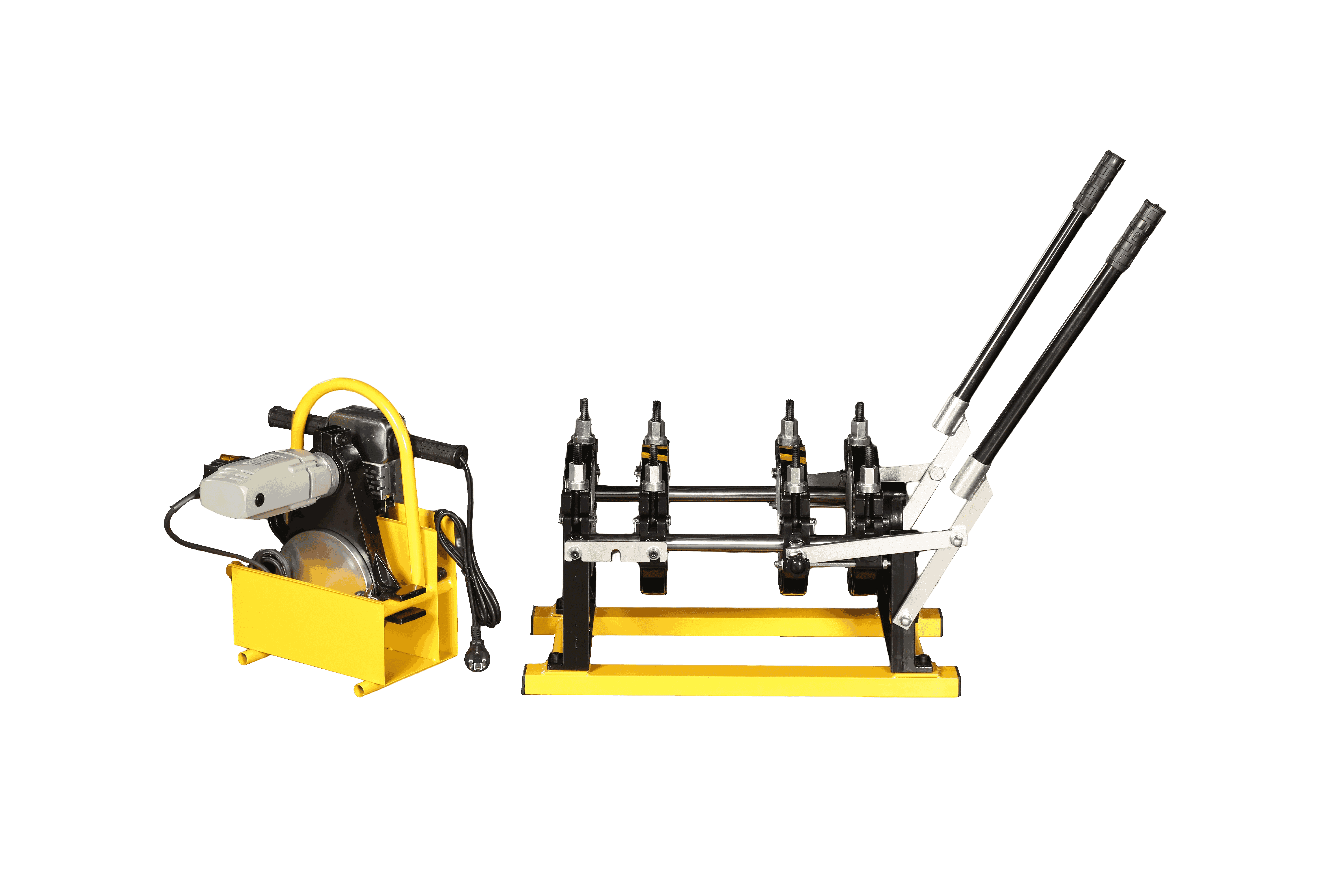
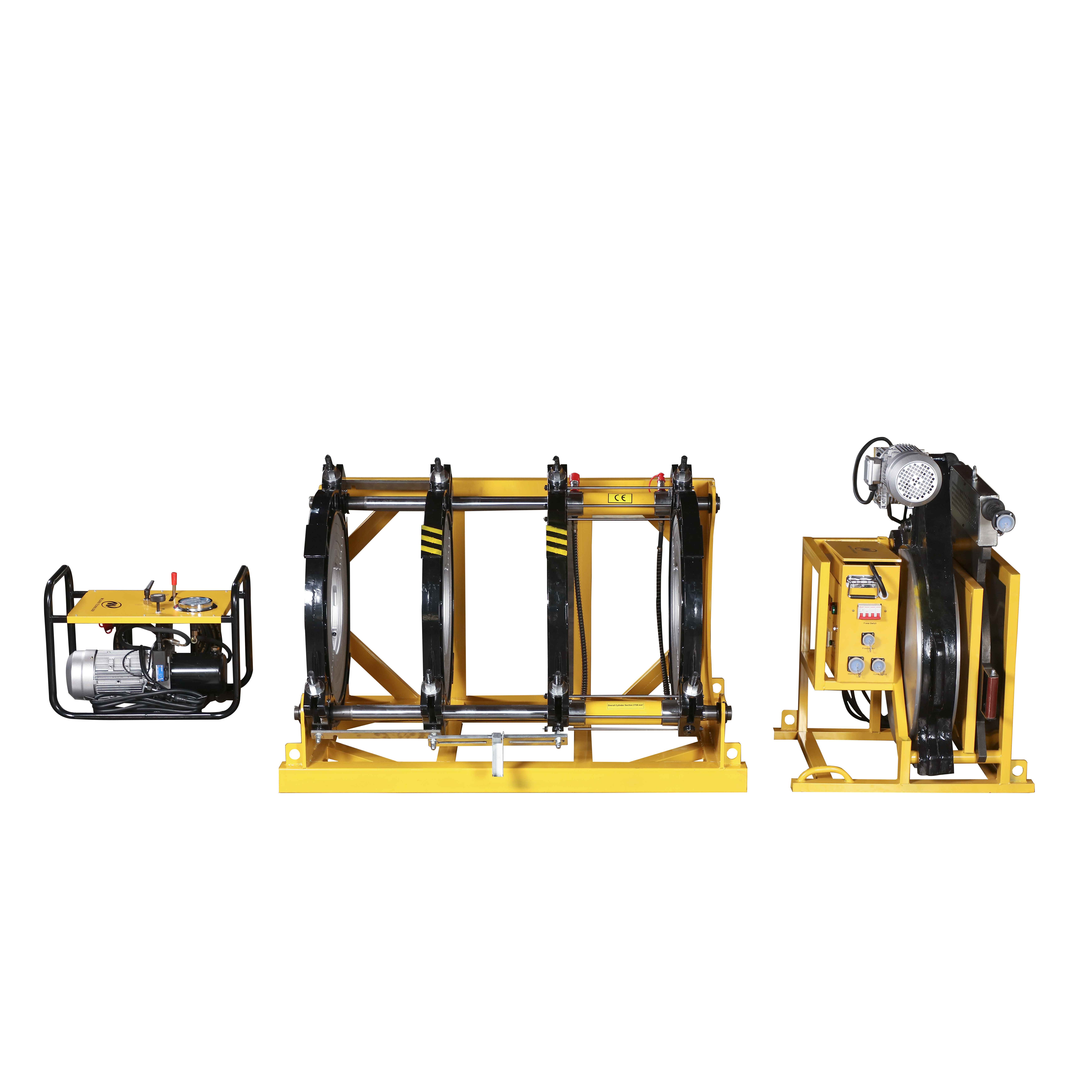
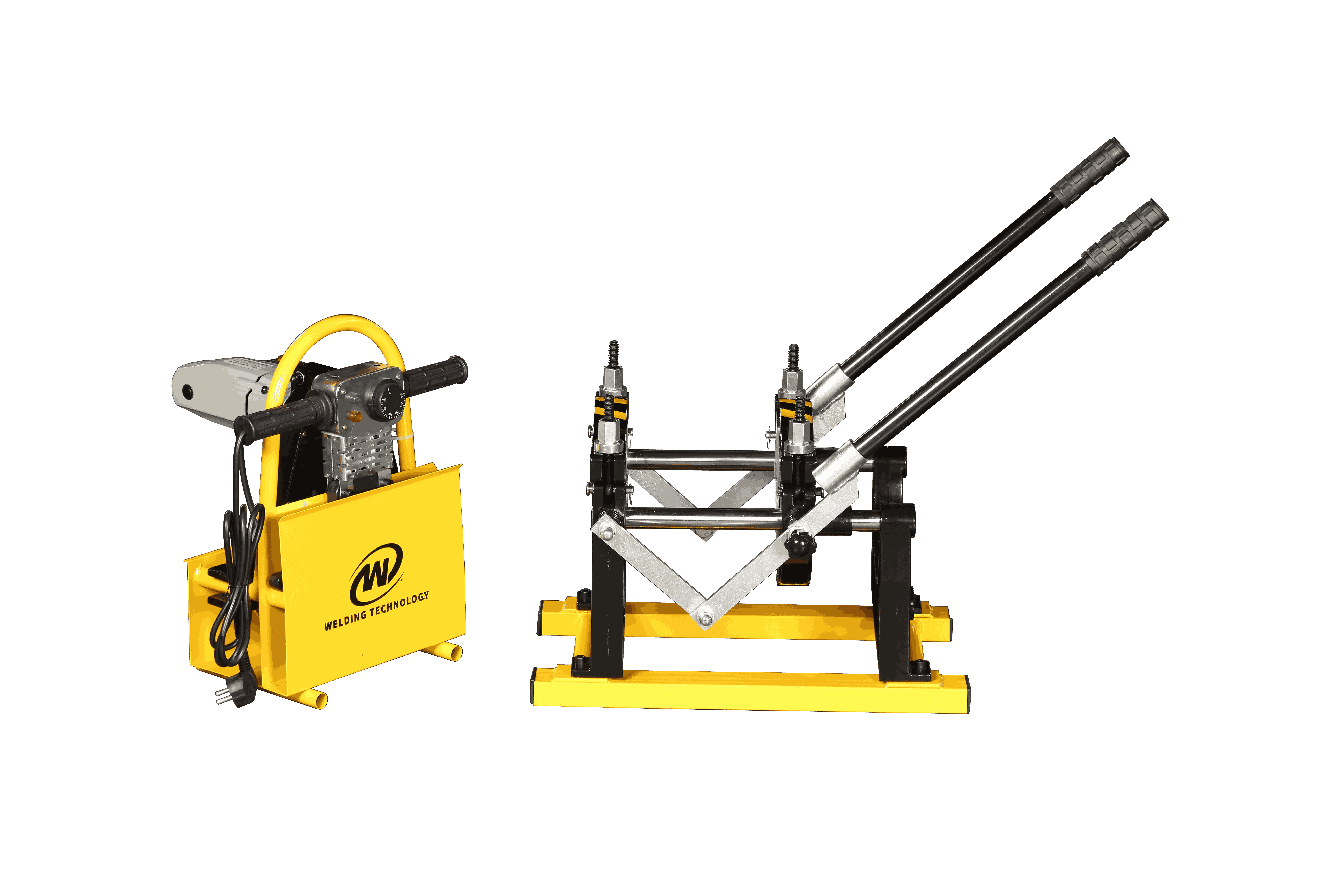
Economic analysis consistently demonstrates that employing a poly pipe fusion machine significantly reduces total project costs compared to alternative joining methods. The elimination of mechanical fittings represents the most immediate savings, as fusion welding requires no couplings, flanges, gaskets, or bolting hardware that add substantial material expenses to traditional pipe installations. A poly pipe fusion machine enables direct pipe-to-pipe connections, reducing material procurement costs by thirty to fifty percent on projects with numerous joints. Labor efficiency improvements provide additional financial benefits, with trained operators completing fusion joints in a fraction of the time required for mechanical assembly or adhesive bonding processes. The rapid cycle times achievable with a poly pipe fusion machine allow crews to install more pipe footage per day, reducing overall project duration and associated labor costs. Projects avoid the expense of specialized tradespeople required for threading, welding, or solvent bonding, as fusion machine operation requires only basic training that most construction workers master quickly. The poly pipe fusion machine eliminates ongoing maintenance costs that burden systems using mechanical joints, which require periodic inspection, retightening, gasket replacement, and eventual fitting renewal. Infrastructure installed through fusion welding operates maintenance-free for decades, providing lifecycle cost advantages that far exceed initial equipment investment. Reduced leak rates achieved with a poly pipe fusion machine prevent the water loss expenses, contamination liability, and emergency repair costs associated with failed mechanical connections. Municipalities and utilities recognize these economic benefits, with many organizations specifying fusion welding for all polyethylene pipe installations regardless of project size. The poly pipe fusion machine investment amortizes quickly on medium to large projects, typically achieving payback within the first few installations through combined material and labor savings. Contractors gain competitive advantages by owning fusion equipment, enabling lower bid prices while maintaining healthy profit margins. The technology reduces quality control expenses since fusion joints rarely fail field pressure testing, avoiding the costly repairs and schedule delays caused by leaking mechanical connections. A poly pipe fusion machine requires minimal consumables beyond electrical power, with heating plates lasting for thousands of fusion cycles before requiring replacement or refacing. This low operational cost structure contrasts sharply with methods requiring continuous purchases of fittings, sealants, or welding consumables. Insurance costs may decrease for contractors using fusion equipment, as the reliable joint quality reduces liability exposure from system failures. The poly pipe fusion machine also provides revenue opportunities through equipment rental or subcontracting services to smaller contractors lacking fusion capabilities, creating additional income streams that further improve return on investment.

 EN
EN