Operational Efficiency and Installation Versatility
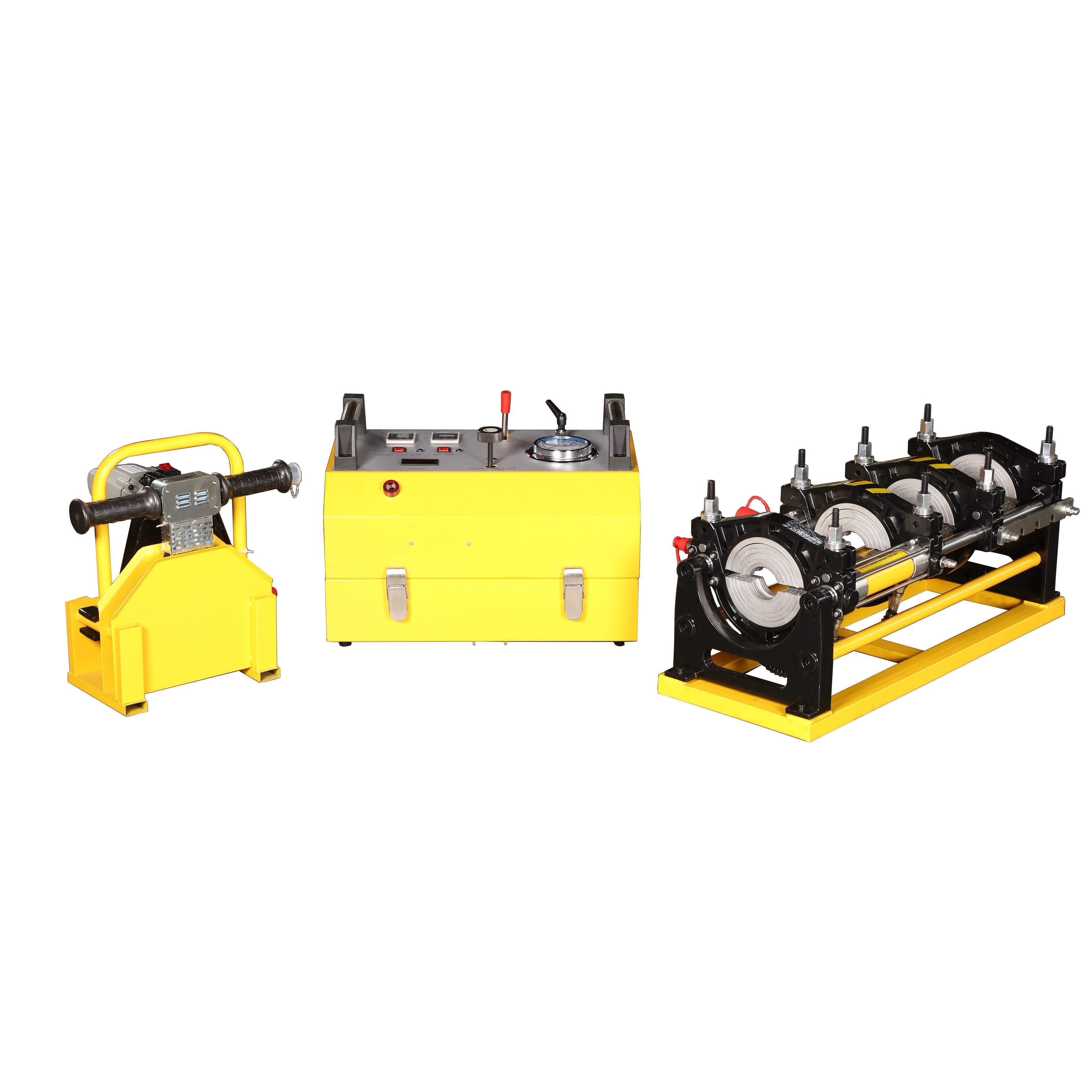
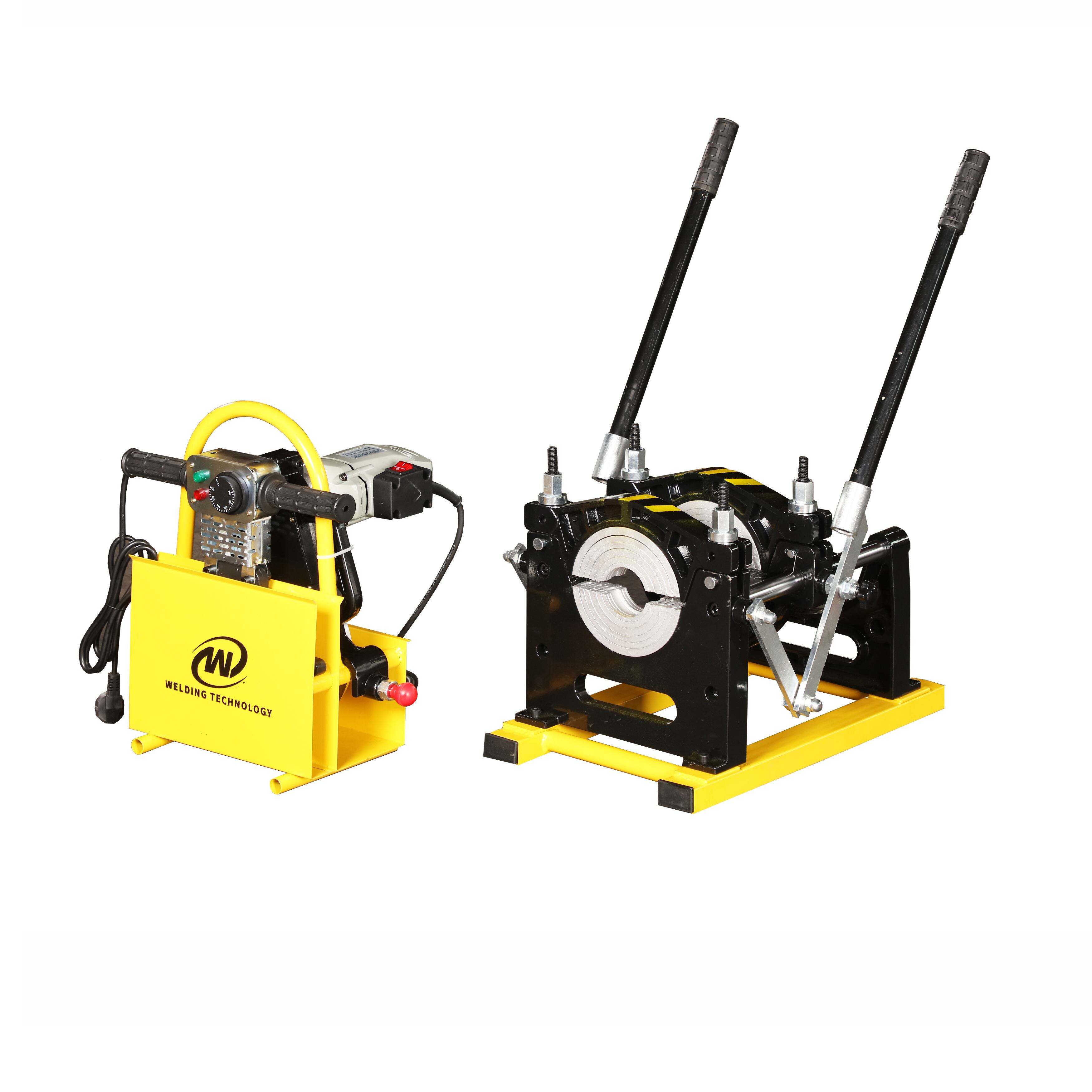
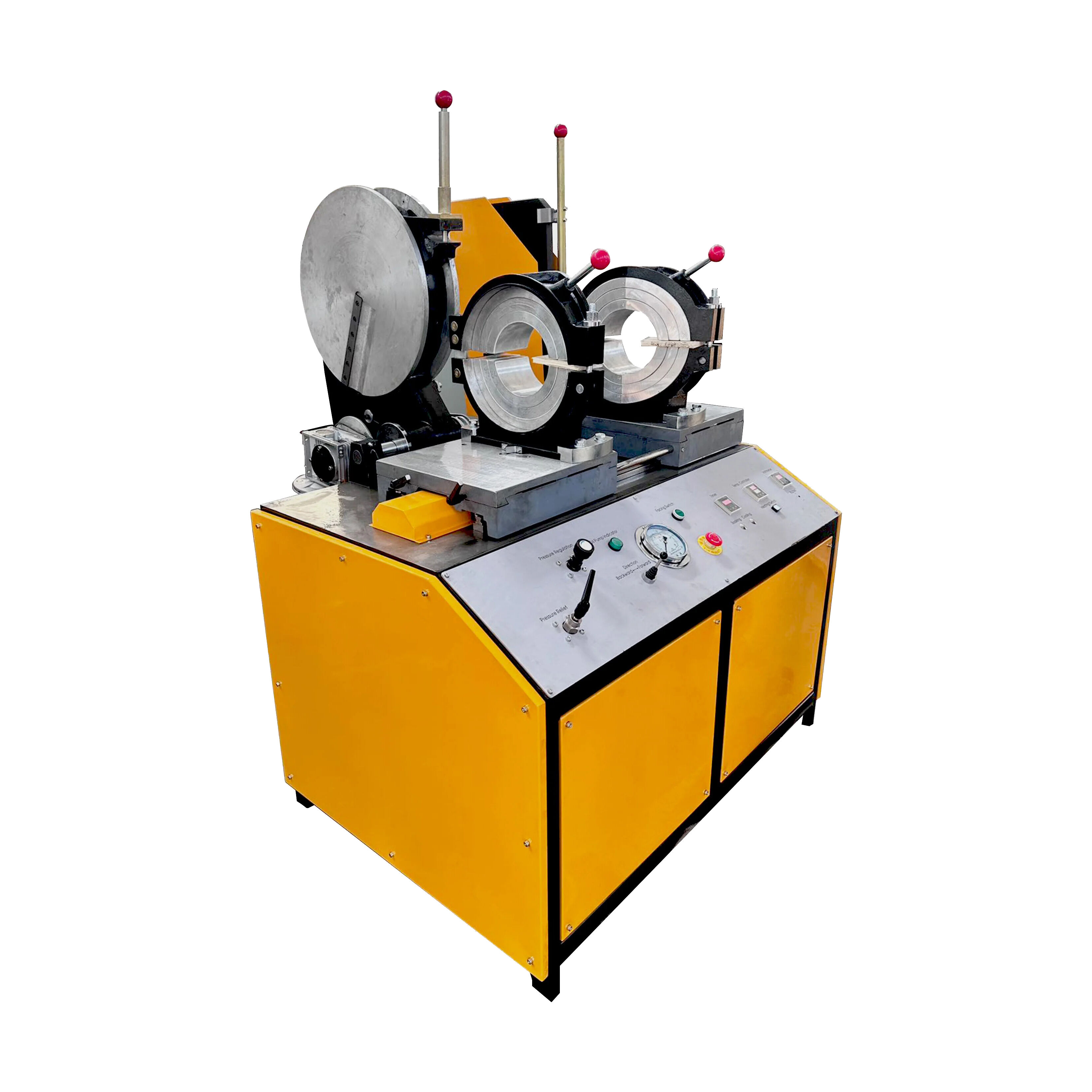
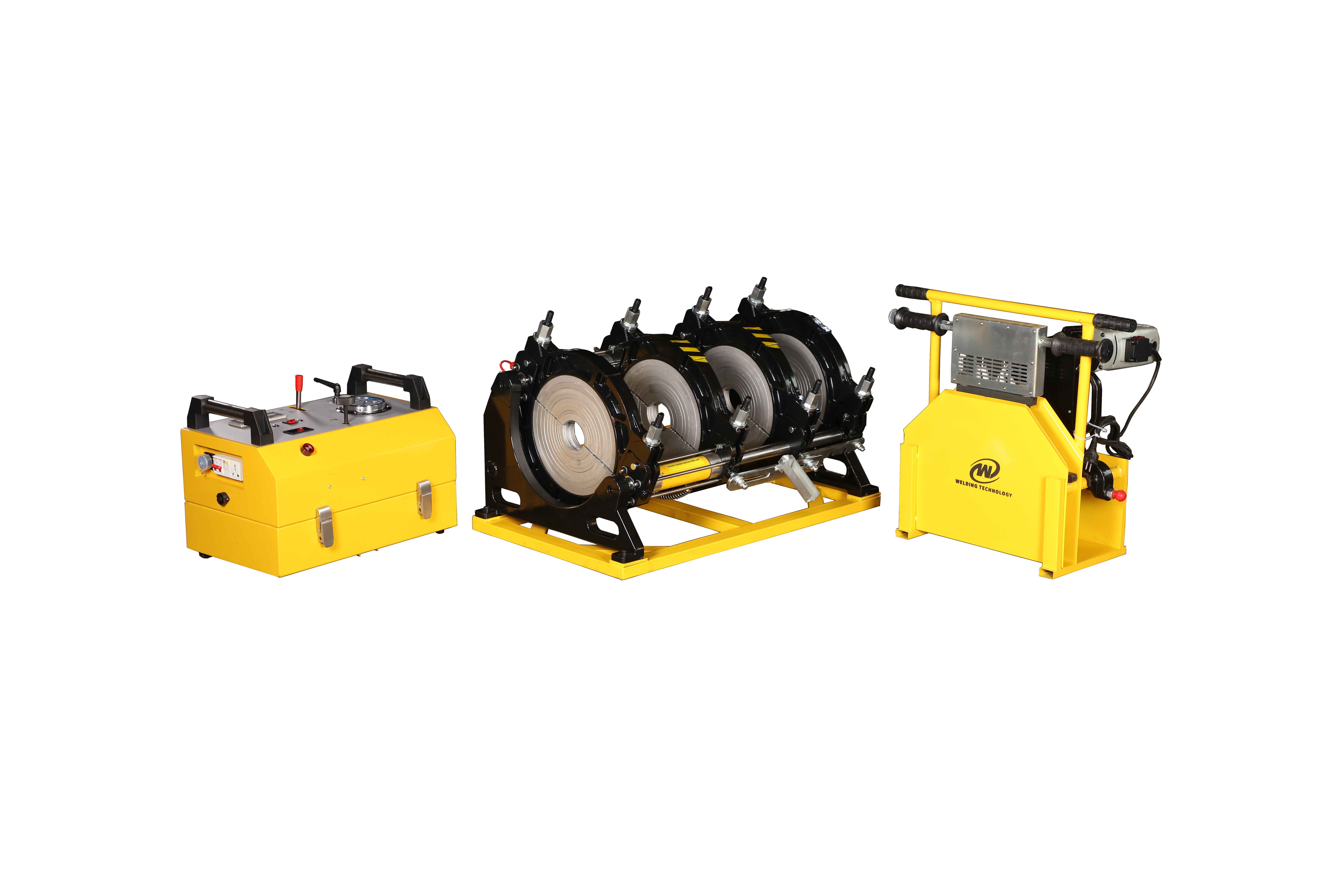
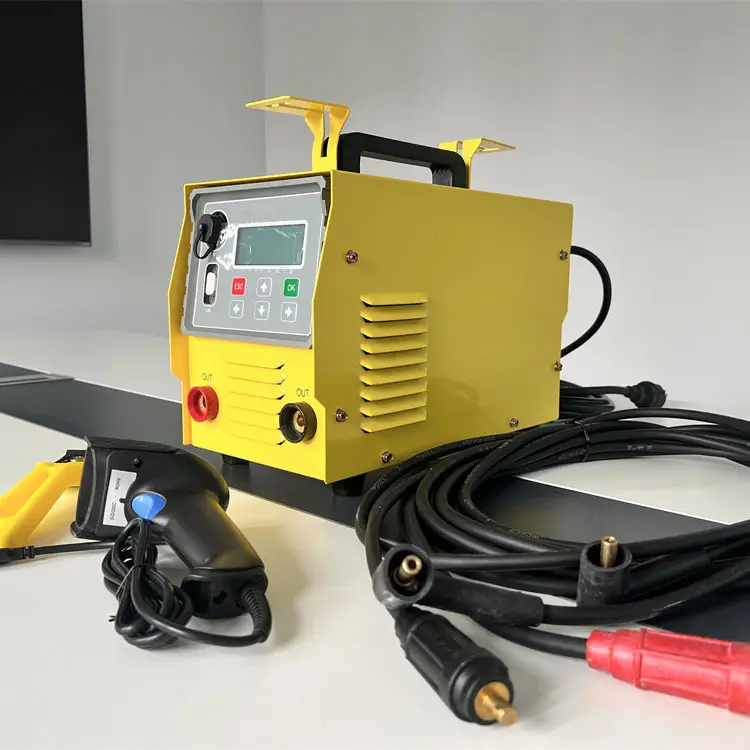
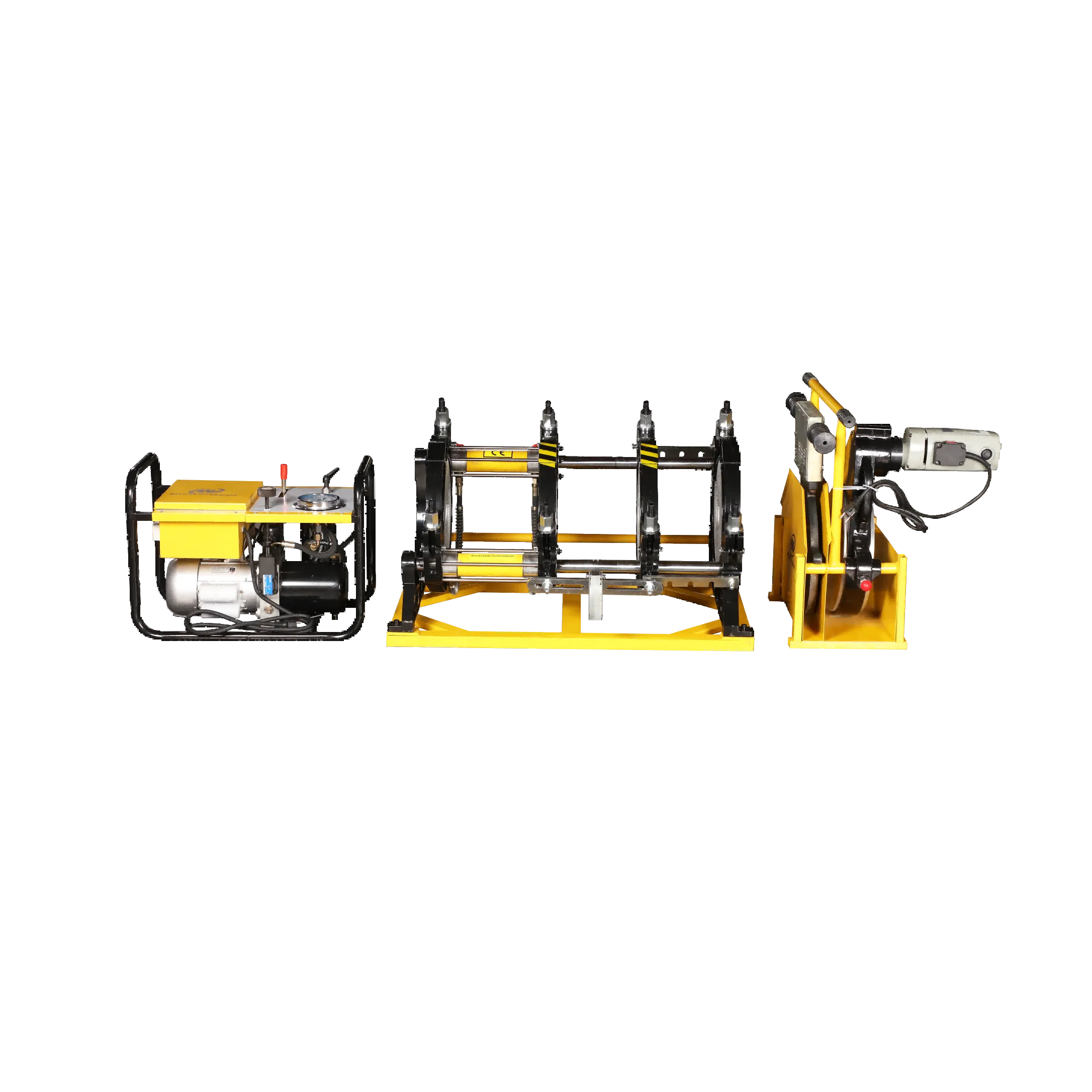
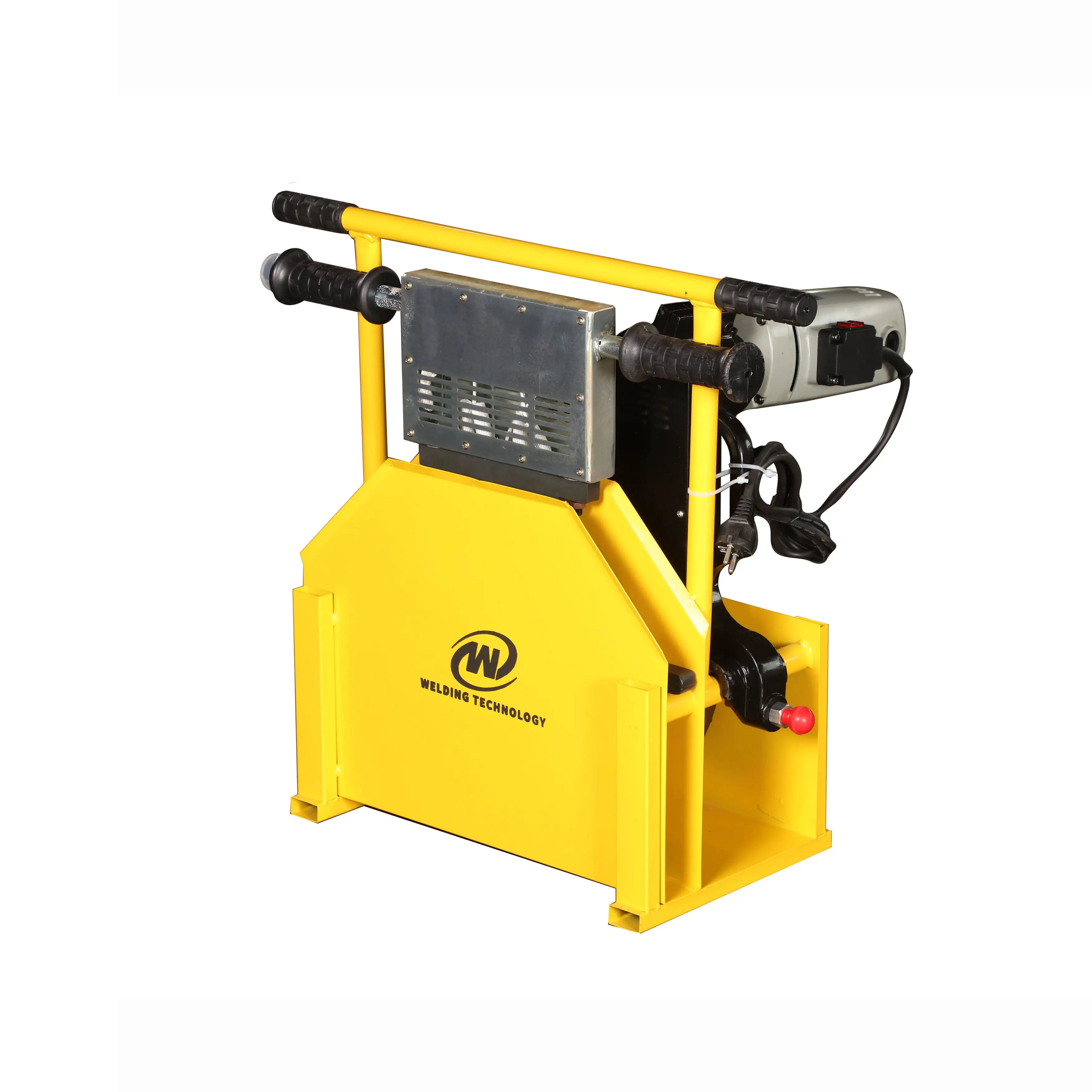
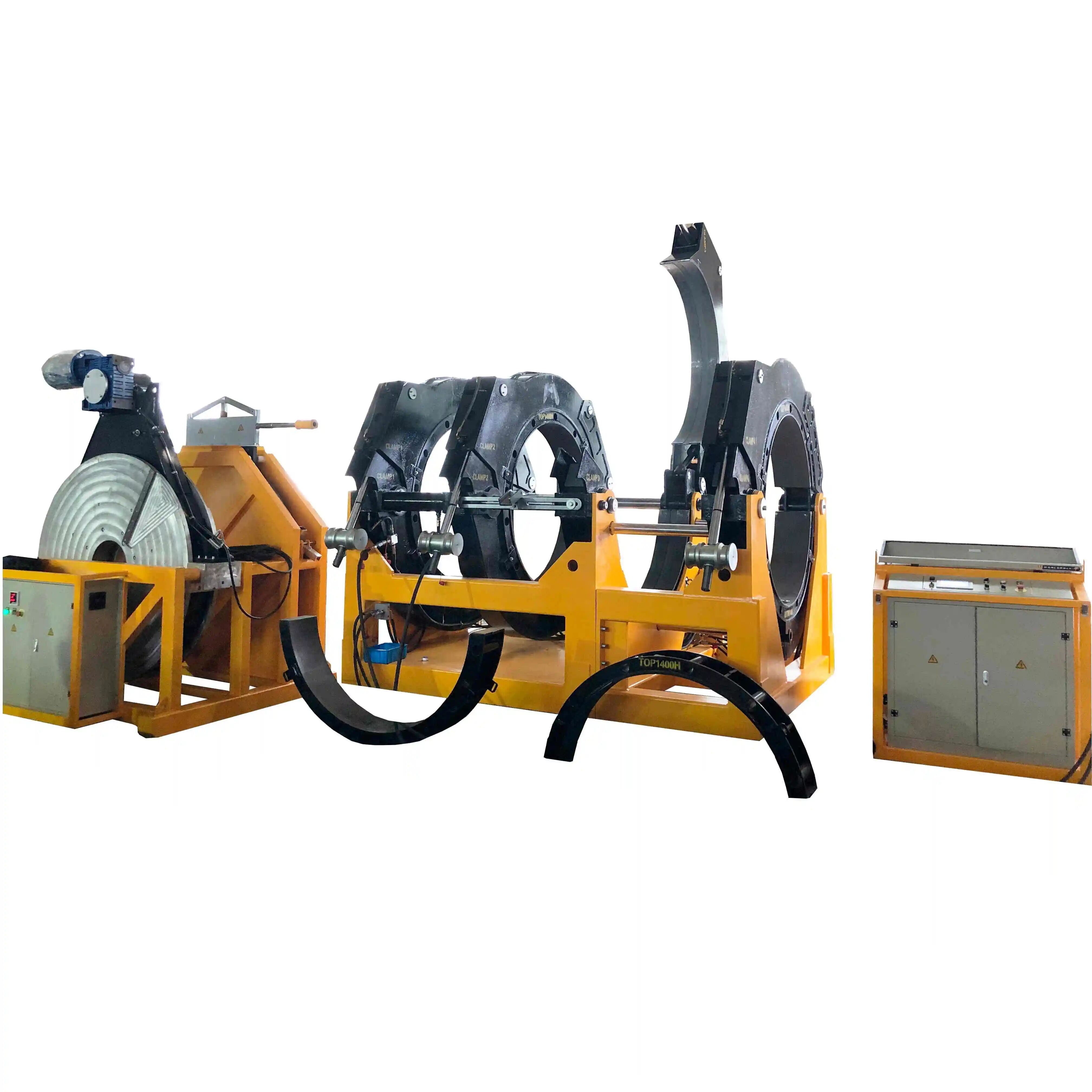
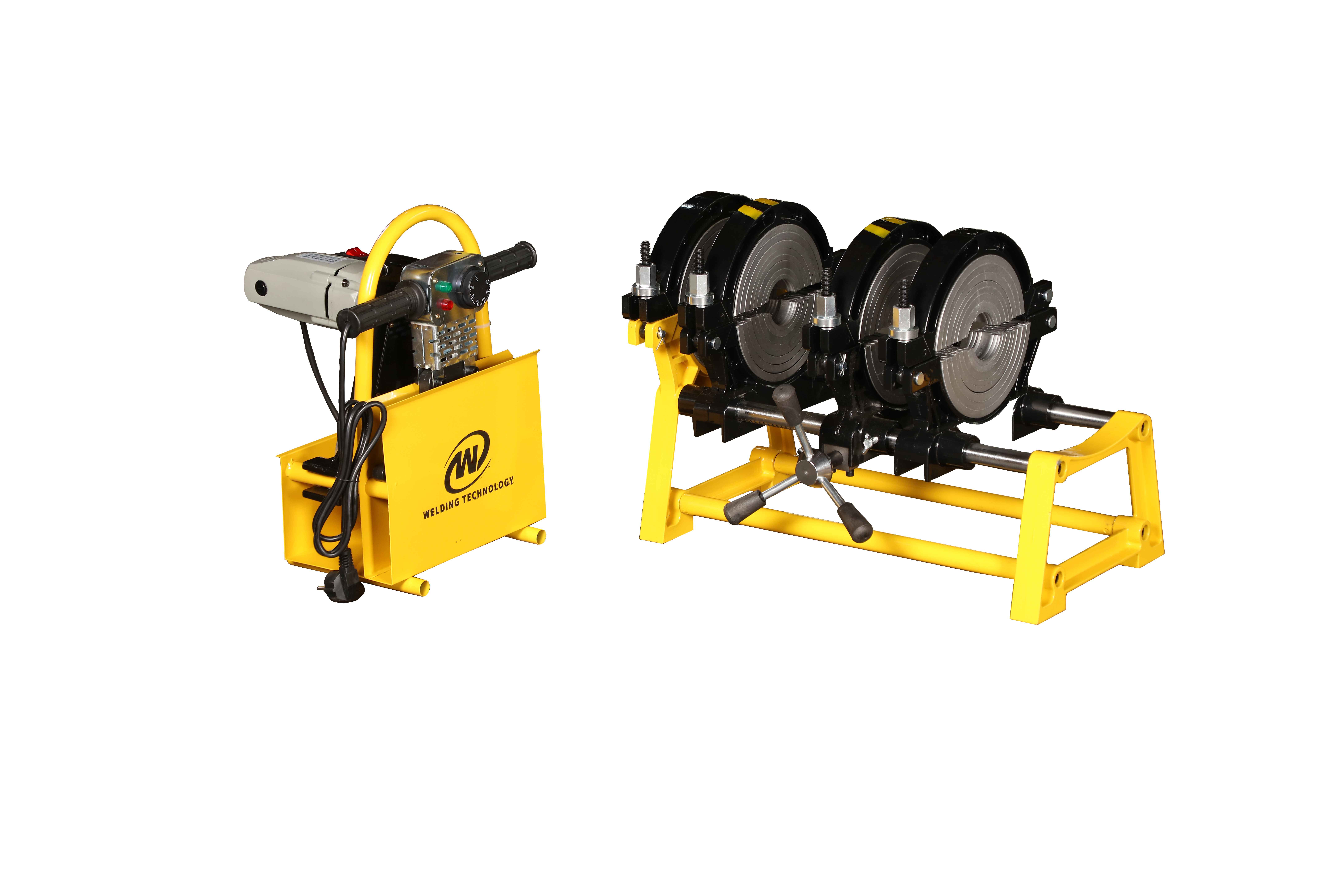
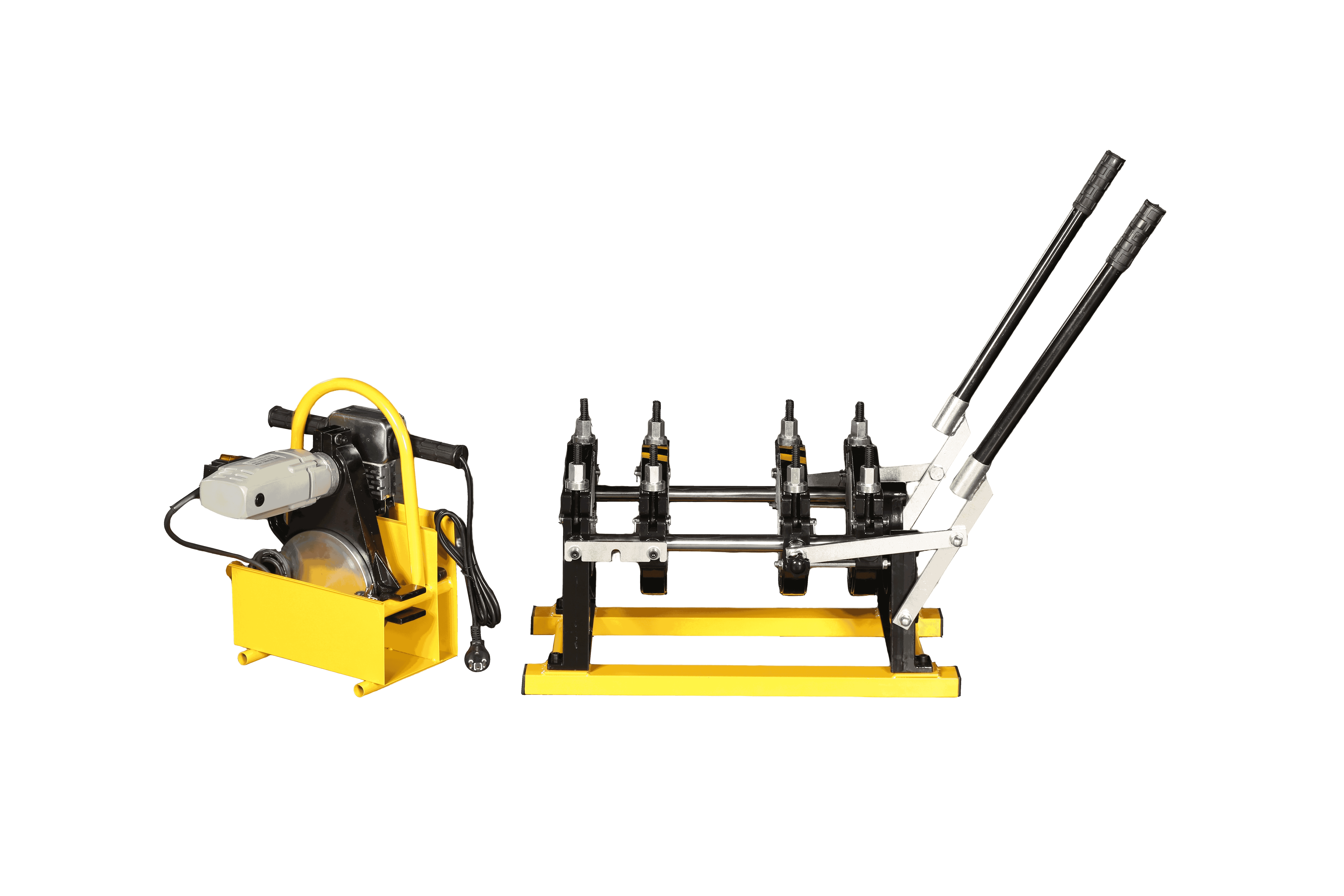
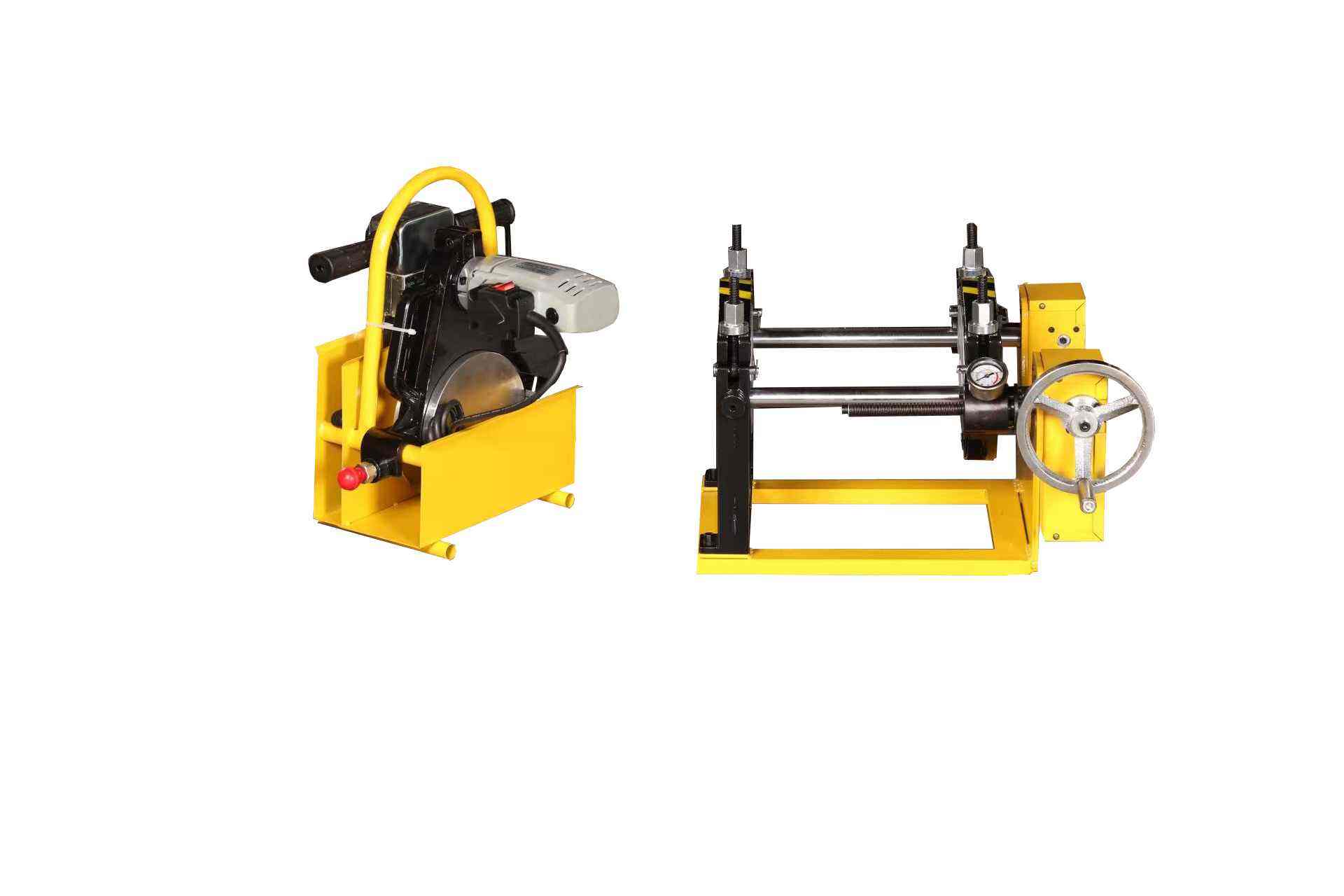
The hdpe fusion welding machine transforms the economics and logistics of piping installation projects through its operational efficiency and adaptability to diverse field conditions. Unlike rigid piping materials that require extensive excavation, thrust blocks, and anchoring, HDPE pipe joined with fusion welding can flex to accommodate ground movement and follow terrain contours without additional fittings. This flexibility reduces excavation requirements and allows installations in challenging terrain where traditional piping would be impractical or impossible. The lightweight nature of HDPE pipe compared to metal or concrete alternatives means smaller crews can handle larger diameter pipes without heavy lifting equipment. An hdpe fusion welding machine enables these small crews to create permanent joints in the field without returning to a workshop or fabrication facility. The speed of the fusion welding process dramatically accelerates project completion timelines. Depending on pipe diameter and wall thickness, fusion welds typically require between five and thirty minutes from start to finish, including preparation time. During this period, technicians prepare the next joint, so actual productivity often exceeds one joint per operator per hour even for large-diameter pipes. Mechanical joining methods involve multiple components, careful alignment, torque specifications, and quality checks that consume far more time per joint. The hdpe fusion welding machine also excels in trenchless installation applications such as horizontal directional drilling, pipe bursting, and slip-lining rehabilitation projects. Contractors can prefabricate long strings of fusion-welded pipe above ground, then pull or push these continuous sections through existing conduits or new boreholes. This capability has revolutionized utility installation in urban environments where open-cut trenching disrupts traffic, businesses, and daily life. The machine's portability extends its utility to remote locations where infrastructure is minimal. Modern units operate from portable generators or even battery power, eliminating dependence on grid electricity. This independence allows pipeline construction in developing regions, mining sites, agricultural areas, and emergency response situations where conventional joining methods would be impossible. The environmental benefits of efficient installation should not be overlooked. Reduced excavation means less habitat disruption, lower equipment fuel consumption, and faster site restoration. The hdpe fusion welding machine therefore supports sustainable construction practices while delivering superior technical performance.

 EN
EN