HDPE Pipe Fusion Machine: Professional Welding Equipment for Reliable Pipeline Installation

Get a Free Quote

Our representative will contact you soon.
E-mail
Name
Mobile/WhatsApp
Company Name
Message
0/1000

hdpe pipe fusion machine

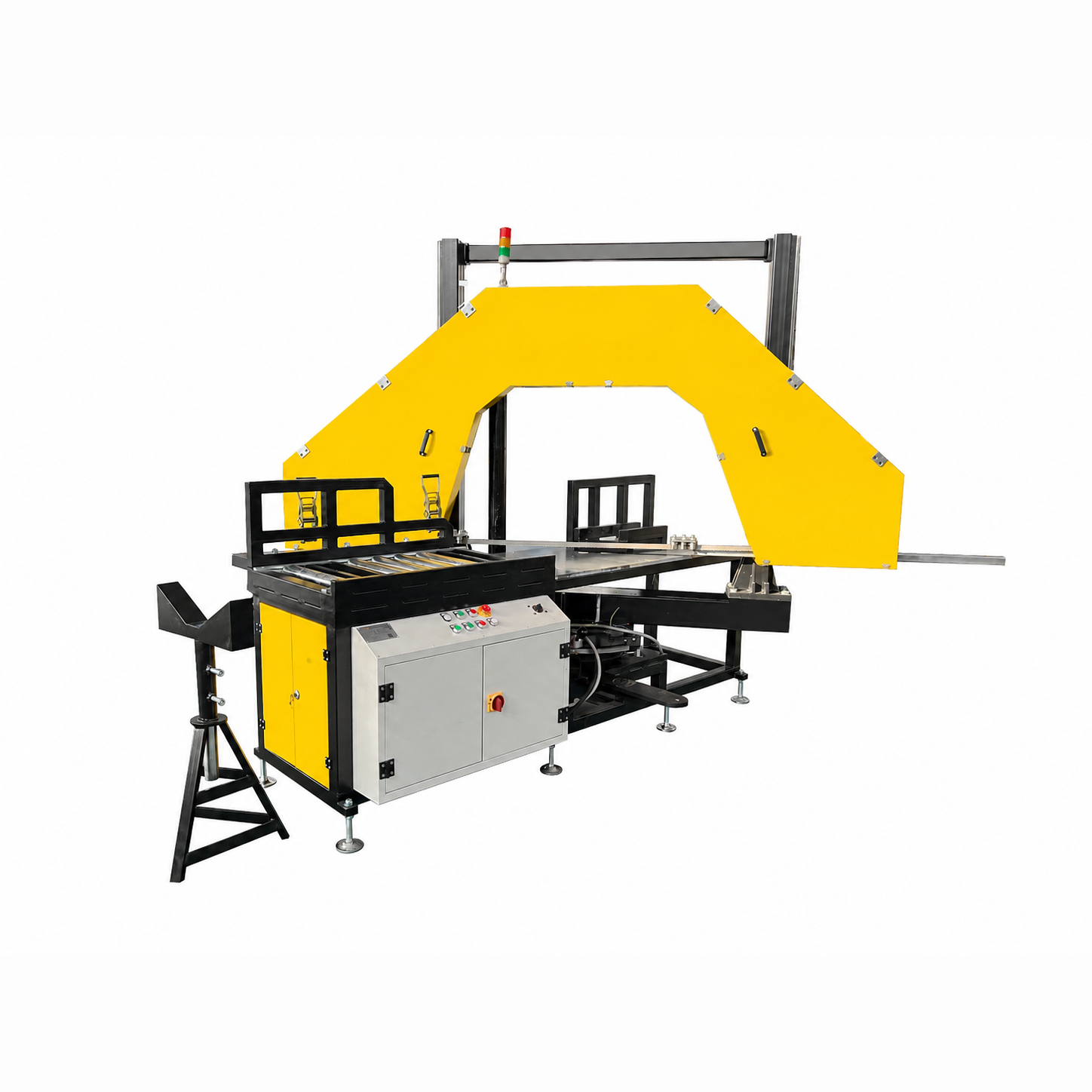
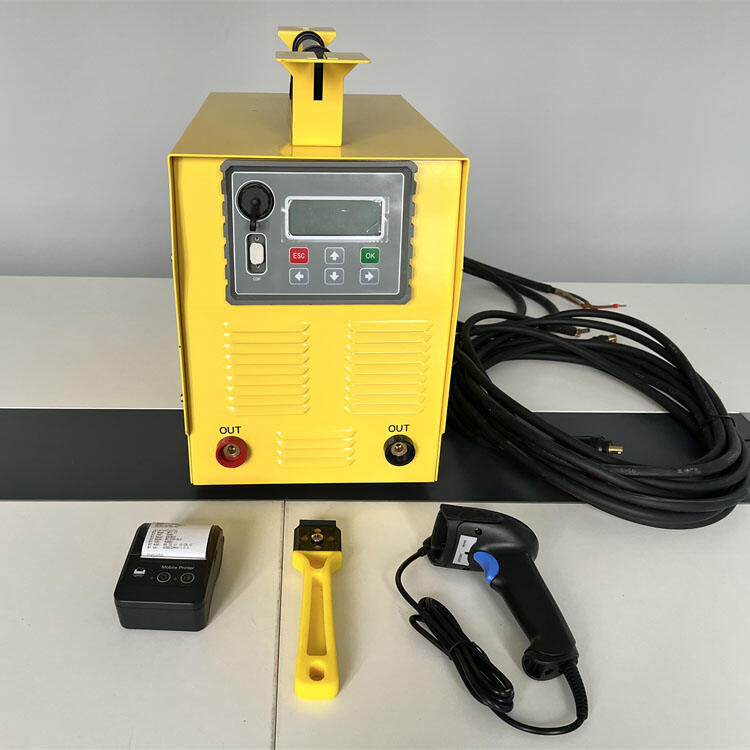
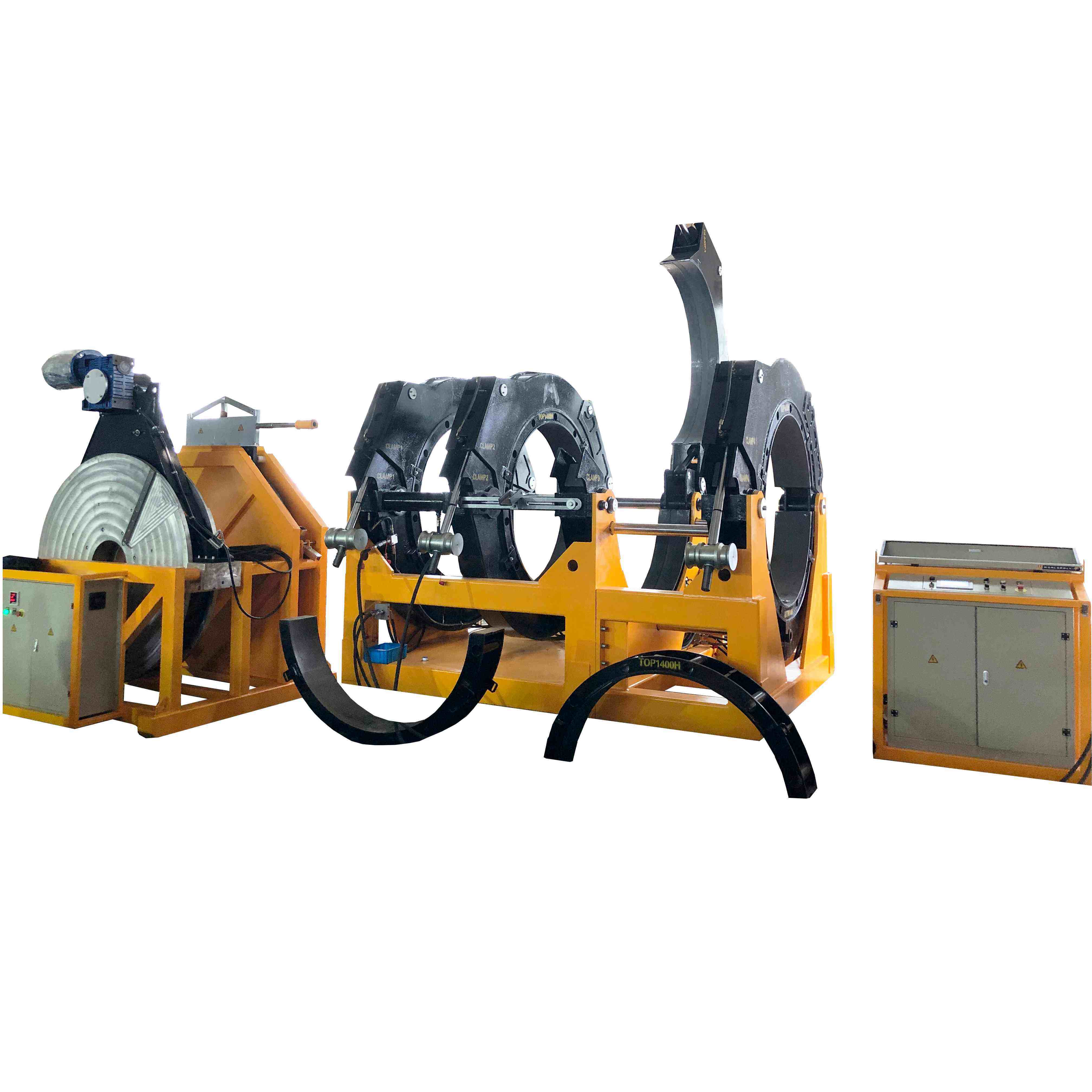
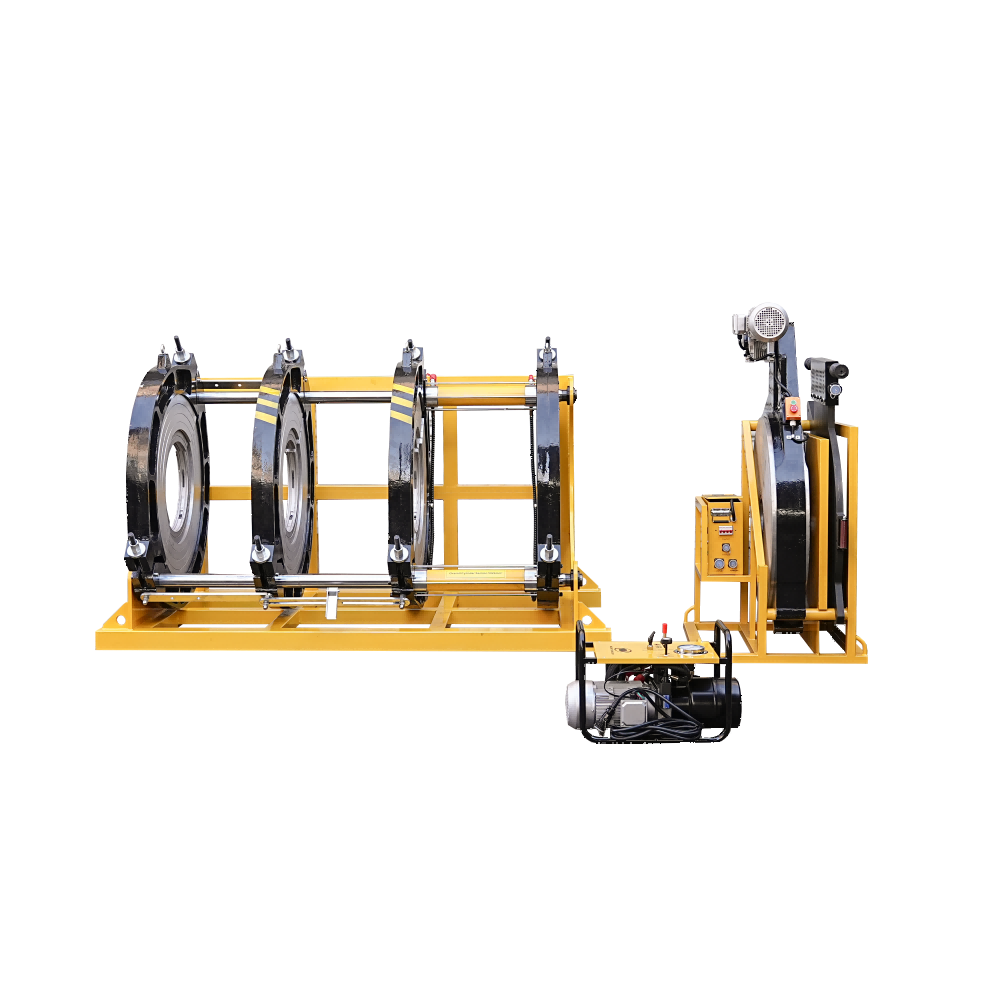
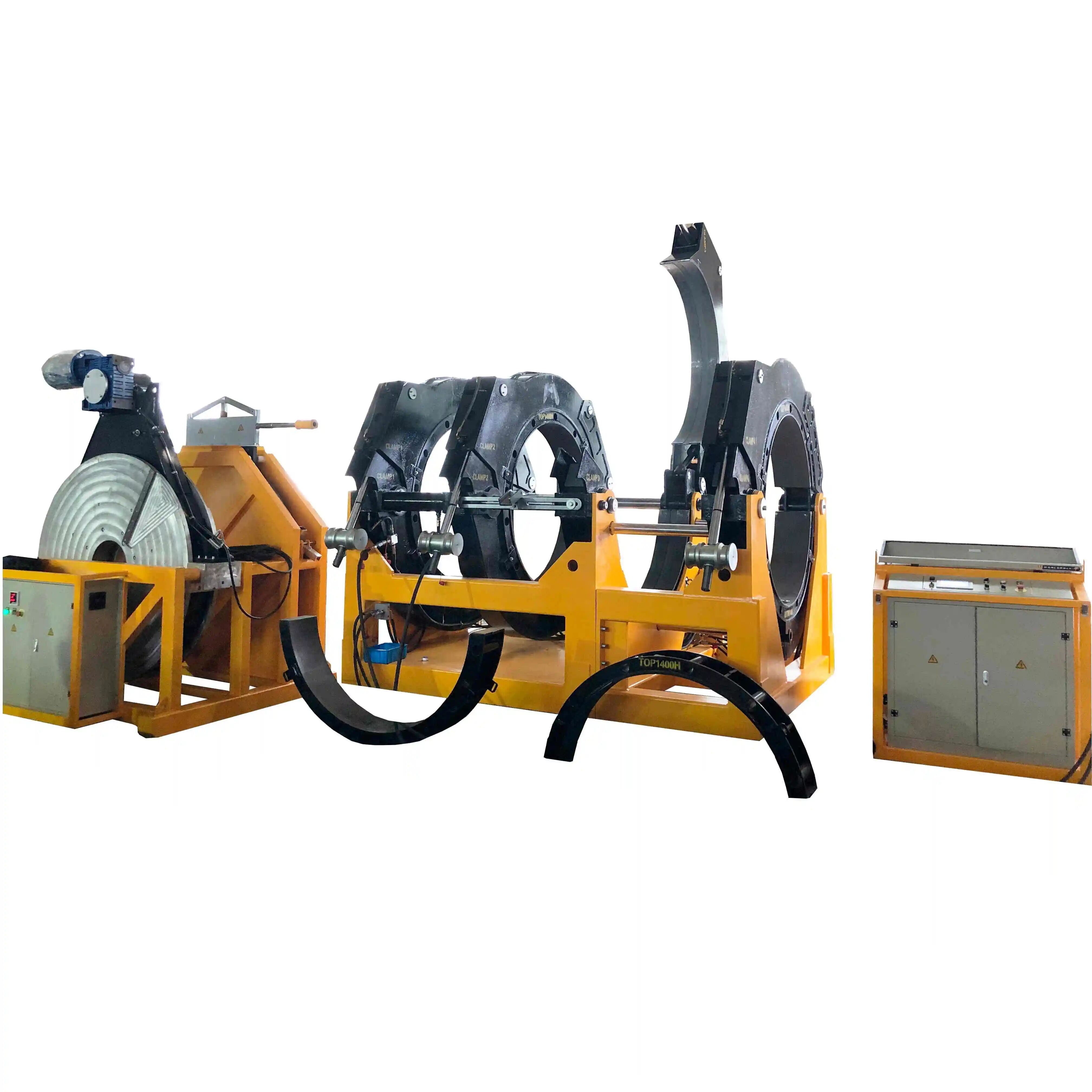
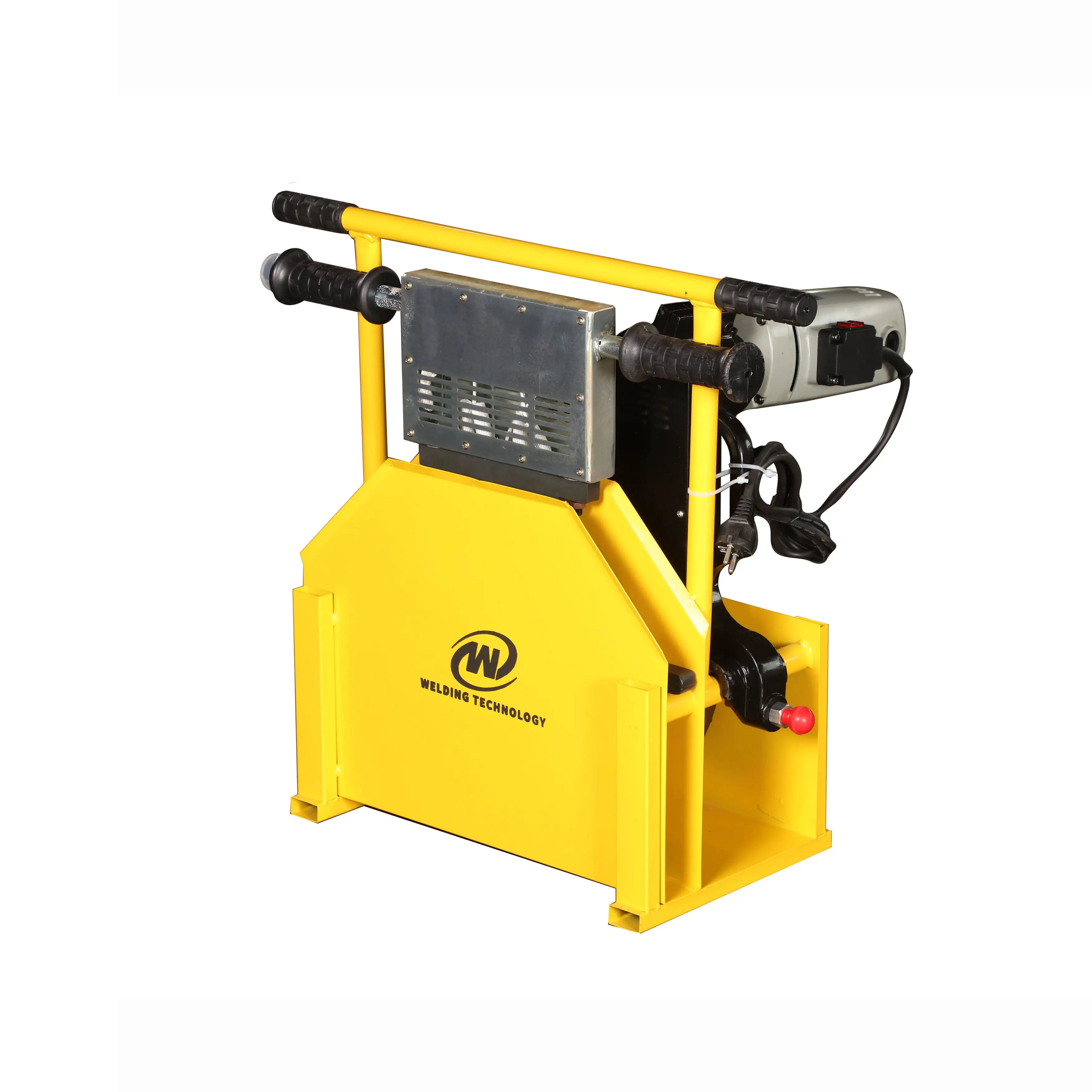
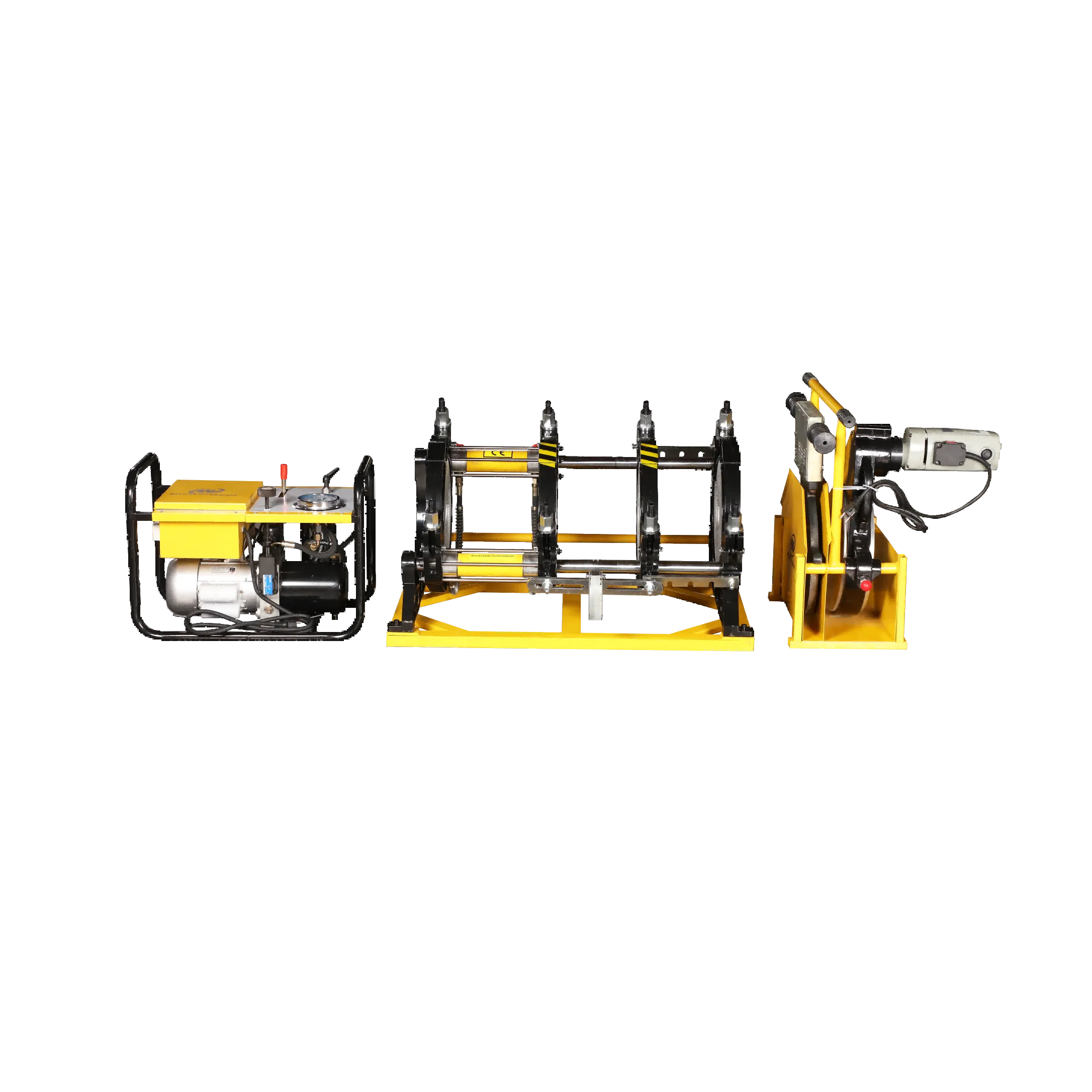
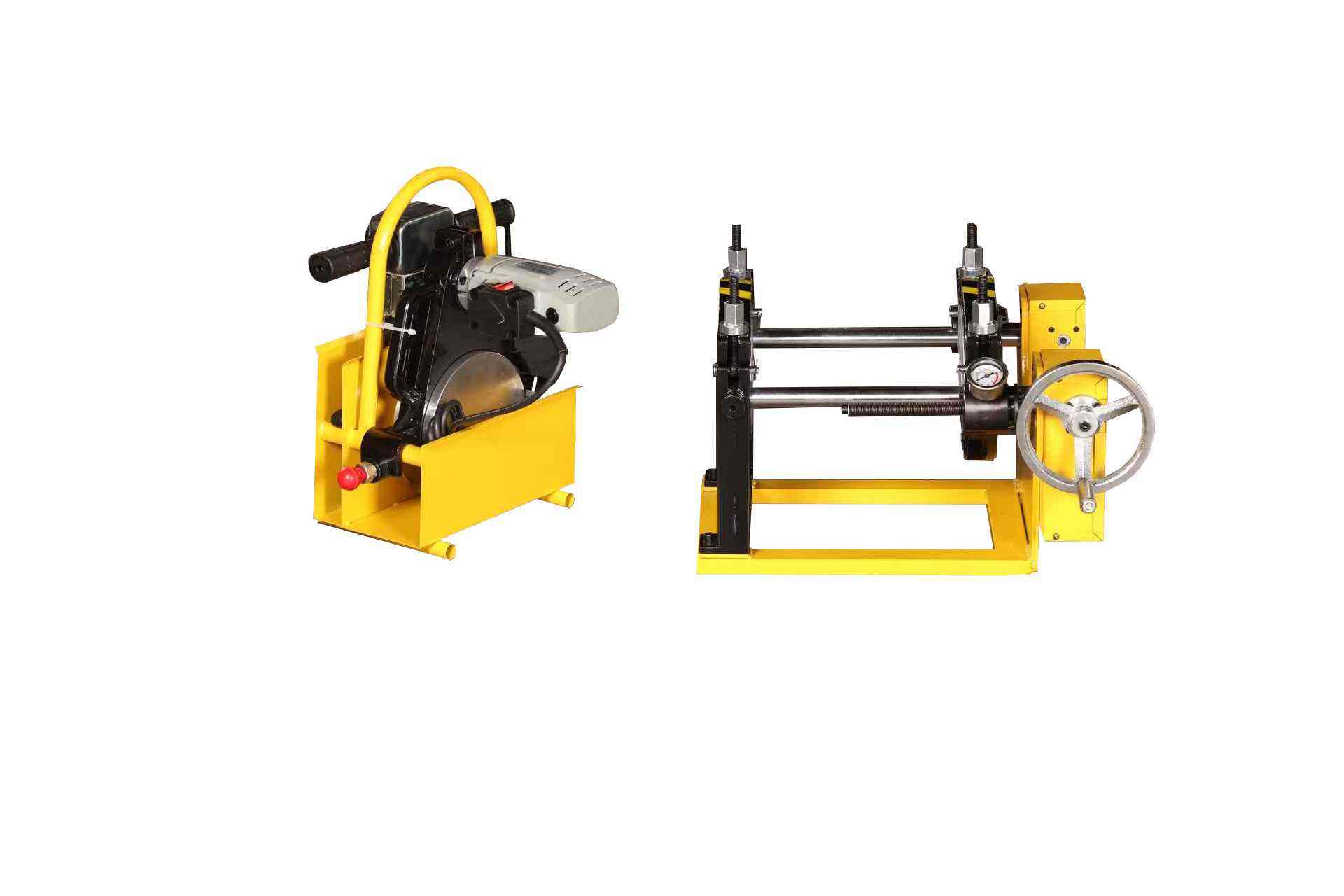
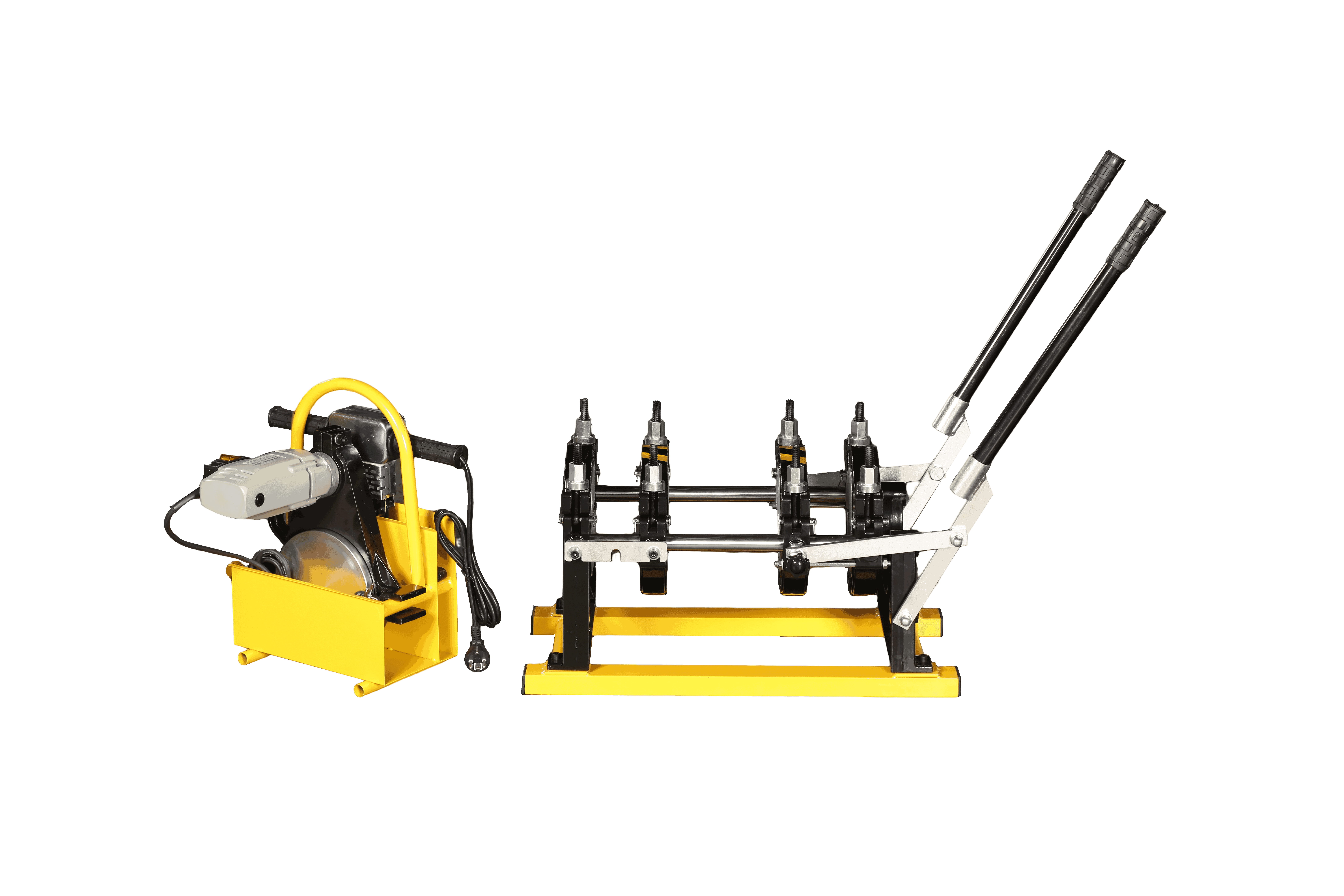
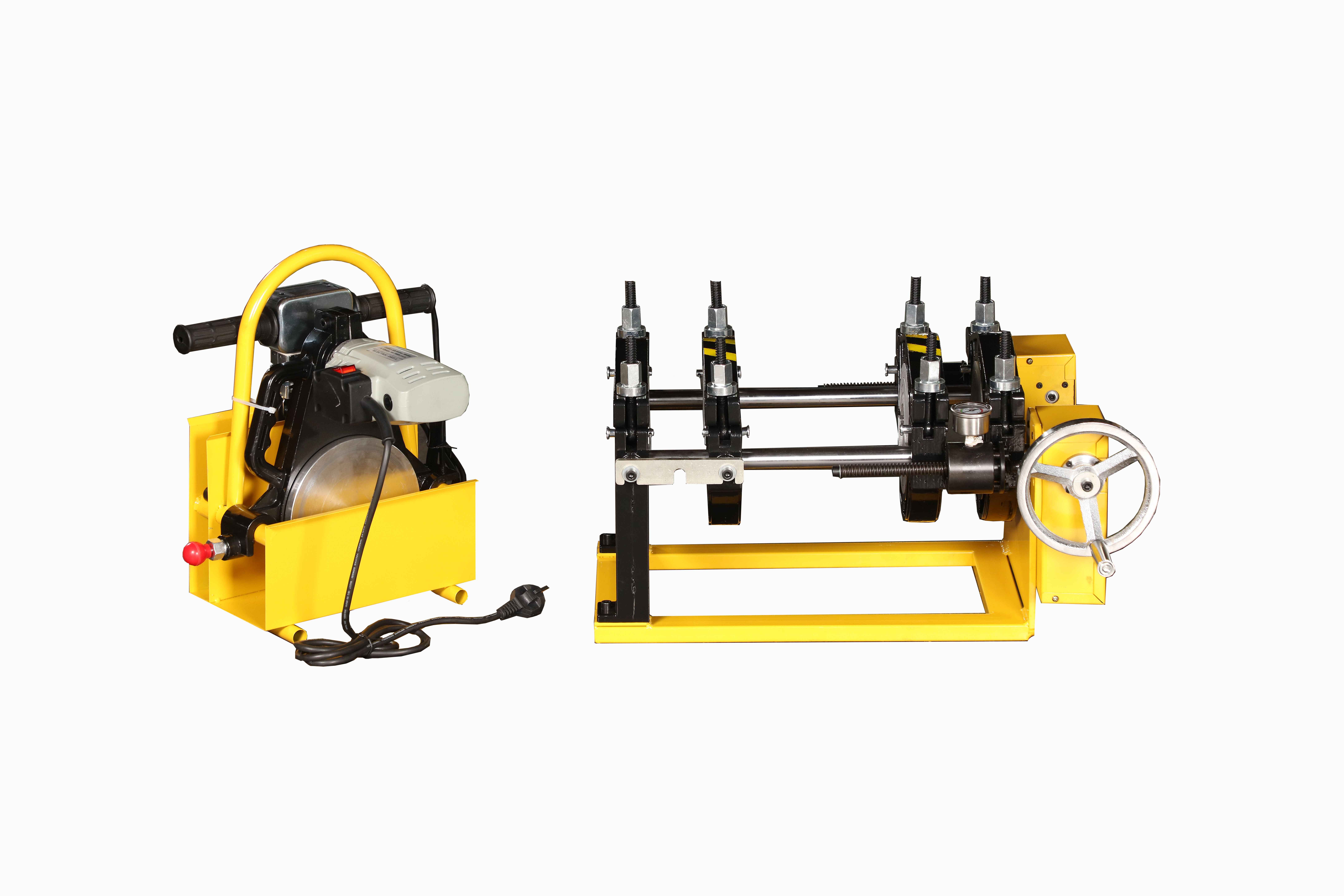
An HDPE pipe fusion machine represents essential equipment designed to join high-density polyethylene pipes through controlled heating and pressure application. This specialized welding apparatus creates permanent, leak-proof connections between HDPE pipe sections, forming joints that often exceed the strength of the pipe material itself. The machine operates by heating the pipe ends to their melting point, then pressing them together under precise pressure until the material fuses and cools into a monolithic structure. Modern fusion machines accommodate various pipe diameters, typically ranging from small residential lines to large industrial pipelines exceeding 1600mm in diameter. The equipment consists of several key components including a heating plate with non-stick coating, hydraulic or mechanical clamping systems, automated temperature controls, and digital timers that ensure consistent results. Operators can choose between different fusion methods depending on project requirements: butt fusion for straight connections, electrofusion for branch connections, and socket fusion for smaller diameter applications. The technology behind these machines has evolved significantly, incorporating microprocessor controls that monitor heating temperatures, fusion pressure, cooling times, and environmental conditions. This automation reduces human error and ensures every joint meets international standards such as ISO 21307 and ASTM F2620. The portability factor varies across models, with lightweight manual machines suitable for field installation and larger hydraulic units designed for workshop environments or major infrastructure projects. Investment in quality fusion equipment pays dividends through reduced joint failures, lower maintenance costs, and extended pipeline service life. These machines serve critical roles in water distribution networks, gas transmission systems, industrial process piping, geothermal installations, and mining operations where reliable connections determine system integrity and operational safety.

New Product Recommendations

The hdpe pipe fusion machine delivers substantial cost savings by eliminating the need for expensive mechanical fittings, couplers, and gaskets that traditional joining methods require. Projects using fusion welding typically reduce material costs by 15 to 25 percent compared to mechanical joining systems, while simultaneously decreasing installation time and labor expenses. The fusion process creates joints with zero leak potential, removing the ongoing maintenance burden associated with threaded connections or rubber-gasketed fittings that deteriorate over time. System owners benefit from decades of trouble-free operation since fused joints cannot separate, corrode, or develop the weaknesses common in mechanical assemblies. The speed advantage becomes particularly evident on large-scale projects where crews can complete dozens of joints daily using automated fusion equipment, maintaining consistent quality regardless of operator experience level. Environmental conditions that challenge other joining methods pose minimal problems for fusion welding, as the process works effectively in temperatures ranging from minus 10 to plus 45 degrees Celsius with appropriate precautions. The equipment versatility allows contractors to handle multiple pipe sizes with the same machine by changing insert sets, reducing equipment investment and transportation logistics. Quality control reaches new heights through digital data logging features available on modern machines, which record every fusion parameter and provide documentation for regulatory compliance and warranty purposes. The learning curve for operators remains manageable, with most technicians achieving proficiency after completing certification programs lasting just a few days. Safety improvements accompany fusion technology since the process eliminates hazards associated with open flames, toxic adhesives, and high-pressure mechanical tools. The joints produced through fusion welding maintain full pipe strength and flexibility, allowing installed systems to withstand ground movement, thermal expansion, and pressure surges that would compromise mechanically joined pipes. Long-term performance data consistently shows fusion-welded HDPE systems achieving service lives exceeding 50 years with minimal intervention, making the initial equipment investment highly economical when calculated across the project lifecycle. The clean joining process generates no harmful emissions or waste products, supporting sustainability goals and simplifying site management on environmentally sensitive projects.

Practical Tips

How Can a Plastic Sheet Butt Welding Machine Ensure Strong Seams?

05

May

How Can a Plastic Sheet Butt Welding Machine Ensure Strong Seams?

The strength and integrity of welded plastic seams directly impact the performance, durability, and safety of countless industrial applications, from geomembranes in environmental containment to large-scale tank fabrication. Achieving consistently st...
View More
What Is an HDPE Thermofusion Welding Machine Used for in Pipelines?

09

Jun

What Is an HDPE Thermofusion Welding Machine Used for in Pipelines?

When engineers and project managers plan modern pipeline infrastructure, the method used to join pipe segments is just as critical as the material chosen for the pipes themselves. An HDPE thermofusion welding machine is at the center of this process,...
View More
How Does an HDPE Thermofusion Welding Machine Improve Joint Quality?

16

Jun

How Does an HDPE Thermofusion Welding Machine Improve Joint Quality?

In pipeline construction and fluid transport infrastructure, the quality of every joint determines the long-term integrity of the entire system. A poorly fused joint is not simply a weak point — it is a liability that can lead to leaks, system failur...
View More
How Can a Plastic Band Cutting Saw Ensure Accurate Cutting Results?

30

Jun

How Can a Plastic Band Cutting Saw Ensure Accurate Cutting Results?

In plastic fabrication and industrial processing environments, precision is not a luxury — it is a baseline requirement. A plastic band cutting saw is one of the most reliable tools available when consistent, clean, and accurate cuts are the goal. Wh...
View More

Get a Free Quote

Our representative will contact you soon.
E-mail
Name
Mobile/WhatsApp
Company Name
Message
0/1000

hdpe pipe fusion machine

Superior Joint Integrity and Reliability

Superior Joint Integrity and Reliability

The hdpe pipe fusion machine creates connections that represent the gold standard in pipeline joining technology, producing joints that actually become stronger than the surrounding pipe material. This remarkable achievement stems from the molecular bonding that occurs during the fusion process, where polymer chains from both pipe ends intermingle at the microscopic level to form a homogeneous structure without any mechanical interface or adhesive layer that could fail. Traditional joining methods rely on external forces, gaskets, or chemical adhesives to hold pipes together, creating potential failure points that weaken over time due to material degradation, thermal cycling, or pressure fluctuations. Fusion welding eliminates these vulnerabilities entirely by transforming two separate pipe sections into a single continuous piece. The heating plate brings both pipe faces to approximately 210 degrees Celsius, the optimal temperature where HDPE molecules become mobile without degrading. Precise pressure application forces the molten surfaces together, allowing polymer chains to diffuse across the original boundary and create billions of intermolecular bonds. As the joint cools under maintained pressure, these bonds solidify into a connection zone that exhibits identical physical properties to the parent pipe material. Testing laboratories consistently demonstrate that properly fused joints withstand pressures 20 to 30 percent higher than the pipe's rated capacity, and failure testing reveals that ruptures occur in the pipe wall rather than at the fusion interface. This performance translates directly into enhanced system reliability, as pipeline operators can design and operate networks with confidence that joints represent the strongest rather than weakest links in the infrastructure. The absence of mechanical components means fusion joints cannot loosen, separate, or develop the gradual leaks that plague threaded, flanged, or push-fit connections. Water utilities report dramatically reduced maintenance calls and emergency repairs on fusion-welded networks compared to systems using conventional joining methods. The technology particularly excels in challenging applications such as seismic zones, where ground movement subjects pipelines to complex stress patterns that quickly expose weaknesses in mechanical joints while leaving fused connections unaffected.
Advanced Automation and Process Control

Advanced Automation and Process Control

Modern hdpe pipe fusion machines incorporate sophisticated electronic systems that transform pipe joining from a skill-dependent craft into a controlled manufacturing process, ensuring consistent results regardless of operator experience or environmental conditions. Microprocessor-based controllers continuously monitor and adjust critical fusion parameters including heating plate temperature, interface pressure, heating duration, changeover time, and cooling period. These automated systems reference programmed fusion procedures that engineers have developed through extensive testing for each pipe diameter, wall thickness, and material grade combination. Operators simply input the pipe specifications, and the machine executes the entire fusion cycle according to proven protocols that guarantee joints meeting international performance standards. Temperature sensors embedded in the heating plate provide real-time feedback to maintain surface temperature within plus or minus 5 degrees of the target setpoint, compensating automatically for ambient temperature variations, wind conditions, and heating plate wear. Pressure transducers measure the force applied during heating, fusion, and cooling phases with precision exceeding manual hydraulic gauges by orders of magnitude, ensuring that pressure profiles match engineering specifications throughout the cycle. Digital timers eliminate human judgment errors by controlling phase transitions with millisecond accuracy, preventing premature cooling that creates weak joints or excessive heating that degrades material properties. Many advanced machines feature automatic data logging that records complete fusion parameters for every joint, creating permanent quality documentation that satisfies regulatory requirements and provides evidence for warranty claims or forensic investigations. This data typically includes operator identification, date, time, ambient temperature, pipe specifications, and measured values for every controlled parameter throughout the fusion cycle. The stored records support statistical process control analysis, allowing contractors to identify equipment maintenance needs, optimize fusion procedures, and demonstrate quality system effectiveness to clients and certifying authorities. Touchscreen interfaces on premium machines guide operators through setup procedures, display real-time parameter values in graphical formats, and provide diagnostic messages when conditions fall outside acceptable ranges. Some systems offer wireless connectivity for remote monitoring, enabling project managers to observe fusion quality in real-time across multiple work sites and identify training needs or equipment issues before they impact project schedules.
Economic Efficiency and Operational Flexibility

Economic Efficiency and Operational Flexibility

Investing in an hdpe pipe fusion machine delivers compelling financial returns through multiple mechanisms that reduce both initial installation costs and long-term operational expenses while providing contractors with competitive advantages that secure more profitable projects. The elimination of mechanical fittings represents the most immediate cost benefit, as fusion welding requires only the pipe itself plus minimal consumables like heating plate cleaning materials. Projects using fusion technology typically purchase 40 to 60 percent fewer components compared to mechanically joined systems, reducing procurement complexity, inventory costs, and material handling requirements. Installation productivity gains amplify these savings, as trained crews complete fusion joints in 15 to 45 minutes depending on pipe diameter, a timeline that compares favorably to mechanical methods requiring extensive threading, bolt tightening, or adhesive curing periods. The speed advantage becomes particularly significant on projects involving hundreds or thousands of joints, where fusion welding can compress installation schedules by weeks or months compared to alternative technologies. Reduced labor costs follow naturally from faster installation, with fusion welding typically requiring smaller crews since the machine handles the physical work of heating and pressing while operators focus on setup, alignment, and quality verification. The equipment versatility delivers additional economic benefits by allowing contractors to serve broader market segments without investing in specialized tools for each pipe size range. A single hydraulic fusion machine equipped with interchangeable insert sets can handle pipe diameters from 90mm to 630mm, covering the vast majority of commercial and industrial applications. This consolidation reduces equipment transportation costs, simplifies crew training, and improves asset utilization by keeping machines productive across diverse project types. Maintenance requirements remain minimal compared to complex mechanical tools, with routine servicing limited to heating plate cleaning, hydraulic fluid changes, and periodic calibration verification. Quality machines operate reliably for decades with proper care, making the initial purchase price modest when amortized across the equipment's productive lifetime. The competitive advantages extend beyond direct cost savings, as contractors offering fusion welding services can bid on specifications requiring this technology while differentiating their proposals through superior joint reliability and reduced lifecycle costs. Many infrastructure owners now mandate fusion welding for critical applications, creating market opportunities that favor contractors possessing the equipment and certified operators to execute these projects professionally.

Get a Free Quote

Our representative will contact you soon.
E-mail
Name
Mobile/WhatsApp
Company Name
Message
0/1000