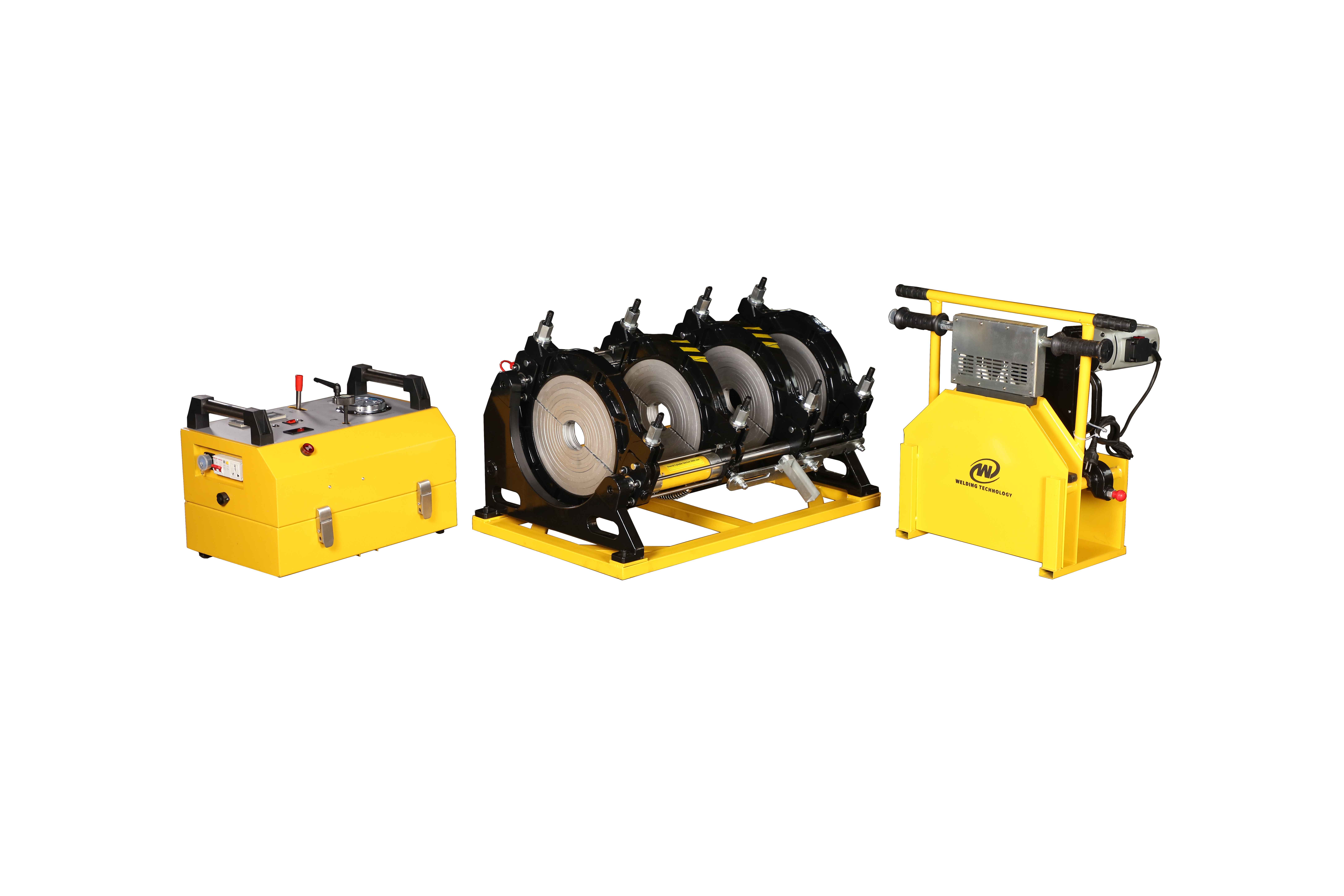

HDPE Fusion Equipment - Professional Pipe Joining Solutions for Reliable Infrastructure Systems

Get a Free Quote

Our representative will contact you soon.
E-mail
Name
Mobile/WhatsApp
Company Name
Message
0/1000

hdpe fusion equipment

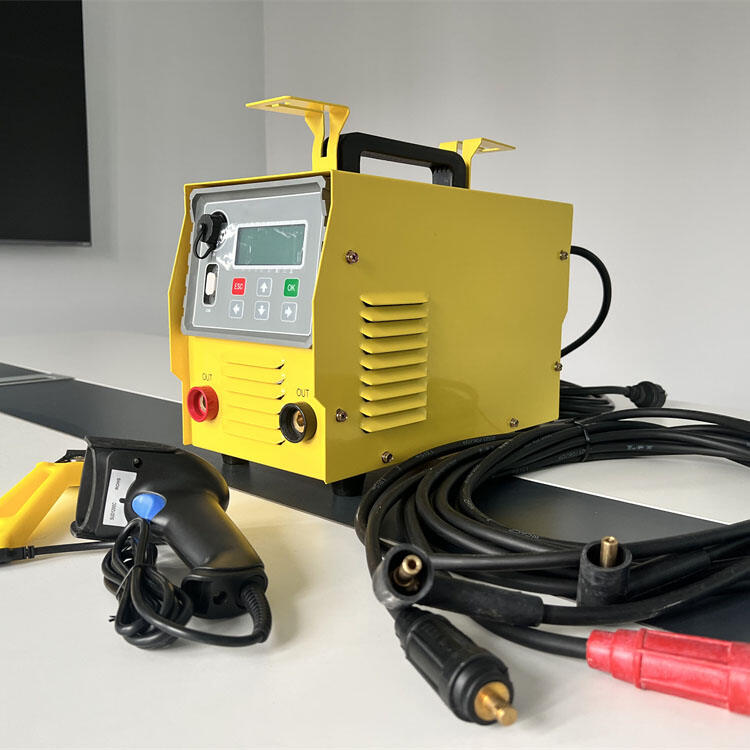
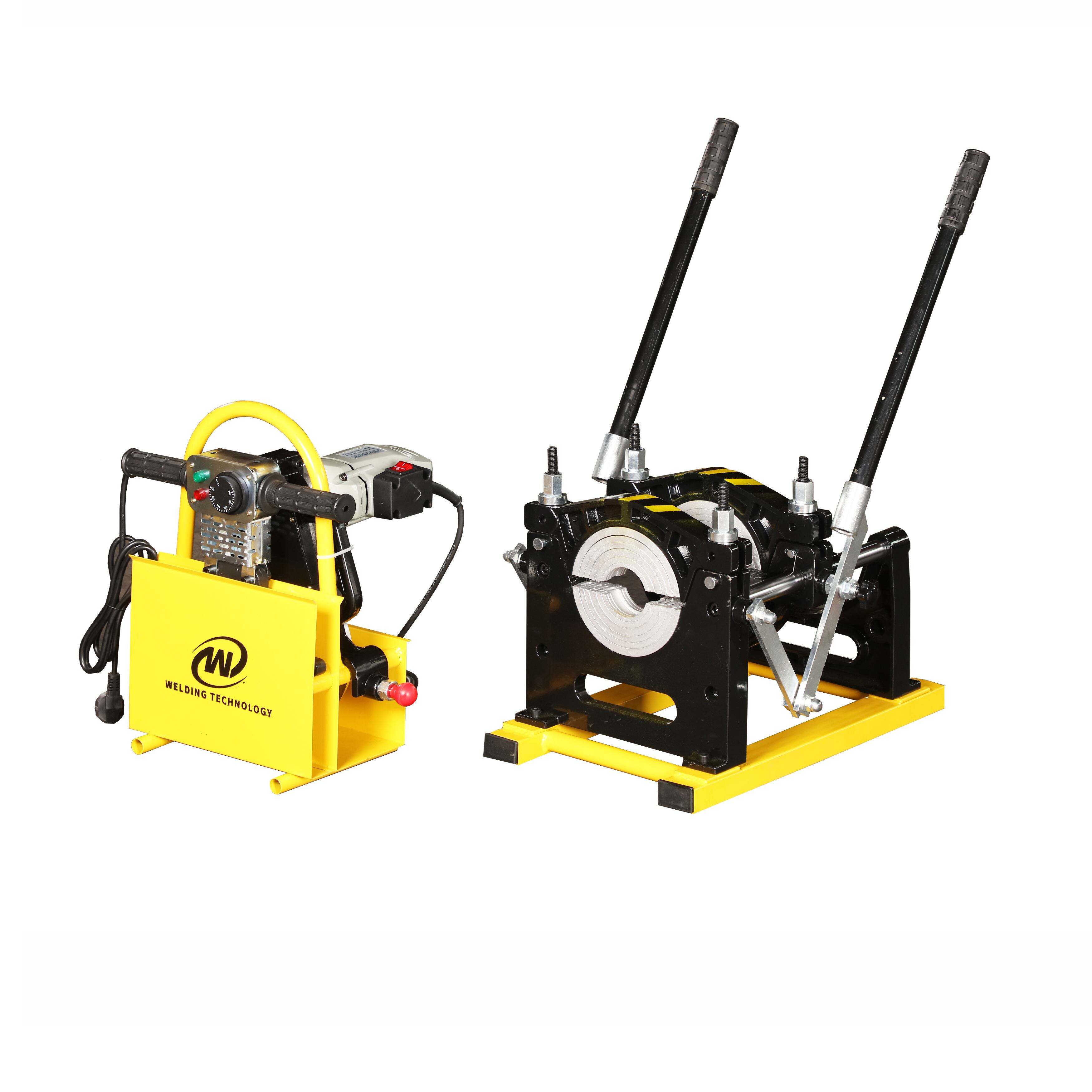
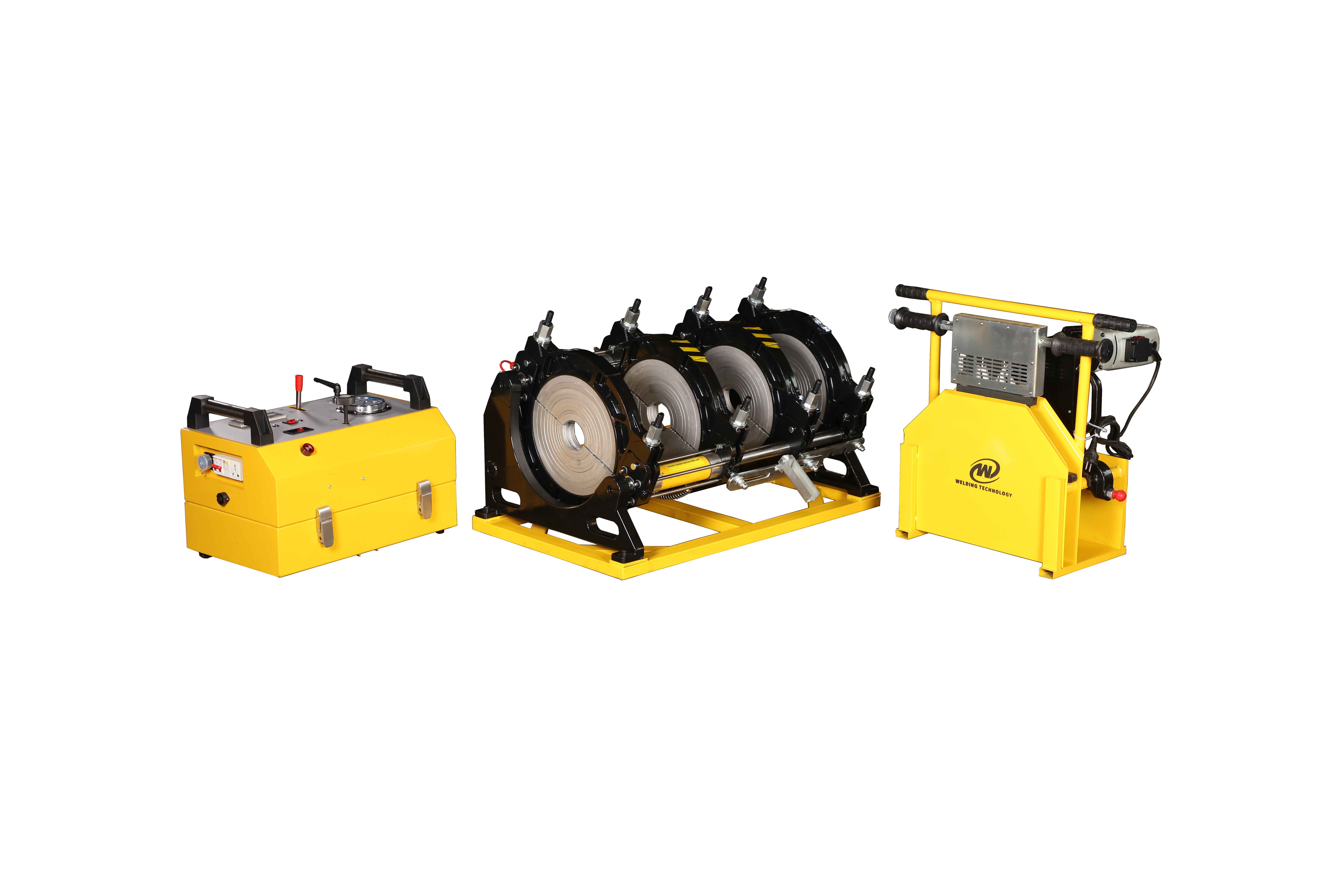
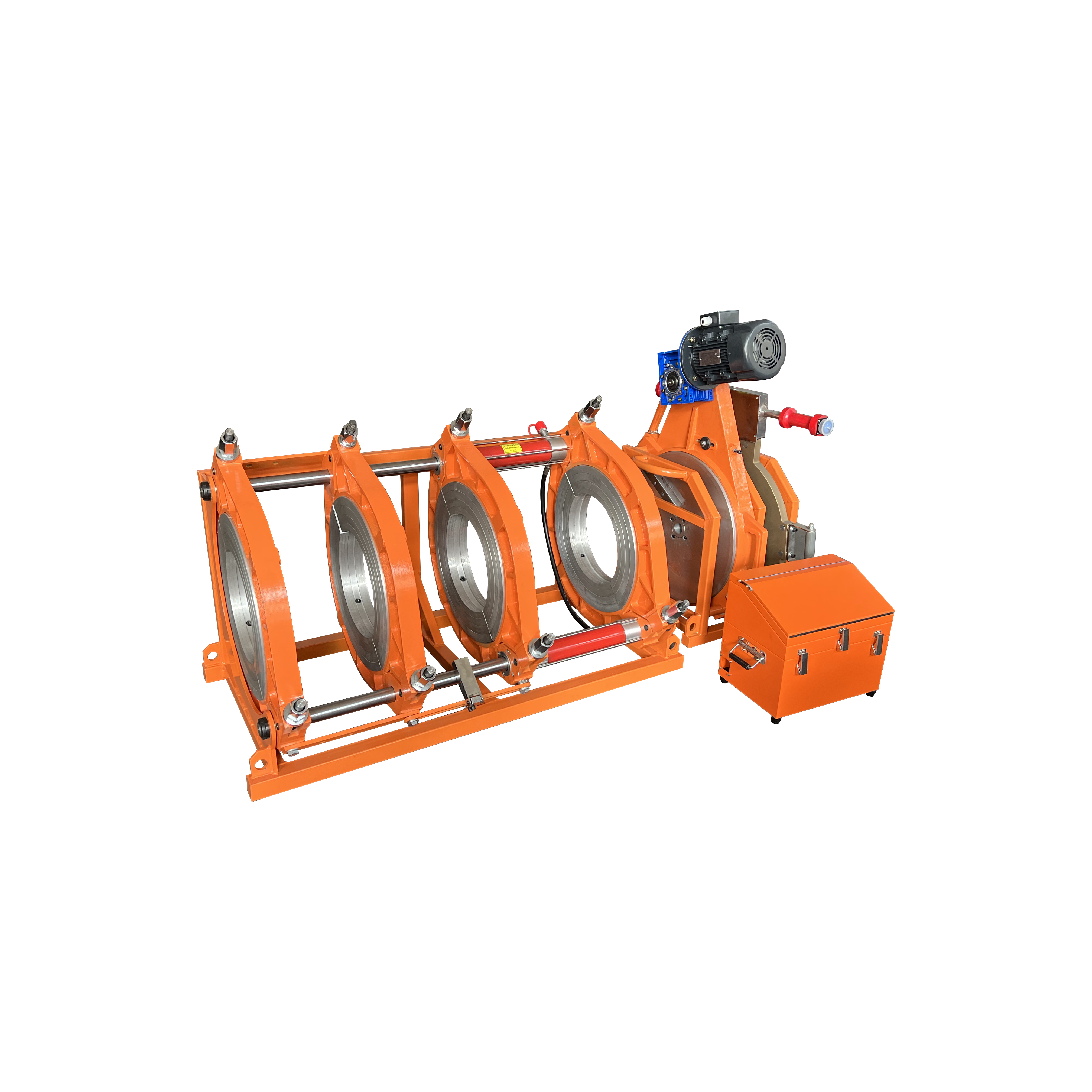
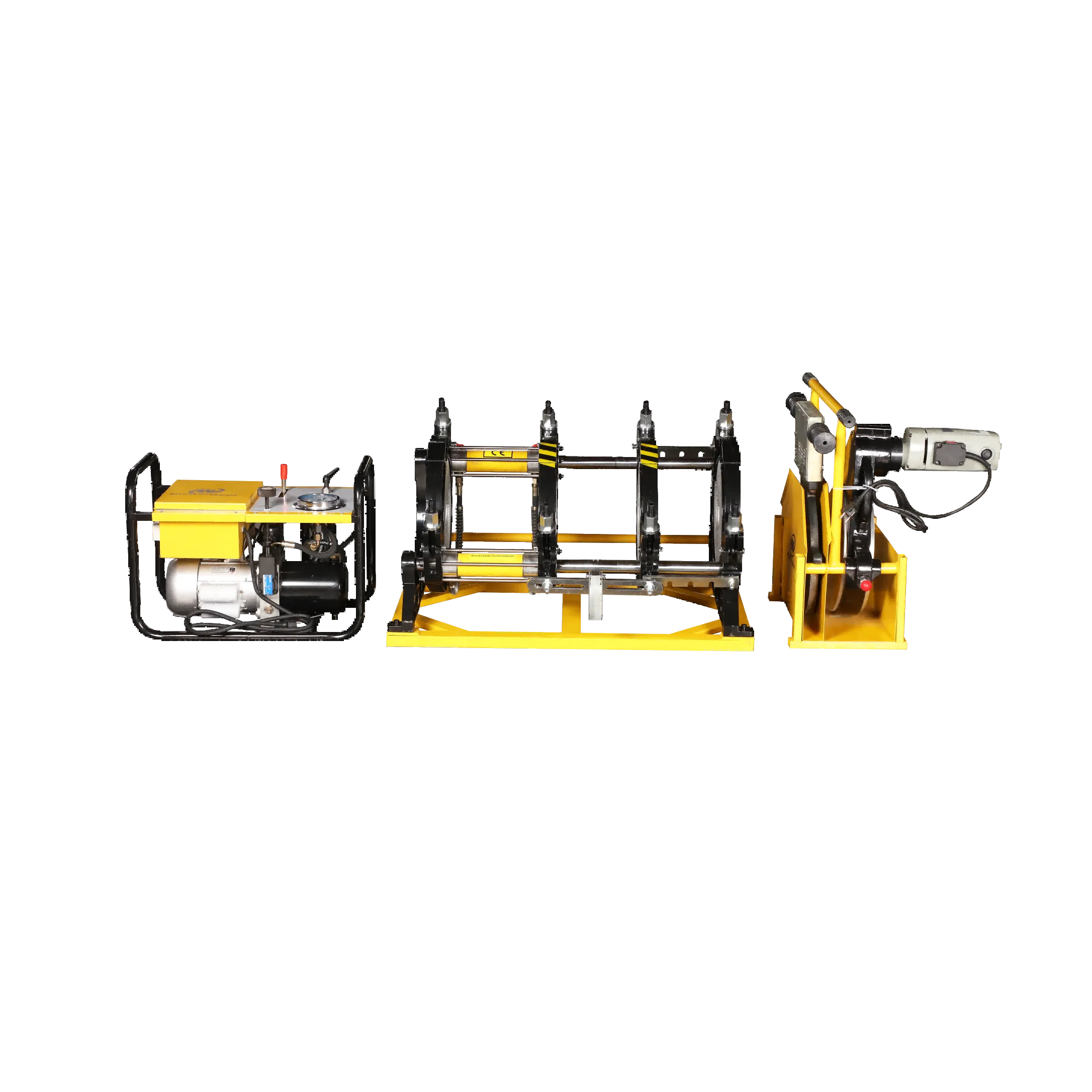
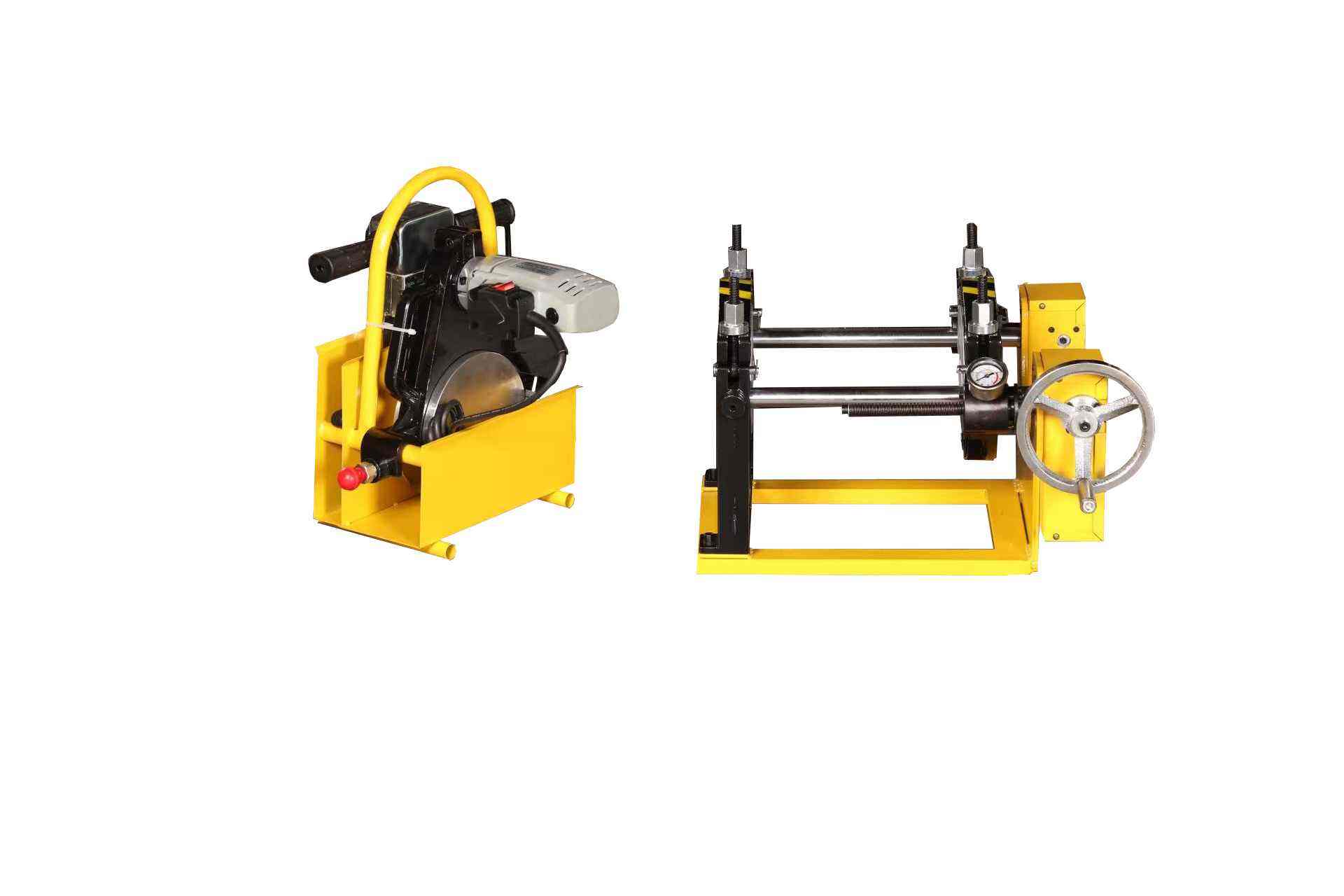
HDPE fusion equipment represents a revolutionary advancement in joining high-density polyethylene pipes and fittings through thermal fusion processes. This specialized machinery creates permanent, leak-proof connections that match or exceed the strength of the pipe material itself. The equipment operates by heating the ends of HDPE pipes to precise temperatures, typically between 400 and 500 degrees Fahrenheit, allowing the molecular chains to intermingle and form seamless bonds upon cooling. Modern hdpe fusion equipment encompasses various joining methods including butt fusion, electrofusion, socket fusion, and saddle fusion, each designed for specific applications and pipe dimensions. The main functions of this equipment include precise temperature control, consistent pressure application, alignment verification, and automated cooling cycles that ensure optimal joint integrity. Technological features have evolved significantly, incorporating digital interfaces with programmable fusion parameters, hydraulic systems for uniform pressure distribution, self-centering clamps that guarantee perfect alignment, and data logging capabilities for quality assurance documentation. Applications span numerous industries including municipal water distribution systems, natural gas transportation networks, industrial process piping, mining operations, landfill leachate collection, agricultural irrigation infrastructure, and wastewater treatment facilities. The versatility of hdpe fusion equipment makes it indispensable for projects ranging from small residential installations to massive infrastructure developments. These machines accommodate pipe diameters from as small as half an inch to over sixty inches, providing solutions for virtually any project scale. The fusion process creates joints with zero leak potential, eliminating the need for mechanical couplings, gaskets, or adhesives that can deteriorate over time. This technology has transformed the piping industry by offering a joining method that ensures system longevity, reduces maintenance costs, and provides environmental benefits through leak prevention and material sustainability.

Popular Products

The primary advantage of hdpe fusion equipment lies in its ability to create completely homogeneous joints that eliminate weak points in piping systems. Unlike mechanical connections that rely on gaskets, threads, or compression fittings, fusion welds integrate pipe sections at the molecular level, resulting in connections stronger than the pipe itself. This means your pipeline system operates as one continuous piece without vulnerability to separation, leakage, or failure at connection points. The cost savings become immediately apparent when you consider the elimination of expensive fittings, couplings, and ongoing maintenance associated with traditional joining methods. Installation crews can work faster because fusion equipment streamlines the connection process, reducing labor hours and project timelines significantly. The equipment operates in virtually any weather condition, allowing year-round construction schedules without weather-related delays that plague other installation methods. Safety improvements represent another compelling benefit, as properly fused joints eliminate the risk of hazardous material leaks that could endanger workers, communities, or environments. The precision control offered by modern hdpe fusion equipment removes human error from the equation, with automated systems ensuring consistent heating temperatures, proper pressure application, and adequate cooling times for every single joint. This consistency translates directly into quality assurance, giving project managers confidence that every connection meets stringent standards regardless of operator experience levels. Environmental advantages extend beyond leak prevention to include the recyclability of HDPE materials and the elimination of chemical solvents or adhesives required by alternative joining methods. Energy efficiency stands out as another practical benefit, with contemporary fusion machines consuming minimal power while delivering maximum performance through optimized heating elements and insulation designs. The portability of modern hdpe fusion equipment enables crews to transport machines directly to fusion sites, whether in urban underground utility corridors or remote rural locations, eliminating the need for pipe pre-fabrication facilities. Maintenance requirements remain minimal because fusion equipment features robust construction with few moving parts subject to wear, and when service becomes necessary, modular component designs allow quick replacements without extensive downtime. The learning curve for operators has shortened dramatically thanks to intuitive digital controls and guided fusion protocols that walk technicians through each step, reducing training time and certification costs. Long-term reliability of fused systems means fewer emergency repairs, reduced system downtime, and lower total ownership costs over the decades-long service life of HDPE piping networks. These practical advantages combine to deliver measurable returns on investment through reduced material costs, faster installation, lower maintenance expenses, and superior system performance that protects your infrastructure investment.

Practical Tips

Why Is a Plastic Band Cutting Saw Important in Manufacturing?

20

Apr

Why Is a Plastic Band Cutting Saw Important in Manufacturing?

Modern manufacturing environments demand precision, efficiency, and reliability in every step of the production process, particularly when working with thermoplastic materials used in infrastructure, industrial piping, and specialized fabrication app...
View More
How Does an HDPE Thermofusion Machine Improve Pipeline Performance?

24

Apr

How Does an HDPE Thermofusion Machine Improve Pipeline Performance?

Pipeline integrity stands as a critical concern across industries ranging from municipal water distribution to industrial gas transport, and the welding technology employed directly determines long-term performance outcomes. An HDPE thermofusion mach...
View More
Why Do Contractors Choose HDPE Fusion Equipment for Water Systems?

01

Apr

Why Do Contractors Choose HDPE Fusion Equipment for Water Systems?

Water infrastructure projects demand reliability, longevity, and cost-effectiveness, making equipment selection a critical decision for contractors. The choice of joining technology directly impacts project timelines, long-term system integrity, and ...
View More
How Does a Plastic Band Cutting Saw Improve Cutting Efficiency?

03

Jun

How Does a Plastic Band Cutting Saw Improve Cutting Efficiency?

In industrial plastic fabrication and pipe processing environments, precision and throughput are non-negotiable. A plastic band cutting saw addresses both demands simultaneously, offering a level of cutting consistency that manual tools and conventio...
View More

Get a Free Quote

Our representative will contact you soon.
E-mail
Name
Mobile/WhatsApp
Company Name
Message
0/1000

hdpe fusion equipment

Advanced Temperature Control Technology Ensures Perfect Fusion Every Time

Advanced Temperature Control Technology Ensures Perfect Fusion Every Time

The cornerstone of reliable hdpe fusion equipment performance rests on sophisticated temperature control systems that maintain precise heating parameters throughout the fusion cycle. Modern machines incorporate microprocessor-based controllers that monitor and adjust heating plate temperatures with accuracy within plus or minus five degrees Fahrenheit, ensuring the HDPE material reaches the optimal melting point without overheating or underheating. This precision matters tremendously because the molecular bonding process requires exact temperature ranges to allow polymer chains to intermingle properly while preventing material degradation that occurs at excessive temperatures. Advanced heating plates feature non-stick coatings engineered specifically for HDPE materials, facilitating easy separation after the heating phase while preventing contamination that could compromise joint integrity. Temperature uniformity across the entire heating surface ensures consistent melting from the pipe center to the outer edges, eliminating weak spots that could develop from uneven heat distribution. Digital displays provide real-time temperature readouts, allowing operators to verify proper heating conditions before proceeding to the joining phase, while built-in safety interlocks prevent premature removal from heat sources. The thermal mass and insulation design of quality heating elements maintain stable temperatures even in challenging environmental conditions, from freezing winter construction sites to hot summer installations. Rapid heat recovery systems restore optimal temperatures quickly between fusion cycles, maximizing productivity without sacrificing quality standards. Some premium hdpe fusion equipment models incorporate dual-zone heating that independently controls inner and outer heating plate regions, accommodating varying wall thicknesses and ensuring complete fusion across the entire pipe cross-section. Temperature data logging capabilities automatically record heating parameters for each joint, creating permanent quality assurance documentation that satisfies regulatory requirements and provides liability protection. This recorded data proves invaluable for troubleshooting, quality audits, and demonstrating compliance with project specifications. The investment in advanced temperature control technology within hdpe fusion equipment translates directly into joint reliability, with properly heated connections exhibiting tensile strength exceeding that of virgin pipe material. For customers, this means absolute confidence in system integrity, elimination of costly leak repairs, and protection of valuable resources whether transporting potable water, natural gas, or industrial fluids through your pipeline infrastructure.
Hydraulic Pressure Systems Deliver Consistent Force Application for Optimal Joint Formation

Hydraulic Pressure Systems Deliver Consistent Force Application for Optimal Joint Formation

The hydraulic pressure mechanism integrated into professional-grade hdpe fusion equipment represents critical engineering that transforms heated pipe ends into permanent, leak-proof connections. These systems apply precisely calibrated forces that push the molten HDPE surfaces together, enabling molecular chains from each pipe section to intermingle and create seamless bonds as the material cools and solidifies. The importance of consistent pressure application cannot be overstated, as insufficient force results in incomplete fusion with potential void spaces, while excessive pressure can squeeze molten material beyond design parameters, creating weak joints susceptible to failure. Modern hydraulic systems incorporate proportional control valves that modulate pressure application through distinct fusion phases, beginning with gentle contact pressure that allows uniform material displacement, progressing to fusion pressure that completes molecular integration, and concluding with cooling pressure that maintains alignment during solidification. Pressure gauges with digital readouts provide operators with continuous monitoring capabilities, ensuring forces remain within specification tolerances throughout the fusion cycle. The hydraulic clamping mechanisms that secure pipes during fusion feature self-centering designs that automatically align pipe ends within extremely tight tolerances, typically less than ten percent of wall thickness offset, preventing angular misalignment that could create stress concentrations and premature failure points. Heavy-duty construction using hardened steel components ensures the hydraulic frame resists deflection under pressure, maintaining perfect alignment even when fusing large-diameter pipes requiring substantial forces. Quick-release systems allow rapid pipe loading and removal, reducing non-productive time between fusion cycles and improving overall installation efficiency. Safety features including pressure relief valves protect both operators and equipment from hydraulic over-pressure conditions, while emergency release mechanisms enable immediate separation if problems arise during the fusion process. The scalability of hydraulic systems within hdpe fusion equipment means the same fundamental technology serves applications from small-diameter residential service lines to massive transmission mains, with appropriately sized cylinders and pumps matched to specific force requirements. Maintenance simplicity characterizes well-designed hydraulic systems, with standard hydraulic fluids, readily available seals, and straightforward troubleshooting procedures that minimize downtime and service costs. For end users, the hydraulic pressure capabilities of quality fusion equipment translate into consistently reliable joints regardless of pipe size, material grade, or environmental conditions, providing the foundation for pipeline systems that deliver decades of trouble-free service with zero leakage and maximum flow efficiency.
Data Logging and Quality Documentation Features Provide Comprehensive Traceability and Compliance Assurance

Data Logging and Quality Documentation Features Provide Comprehensive Traceability and Compliance Assurance

Contemporary hdpe fusion equipment incorporates sophisticated data acquisition and documentation capabilities that revolutionize quality assurance practices in pipeline construction and installation projects. These integrated systems automatically capture critical fusion parameters including heating temperatures, pressure values, timing sequences, ambient conditions, and operator identification for every joint created, storing this information in permanent digital records that provide complete traceability throughout the pipeline system. The significance of comprehensive documentation extends far beyond simple record-keeping, serving as legal protection against liability claims, verification of specification compliance for regulatory agencies, quality control tools for project management, and diagnostic resources for troubleshooting potential issues. Modern data logging systems within fusion equipment utilize internal memory or removable storage media to archive fusion reports containing detailed parameter graphs that visually display temperature curves, pressure profiles, and timing sequences, allowing quality inspectors to verify that each joint followed approved fusion protocols exactly. Barcode scanning capabilities enable operators to associate specific pipe sections, fittings, and installation locations with fusion records, creating a comprehensive database linking physical infrastructure components with their joining documentation. This granular traceability proves invaluable when pipeline systems span miles of underground installation, providing facility owners with confidence that every connection meets quality standards regardless of installation crew, timeframe, or location. Connectivity features including USB ports, wireless communication, and cloud integration allow seamless data transfer from fusion equipment to project management systems, eliminating manual transcription errors and enabling real-time quality monitoring by supervisors and engineers who may be located remotely from actual construction sites. Automated fusion protocols programmed into the equipment guide operators through standardized procedures, reducing variability introduced by different skill levels or interpretation of written procedures, while lockout features prevent parameter modifications that could compromise joint quality. Compliance reporting functions generate formatted documentation matching specific regulatory requirements, whether municipal water system standards, natural gas pipeline codes, or industrial facility specifications, saving substantial administrative time and ensuring submissions include all required information. The archival nature of digital fusion records provides long-term value as pipeline systems age, allowing maintenance personnel decades after installation to review original fusion parameters when evaluating system condition or planning expansions and modifications. For organizations investing in hdpe fusion equipment, these data logging and documentation capabilities deliver peace of mind through verifiable quality assurance, protection against liability exposure, simplified regulatory compliance, and valuable operational intelligence that informs best practices and continuous improvement initiatives across pipeline construction programs.


Get a Free Quote

Our representative will contact you soon.
E-mail
Name
Mobile/WhatsApp
Company Name
Message
0/1000