Unmatched Joint Integrity Through Molecular Fusion Technology
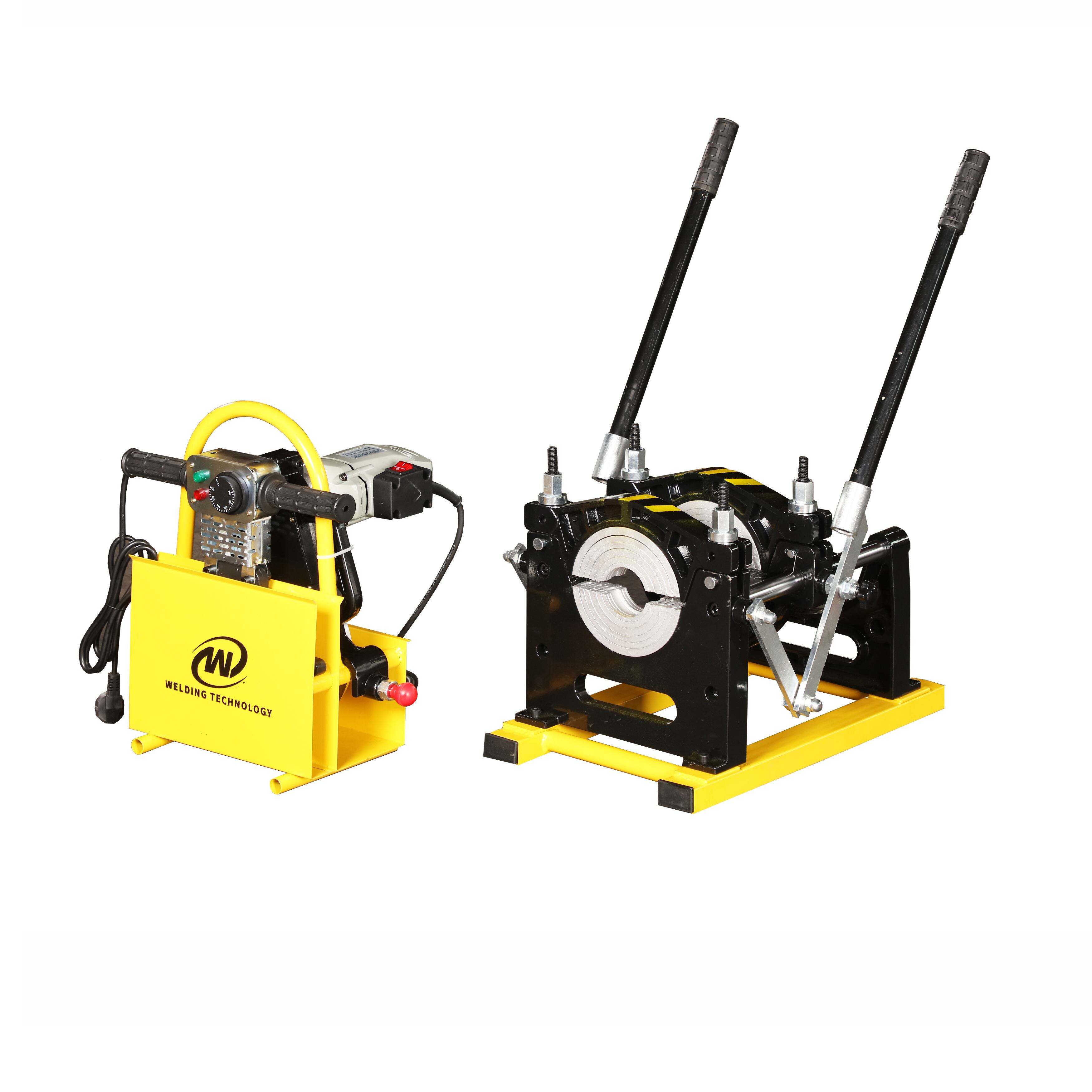
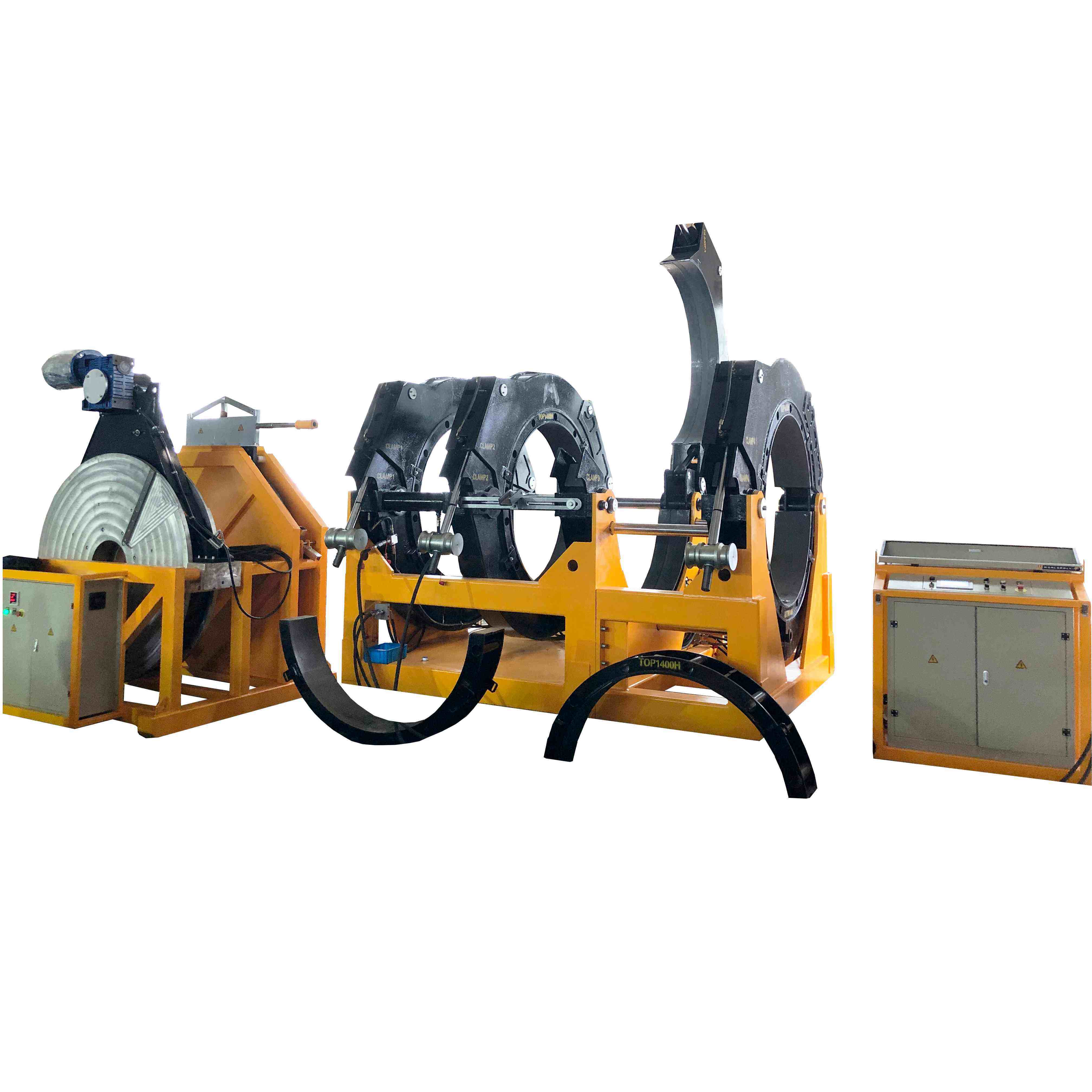
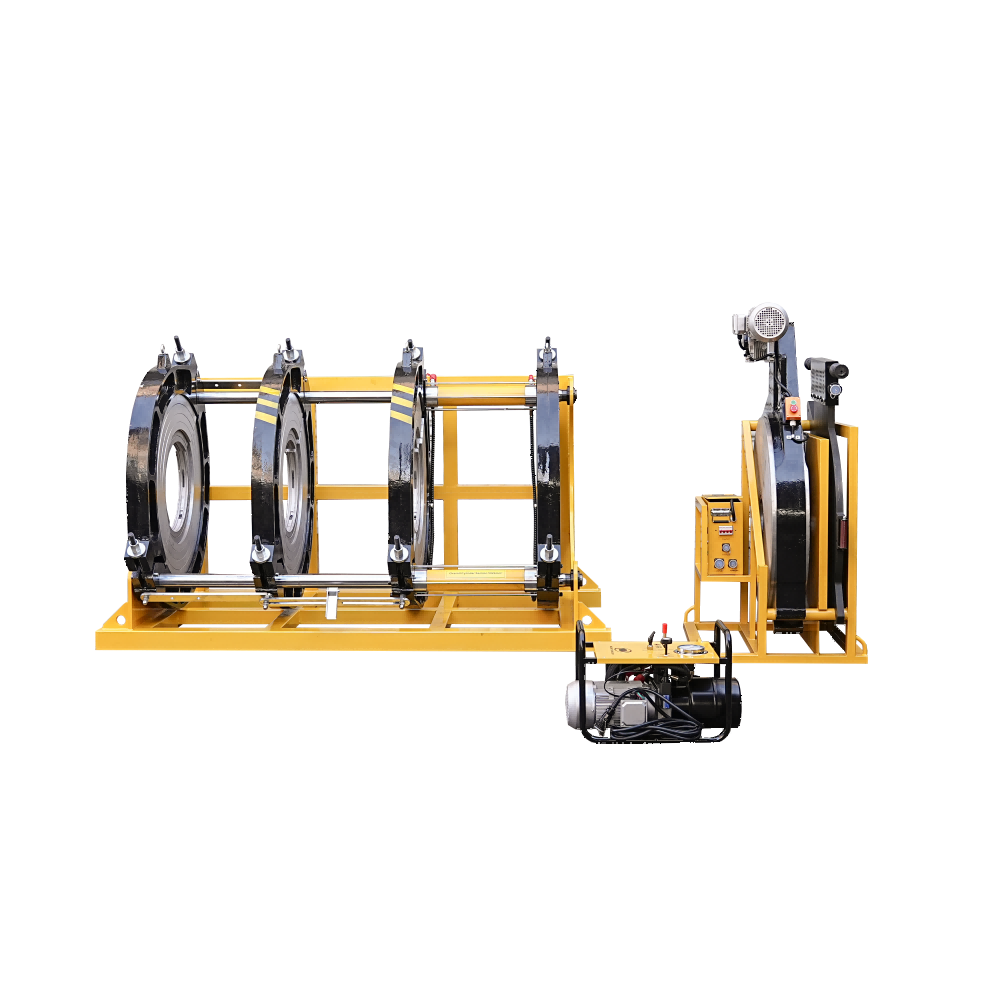
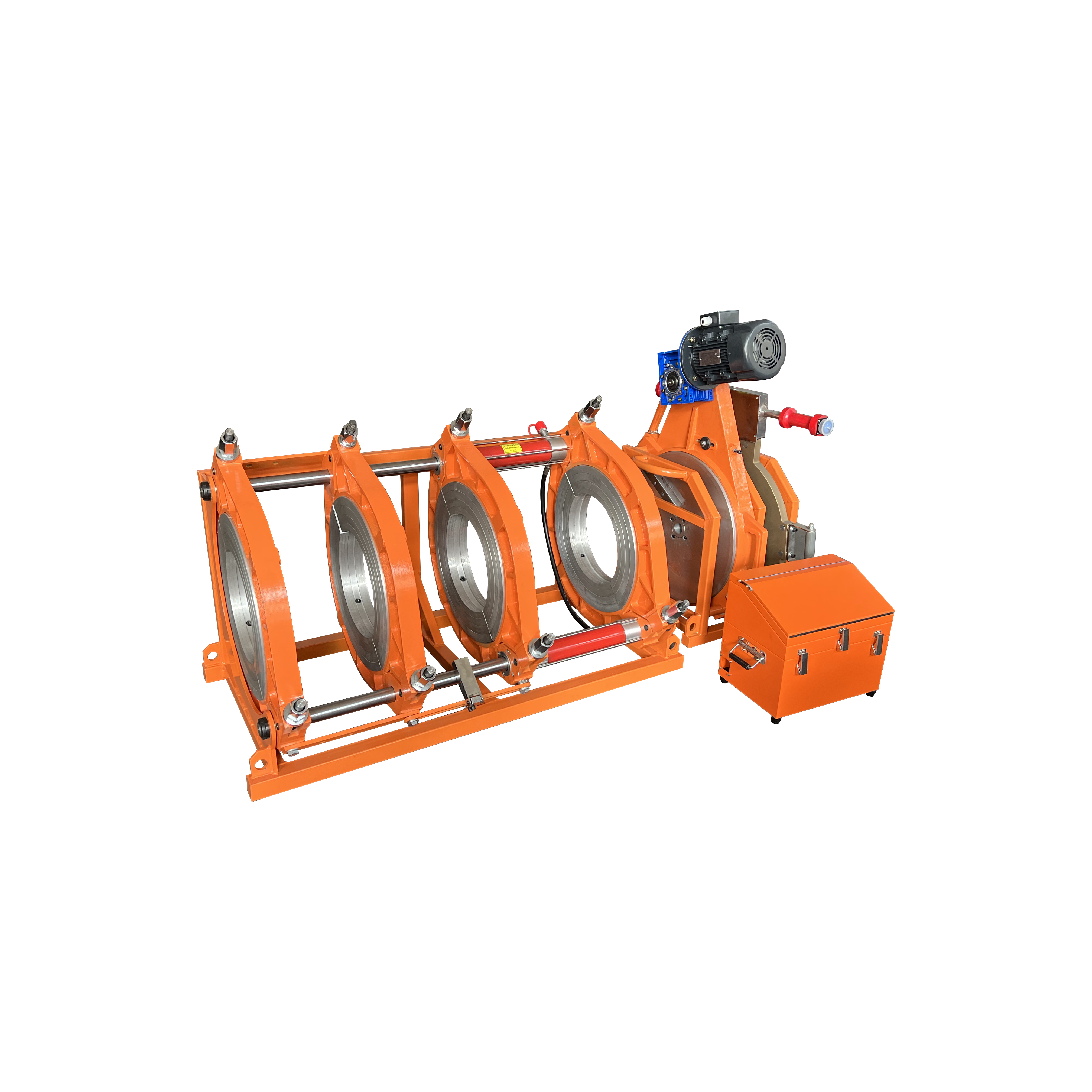
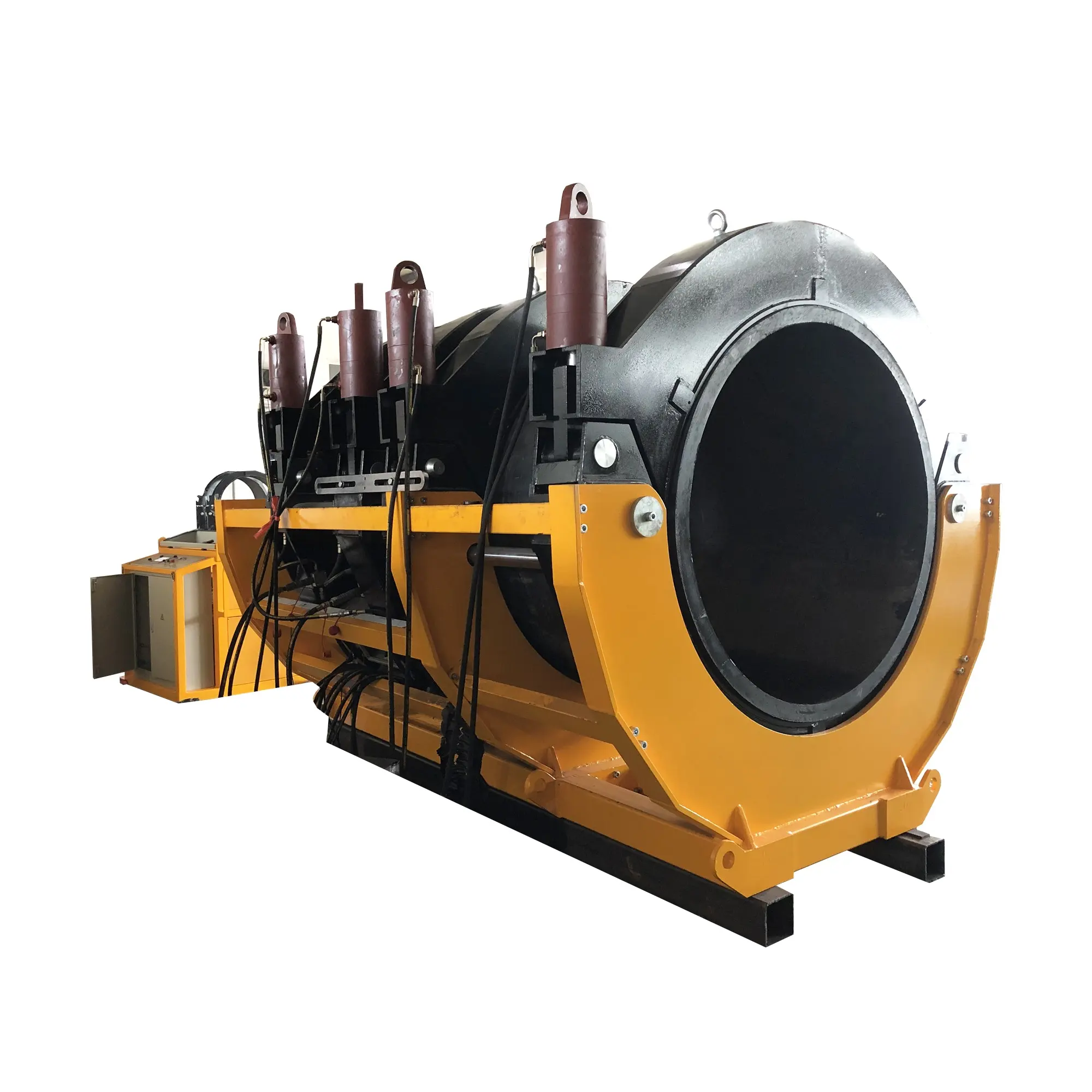
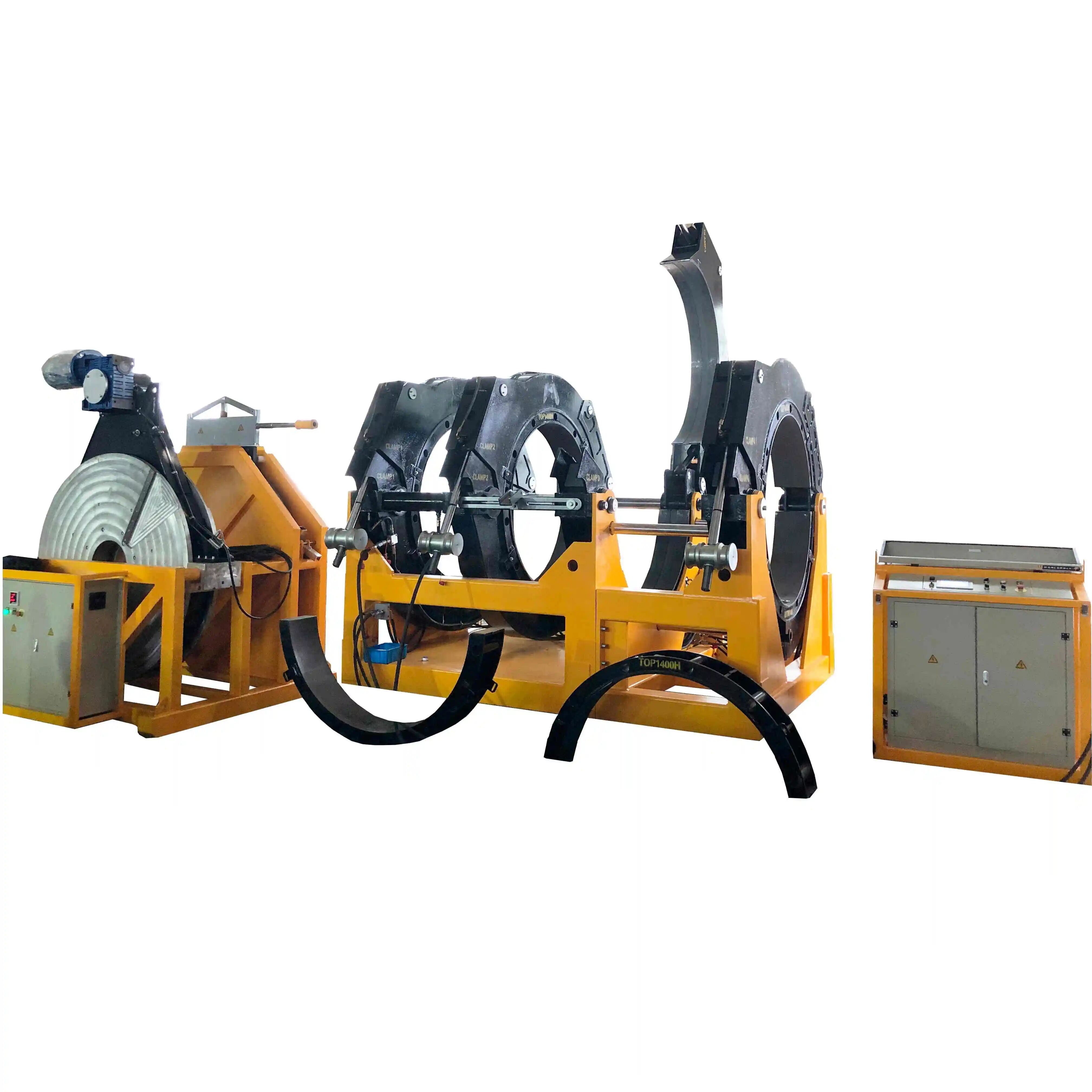
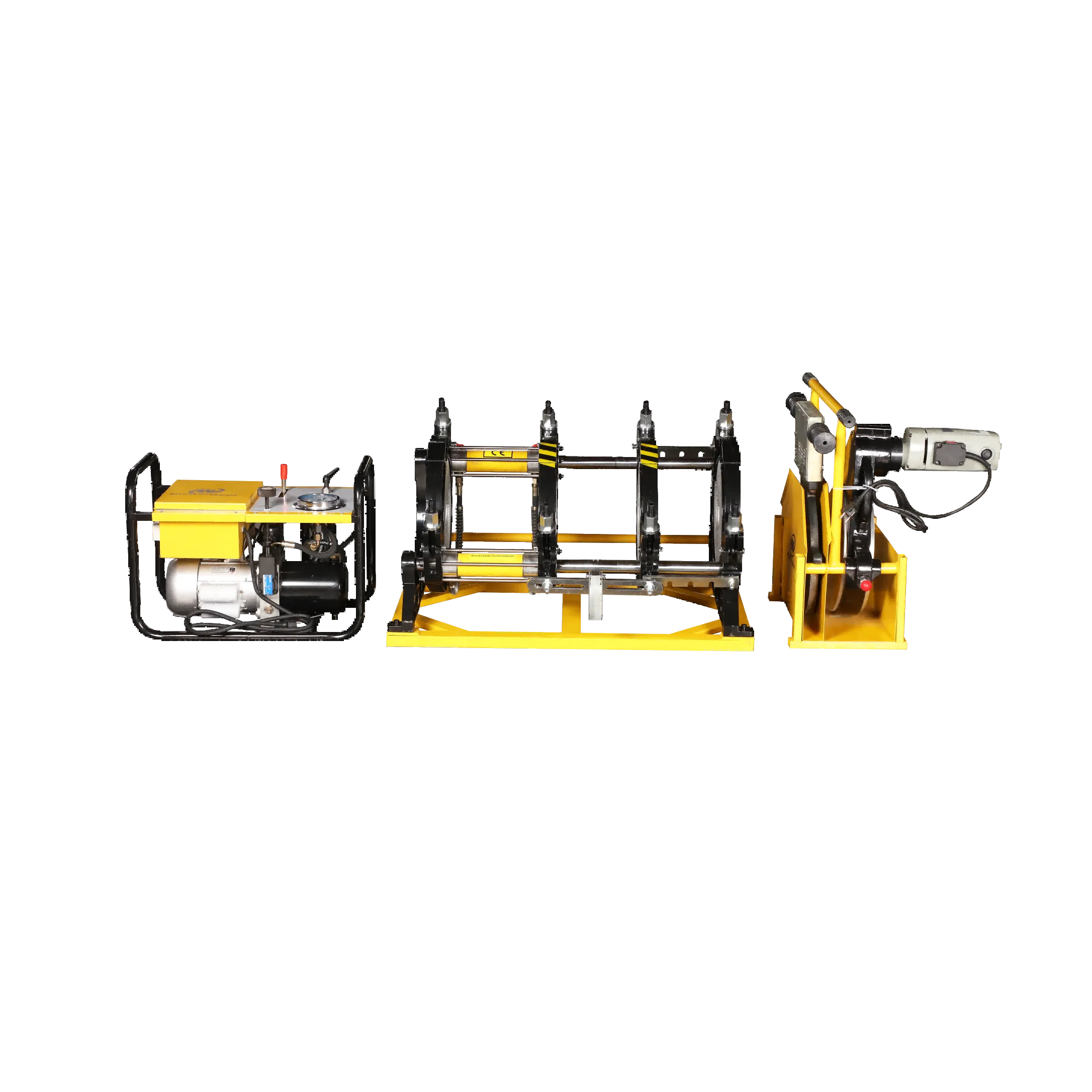
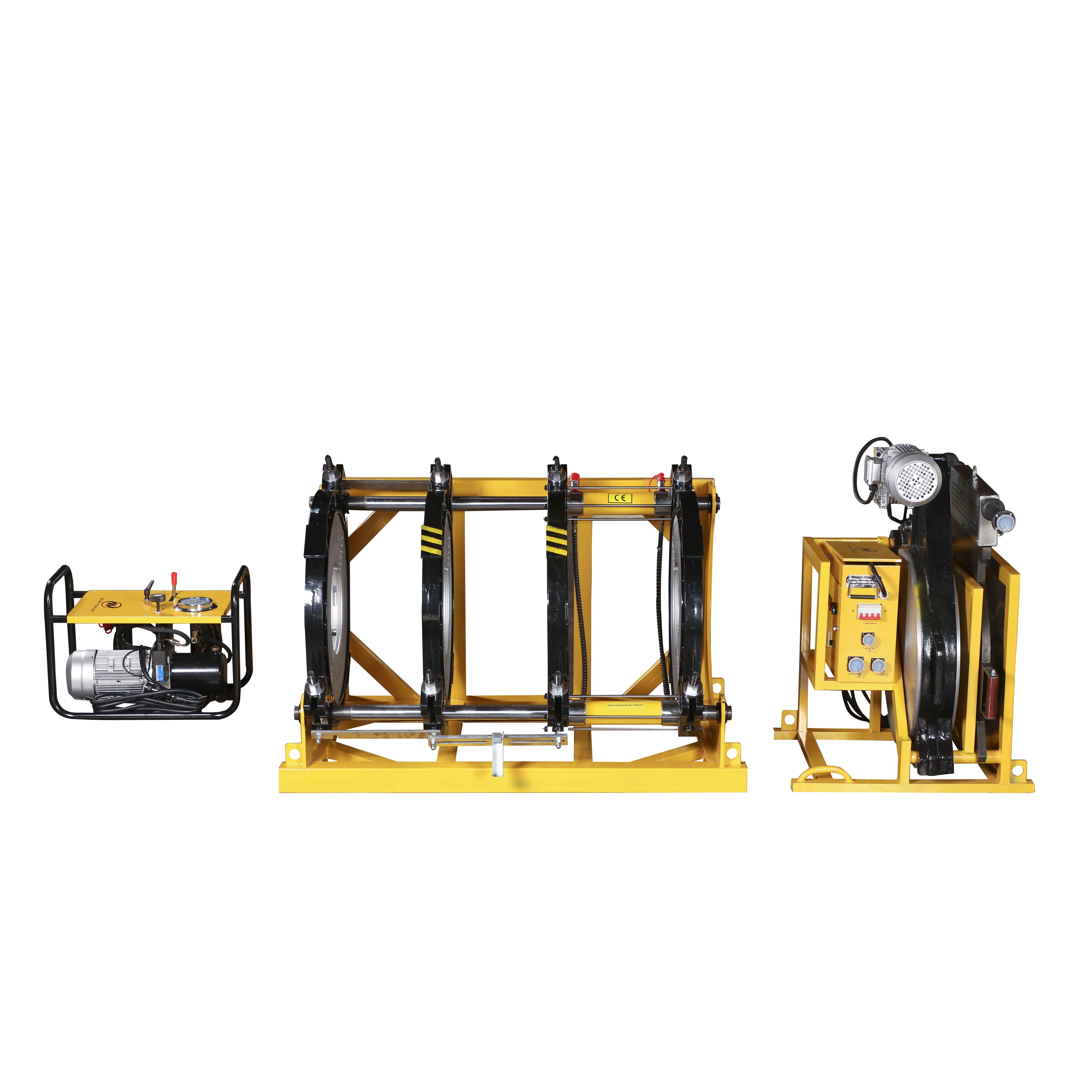
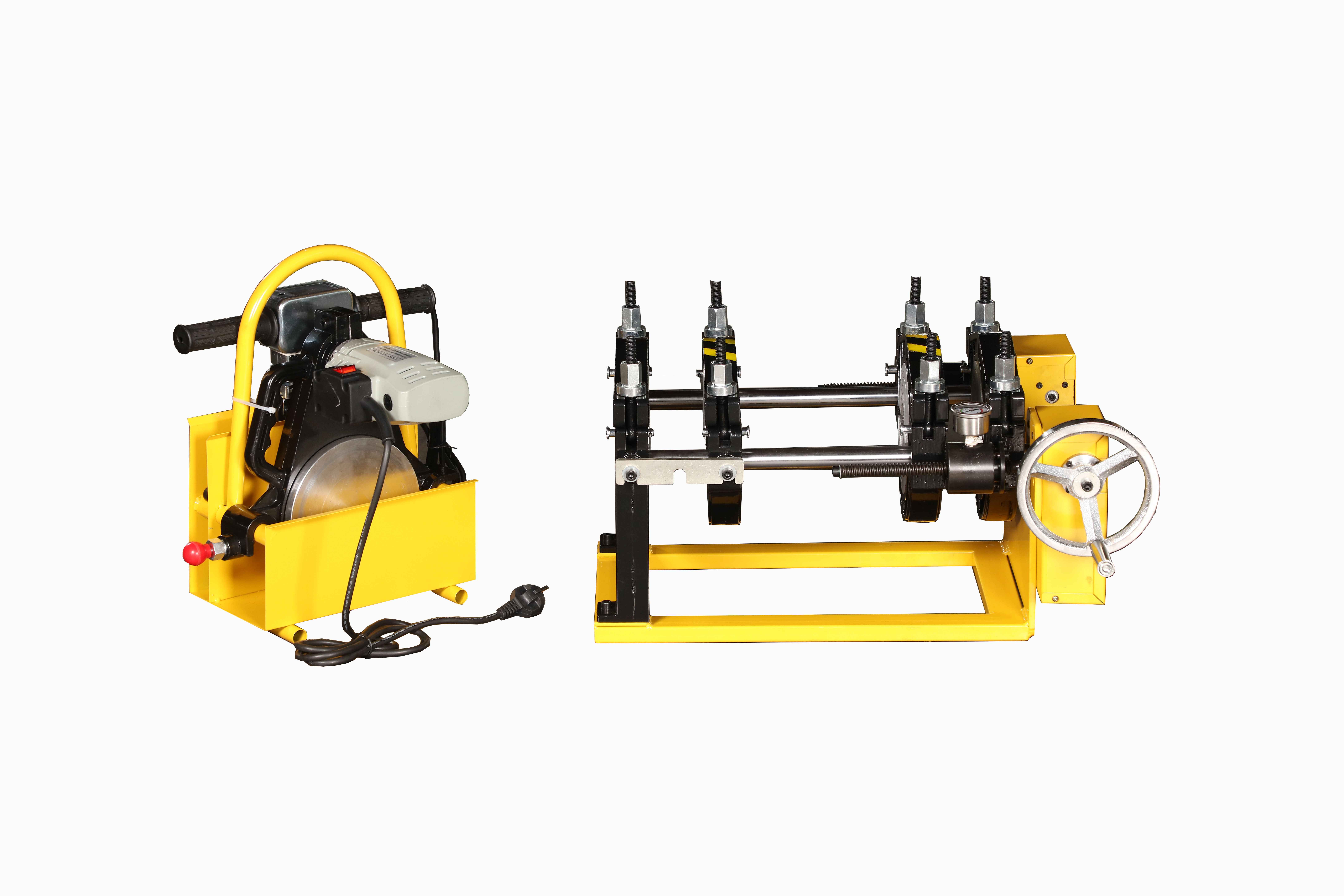
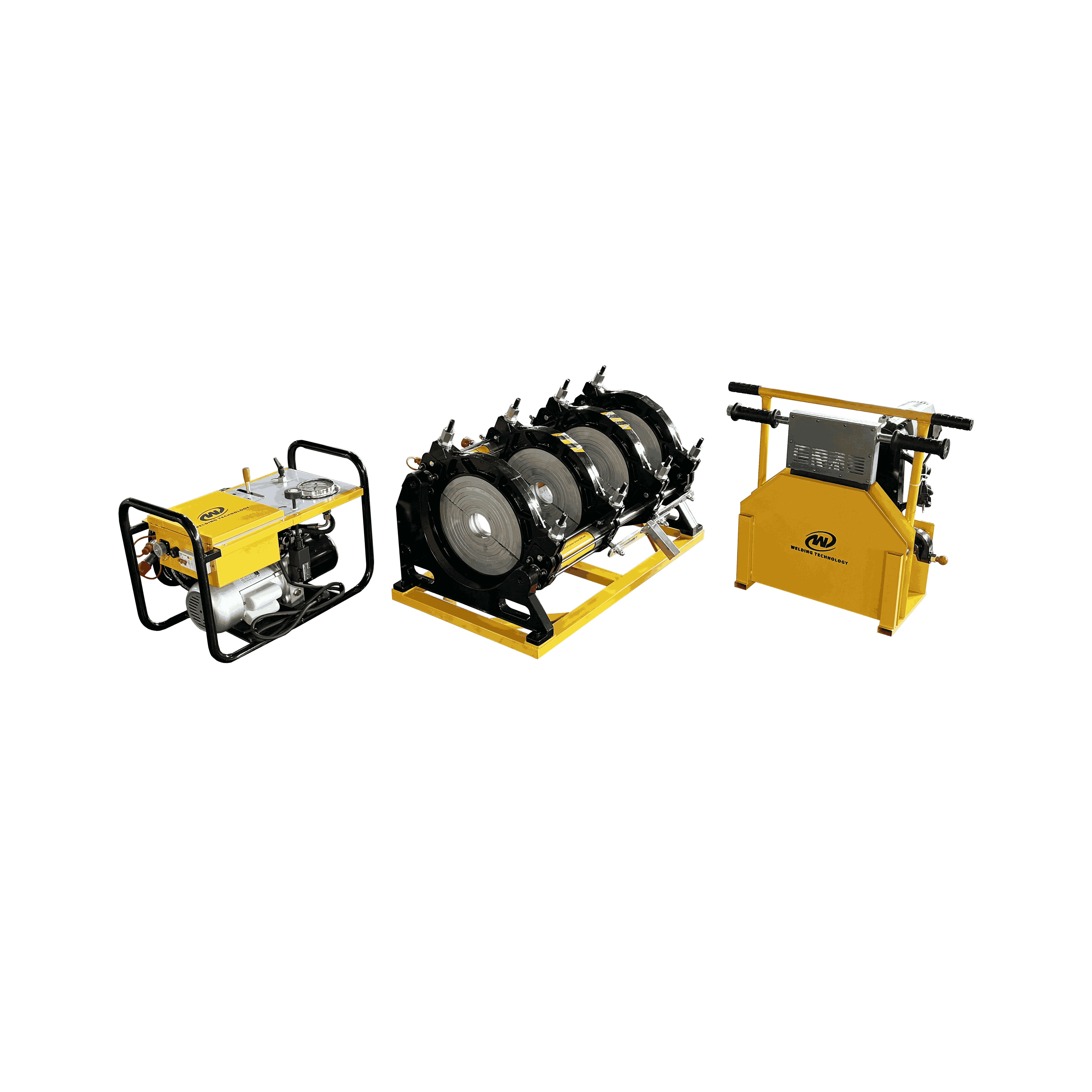
The hdpe fusion machine achieves joint integrity through a scientifically proven molecular fusion process that fundamentally differs from mechanical or adhesive joining methods. When the machine heats polyethylene surfaces to their precise melting temperature, the polymer chains at the interface become mobile and begin to intermingle. As the heated surfaces are pressed together under controlled force, these molecular chains entangle and bond at the atomic level, creating a connection that is indistinguishable from the parent material. This molecular integration means the welded joint possesses identical physical properties to the surrounding pipe, including tensile strength, flexibility, and chemical resistance. Field studies consistently demonstrate that properly executed fusion joints outlast the pipes they connect, with installations exceeding fifty years of service without degradation or leakage. The implications for system reliability are profound, particularly in critical applications like potable water distribution, natural gas transmission, and hazardous material handling. Traditional mechanical joints inevitably include dissimilar materials such as rubber gaskets, metal fasteners, or threading compounds that deteriorate at different rates than the polyethylene pipe, creating potential failure points as systems age. An hdpe fusion machine eliminates these vulnerabilities entirely by producing homogeneous connections. The technology proves especially valuable in applications involving pressure fluctuations, temperature extremes, or ground movement, where mechanical joints commonly fail due to differential expansion, vibration, or stress concentration. Fusion-welded systems maintain integrity through seismic events, freeze-thaw cycles, and settling conditions that would compromise conventional connections. Quality assurance benefits represent another dimension of this advantage. Modern hdpe fusion machines incorporate data logging systems that record critical parameters for every weld, including heating temperature, pressure applied, cooling time, and ambient conditions. This documentation creates a permanent quality record that satisfies regulatory requirements and provides forensic data if questions arise years after installation. Contractors gain competitive advantages by offering documented weld quality that exceeds industry standards, while facility owners benefit from reduced insurance premiums and liability exposure associated with proven system integrity.

 EN
EN