Professional HDPE Pipe Welding Machine - High-Precision Fusion Equipment for Durable Pipeline Connections

Get a Free Quote

Our representative will contact you soon.
E-mail
Name
Mobile/WhatsApp
Company Name
Message
0/1000

welding machine for hdpe pipe

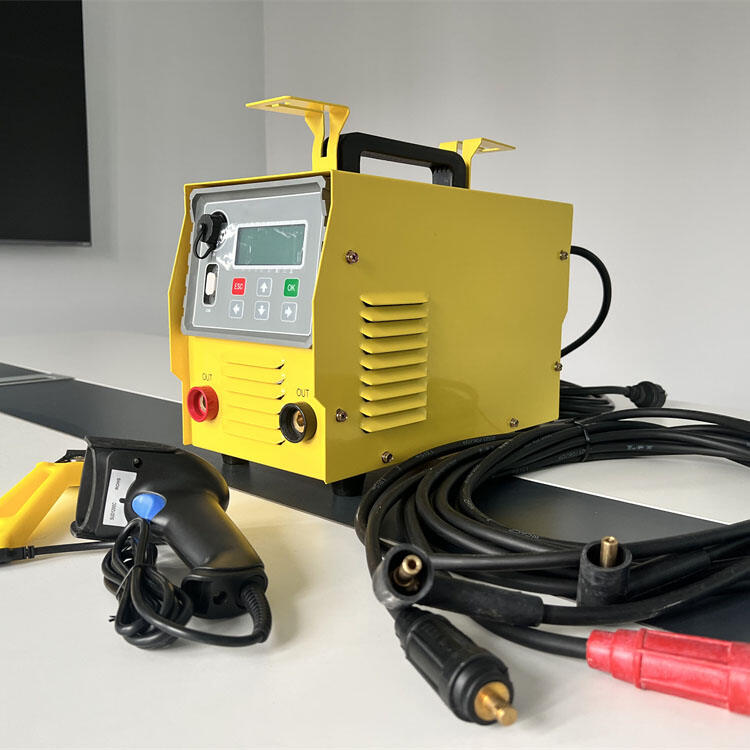
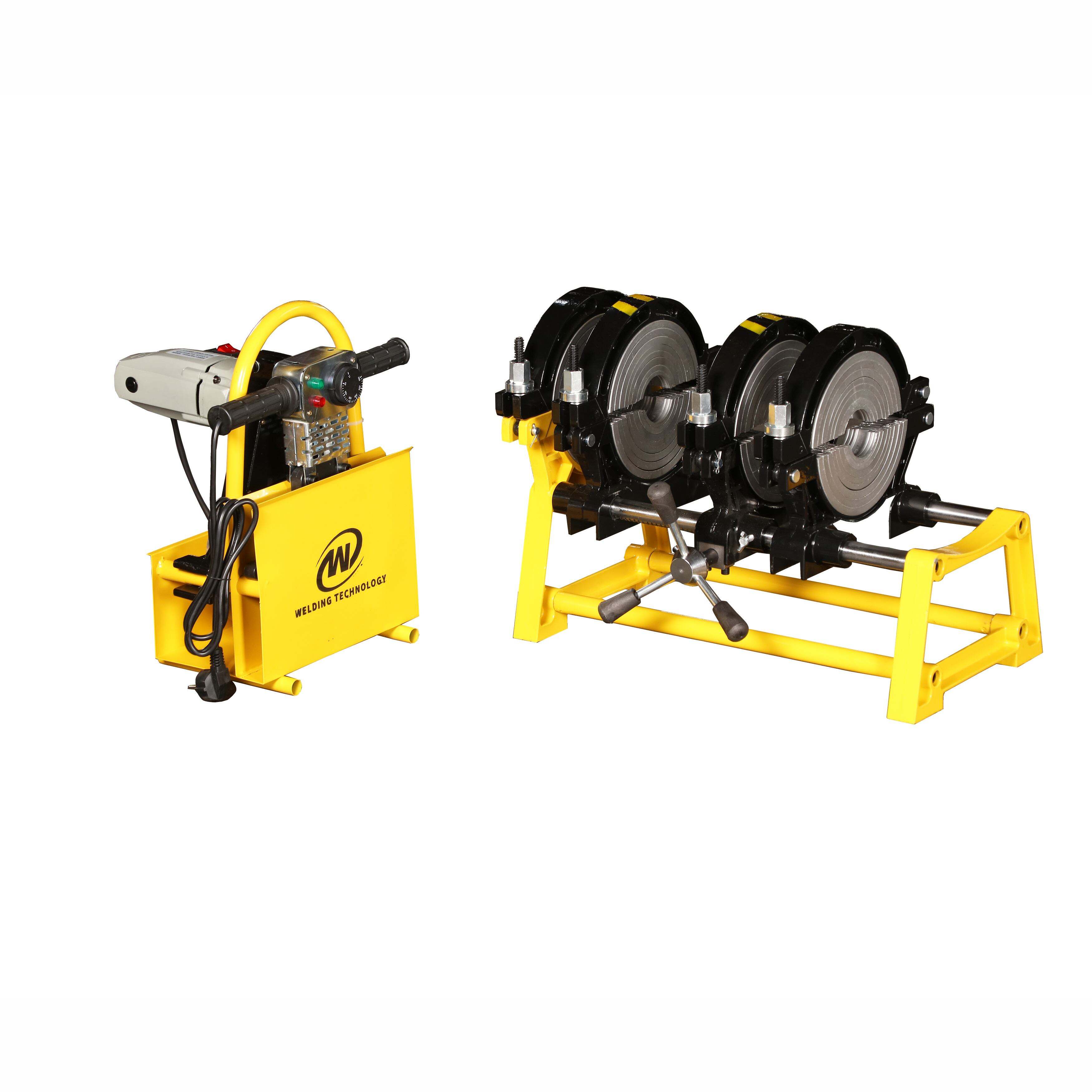
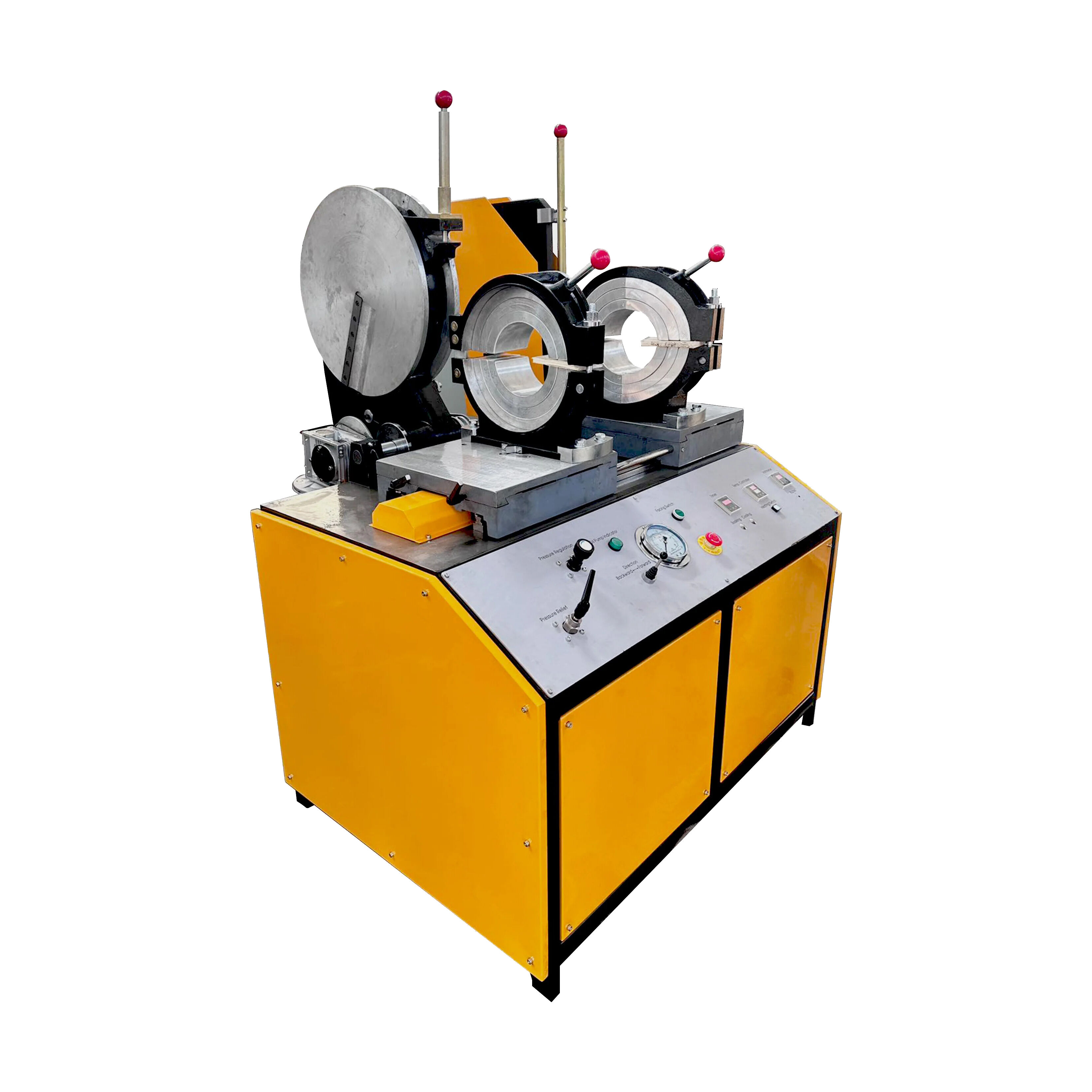
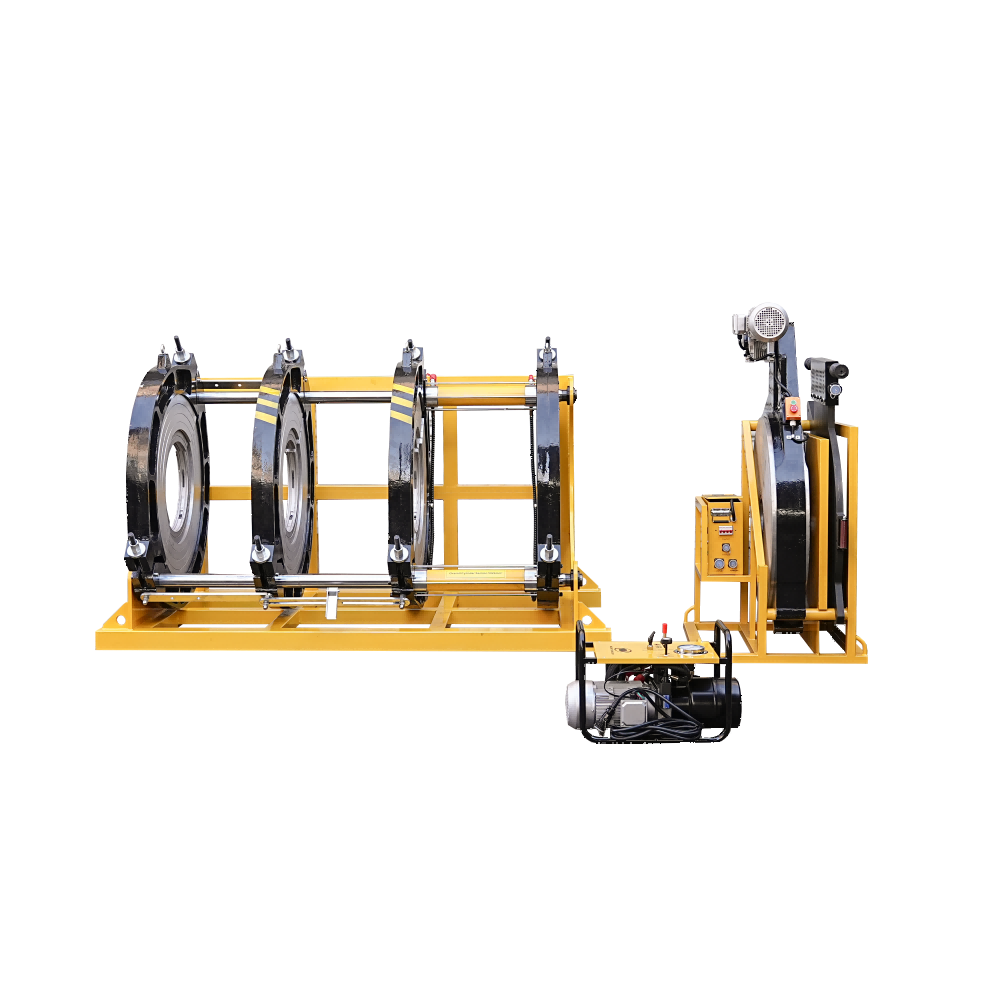
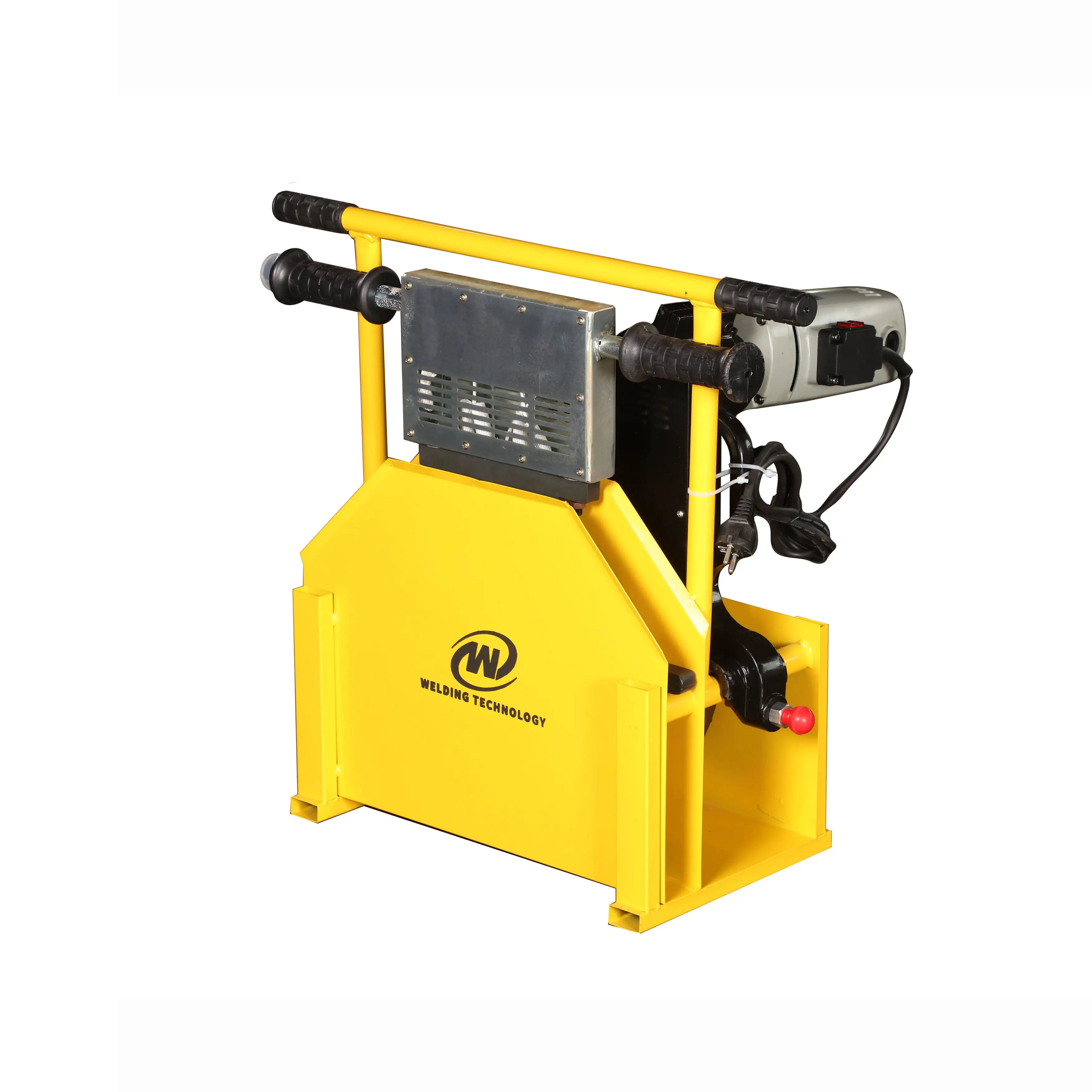
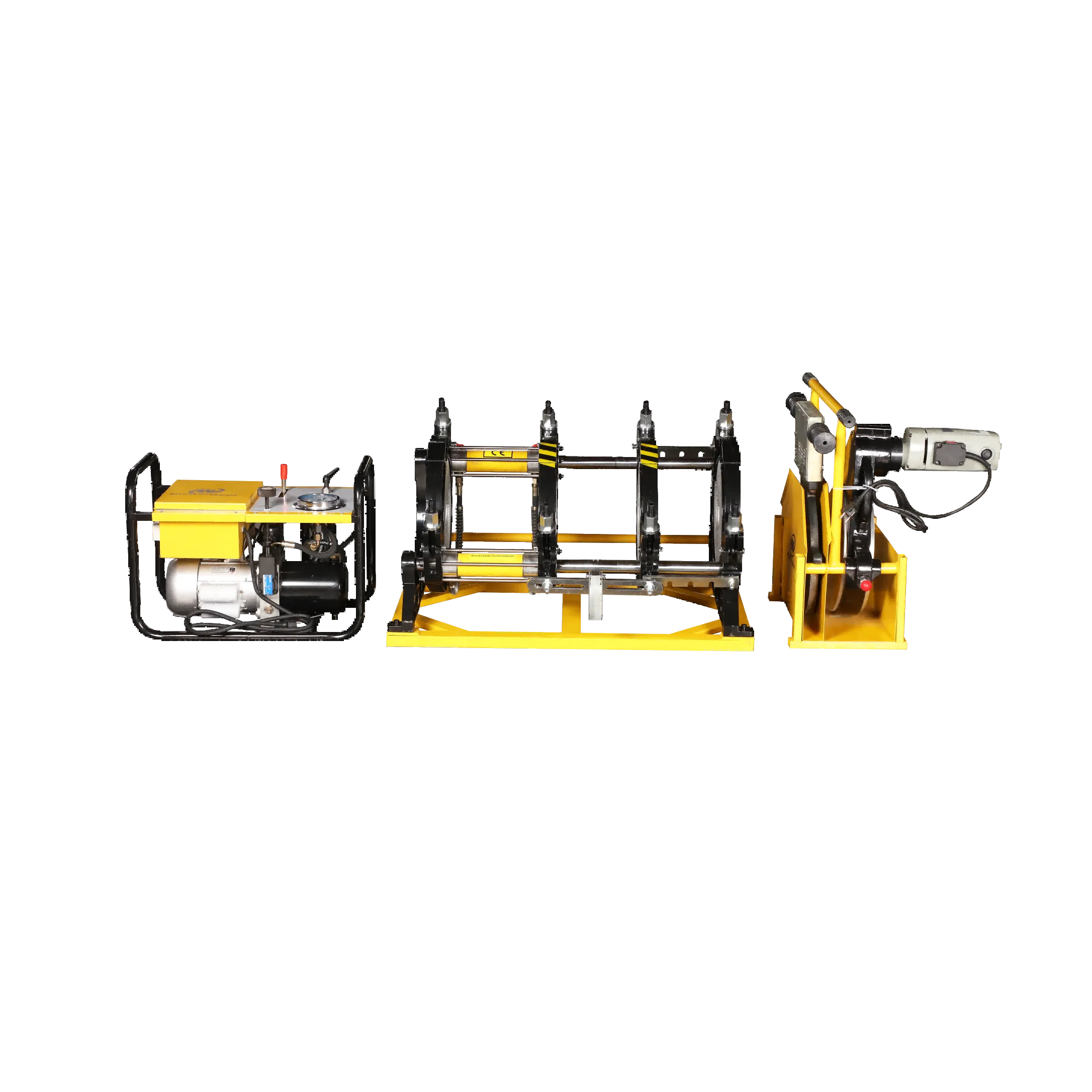
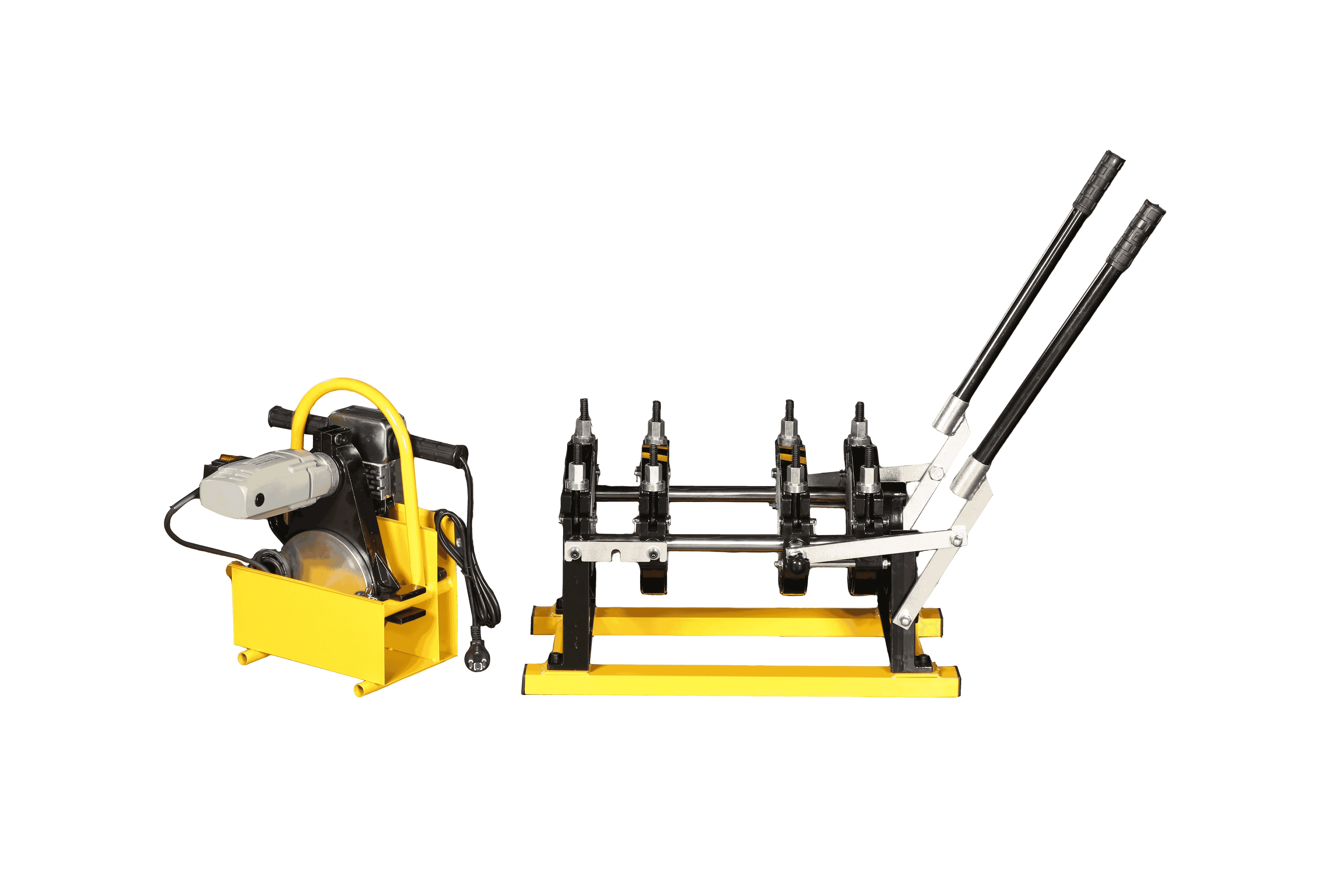
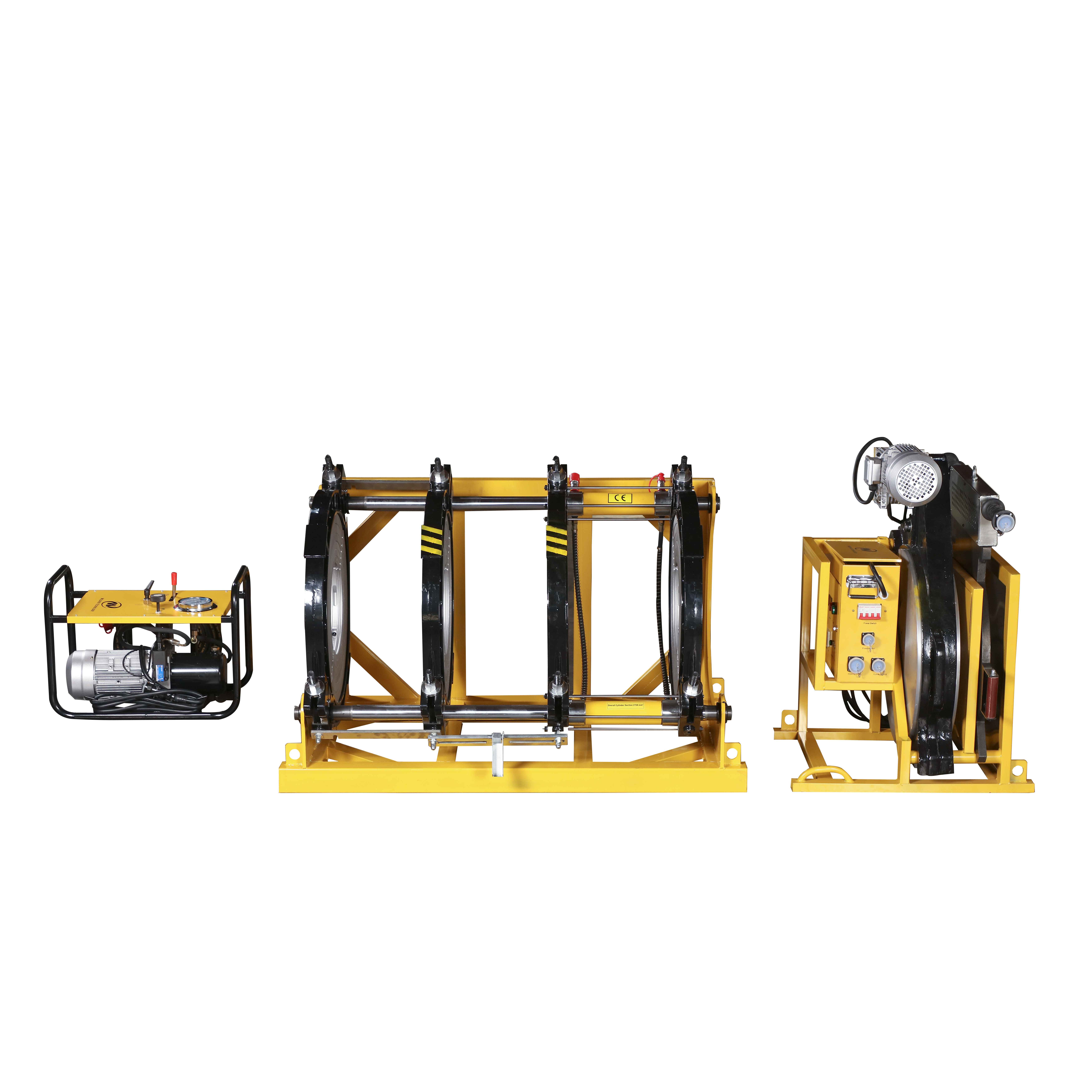
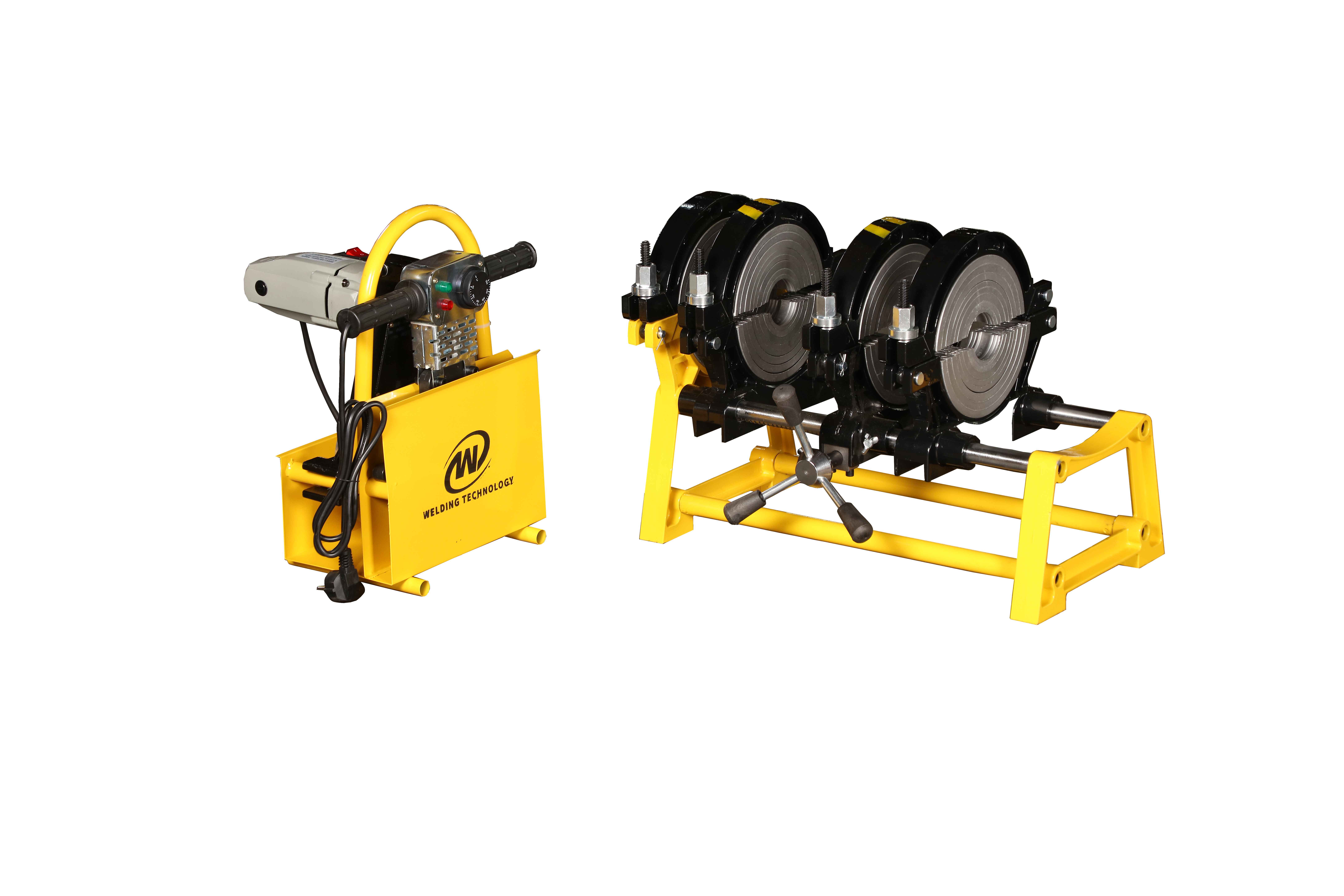
A welding machine for HDPE pipe represents a specialized piece of equipment designed to create permanent, leak-proof connections between high-density polyethylene pipes through heat fusion processes. This industrial tool has become indispensable in modern pipeline construction, serving critical roles in water distribution systems, gas transmission networks, industrial processing facilities, and municipal infrastructure projects. The welding machine for HDPE pipe operates by heating the pipe ends to their melting point and then pressing them together under controlled pressure, creating a homogeneous joint that matches or exceeds the strength of the original pipe material. The main functions of this equipment include precise temperature control, consistent pressure application, and automated timing sequences that ensure repeatable, high-quality welds across various pipe diameters and wall thicknesses. Technological features incorporated into modern welding machines for HDPE pipe include digital temperature displays, programmable welding parameters, hydraulic pressure systems, and automatic cooling timers that eliminate guesswork and human error from the fusion process. Many advanced models feature data logging capabilities that record welding parameters for quality assurance and traceability purposes. The applications for welding machines for HDPE pipe span numerous industries and sectors. Municipal water utilities rely on these machines to install and repair drinking water distribution systems, while natural gas companies use them to construct safe, durable gas transmission pipelines. Agricultural operations employ welding machines for HDPE pipe when installing irrigation systems, and mining companies depend on them for slurry transport lines. Chemical processing plants utilize these machines to join corrosion-resistant HDPE piping that handles aggressive chemicals, and wastewater treatment facilities use them to construct collection and conveyance systems. The versatility of the welding machine for HDPE pipe extends to both above-ground and below-ground installations, making it suitable for diverse environmental conditions and project requirements.

Popular Products

The welding machine for HDPE pipe delivers substantial practical benefits that directly impact project efficiency, cost-effectiveness, and long-term system reliability. First and foremost, these machines create joints that are stronger than mechanical connections, eliminating weak points in pipeline systems that could lead to future failures. Unlike threaded or flanged connections that can loosen over time or develop leaks, fusion welds produced by a welding machine for HDPE pipe form monolithic structures with no separate components to fail. This translates to reduced maintenance costs and fewer emergency repairs over the lifespan of the pipeline. The speed advantage offered by modern welding machines for HDPE pipe significantly reduces installation time compared to alternative joining methods. Operators can complete welds in minutes rather than hours, allowing contractors to finish projects faster and move equipment to new job sites more quickly. This efficiency gain directly reduces labor costs and shortens project timelines, providing clear financial benefits to contractors and project owners alike. Another major advantage involves the elimination of consumables and ongoing supply costs. The welding machine for HDPE pipe requires no adhesives, solvents, gaskets, or mechanical fasteners that must be purchased, inventoried, and replaced. This simplicity reduces procurement complexity and eliminates the risk of running out of critical supplies during installation. The environmental benefits delivered by welding machines for HDPE pipe deserve recognition as well. The fusion welding process produces no harmful emissions, requires no chemical adhesives that could contaminate soil or groundwater, and generates minimal waste material. Projects completed with these machines meet stringent environmental regulations without additional mitigation measures. Versatility represents another compelling advantage of the welding machine for HDPE pipe. A single machine can typically handle multiple pipe diameters by changing simple adapter plates or clamping fixtures, reducing the equipment investment required for contractors who work with various pipe sizes. This adaptability makes the welding machine for HDPE pipe cost-effective for both specialized pipeline contractors and general construction firms that occasionally need to join HDPE pipes. The quality consistency achieved by welding machines for HDPE pipe surpasses manual joining methods by removing variability caused by operator skill differences or environmental factors. Automated controls ensure each weld receives the correct temperature, pressure, and cooling time, producing uniform results regardless of who operates the machine. This consistency reduces the rejection rate during quality inspections and builds confidence among project stakeholders that the pipeline will perform as designed.

Tips And Tricks

Why Do Engineers Choose an HDPE Thermofusion Machine for Projects?

06

Apr

Why Do Engineers Choose an HDPE Thermofusion Machine for Projects?

Engineers working on pipeline infrastructure projects face critical decisions that affect long-term performance, project budgets, and operational reliability. Among the most consequential choices is the selection of joining equipment for high-density...
View More
Why Do Contractors Choose HDPE Fusion Equipment for Water Systems?

01

Apr

Why Do Contractors Choose HDPE Fusion Equipment for Water Systems?

Water infrastructure projects demand reliability, longevity, and cost-effectiveness, making equipment selection a critical decision for contractors. The choice of joining technology directly impacts project timelines, long-term system integrity, and ...
View More
How Does a Plastic Band Cutting Saw Improve Cutting Efficiency?

03

Jun

How Does a Plastic Band Cutting Saw Improve Cutting Efficiency?

In industrial plastic fabrication and pipe processing environments, precision and throughput are non-negotiable. A plastic band cutting saw addresses both demands simultaneously, offering a level of cutting consistency that manual tools and conventio...
View More
How Can a Plastic Band Cutting Saw Ensure Accurate Cutting Results?

30

Jun

How Can a Plastic Band Cutting Saw Ensure Accurate Cutting Results?

In plastic fabrication and industrial processing environments, precision is not a luxury — it is a baseline requirement. A plastic band cutting saw is one of the most reliable tools available when consistent, clean, and accurate cuts are the goal. Wh...
View More

Get a Free Quote

Our representative will contact you soon.
E-mail
Name
Mobile/WhatsApp
Company Name
Message
0/1000

welding machine for hdpe pipe

Advanced Temperature Control Technology Ensures Perfect Welds Every Time

Advanced Temperature Control Technology Ensures Perfect Welds Every Time

The temperature control system built into quality welding machines for HDPE pipe represents the critical factor that separates professional-grade equipment from inadequate alternatives. This sophisticated technology maintains heating plate temperatures within extremely narrow tolerances, typically plus or minus three degrees Celsius, throughout the entire welding cycle. Such precision matters tremendously because HDPE material exhibits a relatively narrow optimal fusion temperature range, and deviations outside this range result in weak welds that may fail prematurely. The heating element in a welding machine for HDPE pipe uses advanced materials that distribute heat evenly across the entire contact surface, preventing hot spots that could degrade the pipe material or cold zones that result in incomplete fusion. Digital temperature displays provide operators with real-time feedback, allowing them to verify correct operating temperatures before beginning each weld. Many modern welding machines for HDPE pipe incorporate microprocessor-controlled heating systems that automatically compensate for ambient temperature changes, voltage fluctuations, and heat loss to the pipe material, maintaining consistent heating plate temperatures regardless of external conditions. This intelligent temperature management eliminates a major source of weld variability that plagued earlier equipment generations. The heating plate itself features a non-stick coating that prevents molten HDPE from adhering to the surface, ensuring clean release after the heating phase and preventing contamination of subsequent welds. This coating also extends the service life of the heating element, reducing maintenance requirements and replacement costs. Temperature control technology in welding machines for HDPE pipe also includes rapid heating capabilities that minimize warm-up time at the start of the workday and between welds, improving overall productivity. Some advanced models feature dual-zone heating that applies different temperatures to different areas of the heating plate, accommodating pipes with varying wall thicknesses or special fitting configurations. The cooling phase also benefits from controlled temperature management, with some welding machines for HDPE pipe featuring active cooling systems that accelerate the solidification process without introducing thermal stress that could weaken the joint. This controlled cooling ensures that molecular chains in the HDPE material align properly during solidification, maximizing joint strength and durability.
Hydraulic Pressure Systems Deliver Consistent Force for Superior Joint Integrity

Hydraulic Pressure Systems Deliver Consistent Force for Superior Joint Integrity

The hydraulic pressure system integrated into professional welding machines for HDPE pipe provides the controlled, consistent force necessary to create joints that match or exceed the strength of the parent pipe material. This critical component applies precisely calibrated pressure during both the heating phase, when pipe ends are pressed against the heating plate, and the fusion phase, when heated pipe ends are pressed together to form the permanent joint. The importance of consistent pressure application cannot be overstated, as insufficient pressure results in incomplete molecular entanglement that produces weak joints, while excessive pressure can squeeze molten material out of the joint area, creating thin spots that compromise strength. Hydraulic systems in welding machines for HDPE pipe utilize precision-machined cylinders and high-quality seals that maintain pressure stability throughout extended welding cycles, even in challenging environmental conditions. Pressure gauges integrated into the system provide operators with continuous visual feedback, ensuring that specified pressure values are achieved and maintained throughout the weld cycle. Many advanced welding machines for HDPE pipe feature adjustable pressure settings that allow operators to optimize force levels for different pipe sizes, wall thicknesses, and HDPE material grades, accommodating the full range of specifications encountered in real-world projects. The hydraulic system also enables controlled retraction after the heating phase, allowing operators to remove the heating plate and bring the pipe ends together within the limited time window before the molten surfaces cool below fusion temperature. This timing precision, facilitated by smooth hydraulic operation, represents a critical factor in achieving successful welds. Some welding machines for HDPE pipe incorporate pressure compensation features that automatically adjust applied force as the pipe material softens during heating, maintaining optimal contact pressure throughout the heating cycle. This intelligent pressure management prevents common problems such as excessive bead formation or insufficient melt depth. The mechanical advantage provided by hydraulic systems also allows welding machines for HDPE pipe to join large-diameter, thick-walled pipes that would be impossible to fuse using manual force alone, expanding the range of applications these machines can address. Hydraulic systems in quality welding machines for HDPE pipe are designed for longevity, with robust components that withstand years of demanding field use without performance degradation.
Portable Design and Quick Setup Maximize Productivity on Every Job Site

Portable Design and Quick Setup Maximize Productivity on Every Job Site

The portable configuration and rapid setup capabilities built into modern welding machines for HDPE pipe directly address the practical realities of pipeline construction work, where equipment must move frequently between work locations and become operational quickly to maximize productive time. Unlike older, cumbersome welding equipment that required extensive setup procedures and multiple operators to relocate, contemporary welding machines for HDPE pipe feature compact designs that balance capability with transportability. Integrated carry handles, balanced weight distribution, and rugged wheel assemblies allow single operators to move equipment across job sites without requiring additional personnel or lifting equipment. This mobility advantage proves especially valuable on projects involving multiple weld locations spread across large areas, such as municipal water system expansions or agricultural irrigation installations. The quick-setup design of modern welding machines for HDPE pipe enables operators to unpack equipment, configure it for the specific pipe size being joined, and begin welding operations within minutes of arrival at a new location. Tool-free clamping systems allow rapid installation of pipe-holding fixtures, while quick-release mechanisms enable fast changes between different pipe diameter configurations. This setup efficiency reduces non-productive time and allows contractors to complete more welds per shift, directly improving project economics. Despite their portable nature, welding machines for HDPE pipe maintain the structural rigidity necessary for precise alignment during the welding process. Robust frame construction resists flexing under hydraulic pressure, ensuring that pipe ends remain perfectly aligned throughout the weld cycle. This combination of portability and stability represents a significant engineering achievement that benefits users every day. Many welding machines for HDPE pipe feature fold-down or removable components that reduce overall dimensions for transport in standard work vehicles, eliminating the need for dedicated equipment trailers on smaller projects. This compact transport configuration allows contractors to bring fusion welding capability to remote locations or confined work areas where larger equipment cannot access. Power supply flexibility enhances the portable utility of welding machines for HDPE pipe, with many models offering operation from standard electrical outlets, portable generators, or even vehicle-mounted inverters, ensuring that power availability never limits where welding work can occur. Some models designed for remote pipeline construction include battery power options that enable completely cordless operation for limited periods, providing ultimate flexibility for locations without any electrical infrastructure. The durable construction of portable welding machines for HDPE pipe protects sensitive components from the impacts, vibrations, and environmental exposure inherent in construction site use, ensuring reliable operation despite harsh treatment.


Get a Free Quote

Our representative will contact you soon.
E-mail
Name
Mobile/WhatsApp
Company Name
Message
0/1000