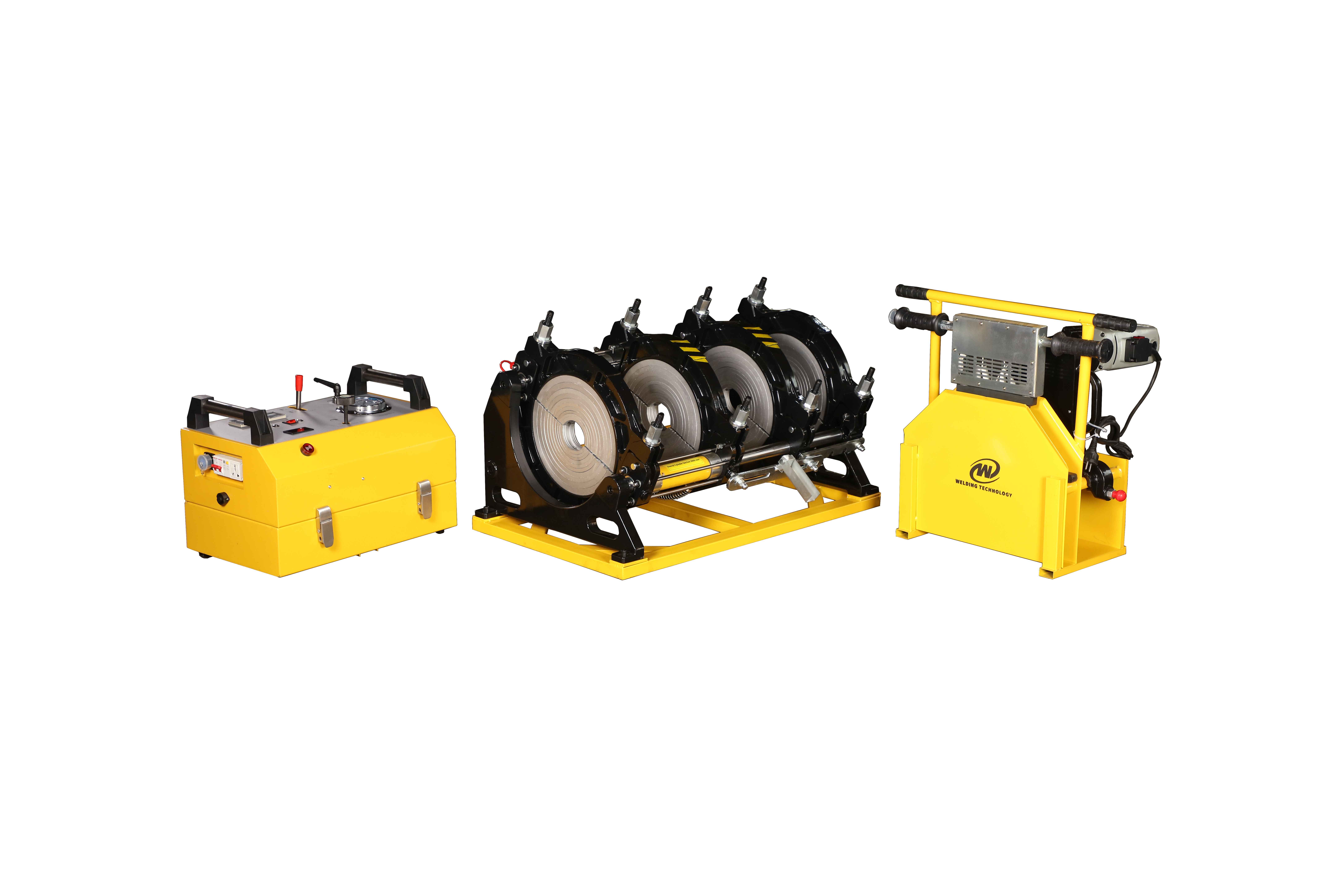
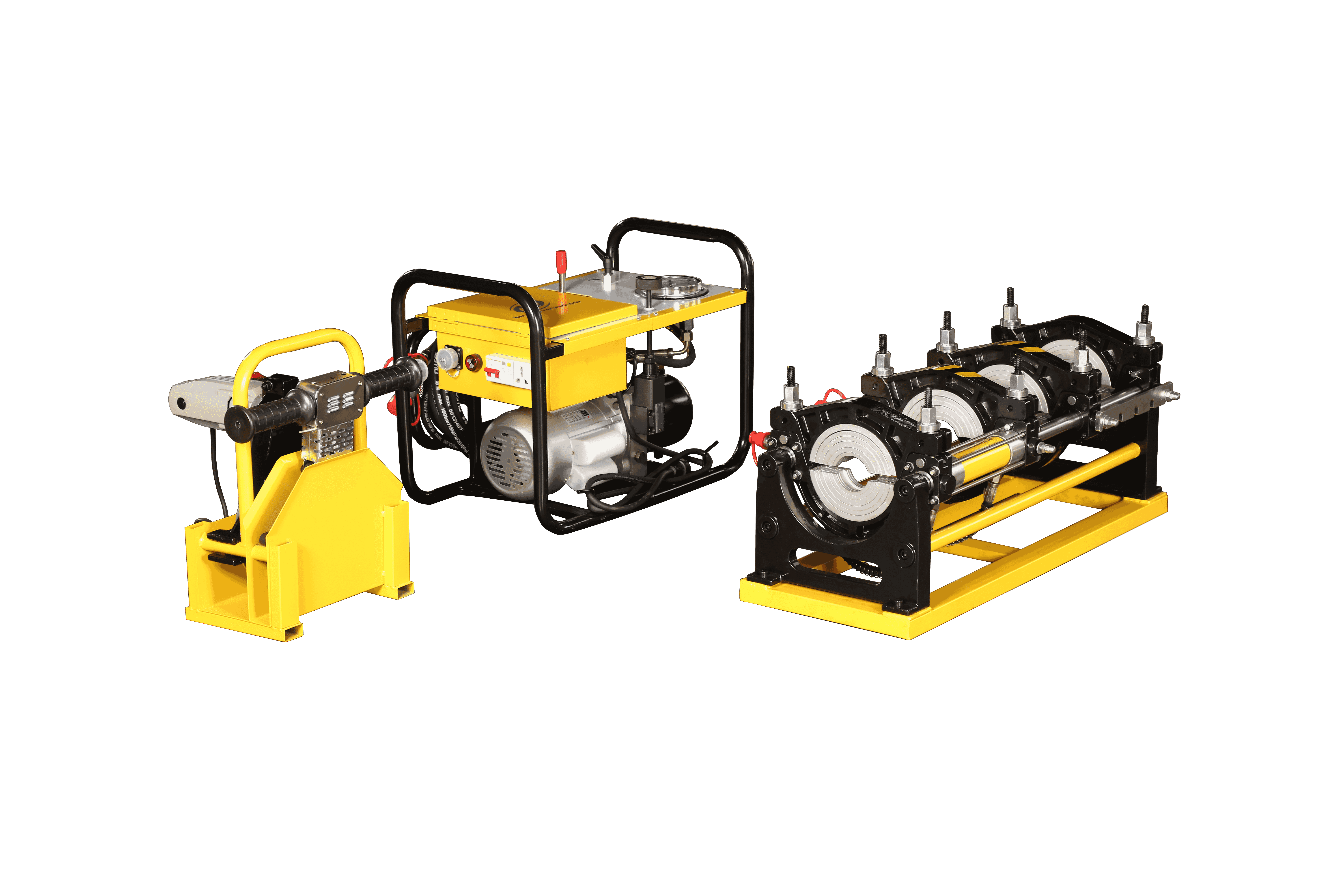
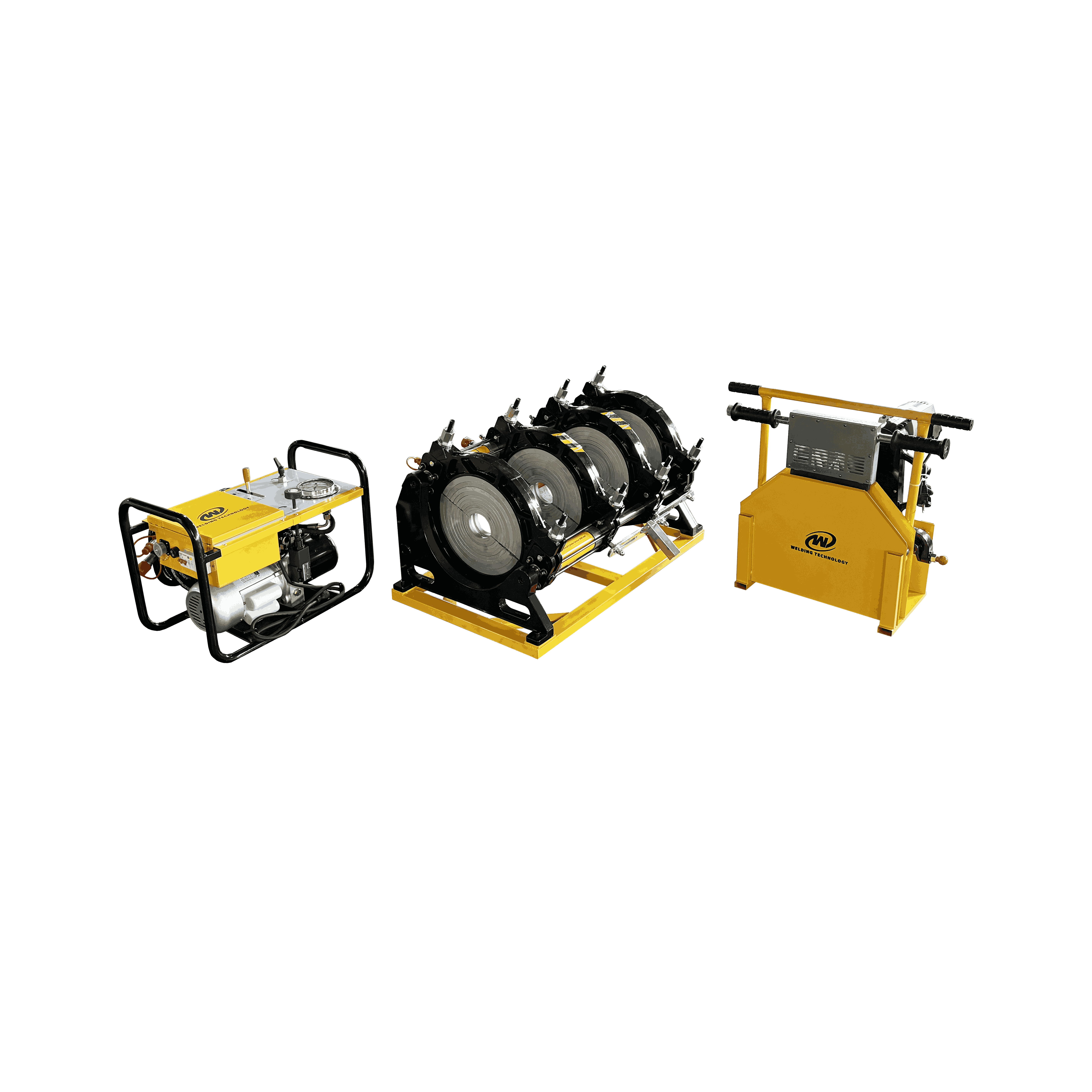
Hydraulic Butt Fusion Machine: Professional Pipe Welding Equipment for Durable Thermoplastic Connections

Get a Free Quote

Our representative will contact you soon.
E-mail
Name
Mobile/WhatsApp
Company Name
Message
0/1000

hydraulic butt fusion machine

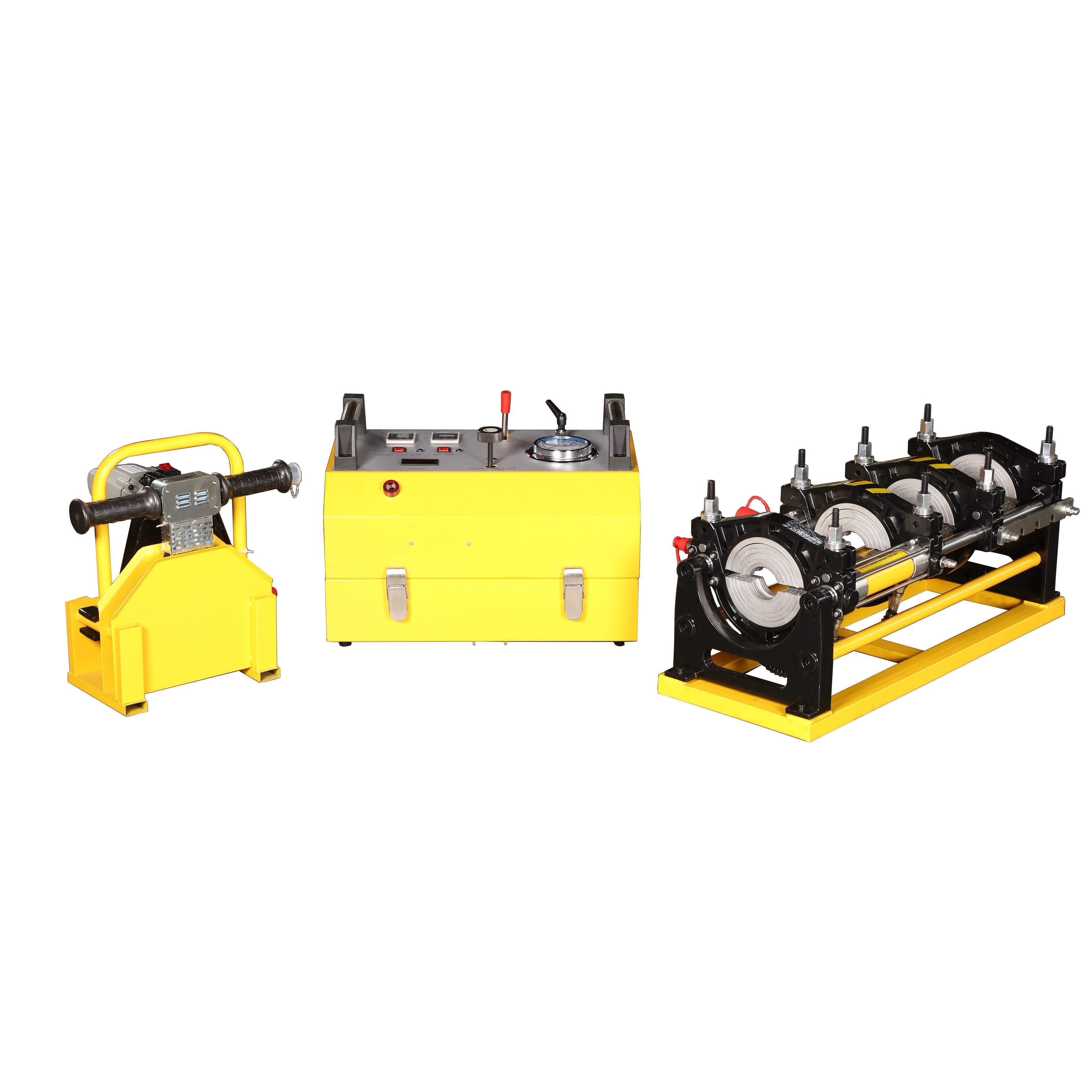
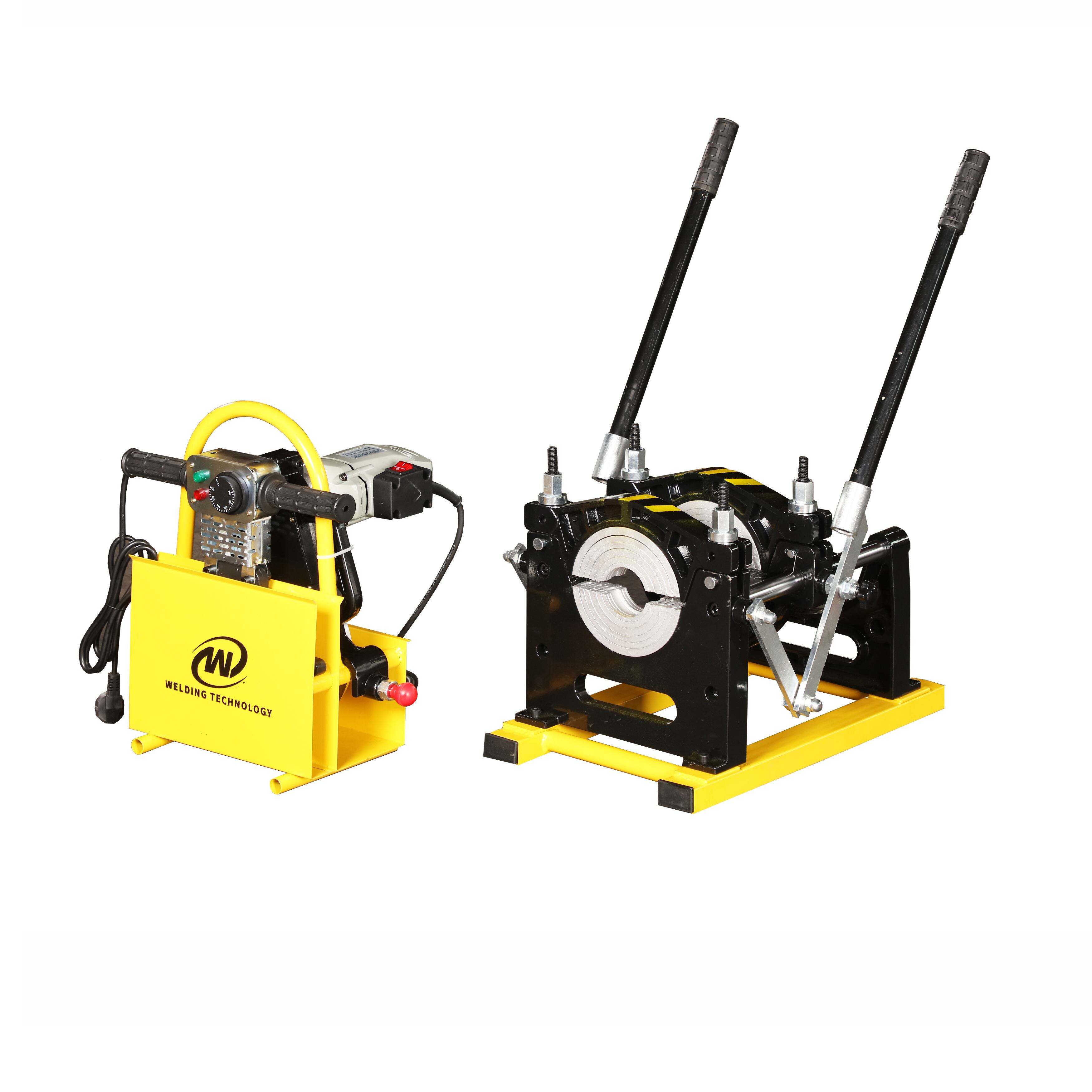
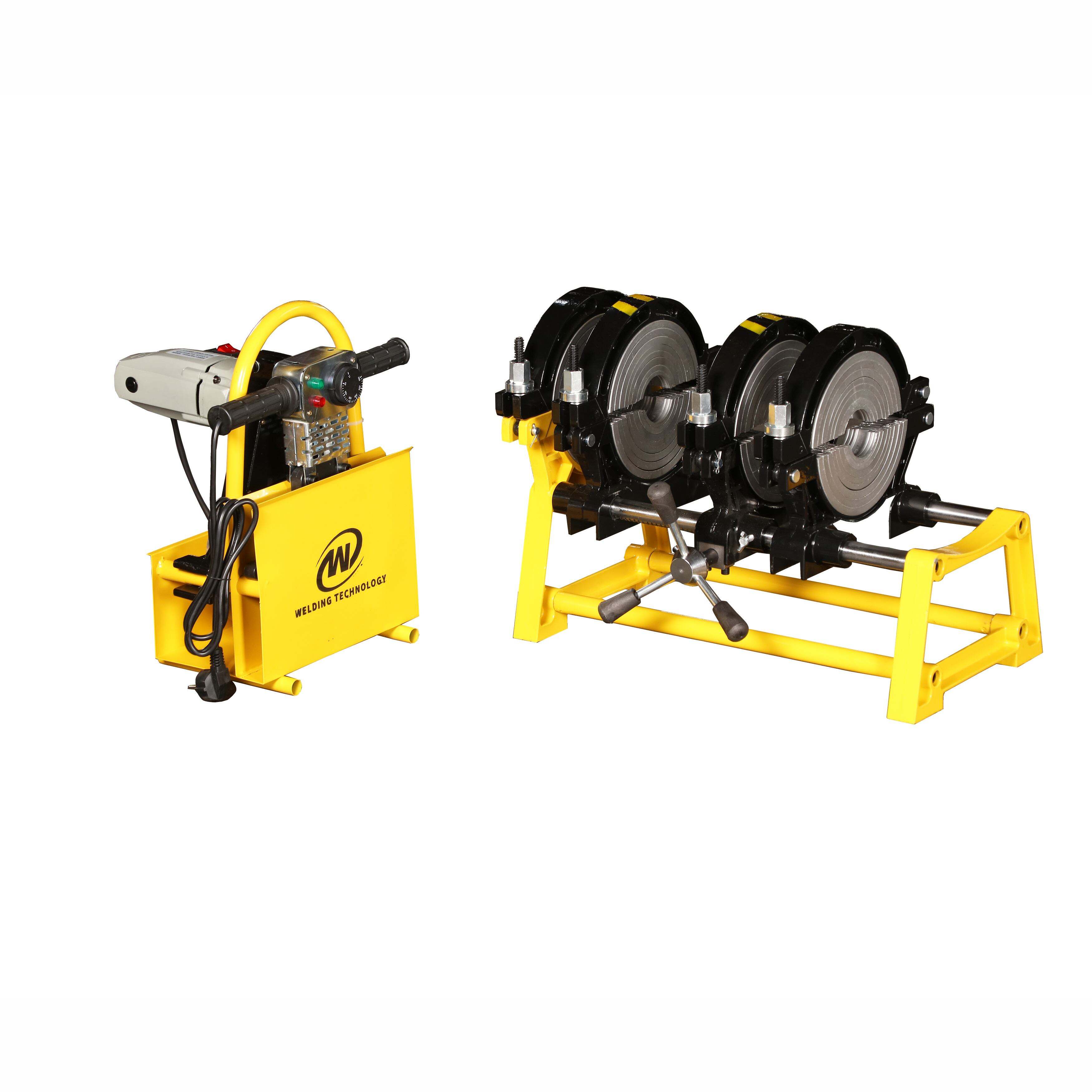
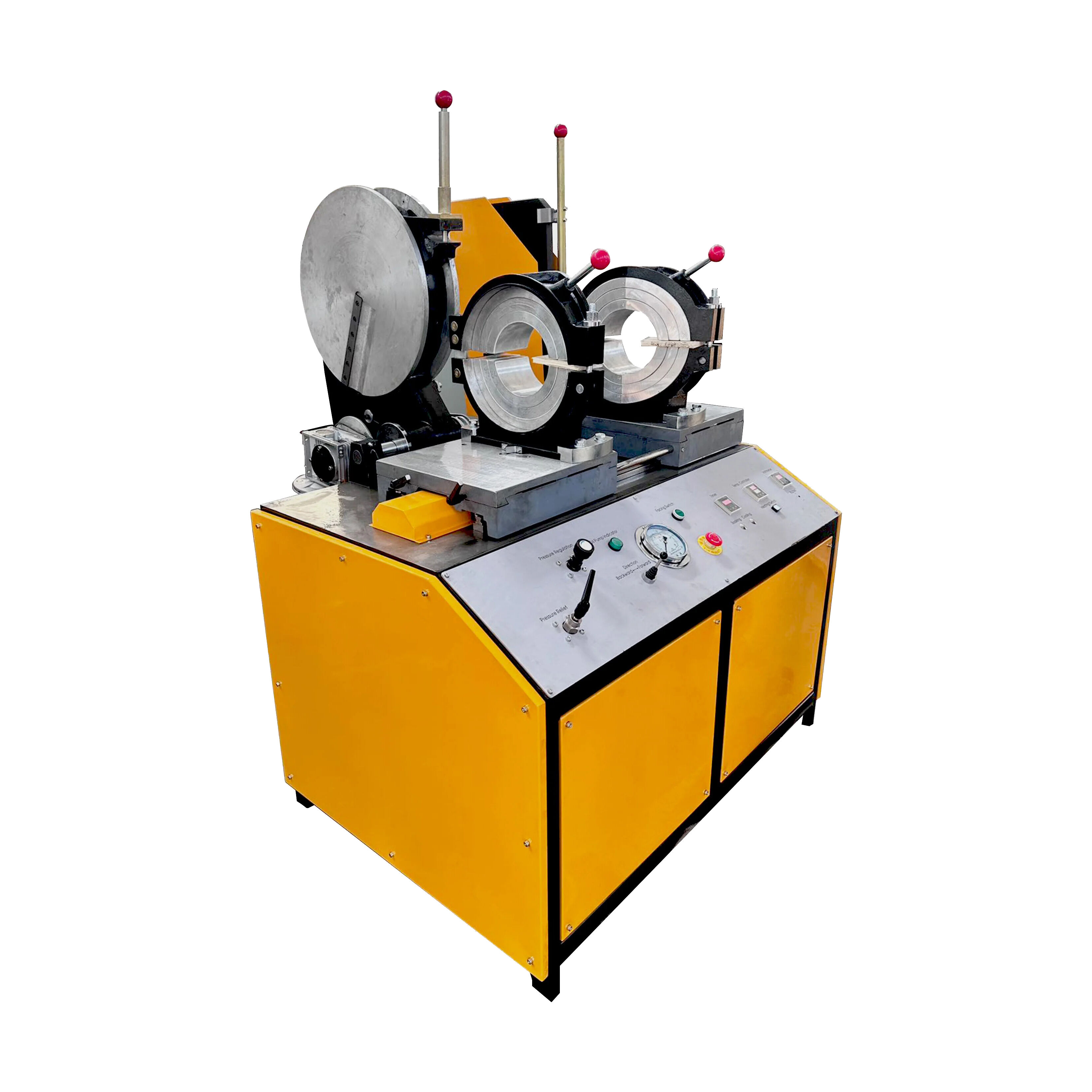
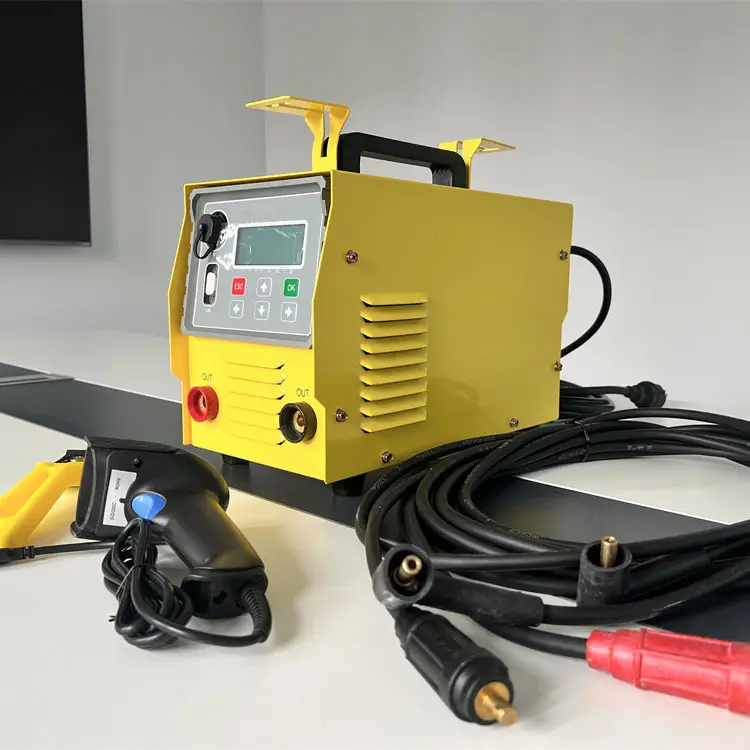
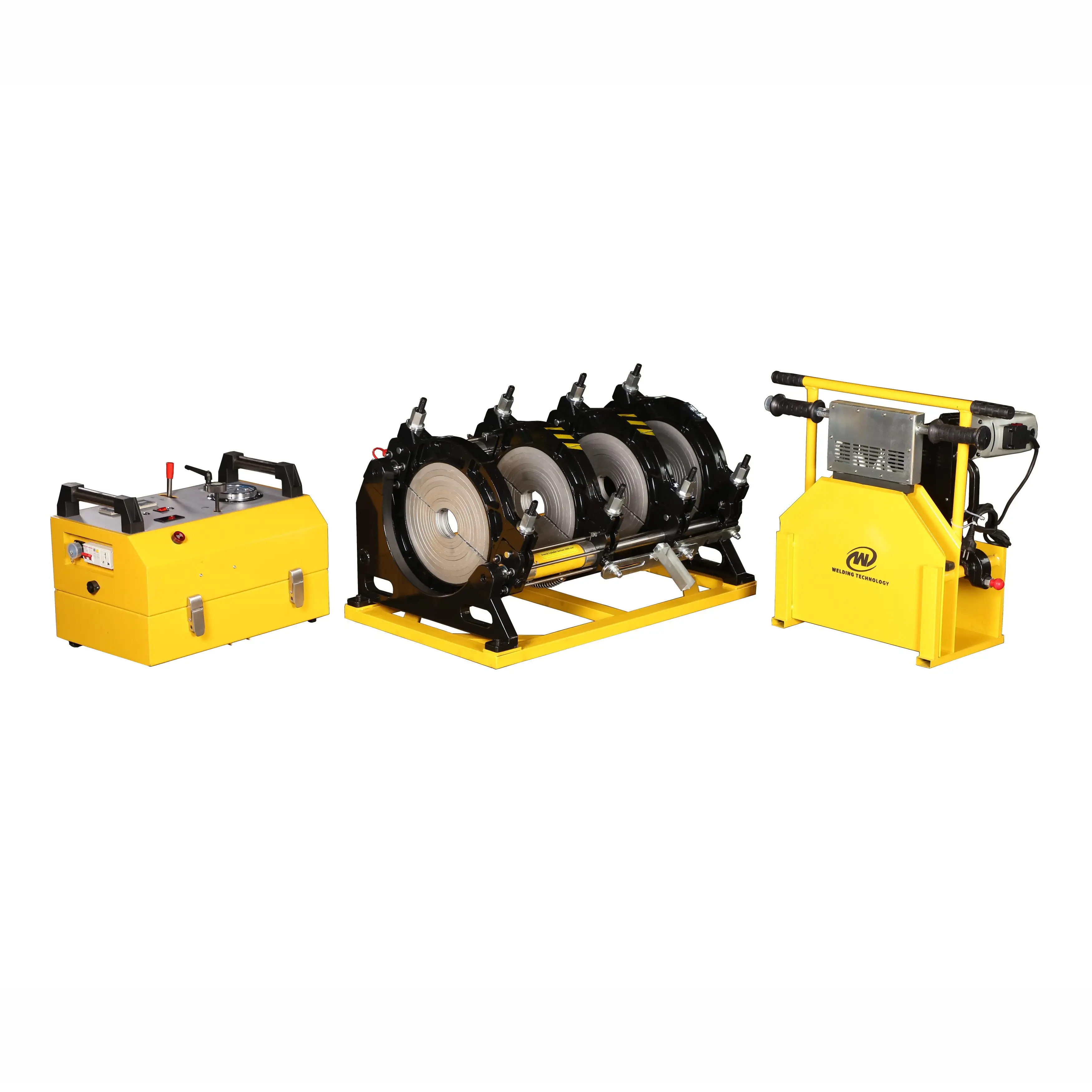
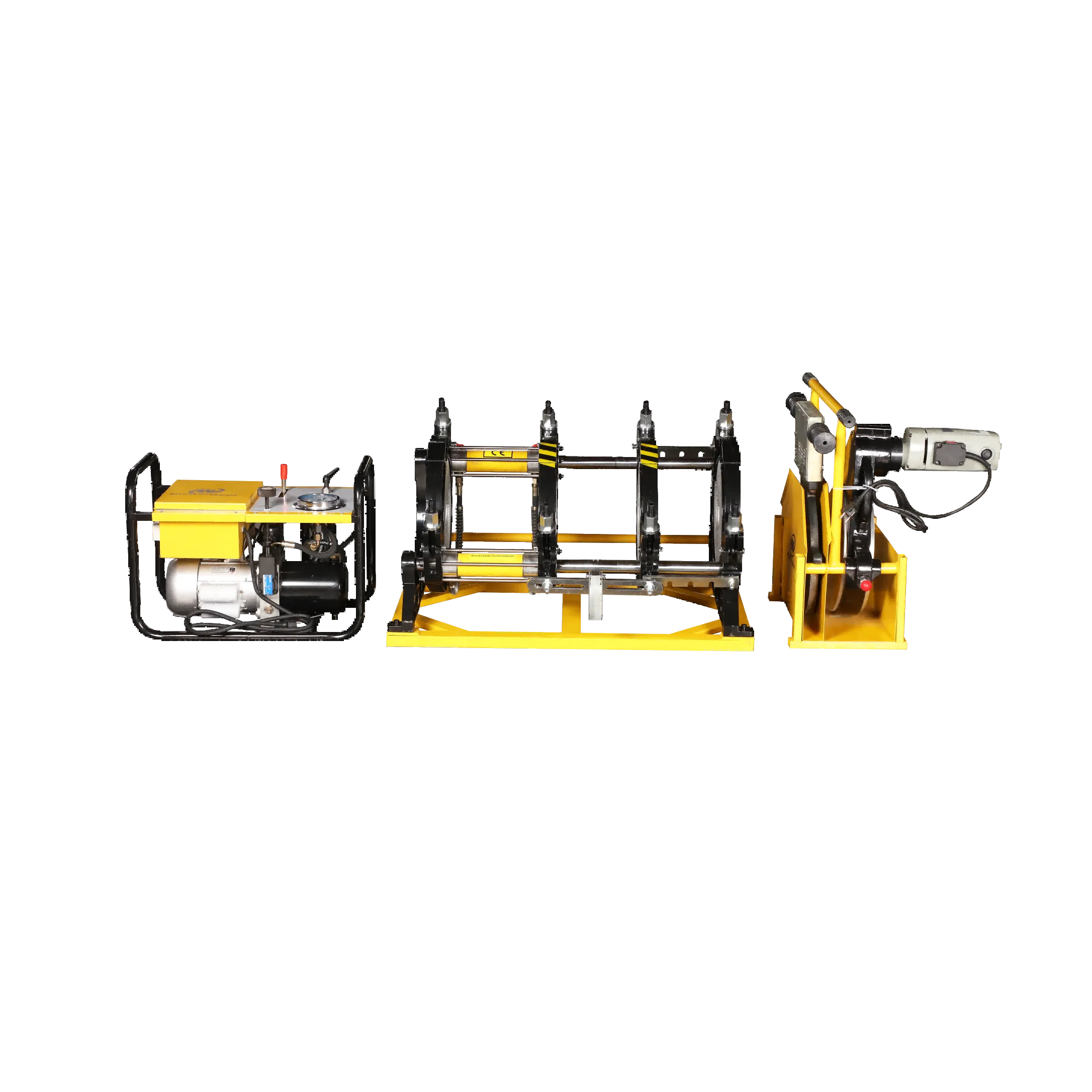
The hydraulic butt fusion machine represents a critical piece of equipment in modern pipe joining applications, designed to create strong, leak-proof connections between thermoplastic pipes. This sophisticated welding system utilizes hydraulic power to control pressure and movement during the fusion process, ensuring consistent and reliable joints across various pipe diameters and materials. The machine operates by heating the pipe ends to their melting point, then bringing them together under controlled pressure to form a homogeneous bond that matches the strength of the original pipe material. Core functions of the hydraulic butt fusion machine include precise temperature control, adjustable fusion pressure, and automated cycle timing. The heating element maintains optimal temperatures for different thermoplastic materials such as polyethylene, polypropylene, and PVDF. The hydraulic system provides smooth, controlled movement during the joining process, eliminating human error and ensuring uniform pressure distribution across the entire joint surface. Advanced models feature digital displays that monitor critical parameters including heating time, fusion pressure, and cooling duration. Technological features set these machines apart from manual alternatives. Modern hydraulic butt fusion machines incorporate microprocessor controls that store welding parameters for different pipe sizes and materials, allowing operators to recall proven settings quickly. The hydraulic pump system delivers consistent force regardless of pipe diameter, while built-in data logging capabilities record each weld for quality assurance and traceability. Safety features include automatic shut-off systems, pressure relief valves, and operator guards that protect workers during the fusion process. Applications for hydraulic butt fusion machines span multiple industries. Municipal water and wastewater systems rely on these machines to install distribution networks that serve communities for decades. Natural gas utilities use them to create safe, durable connections in transmission and distribution pipelines. Industrial facilities employ hydraulic butt fusion machines for chemical processing lines, mining operations, and agricultural irrigation systems. The construction sector depends on this technology for geothermal installations, building plumbing systems, and infrastructure projects requiring long-lasting pipe connections.


New Products

The hydraulic butt fusion machine delivers substantial benefits that directly impact project outcomes and operational efficiency. First, the precision of hydraulic control eliminates inconsistencies common in manual welding methods. When you use a hydraulic butt fusion machine, each joint receives exactly the same pressure and heating cycle, removing the variability that human operators introduce. This consistency means fewer failed joints, reduced callbacks, and lower warranty claims. Your installation crews spend less time troubleshooting leaks and more time completing projects on schedule. The automated pressure application ensures that large-diameter pipes receive adequate force across their entire surface area, something physically impossible to achieve manually. Second, the speed advantage transforms project timelines. A hydraulic butt fusion machine completes heating, fusion, and initial cooling cycles faster than traditional methods while maintaining superior quality. Your teams finish more joints per day, reducing labor costs and accelerating project completion. The quick-change facer and heating element designs minimize setup time between different pipe sizes, keeping crews productive throughout the workday. This efficiency becomes especially valuable on large-scale projects where hundreds or thousands of joints must be completed within tight deadlines. Third, the equipment reduces physical strain on operators. Manual pipe joining requires significant force to maintain proper pressure during the fusion process, leading to operator fatigue and potential injury. The hydraulic butt fusion machine handles this demanding work, allowing your crew members to focus on positioning and monitoring rather than physical exertion. This ergonomic advantage improves workplace safety, reduces injury-related downtime, and helps retain experienced personnel who might otherwise leave physically demanding roles. Fourth, the durability of joints created by hydraulic butt fusion machines exceeds alternative joining methods. The controlled fusion process creates a molecular bond between pipe ends that matches the strength of the base material. These joints resist separation under pressure, temperature fluctuations, and ground movement. Your infrastructure investments last longer, requiring less maintenance and fewer replacements over their service life. The leak-free connections eliminate water loss in distribution systems and prevent contamination in potable water networks. Fifth, the versatility of hydraulic butt fusion machines provides value across multiple applications. One machine handles various pipe diameters through interchangeable insert sets, eliminating the need for separate equipment for different project sizes. The adjustable parameters accommodate different thermoplastic materials, allowing contractors to bid on diverse projects without additional capital investment. This flexibility improves equipment utilization rates and return on investment. Finally, the documentation capabilities of modern hydraulic butt fusion machines support quality assurance programs. Built-in data logging records every fusion cycle, creating verifiable proof of proper installation procedures. This documentation satisfies regulatory requirements, supports warranty claims, and demonstrates due diligence to project owners and insurance providers.

Latest News

What Is a Plastic Pipe Electric Fusion Welder and How Does It Work?

15

Apr

What Is a Plastic Pipe Electric Fusion Welder and How Does It Work?

A plastic pipe electric fusion welder is a specialized welding device designed to join thermoplastic pipes and fittings through a controlled heating process known as electrofusion. This technology has revolutionized the way polyethylene, polypropylen...
View More
Why Is a Butt Welding Machine Used in Heavy Duty Fabrication Projects?

01

May

Why Is a Butt Welding Machine Used in Heavy Duty Fabrication Projects?

Heavy duty fabrication projects demand precision, structural integrity, and efficiency in joining thermoplastic components, particularly in industries handling large-diameter pipelines, industrial storage systems, and infrastructure installations. Th...
View More
Why Do Contractors Choose HDPE Fusion Equipment for Water Systems?

01

Apr

Why Do Contractors Choose HDPE Fusion Equipment for Water Systems?

Water infrastructure projects demand reliability, longevity, and cost-effectiveness, making equipment selection a critical decision for contractors. The choice of joining technology directly impacts project timelines, long-term system integrity, and ...
View More
How Can a Plastic Band Cutting Saw Ensure Accurate Cutting Results?

30

Jun

How Can a Plastic Band Cutting Saw Ensure Accurate Cutting Results?

In plastic fabrication and industrial processing environments, precision is not a luxury — it is a baseline requirement. A plastic band cutting saw is one of the most reliable tools available when consistent, clean, and accurate cuts are the goal. Wh...
View More

Get a Free Quote

Our representative will contact you soon.
E-mail
Name
Mobile/WhatsApp
Company Name
Message
0/1000

hydraulic butt fusion machine

Advanced Hydraulic Control System for Unmatched Joint Quality

Advanced Hydraulic Control System for Unmatched Joint Quality

The hydraulic control system represents the core technological advantage that distinguishes professional-grade fusion equipment from basic alternatives. This sophisticated system manages every aspect of the joining process with precision that manual methods cannot replicate. The hydraulic pump generates consistent pressure regardless of external factors, delivering force that remains steady from the moment pipe ends contact until the fusion cycle completes. This consistency proves critical because thermoplastic materials require specific pressure ranges to achieve proper molecular bonding. Too little pressure creates weak joints prone to separation, while excessive pressure squeezes molten material from the joint area, reducing wall thickness and compromising structural integrity. The hydraulic butt fusion machine eliminates these risks through closed-loop feedback systems that monitor and adjust pressure in real-time. The pressure control manifests in multiple stages of the fusion process. During the initial contact phase, the hydraulic system brings pipe ends together against the heating element with gentle force that prevents material deformation. As the heating cycle progresses and pipe faces reach optimal temperature, the system maintains light contact pressure that ensures even heat distribution without cooling the element. When the heating element retracts and pipe ends join, the hydraulic system applies fusion pressure according to programmed parameters based on pipe diameter and material specifications. This final pressure remains constant throughout the cooling phase, allowing the molecular structure to stabilize properly. Advanced hydraulic butt fusion machines incorporate proportional valves that provide infinitely variable pressure control rather than simple on-off operation. These valves respond to electronic signals from the control system, adjusting flow rates to achieve smooth acceleration and deceleration of the carriage movement. The result is gentle handling of pipe ends that prevents shock loading and maintains alignment throughout the fusion cycle. Operators notice the difference immediately when positioning large-diameter pipes, as the hydraulic assist makes precise adjustments effortless. The reliability of hydraulic systems translates to reduced maintenance requirements and longer equipment life. Quality hydraulic components withstand the demanding conditions of field installations, operating reliably in temperature extremes and dusty environments. Sealed hydraulic circuits prevent contamination that could affect performance, while pressure relief valves protect components from overload damage. Regular maintenance involves simple procedures like checking fluid levels and inspecting hoses for wear, tasks that field crews complete quickly without specialized training.
Intelligent Digital Controls with Data Logging Capabilities

Intelligent Digital Controls with Data Logging Capabilities

Modern hydraulic butt fusion machines integrate microprocessor-based control systems that transform pipe joining from a skill-dependent craft into a documented, repeatable process. The digital interface provides operators with clear guidance through each fusion cycle while simultaneously recording critical parameters for quality assurance purposes. This technological integration addresses the construction industry's increasing emphasis on accountability and verifiable installation procedures. The control system stores fusion parameters for different pipe materials and diameter ranges in its memory. When beginning a new project, operators select the appropriate material type and pipe size from the menu, and the hydraulic butt fusion machine automatically loads proven settings for heating time, fusion pressure, and cooling duration. This automation eliminates guesswork and reduces the learning curve for new operators, allowing them to produce quality joints after minimal training. Experienced crews appreciate the consistency that programmed parameters provide, especially when working with unfamiliar materials or switching between different pipe sizes throughout a project. The real-time monitoring capabilities give operators immediate feedback about process variables. The digital display shows current temperature readings from sensors embedded in the heating element, confirming that the equipment has reached proper operating conditions before the fusion cycle begins. Pressure sensors in the hydraulic circuit display the force being applied during each phase of the joining process, alerting operators to any deviations from programmed values. Timer functions count down heating, joining, and cooling phases, preventing premature joint movement that could compromise bond integrity. Data logging functionality creates permanent records of every fusion cycle completed with the hydraulic butt fusion machine. The system timestamps each joint and records all monitored parameters, building a comprehensive quality documentation file. This information proves invaluable for multiple purposes. Project managers review logged data to verify that installation crews followed proper procedures, identifying any anomalies that warrant inspection before the system enters service. Quality assurance personnel use the records to demonstrate compliance with project specifications and industry standards. When warranty issues arise years after installation, logged data helps determine whether joints were created according to manufacturer recommendations. The documentation capability also supports continuous improvement initiatives. Contractors analyze data from completed projects to identify trends in joint quality, operator performance, and equipment reliability. This analysis reveals opportunities for additional training, process refinement, or preventive maintenance that improve overall operational efficiency.
Robust Construction for Field Reliability and Longevity

Robust Construction for Field Reliability and Longevity

The physical construction of a hydraulic butt fusion machine determines its ability to perform consistently in demanding field environments where equipment faces challenges that never occur in controlled workshop settings. Professional-grade machines feature heavy-duty frames manufactured from structural steel or aluminum alloys that resist deflection under load while remaining portable enough for field deployment. This robust foundation ensures that pipe ends maintain precise alignment throughout the fusion process, a critical requirement for creating quality joints. Frame rigidity prevents the flexing that would allow pipe ends to shift during heating or fusion, which would create uneven pressure distribution and weak spots in the completed joint. The carriage system that holds and moves pipe ends incorporates precision linear bearings that operate smoothly despite exposure to dirt, dust, and moisture common in construction environments. These bearings maintain alignment tolerances measured in fractions of a millimeter, ensuring that pipe centerlines match perfectly when fusion pressure is applied. Quality hydraulic butt fusion machines use sealed bearing assemblies that exclude contaminants while retaining lubrication, extending service life even with minimal maintenance. The carriage travel distance accommodates the full range of pipe diameters the machine is rated to join, with mechanical stops that prevent overtravel and limit switches that protect the hydraulic system from damage. Heating elements in field-grade equipment withstand thermal cycling and physical handling without degradation. The heating plates feature non-stick coatings that prevent molten plastic from adhering to the surface, maintaining smooth pipe face release after each heating cycle. Embedded heating elements distribute thermal energy evenly across the plate surface, eliminating hot spots that could overheat certain areas while leaving others below optimal temperature. Temperature sensors provide feedback to the control system, which modulates power input to maintain consistent temperature regardless of ambient conditions or voltage fluctuations. Quick-release mounting systems allow operators to change heating elements rapidly when switching between different pipe materials that require different temperature ranges. The facing tool integrated into quality hydraulic butt fusion machines prepares pipe ends with the clean, perpendicular cuts essential for proper fusion. Carbide cutting bits maintain sharpness through hundreds of facing operations, producing smooth surfaces free from the ridges and tears that compromise joint integrity. The facing carriage uses the same precision guides as the fusion carriage, ensuring that faced surfaces are perfectly perpendicular to the pipe axis. Adjustable depth controls allow operators to remove just enough material to create fresh surfaces without wasting pipe length. Protective features shield critical components from damage during transport and operation. Removable guards cover the heating element when not in use, preventing accidental contact that could damage the non-stick coating. The control panel often features a protective cover or recessed mounting that reduces the risk of impact damage. Hydraulic hoses use abrasion-resistant outer jackets and include strain relief fittings that prevent kinking at connection points.

Get a Free Quote

Our representative will contact you soon.
E-mail
Name
Mobile/WhatsApp
Company Name
Message
0/1000