hdpe fusion welder
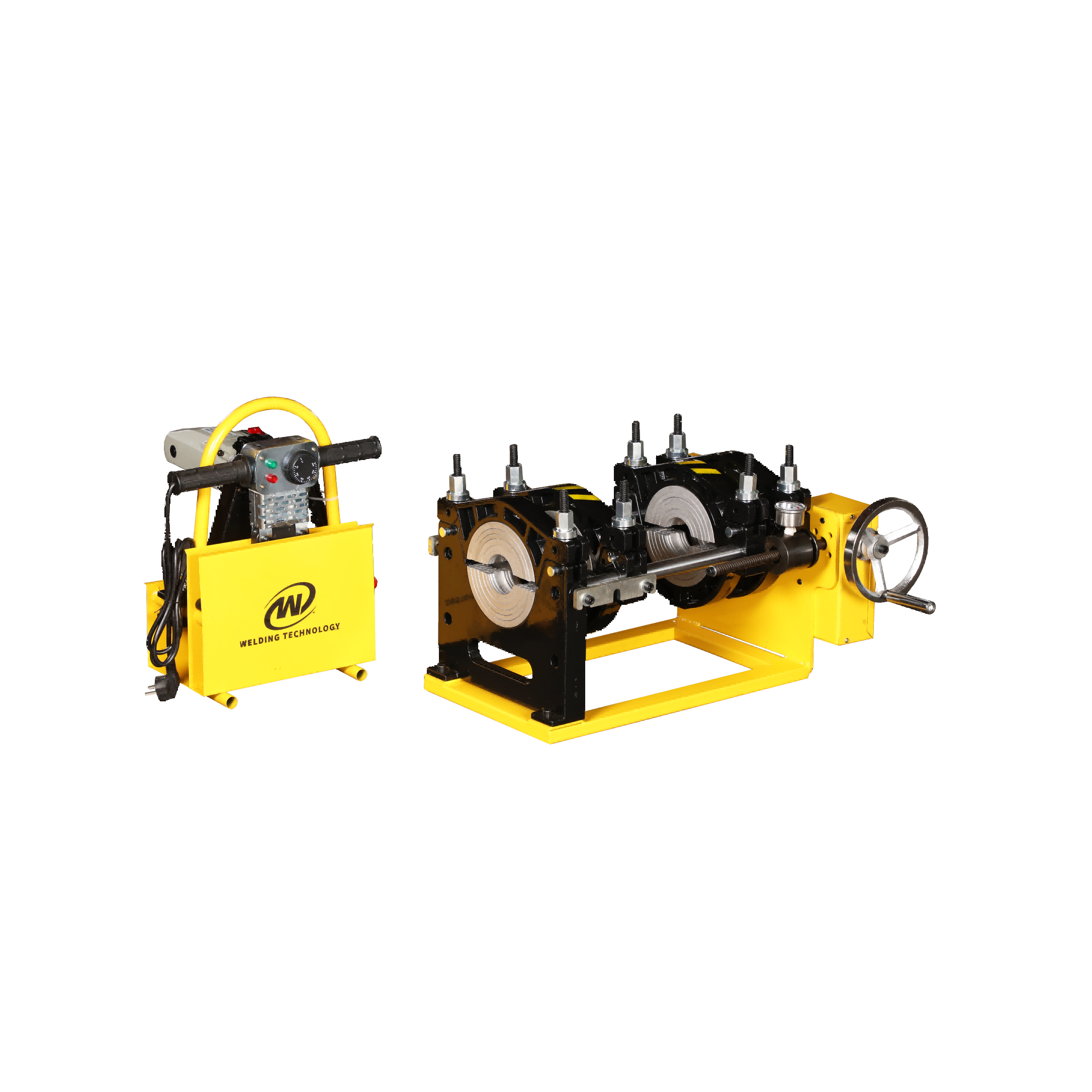
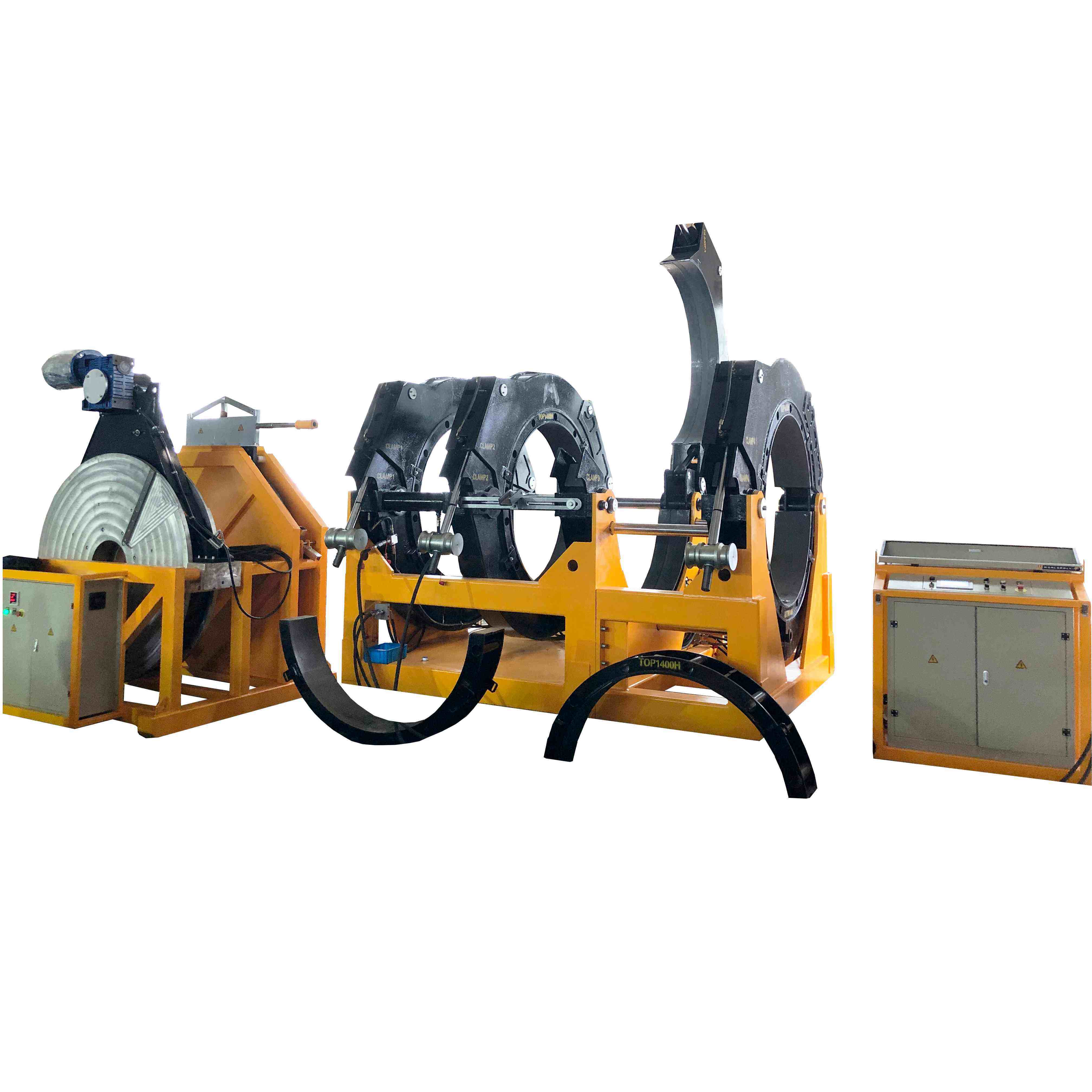
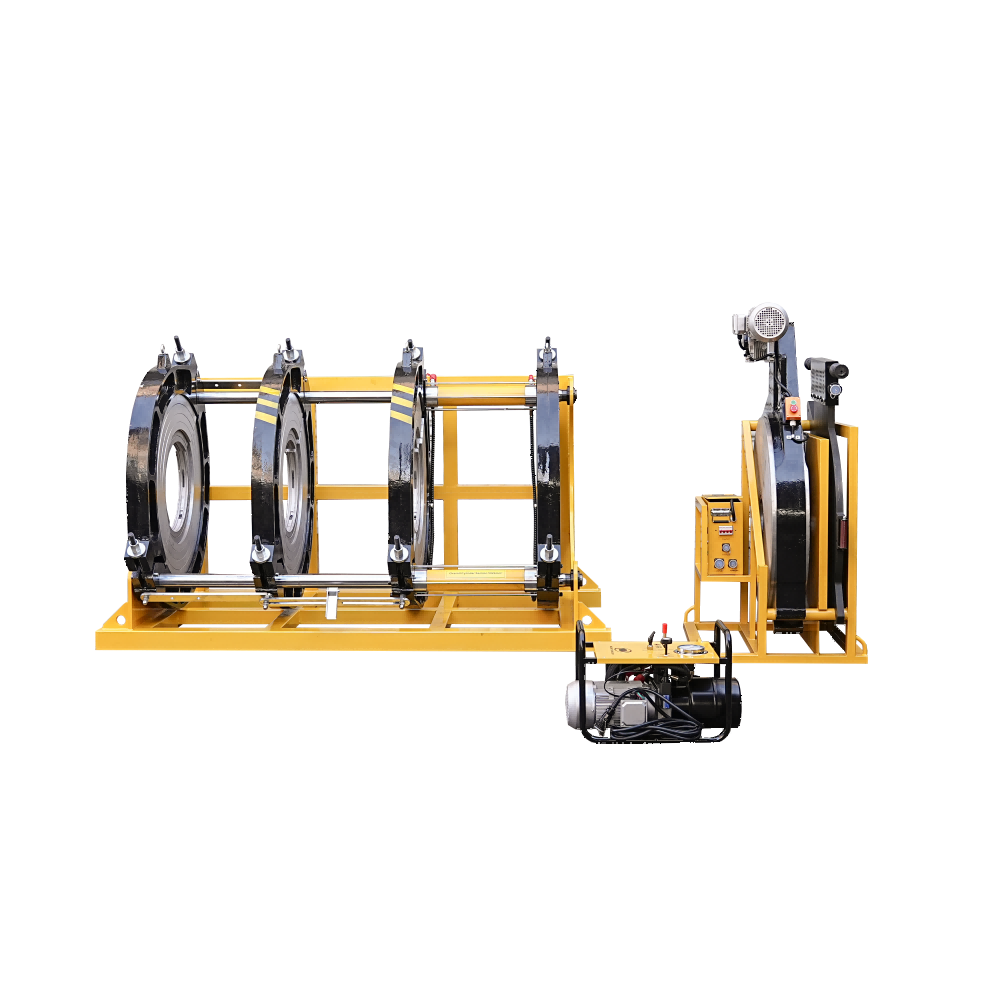
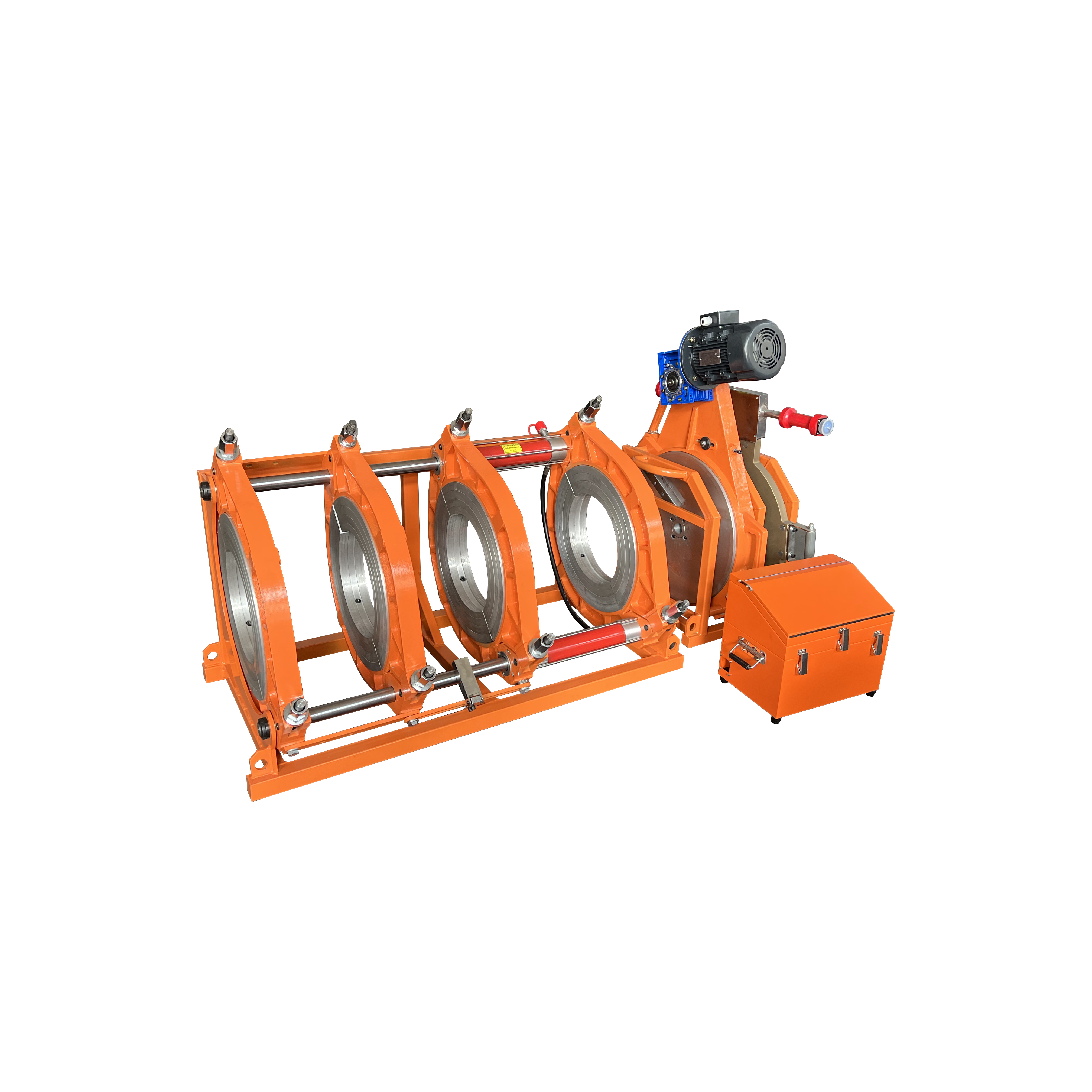
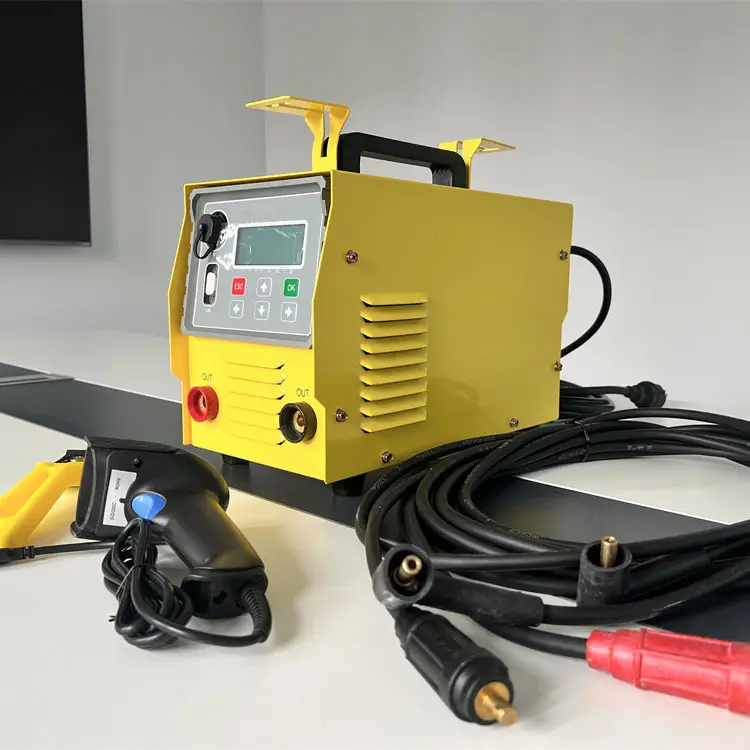
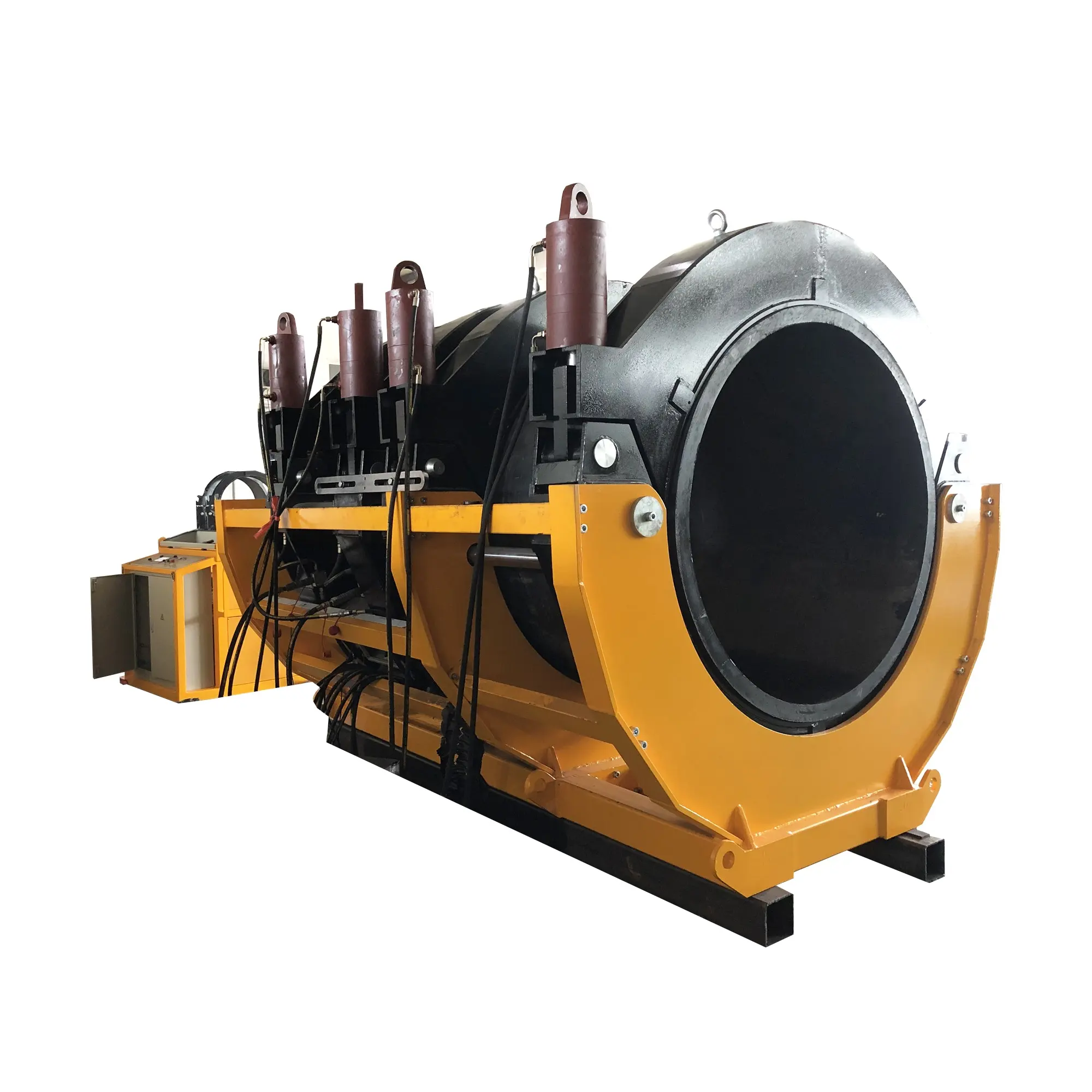
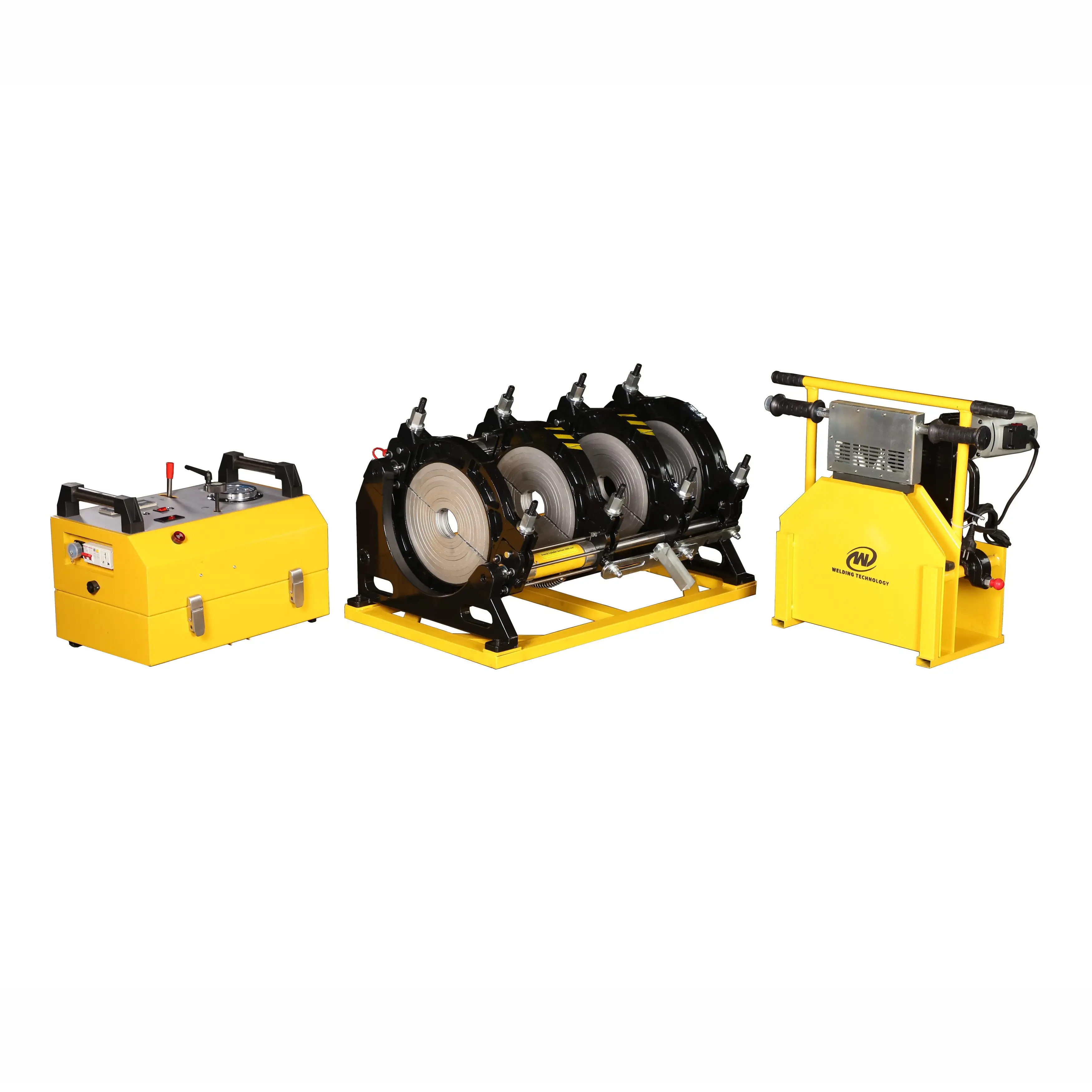
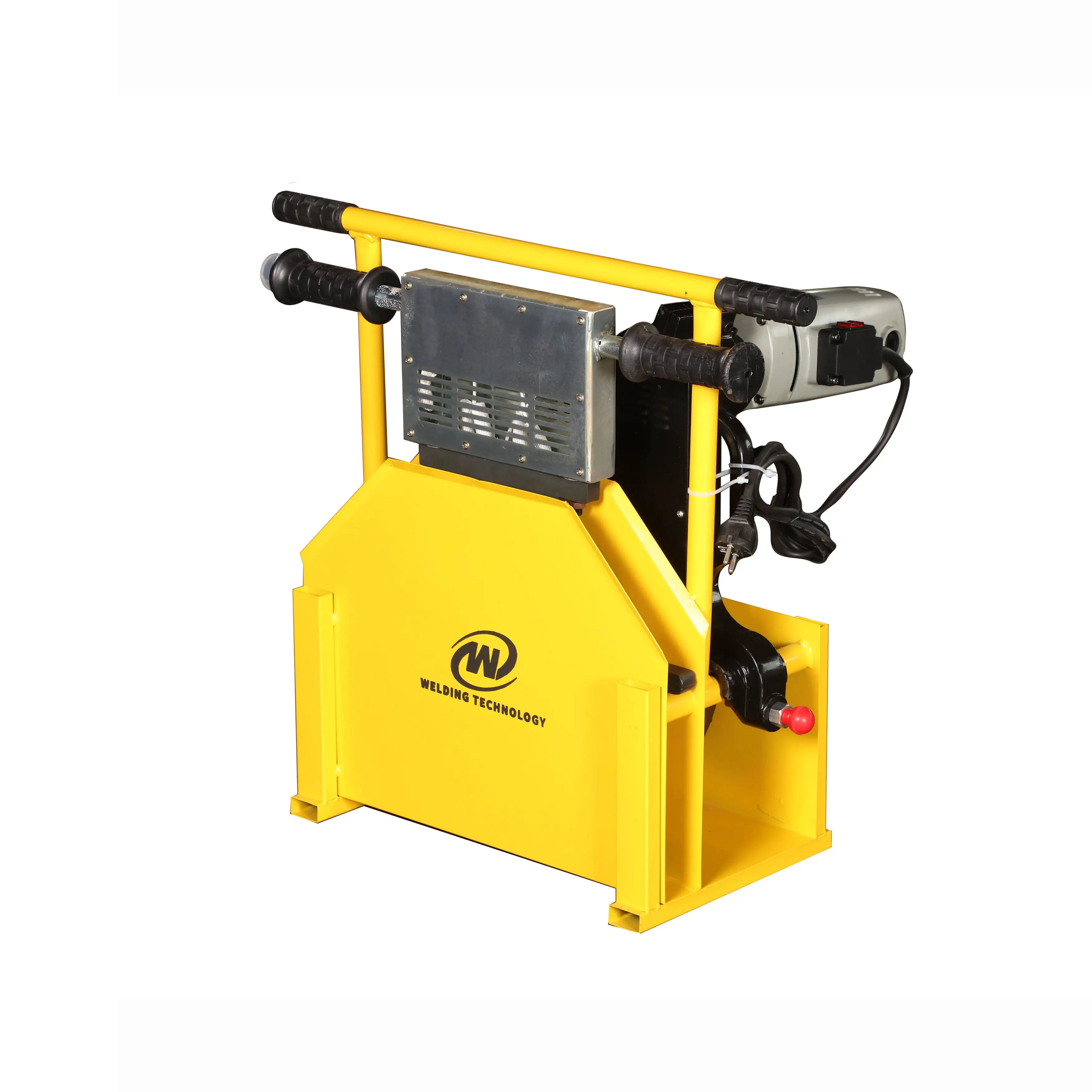
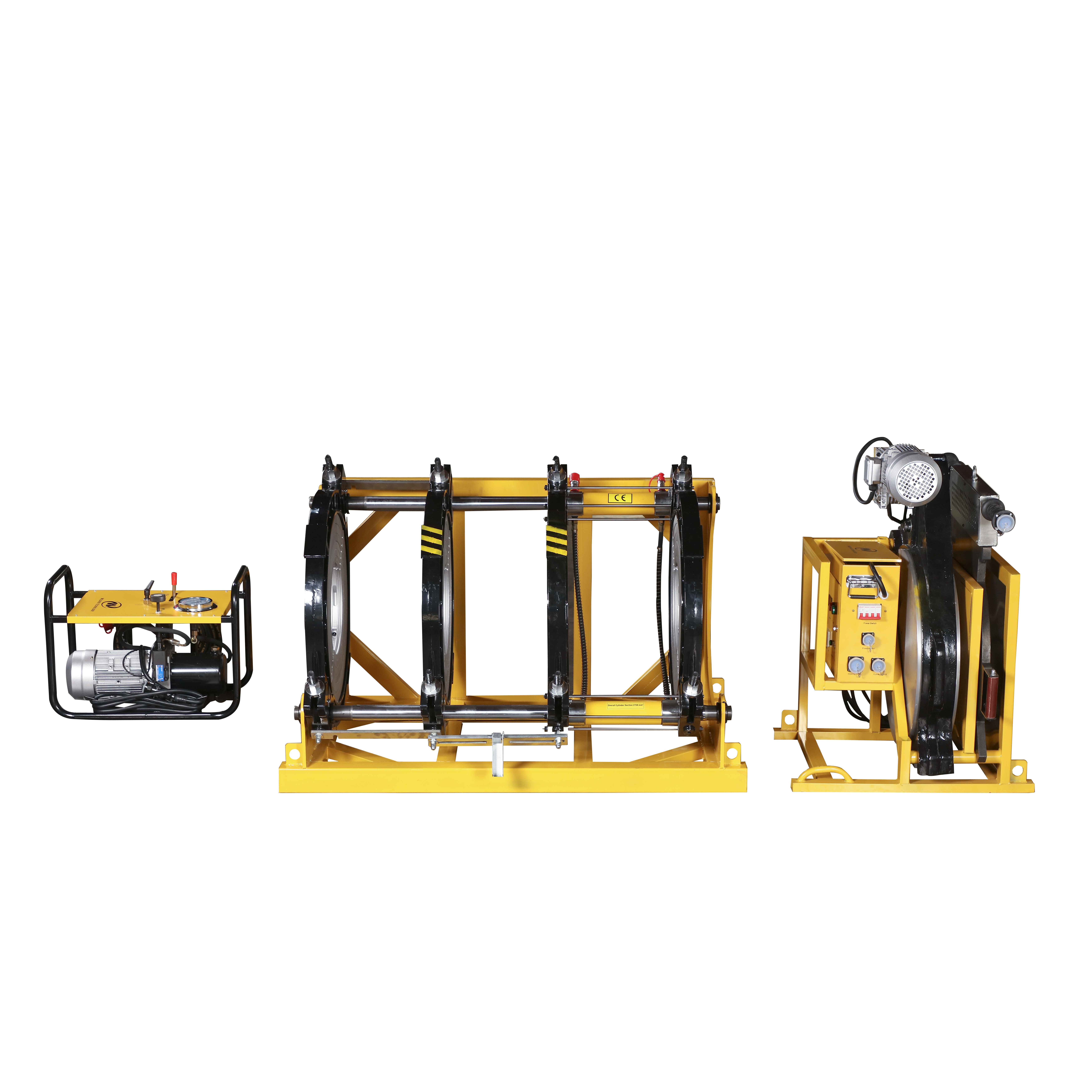
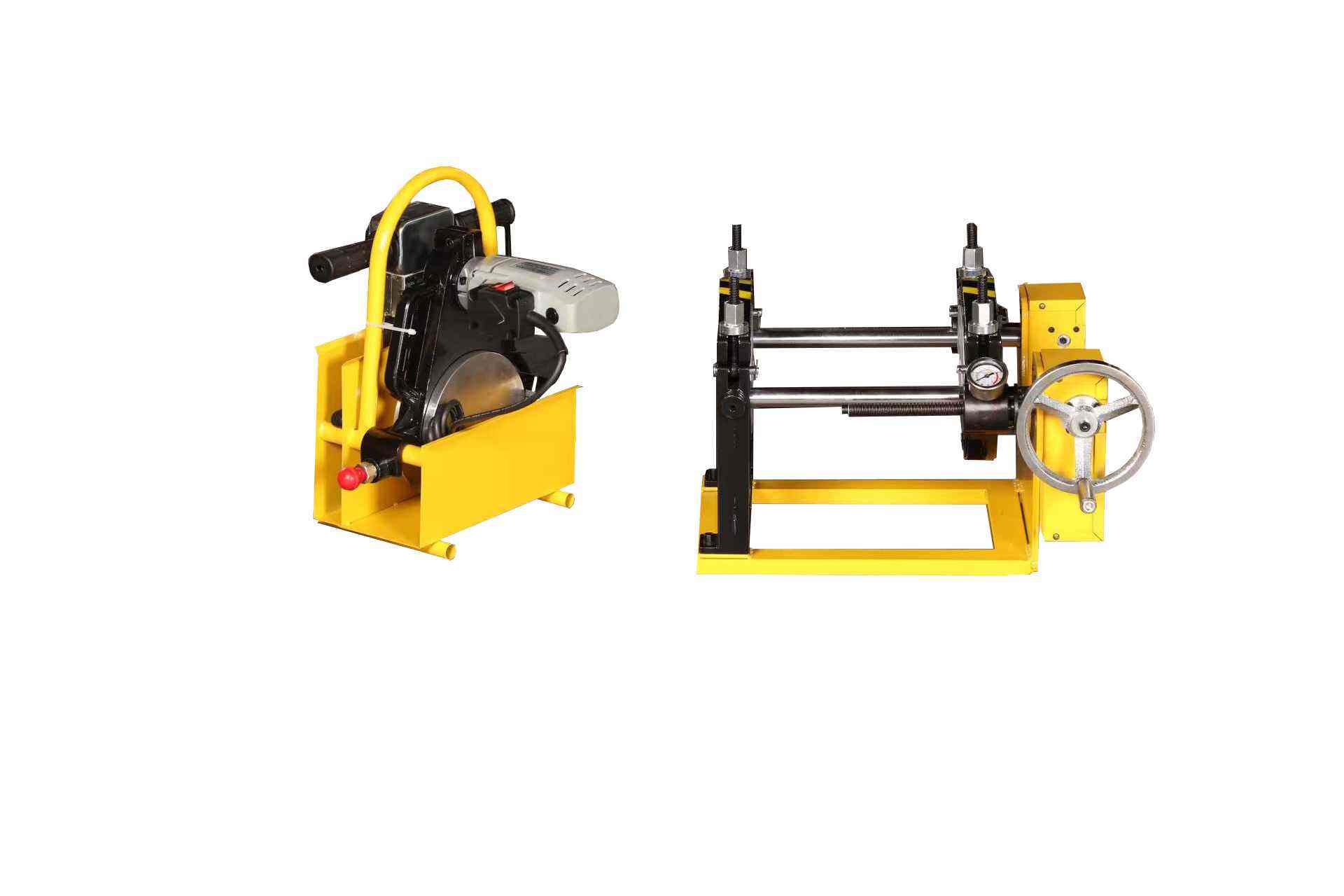
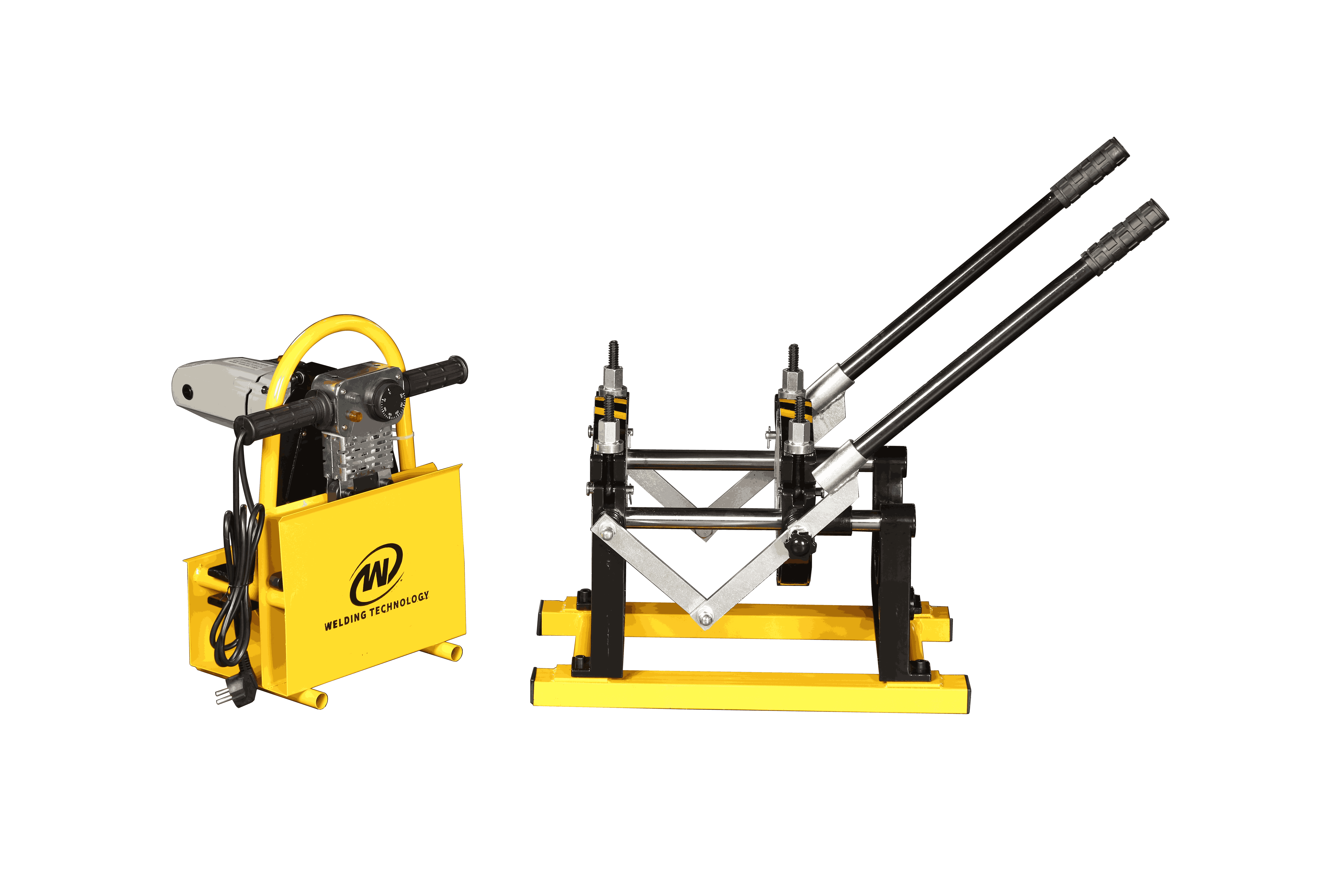
The hdpe fusion welder represents a sophisticated joining system designed specifically for connecting high-density polyethylene pipes and fittings through controlled heat application. This specialized equipment creates permanent, leak-proof connections by heating the surfaces of HDPE materials to their melting point and fusing them together under precise pressure. The hdpe fusion welder operates through several distinct methods, including butt fusion, socket fusion, and electrofusion, each tailored to different pipe diameters and project requirements. Modern machines incorporate digital controls that monitor temperature, pressure, and heating time to ensure consistent joint quality across every connection. The technology behind these welders enables operators to join pipes ranging from small diameter residential lines to large infrastructure conduits exceeding 63 inches in diameter. These machines feature hydraulic or mechanical systems that align pipe ends, apply controlled force during the fusion process, and maintain proper positioning throughout the cooling phase. The hdpe fusion welder includes integrated heating plates constructed from materials that resist sticking and provide uniform heat distribution across the entire joint surface. Advanced models incorporate data logging capabilities that record welding parameters for quality assurance and traceability purposes. The equipment serves critical roles in water distribution networks, natural gas transmission systems, industrial process piping, mining operations, and geothermal installations. The fusion process creates molecular bonds between pipe sections that match or exceed the strength of the original material, eliminating weak points in the system. Professional-grade machines accommodate various pipe geometries including straight sections, elbows, tees, and custom fittings. The hdpe fusion welder stands as an essential tool for contractors, municipalities, and industrial facilities requiring durable, long-lasting piping systems that resist corrosion, chemical degradation, and environmental stress cracking.

 EN
EN