Electric Fusion Welding Machine: Professional Thermoplastic Joining Solutions for Reliable Pipeline Infrastructure

Get a Free Quote

Our representative will contact you soon.
E-mail
Name
Mobile/WhatsApp
Company Name
Message
0/1000

electric fusion welding machine

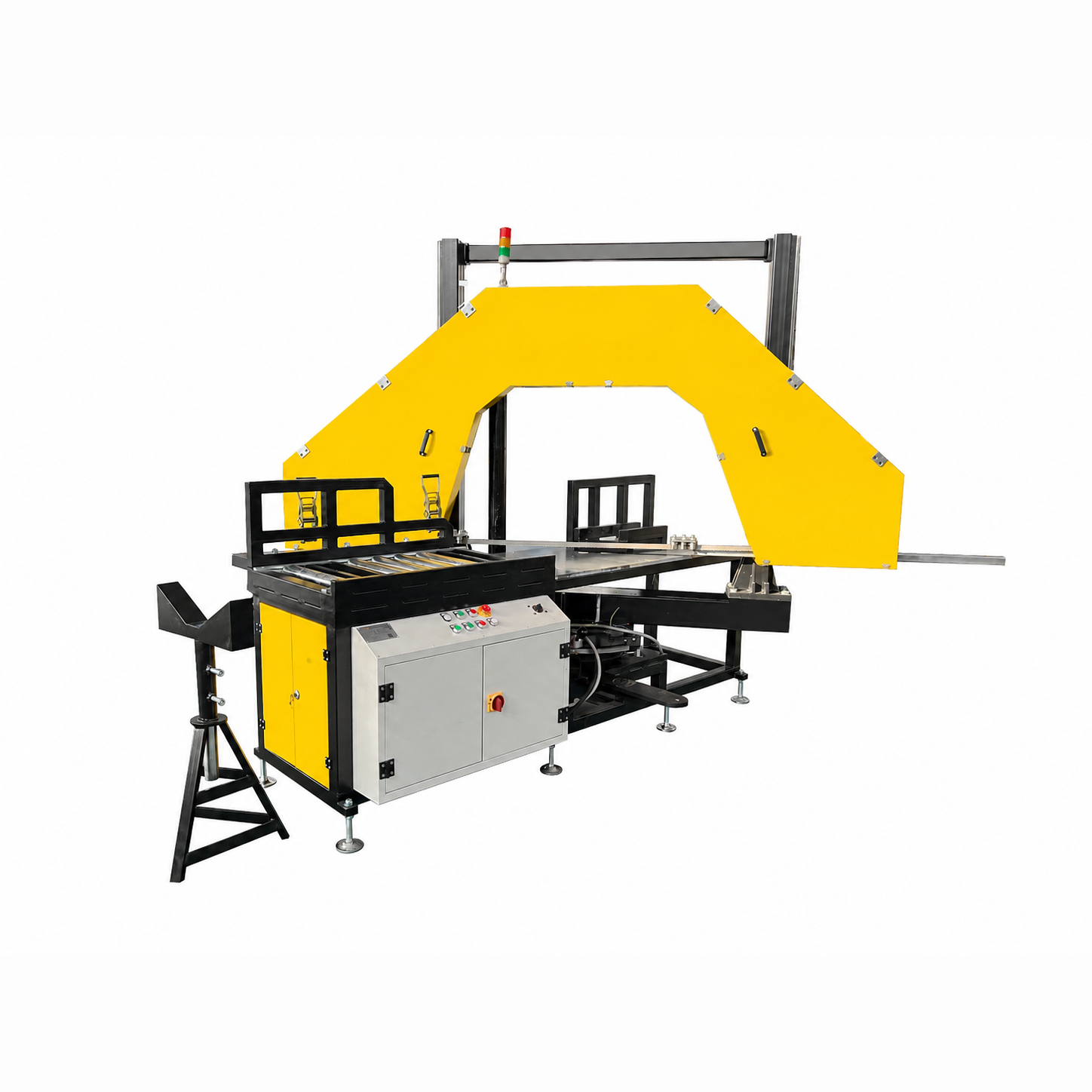
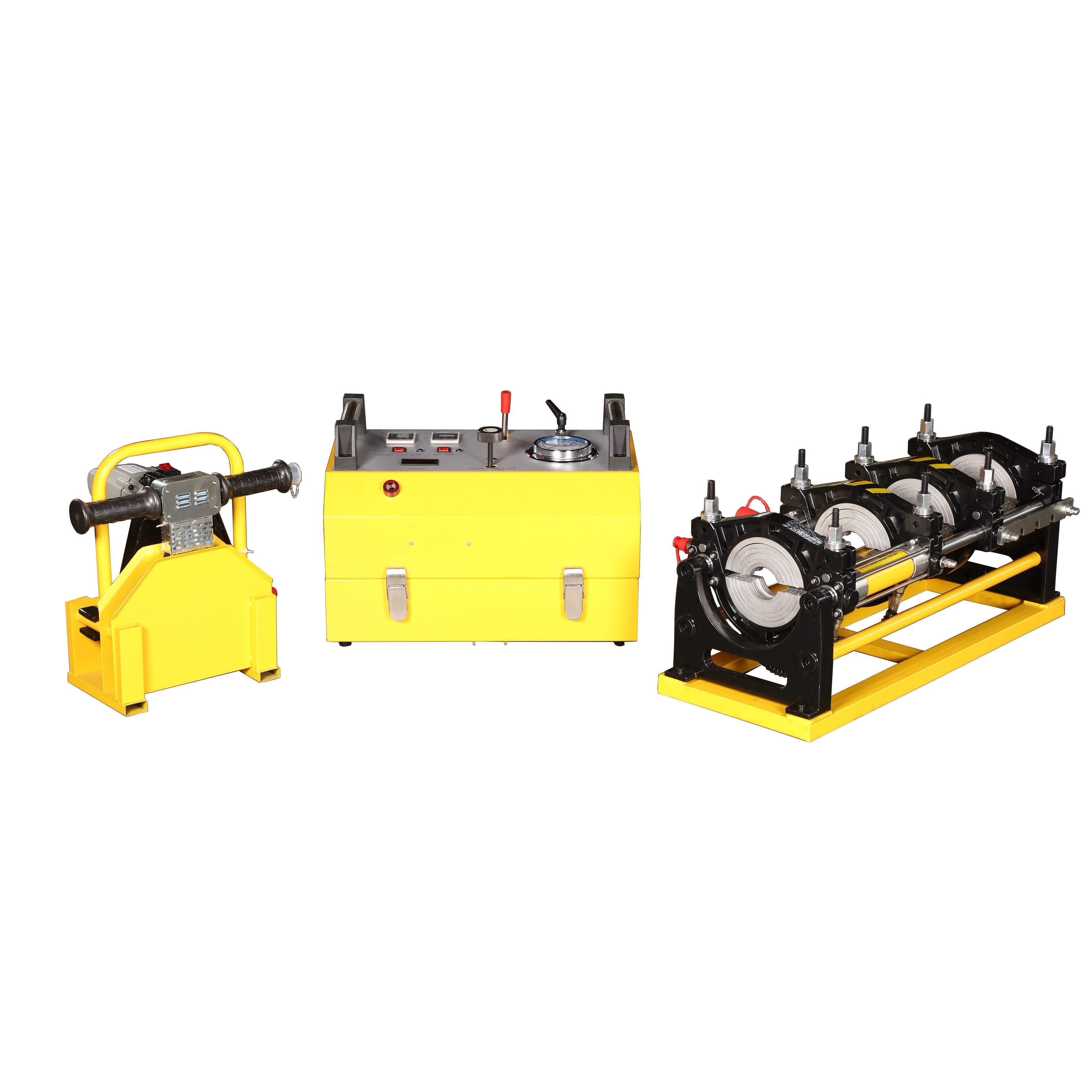
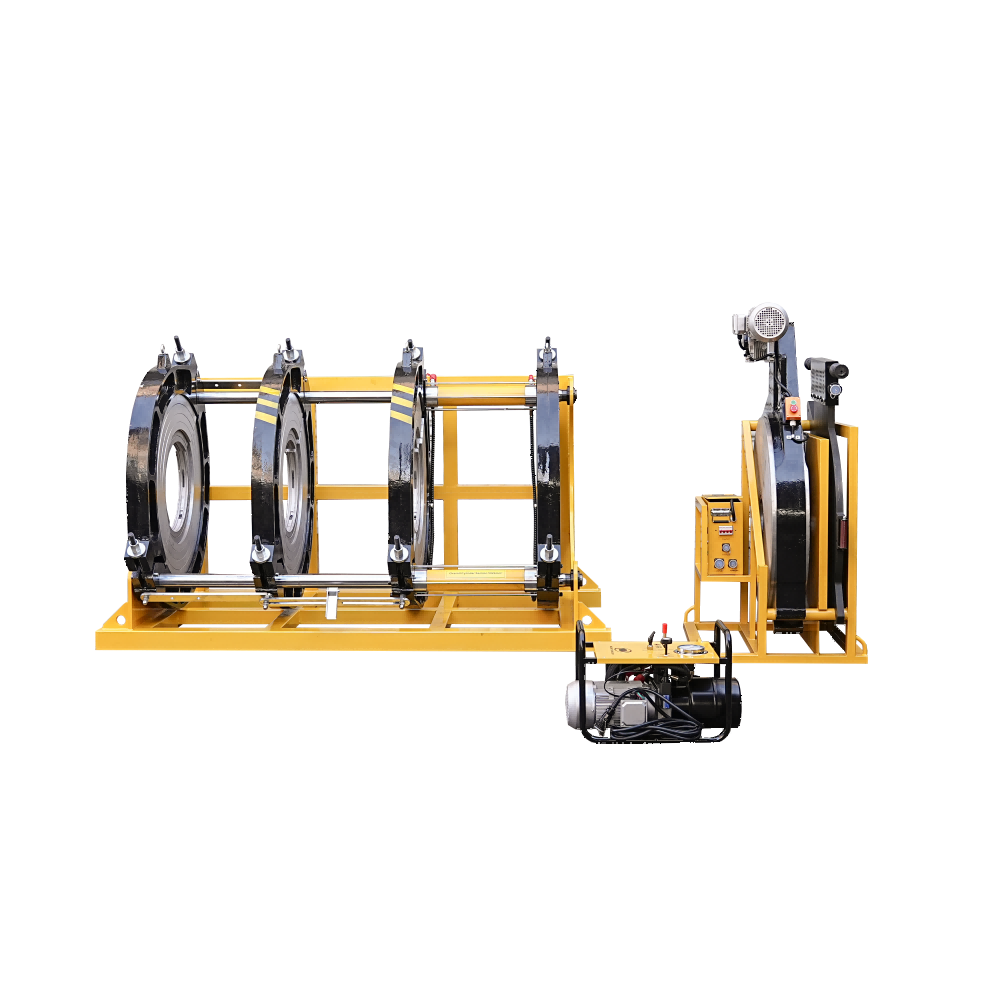
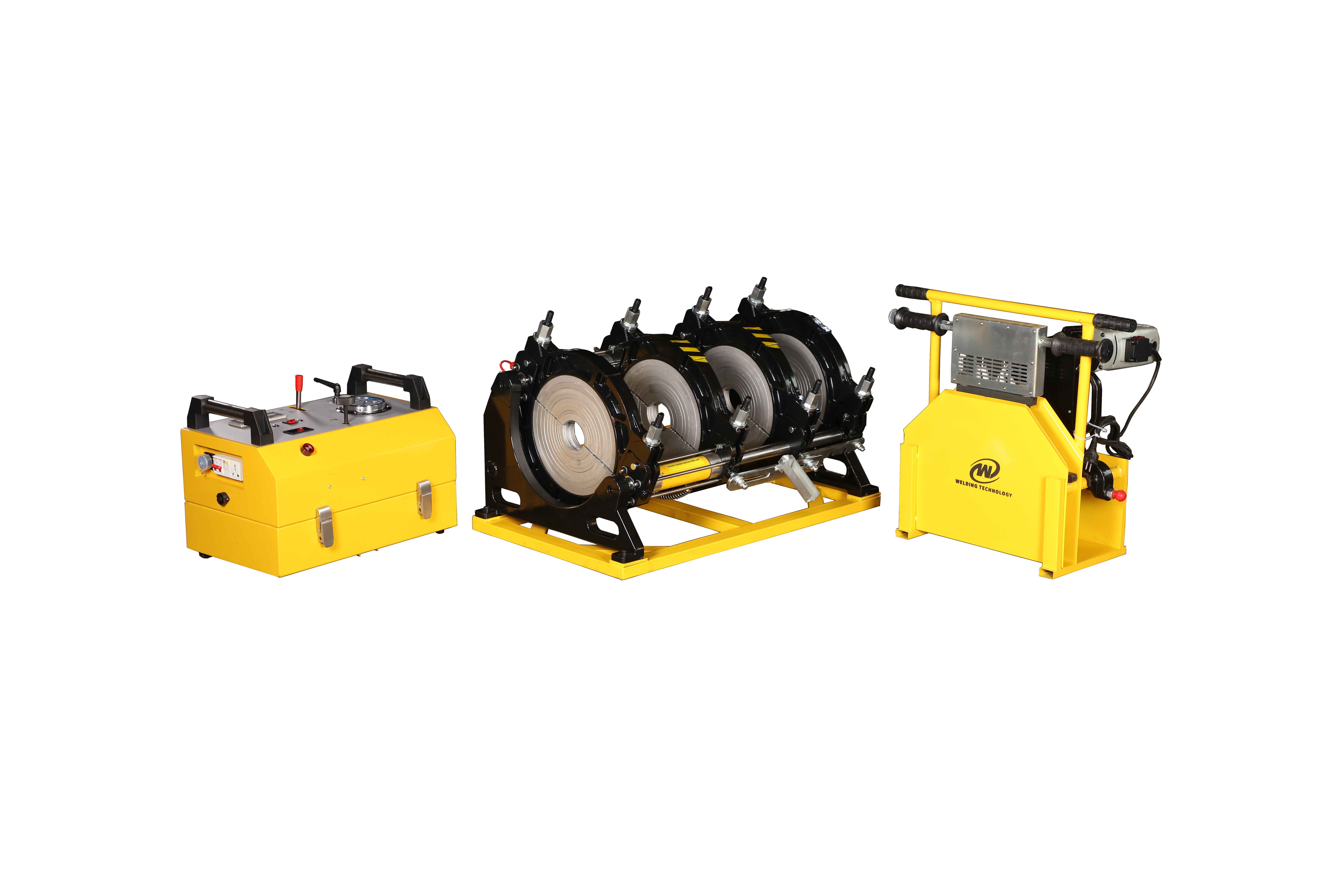
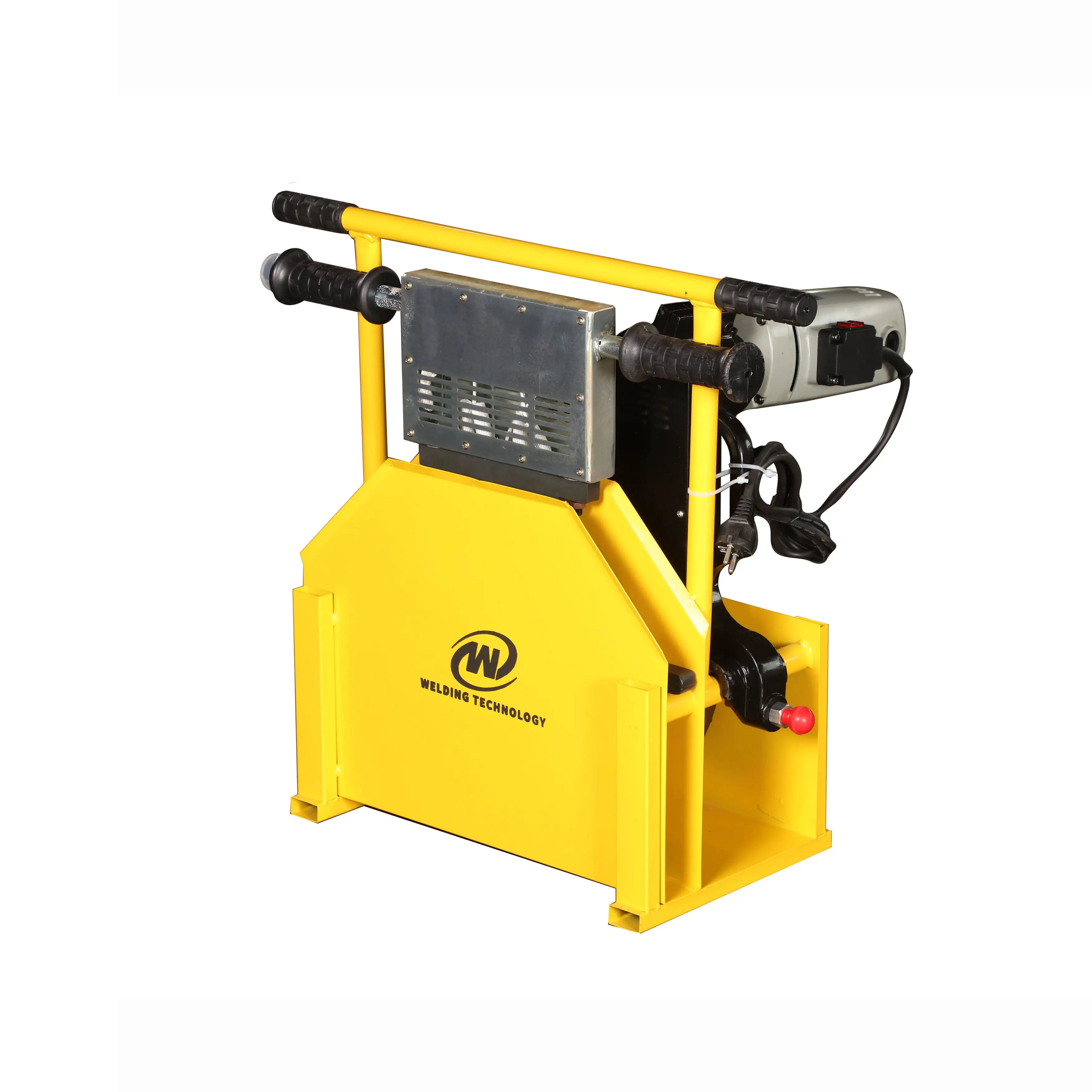
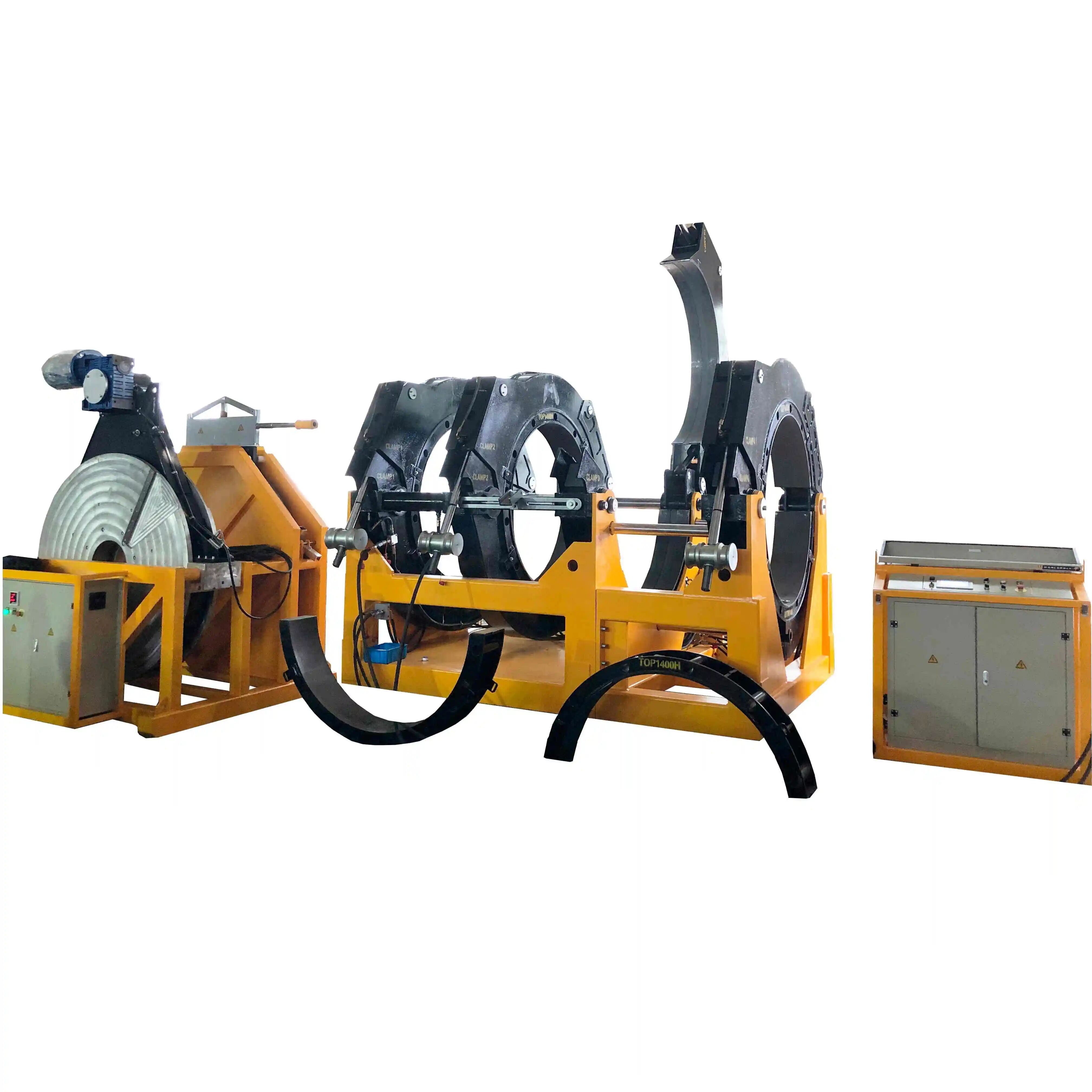
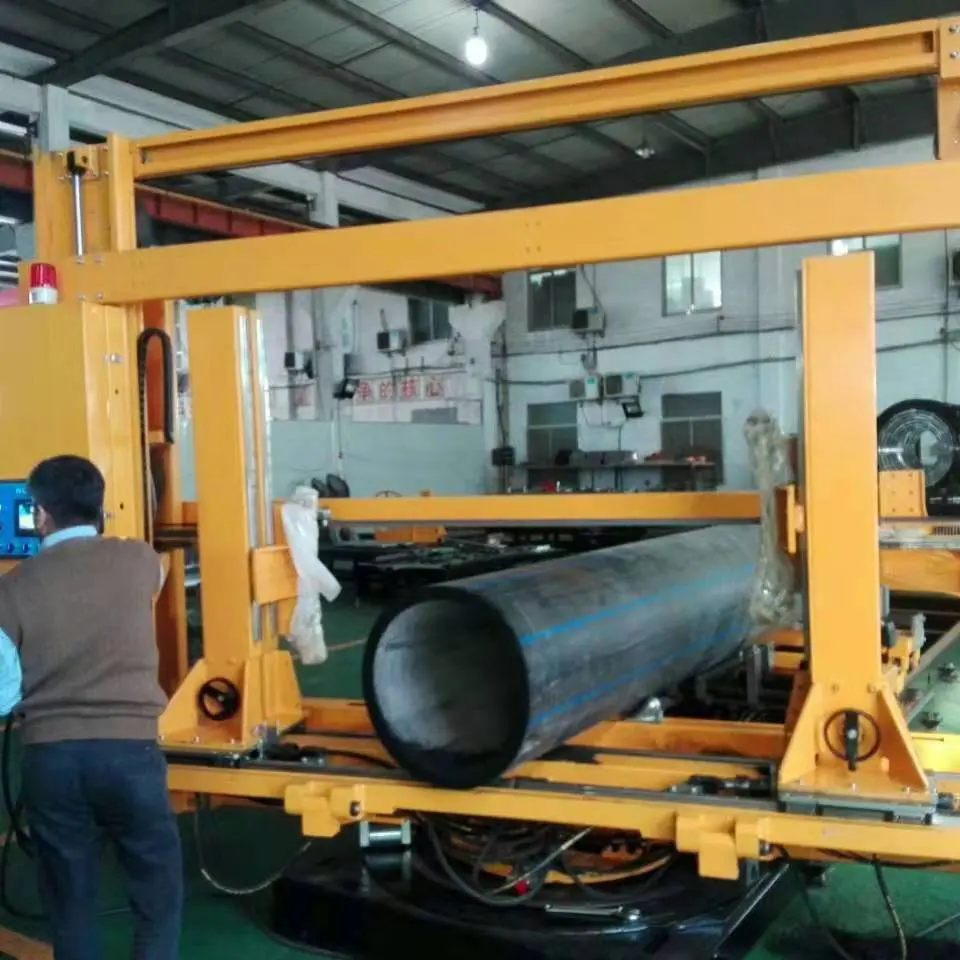
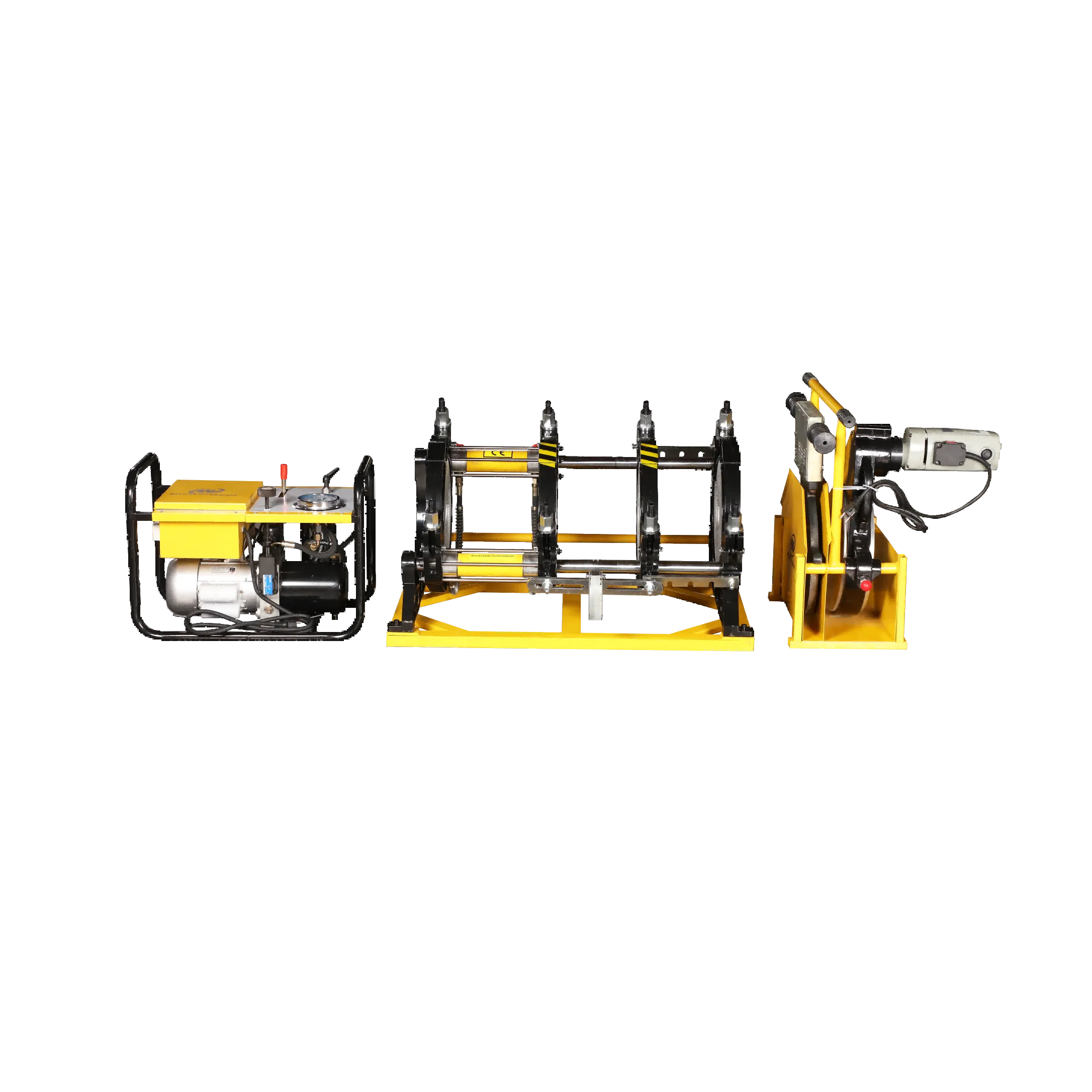
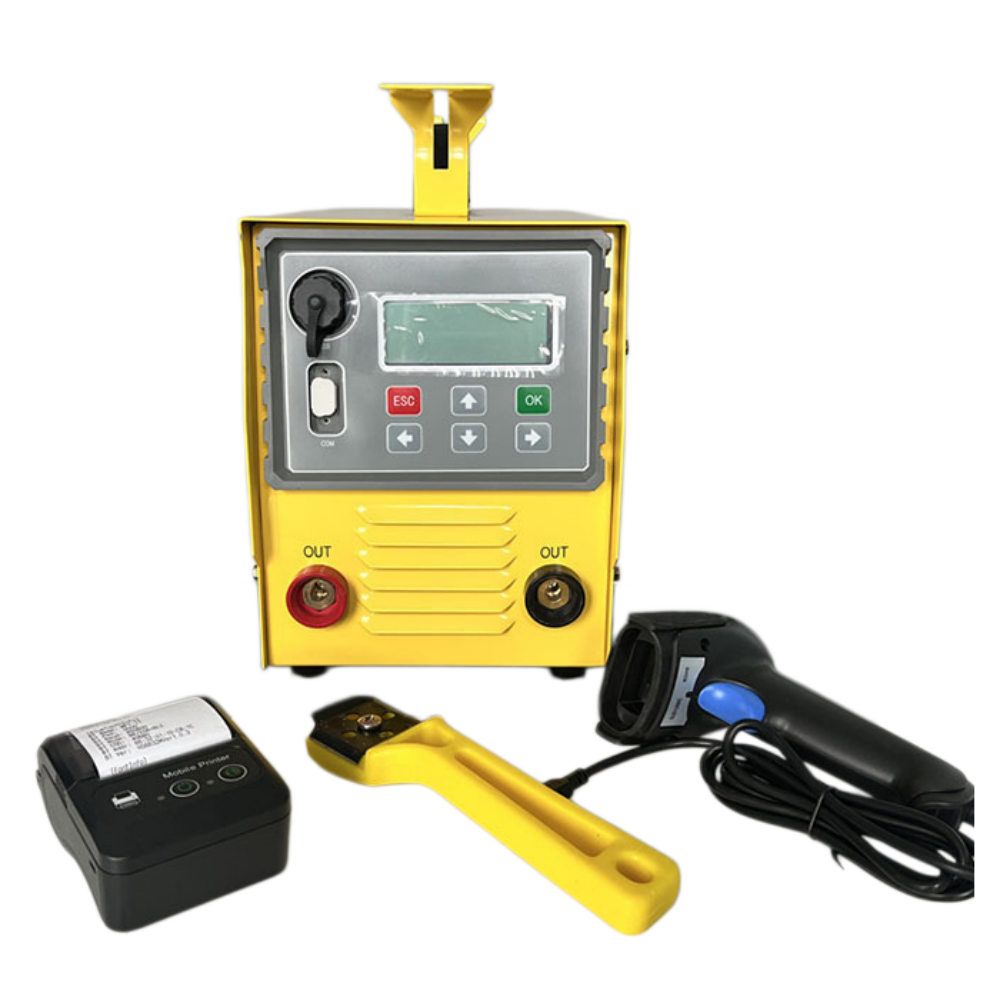
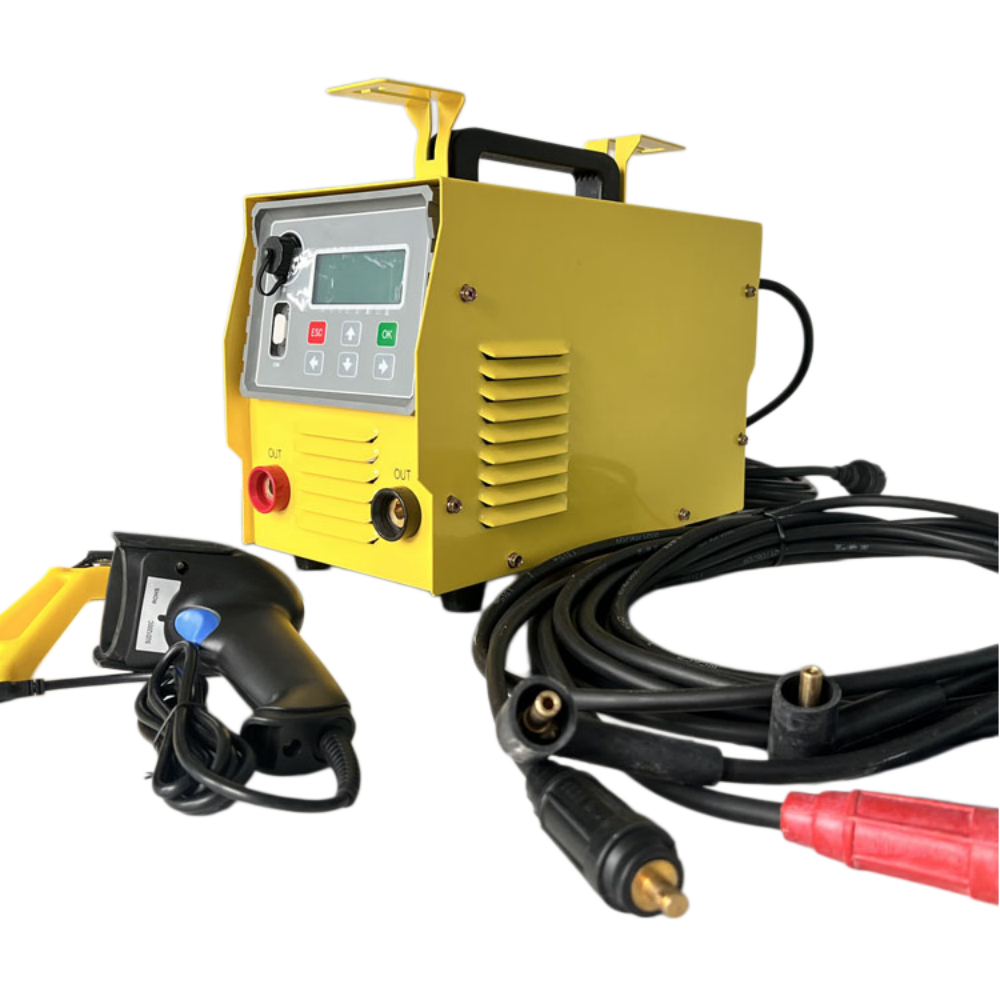
An electric fusion welding machine represents a sophisticated piece of equipment designed to join thermoplastic materials through controlled heating and pressure application. This specialized device operates by heating the surfaces of compatible materials until they reach their melting point, then fusing them together to create strong, permanent bonds. The electric fusion welding machine has become an essential tool across numerous industries, particularly in pipeline installation, infrastructure development, and manufacturing sectors where reliable connections between plastic components are critical. The machine functions through an integrated electrical heating system that delivers precise temperature control, ensuring consistent welding results regardless of environmental conditions or operator experience levels. Modern electric fusion welding machines incorporate advanced microprocessor technology that automates the welding cycle, monitoring temperature, pressure, and timing parameters throughout the entire fusion process. This automation reduces human error and guarantees repeatable, high-quality joints that meet stringent industry standards. The equipment typically consists of a control unit, heating elements, and specialized fittings designed for specific pipe diameters and material types. Electric fusion welding machines accommodate various thermoplastic materials including high-density polyethylene, polypropylene, and other engineered polymers commonly used in water distribution systems, gas networks, industrial processing facilities, and chemical transfer applications. The versatility of these machines extends from small-diameter residential plumbing projects to large-scale commercial and municipal infrastructure installations. Their compact design and portable nature allow technicians to perform welding operations in confined spaces, remote locations, and challenging field conditions where traditional joining methods prove impractical or impossible. The reliability and durability of joints created by electric fusion welding machines significantly exceed mechanical connections, providing leak-proof performance that withstands extreme pressures, temperature fluctuations, and corrosive environments over extended service lifetimes spanning decades.

New Product Recommendations

The electric fusion welding machine delivers numerous practical benefits that directly impact project outcomes, operational efficiency, and long-term cost management. First and foremost, these machines produce exceptionally strong connections that often exceed the tensile strength of the base materials themselves. When properly executed, fusion welds create homogeneous bonds where the molecular structures of the joined materials intermingle completely, eliminating weak points that could lead to future failures. This strength translates into enhanced system reliability, reduced maintenance requirements, and fewer emergency repairs over the infrastructure's operational life. The automated nature of electric fusion welding machines dramatically simplifies the joining process, enabling technicians with minimal training to achieve professional-grade results consistently. Unlike manual welding techniques that require years of practice to master, the electric fusion process follows predetermined heating cycles programmed into the machine's control system, removing guesswork and variability from the equation. This democratization of welding capability reduces labor costs, accelerates project timelines, and expands the pool of qualified workers available for installation and repair work. Electric fusion welding machines operate efficiently across diverse weather conditions, functioning reliably in cold temperatures, high humidity, and challenging outdoor environments where other joining methods struggle or fail completely. The electric heating elements generate consistent temperatures regardless of ambient conditions, ensuring predictable fusion results from summer heat to winter cold. This weather independence keeps projects on schedule, eliminating costly delays caused by unsuitable working conditions. The environmental friendliness of electric fusion welding represents another significant advantage, as the process generates no harmful fumes, requires no consumable materials beyond electricity, and produces zero waste products. This clean operation protects worker health, complies with increasingly strict environmental regulations, and supports corporate sustainability initiatives. The precision control offered by modern electric fusion welding machines minimizes energy consumption, heating only the specific areas requiring fusion rather than wasting power on unnecessary heating. This efficiency reduces operating costs while supporting environmental responsibility. Electric fusion joints require no additional sealing compounds, gaskets, or mechanical fasteners, simplifying inventory management and reducing material expenses. The permanent nature of fusion bonds eliminates recurring costs associated with replacing degraded seals or tightening loosened connections. Over the infrastructure's lifetime, these savings accumulate substantially, often exceeding the initial equipment investment many times over. The speed of electric fusion welding accelerates project completion, allowing contractors to install more connections per day compared to alternative methods. This productivity increase translates directly into reduced labor costs, faster revenue recognition, and improved competitive positioning in the marketplace.

Practical Tips

Why Do Engineers Choose an HDPE Thermofusion Machine for Projects?

06

Apr

Why Do Engineers Choose an HDPE Thermofusion Machine for Projects?

Engineers working on pipeline infrastructure projects face critical decisions that affect long-term performance, project budgets, and operational reliability. Among the most consequential choices is the selection of joining equipment for high-density...
View More
How Can a Plastic Sheet Butt Welding Machine Ensure Strong Seams?

05

May

How Can a Plastic Sheet Butt Welding Machine Ensure Strong Seams?

The strength and integrity of welded plastic seams directly impact the performance, durability, and safety of countless industrial applications, from geomembranes in environmental containment to large-scale tank fabrication. Achieving consistently st...
View More
How Does a Plastic Band Cutting Saw Improve Cutting Efficiency?

03

Jun

How Does a Plastic Band Cutting Saw Improve Cutting Efficiency?

In industrial plastic fabrication and pipe processing environments, precision and throughput are non-negotiable. A plastic band cutting saw addresses both demands simultaneously, offering a level of cutting consistency that manual tools and conventio...
View More
How Does an HDPE Thermofusion Welding Machine Improve Joint Quality?

16

Jun

How Does an HDPE Thermofusion Welding Machine Improve Joint Quality?

In pipeline construction and fluid transport infrastructure, the quality of every joint determines the long-term integrity of the entire system. A poorly fused joint is not simply a weak point — it is a liability that can lead to leaks, system failur...
View More

Get a Free Quote

Our representative will contact you soon.
E-mail
Name
Mobile/WhatsApp
Company Name
Message
0/1000

electric fusion welding machine

Unmatched Joint Integrity and Long-Term Performance Reliability

Unmatched Joint Integrity and Long-Term Performance Reliability

The electric fusion welding machine creates joints of extraordinary integrity that fundamentally outperform mechanical connections in virtually every measurable parameter. This superior performance stems from the molecular-level bonding achieved during the fusion process, where heating causes the polymer chains in adjacent materials to intermingle and entangle completely. When the joint cools and solidifies, the fused area becomes indistinguishable from the surrounding base material in terms of chemical composition and structural properties. This homogeneous bond eliminates the interface weaknesses inherent in mechanical joints, where dissimilar materials, gaskets, and fasteners create potential failure points susceptible to degradation, loosening, or material incompatibility over time. The leak-proof nature of fusion joints provides critical advantages in applications transporting pressurized fluids, hazardous chemicals, or potable water where even minor seepage presents serious consequences. Electric fusion welding machines achieve this leak-free performance through precise temperature control that ensures complete melting without overheating or material degradation. The microprocessor-controlled heating cycles account for material type, wall thickness, and ambient conditions, adjusting parameters automatically to achieve optimal fusion regardless of variables that might compromise manual welding attempts. This consistency means every joint meets specifications, eliminating the quality variations that plague less controlled joining methods. The durability of fusion joints extends infrastructure service life dramatically, with properly executed connections lasting fifty years or more without maintenance or replacement. This longevity derives from the absence of mechanical components that wear, corrode, or loosen over time, as well as the chemical resistance of the fusion bond itself. Unlike threaded connections that may seize or corrode, or compression fittings whose seals degrade and fail, fusion joints maintain their integrity indefinitely when protected from external damage. This reliability reduces lifecycle costs substantially, eliminating the recurring expenses associated with joint maintenance, inspection, and eventual replacement that characterize alternative connection methods. For critical infrastructure applications where system failures carry severe consequences, the dependability of electric fusion welding machine joints provides invaluable peace of mind and risk mitigation.
Simplified Operation and Consistent Results Across Skill Levels

Simplified Operation and Consistent Results Across Skill Levels

The electric fusion welding machine revolutionizes the welding process by automating complex tasks that traditionally required extensive operator skill and experience. This automation transforms welding from an art dependent on individual expertise into a standardized procedure that delivers consistent results regardless of who performs the work. The machine's integrated control system manages all critical parameters including heating duration, temperature profiles, cooling periods, and pressure application, following manufacturer-specified protocols programmed for each fitting type and pipe diameter. Operators simply prepare the pipe ends according to basic guidelines, insert the fusion fitting, connect the machine's terminals, and initiate the automatic welding cycle. The machine then executes the entire fusion sequence without further intervention, monitoring progress continuously and adjusting parameters dynamically to compensate for any detected variations. This user-friendly operation dramatically reduces training requirements, enabling new technicians to perform professional-quality welds after just hours of instruction rather than the months or years needed to master traditional welding techniques. The consistency achieved through automation benefits project quality management significantly, as every joint meets specifications without the variability introduced by different operator skill levels, fatigue, or environmental distractions. Quality control personnel can rely on the machine's documented performance rather than inspecting each individual joint, streamlining approval processes and reducing project delays. The electric fusion welding machine's diagnostic capabilities enhance this consistency further by detecting and reporting potential issues before they compromise joint quality. Advanced models monitor electrical resistance during heating, alerting operators to poor connections, damaged fittings, or inadequate preparation that could produce substandard results. This real-time feedback prevents defective joints from entering service, eliminating costly repairs and system failures down the road. The machine's data logging capabilities provide additional quality assurance by recording complete welding parameters for each joint, creating an auditable trail that documents proper installation procedures. This documentation proves invaluable for warranty claims, regulatory compliance, and troubleshooting should questions arise about installation quality. The portable design of modern electric fusion welding machines extends their practical advantages by enabling high-quality welding in remote locations, confined spaces, and challenging field conditions where bringing work to a fixed facility proves impossible.
Superior Economics Through Reduced Costs and Increased Productivity

Superior Economics Through Reduced Costs and Increased Productivity

The electric fusion welding machine delivers compelling economic advantages that impact project profitability from multiple angles, making it an attractive investment for contractors, utilities, and industrial facilities. The initial equipment cost, while significant, represents just one component of the total economic picture, with operational savings and productivity gains generating returns that recover the investment rapidly. The elimination of consumable materials required by alternative joining methods provides immediate ongoing savings, as fusion welding requires no threading oils, sealant tapes, gaskets, mechanical fasteners, or specialized compounds. The only input needed is electricity, which modern machines consume efficiently through optimized heating cycles that minimize energy waste. This simplicity reduces inventory carrying costs, eliminates procurement headaches, and prevents project delays caused by material shortages. The speed advantage of electric fusion welding machines dramatically improves labor productivity, allowing crews to complete more joints per shift compared to threading, flanging, or other mechanical connection methods. The automated welding cycle proceeds without constant operator attention, freeing technicians to prepare subsequent joints, organize materials, or perform other productive tasks while fusion progresses. This multitasking capability increases effective crew output substantially, reducing the labor hours required per completed connection and lowering project costs proportionally. The reliability of fusion joints reduces long-term maintenance expenses dramatically by eliminating the inspection, tightening, and eventual replacement cycles that characterize mechanical connections. Infrastructure owners can redirect maintenance budgets from joint upkeep to system expansion or other priorities, improving overall operational efficiency. The reduced failure rate of fusion joints also minimizes emergency repair costs, avoiding the premium labor rates, expedited material procurement, and service disruption expenses associated with unexpected system failures. For utilities and industrial operations, this reliability translates into improved system availability and reduced downtime costs that often dwarf the direct repair expenses. The versatility of electric fusion welding machines enhances their economic value by accommodating wide diameter ranges and multiple material types, eliminating the need for specialized equipment for different applications. This flexibility maximizes equipment utilization rates and reduces the total capital investment required to handle diverse project portfolios. The compact size and portability of these machines further improve economics by eliminating transportation challenges and enabling efficient deployment across multiple job sites without heavy equipment or complex logistics.


Get a Free Quote

Our representative will contact you soon.
E-mail
Name
Mobile/WhatsApp
Company Name
Message
0/1000