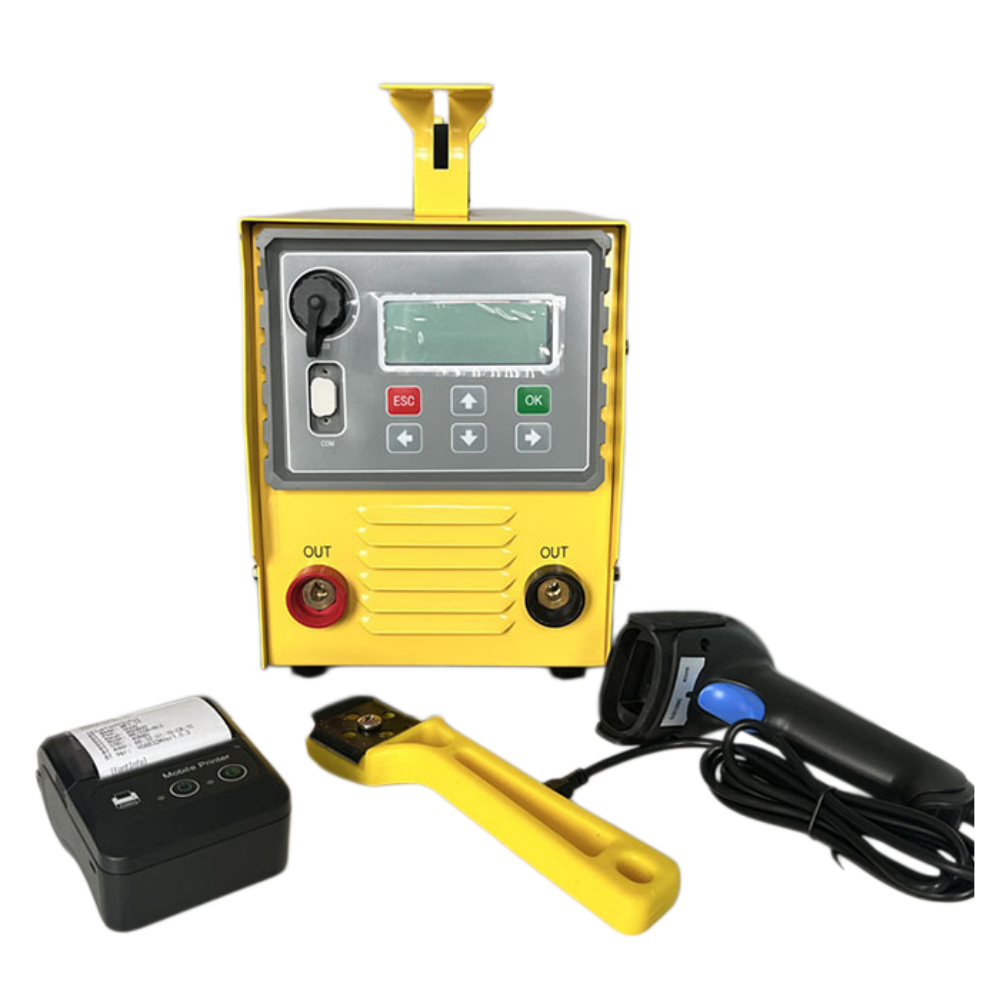
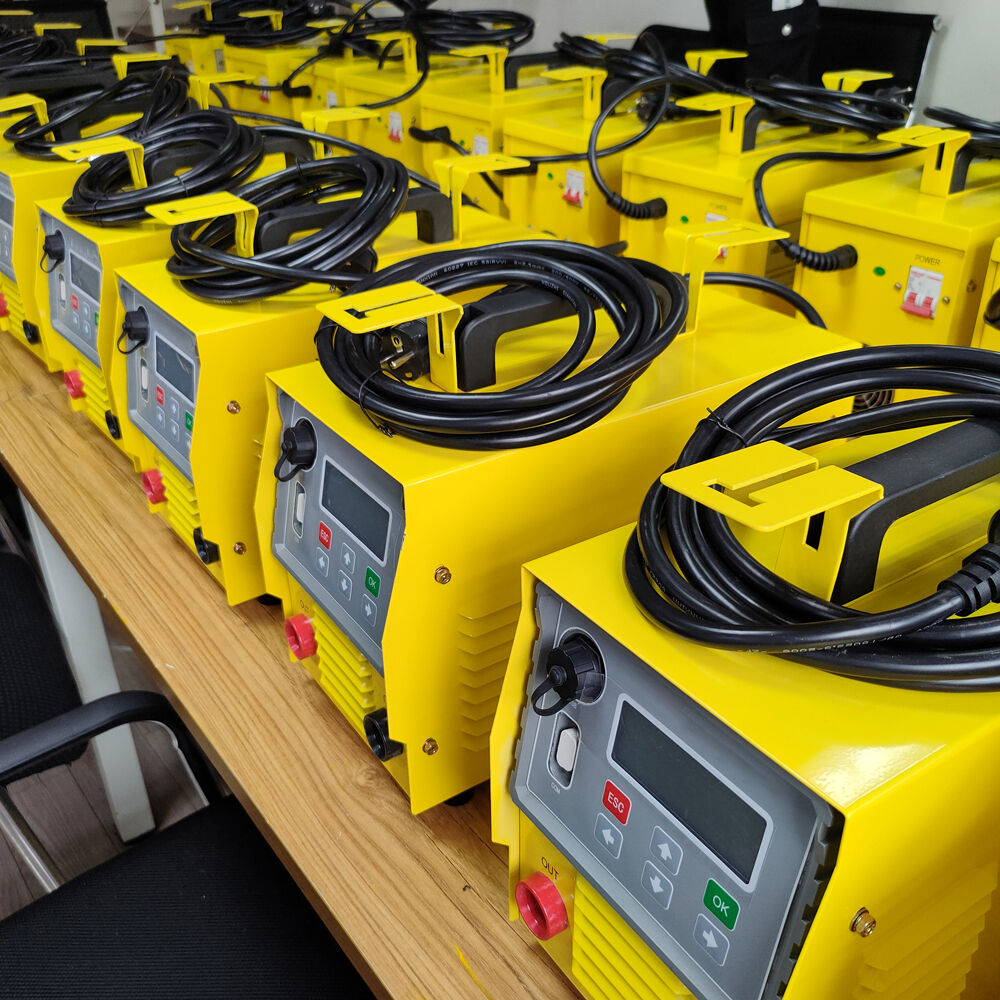
electrofusion welder price
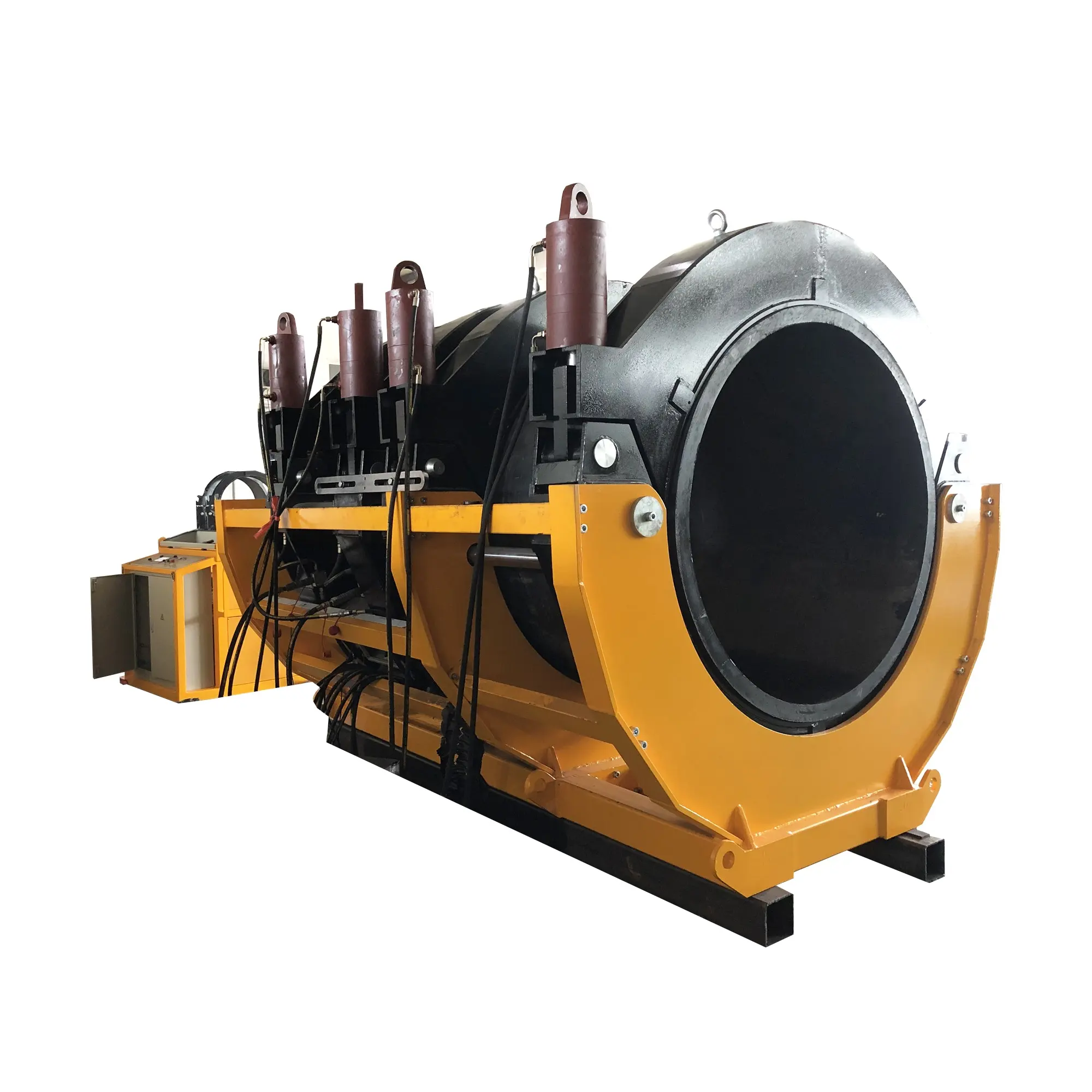
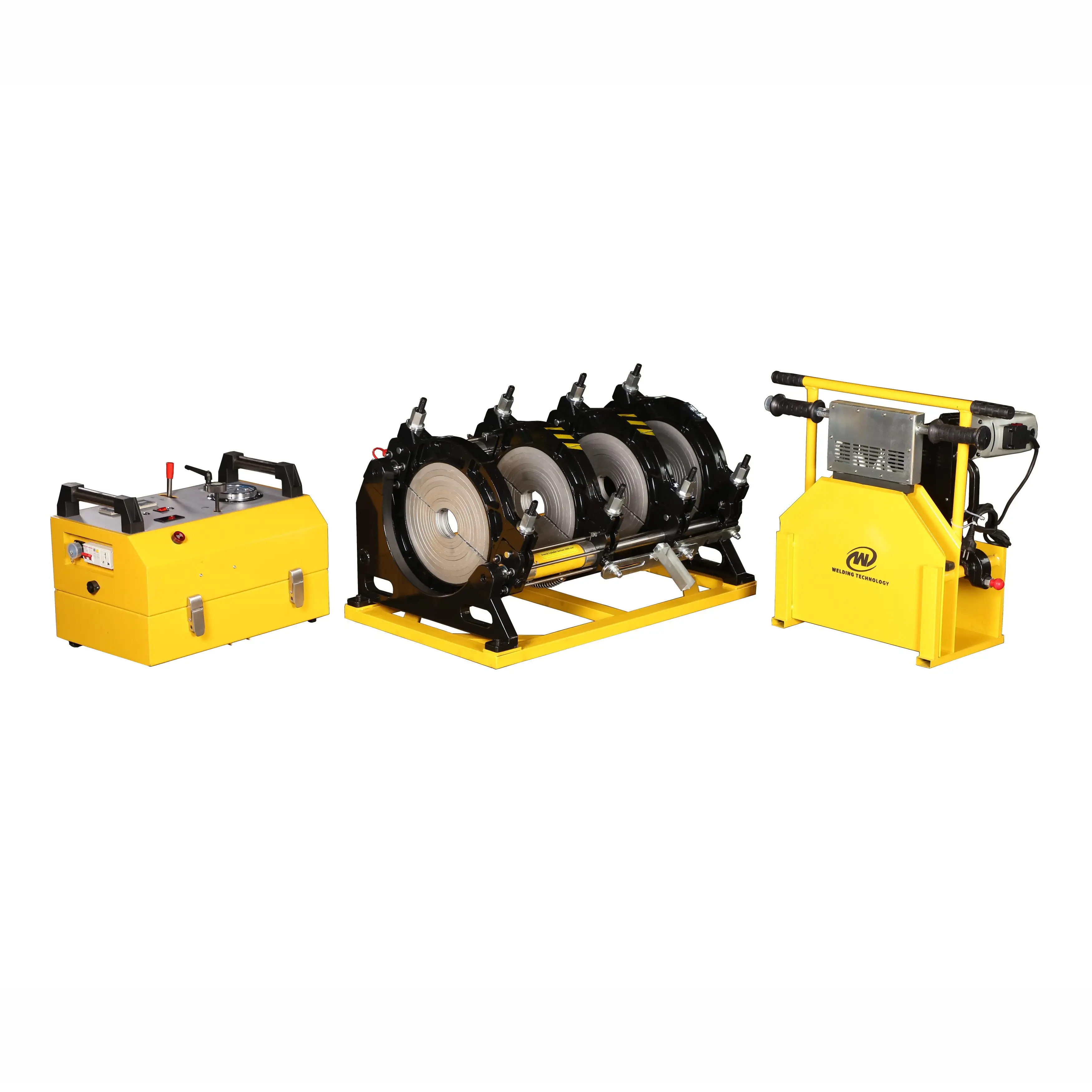
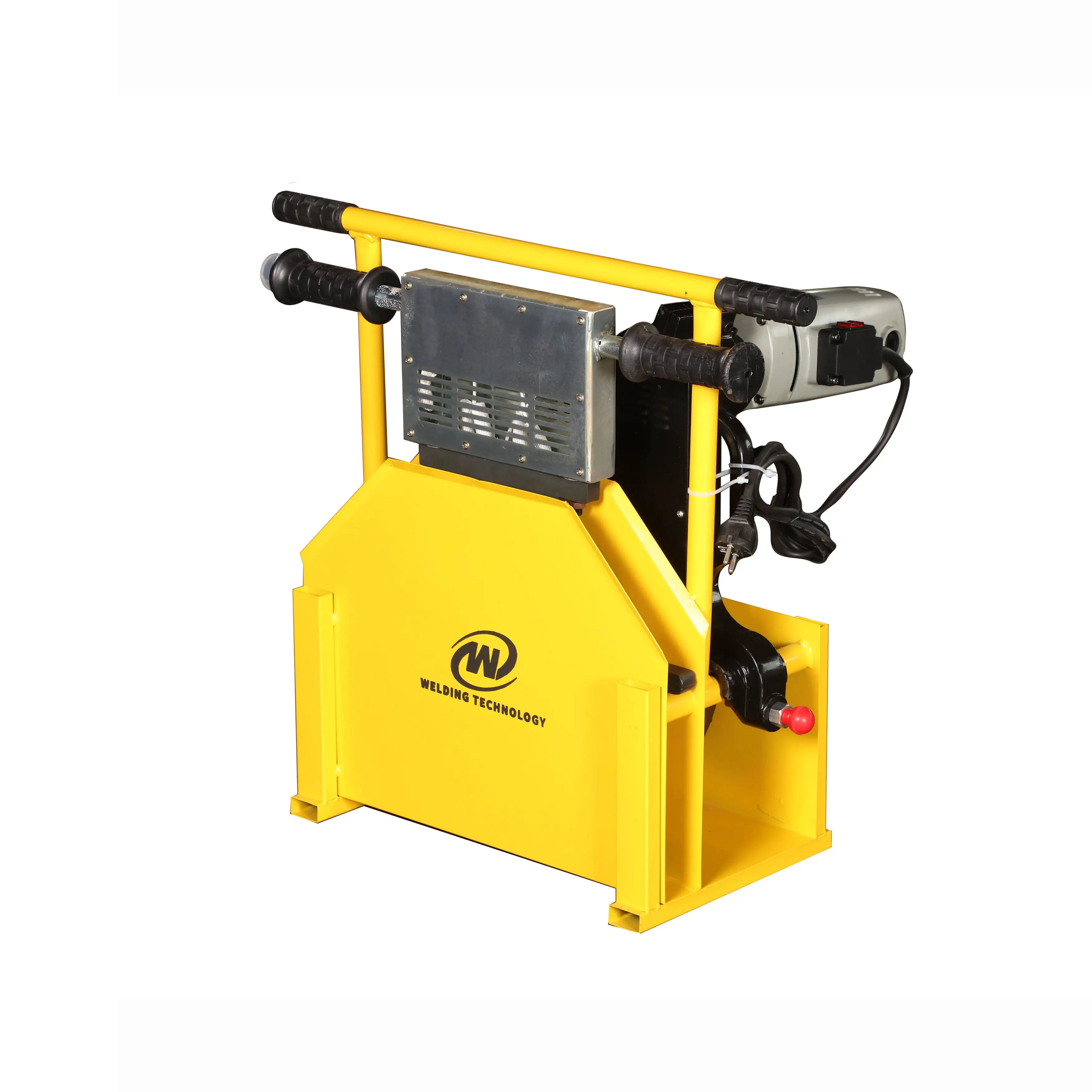
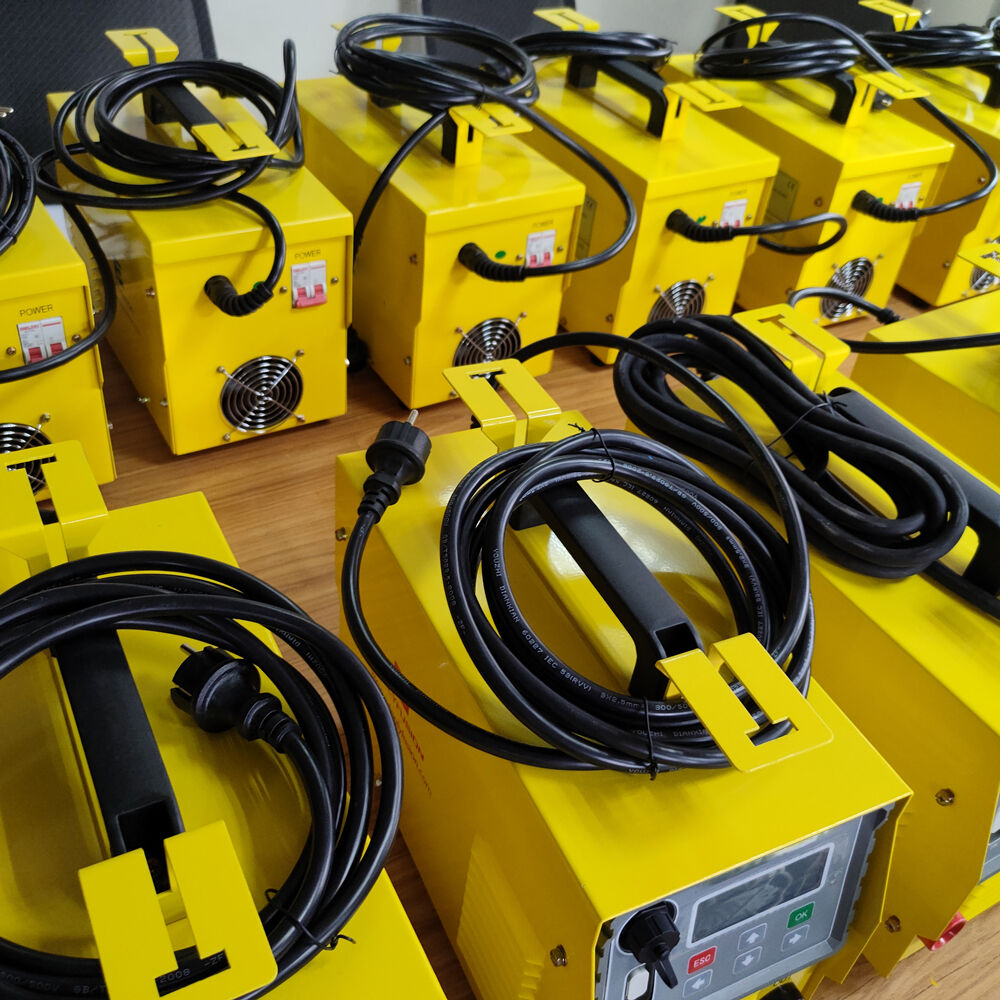
Understanding electrofusion welder price requires recognizing the sophisticated technology behind these essential pipe joining devices. An electrofusion welder is a specialized machine designed to join thermoplastic pipes and fittings using electrical current to create permanent, leak-proof connections. The electrofusion welder price typically ranges from several hundred to several thousand dollars depending on capacity, features, and brand reputation. These machines work by passing controlled electrical current through embedded heating coils within special fittings, melting the plastic material of both the pipe and fitting to form a molecular bond. The main functions include precise voltage control, automatic barcode scanning for fusion parameters, data logging capabilities, and safety mechanisms to ensure consistent weld quality. Technological features often incorporate microprocessor-controlled systems that regulate heating time, cooling periods, and energy output based on fitting specifications. Modern units offer digital displays, USB connectivity for record keeping, and battery operation for field applications. The electrofusion welder price reflects the sophistication of these features, with basic models serving small-scale operations and advanced systems catering to industrial pipeline projects. Applications span municipal water distribution networks, natural gas transmission lines, industrial process piping, mining operations, and telecommunications conduit installations. When evaluating electrofusion welder price considerations, factors include voltage range compatibility, fusion capacity in millimeter diameter, power source options between mains electricity and rechargeable batteries, portability requirements, and compliance with international welding standards. The investment in appropriate equipment directly impacts project efficiency, weld reliability, and long-term system performance. Professional contractors and utility companies recognize that the electrofusion welder price represents not merely equipment acquisition cost but a critical investment in infrastructure quality and operational safety that will serve thousands of joints throughout the machine's operational lifetime.

 EN
EN