Comprehensive Quality Assurance and Traceability Systems for Total Confidence
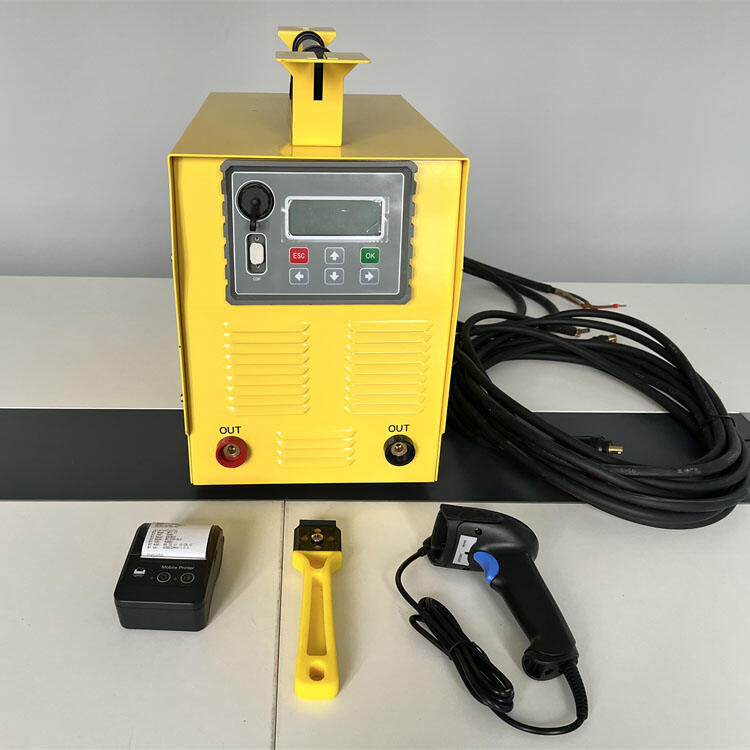
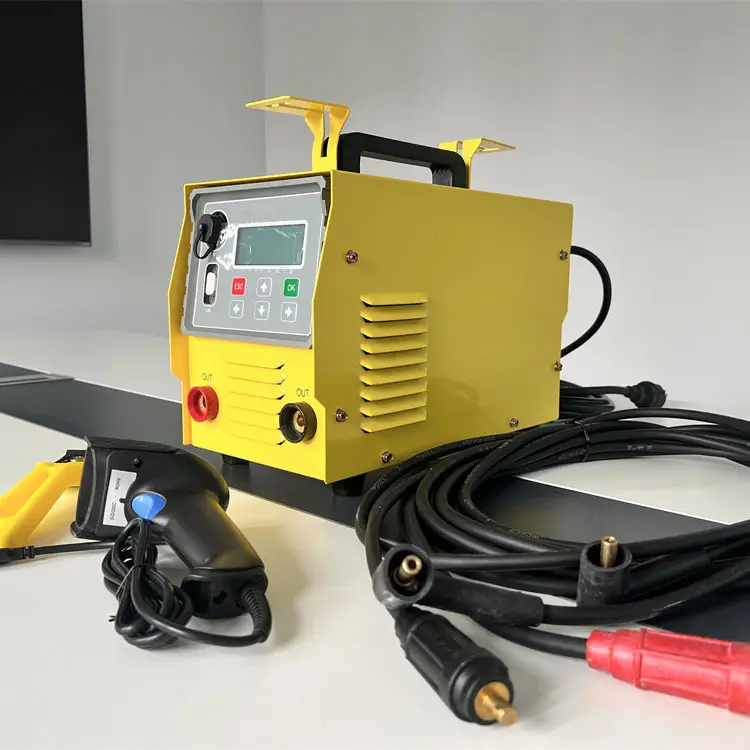
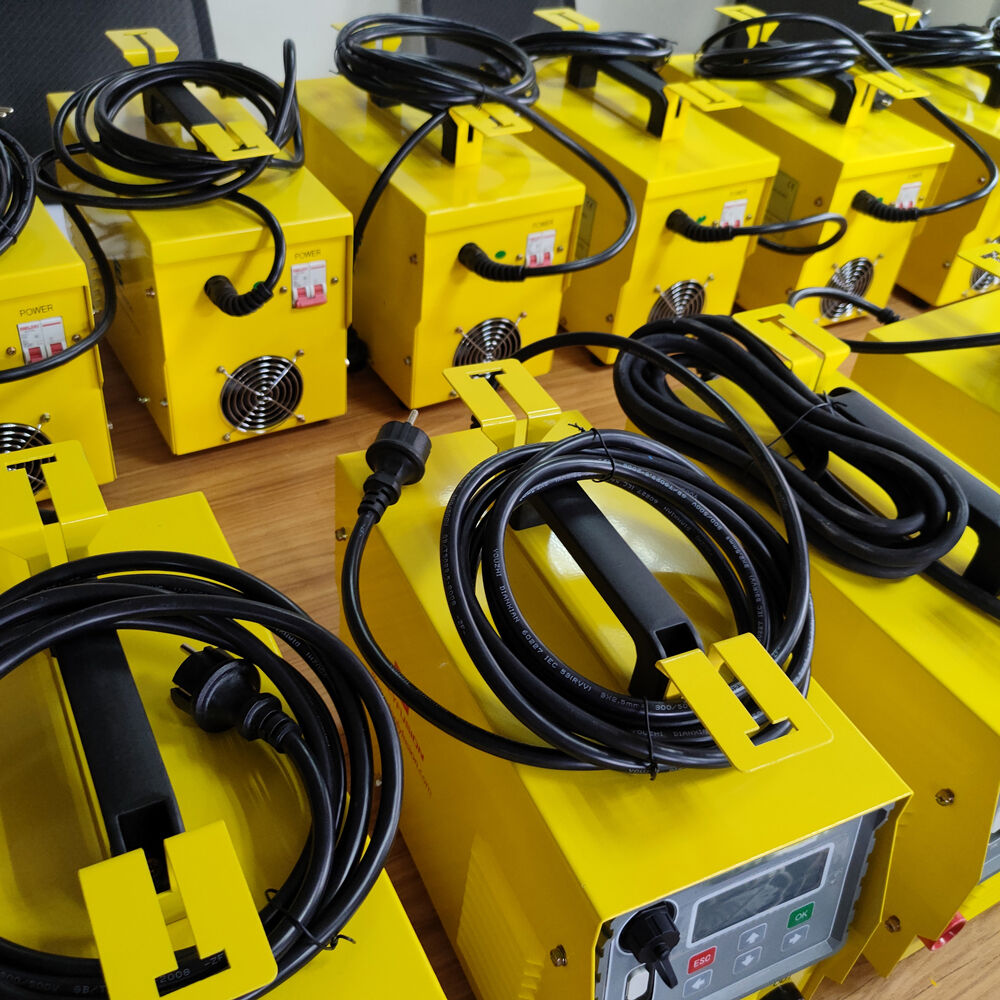
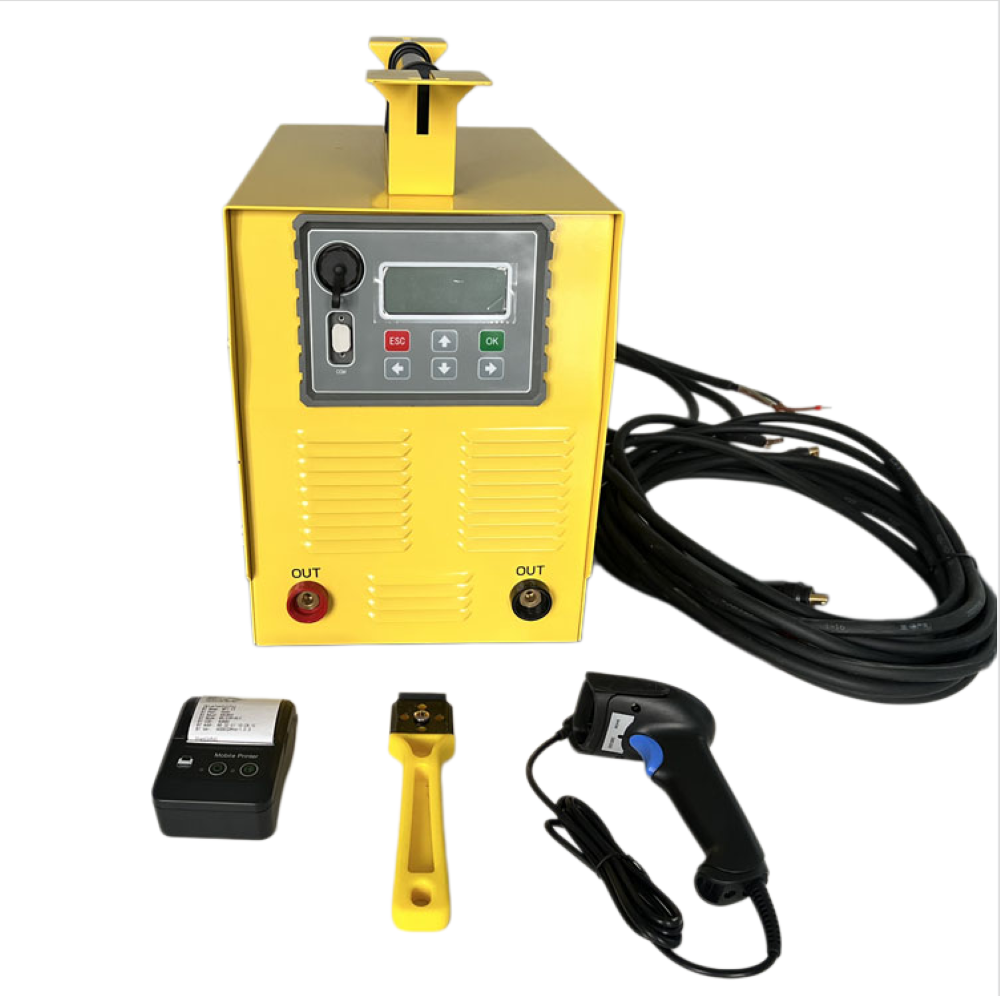
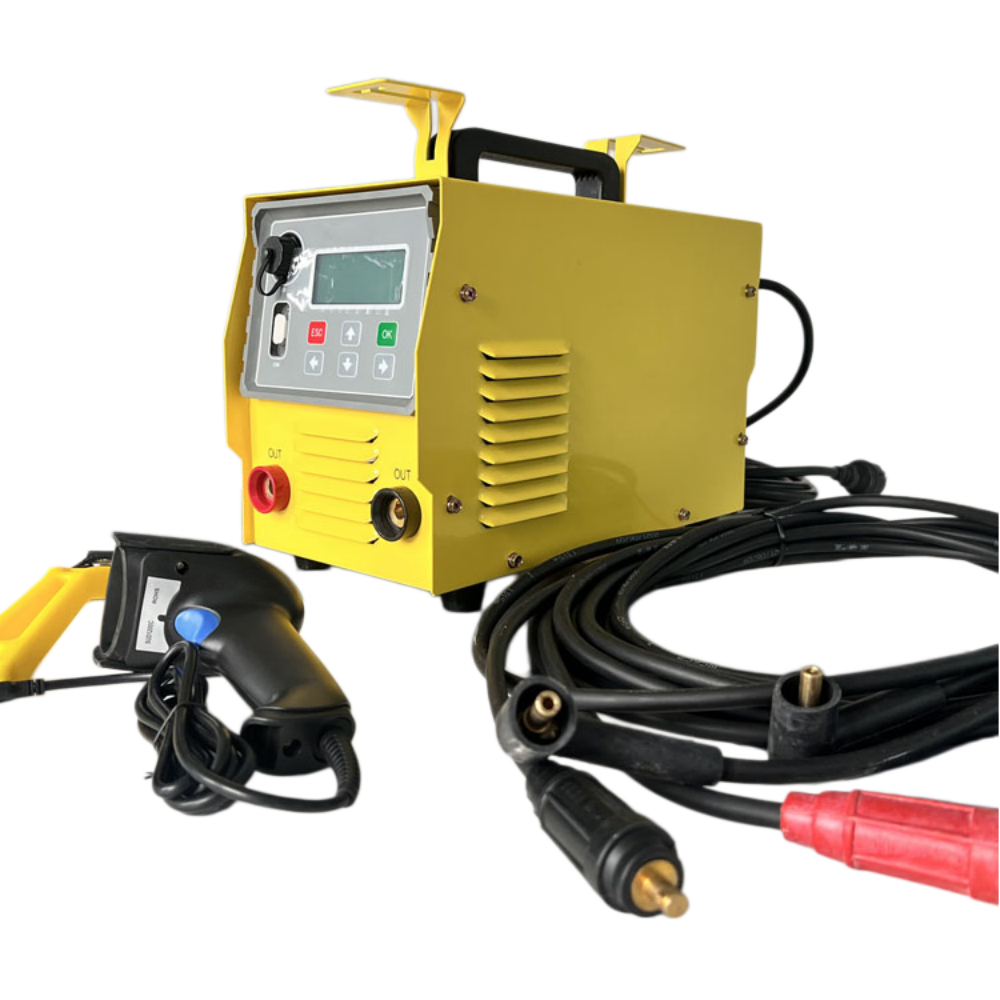
The integration of sophisticated quality assurance mechanisms within electrofusion equipment provides stakeholders at every level with verifiable confidence that piping systems will perform reliably throughout their designed service lives. These advanced quality systems begin functioning before the first joint is made, with pre-fusion diagnostics that verify proper fitting installation, confirm surface preparation adequacy, and check electrical circuit integrity before committing to the welding process. By catching potential problems at this early stage, electrofusion equipment prevents the creation of defective joints rather than merely detecting them afterward, saving time and materials while protecting system integrity. During the fusion process itself, continuous monitoring systems track dozens of parameters simultaneously, comparing actual performance against stored specification profiles to detect even subtle deviations that might compromise joint quality. If voltage drops, resistance patterns, or heating rates fall outside acceptable windows, the equipment immediately flags the condition and can either automatically compensate or halt the process depending on the severity of the deviation. This real-time quality control effectively places an expert inspector at every joint, applying consistent standards and objective criteria that eliminate the subjectivity and variability inherent in human inspection methods. Upon completion of each weld cycle, electrofusion equipment generates comprehensive reports documenting every measurable aspect of the joint creation process, including actual versus specified parameters, environmental conditions, operator identification, and equipment calibration status. These digital records can be transferred to project management systems via USB, Bluetooth, or cloud connectivity, creating centralized databases that support statistical process control, trend analysis, and predictive quality management. The traceability enabled by these documentation systems proves invaluable when validating regulatory compliance, investigating field failures, or defending against liability claims, as project managers can retrieve complete welding histories for specific joints installed years earlier. Progressive contractors leverage this quality data to identify top-performing crews, recognize training needs, and continuously refine installation procedures based on empirical evidence rather than subjective assessments. The transparency provided by comprehensive quality assurance systems builds confidence among owners, engineers, and inspectors, often expediting project approvals and reducing oversight requirements as stakeholders gain trust in the documented results. Insurance companies and warranty providers increasingly recognize the risk reduction associated with digitally documented electrofusion installations, sometimes offering favorable terms for projects employing verified quality assurance protocols.

 EN
EN