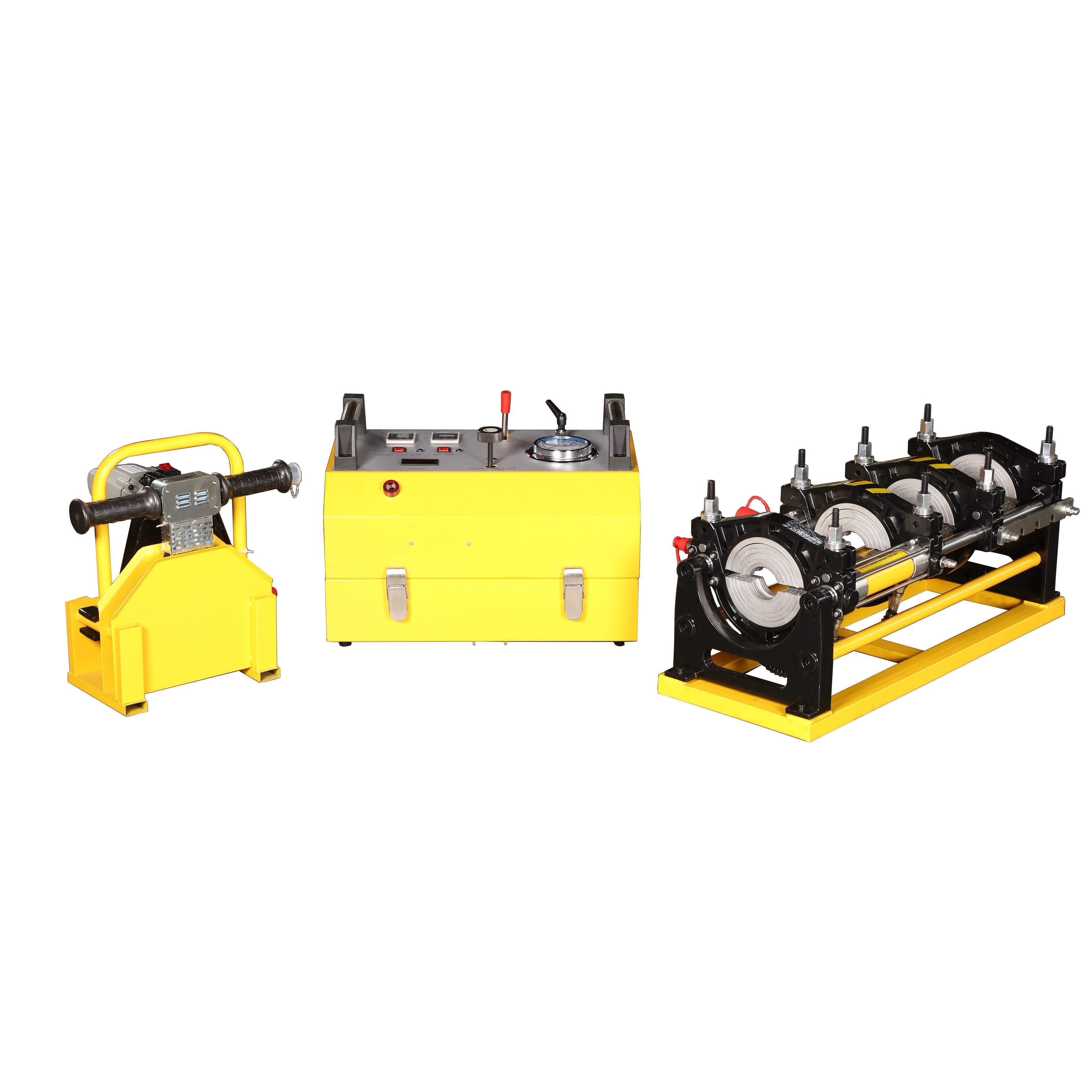
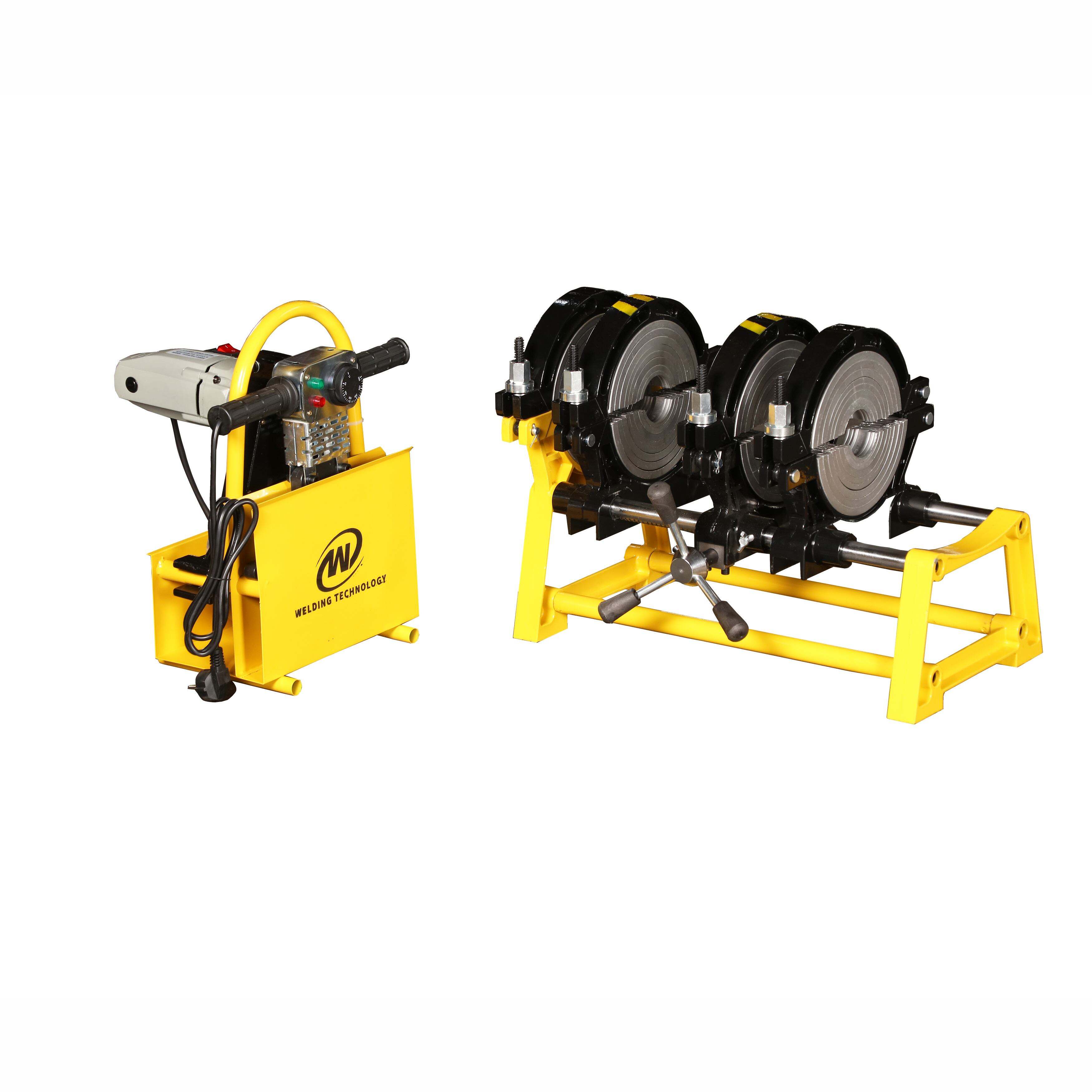
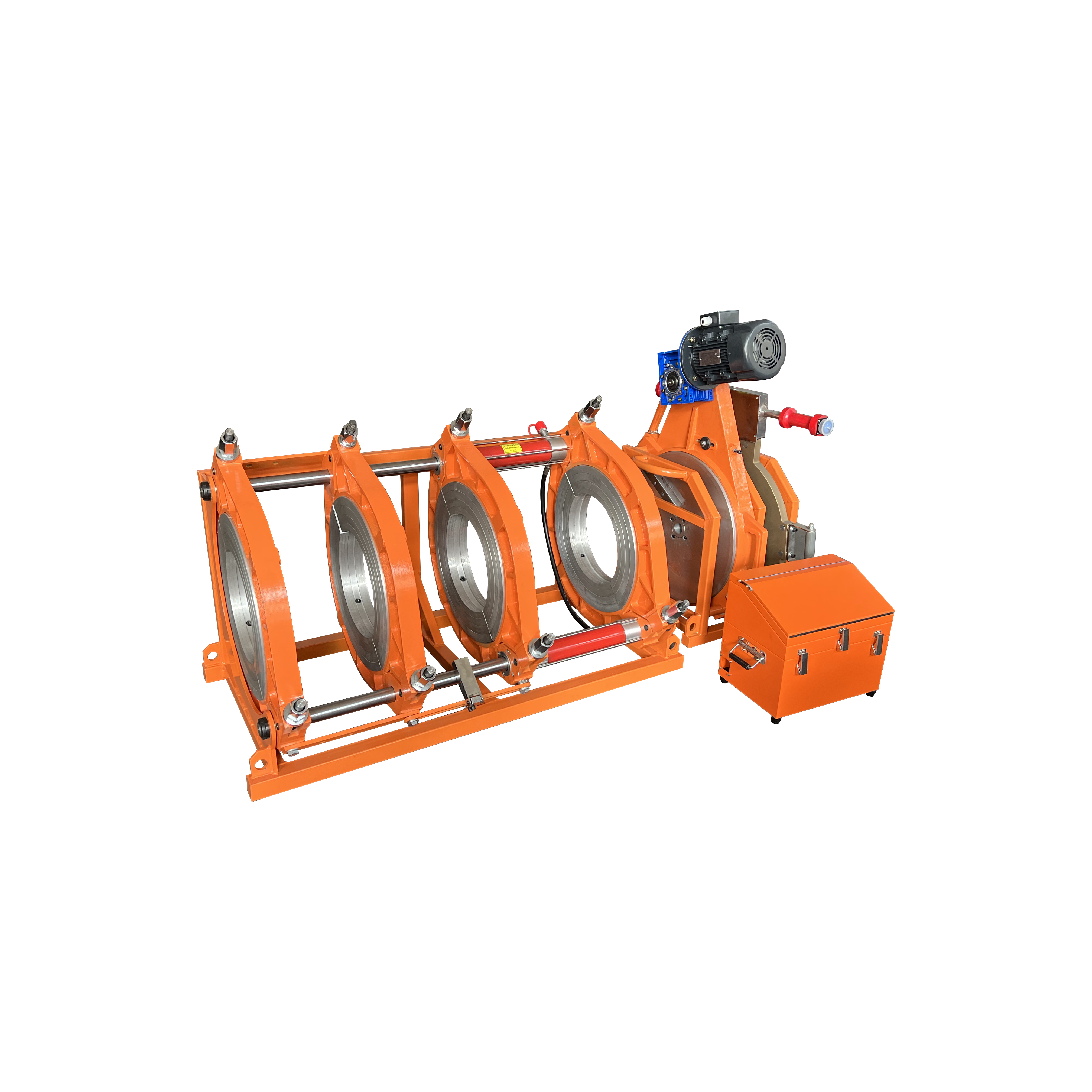
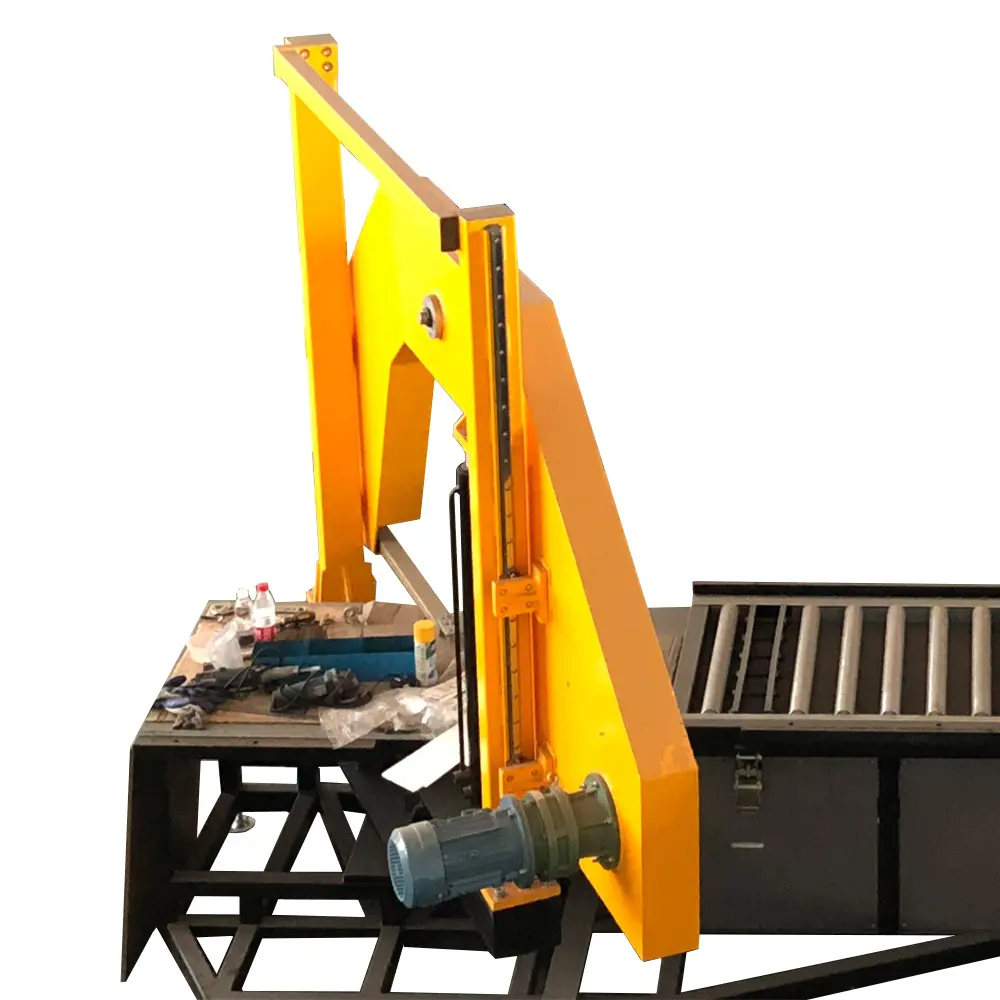
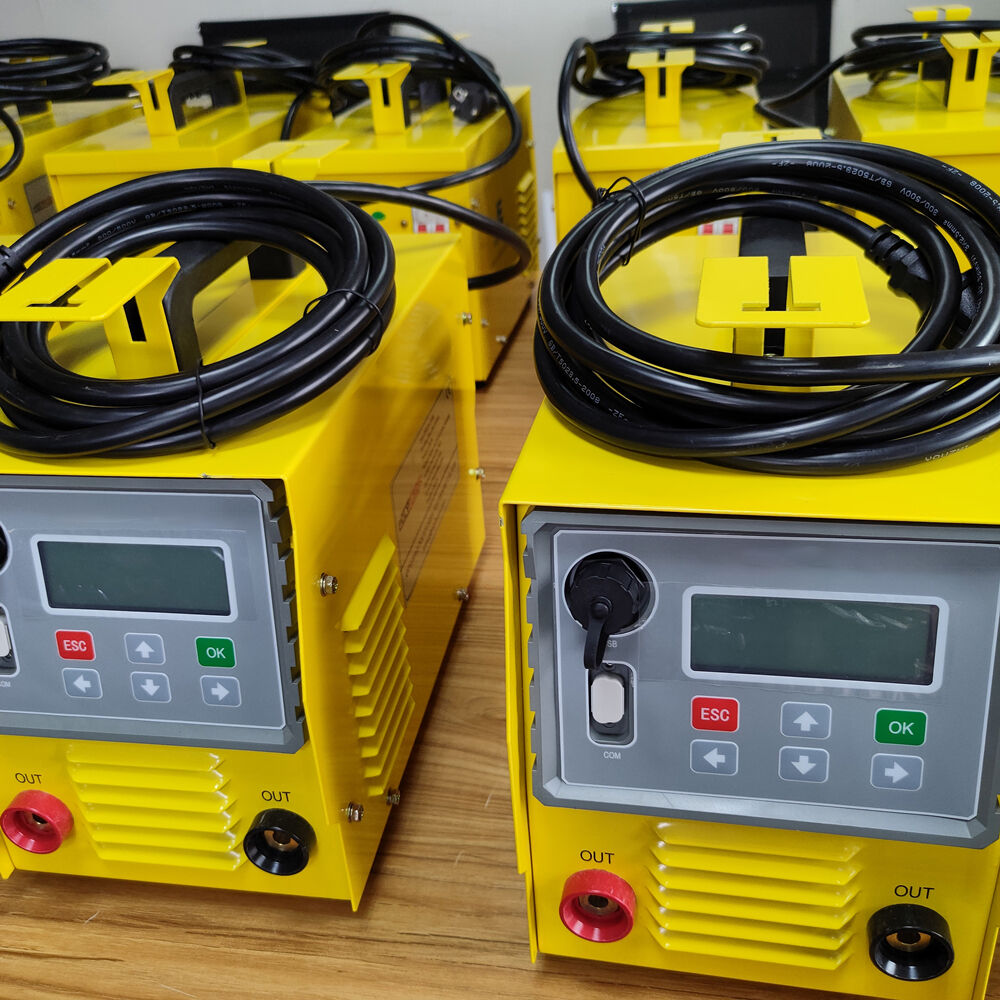
Electrofusion Jointing Machine: Advanced Pipe Welding Equipment for Reliable Polyethylene Connections

Get a Free Quote

Our representative will contact you soon.
E-mail
Name
Mobile/WhatsApp
Company Name
Message
0/1000

electrofusion jointing machine

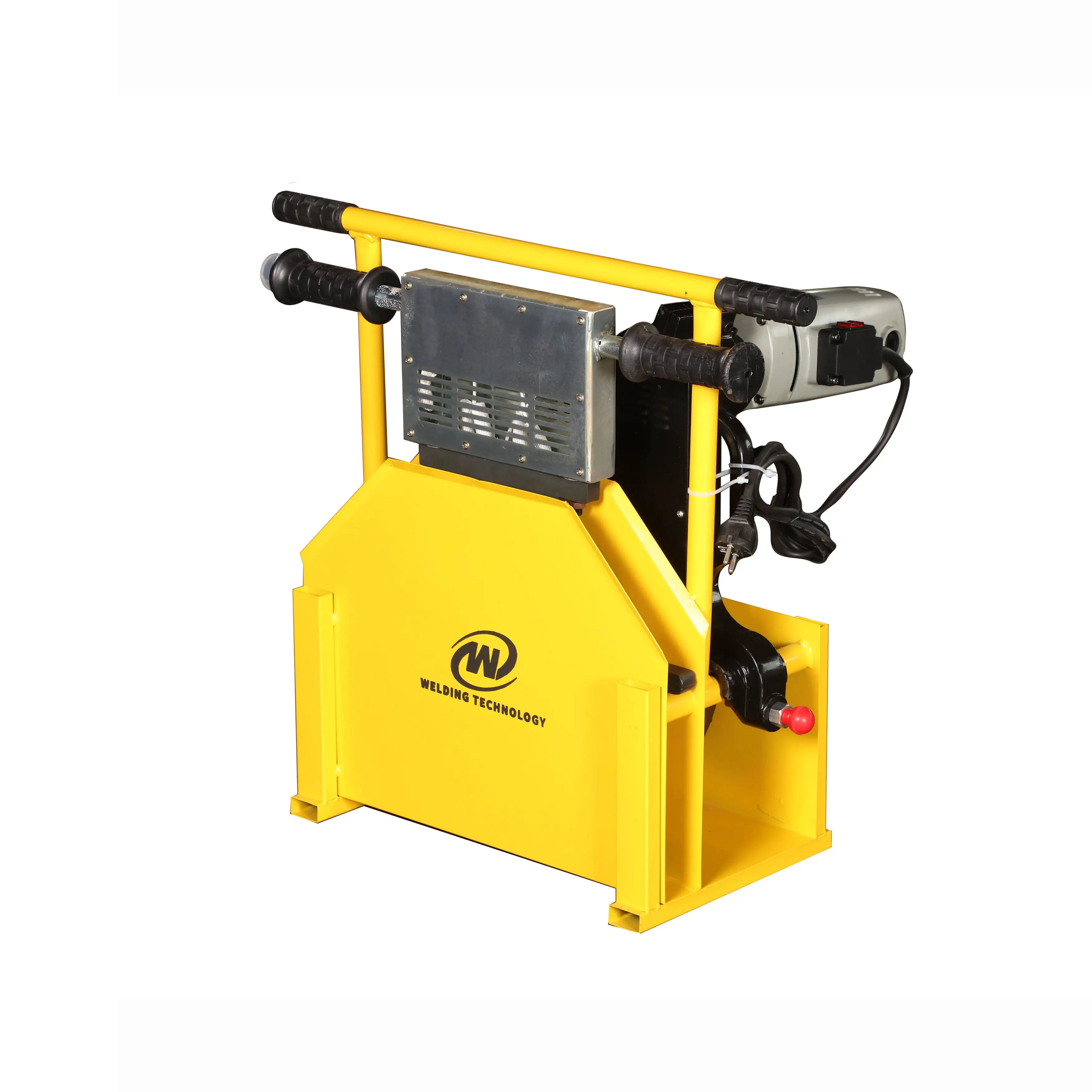
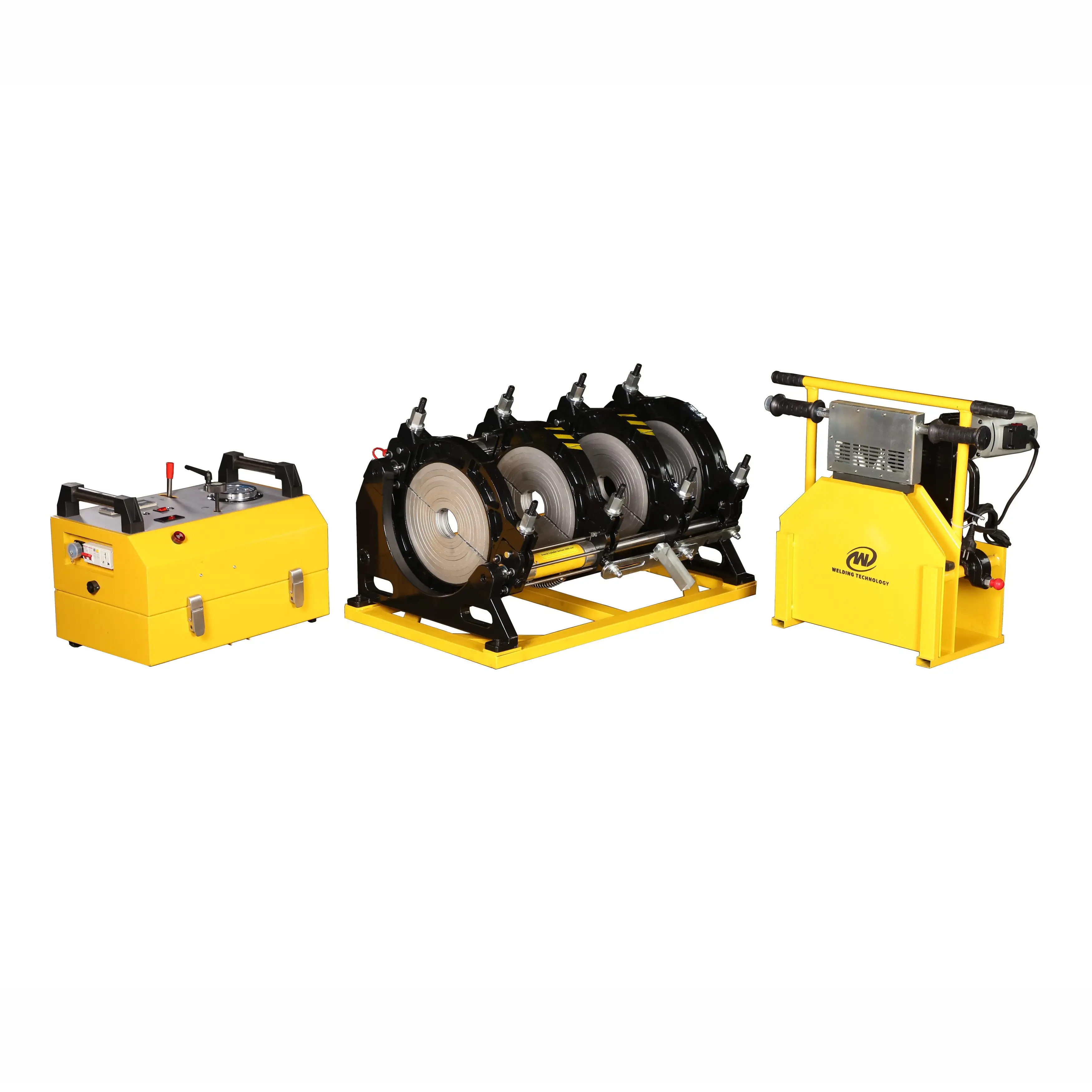
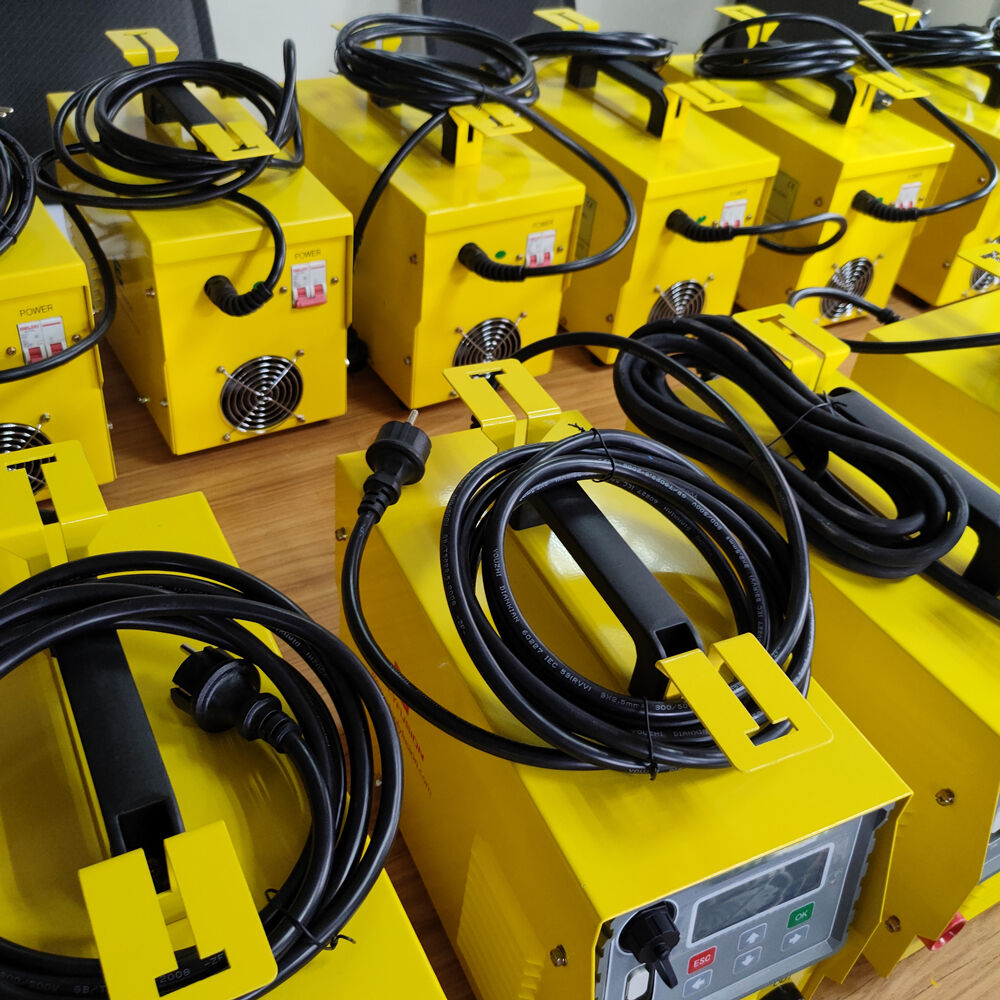
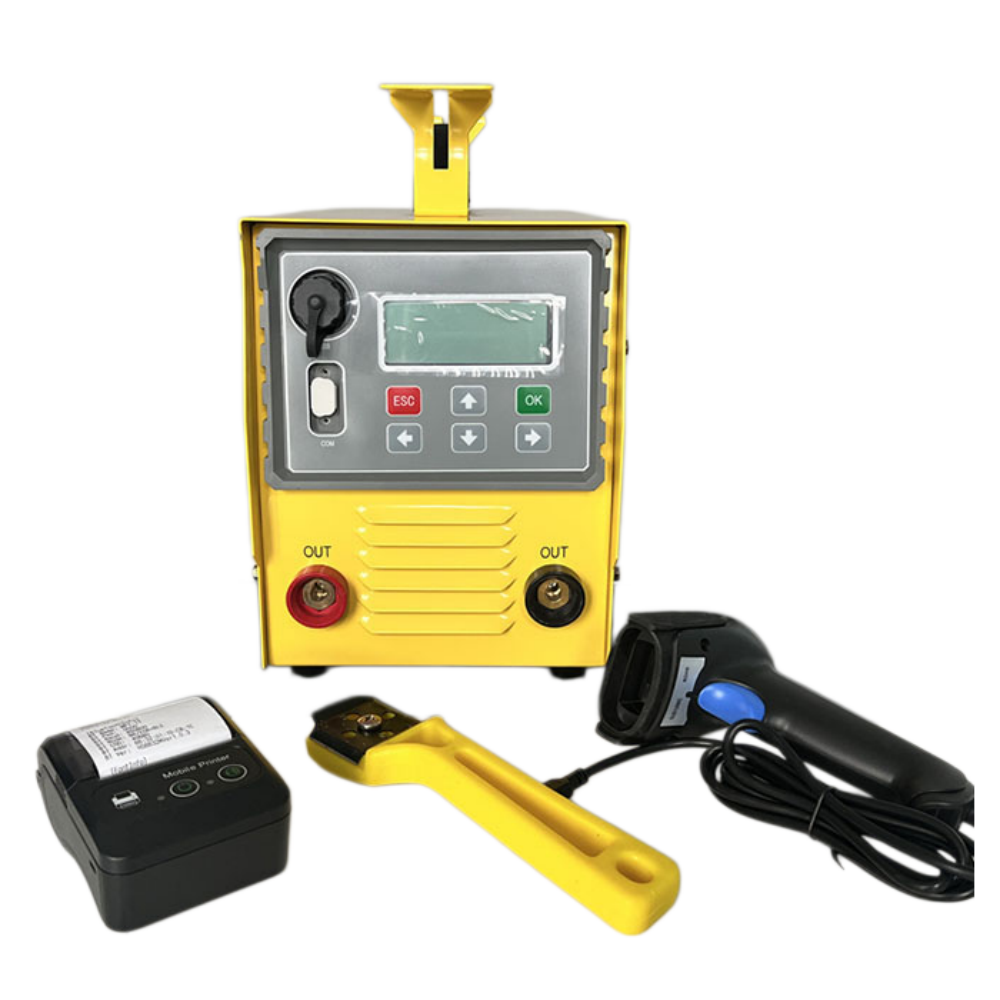
An electrofusion jointing machine represents a sophisticated piece of equipment designed specifically for joining polyethylene pipes through the electrofusion welding process. This specialized device creates permanent, leak-proof connections by applying controlled electrical current to electrofusion fittings, which contain embedded heating coils. When the machine delivers precise energy to these fittings, the coils heat the surrounding polyethylene material, causing it to melt and fuse with the pipe surface. The result is a homogeneous joint that matches or exceeds the strength of the pipe itself. Modern electrofusion jointing machines incorporate advanced microprocessor technology that monitors and controls every aspect of the fusion process, including voltage levels, current flow, fusion time, and cooling periods. These intelligent systems automatically adjust parameters based on fitting specifications, which are typically read from barcodes printed on each fitting. The machine stores detailed records of every joint created, providing complete traceability and quality assurance documentation. Electrofusion jointing machines find extensive applications across various industries, including municipal water distribution networks, natural gas pipeline systems, industrial process piping, mining operations, and wastewater management infrastructure. They prove particularly valuable in situations where traditional butt fusion methods are impractical, such as working in confined spaces, making repairs to existing pipelines, or joining pipes of different diameters or wall thicknesses. The technology accommodates a wide range of pipe sizes, from small diameter service connections measuring just 20 millimeters up to large transmission mains exceeding 630 millimeters. The versatility of electrofusion jointing machines extends to challenging environmental conditions, allowing operators to create reliable joints in trenches, underground vaults, inside buildings, or even underwater with appropriate precautions. These machines typically feature rugged, weather-resistant construction to withstand harsh jobsite conditions while maintaining precise electronic control capabilities.

New Products

The electrofusion jointing machine delivers numerous practical benefits that directly impact project efficiency, cost management, and long-term system reliability. First and foremost, this equipment dramatically simplifies the pipe joining process, eliminating the need for highly specialized welding skills. Operators can achieve consistently high-quality results after relatively brief training periods, reducing labor costs and expanding the available workforce for pipeline projects. The automated nature of electrofusion welding removes much of the human variability that affects other joining methods, ensuring that every connection meets exacting quality standards regardless of operator experience level. This consistency translates directly into fewer callbacks, reduced warranty claims, and enhanced reputation for contractors and installers. The compact size and portability of modern electrofusion jointing machines provide significant advantages in challenging work environments. Unlike bulky butt fusion equipment that requires substantial setup space and careful alignment procedures, these machines operate effectively in cramped conditions such as narrow trenches, building basements, or utility tunnels. This versatility reduces excavation requirements, minimizes site disruption, and accelerates project completion timelines. From a safety perspective, electrofusion jointing machines offer considerable improvements over alternative methods. The equipment operates at relatively low voltages and incorporates multiple safety interlocks that prevent operation under unsafe conditions. Operators maintain a comfortable working distance from the fusion zone, reducing exposure to heat and fumes. The machines also eliminate the need for open flames or combustion equipment, making them suitable for use in potentially hazardous environments where gas accumulation might present explosion risks. Economic advantages extend throughout the project lifecycle. The electrofusion process requires minimal surface preparation compared to mechanical joining methods, reducing labor time and material costs. The joints themselves require no ongoing maintenance, eliminating the periodic inspections, tightening, or replacement associated with mechanical fittings. Energy efficiency represents another key benefit, as modern electrofusion jointing machines optimize power consumption while delivering reliable results. Many units operate from standard electrical supplies or portable generators, providing flexibility in remote locations. The comprehensive data logging capabilities built into contemporary electrofusion jointing machines create valuable documentation that supports quality assurance programs, regulatory compliance, and asset management initiatives. Each joint record includes fusion parameters, operator identification, location data, and timestamps, creating an auditable trail that proves proper installation procedures were followed. This documentation proves invaluable during inspections, warranty disputes, or when troubleshooting system issues years after installation.

Practical Tips

Why Is a Plastic Band Cutting Saw Important in Manufacturing?

20

Apr

Why Is a Plastic Band Cutting Saw Important in Manufacturing?

Modern manufacturing environments demand precision, efficiency, and reliability in every step of the production process, particularly when working with thermoplastic materials used in infrastructure, industrial piping, and specialized fabrication app...
View More
Why Do Engineers Choose an HDPE Thermofusion Machine for Projects?

06

Apr

Why Do Engineers Choose an HDPE Thermofusion Machine for Projects?

Engineers working on pipeline infrastructure projects face critical decisions that affect long-term performance, project budgets, and operational reliability. Among the most consequential choices is the selection of joining equipment for high-density...
View More
Why Is a Butt Welding Machine Used in Heavy Duty Fabrication Projects?

01

May

Why Is a Butt Welding Machine Used in Heavy Duty Fabrication Projects?

Heavy duty fabrication projects demand precision, structural integrity, and efficiency in joining thermoplastic components, particularly in industries handling large-diameter pipelines, industrial storage systems, and infrastructure installations. Th...
View More
What Is an HDPE Thermofusion Welding Machine Used for in Pipelines?

09

Jun

What Is an HDPE Thermofusion Welding Machine Used for in Pipelines?

When engineers and project managers plan modern pipeline infrastructure, the method used to join pipe segments is just as critical as the material chosen for the pipes themselves. An HDPE thermofusion welding machine is at the center of this process,...
View More

Get a Free Quote

Our representative will contact you soon.
E-mail
Name
Mobile/WhatsApp
Company Name
Message
0/1000

electrofusion jointing machine

Intelligent Automated Control System Ensures Perfect Joints Every Time

Intelligent Automated Control System Ensures Perfect Joints Every Time

The heart of any modern electrofusion jointing machine lies in its sophisticated automated control system, which represents a quantum leap forward from manual welding techniques. This intelligent technology transforms pipe joining from a skill-intensive craft into a reliable, repeatable manufacturing process that delivers consistent results regardless of environmental conditions or operator experience. The control system begins its work by scanning the barcode printed on each electrofusion fitting, instantly retrieving the precise fusion parameters programmed by the fitting manufacturer. These parameters include exact voltage requirements, fusion duration, cooling time, and acceptable resistance ranges specific to that particular fitting size and design. By eliminating manual parameter entry, the system prevents the costly errors that occur when operators accidentally select incorrect settings or misread specification charts. During the fusion cycle, the machine continuously monitors electrical resistance across the fitting, detecting potential problems before they compromise joint quality. If the system identifies anomalies such as insufficient contact between fitting and pipe, contamination on joining surfaces, or electrical connection issues, it immediately halts the process and alerts the operator with specific diagnostic information. This real-time quality control catches problems at the most economical point, before materials and labor are wasted on defective joints. The automated control system also compensates for variations in electrical supply voltage, a common challenge on construction sites powered by portable generators or extended cable runs. The machine automatically adjusts its output to maintain consistent fusion temperatures regardless of input voltage fluctuations, ensuring that joints created at the end of a long cable perform identically to those made near the power source. Advanced models incorporate ambient temperature compensation, adjusting fusion parameters when working in extreme cold or heat to maintain optimal melting conditions. Perhaps most valuable is the complete documentation that the control system generates for every joint. The machine records fusion voltage, current, resistance curves, duration, cooling time, operator identification, and any fault conditions encountered during the process. This data can be downloaded to computers or mobile devices, creating permanent quality records that satisfy regulatory requirements, support warranty claims, and provide valuable insights for process improvement initiatives. The intelligent control system truly represents the difference between guesswork and precision in pipeline construction.
Exceptional Versatility Handles Diverse Applications and Challenging Conditions

Exceptional Versatility Handles Diverse Applications and Challenging Conditions

The remarkable versatility of electrofusion jointing machines sets them apart from alternative pipe joining technologies, making them the preferred solution for an extraordinarily wide range of applications and working conditions. This adaptability translates directly into reduced equipment inventories, simplified logistics, and expanded business opportunities for contractors and utility operators. Unlike butt fusion equipment that requires substantial working space for pipe movement and alignment, electrofusion jointing machines excel in confined environments where traditional methods simply cannot function. Pipeline repairs inside narrow utility vaults, connections in crowded mechanical rooms, or joints within existing pipe trenches all become straightforward operations. The machine itself occupies minimal space, and the electrofusion process requires no pipe movement or end preparation beyond basic cleaning, allowing work to proceed in locations that would otherwise demand expensive excavation or facility modifications. The technology accommodates an impressive range of pipe sizes through a single machine platform, typically handling everything from small service connections to large diameter transmission mains. Contractors can arrive at jobsites with confidence, knowing their electrofusion jointing machine will handle whatever pipe sizes the project requires without specialized adapters or configuration changes. This universal capability eliminates the multiple pieces of size-specific equipment that alternative joining methods demand, reducing capital investment and simplifying equipment management. Electrofusion jointing machines demonstrate equal versatility across different types of connections. The same equipment that creates straight couplings also handles complex configurations including branch connections, reducer fittings, repair saddles, and specialty components. This comprehensive capability makes the machine valuable throughout the entire project lifecycle, from initial installation through decades of maintenance and modification work. Environmental versatility further distinguishes electrofusion technology. The machines operate reliably across extreme temperature ranges, from arctic conditions to desert heat, maintaining consistent performance when other joining methods struggle. Weather resistance allows work to continue during rain or snow, conditions that would halt many alternative processes. The equipment even enables underwater repairs when used with appropriate safety protocols, opening possibilities that mechanical or thermal fusion methods cannot match. For organizations managing diverse pipeline portfolios across varied applications, the versatility of electrofusion jointing machines delivers strategic advantages that extend far beyond individual project economics.
Superior Joint Reliability Provides Decades of Leak-Free Performance

Superior Joint Reliability Provides Decades of Leak-Free Performance

The ultimate measure of any pipe joining technology is the long-term reliability of the connections it creates, and electrofusion jointing machines excel in producing joints that deliver decades of leak-free service under demanding conditions. This exceptional reliability stems from the fundamental nature of the electrofusion process, which creates true molecular fusion between the fitting and pipe rather than relying on mechanical compression, adhesives, or separate sealing elements that may degrade over time. During electrofusion welding, the controlled heat generated by embedded coils melts both the fitting material and the pipe surface, allowing polymer chains to intermingle and cross-link as the joint cools. The result is a homogeneous connection where the fitting and pipe become a single, continuous structure. This molecular-level bond eliminates the interface weaknesses inherent in mechanical joints, where separate components must maintain constant pressure against sealing elements throughout the system's service life. Electrofusion joints demonstrate remarkable resistance to the forces that challenge pipeline integrity. Ground movement from soil settling, seismic activity, or frost heave applies stress that loosens mechanical fittings over time, but electrofusion joints flex with the pipe itself, maintaining their integrity through these movements. The joints withstand full pipe pressure ratings immediately upon cooling, with no gradual strength development or curing period required. Testing consistently shows that properly made electrofusion joints match or exceed the tensile strength, pressure resistance, and impact tolerance of the pipe material itself. Environmental resistance represents another critical reliability advantage. Electrofusion joints contain no rubber gaskets, lubricants, or other organic materials that deteriorate when exposed to chemicals, oils, or aggressive soils. The joints remain unaffected by the chlorine, acids, or solvents that shorten the service life of mechanical connections in industrial applications. Ultraviolet resistance matches that of the pipe material, allowing above-ground installations without special protection. Even in harsh marine environments where salt exposure corrodes metal components, electrofusion joints maintain their integrity indefinitely. The elimination of maintenance requirements distinguishes electrofusion reliability from mechanical alternatives. Bolted joints require periodic inspection and retightening as gaskets compress and hardware loosens. Push-fit connections may need reassembly if disturbed during subsequent excavation work. Electrofusion joints, once completed, require absolutely no maintenance or monitoring. They remain permanently sealed and structurally sound without human intervention, reducing lifecycle costs and eliminating the logistical challenges of accessing buried infrastructure for routine servicing. For critical applications where joint failure carries severe consequences, such as potable water systems, natural gas distribution, or hazardous material handling, the proven reliability of electrofusion jointing machines provides invaluable peace of mind and risk mitigation.


Get a Free Quote

Our representative will contact you soon.
E-mail
Name
Mobile/WhatsApp
Company Name
Message
0/1000