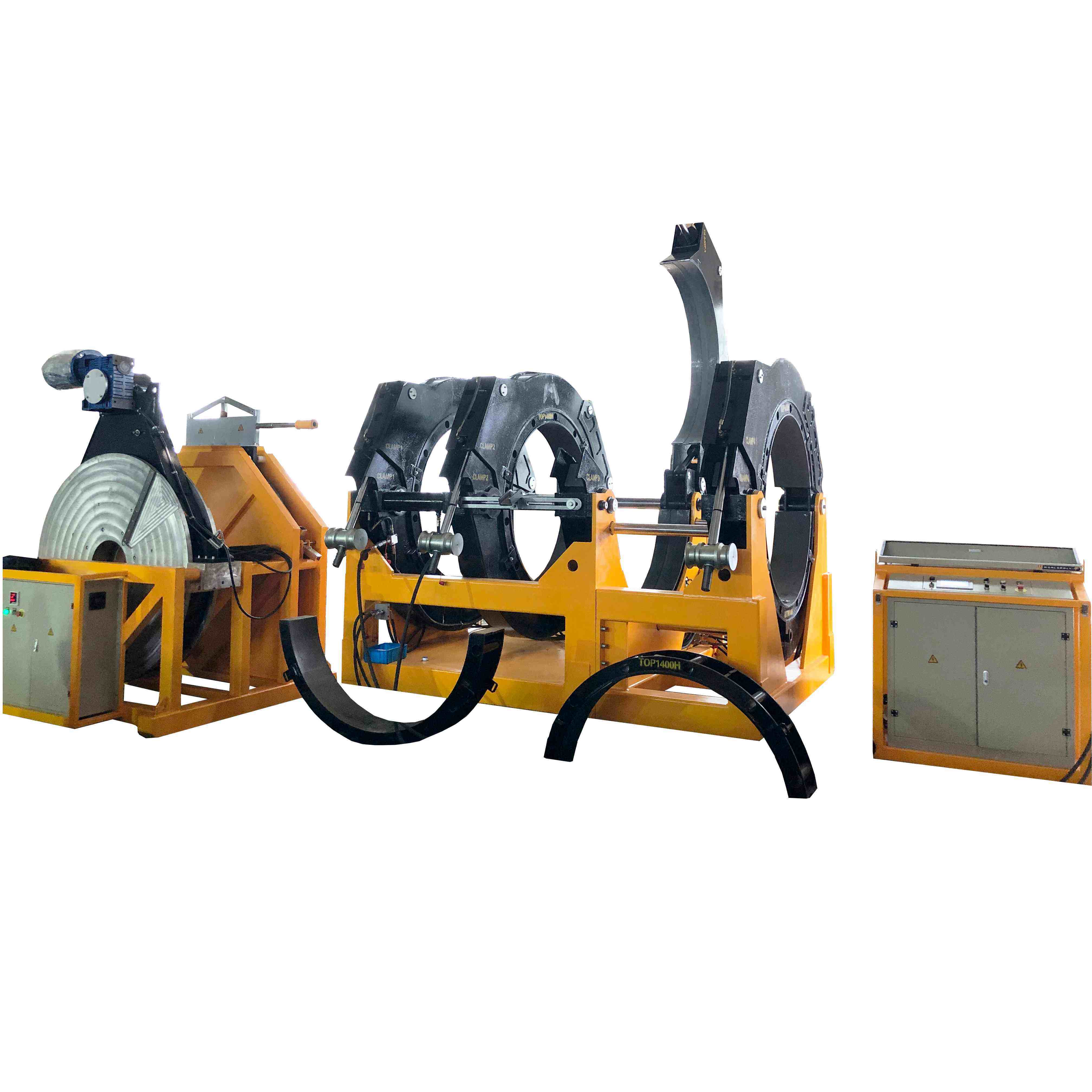
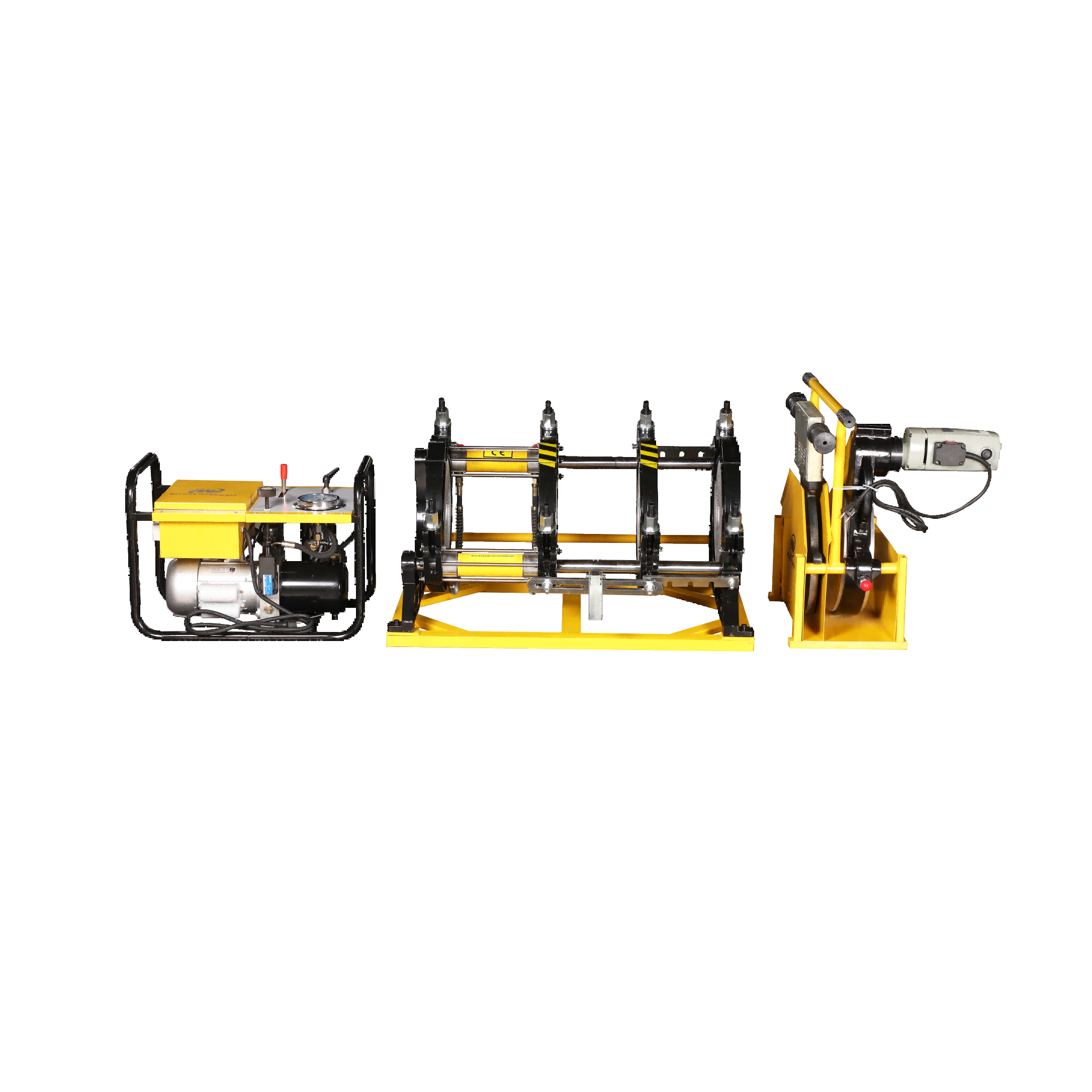
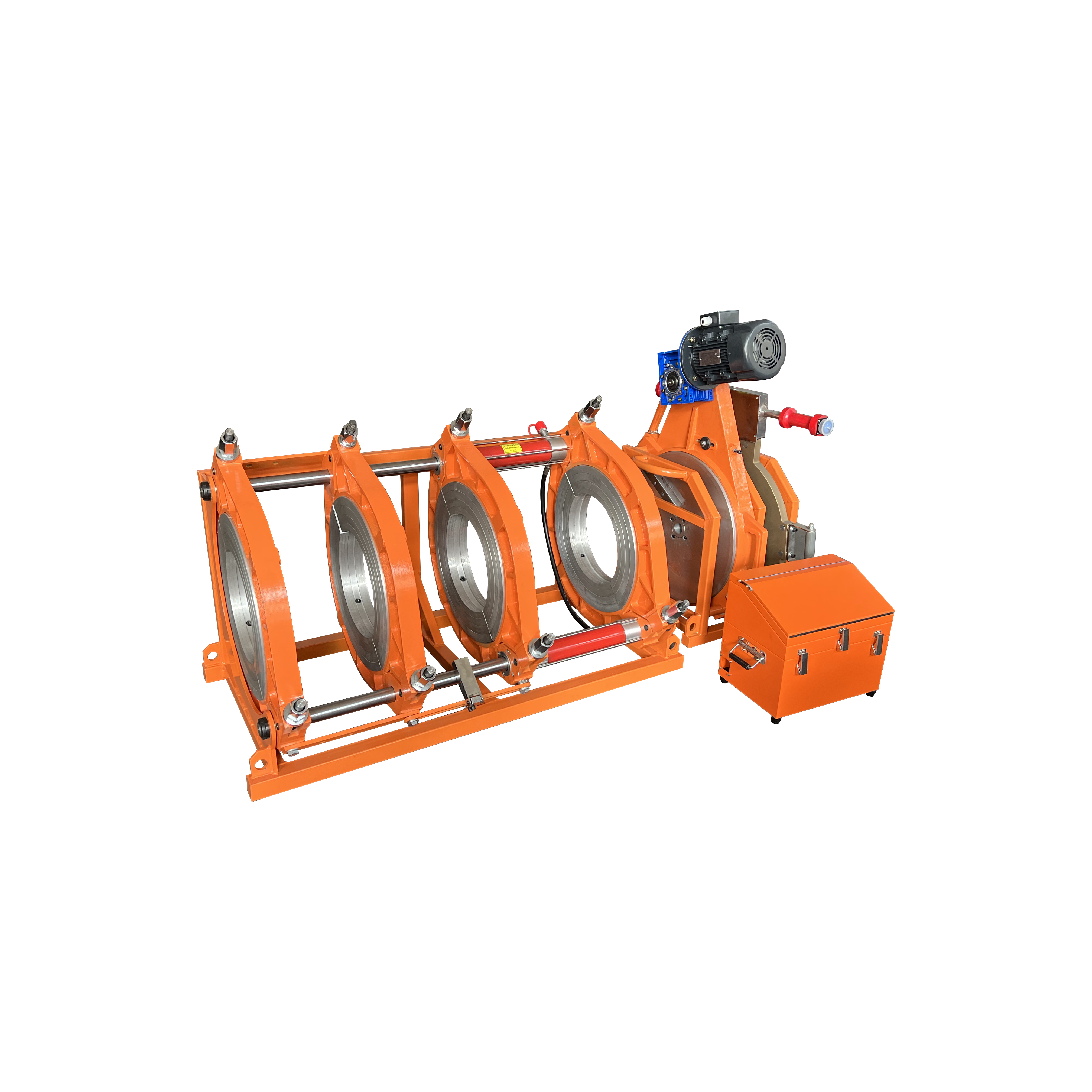
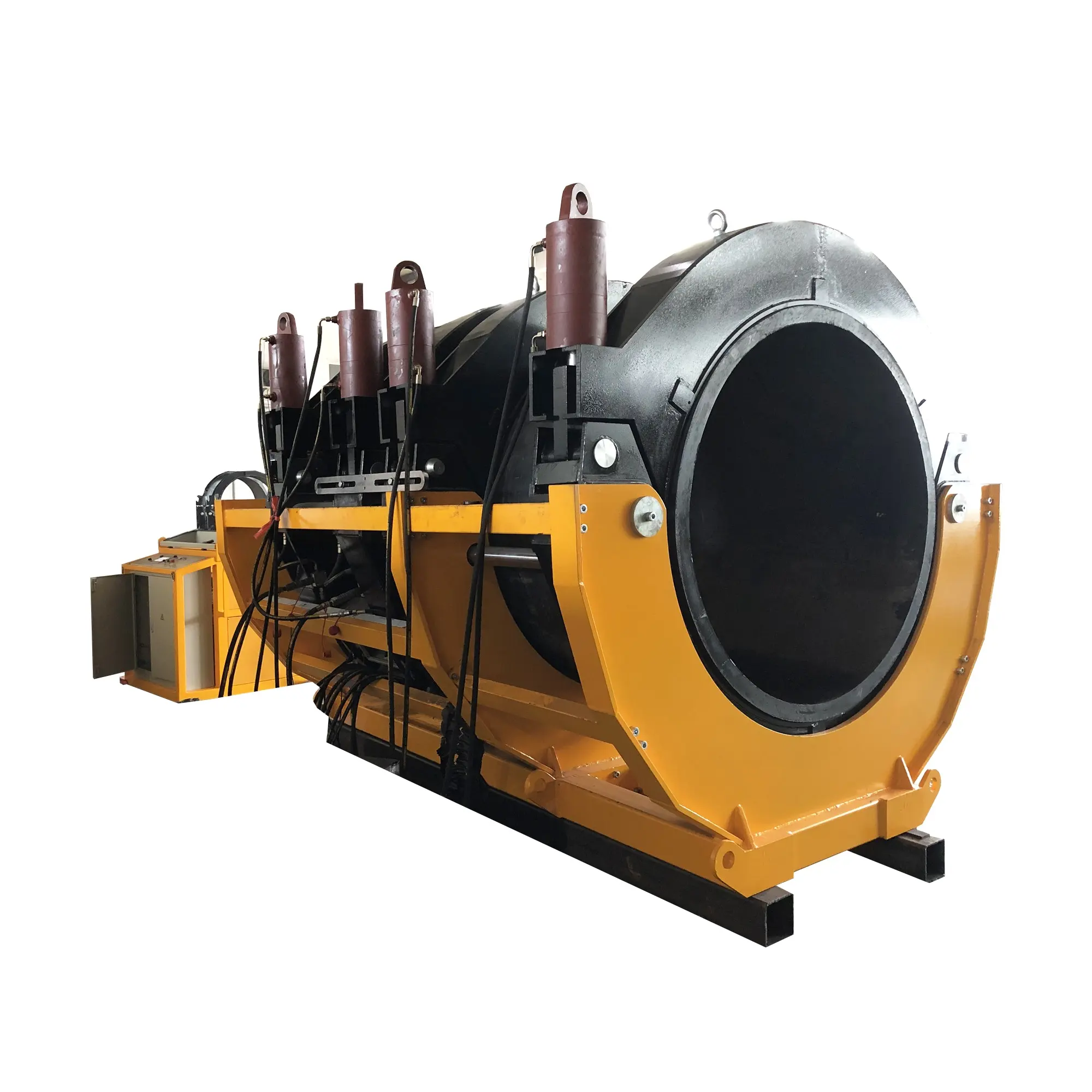
Electro Fusion Welding Machine: Professional Pipeline Joining Solutions for Reliable Thermoplastic Connections

Get a Free Quote

Our representative will contact you soon.
E-mail
Name
Mobile/WhatsApp
Company Name
Message
0/1000

electro fusion welding machine

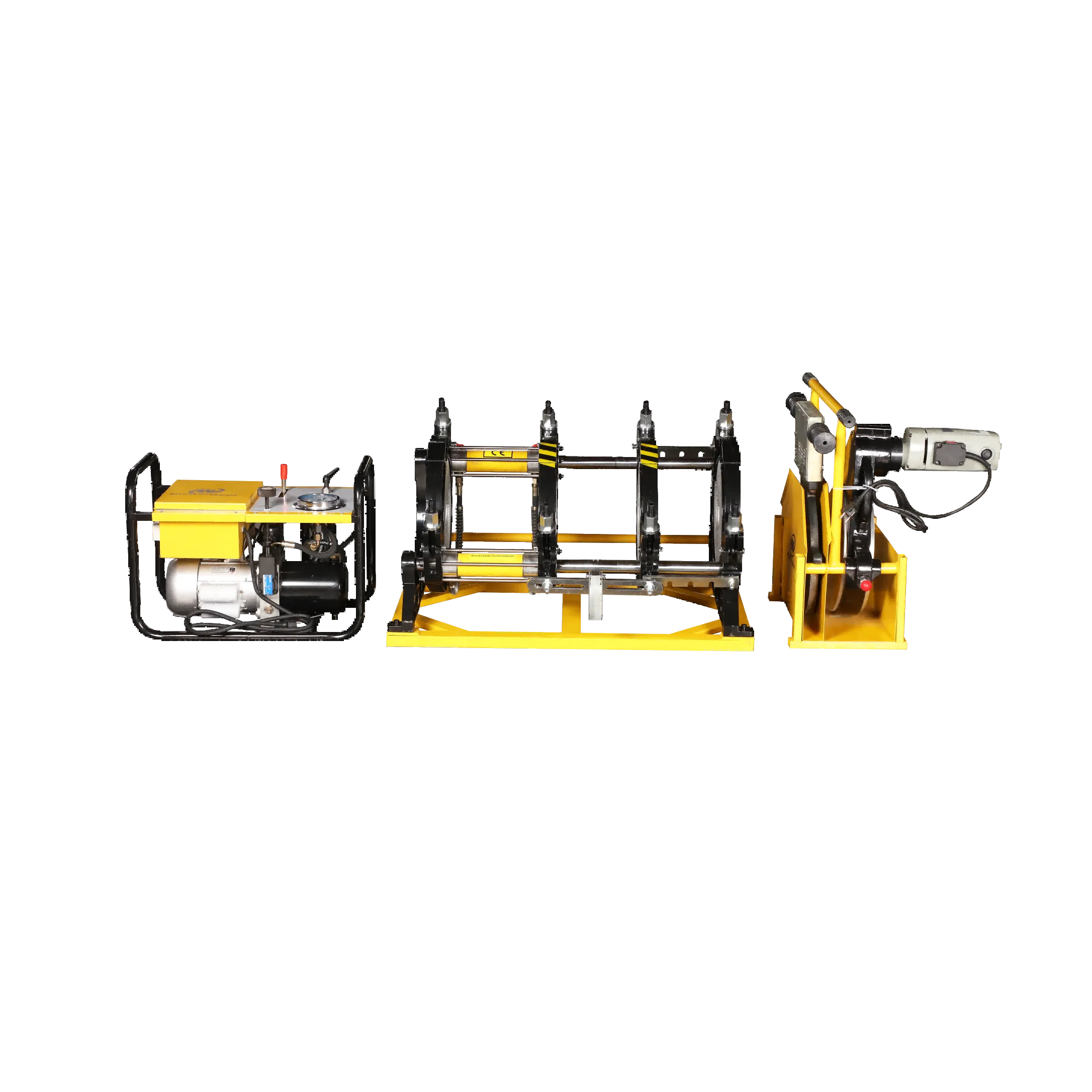
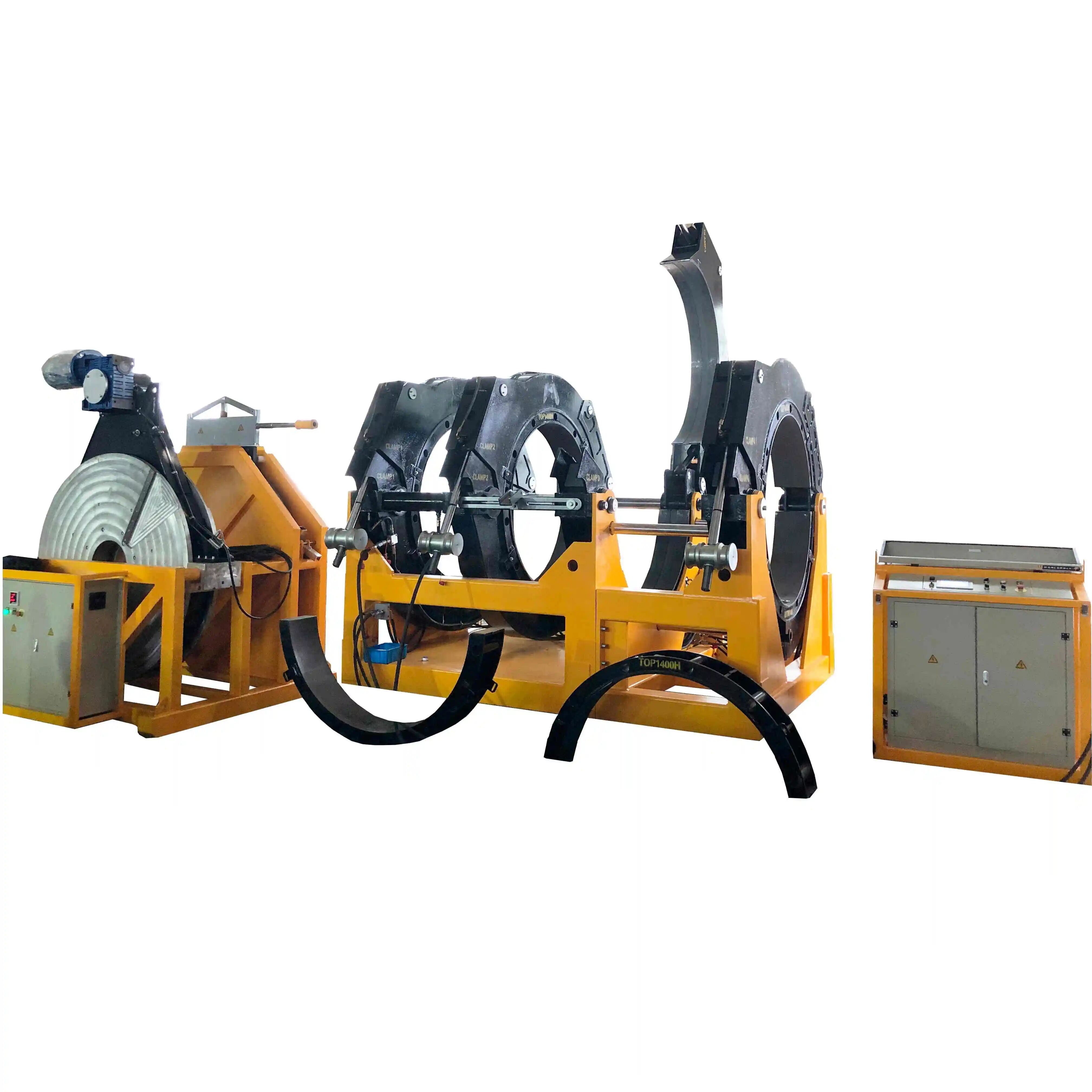
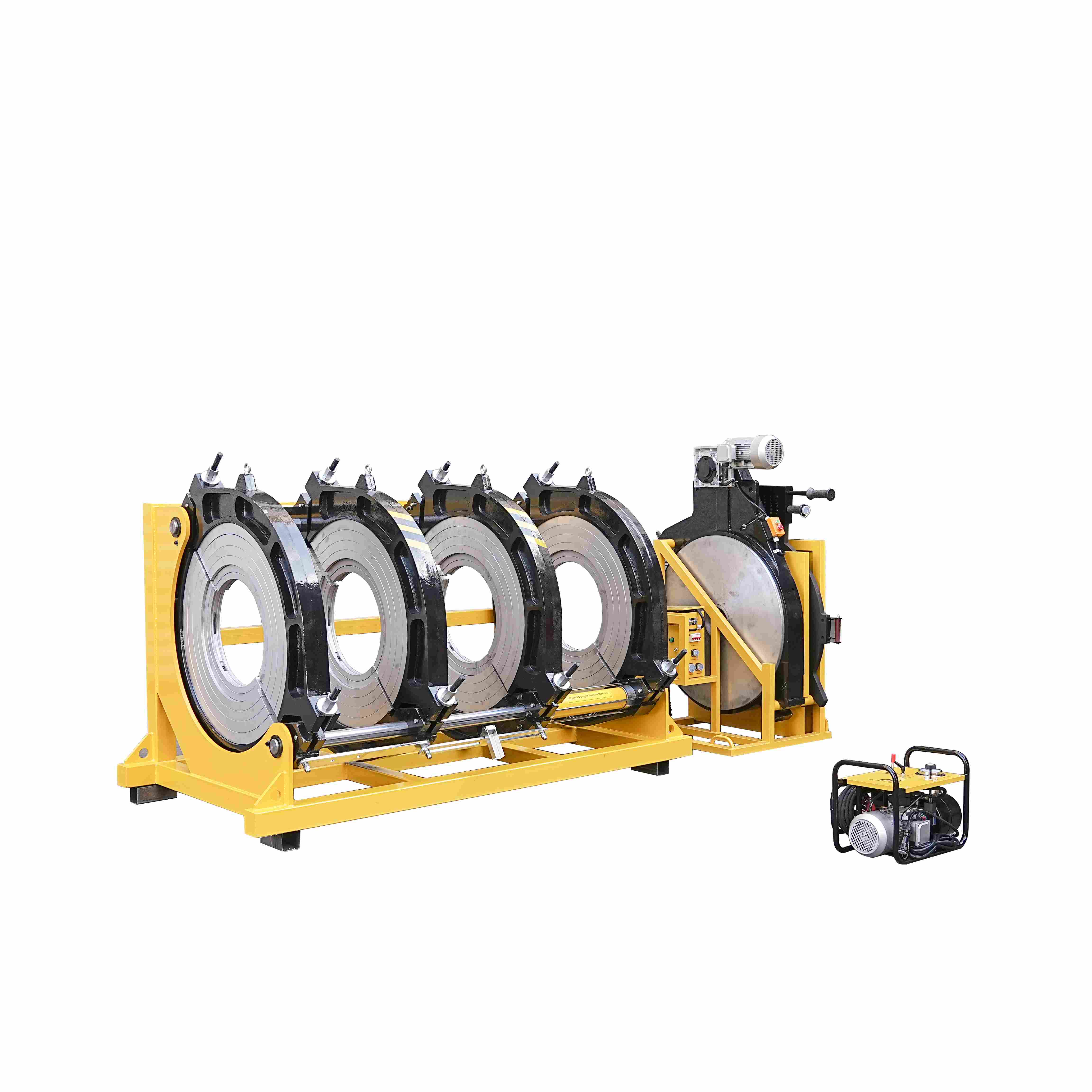
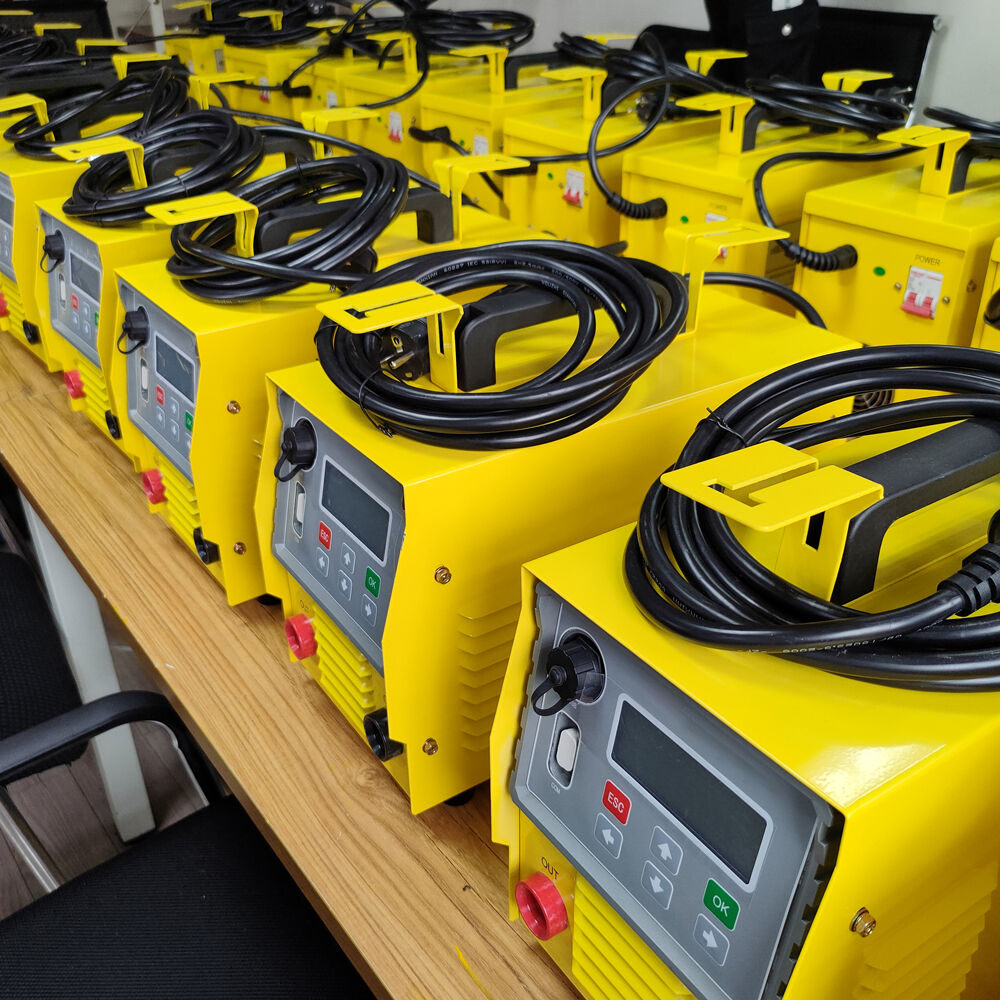
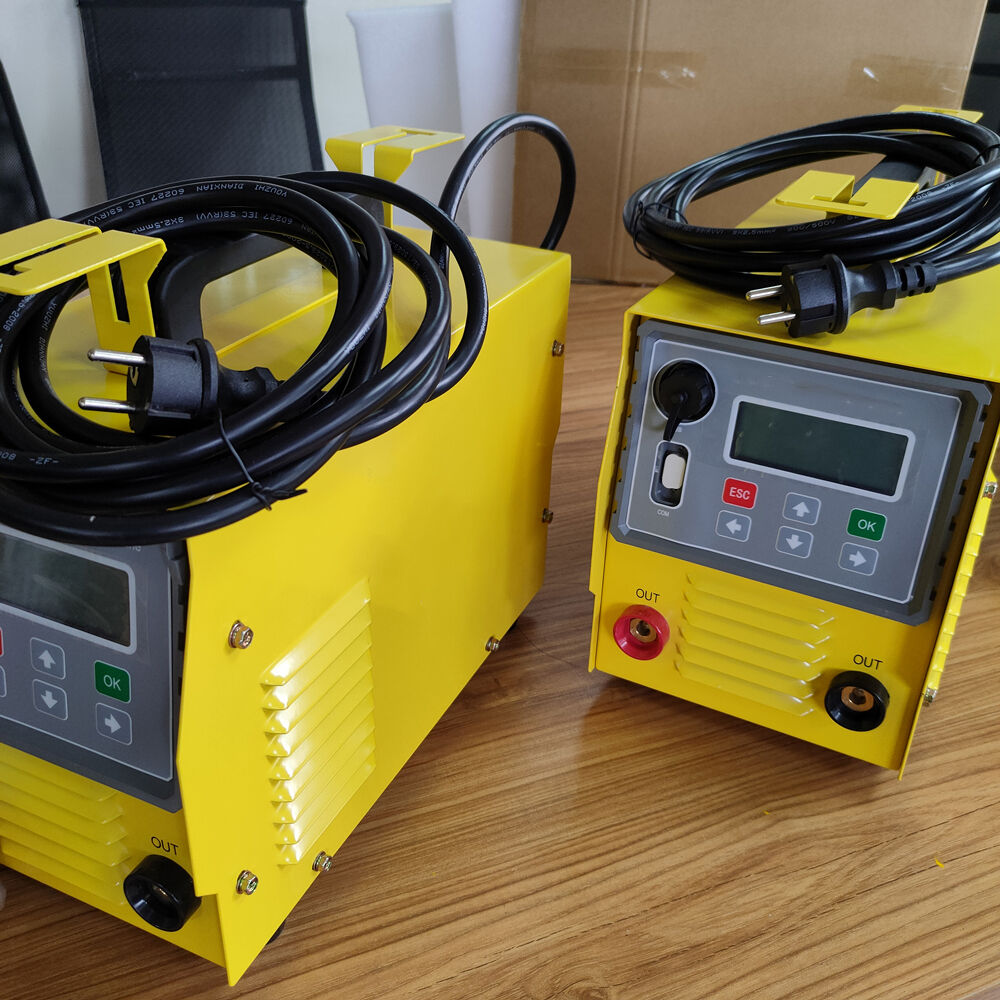
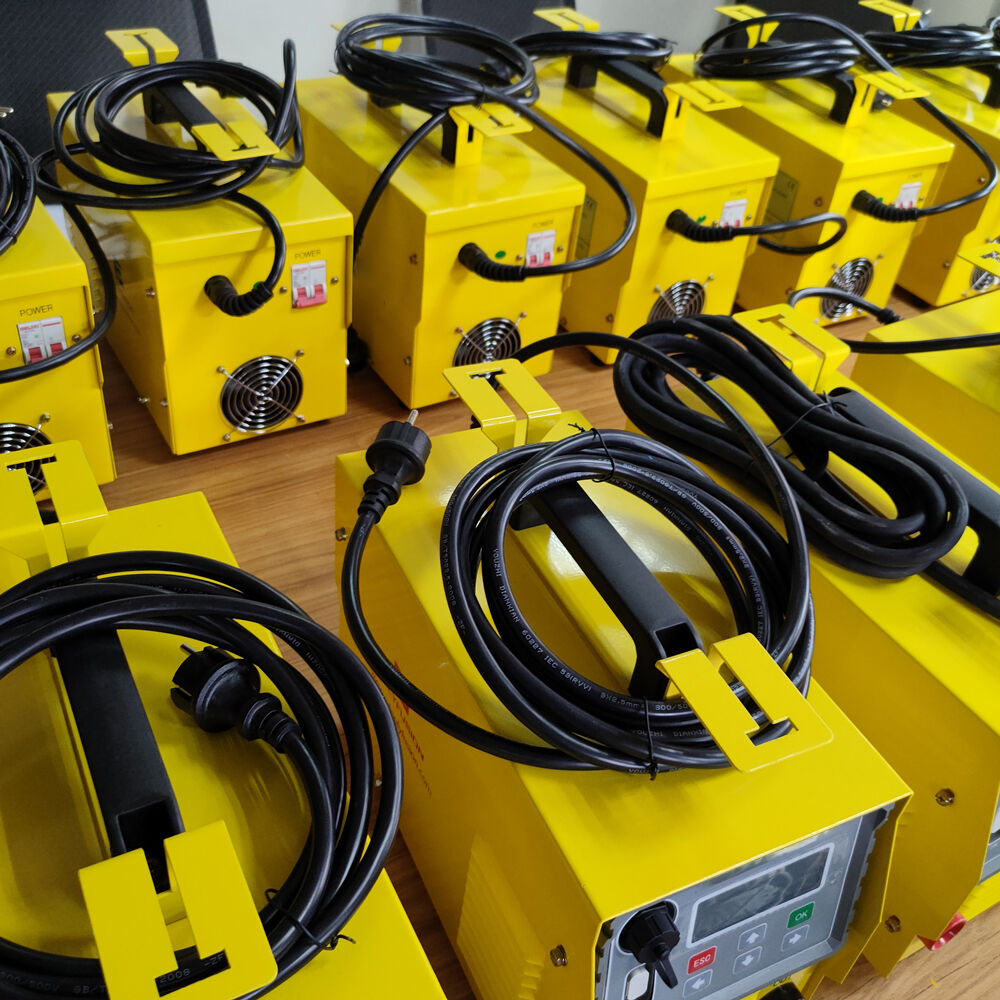
An electro fusion welding machine represents a sophisticated piece of equipment designed specifically for joining thermoplastic pipes and fittings through controlled electrical heating. This technology has revolutionized the way contractors and utility companies connect polyethylene pipelines in water distribution, gas transmission, and industrial fluid systems. The electro fusion welding machine works by passing electrical current through embedded heating coils within specially designed fittings, creating a molecular bond between the pipe and fitting materials. This process eliminates the need for mechanical joints or adhesives, resulting in permanent, leak-proof connections that match the strength of the pipe itself. Modern electro fusion welding machines feature microprocessor controls that automatically adjust voltage, current, and heating duration based on the fitting specifications, which are typically read via barcode scanning technology. The machine monitors the entire fusion process in real-time, recording critical parameters such as resistance changes, temperature profiles, and cooling cycles to ensure each joint meets quality standards. These devices come in various configurations, from compact portable units weighing less than ten kilograms for field applications to larger stationary models for workshop environments. The electro fusion welding machine accommodates pipe diameters ranging from twenty millimeters to over sixteen hundred millimeters, making it versatile across residential, commercial, and industrial projects. Safety features include automatic voltage cutoff, overheating protection, and insulated connection cables that protect operators during the welding process. The technology proves particularly valuable in confined spaces, challenging weather conditions, and situations where traditional butt fusion methods cannot be employed due to space limitations or accessibility constraints.

New Product Releases

The electro fusion welding machine delivers numerous practical benefits that directly impact project timelines, quality outcomes, and overall cost efficiency for companies working with thermoplastic piping systems. First and foremost, this equipment creates joints that are incredibly reliable and durable, with failure rates approaching zero when proper procedures are followed. Unlike mechanical connections that may loosen over time or threaded joints that can corrode, electro fusion welds form homogeneous bonds that actually become stronger than the surrounding pipe material. This reliability translates into fewer callbacks, reduced maintenance costs, and enhanced reputation for contractors who use this technology. The automated nature of the electro fusion welding machine significantly reduces the skill threshold required for creating quality joints. While operators still need training and certification, the machine handles the complex calculations and precise timing that would otherwise demand years of experience to master. This democratization of welding technology allows companies to train new personnel more quickly and maintain consistent quality across different work crews. Time savings represent another major advantage, particularly when working with smaller diameter pipes or in situations requiring multiple connections. The electro fusion welding machine can complete joints in minutes rather than the extended setup and cooling times associated with other methods. This speed becomes especially valuable in urban environments where minimizing disruption to traffic or services is paramount. The equipment also excels in challenging conditions where other welding methods struggle. Rain, wind, dust, or extreme temperatures that would compromise other joining techniques have minimal impact on electro fusion processes since the heating occurs inside the fitting itself, protected from environmental factors. This weather independence keeps projects moving forward regardless of seasonal conditions, preventing costly delays and schedule disruptions. From a quality assurance perspective, the electro fusion welding machine provides built-in documentation capabilities that record every weld parameter automatically. These digital records satisfy regulatory requirements, provide evidence of proper installation for warranty purposes, and create valuable data for long-term infrastructure management. The traceability this technology offers gives project owners confidence in the integrity of their systems and simplifies inspection processes. Additionally, the compact size and portability of many electro fusion welding machine models enable work in confined spaces such as manholes, trenches, or existing structures where larger equipment cannot operate effectively, expanding the range of applications and reducing the need for extensive excavation or workspace preparation.

Practical Tips

How Can a Pipe Welding Machine Ensure Reliable Pipe Connections?

28

Apr

How Can a Pipe Welding Machine Ensure Reliable Pipe Connections?

Reliable pipe connections form the backbone of critical infrastructure systems across water distribution networks, natural gas pipelines, industrial processing facilities, and municipal wastewater management operations. The integrity of these connect...
View More
Why Do Contractors Choose HDPE Fusion Equipment for Water Systems?

01

Apr

Why Do Contractors Choose HDPE Fusion Equipment for Water Systems?

Water infrastructure projects demand reliability, longevity, and cost-effectiveness, making equipment selection a critical decision for contractors. The choice of joining technology directly impacts project timelines, long-term system integrity, and ...
View More
How Can a Plastic Sheet Butt Welding Machine Ensure Strong Seams?

05

May

How Can a Plastic Sheet Butt Welding Machine Ensure Strong Seams?

The strength and integrity of welded plastic seams directly impact the performance, durability, and safety of countless industrial applications, from geomembranes in environmental containment to large-scale tank fabrication. Achieving consistently st...
View More
How Can an HDPE Thermofusion Welding Machine Ensure Leak Free Systems?

23

Jun

How Can an HDPE Thermofusion Welding Machine Ensure Leak Free Systems?

In pipeline infrastructure across water treatment, gas distribution, and industrial fluid handling, achieving a truly leak-free system is one of the most demanding engineering challenges operators face. The HDPE thermofusion welding machine has emerg...
View More

Get a Free Quote

Our representative will contact you soon.
E-mail
Name
Mobile/WhatsApp
Company Name
Message
0/1000

electro fusion welding machine

Precision Control and Automated Welding Process

Precision Control and Automated Welding Process

The electro fusion welding machine incorporates advanced microprocessor technology that transforms pipe joining from a skill-intensive craft into a precisely controlled manufacturing process. At the heart of this capability lies sophisticated software that manages every aspect of the fusion cycle with mathematical accuracy. When an operator connects the electro fusion welding machine to a fitting, the system first reads identification data embedded in the fitting itself, typically through barcode scanning or RFID technology. This data contains the exact electrical parameters required for that specific fitting, including voltage requirements, heating duration, cooling time, and expected resistance values throughout the process. The electro fusion welding machine then automatically configures itself to deliver the precise energy profile needed, eliminating guesswork and human error from the equation. During the actual welding cycle, the equipment continuously monitors electrical resistance across the heating element, using these real-time measurements to detect any anomalies that might indicate improper pipe preparation, contamination, or fitting defects. If the resistance curve deviates from expected patterns, the electro fusion welding machine can pause or abort the fusion process, preventing defective joints from being created. This intelligent feedback system acts as a quality control inspector built directly into the welding equipment, catching problems before they become permanent failures. The precision extends to temperature management as well, with the system calculating the exact amount of energy needed to bring the pipe and fitting materials to their melting point without overheating, which could degrade the polymer structure and compromise joint strength. After the heating phase concludes, the electro fusion welding machine enforces mandatory cooling periods during which the molten material solidifies and crystallizes, developing full mechanical strength. Rushing this cooling phase would create weak joints, but the automated system prevents premature disconnection by keeping the operator informed of progress through clear visual displays and audible signals. The data logging capabilities of modern electro fusion welding machines create permanent records of every joint, capturing parameters such as ambient temperature, actual fusion time, voltage applied, and resistance measurements at multiple points throughout the cycle. These records can be downloaded, archived, and linked to specific project locations, creating an invaluable quality assurance database that proves proper installation techniques were followed and provides forensic data if any joint failures occur years later.
Versatility Across Pipe Sizes and Installation Conditions

Versatility Across Pipe Sizes and Installation Conditions

The electro fusion welding machine demonstrates remarkable adaptability to diverse project requirements, pipe dimensions, and environmental circumstances that would challenge or defeat alternative joining methods. This versatility begins with the equipment's ability to accommodate an extraordinary range of pipe diameters, from small residential service lines measuring just twenty millimeters in diameter up to massive industrial transmission mains exceeding twelve hundred millimeters. The electro fusion welding machine achieves this broad capability through modular design principles, with different output power levels and connector configurations available to match the energy requirements of various fitting sizes. Smaller portable units weighing only a few kilograms can handle residential and light commercial applications, while industrial-grade machines provide the sustained power output needed for large-diameter fittings that require extended fusion cycles. This scalability means contractors can invest in equipment appropriate to their typical project scope while maintaining the option to rent or acquire larger capacity machines for occasional oversized installations. The true versatility of the electro fusion welding machine becomes most apparent when working in challenging physical environments where space constraints, accessibility limitations, or weather conditions would make other welding methods impractical or impossible. Consider renovation projects within existing buildings where pipes must be joined inside walls, ceilings, or mechanical rooms with minimal clearance. The compact profile of electro fusion fittings and the small footprint of portable welding machines enable work in spaces where the larger equipment required for butt fusion simply cannot fit. Similarly, when making connections inside manholes, valve vaults, or trenches, the electro fusion welding machine can be positioned at ground level with extension cables reaching down to the work area, eliminating the need to lower heavy equipment into confined spaces. Weather independence represents another dimension of versatility that contractors particularly value. Traditional fusion welding methods require protecting the pipe ends from moisture, dust, and temperature fluctuations during the heating and cooling cycles, necessitating elaborate weather shelters in outdoor applications. The electro fusion welding machine, by contrast, performs the entire heating process inside the fitting itself, where environmental conditions have minimal impact on joint quality. Rain, snow, wind, or extreme heat that would shut down other welding operations become mere inconveniences rather than showstoppers when using electro fusion technology. This capability keeps projects moving forward through variable weather conditions, preventing schedule delays and allowing work to continue during seasons when other methods would be unreliable.
Long-Term Cost Efficiency and Reduced Total Project Expenses

Long-Term Cost Efficiency and Reduced Total Project Expenses

While the initial purchase price of an electro fusion welding machine might appear substantial compared to simpler joining methods, a comprehensive analysis of total project costs reveals significant financial advantages that quickly justify the investment. The economic benefits begin with reduced labor requirements, as the automated nature of electro fusion technology enables a single trained operator to create high-quality joints without requiring the specialized expertise that manual welding techniques demand. This reduction in skill requirements translates directly into lower labor costs, as companies can deploy technicians with moderate training levels rather than highly specialized welders who command premium wages. The time efficiency of the electro fusion welding machine further amplifies these savings, with typical fusion cycles completing in a fraction of the time required for alternative methods. When this speed advantage multiplies across hundreds or thousands of joints in a large project, the cumulative time savings can reduce total installation duration by weeks or even months, cutting labor costs, equipment rental expenses, and indirect costs associated with extended project timelines. The equipment also minimizes material waste through its precision and reliability, creating successful joints on the first attempt rather than requiring rework or replacement of damaged components. Failed joints represent not just the cost of replacement fittings and pipes, but also the labor hours spent removing defective work, preparing new materials, and repeating the installation process. The electro fusion welding machine's high success rate eliminates most of these waste costs, improving project profitability through better first-time completion rates. From a lifecycle perspective, the superior reliability of electro fusion joints creates long-term value that extends far beyond initial installation savings. Pipeline systems joined with this technology experience dramatically lower failure rates compared to mechanical connections, reducing maintenance costs, emergency repair expenses, and the indirect costs associated with service disruptions. For utilities and facility owners, this reliability translates into improved customer satisfaction, reduced liability exposure, and lower long-term infrastructure maintenance budgets. The documentation capabilities built into modern electro fusion welding machines also contribute to cost efficiency by streamlining quality assurance processes and reducing inspection time. Rather than requiring independent testing of each joint, the digital records produced by the equipment provide verifiable evidence of proper installation, satisfying regulatory requirements and warranty conditions without additional testing expenses. These electronic records also prove invaluable during warranty claims or failure investigations, providing clear evidence of installation quality that can protect contractors from unwarranted liability. The durability and longevity of the electro fusion welding machine itself contributes to overall cost efficiency, with quality units providing decades of reliable service when properly maintained.

Get a Free Quote

Our representative will contact you soon.
E-mail
Name
Mobile/WhatsApp
Company Name
Message
0/1000