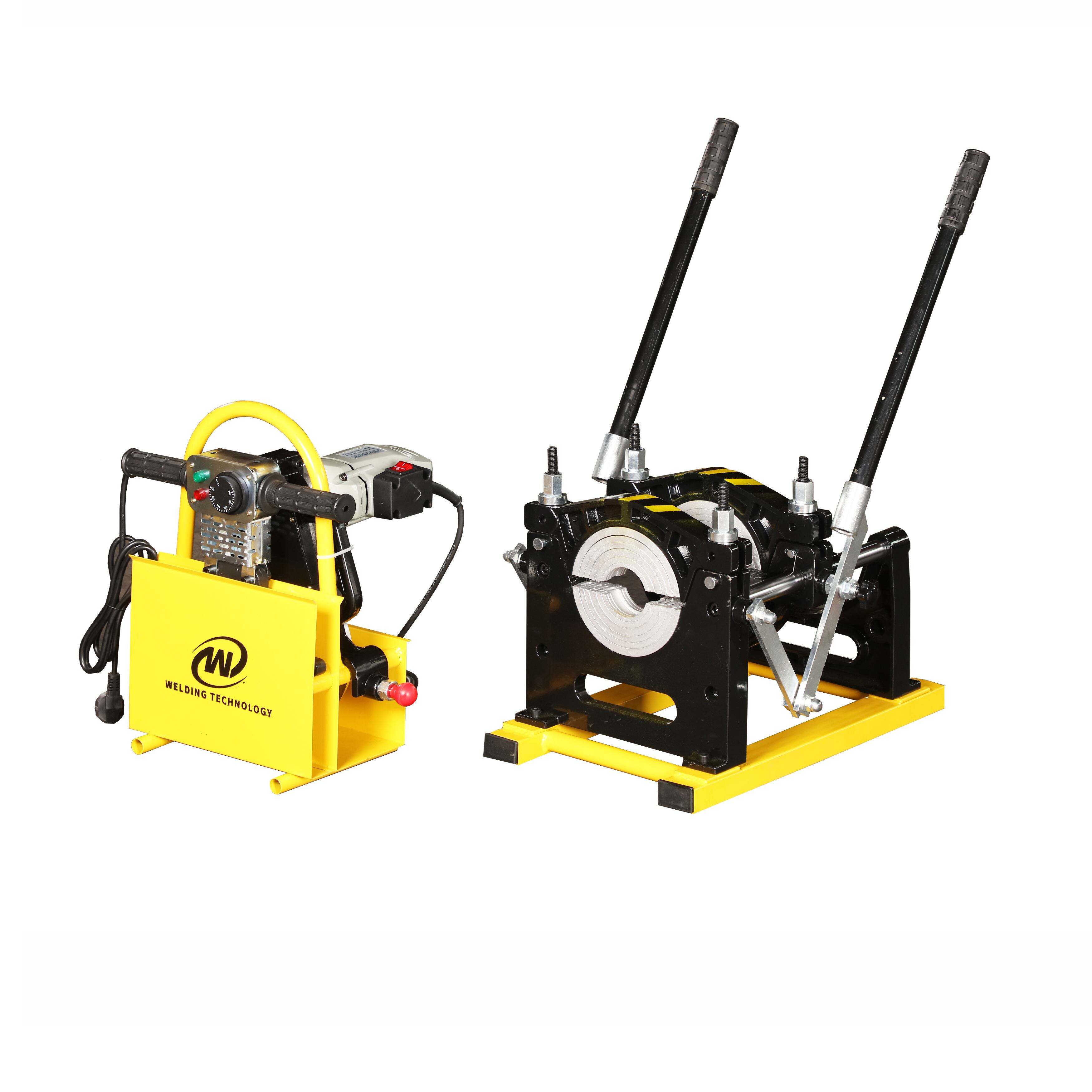
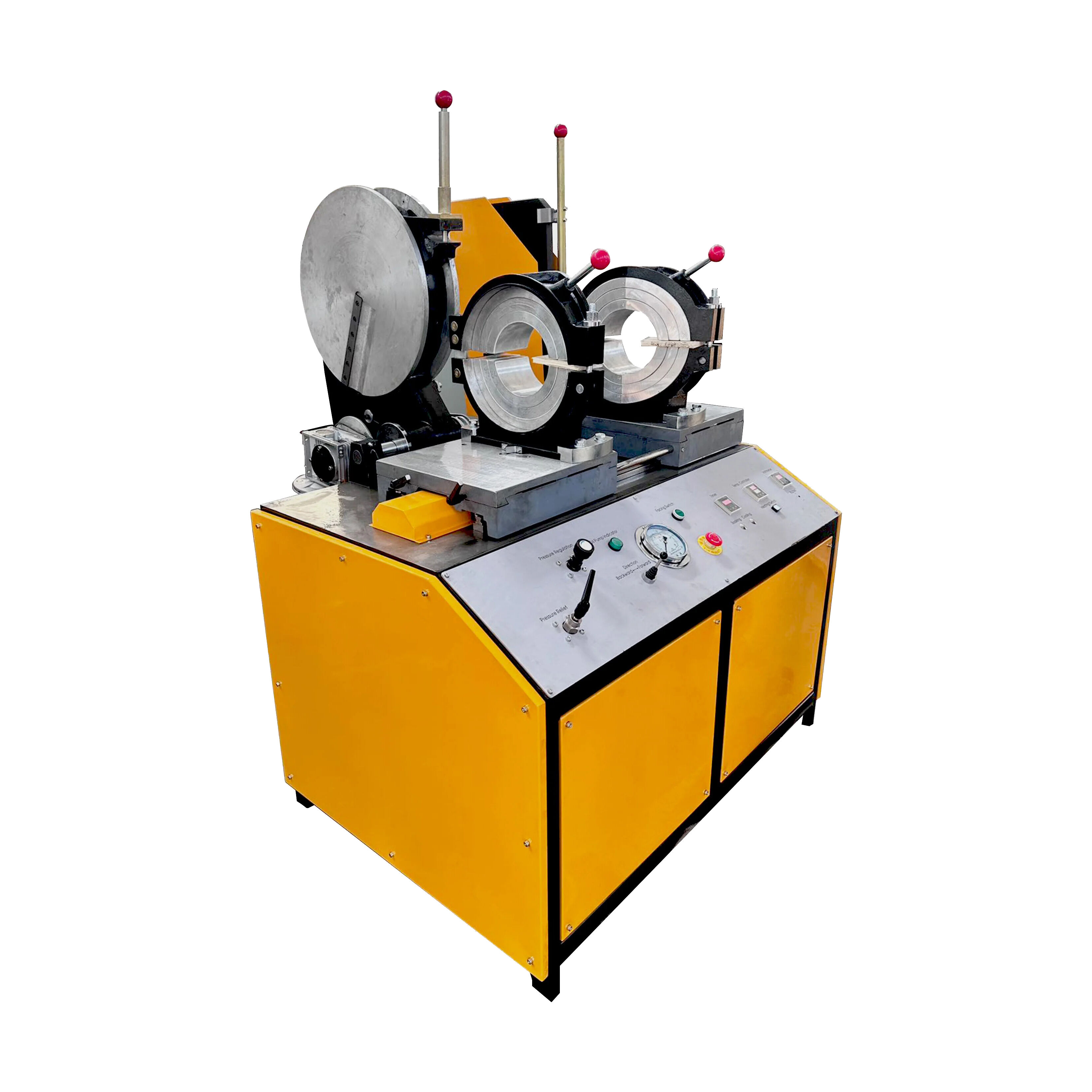
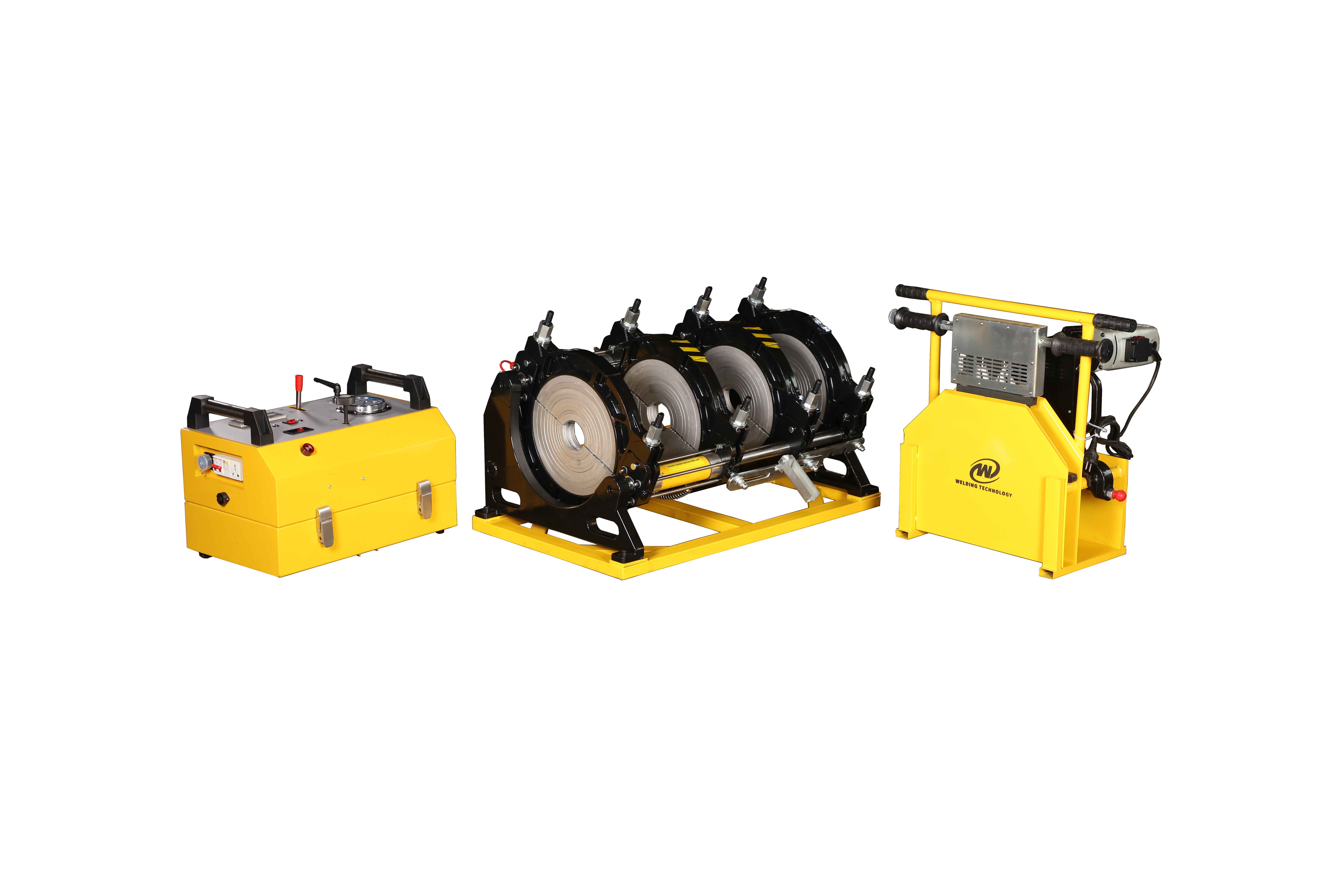
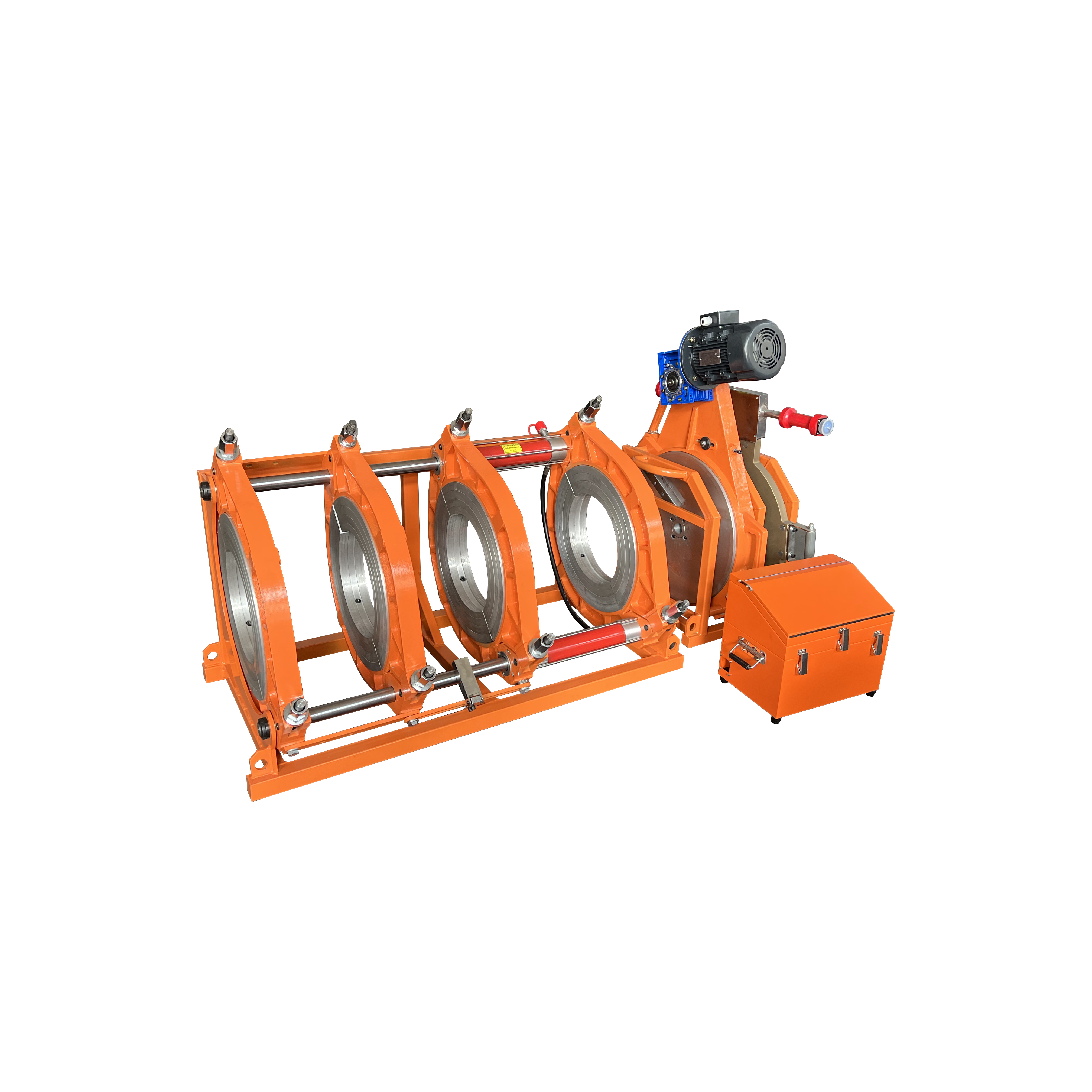
Professional Electrofusion Machine Supplier - Advanced Welding Equipment & Complete Support Solutions

Get a Free Quote

Our representative will contact you soon.
E-mail
Name
Mobile/WhatsApp
Company Name
Message
0/1000

electrofusion machine supplier

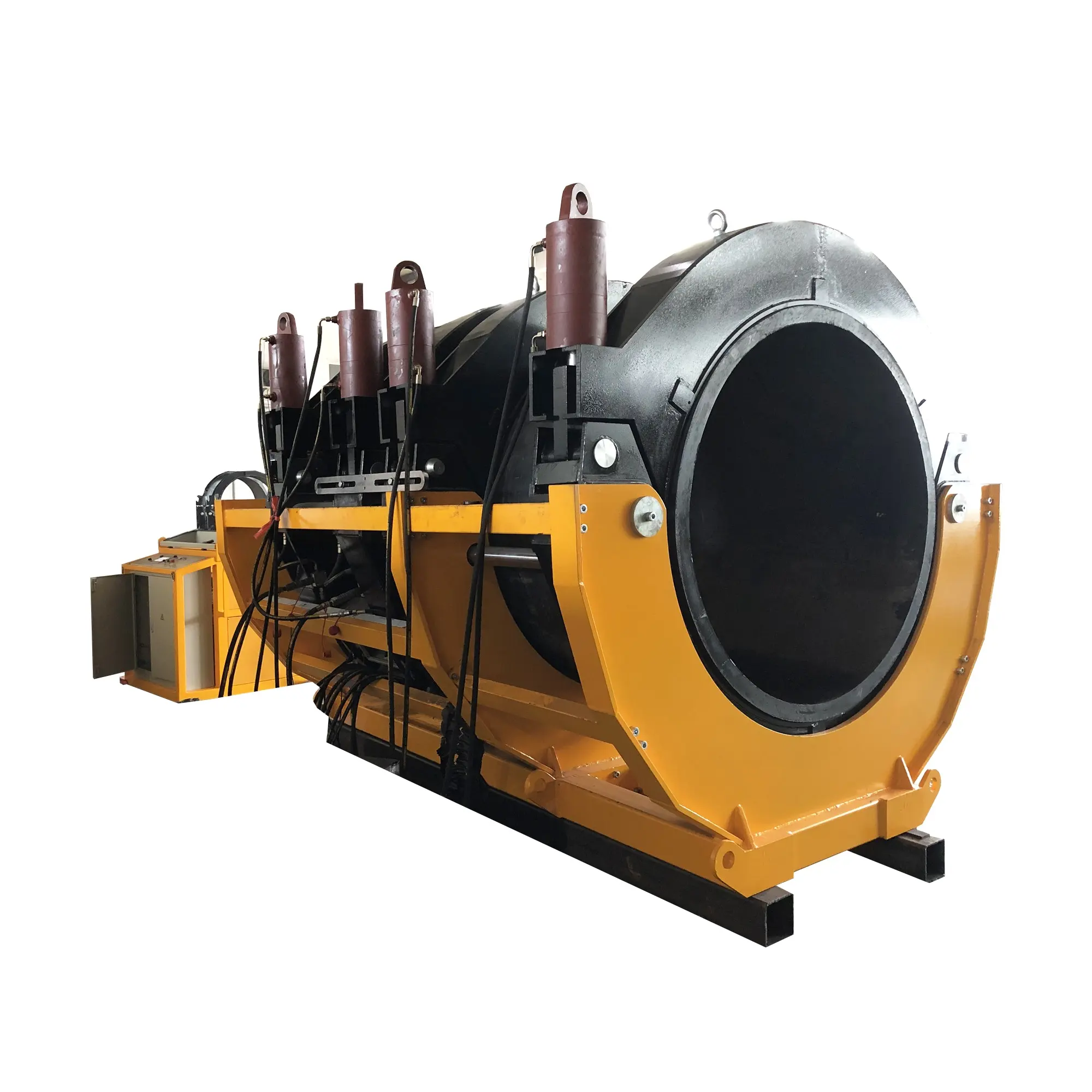
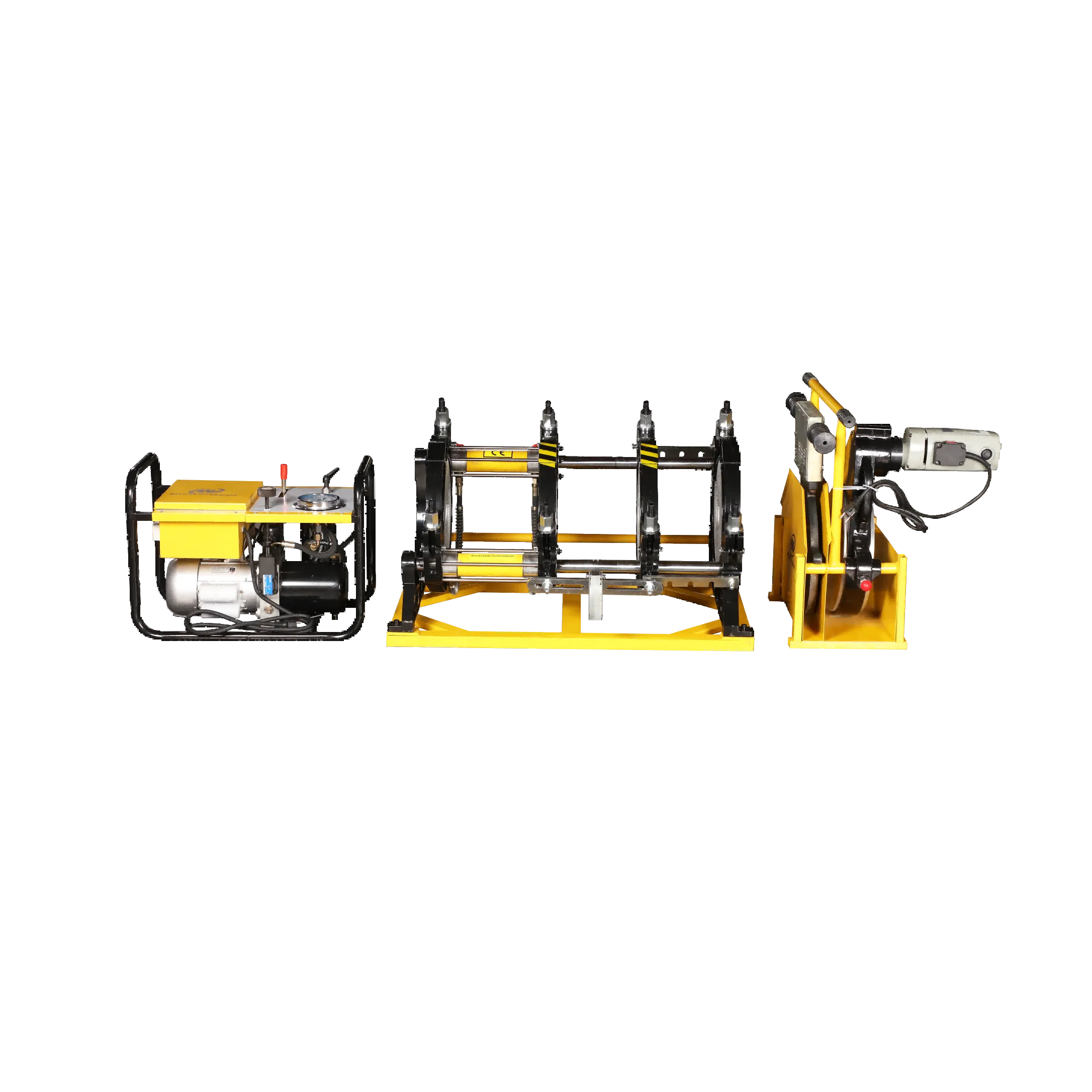
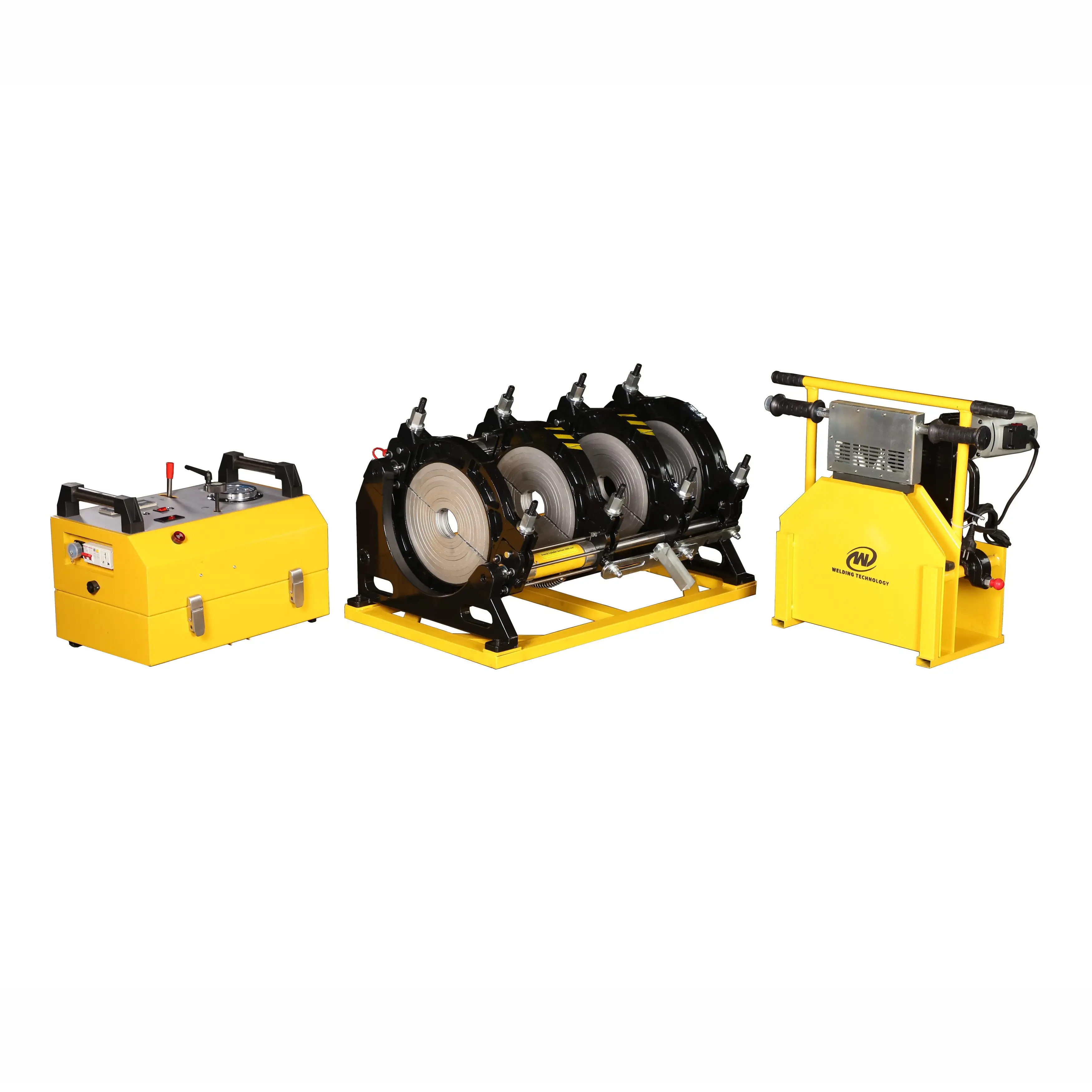
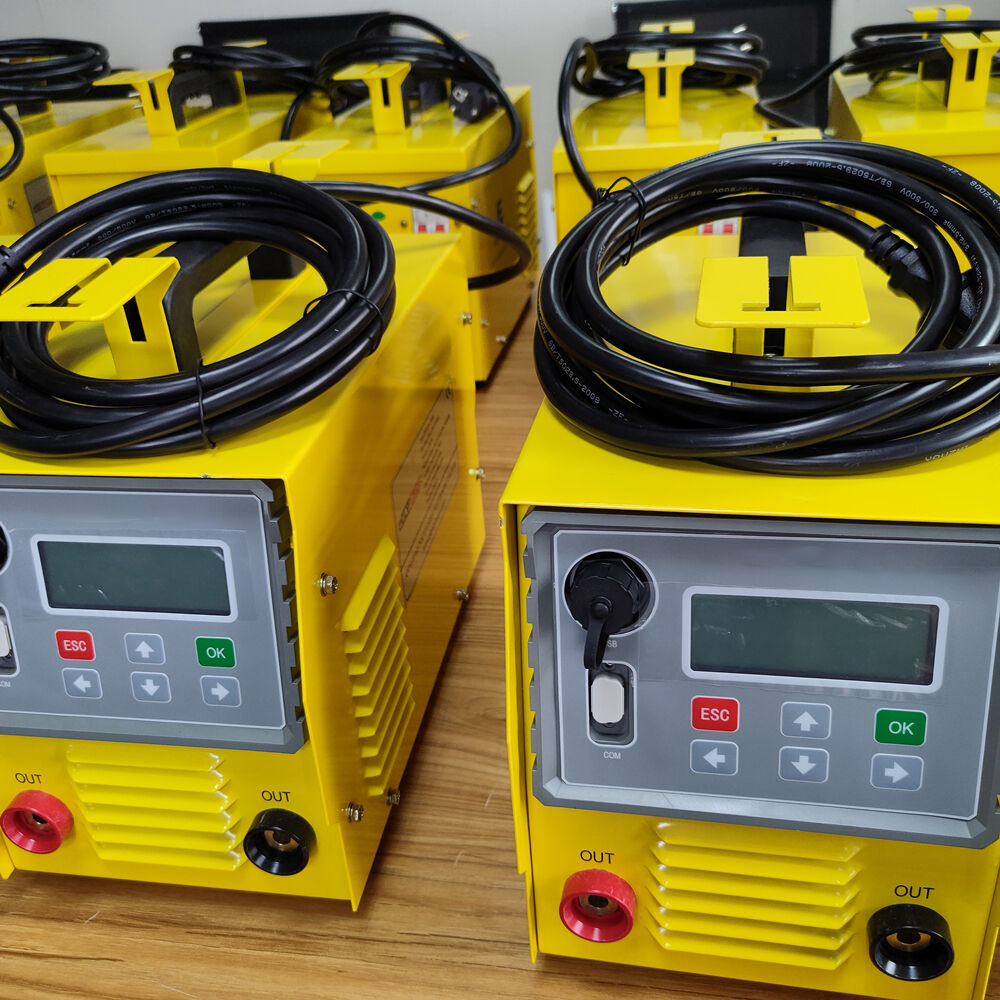
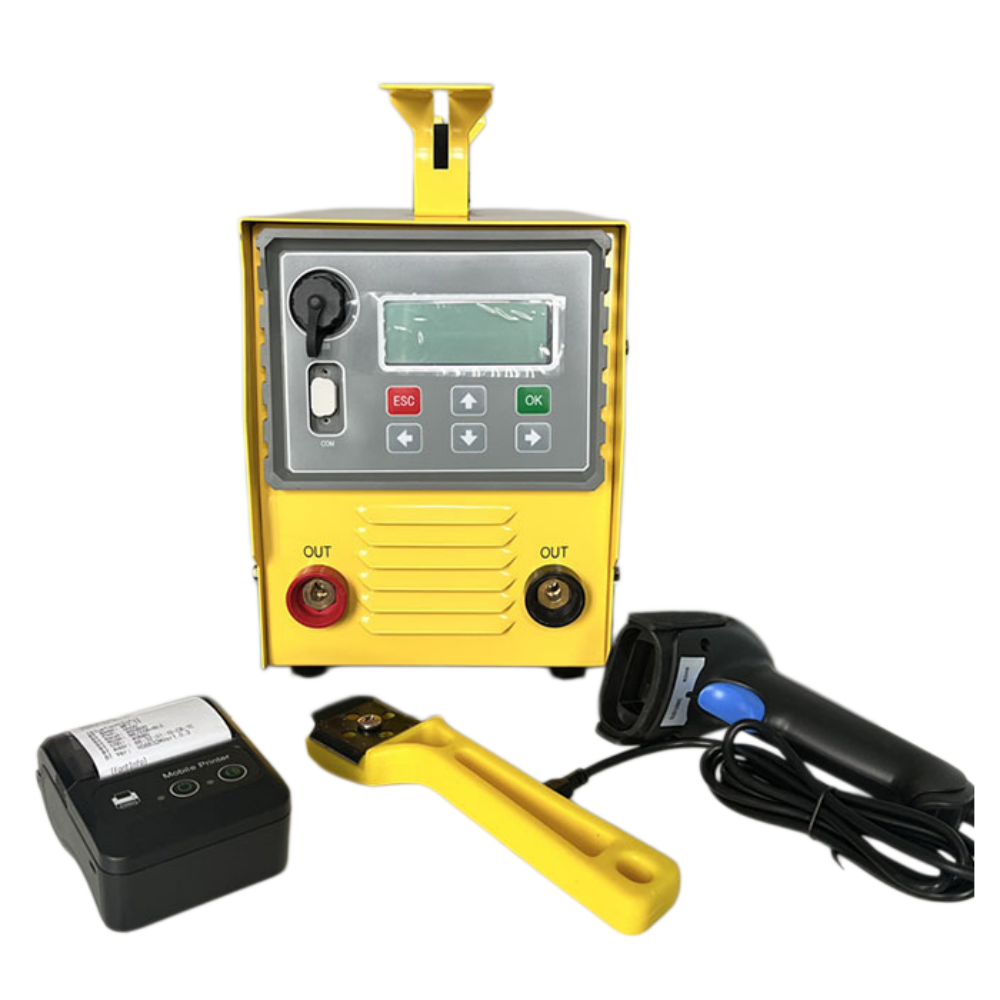
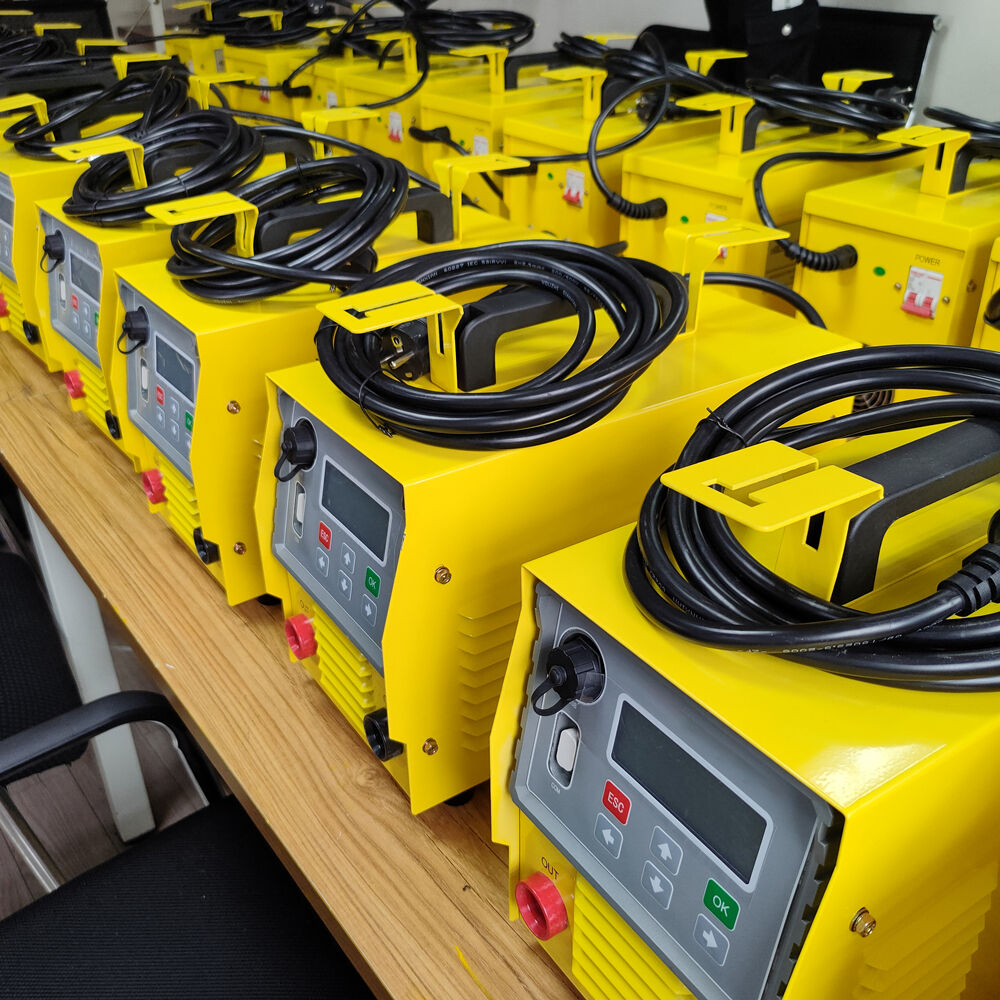
An electrofusion machine supplier plays a critical role in providing specialized equipment designed for joining thermoplastic pipes through the electrofusion welding process. This advanced technology has become indispensable in modern pipeline installation projects across water supply, gas distribution, industrial processing, and mining applications. The primary function of equipment from a reliable electrofusion machine supplier centers on delivering precise electrical current to electrofusion fittings, which contain embedded heating wires that melt the pipe material to create permanent, leak-proof joints. These machines feature sophisticated control systems that monitor voltage, current, and fusion time according to pre-programmed parameters specific to each fitting's barcode identification. Technological innovations from leading electrofusion machine supplier companies include digital displays showing real-time welding data, automatic barcode scanning capabilities that eliminate manual input errors, memory storage for documentation and traceability requirements, and multi-language interfaces for international project deployment. Modern units incorporate safety features such as automatic shutdown mechanisms, overheating protection, and fault detection systems that alert operators to potential issues before compromising joint integrity. The application scope of equipment from an electrofusion machine supplier extends across municipal infrastructure development, petrochemical facilities, wastewater treatment plants, irrigation systems, and underground cable protection conduits. Professional suppliers ensure their machines accommodate various pipe diameters ranging from small residential connections to large-diameter industrial pipelines, supporting polyethylene, polypropylene, and other compatible thermoplastic materials. The portability factor distinguishes quality equipment, with lightweight designs enabling easy transportation between job sites while maintaining rugged construction for demanding field conditions. Battery-powered options from forward-thinking electrofusion machine supplier organizations provide operational flexibility in remote locations without reliable electricity access. Furthermore, comprehensive technical support, operator training programs, and readily available replacement parts define reputable suppliers who understand that equipment reliability directly impacts project timelines and installation quality standards throughout the pipeline construction industry.

New Product Releases

Choosing the right electrofusion machine supplier delivers substantial practical benefits that directly impact your project success and long-term operational efficiency. First and foremost, working with an established supplier guarantees access to equipment that consistently produces high-quality joints with minimal failure rates, reducing costly repairs and system downtime after installation. The precision control systems in machines from reputable suppliers ensure each fusion cycle follows exact specifications, creating connections that meet or exceed industry standards for pressure rating and durability. This reliability translates into peace of mind for contractors and project managers who face tight deadlines and strict quality requirements. Another significant advantage involves the comprehensive support infrastructure that quality suppliers provide, including detailed operation manuals, hands-on training sessions for your crew, and responsive technical assistance when questions arise during fieldwork. This educational component accelerates your team's proficiency, minimizes user errors, and maximizes equipment utilization rates across multiple projects. The investment protection offered by established suppliers also deserves attention, as their machines typically feature durable construction with quality components that withstand years of regular use in challenging environments, delivering better return on investment compared to cheaper alternatives that require frequent repairs or premature replacement. Additionally, equipment from professional suppliers incorporates user-friendly interfaces that simplify operation, reducing the learning curve for new operators and decreasing the likelihood of mistakes that could compromise joint integrity. The data logging capabilities built into modern machines create automatic documentation of every fusion cycle, providing valuable traceability for quality assurance audits and compliance verification without manual record-keeping burdens. Energy efficiency represents another practical benefit, as well-engineered machines optimize power consumption, extending battery life for cordless models and reducing operational costs over time. The versatility of equipment from comprehensive suppliers allows contractors to handle diverse project requirements with a single machine, accommodating different fitting sizes and pipe materials without needing multiple specialized units. This flexibility streamlines equipment inventory management and reduces capital expenditure for growing businesses. Furthermore, suppliers who maintain substantial parts inventories ensure quick access to replacement components, minimizing downtime when maintenance becomes necessary. The diagnostic features in advanced machines help operators identify potential issues early, enabling preventive maintenance that avoids unexpected equipment failures during critical project phases. Finally, partnering with a supplier who stays current with technological advancements means your equipment can receive firmware updates and feature enhancements, extending its useful lifespan and maintaining compatibility with evolving fitting technologies and industry practices.

Practical Tips

How Can a Pipe Welding Machine Ensure Reliable Pipe Connections?

28

Apr

How Can a Pipe Welding Machine Ensure Reliable Pipe Connections?

Reliable pipe connections form the backbone of critical infrastructure systems across water distribution networks, natural gas pipelines, industrial processing facilities, and municipal wastewater management operations. The integrity of these connect...
View More
How Does an HDPE Thermofusion Machine Improve Pipeline Performance?

24

Apr

How Does an HDPE Thermofusion Machine Improve Pipeline Performance?

Pipeline integrity stands as a critical concern across industries ranging from municipal water distribution to industrial gas transport, and the welding technology employed directly determines long-term performance outcomes. An HDPE thermofusion mach...
View More
What Is an HDPE Thermofusion Machine and How Does It Work?

10

Apr

What Is an HDPE Thermofusion Machine and How Does It Work?

High-density polyethylene (HDPE) piping systems have become the backbone of modern infrastructure projects, from municipal water distribution networks to industrial chemical transport lines. At the heart of creating reliable, leak-free HDPE pipe conn...
View More
Why Do Contractors Choose HDPE Fusion Equipment for Water Systems?

01

Apr

Why Do Contractors Choose HDPE Fusion Equipment for Water Systems?

Water infrastructure projects demand reliability, longevity, and cost-effectiveness, making equipment selection a critical decision for contractors. The choice of joining technology directly impacts project timelines, long-term system integrity, and ...
View More

Get a Free Quote

Our representative will contact you soon.
E-mail
Name
Mobile/WhatsApp
Company Name
Message
0/1000

electrofusion machine supplier

Advanced Precision Control Technology for Consistent Joint Quality

Advanced Precision Control Technology for Consistent Joint Quality

The cornerstone advantage of partnering with a premium electrofusion machine supplier lies in the sophisticated precision control technology integrated into their equipment, which fundamentally transforms the reliability and consistency of pipe joining operations. This advanced technological framework operates through microprocessor-based systems that manage every aspect of the fusion cycle with exceptional accuracy, eliminating the variability that often plagues manual welding techniques. When operators scan the barcode on an electrofusion fitting, the machine automatically retrieves the exact fusion parameters programmed by the fitting manufacturer, including precise voltage requirements, current specifications, and optimal fusion duration. This automated parameter selection removes human error from the equation, ensuring that even less experienced operators achieve professional-grade results consistently across hundreds of joints. The real-time monitoring capabilities represent another dimension of this precision control advantage, as sensors continuously track electrical resistance, temperature development, and energy delivery throughout each fusion cycle. If the system detects any deviation from expected parameters such as poor electrical contact, inadequate cleaning preparation, or environmental factors affecting heat distribution, it immediately alerts the operator and can automatically adjust power delivery or terminate the cycle to prevent defective joints. This intelligent responsiveness protects project quality while teaching operators to recognize and correct preparation issues before they compromise installation integrity. The documentation aspect of precision control technology provides immense value for quality assurance and regulatory compliance, as the machine automatically records complete fusion data for each joint, including date, time, operator identification, fitting barcode, actual fusion parameters, and completion status. This electronic record-keeping creates an auditable trail that satisfies stringent quality management requirements in municipal water systems, natural gas networks, and industrial applications where joint failure could result in environmental hazards or safety incidents. For contractors working on projects with rigorous inspection protocols, this automatic documentation eliminates tedious manual logging while providing inspectors with detailed, tamper-proof evidence of proper installation procedures. The precision control systems from leading electrofusion machine supplier companies also incorporate adaptive algorithms that compensate for variable ambient temperatures, voltage fluctuations in power sources, and cable resistance in extended electrical connections, maintaining consistent fusion quality regardless of challenging field conditions that would compromise simpler equipment designs.
Comprehensive Support Infrastructure and Technical Expertise

Comprehensive Support Infrastructure and Technical Expertise

Selecting an electrofusion machine supplier extends far beyond the initial equipment purchase, encompassing a comprehensive support infrastructure that significantly influences your operational success and long-term productivity. Distinguished suppliers recognize that sophisticated fusion equipment requires proper training, ongoing technical guidance, and responsive problem-solving assistance to deliver its full potential value. The training programs offered by professional suppliers provide structured learning experiences that transform novice operators into confident, competent technicians who understand not just how to run the machine, but why specific procedures matter for joint quality. These educational initiatives typically combine classroom instruction covering fusion theory, material properties, and quality standards with hands-on practice sessions where participants complete actual fusions under expert supervision, receiving immediate feedback that reinforces proper techniques. This investment in operator competency pays dividends through reduced error rates, faster installation speeds, and enhanced ability to troubleshoot minor issues without requiring external assistance. The ongoing technical support dimension distinguishes exceptional suppliers from equipment vendors, as their knowledgeable staff remains available via phone, email, or remote diagnostics to help resolve questions or concerns that arise during projects. This accessibility proves invaluable when operators encounter unfamiliar situations such as unusual fitting types, challenging environmental conditions, or unexpected equipment behavior that requires expert interpretation. Rather than halting work while searching for answers, contractors can quickly consult with specialists who understand the equipment intimately and can provide targeted guidance that keeps projects moving forward. The maintenance support infrastructure represents another critical element, as quality suppliers maintain comprehensive inventories of replacement parts, consumable items, and accessories that contractors need for sustained operations. This parts availability ensures minimal downtime when components eventually wear out or require replacement, contrasting sharply with suppliers who force customers to endure lengthy backorder delays that stall projects and damage client relationships. Furthermore, established suppliers often provide preventive maintenance programs, calibration services, and equipment inspection offerings that help contractors maintain optimal machine performance throughout its service life, preventing minor issues from escalating into major failures. The technical resources such as detailed operation manuals, troubleshooting guides, video tutorials, and best practice documentation that professional suppliers develop represent accumulated expertise that benefits every customer. These materials serve as permanent reference resources that support operator training, refresh procedural knowledge, and assist with resolving uncommon situations that exceed routine operational experience.
Future-Ready Equipment Design and Technology Integration

Future-Ready Equipment Design and Technology Integration

Forward-thinking electrofusion machine supplier organizations distinguish themselves through equipment designs that anticipate evolving industry needs and incorporate technological innovations that position contractors for long-term competitive advantage. This future-ready approach manifests in multiple dimensions, beginning with modular hardware architectures that support upgrades and enhancements as new capabilities emerge. Rather than facing complete equipment obsolescence when new fitting technologies or industry standards arrive, contractors benefit from firmware updates, software expansions, and component retrofits that extend machine relevance and protect capital investments. The connectivity features integrated into modern equipment from progressive suppliers exemplify this forward-looking design philosophy, as built-in wireless capabilities enable data synchronization with project management systems, cloud-based documentation platforms, and quality tracking databases. This digital integration eliminates redundant data entry, reduces administrative overhead, and provides project managers with real-time visibility into installation progress and quality metrics across multiple job sites simultaneously. The environmental adaptability engineered into premium equipment represents another future-focused advantage, as sophisticated thermal management systems, sealed electronic enclosures, and ruggedized construction enable reliable operation across extreme temperature ranges, high humidity conditions, dusty environments, and challenging field situations that would disable lesser machines. This operational resilience ensures that contractors can confidently commit to projects in diverse geographical locations and climate zones without equipment limitations constraining their market opportunities. The power flexibility incorporated by leading suppliers addresses the reality of varied working conditions, with equipment capable of operating from multiple power sources including standard electrical outlets, portable generators, vehicle power systems, and high-capacity rechargeable batteries. This versatility eliminates the logistical constraints that force competitors to decline projects in remote locations or off-grid installations where conventional power access proves challenging. The user interface evolution in modern machines reflects supplier commitment to operational efficiency, as intuitive touchscreen displays, graphical fusion progress indicators, and simplified menu structures reduce training requirements while accelerating task completion for experienced operators. The diagnostic intelligence embedded in advanced equipment provides predictive maintenance insights that alert operators to components approaching end-of-life thresholds, enabling planned replacement during scheduled downtime rather than unexpected failures during critical project phases. This proactive maintenance capability minimizes costly disruptions while optimizing equipment availability and utilization rates that directly impact profitability.

Get a Free Quote

Our representative will contact you soon.
E-mail
Name
Mobile/WhatsApp
Company Name
Message
0/1000