Electro Fusion Welder: Advanced Pipeline Joining Technology for Reliable Infrastructure

Get a Free Quote

Our representative will contact you soon.
E-mail
Name
Mobile/WhatsApp
Company Name
Message
0/1000

electro fusion welder

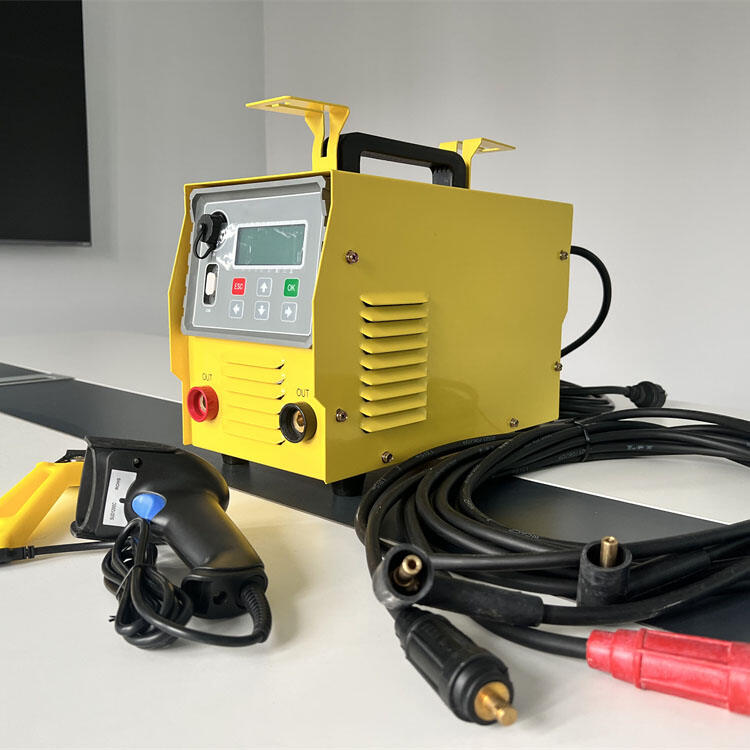
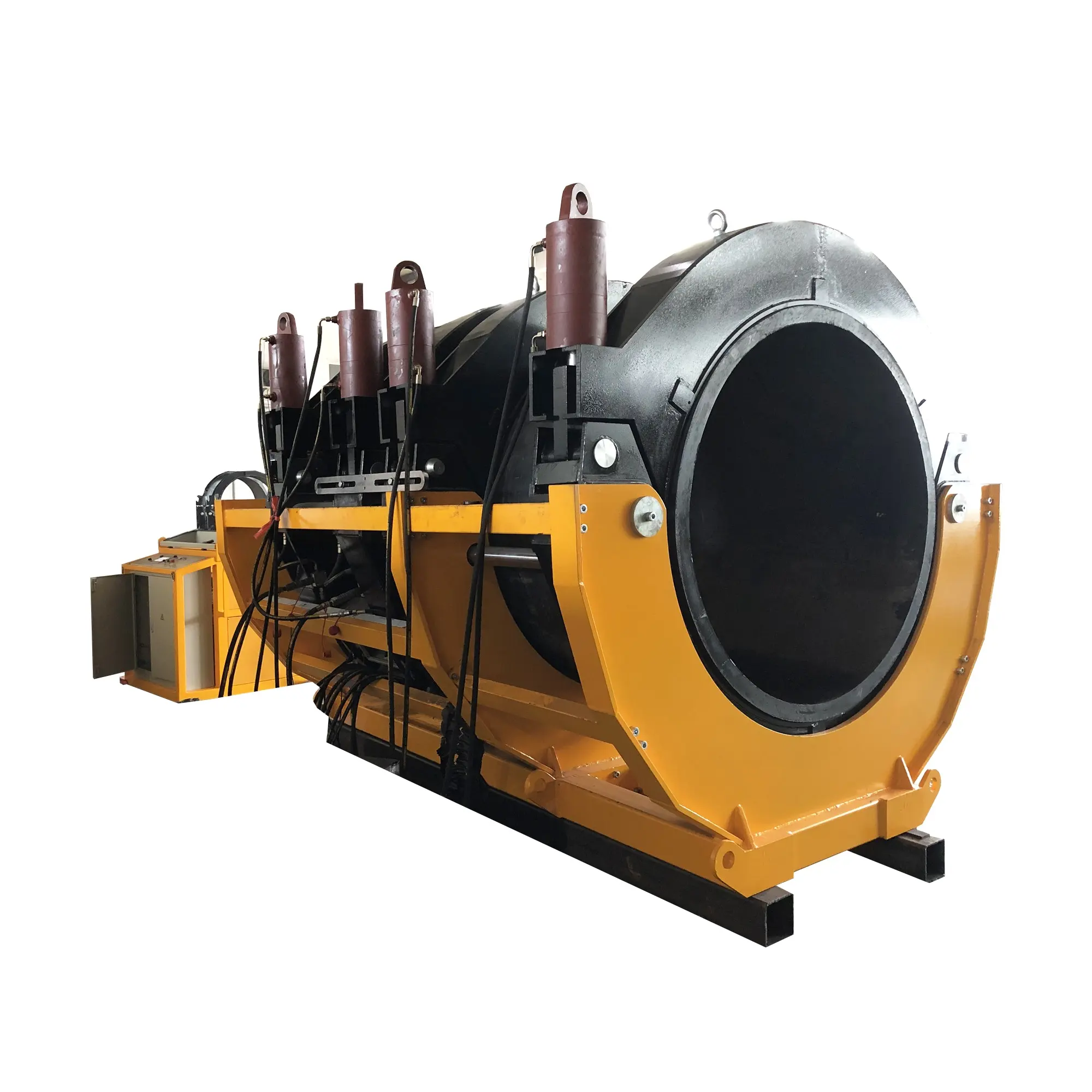
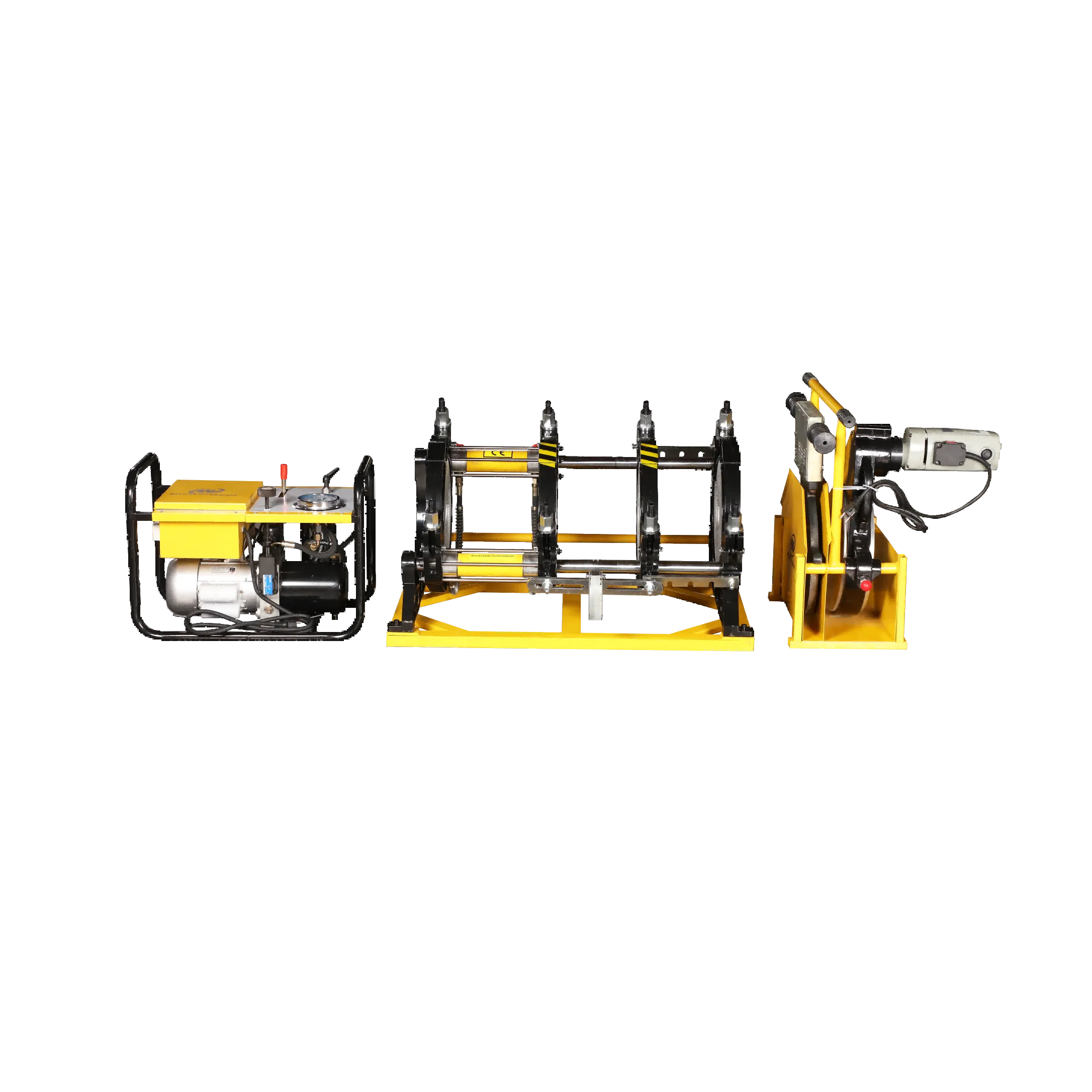
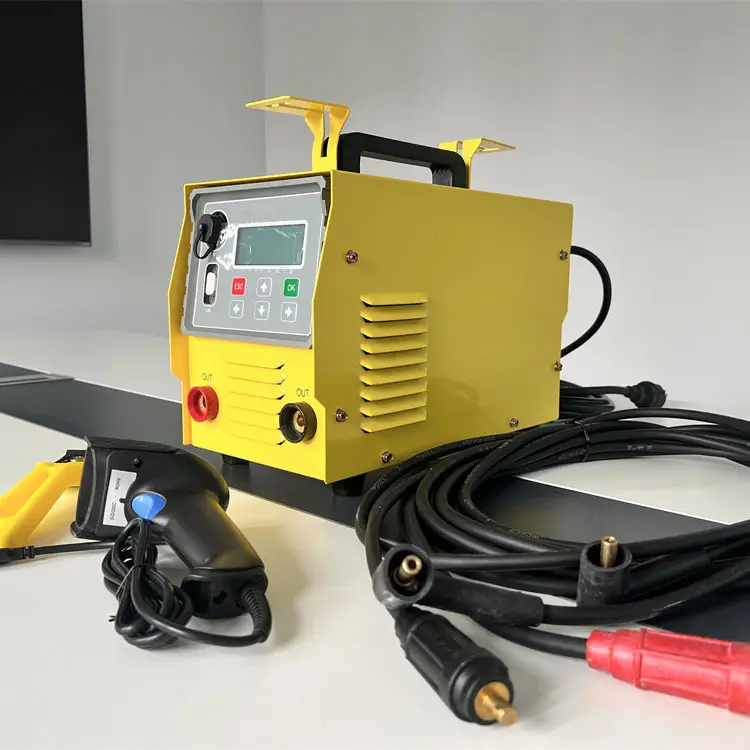
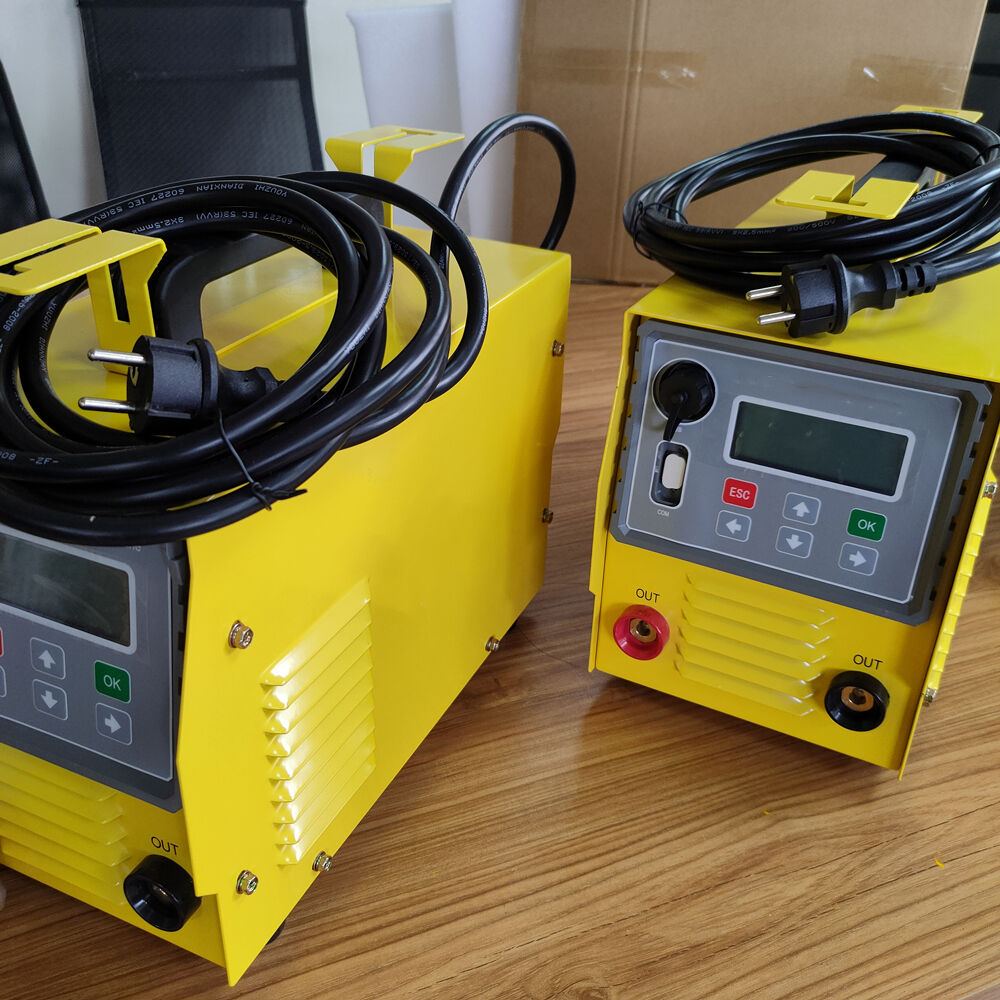
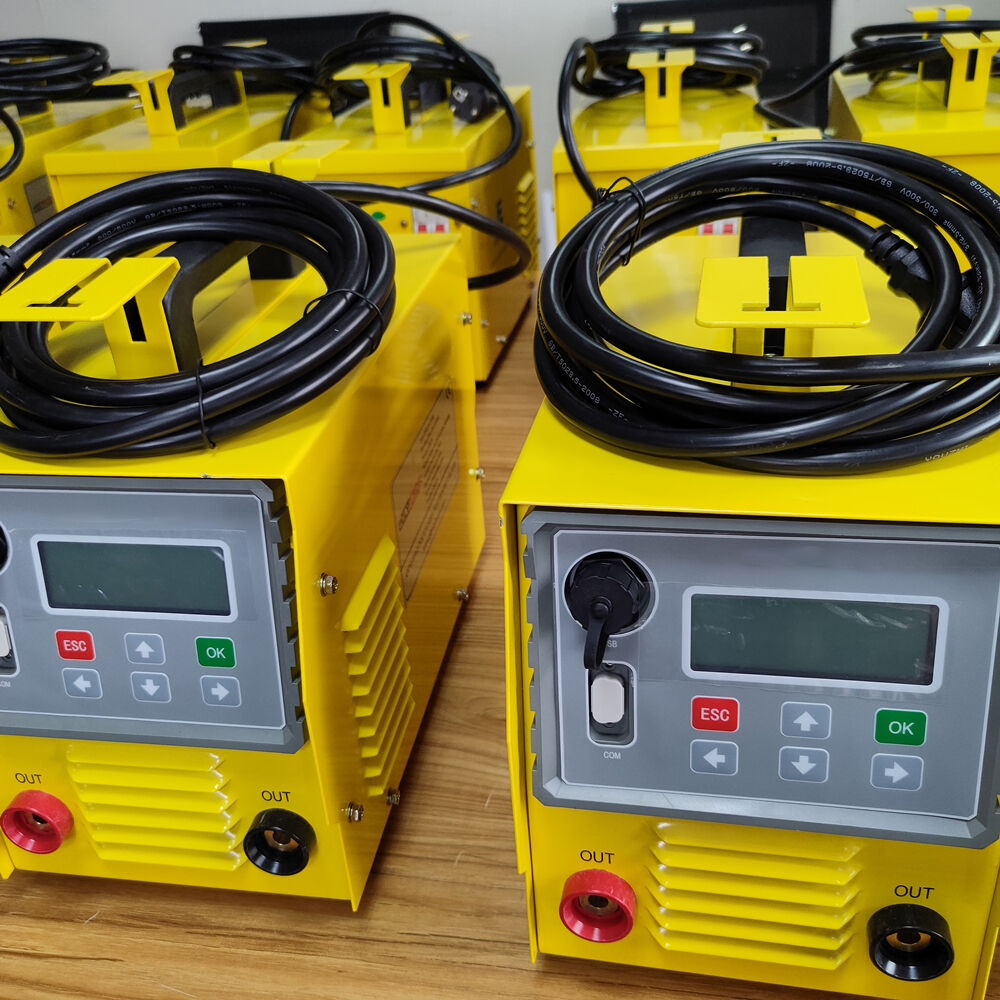
An electro fusion welder represents a sophisticated piece of equipment designed specifically for joining thermoplastic pipes and fittings through controlled electrical resistance heating. This welding technology has revolutionized the piping industry by providing a reliable, consistent method for creating permanent connections in polyethylene and polypropylene pipeline systems. The electro fusion welder operates by passing an electrical current through embedded heating coils within specially designed electro fusion fittings, generating precisely controlled heat that melts both the fitting's inner surface and the pipe's outer surface. As these materials melt and fuse together, they create a homogeneous bond that matches or exceeds the strength of the parent pipe material. Modern electro fusion welder units incorporate microprocessor controls that automatically adjust voltage, current, and fusion time based on fitting specifications read through barcode scanning technology. This automation eliminates human error and ensures every joint receives the exact energy required for optimal fusion. The equipment typically consists of a control unit with a digital display, cable connections with safety features, and data logging capabilities that record each weld for quality assurance purposes. Electro fusion welder technology finds extensive application across municipal water distribution networks, natural gas transmission systems, industrial process piping, mining operations, and infrastructure projects where durability and leak-free performance are critical. The method works effectively in challenging environments including confined spaces, adverse weather conditions, and situations where traditional butt fusion welding proves impractical. Installation teams value electro fusion welder systems because they require minimal space for operation, produce joints in locations where large fusion machines cannot access, and maintain consistent quality regardless of operator skill level. The technology accommodates pipe sizes ranging from small diameter service lines to large transmission mains, with fittings available for straight couplings, elbows, tees, reducers, and specialized configurations that address unique installation requirements.

New Products

The electro fusion welder delivers numerous practical benefits that directly impact project efficiency, cost management, and long-term system reliability. First, this welding method produces exceptionally strong joints that will not leak or fail under normal operating conditions, giving property owners and facility managers confidence in their piping infrastructure for decades. The fusion process creates molecular bonds between materials rather than mechanical connections, eliminating weak points where future problems might develop. Projects completed with an electro fusion welder experience fewer callbacks and warranty claims because the joints simply do not fail when properly executed. Second, the equipment saves significant time during installation compared to traditional joining methods. Operators can complete most electro fusion welder connections in under ten minutes from start to finish, including preparation, fusion, and cooling periods. This speed advantage multiplies across large projects involving hundreds of joints, compressing installation schedules and reducing labor costs substantially. Third, the technology works reliably in difficult conditions where other welding methods struggle or fail completely. Rain, wind, cold temperatures, and muddy trenches do not prevent successful fusion when using an electro fusion welder, meaning projects maintain momentum regardless of weather disruptions. Fourth, the compact size of electro fusion welder equipment allows work in confined spaces, narrow trenches, building crawl spaces, and other locations where bulky butt fusion machines cannot operate. This flexibility reduces the need for extensive excavation, property disruption, and restoration work that add unnecessary expense to projects. Fifth, the automated nature of electro fusion welder technology means consistent results across different operators and job sites. The machine controls all critical parameters, so joints created by experienced technicians match those made by newer team members. This consistency reduces quality concerns and inspection requirements while building confidence among engineers and inspectors. Sixth, electro fusion welder systems generate detailed records of every joint, including date, time, operator identification, fitting barcode data, voltage, current, and fusion duration. This documentation proves invaluable for quality assurance, regulatory compliance, and future maintenance planning. Seventh, the method requires less operator training than manual welding techniques, allowing contractors to deploy capable crews more quickly and reducing the specialized labor shortage that affects many construction markets. Finally, electro fusion welder technology supports sustainable construction practices by minimizing material waste, eliminating consumables like solvents or adhesives, and creating durable systems that avoid the environmental impact of future repairs or replacements.

Practical Tips

How Can a Pipe Welding Machine Ensure Reliable Pipe Connections?

28

Apr

How Can a Pipe Welding Machine Ensure Reliable Pipe Connections?

Reliable pipe connections form the backbone of critical infrastructure systems across water distribution networks, natural gas pipelines, industrial processing facilities, and municipal wastewater management operations. The integrity of these connect...
View More
How Does an HDPE Thermofusion Machine Improve Pipeline Performance?

24

Apr

How Does an HDPE Thermofusion Machine Improve Pipeline Performance?

Pipeline integrity stands as a critical concern across industries ranging from municipal water distribution to industrial gas transport, and the welding technology employed directly determines long-term performance outcomes. An HDPE thermofusion mach...
View More
How Does a Plastic Pipe Electric Fusion Welder Improve Connection Strength?

03

Apr

How Does a Plastic Pipe Electric Fusion Welder Improve Connection Strength?

In industrial piping systems, the integrity of connections directly determines operational safety, longevity, and performance. Traditional mechanical joining methods such as threading, clamping, or adhesive bonding often introduce vulnerabilities inc...
View More
What Is an HDPE Thermofusion Welding Machine Used for in Pipelines?

09

Jun

What Is an HDPE Thermofusion Welding Machine Used for in Pipelines?

When engineers and project managers plan modern pipeline infrastructure, the method used to join pipe segments is just as critical as the material chosen for the pipes themselves. An HDPE thermofusion welding machine is at the center of this process,...
View More

Get a Free Quote

Our representative will contact you soon.
E-mail
Name
Mobile/WhatsApp
Company Name
Message
0/1000

electro fusion welder

Precision Control Technology Ensures Perfect Joints Every Time

Precision Control Technology Ensures Perfect Joints Every Time

The advanced control systems built into modern electro fusion welder units represent a quantum leap forward in pipeline joining reliability and consistency. Unlike manual welding processes that depend heavily on operator skill, experience, and attention to detail, the electro fusion welder employs sophisticated microprocessor technology that manages every aspect of the fusion cycle with mathematical precision. When an operator scans the barcode on an electro fusion fitting, the control unit instantly retrieves the manufacturer's specifications for that exact component, including required voltage, current profile, fusion duration, and cooling time. The electro fusion welder then delivers precisely calibrated energy to the fitting's embedded heating coils, monitoring resistance values in real time to ensure proper heat generation throughout the fusion zone. This closed-loop control system automatically compensates for variables like ambient temperature, supply voltage fluctuations, and cable resistance that would otherwise affect joint quality. The technology eliminates the guesswork and variability inherent in traditional joining methods, producing uniform results regardless of environmental conditions or operator experience level. Quality assurance personnel and regulatory inspectors appreciate this consistency because it dramatically reduces the need for destructive testing and post-installation verification. The data logging capabilities integrated into electro fusion welder systems provide another layer of confidence by creating permanent records of each joint's fusion parameters. These digital records document compliance with specifications and establish accountability in ways that manual processes simply cannot match. For contractors, this precision control translates directly into reduced liability exposure, fewer warranty claims, and enhanced reputation for quality work. Project owners benefit from knowing their piping systems contain joints that meet or exceed design requirements without exception. The technology also enables successful fusion in challenging situations where manual methods would likely fail, such as connecting pipes in water-filled trenches, during temperature extremes, or in positions where maintaining consistent manual pressure proves difficult. As an investment, the electro fusion welder pays dividends through eliminated callbacks, reduced insurance premiums, and the ability to guarantee work with confidence backed by objective data rather than subjective assurances.
Versatile Application Range Solves Complex Installation Challenges

Versatile Application Range Solves Complex Installation Challenges

The remarkable versatility of electro fusion welder technology addresses installation challenges that previously required expensive workarounds, service interruptions, or complete system redesigns. This adaptability stems from the compact nature of electro fusion welder equipment combined with the wide variety of specialized fittings available for different connection scenarios. Where traditional butt fusion welding demands substantial working space for alignment fixtures and fusion machines, an electro fusion welder operates effectively in trenches barely wider than the pipe itself, inside building mechanical rooms with limited clearance, beneath roadways accessed through small excavations, and within existing pipe corridors where space constraints rule out conventional equipment. This spatial efficiency reduces excavation costs, minimizes property disruption, and enables repairs or expansions that would otherwise prove impractical or prohibitively expensive. The technology excels particularly in renovation and retrofit applications where existing structures limit access and working room. Maintenance teams use electro fusion welder systems to insert new service connections into operating water mains without shutting down large network sections, saving communities from expensive temporary water supply arrangements and public inconvenience. The method allows joining dissimilar pipe sizes through reducer fittings, creating branch connections with tee fittings, and navigating directional changes with elbow fittings, all while maintaining the same high joint quality standards. Temperature versatility further extends the practical application range of electro fusion welder equipment. While some joining methods become unreliable or impossible in cold weather, properly designed electro fusion welder systems function effectively across wide temperature ranges, allowing year-round construction schedules in regions where winter conditions would otherwise halt pipeline projects. The technology also accommodates emergency repair situations where speed and reliability matter more than ideal working conditions. When water mains break or gas lines fail, repair crews armed with an electro fusion welder can restore service quickly without waiting for optimal weather or spending hours establishing proper working conditions. The equipment handles pipe materials across the full spectrum of polyethylene types and grades, from standard PE80 to high-performance PE100, ensuring compatibility with existing infrastructure regardless of installation vintage or manufacturer.
Long-Term Economic Value Through Durability and Minimal Maintenance

Long-Term Economic Value Through Durability and Minimal Maintenance

Investing in electro fusion welder technology delivers substantial long-term economic advantages that extend far beyond the initial equipment purchase price. The superior joint quality produced by electro fusion welder systems translates directly into infrastructure longevity that reduces lifecycle costs dramatically compared to alternative joining methods. Properly executed electro fusion joints achieve service lives matching the pipe itself, typically fifty years or more for municipal water and gas applications, eliminating the premature failures and expensive repairs that plague mechanically joined systems. This durability stems from the molecular-level fusion that electro fusion welder technology creates, forming homogeneous bonds without introducing stress concentrations, dissimilar materials, or mechanical components that degrade over time. Infrastructure managers and financial planners increasingly recognize that the true cost of piping systems includes not just installation expenses but also maintenance requirements, repair frequency, service disruptions, and eventual replacement needs. Systems installed with an electro fusion welder consistently outperform alternatives across all these metrics, delivering lower total ownership costs despite potentially higher upfront investment. The elimination of consumable materials represents another economic advantage, as electro fusion welder operations require no solvents, adhesives, primer compounds, or mechanical gaskets that add recurring costs to other joining methods. The equipment itself requires minimal maintenance beyond basic cable inspections and calibration verification, activities that most contractors perform in-house without specialized service support. This operational simplicity reduces downtime and eliminates the parts inventory requirements associated with more complex equipment. From a contractor's business perspective, the electro fusion welder enhances profitability through multiple mechanisms. The speed and efficiency of the fusion process reduce labor hours per joint, allowing crews to complete more work with the same staffing levels. The consistent quality eliminates costly callbacks and warranty work that erode profit margins on competitive projects. The detailed documentation provided by data logging systems reduces disputes with clients, inspectors, and engineers while streamlining administrative processes related to quality assurance and regulatory compliance. For organizations managing large pipeline networks, the standardization enabled by electro fusion welder technology simplifies training, reduces spare parts inventory complexity, and allows more flexible crew deployment across different project types and locations. These operational efficiencies compound over time, creating sustained competitive advantages and improved financial performance that justify the technology investment many times over.


Get a Free Quote

Our representative will contact you soon.
E-mail
Name
Mobile/WhatsApp
Company Name
Message
0/1000