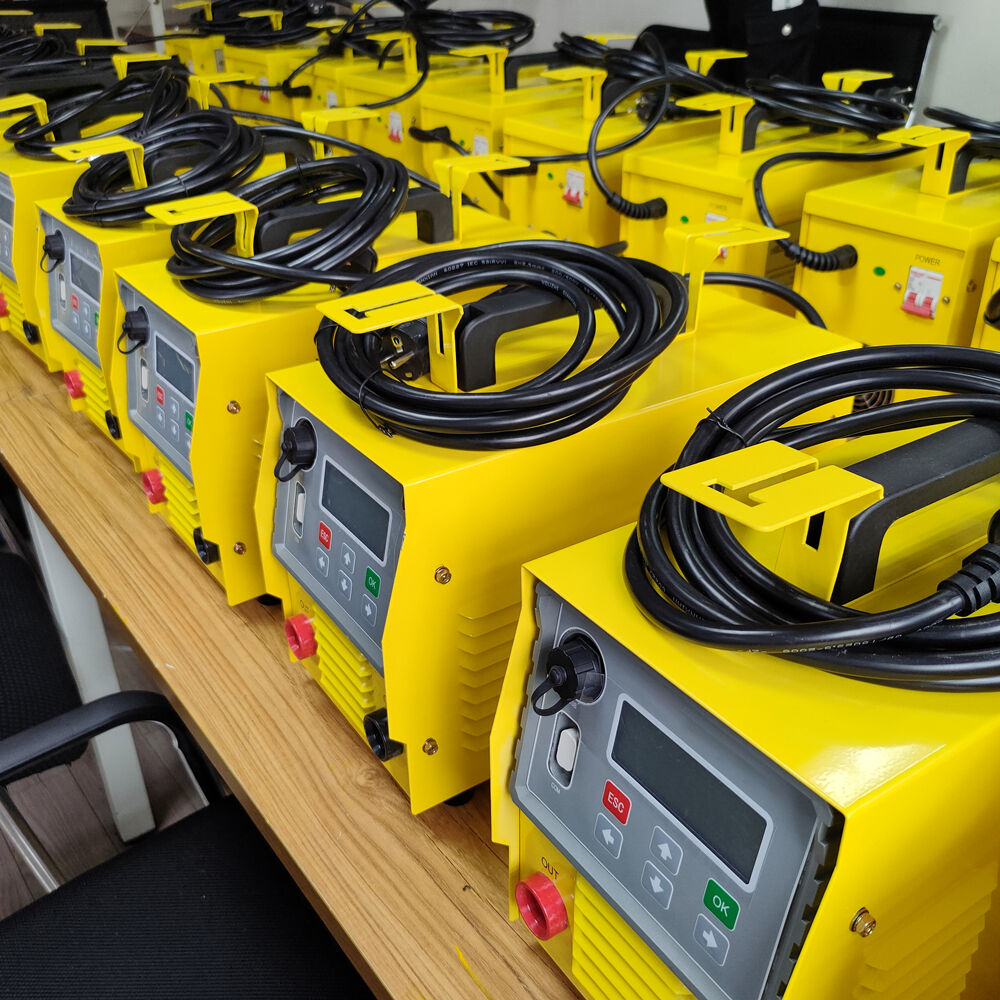
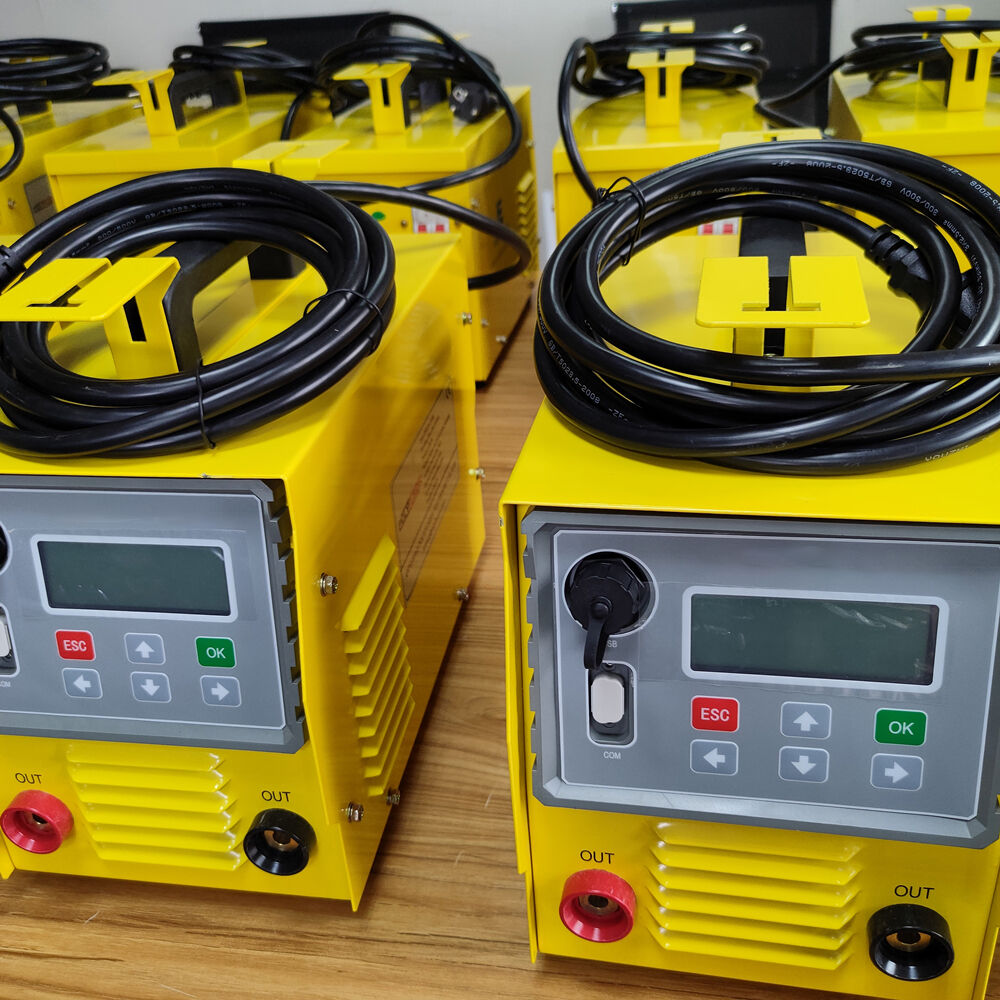
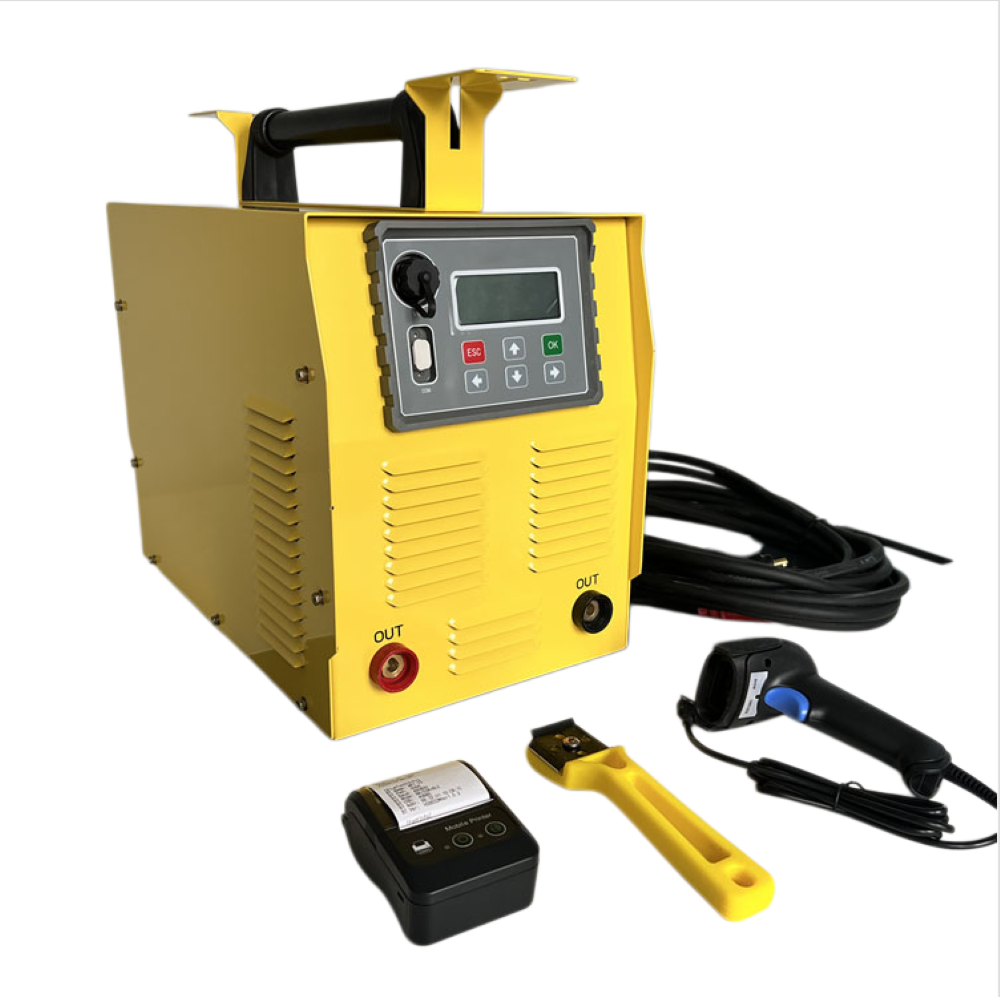
electrofusion machine for hdpe pipe
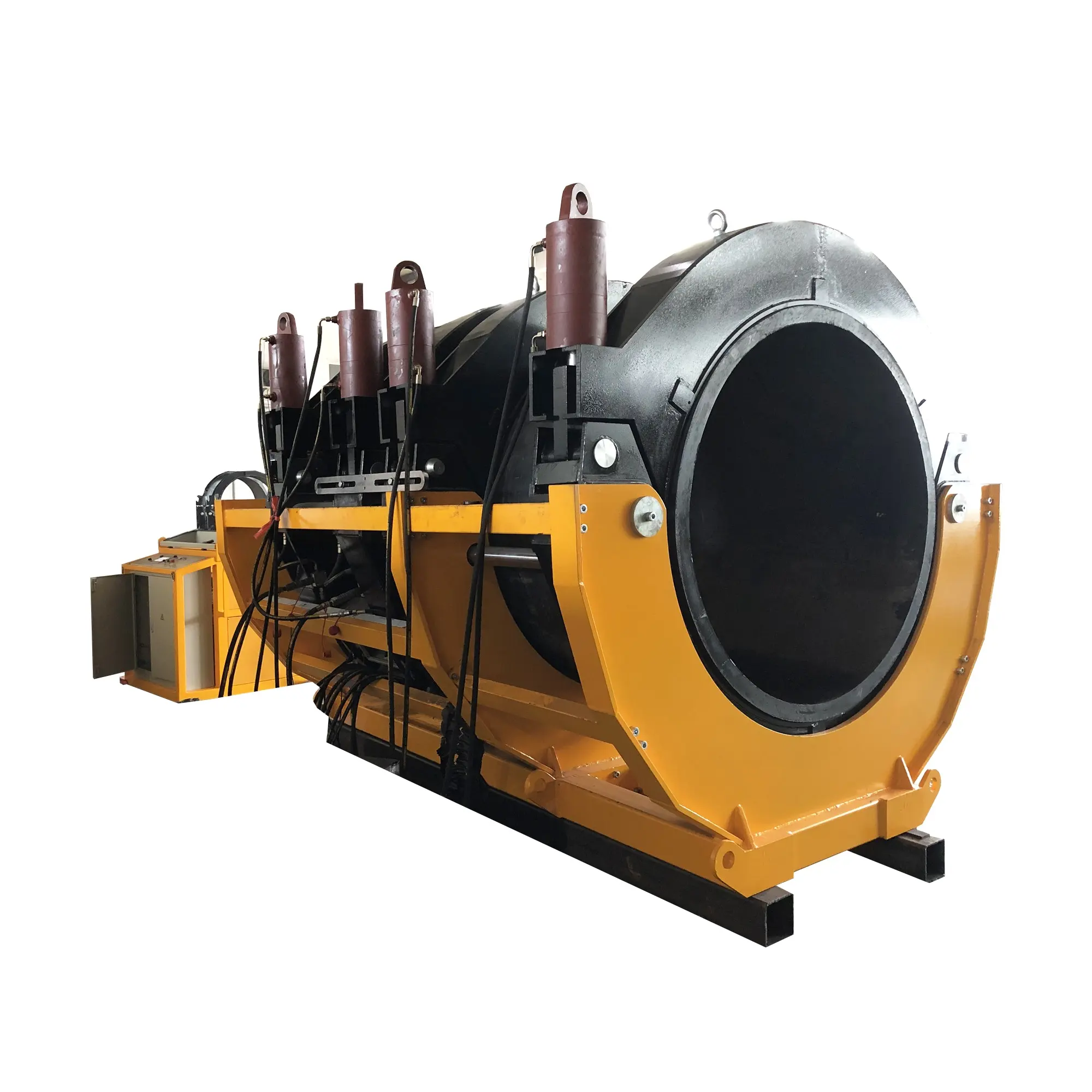
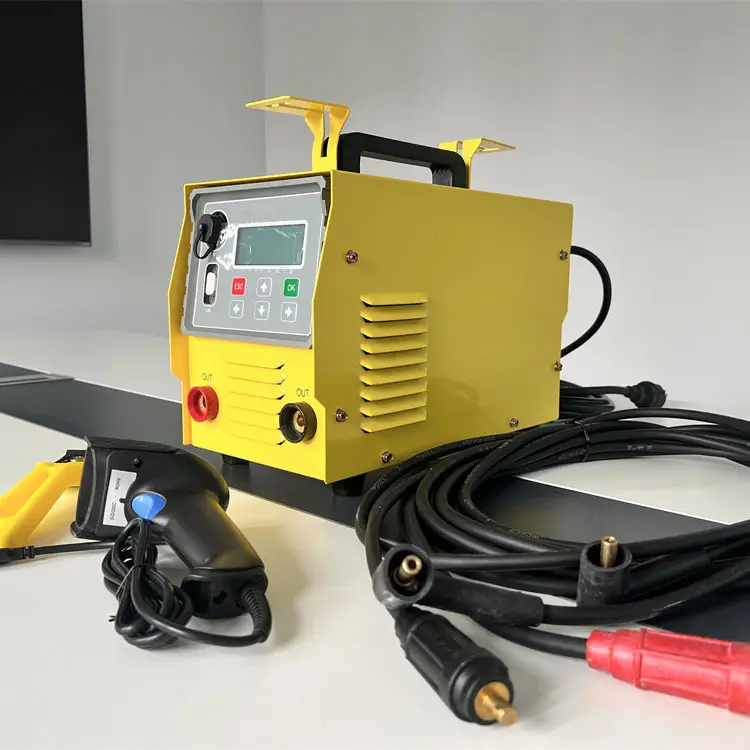
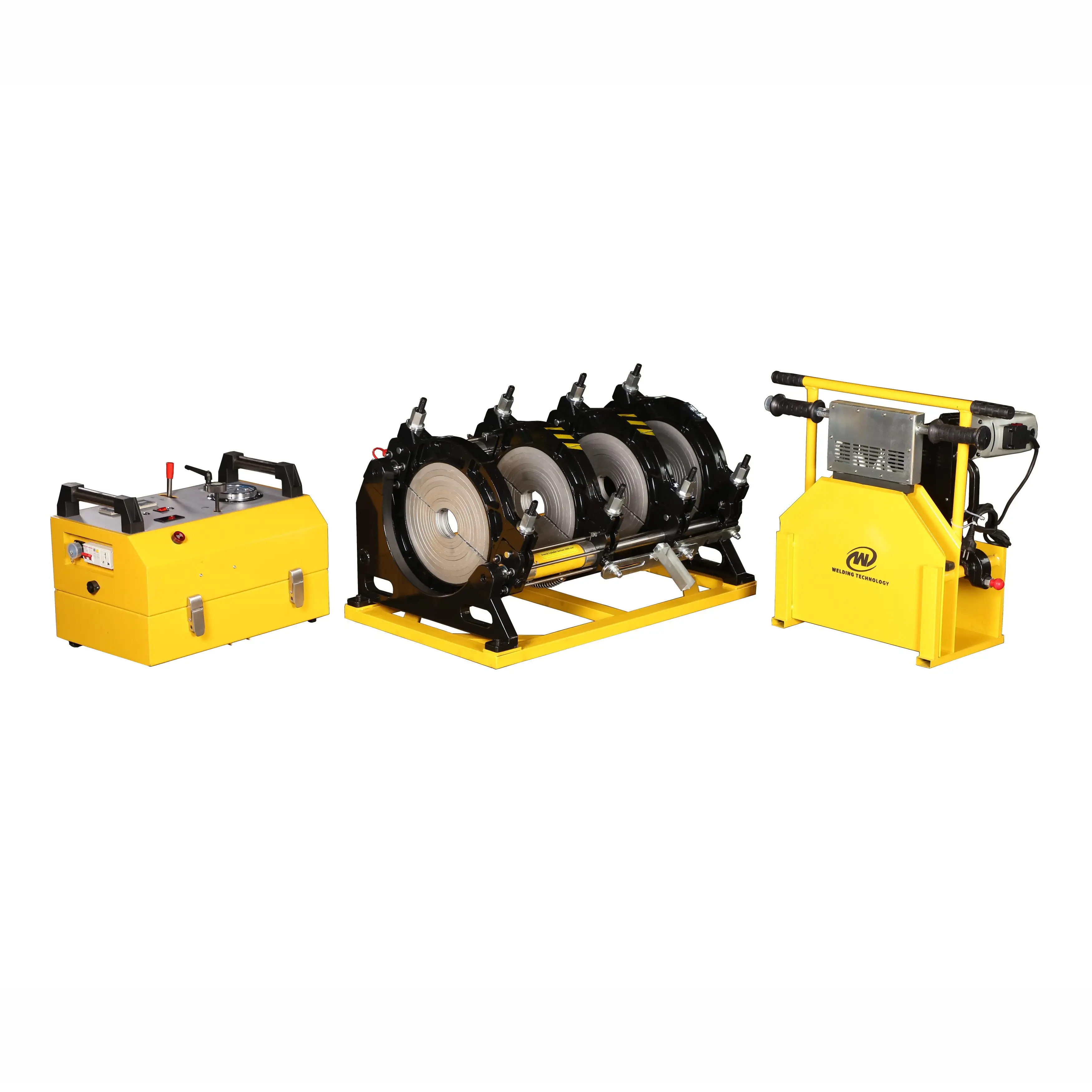
An electrofusion machine for hdpe pipe represents a sophisticated welding system designed specifically to join high-density polyethylene pipes through controlled electrical heating. This advanced equipment creates permanent, leak-proof connections by melting specially designed fittings onto pipe surfaces. The electrofusion machine for hdpe pipe operates by delivering precise electrical current to embedded heating coils within electrofusion fittings, generating uniform heat that fuses the pipe material and fitting together at a molecular level. Modern systems feature microprocessor-controlled operations that automatically adjust voltage, current, and fusion time based on fitting specifications. The main functions include barcode scanning capabilities that read fitting parameters, voltage regulation systems ensuring consistent energy delivery, automatic cooling cycle management, and comprehensive data logging for quality assurance purposes. Technological features of the electrofusion machine for hdpe pipe encompass digital displays providing real-time process monitoring, multiple safety mechanisms preventing improper operations, battery and mains power options for field flexibility, and compatibility with various fitting sizes ranging from small diameter domestic pipes to large industrial applications. These machines incorporate temperature compensation algorithms adjusting for ambient conditions, ensuring optimal fusion regardless of environmental factors. Applications span municipal water distribution networks where reliable connections prevent contamination, natural gas pipeline installations requiring absolute integrity, industrial process piping systems handling chemicals and corrosive materials, mining operations demanding robust infrastructure, telecommunications conduit systems, and agricultural irrigation projects. The electrofusion machine for hdpe pipe serves critical roles in infrastructure development, pipeline rehabilitation projects, and emergency repair situations. Installation teams rely on this equipment for both new construction and maintenance work, particularly in challenging environments where traditional welding methods prove impractical. The technology supports sustainable development by enabling long-lasting pipe systems that minimize water loss, reduce maintenance requirements, and provide decades of reliable service in demanding applications across residential, commercial, and industrial sectors.

 EN
EN